Description
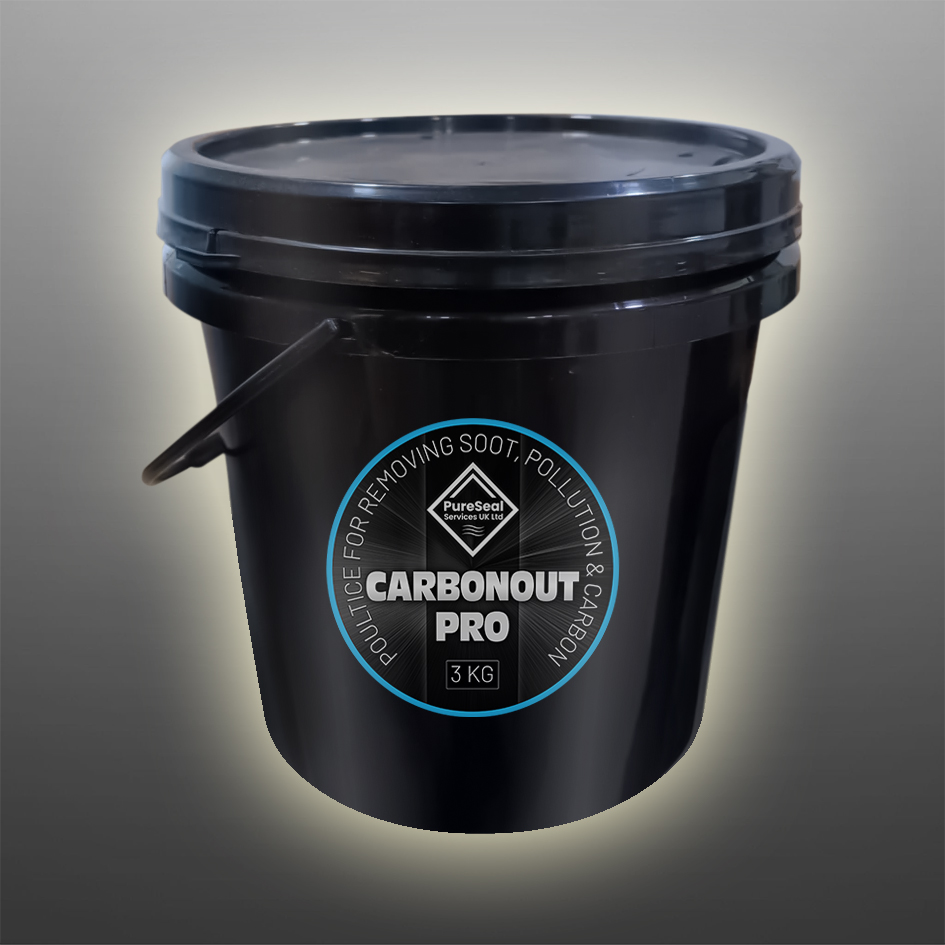
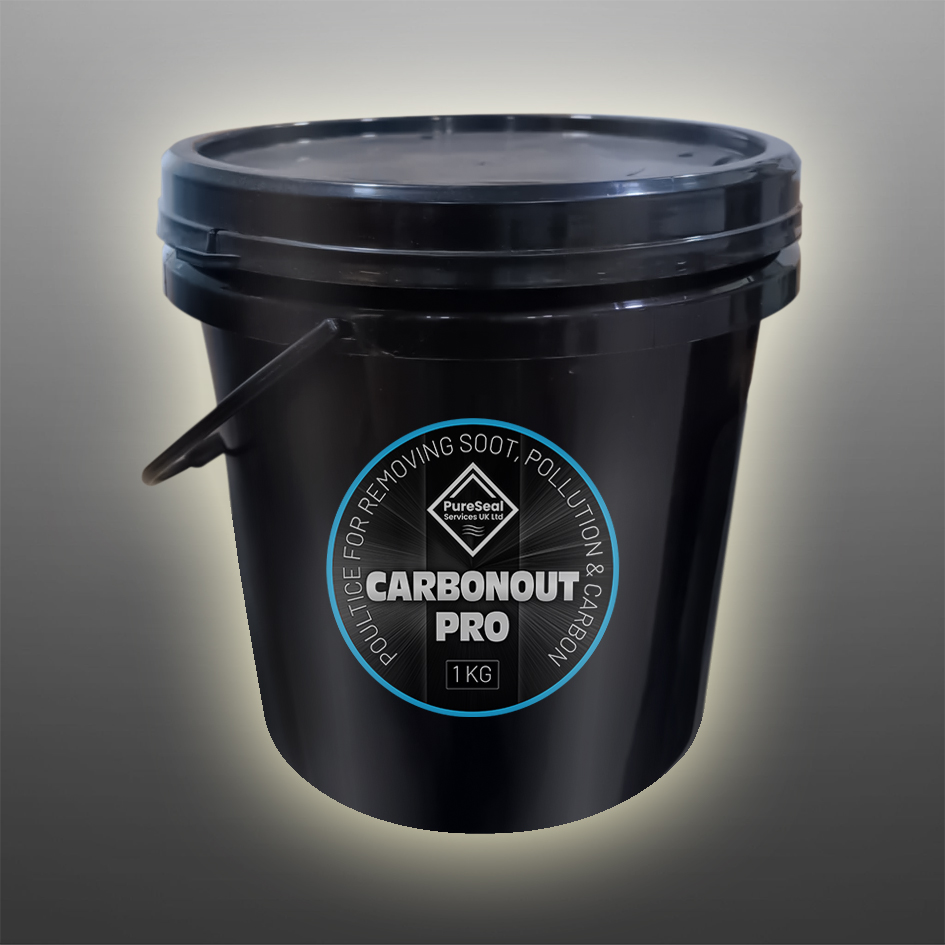
CarbonOut Pro is a specialist alkaline poultice that removes severe atmospheric soiling and deeply embedded carbon deposits from masonry surfaces. It works especially well on buildings in high-pollution areas, where stonework can become heavily blackened and standard cleaning products often fail.
In addition to cleaning, CarbonOut Pro also works as a controlled paint stripper for specific coatings. When you apply it correctly, it dissolves and lifts multiple layers of paint from masonry without damaging the surface beneath. This makes it a versatile option for restoration projects that involve heavy soiling and old paintwork.
The paste breaks down staining and paint, then draws contaminants out of the masonry and into the poultice. After a dwell time of up to 48 hours, the partly dried paste stays flexible. You can then lift it away carefully with a corrosion-resistant trowel or spatula.
This method produces excellent results and reduces liquid waste. The paste traps dissolved solids, which makes containment and disposal easier.
When you use CarbonOut Pro correctly, it provides a safe, controlled, and highly effective cleaning process. It helps restore masonry to its natural appearance without causing damage or discolouration.
Advantages and Limitations
CarbonOut Pro offers several important advantages. Its thick paste clings to vertical surfaces and detailed features, making it suitable for walls and intricate mouldings. The formula stays active for up to 48 hours, which helps it penetrate stubborn carbon deposits and long-standing soiling.
Because CarbonOut Pro has a dual-purpose formula, it can also remove multiple layers of certain paints. The semi-dried paste traps dissolved paint solids and reduces the liquid waste often produced by standard paint stripping methods. This makes disposal easier and helps reduce environmental impact.
However, CarbonOut Pro does have some key limits. It contains alkaline ingredients, so you must neutralise the masonry after treatment. Without proper neutralisation, residues can stay active and cause long-term surface damage.
Do not use CarbonOut Pro to remove paint from metal or wood. Only use it on suitable masonry surfaces. Also avoid glazed or polished surfaces, as the product may cause etching, dullness, or permanent damage.
As with all restoration treatments, always carry out a pre-test first. This helps you confirm compatibility and set the correct dwell time and application method before starting full-scale work.
Preparation
Good preparation helps you use CarbonOut Pro safely and effectively. First, inspect the work area carefully and identify any surfaces or features that need protection. Cover nearby plants, windows, metalwork, and delicate features with heavy-duty plastic sheeting or tarpaulins.
Secure the coverings firmly to stop them moving during application, especially in windy conditions.
Before starting, check that both the masonry and surrounding air temperatures sit at 10°C or above. Do not use the product below freezing or when overnight frost may occur. If freezing conditions have affected the surface, allow the masonry to thaw fully before starting work.
Wear personal protective equipment throughout the process, including:
- Chemical-resistant gloves
- Safety goggles or a face shield
- Protective clothing
- A respirator, where required
If you work in a public area or near other people, secure the site with barriers, warning signs, or cones. This helps stop pedestrians and pets from entering the area while the product remains active.
Gather all tools and equipment before starting. You will need corrosion-resistant trowels or spatulas for application and removal. You will also need low-pressure rinsing equipment, soft-bristled brushes, and pH testing papers to confirm full neutralisation.
Pretesting
Pretesting plays a critical role and you should never skip it. It helps you confirm that CarbonOut Pro suits the masonry. It also helps you choose the best dwell time and number of applications.
Choose a small, discreet section of the surface. Apply CarbonOut Pro at a thickness of 5–7 mm, using the same method planned for the full application. Allow the poultice to dwell for 24 to 48 hours, depending on the level of soiling or paint build-up.
Once the dwell period ends, carefully remove the test section with a corrosion-resistant trowel or spatula. Then rinse the area with fresh water.
For cleaning tests, apply NeutraRinse Pro diluted 1:1 with clean water to neutralise the surface. Allow the test area to dry completely before checking the results. This helps you judge the result and make any changes before full application. This step is especially important on historic or delicate masonry.
Application Process – Cleaning and Paint Stripping
To begin treatment, apply CarbonOut Pro evenly over the target area with a corrosion-resistant trowel. Spread the poultice to a thickness of 5–7 mm and cover the soiled or painted masonry fully.
Allow the product to dwell undisturbed for 24 to 48 hours. This dwell time helps the product penetrate deeply and break down heavy carbon deposits or multiple paint layers.
If the poultice starts to dry and lose flexibility, lightly mist it with clean water. Then allow it to rest for around 15 minutes. This softens the paste, makes removal easier, and helps prevent surface damage.
When the dwell period ends, carefully insert a corrosion-resistant trowel or spatula beneath the poultice. Lift the paste away from the surface and remove as much material as possible. The lifted paste contains the dissolved staining or paint, which makes containment and disposal easier.
If paint remains after the first application, repeat the process until you remove all layers. Areas with extremely heavy carbon soiling may also need more than one treatment.
Cleanup and Storage
After treatment, clean all tools and equipment thoroughly with fresh water. This includes trowels, spatulas, sprayers, and brushes. Cleaning tools straight after use prevents product build-up and keeps equipment in good condition.
Collect and dispose of used poultice material in line with local waste rules. Do not allow large amounts of product to enter drains or natural water systems.
Store CarbonOut Pro and NeutraRinse Pro in their original sealed containers. Keep them in a cool, dry place away from direct sunlight, heat, and freezing conditions. Proper storage keeps the products effective and safe to use.
Neutralisation with NeutraRinse Pro
After cleaning or paint stripping, neutralise the treated masonry thoroughly. This helps prevent damage from alkaline residues.
First, rinse the surface thoroughly with a low-pressure water spray. Work systematically and remove all visible residue. Then prepare NeutraRinse Pro at a 1:1 dilution with clean water.
Apply the neutralising solution with a soft-bristled brush. Use gentle scrubbing motions to spread it evenly across the surface. Allow the solution to sit for 3 to 5 minutes so it can balance the pH levels.
After this dwell time, rinse the area again with fresh water. Work from the bottom upwards to help prevent streaking and ensure full coverage. Repeat the process as needed until pH testing papers confirm a neutral reading.
If the pH remains high, repeat the neutralisation steps until the surface reaches the correct balance.
Coverage Rates:
The coverage rate of CarbonOut Pro will vary depending on the porosity and texture of the masonry andthe severity of staining or paint build-up. As a general guideline, 0.2 to 0.3 square metres per kilogram can be treated. Highly porous or heavily soiled surfaces may require more product.



 Artificial and Sports Surfaces
 Awnings / Canopies / Gazebos
 Block Paving
 Brickwork
 Composite Surfaces
 Decking / Timber
 Granite
 Imprinted Concrete
 Internal Masonry
 Limestone
 Marble
 Metal Cladding
 Polished or Honed Stone
 Porcelain
 Render
 Resin Bond
 Road and Rail Signs
 Roof Tiles / Slates
 Sandstone
 Slate
Slate Solar Panels and Glass
 Stone Sills and Pier Caps
 Tarmac and Asphalt
 Gutters & UPVC
 Acid Damage
 Biofilm
 Bitumen
 Blood
Blood Carbon
 Concrete / Grout / Mortar
 Copper Oxide
 Efflorescence
 Egg
Egg Failed Sealer
 Fire Damage
 Fuel / Oil
 Graffiti
 Grease / Fat / Cooking Oil
 Lawn Fertiliser
 Lead Carbonate
 Lead Oxide
 Paint Splashes
 Rust
Rust Tar & Glue
 Tannin Removers
 Traffic Film Removers
 Trapped Moisture / Sealer Repairs
 Urine Neutralisers