Common Mistakes Contractors Make When Applying Surface Sealers
Applying a surface sealer may appear straightforward, but achieving a durable, professional finish requires far more than simply opening a container and applying the product. Every stage of the process, from surface preparation through to curing, affects how well the sealer performs and how long it protects the surface.
Unfortunately, many contractors underestimate the importance of preparation, product selection and correct application techniques. The result can be disappointing finishes, premature failure and unhappy customers who expected their investment to last for years.
At Pure Seal Services, we understand that long-lasting results come from combining premium products with meticulous preparation and professional application methods. Avoiding the common mistakes outlined below helps ensure exterior surfaces receive the level of protection they deserve.
Applying Sealer to a Dirty Surface
One of the most frequent mistakes is attempting to seal paving that hasn’t been cleaned thoroughly.
Although the surface may appear clean to the eye, contaminants often remain hidden within the pores of the material.
These include:
- Dust
- Fine sand
- Moss spores
- Algae
- Lichen
- Oil residues
- Organic matter
- Previous coating residues
If the sealer bonds to dirt rather than the paving itself, the coating will almost certainly fail much sooner.
Why Preparation Matters
Proper preparation creates the foundation for a successful sealing project.
| Preparation Stage |
Why It’s Important |
| Deep cleaning |
Removes contaminants |
| Weed removal |
Prevents growth beneath coating |
| Moss treatment |
Eliminates biological growth |
| Re-sanding block paving |
Restores joint stability |
| Drying period |
Promotes proper adhesion |
Skipping any of these stages can reduce the lifespan of even the highest-quality sealer.
Sealing Damp Surfaces
Moisture is one of the biggest causes of sealing failure.
Many contractors underestimate how much water remains inside paving after cleaning.
Although the surface feels dry, moisture may still be trapped below.
Applying sealer too early can cause:
- White patches
- Cloudiness
- Peeling
- Bubbling
- Reduced adhesion
Professional contractors allow sufficient drying time before beginning application.
Using the Wrong Sealer
Not every sealer is suitable for every material.
Different surfaces absorb products differently.
For example:
- Block paving
- Natural sandstone
- Limestone
- Granite
- Concrete
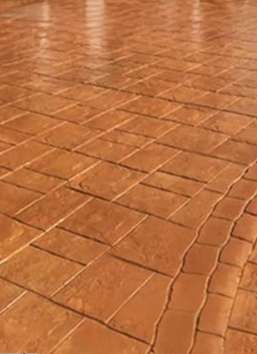
- Imprinted concrete
- Clay pavers
Each requires products designed specifically for that substrate.
Using an unsuitable product may reduce durability or alter the appearance of the paving.
Surface Compatibility
| Surface |
Requires Specialist Product? |
| Block paving |
Yes |
| Natural stone |
Yes |
| Concrete |
Yes |
| Imprinted concrete |
Yes |
| Clay paving |
Yes |
Selecting the correct product is one of the most important decisions in the entire process.
Applying Too Much Sealer
Many inexperienced contractors assume more product means more protection.
Unfortunately, excessive application often creates problems.
Over-application can lead to:
- Sticky finishes
- Uneven gloss
- Slow curing
- Surface cracking
- Peeling
- Trapped solvents
Professional application focuses on achieving the manufacturer’s recommended coverage rate rather than simply applying the thickest possible coating.
Applying Too Little Product
The opposite problem is also common.
Trying to reduce material costs by applying less sealer than recommended produces a coating that wears away quickly.
Thin applications may provide:
- Reduced stain resistance
- Poor water repellency
- Lower abrasion resistance
- Shorter lifespan
Correct coverage balances performance with appearance.
Ignoring the Weather Forecast
Exterior sealing depends heavily on weather conditions.
Professional installers carefully monitor:
- Rain forecasts
- Air temperature
- Surface temperature
- Relative humidity
- Overnight conditions
- Wind speed
Applying sealer immediately before rainfall can completely ruin the finish.
Similarly, very hot conditions may cause products to dry too quickly.
Ideal Application Conditions
| Condition |
Preferred Situation |
| Dry weather |
Yes |
| Moderate temperatures |
Yes |
| Stable forecast |
Yes |
| Low chance of rain |
Yes |
| Controlled humidity |
Yes |
Planning around the weather significantly improves the likelihood of a successful installation.
Poor Joint Preparation
On block paving, the joints are just as important as the blocks themselves.
Some contractors neglect to:
- Replace lost kiln-dried sand
- Compact joints properly
- Ensure the joints are completely dry
Without stable joints, the paving can gradually lose support and the sealer cannot provide its full benefits.
Rushing the Job
Time pressure often leads to mistakes.
Examples include:
- Inadequate drying
- Incomplete cleaning
- Poor masking
- Uneven application
- Insufficient curing time
Professional sealing requires patience.
Taking shortcuts almost always reduces the quality of the finished result.
Failing to Remove Previous Coatings
Old sealers don’t always provide a suitable base for new products.
Previous coatings may already be:
- Peeling
- Flaking
- Yellowing
- Wearing unevenly
Applying fresh sealer over a failing coating simply traps the problem underneath.
Proper assessment should determine whether previous coatings require removal before resealing.
Common Signs of Failed Sealer
| Symptom |
Likely Cause |
| Peeling |
Poor adhesion |
| White haze |
Moisture contamination |
| Flaking |
Previous coating failure |
| Patchy gloss |
Uneven application |
| Rapid wear |
Insufficient coverage |
Recognising these warning signs helps avoid repeating previous mistakes.
Using Inappropriate Equipment
Application equipment influences the final finish.
Using unsuitable tools may create:
- Roller marks
- Brush strokes
- Missed areas
- Thick edges
- Uneven coverage
Professional contractors invest in specialist equipment that delivers consistent application across the entire surface.
Failing to Protect Surrounding Areas
Surface sealers can accidentally affect nearby materials.
Care should be taken around:
- Brickwork
- Walls
- Doors
- Garage doors
- Glass
- Metal fittings
- Decorative features
Proper masking and careful application reduce the risk of accidental overspray or staining.
Allowing Traffic Too Soon
A surface that feels dry isn’t necessarily fully cured.
Allowing vehicles or foot traffic onto newly sealed paving too early may cause:
- Tyre marks
- Scuffing
- Surface impressions
- Permanent damage
Professional contractors provide clear aftercare guidance explaining when the area can safely be used.
Typical Aftercare Considerations
| Activity |
Allow Appropriate Curing Time |
| Walking |
Follow product guidance |
| Moving furniture |
After sufficient curing |
| Vehicle traffic |
Once fully cured |
| Washing |
After full cure |
Following aftercare recommendations helps maximise the lifespan of the finished coating.
Not Explaining Customer Expectations
Some contractors promise unrealistic results.
Professional sealing offers excellent protection, but customers should understand:
- Natural weathering still occurs
- Regular maintenance remains beneficial
- Heavy traffic creates wear
- No coating lasts indefinitely
Managing expectations builds trust and improves customer satisfaction.
Choosing Products Based Only on Price
Lower-cost products may appear attractive when purchasing materials.
However, cheaper sealers often contain:
- Lower resin content
- Reduced UV protection
- Less chemical resistance
- Lower durability
Premium contractors generally prioritise long-term performance over reducing material costs.
Although professional-grade sealers increase the initial project cost, they frequently provide considerably better value over their service life.
Inadequate Surface Inspection
Every paving project is different.
Before sealing begins, contractors should assess:
- Surface condition
- Existing damage
- Drainage
- Previous treatments
- Repairs required
- Staining
- Joint condition
Skipping this inspection can result in sealing over defects that should have been addressed beforehand.
Inspection Checklist
| Inspection Item |
Importance |
| Structural condition |
High |
| Surface cleanliness |
High |
| Moisture levels |
High |
| Existing coatings |
High |
| Joint condition |
High |
| Drainage |
Medium |
| Staining |
Medium |
A thorough inspection reduces the likelihood of unexpected issues during application.
Failing to Recommend Ongoing Maintenance
Professional sealing is not a substitute for regular maintenance.
Contractors should advise customers to:
- Sweep debris regularly
- Remove leaves promptly
- Clean spills quickly
- Avoid harsh chemicals where possible
- Arrange periodic inspections
Simple maintenance practices help preserve both the appearance and effectiveness of the protective coating.
Overlooking Safety During Application
Professional sealing also requires careful attention to health and safety.
Contractors should consider:
- Appropriate personal protective equipment
- Ventilation where necessary
- Safe storage of materials
- Controlled access to the work area
- Protection of nearby landscaping and property
A safe working environment not only protects the contractor but also reassures customers that the work is being carried out professionally.
Investing in Quality Workmanship
Successful surface sealing depends on much more than the product itself. Thorough preparation, careful planning, correct product selection and professional application techniques all contribute to a durable, attractive finish that protects exterior surfaces for years.
By avoiding these common mistakes, contractors can improve customer satisfaction, reduce costly callbacks and build a reputation for delivering premium results. At Pure Seal Services, every sealing project is approached with the attention to detail, specialist knowledge and high-quality materials required to maximise the performance and longevity of the finished surface.
Understanding Surface Porosity
Every exterior surface absorbs sealers differently.
Porosity refers to how easily moisture and liquids can penetrate the material.
Highly porous surfaces absorb significantly more product than dense materials.
Professional contractors assess factors such as:
- Surface age
- Previous treatments
- Material type
- Weather exposure
- Existing wear
Applying the same amount of sealer to every surface is rarely appropriate.
For example:
| Surface |
Relative Porosity |
| New concrete |
Moderate |
| Weathered block paving |
High |
| Dense granite |
Low |
| Sandstone |
High |
| Limestone |
Moderate to High |
Understanding these differences helps achieve even protection while avoiding wasted material.
Failing to Test a Small Area First
Experienced contractors often carry out a small test application before treating the entire surface.
This allows them to check:
- Colour enhancement
- Finish level
- Absorption rate
- Compatibility
- Drying behaviour
Skipping this step increases the risk of unexpected results across a large area, where correcting mistakes becomes much more expensive and time-consuming.
Applying Sealer in Direct Sunlight
Warm weather may seem ideal for exterior work, but excessive heat can create problems.
Direct sunlight may cause the sealer to:
- Dry too quickly
- Flash off before penetrating
- Leave application marks
- Cure unevenly
- Develop visible lap marks
Professional contractors often schedule work for cooler parts of the day or choose weather conditions that allow the product to cure at the intended rate.
Forgetting Expansion Joints and Edges
Attention to detail separates professional workmanship from average installations.
Areas that are sometimes overlooked include:
- Expansion joints
- Drain covers
- Steps
- Kerbs
- Edging stones
- Thresholds
These sections should receive the same level of care as the main surface to produce a consistent appearance and ensure complete protection.
Poor Communication Before the Work Begins
Successful projects start with clear communication.
Customers should understand:
- What preparation is required
- How long the work will take
- When the area can be used again
- What finish to expect
- How to maintain the sealed surface
Providing realistic expectations helps avoid misunderstandings and increases confidence in the service being provided.
Ignoring Drainage Issues
A surface that regularly holds standing water may experience problems regardless of the quality of the sealer used.
Before sealing, contractors should identify:
- Low spots
- Poor drainage
- Blocked channels
- Uneven paving
- Areas of frequent pooling
Correcting these issues before application helps maximise the effectiveness of the protective coating.
Not Recording Product Information
Professional contractors keep detailed records of every project.
Useful information includes:
| Information |
Why It Matters |
| Product used |
Future maintenance |
| Batch number |
Quality tracking |
| Application date |
Maintenance scheduling |
| Coverage rate |
Consistency |
| Weather conditions |
Performance reference |
Accurate records make future re-sealing and maintenance much easier.
Neglecting Edge Protection
The edges of driveways and patios often receive the greatest wear.
These areas experience:
- Vehicle tyres
- Foot traffic
- Garden equipment
- Water runoff
Applying insufficient product around edges can result in premature wear that becomes visible long before the remainder of the surface requires attention.
Professionals ensure these high-wear areas receive consistent coverage without excessive build-up.
Assuming Every Customer Wants the Same Finish
Not every client wants a glossy “wet look.”
Some prefer:
- Natural appearance
- Colour enhancement
- Satin finish
- Higher gloss
- Invisible protection
Discussing finish options before work begins helps ensure customer expectations match the completed project.
A contractor who automatically applies one finish to every surface risks disappointing customers despite carrying out technically sound work.
Poor Storage of Sealing Products
Professional-grade sealers require appropriate storage before use.
Exposure to unsuitable conditions may affect product performance.
Potential problems include:
- Extreme temperatures
- Frost
- Direct sunlight
- Contamination
- Containers left open
Following manufacturer guidance helps ensure the product performs as intended once applied.
Overlooking Surrounding Landscaping
Care should always be taken to protect nearby features.
These may include:
- Lawns
- Flower beds
- Shrubs
- Decorative stone
- Garden furniture
- Timber decking
Careful masking and controlled application help minimise the risk of accidental contamination while maintaining a tidy working environment.
Not Scheduling Follow-Up Maintenance
Professional sealing should be viewed as part of an ongoing maintenance programme rather than a one-off treatment.
Contractors who maintain contact with previous customers can provide:
- Annual inspections
- Cleaning recommendations
- Maintenance washes
- Advice on future re-sealing
This proactive approach benefits both the customer and the business by helping protect the surface while creating opportunities for repeat work.
Using Generic Sales Advice Instead of Technical Knowledge
Customers increasingly research services before making purchasing decisions.
They appreciate contractors who can explain:
- Why preparation matters
- How sealers work
- The benefits of premium products
- Expected maintenance
- Suitable application conditions
Providing accurate technical information builds trust and reinforces a company’s reputation for professionalism.
Focusing on Long-Term Value Rather Than Initial Cost
Some contractors feel pressured to reduce prices by selecting cheaper products or rushing preparation.
However, long-lasting sealing depends upon investing in:
- Premium materials
- Proper preparation
- Skilled application
- Quality equipment
- Sufficient curing time
Although this approach results in a higher initial project cost, it also delivers a more durable finish that provides customers with greater value over the years.
Businesses that prioritise workmanship over competing solely on price often develop stronger reputations, receive more referrals and experience fewer callbacks.
Consistency Is the Key to Professional Results
Perhaps the biggest difference between average contractors and experienced sealing specialists is consistency.
Every project should follow the same proven process:
| Professional Stage |
Purpose |
| Initial inspection |
Assess surface condition |
| Thorough cleaning |
Remove contamination |
| Drying period |
Promote adhesion |
| Surface preparation |
Prepare joints and repairs |
| Product selection |
Match sealer to substrate |
| Controlled application |
Even coverage |
| Curing period |
Maximise durability |
| Aftercare advice |
Protect long-term performance |
Following this structured approach reduces the likelihood of mistakes while delivering a consistently high standard of workmanship.
For property owners investing in premium exterior surface protection, attention to detail at every stage is what ultimately determines how well the finished sealer performs. At Pure Seal Services, every project is completed using careful preparation, professional application techniques and high-quality products to maximise durability, appearance and long-term value, ensuring customers receive a finish designed to stand the test of time.





 Artificial and Sports Surfaces
 Awnings / Canopies / Gazebos
 Block Paving
 Brickwork
 Composite Surfaces
 Decking / Timber
 Granite
 Imprinted Concrete
 Internal Masonry
 Limestone
 Marble
 Metal Cladding
 Polished or Honed Stone
 Porcelain
 Render
 Resin Bond
 Road and Rail Signs
 Roof Tiles / Slates
 Sandstone
 Slate
Slate Solar Panels and Glass
 Stone Sills and Pier Caps
 Tarmac and Asphalt
 Gutters & UPVC
 Acid Damage
 Biofilm
 Bitumen
 Blood
Blood Carbon
 Concrete / Grout / Mortar
 Copper Oxide
 Efflorescence
 Egg
Egg Failed Sealer
 Fire Damage
 Fuel / Oil
 Graffiti
 Grease / Fat / Cooking Oil
 Lawn Fertiliser
 Lead Carbonate
 Lead Oxide
 Paint Splashes
 Rust
Rust Tar & Glue
 Tannin Removers
 Traffic Film Removers
 Trapped Moisture / Sealer Repairs
 Urine Neutralisers