
Failed Sealer - Porcelain
When looking for a reliable sealing solution, it’s crucial to understand the concept of a “Failed Sealer for Porcelain.” This term refers to sealers that do not effectively protect porcelain surfaces. To avoid the common pitfalls, always research the types of sealers available on the market. Different products may have varying levels of effectiveness, and some may even lead to unwanted outcomes.
Firstly, consider the environment where the porcelain will be used. For instance, high-traffic areas or outdoor spaces may require a more robust sealing option. On the other hand, interior surfaces can often get away with lighter sealers. Be aware that a failed sealer for porcelain can leave your surfaces vulnerable to stains and damage. Therefore, selecting the right product is essential for maintaining the beauty and durability of your porcelain items.
Next, pay attention to application methods. Properly preparing the surface before applying the sealer is vital. Clean the porcelain thoroughly to remove any dirt, grime, or old sealer residues. After that, follow the manufacturer’s instructions for application. Applying too thick a layer can lead to a failed sealer for porcelain, as it may not cure properly.
Moreover, regular maintenance is key to prolonging the life of your sealer. Inspect your surfaces periodically for signs of wear or damage. If you notice a decline in performance, it may be time to reapply the sealer. By being proactive, you can avoid the consequences of a failed sealer for porcelain.
In conclusion, understanding the implications of a failed sealer for porcelain helps you make informed choices. By taking the time to research, prepare, and maintain your surfaces, you ensure lasting protection and beauty for your porcelain items.
Showing all 7 resultsSorted by popularity
- View Product
- Select options This product has multiple variants. The options may be chosen on the product page
- Select options This product has multiple variants. The options may be chosen on the product page
- Select options This product has multiple variants. The options may be chosen on the product page
- View Product
- View Product
- View Product


 Artificial and Sports Surfaces
 Awnings / Canopies / Gazebos
 Block Paving
 Brickwork
 Composite Surfaces
 Decking / Timber
 Granite
 Imprinted Concrete
 Internal Masonry
 Limestone
 Marble
 Metal Cladding
 Polished or Honed Stone
 Porcelain
 Render
 Resin Bond
 Road and Rail Signs
 Roof Tiles / Slates
 Sandstone
 Slate
Slate Solar Panels and Glass
 Stone Sills and Pier Caps
 Tarmac and Asphalt
 Gutters & UPVC
 Acid Damage
 Biofilm
 Bitumen
 Blood
Blood Carbon
 Concrete / Grout / Mortar
 Copper Oxide
 Efflorescence
 Egg
Egg Failed Sealer
 Fire Damage
 Fuel / Oil
 Graffiti
 Grease / Fat / Cooking Oil
 Lawn Fertiliser
 Lead Carbonate
 Lead Oxide
 Paint Splashes
 Rust
Rust Tar & Glue
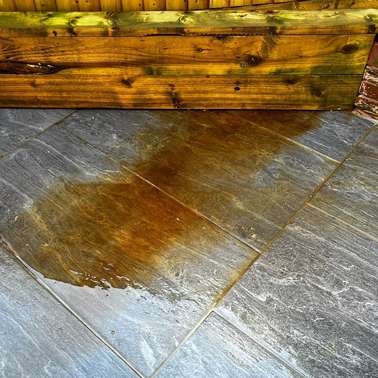 Tannin Removers
 Traffic Film Removers
 Trapped Moisture / Sealer Repairs
 Urine Neutralisers