The Best Driveway Cleaning Methods for Block Paving, Concrete & Resin
Your driveway is one of the first things visitors notice when they arrive at your property. Over time, exposure to the British weather, vehicle traffic, algae growth, moss, weeds, oil stains and general dirt can leave even the most attractive driveway looking tired and neglected. Regular professional cleaning not only improves kerb appeal but can also help extend the lifespan of the surface and prevent costly repairs.
Different driveway materials require different cleaning techniques. What works well for block paving may not be suitable for resin-bound surfaces, while concrete driveways often require specialist treatment to remove stubborn staining and biological growth.
At Pure Seal Services, driveway cleaning is tailored to the specific surface type, ensuring effective results without causing unnecessary damage. Understanding the best cleaning methods for block paving, concrete and resin driveways can help property owners make informed decisions about maintaining their outdoor spaces.
Why Professional Driveway Cleaning Matters
Driveways are constantly exposed to environmental contaminants. Rain, fallen leaves, vehicle fluids, bird droppings and airborne pollutants gradually accumulate on the surface. In shaded areas, algae and moss can develop rapidly, creating slippery conditions and an unsightly appearance.
Professional cleaning offers several benefits:
Benefit
Description
Improved Appearance
Restores the original colour and finish of the driveway.
Enhanced Safety
Removes slippery algae, moss and organic growth.
Increased Property Value
Creates a positive first impression for visitors and potential buyers.
Longer Surface Life
Reduces deterioration caused by biological growth and contaminants.
Better Drainage
Clears debris that may affect water runoff and drainage systems.
A professional approach also ensures the correct pressure levels, cleaning solutions and techniques are used for each driveway material.
Understanding Different Driveway Materials
Before selecting a cleaning method, it is important to understand the characteristics of the driveway surface.
Surface Type
Common Features
Block Paving
Individual paving blocks with sand-filled joints.
Concrete
Durable solid surface prone to staining and weathering.
Resin Bound
Decorative aggregate bonded with resin.
Resin Bonded
Loose aggregate applied over resin-coated surface.
Each material reacts differently to pressure washing, chemical treatments and sealing processes.
The Best Cleaning Methods for Block Paving
Block paving remains one of the most popular driveway choices across the UK due to its attractive appearance and versatility. However, the joints between blocks create ideal conditions for weeds, moss and dirt accumulation.
High-Pressure Surface Cleaning
Professional pressure washing is often the most effective way to clean block paving. Specialist surface cleaners provide consistent cleaning across the driveway while reducing the risk of streaking.
The process typically involves:
Removing loose debris.
Applying appropriate cleaning treatments if required.
Pressure washing the surface.
Removing weeds and organic growth.
Re-sanding joints after cleaning.
Unlike DIY pressure washing, professional equipment delivers controlled cleaning power that removes contaminants without damaging the paving blocks.
Weed and Moss Removal
One of the biggest challenges with block paving is weed growth between joints. Moss and weeds can cause displacement of jointing sand and create an uneven appearance.
Professional treatments may include:
Mechanical weed removal.
Application of specialist biocides.
Deep cleaning of joints.
Reinstatement of kiln-dried sand.
This comprehensive approach helps prevent rapid regrowth.
Re-Sanding After Cleaning
Many property owners overlook the importance of re-sanding following pressure washing. The cleaning process can remove existing jointing sand, leaving blocks vulnerable to movement.
Re-sanding helps:
Advantage
Benefit
Stability
Prevents block movement.
Weed Reduction
Limits opportunities for weed growth.
Structural Integrity
Maintains the driveway’s strength.
Improved Appearance
Provides a neat, finished look.
Sealing Block Paving
Following cleaning, sealing can help protect the surface from future staining, weed growth and weather damage.
Benefits of sealing include:
Enhanced colour retention.
Reduced moss growth.
Easier future maintenance.
Improved resistance to oil stains.
Increased durability.
Professional sealing is often recommended after a thorough clean to maximise protection.
The Best Cleaning Methods for Concrete Driveways
Concrete driveways are known for their strength and longevity, but they can be susceptible to staining, discolouration and biological growth.
Professional Pressure Washing
Concrete generally tolerates higher cleaning pressures than resin surfaces. Professional pressure washing can effectively remove:
Surface dirt.
Algae.
Moss.
Tyre marks.
General staining.
However, excessive pressure can still damage weaker or ageing concrete surfaces. Professional assessment helps determine the safest cleaning approach.
Treatment of Oil Stains
Oil stains are among the most common problems affecting concrete driveways.
Vehicle leaks can penetrate deeply into porous concrete, making removal challenging. Professional cleaning often involves specialised degreasers designed to break down embedded oils before pressure washing.
The effectiveness of stain removal depends on factors including:
Factor
Impact
Age of Stain
Older stains may be more difficult to remove.
Surface Porosity
Highly porous concrete absorbs contaminants more deeply.
Previous Treatments
Existing sealers can affect cleaning results.
Type of Oil
Different oils require different treatments.
While many stains can be significantly improved, some deeply embedded marks may not disappear completely.
Algae and Black Spot Removal
Black lichen spotting and algae growth are common issues on UK driveways.
These contaminants can become deeply rooted within the concrete surface and often require specialist treatment beyond standard pressure washing.
Professional cleaning may include:
Biocide application.
Deep surface cleaning.
Targeted treatment of affected areas.
Preventative aftercare measures.
This approach helps achieve a more thorough and longer-lasting result.
Concrete Sealing
Once cleaned, concrete can benefit from professional sealing.
Sealing helps:
Protection Feature
Benefit
Water Resistance
Reduces moisture penetration.
Stain Protection
Limits absorption of contaminants.
UV Protection
Helps maintain appearance.
Easier Maintenance
Simplifies future cleaning.
A properly sealed concrete driveway generally remains cleaner for longer and requires less intensive maintenance.
The Best Cleaning Methods for Resin Driveways
Resin-bound driveways have become increasingly popular due to their attractive appearance, permeability and low-maintenance qualities.
Although resin surfaces generally resist weed growth better than block paving, they still require regular cleaning to maintain their appearance.
Low-Pressure Cleaning Techniques
Resin surfaces require a more delicate approach than concrete or block paving.
Excessive pressure can potentially damage the resin matrix or dislodge aggregates. For this reason, professional cleaning often involves carefully controlled pressure washing techniques.
The process may include:
Removal of loose debris.
Application of suitable cleaning products.
Low-pressure washing.
Rinsing and inspection.
The aim is to remove contamination while preserving the integrity of the surface.
Removing Algae and Organic Growth
Shaded areas can develop algae and moss, particularly during damp periods.
Professional treatment can help eliminate:
Green algae.
Surface moss.
Organic staining.
General discolouration.
Specialist cleaning products are often used alongside gentle washing techniques to achieve optimal results.
Protecting Resin Surfaces
Regular maintenance helps prolong the appearance of resin-bound driveways.
Recommended practices include:
Maintenance Task
Frequency
Sweeping
Weekly
Light Washing
Monthly
Professional Cleaning
As Required
Inspection
Annually
Keeping the surface free from leaves and organic matter reduces the likelihood of staining and algae growth.
Comparing Driveway Cleaning Methods
Different driveway materials require different cleaning strategies. The table below summarises the most suitable approaches.
Cleaning Method
Block Paving
Concrete
Resin
Pressure Washing
Excellent
Excellent
Controlled Use Only
Weed Removal
Essential
Occasionally Required
Rarely Required
Biocide Treatment
Recommended
Recommended
Recommended
Re-Sanding
Essential
Not Required
Not Required
Sealing
Highly Recommended
Recommended
Surface Dependent
Oil Stain Treatment
Effective
Effective
Surface Specific
Choosing the correct cleaning method ensures the best results while protecting the surface from unnecessary wear.
How Often Should a Driveway Be Professionally Cleaned?
The ideal cleaning frequency depends on several factors, including location, weather exposure and surrounding vegetation.
Properties near trees or heavily shaded areas often experience faster algae and moss growth.
As a general guide:
Driveway Condition
Suggested Cleaning Frequency
Heavy Shade
Every 12 Months
Moderate Exposure
Every 12–24 Months
High Traffic Areas
Every 12–18 Months
Recently Sealed Surfaces
Every 18–24 Months
Routine maintenance between professional cleans can significantly improve long-term appearance.
Common Mistakes to Avoid
Many homeowners attempt driveway cleaning themselves, often leading to unintended damage.
Common mistakes include:
Using Excessive Pressure
High-pressure washing can:
Remove jointing sand.
Damage resin surfaces.
Erode concrete.
Cause surface markings.
Professional operators understand the correct pressure settings for each material.
Using Incorrect Cleaning Chemicals
Some chemicals can:
Discolour paving.
Damage resin binders.
Affect surrounding vegetation.
Leave residues.
Professional cleaning products are selected based on the driveway material and type of contamination.
Ignoring Early Signs of Growth
Small patches of algae or moss can quickly spread across a driveway.
Addressing issues early often reduces cleaning costs and helps maintain appearance throughout the year.
Professional Driveway Cleaning Costs
Driveway cleaning costs vary depending on factors such as:
Surface type.
Driveway size.
Level of contamination.
Additional treatments required.
Sealing requirements.
Property owners seeking high-quality workmanship, specialist equipment and long-lasting results should expect to invest more than basic cleaning services. Premium driveway cleaning typically delivers superior outcomes through detailed preparation, professional-grade products and careful attention to surface protection.
At Pure Seal Services, driveway cleaning is carried out using professional methods tailored to block paving, concrete and resin surfaces. The focus is on achieving exceptional results while protecting the integrity of the driveway and enhancing its long-term appearance.
Signs Your Driveway Needs Professional Cleaning
Certain indicators suggest it’s time to arrange professional cleaning:
Green algae becoming visible.
Moss growth between paving joints.
Black spot lichen appearing.
Oil stains from vehicles.
Faded appearance.
Slippery surfaces after rainfall.
Weed growth through joints.
General discolouration and dirt build-up.
Addressing these issues promptly helps prevent further deterioration and maintains the overall presentation of the property.
Seasonal Driveway Cleaning Considerations
The British climate presents unique challenges for driveway surfaces throughout the year. Understanding how seasonal weather affects block paving, concrete and resin driveways can help property owners plan maintenance more effectively and protect their investment.
Spring Cleaning and Surface Recovery
Spring is often considered one of the best times for professional driveway cleaning. Following months of wet weather, many driveways emerge from winter with significant accumulations of dirt, algae and organic matter.
Common issues identified during spring inspections include:
Spring Problem
Impact on Driveway
Moss Growth
Creates slippery surfaces and retains moisture.
Algae Build-Up
Causes green discolouration and safety hazards.
Winter Debris
Leaves staining and surface contamination.
Weed Germination
Rapid growth within paving joints.
Professional cleaning during spring can restore the appearance of the driveway before the warmer months arrive and prepare the surface for increased outdoor use.
Summer Maintenance Requirements
Although summer generally provides drier conditions, driveways can still suffer from contamination.
During warmer weather, homeowners often notice:
Increased tyre marking.
BBQ grease spills.
Vehicle fluid leaks.
Dust accumulation.
Surface staining from plant matter.
Summer is also an ideal time for sealing treatments, as warmer temperatures often provide favourable curing conditions. A professionally cleaned and sealed driveway can maintain its appearance for significantly longer while offering enhanced protection against staining.
Autumn Challenges
Autumn can be particularly problematic for driveways located near trees and mature gardens.
Falling leaves may seem harmless initially, but when left to decompose on the surface they can create tannin stains and encourage biological growth.
The most common autumn driveway issues include:
Autumn Issue
Potential Consequence
Wet Leaves
Surface staining and algae growth.
Organic Debris
Blocked drainage channels.
Increased Moisture
Moss development.
Reduced Sunlight
Slower drying times.
Regular sweeping and periodic professional maintenance help minimise these seasonal challenges.
Winter Weather and Surface Protection
Winter places considerable stress on driveway surfaces across the UK. Repeated freezing and thawing cycles can contribute to surface deterioration, particularly on older or poorly maintained driveways.
Professional cleaning before winter can help reduce:
Moisture retention.
Organic growth.
Surface contamination.
Freeze-thaw damage risks.
Removing moss and algae is especially important because these organisms retain moisture against the surface, increasing the potential for winter-related deterioration.
The Long-Term Benefits of Regular Professional Maintenance
Many property owners only consider driveway cleaning when the surface becomes noticeably dirty. However, preventative maintenance often delivers better long-term results than reactive cleaning.
A structured maintenance programme can help preserve:
Maintenance Benefit
Long-Term Advantage
Surface Appearance
Consistently attractive kerb appeal.
Structural Condition
Reduced risk of surface deterioration.
Property Presentation
Enhanced overall appearance of the home.
Cleaning Efficiency
Easier future maintenance.
Surface Longevity
Extended lifespan of driveway materials.
Whether the driveway is constructed from block paving, concrete or resin, regular professional cleaning helps prevent contaminants from becoming deeply embedded and more difficult to remove.
Properties that receive periodic cleaning and appropriate protective treatments often retain a cleaner, brighter and more professional appearance throughout the year. This is particularly beneficial for homeowners who take pride in their property’s exterior presentation or are preparing their home for valuation, marketing or sale.
Professional driveway cleaning is not simply about removing dirt. It is a specialist service that helps protect surfaces from premature ageing, maintain safety underfoot and preserve the visual appeal of one of the most prominent features of any property’s exterior. Through tailored cleaning methods, careful surface assessment and high-quality workmanship, Pure Seal Services delivers a premium solution for maintaining block paving, concrete and resin driveways to the highest possible standard.

 Artificial and Sports Surfaces
 Awnings / Canopies / Gazebos
 Block Paving
 Brickwork
 Composite Surfaces
 Decking / Timber
 Granite
 Imprinted Concrete
 Internal Masonry
 Limestone
 Marble
 Metal Cladding
 Polished or Honed Stone
 Porcelain
 Render
 Resin Bond
 Road and Rail Signs
 Roof Tiles / Slates
 Sandstone
 Slate
Slate Solar Panels and Glass
 Stone Sills and Pier Caps
 Tarmac and Asphalt
 Gutters & UPVC
 Acid Damage
 Biofilm
 Bitumen
 Blood
Blood Carbon
 Concrete / Grout / Mortar
 Copper Oxide
 Efflorescence
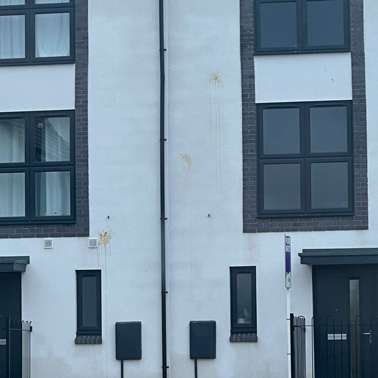 Egg
Egg Failed Sealer
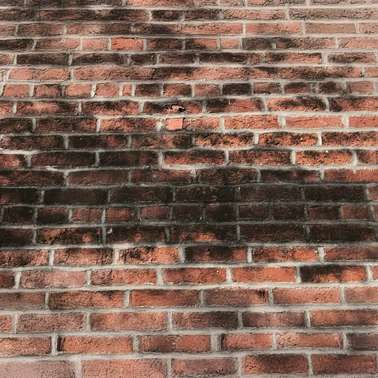 Fire Damage
 Fuel / Oil
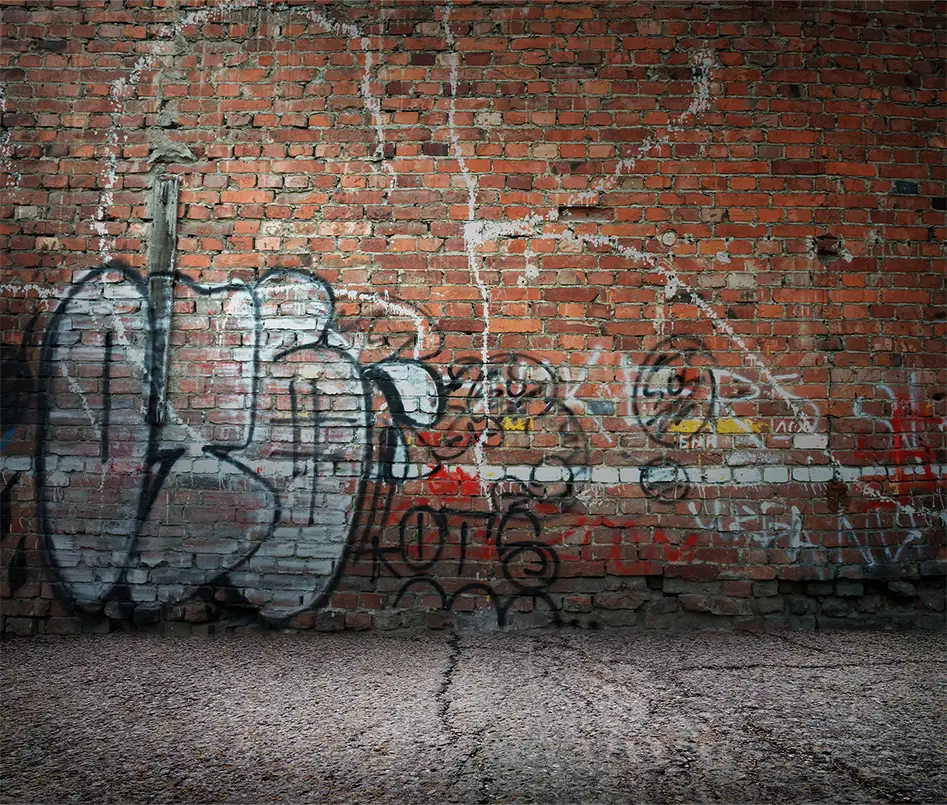 Graffiti
 Grease / Fat / Cooking Oil
 Lawn Fertiliser
 Lead Carbonate
 Lead Oxide
 Paint Splashes
 Rust
Rust Tar & Glue
 Tannin Removers
 Traffic Film Removers
 Trapped Moisture / Sealer Repairs
 Urine Neutralisers