

How Often Should You Pressure Wash Your Driveway? Expert Recommendations
Written by PureSeal Services on . Posted in Pressure Washing, Approved Applicators, Blog
How Often Should You Pressure Wash Your Driveway? Expert Recommendations
A driveway is one of the first things people notice when approaching a property. Whether you have block paving, concrete, resin, tarmac, or natural stone, your driveway constantly faces dirt, algae, moss, oil stains, tyre marks, weeds, and the unpredictable British weather. Over time, these elements can leave even the best-looking driveway appearing tired and neglected.
Regular pressure washing is one of the most effective ways to maintain the appearance, safety, and lifespan of your driveway. However, many homeowners ask the same question: how often should you pressure wash your driveway?
The answer depends on several factors, including the driveway material, local environment, traffic levels, and how quickly grime accumulates. Professional driveway cleaning specialists such as Pure Seal Services often recommend tailored maintenance schedules based on the condition and usage of the surface.
Why Regular Driveway Pressure Washing Matters
Driveways are exposed to far more than simple dirt. Over the course of a year, they can collect:
- Moss and algae
- Lichen growth
- Oil and fuel stains
- Tyre marks
- Mud and debris
- Leaf staining
- Weed growth
- Bird droppings
- General air pollution
Without regular cleaning, these contaminants can gradually damage the surface. Moss and algae are particularly problematic in the UK because damp conditions encourage rapid growth throughout much of the year.
Pressure washing does more than improve appearance. It can also:
| Benefit | Why It Matters |
|---|---|
| Improves kerb appeal | Makes the property look cleaner and more attractive |
| Reduces slip hazards | Removes algae and moss that become slippery in wet weather |
| Extends surface lifespan | Prevents long-term staining and deterioration |
| Helps maintain property value | A well-maintained exterior creates a better impression |
| Prepares surfaces for sealing | Essential before professional sealing treatments |
| Removes weeds and organic matter | Helps prevent surface damage |
Recommended Pressure Washing Frequency
Most driveways benefit from professional pressure washing once every 12 months. However, this can vary depending on several conditions.
General Expert Recommendations
| Driveway Condition | Recommended Cleaning Frequency |
|---|---|
| Light use in clean residential areas | Every 12–18 months |
| Average family driveway | Every 12 months |
| Heavy vehicle use | Every 6–12 months |
| Shaded or damp areas prone to moss | Every 6 months |
| Properties beneath trees | Every 6–9 months |
| Commercial or shared driveways | Every 3–6 months |
Professional cleaning companies such as Pure Seal Services often advise more frequent cleaning for properties in shaded locations or areas with persistent moisture.
Signs Your Driveway Needs Pressure Washing
Rather than relying solely on a schedule, homeowners should also look for visible signs that indicate cleaning is overdue.
Green Algae or Moss Growth
Green patches are usually one of the earliest indicators that a driveway requires attention. Moss and algae thrive in damp British conditions, especially during autumn and winter.
These growths not only look unsightly but can also create serious slip hazards.
Black Spotting
Black lichen spots are common on block paving and stone driveways. They are notoriously difficult to remove without professional equipment and specialist treatments.
Fading Appearance
If the original colour of the driveway has become dull or patchy, embedded dirt may be obscuring the surface.
Weed Growth
Weeds often establish themselves in joints and cracks when organic debris accumulates.
Standing Water
Poor drainage caused by blocked surface pores can lead to puddling and increased moss growth.
How Driveway Material Affects Cleaning Frequency
Different driveway materials require different cleaning approaches and schedules.
Block Paving Driveways
Block paving is extremely popular throughout the UK because of its attractive appearance and durability. However, the joints between blocks can encourage weed and moss growth.
Recommended Frequency
Professional pressure washing is typically recommended every 6–12 months for block paving.
Key Maintenance Considerations
| Maintenance Need | Importance |
|---|---|
| Re-sanding joints after cleaning | Prevents block movement |
| Weed prevention | Stops root damage |
| Sealing after cleaning | Protects against staining and algae |
Many homeowners choose to combine pressure washing with sealing to prolong results.
Concrete Driveways
Concrete is durable but porous, meaning it absorbs dirt, oil, and moisture over time.
Recommended Frequency
Most concrete driveways benefit from annual professional cleaning.
Common Concrete Issues
- Oil staining
- Tyre marks
- Surface discolouration
- Algae growth
- Efflorescence
Professional cleaning equipment is often required to remove stubborn staining without damaging the surface.
Resin Driveways
Resin-bound surfaces are relatively low maintenance but still require periodic cleaning to preserve their appearance.
Recommended Frequency
A professional clean every 12–18 months is often sufficient, although shaded areas may need more regular treatment.
Important Note
Resin surfaces require careful pressure control. Excessive pressure can damage the resin bond.
Tarmac Driveways
Tarmac is softer than many other driveway materials and can be damaged by aggressive pressure washing.
Recommended Frequency
Most tarmac driveways only require professional cleaning every 12–24 months.
Best Practices
| Cleaning Consideration | Reason |
|---|---|
| Lower pressure settings | Prevents surface erosion |
| Specialist detergents | Removes algae safely |
| Gentle cleaning methods | Preserves surface integrity |
Natural Stone Driveways
Natural stone offers a premium appearance but often requires specialist care.
Recommended Frequency
Professional cleaning every 6–12 months is generally advised.
Common Problems
- Lichen growth
- Organic staining
- Surface weathering
- Joint contamination
Natural stone can be sensitive to harsh chemicals and incorrect pressure levels, making professional cleaning particularly important.
Seasonal Factors That Affect Cleaning Frequency
The UK climate plays a major role in how quickly driveways become dirty.
Spring
Spring is one of the most popular times for driveway pressure washing. Winter often leaves behind:
- Mud
- Moss
- Algae
- Salt residue
- Organic debris
Cleaning in spring restores the appearance of the driveway before summer.
Summer
Warm weather provides ideal conditions for cleaning and sealing because surfaces dry more quickly.
Summer cleaning can also remove stains caused by increased outdoor activity.
Autumn
Leaves, moisture, and falling debris can quickly stain driveways during autumn.
Properties near trees may require more frequent maintenance at this time of year.
Winter
Winter conditions encourage moss and algae growth, especially in shaded areas.
Pressure washing during freezing conditions is generally avoided because water can freeze on surfaces and create hazards.
The Risks of Leaving Your Driveway Too Long Between Cleans
Some homeowners delay driveway cleaning until the surface becomes heavily contaminated. Unfortunately, this can create several issues.
Permanent Staining
Oil, rust, leaf tannins, and organic matter can penetrate porous surfaces over time.
The longer stains remain untreated, the harder they become to remove.
Structural Damage
Moss and weeds can gradually force apart joints and cracks.
This can lead to:
- Loose block paving
- Surface cracking
- Drainage issues
- Accelerated wear
Increased Cleaning Costs
Heavily neglected driveways often require:
| Additional Service | Why It May Be Needed |
|---|---|
| Specialist chemical treatments | For black spot and oil removal |
| Multiple cleaning passes | To lift deep contamination |
| Re-sanding | After aggressive cleaning |
| Repairs | Due to neglected damage |
Routine maintenance is often more cost-effective than allowing dirt and biological growth to build up for years.
DIY Pressure Washing vs Professional Cleaning
Many homeowners consider hiring a pressure washer and cleaning the driveway themselves. While DIY cleaning can produce some improvements, there are significant differences between consumer equipment and professional services.
DIY Pressure Washing
Advantages
- Lower upfront cost
- Convenient for light dirt
- Suitable for minor maintenance
Limitations
| DIY Challenge | Potential Problem |
|---|---|
| Low-powered equipment | Limited cleaning effectiveness |
| Incorrect pressure use | Surface damage |
| Uneven cleaning | Patchy results |
| Lack of specialist treatments | Difficult stain removal |
| No commercial-grade sealants | Shorter-lasting finish |
DIY cleaning can sometimes leave visible striping or fail to remove embedded contamination.
Professional Driveway Pressure Washing
Professional services typically use industrial-grade equipment capable of delivering deeper, more even cleaning.
Benefits of Professional Cleaning
| Professional Advantage | Result |
|---|---|
| Commercial equipment | More thorough cleaning |
| Correct pressure settings | Protects surfaces |
| Specialist stain treatments | Removes stubborn contamination |
| Surface knowledge | Tailored cleaning approach |
| Optional sealing services | Longer-lasting protection |
Premium companies such as Pure Seal Services often provide comprehensive driveway restoration services rather than basic surface washing alone.
How Long Does Professional Driveway Cleaning Last?
Results vary depending on environmental conditions and usage.
Average Timeframes
| Condition | Typical Clean Appearance Duration |
|---|---|
| Sunny open driveway | 12 months or more |
| Shaded damp driveway | 6–9 months |
| Tree-covered driveway | 6 months |
| Sealed driveway | Up to 2 years |
Driveways that are professionally sealed after cleaning generally stay cleaner for significantly longer.
Should You Seal Your Driveway After Pressure Washing?
Sealing is often recommended following professional cleaning because it helps protect the surface from future contamination.
Benefits of Driveway Sealing
| Benefit | Explanation |
|---|---|
| Water resistance | Reduces moisture penetration |
| Algae reduction | Slows biological growth |
| Easier maintenance | Dirt sits on surface rather than soaking in |
| Colour enhancement | Improves appearance |
| Weed reduction | Helps stabilise joints |
Professional sealing can substantially reduce how often intensive cleaning is required.
Common Driveway Stains and How Often They Need Attention
Certain stains require faster action than others.
Oil Stains
Oil should ideally be treated quickly before it penetrates the surface.
Professional degreasers are often necessary for complete removal.
Rust Stains
Rust from vehicles, garden tools, or metal furniture can permanently mark driveways if left untreated.
Leaf Staining
Tannins from wet leaves can create dark brown discolouration, especially on porous stone and concrete.
Black Spot Lichen
Black spot lichen is one of the toughest driveway contaminants to remove.
| Stain Type | Difficulty to Remove | Recommended Action | |—|—| | Mud and dirt | Easy | Routine cleaning | | Moss and algae | Moderate | Professional treatment | | Oil stains | Moderate to severe | Specialist degreasing | | Rust | Severe | Targeted chemical treatment | | Black spot lichen | Very severe | Professional restoration |
How Much Does Professional Driveway Pressure Washing Cost?
Costs vary depending on several factors:
- Driveway size
- Surface material
- Severity of contamination
- Accessibility
- Required treatments
- Whether sealing is included
Premium driveway cleaning specialists generally charge more because they use higher-grade equipment, specialist products, and experienced technicians.
Typical UK Price Ranges
| Service Type | Typical Price Range |
|---|---|
| Small driveway clean | £150–£250 |
| Medium driveway clean | £250–£450 |
| Large driveway clean | £450–£800+ |
| Driveway sealing | Additional £300–£900+ |
Higher-end providers such as Pure Seal Services focus on long-lasting results and surface protection rather than low-cost quick washes.
How to Keep Your Driveway Cleaner for Longer
Regular maintenance between professional cleans can significantly extend results.
Simple Maintenance Tips
Sweep Regularly
Removing leaves and debris prevents staining and moss growth.
Treat Weeds Early
Small weeds are easier to manage before root systems establish themselves.
Improve Drainage
Reducing standing water helps minimise algae growth.
Avoid Harsh Chemicals
Some household cleaners can damage driveway surfaces or surrounding landscaping.
Schedule Preventative Cleaning
Waiting until the driveway becomes heavily contaminated often leads to more difficult restoration work.
| Maintenance Action | Recommended Frequency |
|---|---|
| Sweeping | Weekly |
| Weed inspection | Monthly |
| Light rinsing | Every few weeks |
| Professional pressure washing | Every 6–12 months |
| Resealing | Every 2–5 years |
Is Pressure Washing Safe for All Driveways?
Pressure washing is highly effective when performed correctly, but incorrect methods can cause damage.
Potential Problems from Incorrect Cleaning
| Incorrect Technique | Possible Damage |
|---|---|
| Excessive pressure | Surface erosion |
| Incorrect nozzle angle | Joint damage |
| Poor drainage management | Water ingress |
| Harsh chemicals | Surface discolouration |
| Inadequate rinsing | Residue build-up |
Professional operators understand how to adjust pressure, water flow, and cleaning products for each surface type.
Why Moss and Algae Return So Quickly in the UK
British weather creates ideal conditions for biological growth.
Frequent rainfall, high humidity, and shaded areas all encourage moss and algae development. Properties near trees or woodland are particularly vulnerable.
Driveways facing north often remain damp for longer periods, increasing the likelihood of rapid regrowth after cleaning.
Because of this, preventative maintenance is often more effective than occasional deep restoration work.
Commercial Driveways and Shared Access Areas
Commercial premises and communal residential areas usually require more frequent cleaning than private driveways.
Reasons Include
- Higher traffic volumes
- Greater tyre marking
- Increased health and safety concerns
- Stronger first impressions for visitors and customers
| Property Type | Recommended Cleaning Frequency |
|---|---|
| Private residential | Every 12 months |
| Luxury residential properties | Every 6–12 months |
| Shared apartment driveways | Every 3–6 months |
| Commercial forecourts | Every 3 months |
| Retail premises | Monthly to quarterly |
A clean driveway contributes significantly to the overall appearance and professionalism of a property.
Tags: pressure washing, Roof Cleaning, Exterior cleaning, gutter cleaning, window cleaning, Patio cleaning, Driveway cleaning
 Artificial and Sports Surfaces
 Awnings / Canopies / Gazebos
 Block Paving
 Brickwork
 Composite Surfaces
 Decking / Timber
 Granite
 Imprinted Concrete
 Internal Masonry
 Limestone
 Marble
 Metal Cladding
 Polished or Honed Stone
 Porcelain
 Render
 Resin Bond
 Road and Rail Signs
 Roof Tiles / Slates
 Sandstone
 Slate
Slate Solar Panels and Glass
 Stone Sills and Pier Caps
 Tarmac and Asphalt
 Gutters & UPVC
 Acid Damage
 Biofilm
 Bitumen
 Blood
Blood Carbon
 Concrete / Grout / Mortar
 Copper Oxide
 Efflorescence
 Egg
Egg Failed Sealer
 Fire Damage
 Fuel / Oil
 Graffiti
 Grease / Fat / Cooking Oil
 Lawn Fertiliser
 Lead Carbonate
 Lead Oxide
 Paint Splashes
 Rust
Rust Tar & Glue
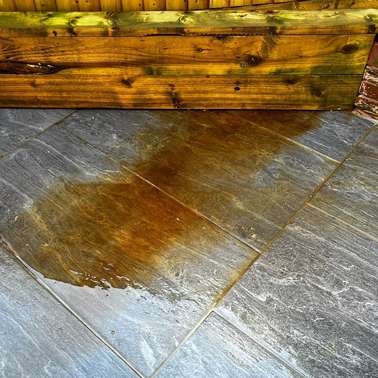 Tannin Removers
 Traffic Film Removers
 Trapped Moisture / Sealer Repairs
 Urine Neutralisers