Building a successful pressure washing business involves far more than purchasing commercial equipment and securing customers. As demand grows, the ability to deliver consistent, high-quality results depends heavily on having the right team in place.
For exterior cleaning companies like Pureseal Services, building a professional pressure washing team is one of the most important steps towards long-term business growth. A strong team improves productivity, increases customer satisfaction, supports business expansion, and allows companies to take on larger residential and commercial projects confidently.
However, building a reliable team is not simply about hiring extra labour. It requires careful planning, structured training, clear systems, and a strong company culture that encourages professionalism and accountability.
Whether a business is growing from a sole trader operation into a multi-vehicle company or expanding into commercial exterior cleaning, building the right team structure is essential.
Understand the Roles Required in a Pressure Washing Business
Before hiring staff, it is important to understand the different responsibilities involved in pressure washing operations.
Many new business owners initially assume every team member will perform identical tasks. In reality, pressure washing companies become more efficient when responsibilities are clearly defined.
As businesses grow, specialist roles often emerge.
Smaller companies may combine several responsibilities into one role initially, but defining responsibilities early helps improve organisation as the business expands.
Hire for Attitude Before Experience
One of the most common mistakes made by growing pressure washing businesses is prioritising experience over attitude.
While technical ability is important, many pressure washing skills can be taught through proper training. Professionalism, reliability, communication, and work ethic are often much harder to develop.
A positive team member who is willing to learn usually becomes far more valuable than someone with experience but poor attitude.
When recruiting new technicians, look for individuals who demonstrate:
Reliability
Good communication skills
Attention to detail
Physical fitness
Professional appearance
Willingness to learn
Strong timekeeping
Respect for customers
Exterior cleaning work often takes place at private homes and commercial premises where professionalism matters greatly.
Key Qualities to Look For When Hiring
Quality
Why It Matters
Reliability
Keeps schedules running smoothly
Attention to detail
Improves cleaning quality
Physical fitness
Supports demanding workloads
Customer service skills
Builds trust with clients
Teamwork
Improves efficiency
Problem-solving ability
Helps manage challenges on-site
Positive attitude
Improves workplace culture
Start With Clear Expectations
New employees perform better when expectations are explained clearly from the beginning.
Every pressure washing business should provide staff with guidance covering:
Working hours
Uniform standards
Customer service expectations
Health and safety procedures
Equipment handling rules
Vehicle responsibilities
Attendance policies
Cleaning standards
Clear communication reduces confusion and helps create consistency across the business.
Example Areas Covered During Staff Induction
Induction Topic
Purpose
Company values
Builds culture
Equipment training
Improves safety
Site conduct
Protects reputation
Chemical handling
Prevents misuse
Vehicle procedures
Reduces damage risks
Customer interaction
Improves professionalism
Invest in Proper Training
Pressure washing may appear straightforward, but professional exterior cleaning requires technical knowledge and practical skill.
Improper pressure settings, incorrect chemical use, or poor surface assessment can cause expensive property damage.
Proper training protects both the business and the customer.
Training should cover:
Pressure washer operation
Surface identification
Chemical application
Soft washing techniques
Roof cleaning procedures
Health and safety
Risk assessments
Customer communication
Time management
Important Training Areas for Pressure Washing Staff
Training Area
Importance
Surface identification
Prevents damage
Pressure control
Protects delicate surfaces
Chemical safety
Ensures compliance
Equipment maintenance
Reduces downtime
Ladder safety
Improves accident prevention
PPE usage
Protects staff
Water management
Prevents waste
Ongoing training is equally important. The exterior cleaning industry evolves constantly with new equipment, cleaning methods, and chemical products entering the market.
Create Standard Operating Procedures
One of the best ways to maintain consistency across a growing pressure washing team is by developing standard operating procedures.
These procedures provide staff with clear step-by-step instructions for completing work.
Examples may include:
Driveway cleaning process
Patio restoration process
Roof cleaning procedures
Equipment maintenance routines
Vehicle loading checklists
Chemical mixing instructions
Customer sign-off procedures
Standardisation helps businesses maintain quality regardless of which technician completes the work.
Benefits of Standard Operating Procedures
Benefit
Result
Consistent quality
Improved customer satisfaction
Faster staff training
Easier onboarding
Reduced mistakes
Fewer customer complaints
Improved efficiency
Higher productivity
Better safety standards
Reduced accident risks
Build a Strong Company Culture
Company culture has a major influence on team performance.
Pressure washing businesses often involve physically demanding work in changing weather conditions. A supportive workplace culture helps staff remain motivated and productive.
Strong company cultures are built around:
Respect
Accountability
Teamwork
Professionalism
Communication
Pride in workmanship
Employees who feel valued are more likely to:
Stay loyal to the business
Deliver better customer service
Take pride in results
Support colleagues
Maintain high standards
Ways to Improve Team Morale
Action
Benefit
Recognising good performance
Encourages motivation
Providing quality equipment
Improves job satisfaction
Offering career progression
Supports retention
Maintaining fair workloads
Reduces burnout
Encouraging teamwork
Improves efficiency
Prioritise Health and Safety
Pressure washing work involves several hazards.
These may include:
High-pressure water injuries
Slips and falls
Chemical exposure
Working at height
Electrical risks
Manual handling injuries
A professional pressure washing team should never compromise on safety.
Businesses must ensure staff receive proper safety training and have access to suitable protective equipment.
Essential PPE for Pressure Washing Teams
PPE Item
Purpose
Safety goggles
Eye protection
Waterproof gloves
Chemical and pressure protection
Non-slip footwear
Reduces slip risk
Hearing protection
Noise reduction
High-visibility clothing
Improved visibility
Respiratory protection
Chemical safety
Risk assessments should also form part of every project, particularly for roof cleaning and commercial work.
Appoint Team Leaders Early
As businesses grow beyond a small team, appointing team leaders becomes increasingly important.
A team leader helps manage:
Daily job organisation
Quality control
Customer communication
Staff supervision
Problem-solving on-site
Without leadership structure, larger teams often become disorganised.
Strong team leaders help maintain standards while allowing business owners to focus on growth and operations.
Qualities of an Effective Team Leader
Quality
Importance
Leadership skills
Keeps staff organised
Communication ability
Improves coordination
Technical knowledge
Maintains standards
Calm under pressure
Handles challenges effectively
Reliability
Builds trust
Equip Your Team Properly
Staff productivity depends heavily on the quality of equipment provided.
Reliable commercial equipment improves efficiency and allows teams to deliver better results.
Poor-quality equipment causes:
Delays
Frustration
Inconsistent cleaning
Increased maintenance
Lower productivity
Equipment Every Professional Team Needs
Equipment
Purpose
Commercial pressure washers
High-performance cleaning
Flat surface cleaners
Faster driveway and patio cleaning
Hose reels
Improved organisation
Water tanks
Increased flexibility
Soft washing systems
Delicate surface cleaning
Van racking systems
Safe equipment storage
PPE
Staff protection
Providing professional equipment also improves staff confidence and morale.
Focus on Customer Service Training
Pressure washing technicians often interact directly with customers throughout the working day.
Strong customer service skills therefore become extremely important.
Staff should understand how to:
Greet customers professionally
Explain cleaning processes clearly
Manage expectations
Handle concerns calmly
Protect customer property
Present themselves professionally
Excellent customer service often becomes a major reason why customers leave positive reviews and recommend businesses to others.
Customer Service Standards for Exterior Cleaning Teams
Standard
Why It Matters
Arriving on time
Builds trust
Wearing clean uniforms
Improves professionalism
Clear communication
Reduces misunderstandings
Respecting property
Improves customer satisfaction
Leaving sites tidy
Creates positive impressions
Create Efficient Scheduling Systems
As teams grow, scheduling becomes increasingly complex.
Without proper organisation, businesses can experience:
Missed appointments
Double bookings
Delays
Excessive travel time
Reduced profitability
Efficient scheduling systems help coordinate:
Staff availability
Equipment allocation
Vehicle usage
Route planning
Customer appointments
Benefits of Digital Scheduling Systems
Feature
Benefit
Route planning
Reduces fuel costs
Automated reminders
Minimises missed appointments
Mobile access
Improves flexibility
Job notes
Better communication
Customer records
Improved organisation
Technology allows businesses to manage larger teams without losing operational control.
Encourage Accountability
Every successful pressure washing team relies on accountability.
Team members should understand they are responsible for:
Equipment care
Work quality
Customer interaction
Timekeeping
Health and safety compliance
Clear accountability helps prevent:
Careless workmanship
Equipment damage
Poor customer experiences
Missed responsibilities
Ways to Improve Accountability
Method
Result
Job checklists
Improved consistency
Team leader inspections
Better quality control
Performance reviews
Encourages improvement
Photo documentation
Clear work records
Vehicle inspections
Reduced maintenance issues
Build Specialist Teams Over Time
As businesses expand, dividing teams into specialist areas often improves efficiency.
For example:
Residential exterior cleaning team
Roof cleaning team
Commercial pressure washing team
Soft washing team
Maintenance and equipment support team
Specialisation allows technicians to develop deeper expertise and complete work more efficiently.
Benefits of Specialist Teams
Benefit
Impact
Faster completion times
Increased productivity
Higher skill levels
Better cleaning quality
Improved safety
Reduced accidents
Better workflow
Easier project management
Provide Career Progression Opportunities
One reason businesses struggle with staff retention is lack of progression.
Employees are more likely to remain loyal when they can see long-term opportunities.
Career development within a pressure washing business may include:
Technician progression
Team leader roles
Specialist cleaning training
Commercial project management
Sales and surveying positions
Example Career Progression Path
Position
Potential Progression
Junior technician
Senior technician
Senior technician
Team leader
Team leader
Operations manager
Operations manager
Area manager
Supporting staff growth benefits both employees and the business itself.
Maintain Equipment Carefully
A professional team cannot operate efficiently with unreliable machinery.
Pressure washing equipment experiences heavy daily use and requires regular maintenance.
Preventative maintenance reduces downtime and protects productivity.
Important Maintenance Tasks
Maintenance Task
Frequency
Hose inspections
Daily
Filter cleaning
Weekly
Pump servicing
Monthly
Nozzle inspections
Weekly
Vehicle checks
Weekly
Full equipment servicing
Quarterly
Well-maintained equipment improves reliability and extends lifespan.
Use Performance Tracking
Tracking staff and business performance helps identify areas for improvement.
Useful metrics may include:
Jobs completed per day
Customer satisfaction ratings
Revenue per technician
Travel efficiency
Callback rates
Equipment downtime
Useful Team Performance Metrics
Metric
Purpose
Customer reviews
Measures service quality
Average completion time
Tracks efficiency
Repeat customer rate
Indicates customer satisfaction
Fuel usage
Monitors operating costs
Equipment repairs
Identifies maintenance issues
Monitoring performance allows businesses to make informed decisions as they grow.
Recruit Slowly and Carefully
Rapid hiring without proper structure often creates problems.
Growing pressure washing businesses should focus on quality recruitment rather than rushing expansion.
Poor hiring decisions can lead to:
Customer complaints
Reduced quality standards
Equipment misuse
Team conflict
High staff turnover
Taking time to recruit the right people protects the business reputation.
Build Strong Communication Systems
Communication becomes increasingly important as teams expand.
Businesses should establish systems that allow:
Daily updates
Job tracking
Problem reporting
Staff coordination
Customer communication
Poor communication often leads to confusion, delays, and mistakes.
Examples of Effective Communication Tools
Tool
Purpose
Team messaging apps
Instant updates
Shared schedules
Improved coordination
Digital job sheets
Clear work instructions
Vehicle trackers
Route monitoring
Cloud storage
Shared documentation
Good communication systems improve teamwork and reduce operational problems.
Balance Productivity With Quality
As businesses grow, there can be pressure to complete more jobs each day.
However, sacrificing quality for speed usually damages reputation.
Professional exterior cleaning companies focus on:
Efficient workflows
Skilled staff
Proper equipment
Realistic scheduling
Consistent standards
The goal should always be sustainable productivity while maintaining excellent results.
Protect Your Business Reputation
A pressure washing team’s performance directly affects the reputation of the business.
Customers often judge companies based on:
Punctuality
Professional appearance
Communication
Attention to detail
Respect for property
Overall workmanship
Strong teams help businesses generate:
Positive reviews
Repeat customers
Word-of-mouth referrals
Commercial opportunities
Building a professional pressure washing team takes time, planning, and investment. However, businesses that focus on training, systems, professionalism, and company culture place themselves in a far stronger position for long-term success.
With the right people, processes, and leadership structure in place, pressure washing companies can confidently handle larger workloads, expand services, and continue delivering high standards across every project.
Final Thoughts
Building a successful pressure washing team is not something that happens overnight. It requires careful recruitment, proper training, strong leadership, and a clear commitment to maintaining professional standards at every level of the business. While many exterior cleaning companies begin as one-person operations, long-term growth depends on creating a dependable team that can consistently deliver excellent results across residential and commercial projects.
A well-structured team allows businesses to complete more work efficiently without sacrificing quality. It creates opportunities to expand into larger projects, improve customer satisfaction, and build a strong reputation within the local area. Customers are far more likely to trust a pressure washing company that operates professionally, communicates clearly, arrives on time, and delivers reliable workmanship.
The most successful pressure washing businesses understand that their staff represent the company at every property they visit. From the first customer interaction through to the final clean-up process, every technician contributes to the overall customer experience. This is why investing in training, equipment, safety, and company culture is so important.
As the exterior cleaning industry becomes increasingly competitive, businesses that focus on professionalism and consistency will always stand out. Customers are no longer simply looking for the cheapest option available. They want reliable service providers who take pride in their work, protect their property, and produce long-lasting results.
Creating strong systems and clear workflows also makes it easier for businesses to scale sustainably. Without structure, rapid growth can quickly lead to scheduling issues, inconsistent standards, equipment problems, and customer complaints. By building reliable operational processes from the beginning, companies place themselves in a much stronger position for long-term success.
Professional pressure washing teams also benefit from improved morale and productivity when expectations are clear and staff feel supported. Employees who are properly trained, equipped, and respected are more likely to stay motivated and committed to maintaining high standards. This helps reduce staff turnover and creates a more stable business environment.
Over time, specialist roles and dedicated crews can further improve efficiency. Teams that regularly handle particular services such as roof cleaning, patio restoration, soft washing, or commercial exterior cleaning often develop stronger expertise and complete work more effectively. This allows businesses to increase productivity while continuing to deliver outstanding results.
Health and safety should also remain a central focus throughout every stage of business growth. Exterior cleaning work involves several risks, particularly when working at height or using chemicals and high-pressure equipment. Businesses that prioritise safety protect both their employees and their reputation.
Technology also plays an increasingly important role in modern pressure washing operations. Scheduling software, route planning tools, customer management systems, and digital reporting processes all help businesses stay organised as teams grow larger. These systems improve communication, reduce wasted time, and make day-to-day operations more manageable.
Ultimately, building a pressure washing team is about creating a business that customers can rely on consistently. A strong team helps ensure every project is completed safely, efficiently, and to a professional standard. It also allows business owners to focus on long-term growth opportunities rather than becoming overwhelmed by daily operations.
For companies looking to establish themselves as trusted names within the exterior cleaning industry, investing in the right people remains one of the most valuable decisions they can make. Skilled technicians, organised systems, reliable equipment, and strong leadership all work together to support sustainable business growth and long-term customer satisfaction.

 Artificial and Sports Surfaces
 Awnings / Canopies / Gazebos
 Block Paving
 Brickwork
 Composite Surfaces
 Decking / Timber
 Granite
 Imprinted Concrete
 Internal Masonry
 Limestone
 Marble
 Metal Cladding
 Polished or Honed Stone
 Porcelain
 Render
 Resin Bond
 Road and Rail Signs
 Roof Tiles / Slates
 Sandstone
 Slate
Slate Solar Panels and Glass
 Stone Sills and Pier Caps
 Tarmac and Asphalt
 Gutters & UPVC
 Acid Damage
 Biofilm
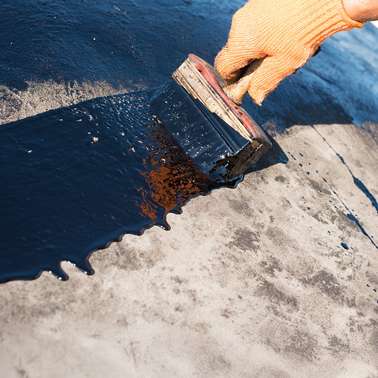 Bitumen
 Blood
Blood Carbon
 Concrete / Grout / Mortar
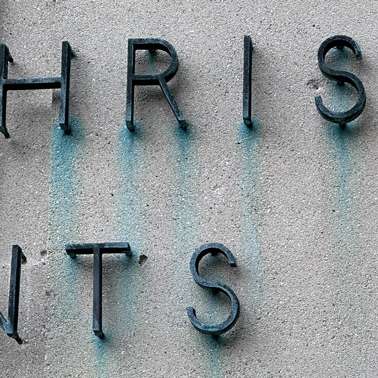 Copper Oxide
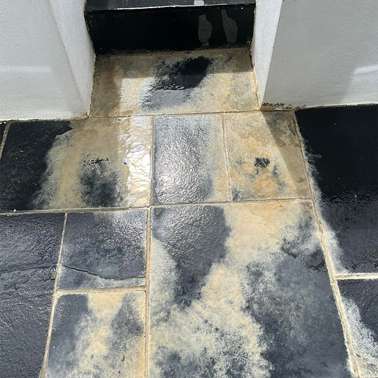 Efflorescence
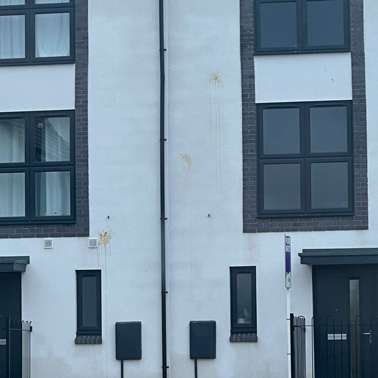 Egg
Egg Failed Sealer
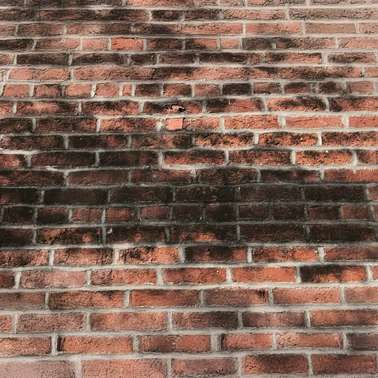 Fire Damage
 Fuel / Oil
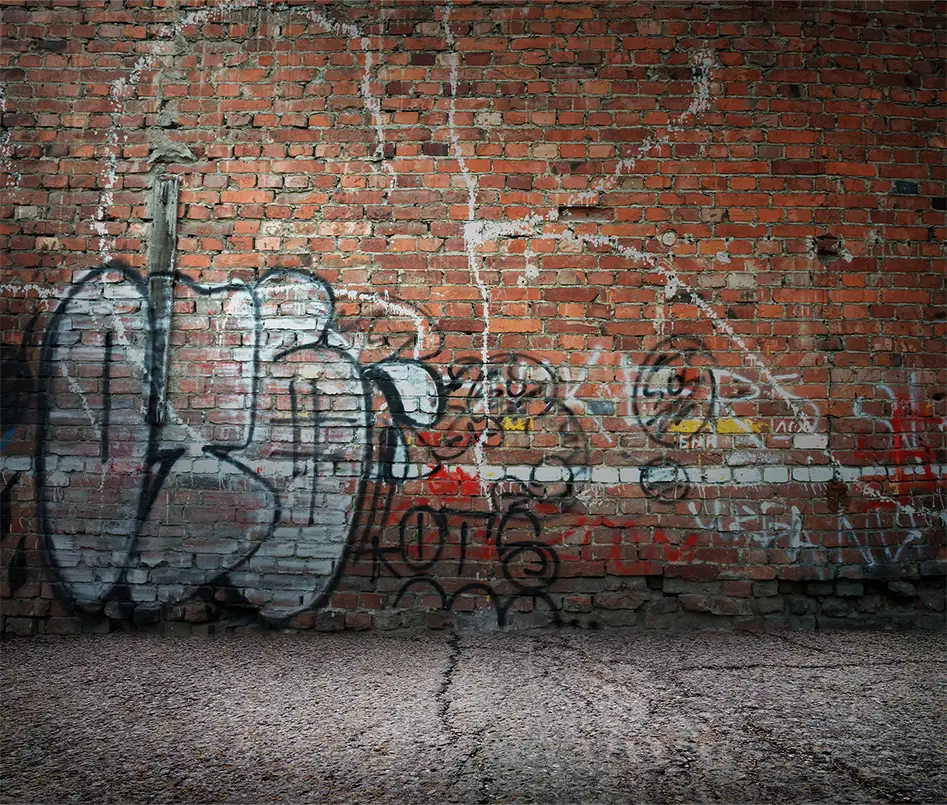 Graffiti
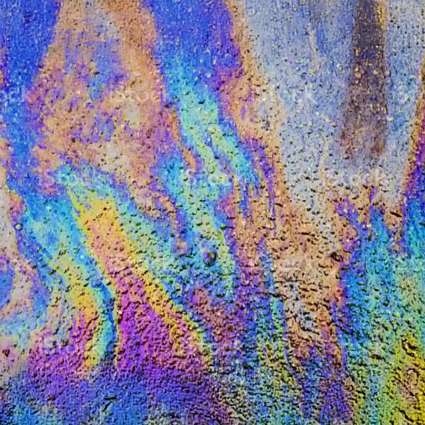 Grease / Fat / Cooking Oil
 Lawn Fertiliser
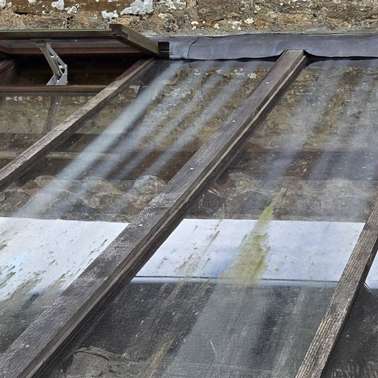 Lead Carbonate
 Lead Oxide
 Paint Splashes
 Rust
Rust Tar & Glue
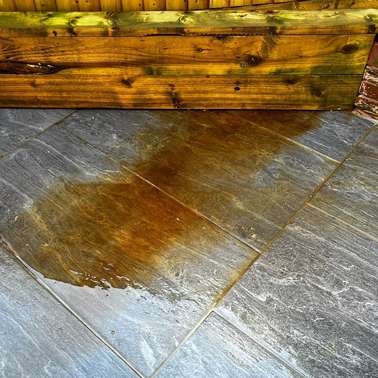 Tannin Removers
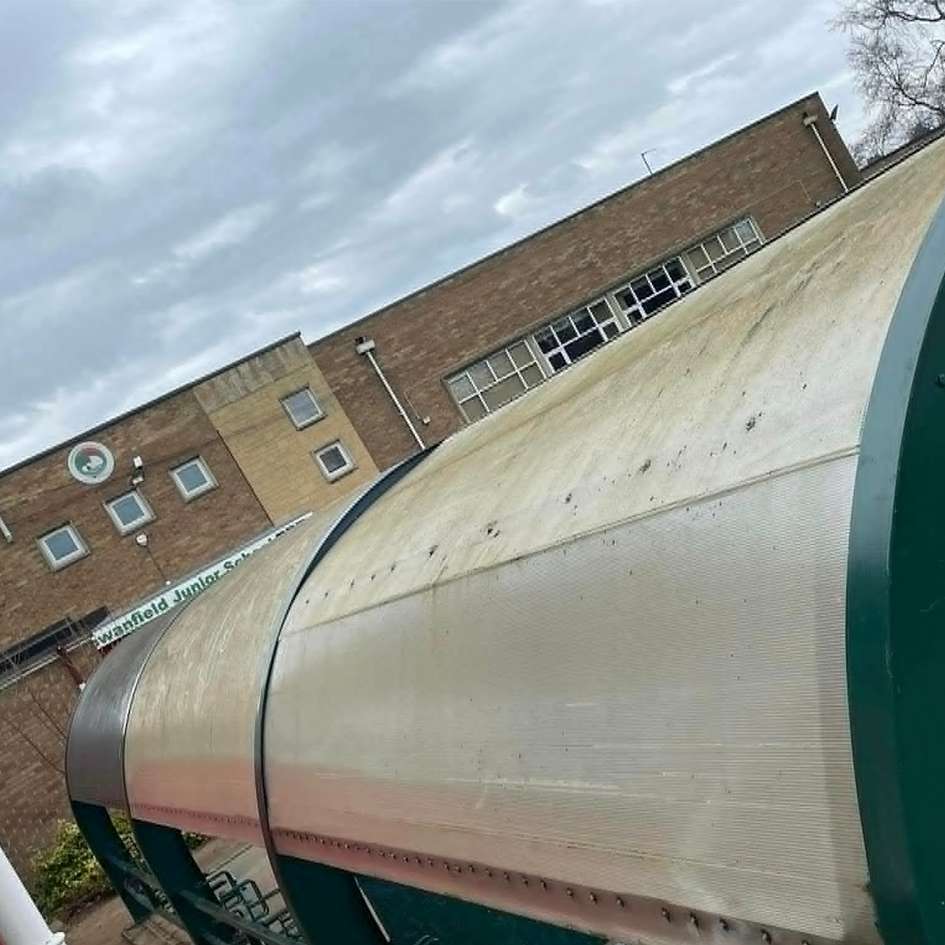 Traffic Film Removers
 Trapped Moisture / Sealer Repairs
 Urine Neutralisers