Gutters are one of the most overlooked parts of a property, yet they play a critical role in protecting buildings from water damage. When functioning correctly, gutters collect rainwater from the roof and direct it safely away from walls, foundations, and landscaping. When they fail, the consequences can be costly, disruptive, and long‑lasting.
Among all the issues that affect gutter systems, blockages caused by debris are by far the most common problem. This single issue is responsible for the majority of gutter-related damage across residential and commercial buildings in the UK. From overflowing water to structural deterioration, blocked gutters create a chain reaction of problems that many property owners only notice once damage has already occurred.
This article explores in depth why blocked gutters are the most common problem, how they develop, what impact they have, how much they can cost in pounds (£), and how they compare to other gutter issues. Tables are included to help clarify causes, consequences, and costs. ☔
Why Gutters Exist in the First Place
Before understanding the most common problem, it is important to understand what gutters are designed to do.
Gutters:
Collect rainwater from roof surfaces
Channel water into downpipes
Direct water away from walls and foundations
Reduce soil erosion around the building
Prevent damp, mould, and structural weakening
Without a properly functioning gutter system, rainwater falls freely from roof edges, saturating walls, windows, and the ground below. Over time, this can compromise the integrity of a building and lead to expensive repairs.
The Most Common Gutter Problem: Blockages 🧱🍂
What Is a Gutter Blockage?
A gutter blockage occurs when debris accumulates inside the gutter channel, preventing rainwater from flowing freely towards the downpipe. Instead of being carried away, water builds up, overflows, or becomes stagnant.
Typical Materials That Cause Blockages
Type of Debris
Source
Frequency
Leaves
Trees near property
Very High
Moss
Roof tiles
High
Twigs
Wind and storms
Medium
Dirt & silt
Airborne particles
Medium
Birds’ nests
Wildlife activity
Low to Medium
Tennis balls / litter
Urban areas
Low
Leaves and moss are the biggest contributors. In the UK climate, moss growth on roofs is particularly common due to frequent rainfall and mild temperatures.
Why Blocked Gutters Are So Common
Blocked gutters are not just common by chance. Several environmental and behavioural factors make them almost inevitable.
1. Weather Conditions 🌧️
The UK experiences regular rainfall throughout the year, combined with strong winds and seasonal leaf fall. Autumn is particularly problematic, as falling leaves can clog gutters within weeks.
2. Nearby Trees 🌳
Properties near trees are significantly more likely to experience gutter blockages. Even trees several metres away can shed leaves and seeds that end up on the roof.
3. Moss Growth on Roofs
Moss absorbs water and slowly breaks down, shedding granules into gutters. These granules compact over time, forming dense sludge that is difficult for water to pass through.
4. Infrequent Maintenance
Many property owners underestimate how often gutters need attention. Gutters are often out of sight and out of mind until water begins pouring over the edge.
5. Poor Gutter Design or Installation
Gutters installed with insufficient fall (slope) are more likely to trap debris. Similarly, undersized gutters can block more quickly during heavy rainfall.
How Blocked Gutters Affect a Property
Blocked gutters do not just cause one isolated issue. They trigger a cascade of problems that worsen over time.
Overflowing Water 🚿
When water cannot flow through the gutter, it spills over the edge. This water often lands directly onto brickwork, windows, and door frames.
Damp and Mould
Consistent moisture penetration can lead to internal damp, mould growth, and peeling paint. This is particularly common in older properties with solid walls.
Foundation Damage
Water pooling at the base of a building can weaken foundations. Over time, this can cause movement, cracking, and subsidence.
Fascia and Soffit Rot
Wooden fascias and soffits are especially vulnerable. Persistent exposure to moisture leads to rot, requiring replacement.
Pest Attraction 🐭
Stagnant water and debris create an ideal environment for insects, rodents, and birds.
Financial Impact of Blocked Gutters (£)
Blocked gutters are often seen as a minor inconvenience, but the financial consequences can be significant.
Typical Costs Associated With Gutter Blockages
Issue Caused by Blockage
Approximate Cost (£)
Basic gutter clearing
£60 – £150
Fascia board replacement
£500 – £2,000
Internal damp repairs
£800 – £3,000
Foundation repairs
£5,000 – £25,000+
Full gutter replacement
£700 – £2,500
A simple blockage that could have been addressed for under £100 can escalate into thousands of pounds in repair work if left unresolved.
Warning Signs of a Blocked Gutter ⚠️
Many signs of blocked gutters are visible if you know what to look for.
External Signs
Water spilling over gutter edges during rain
Plants growing from the gutter
Sagging or bowed gutter sections
Staining on brickwork
Internal Signs
Damp patches on walls or ceilings
Musty smells indoors
Peeling wallpaper or paint
By the time internal signs appear, the problem is usually advanced.
Comparison With Other Common Gutter Problems
Although blocked gutters are the most common issue, they are not the only one.
Other Gutter Problems Compared
Problem
Frequency
Severity
Typical Cost (£)
Blockages
Very High
Medium to High
£60 – £3,000+
Leaks at joints
Medium
Medium
£150 – £600
Sagging gutters
Medium
Medium
£200 – £1,200
Cracked sections
Low to Medium
Low to Medium
£100 – £800
Detached downpipes
Low
Medium
£150 – £500
Blocked gutters stand out due to their frequency and their ability to cause multiple secondary issues.
Seasonal Patterns of Gutter Blockages 📅
Gutter problems are not evenly distributed throughout the year.
Season
Risk Level
Reason
Spring
Medium
Moss shedding, heavy rain
Summer
Low to Medium
Storm debris
Autumn
Very High
Leaf fall
Winter
Medium
Ice dams, compacted debris
Autumn accounts for the highest number of gutter blockages annually.
Long-Term Consequences of Ignoring Blocked Gutters
Ignoring gutter blockages does not make the problem disappear. Instead, it allows damage to compound year after year.
Structural Deterioration
Repeated water exposure weakens mortar, brickwork, and timber elements. Over time, repairs become more invasive and expensive.
Reduced Property Value 💷
Visible water damage and damp issues can significantly reduce a property’s market value and make it less attractive to buyers.
Insurance Complications
Some insurers may refuse claims related to water damage if poor maintenance is identified as the cause.
Why Blocked Gutters Outrank All Other Issues
Blocked gutters are the most common problem because they:
Occur naturally due to the environment
Develop quickly
Are easy to overlook
Cause multiple secondary failures
Affect both old and new buildings
Other gutter problems often stem from blockages. For example, sagging gutters may result from the weight of trapped debris and standing water.
Gutter Blockages in Residential vs Commercial Buildings
Residential Properties 🏠
Homes with pitched roofs, nearby trees, and smaller gutter profiles are particularly vulnerable. Many residential blockages go unnoticed for months.
Commercial Properties 🏢
Larger roof areas collect more debris and water. Flat roofs often discharge into internal gutters, where blockages can cause severe internal flooding.
Property Type
Blockage Risk
Potential Damage
Residential
High
Medium to High
Commercial
Medium to High
High to Severe
The Psychological Factor: Why Gutters Are Ignored 🤷
One reason blocked gutters are so widespread is human behaviour. Gutters are:
Not visible from ground level
Perceived as non-essential
Associated with inconvenience
Often left until a problem is obvious
This delay allows a simple issue to escalate into a major one.
Summary: The Most Common Gutter Problem Explained
To answer the question clearly and definitively:
The most common problem with gutters is blockage caused by debris such as leaves, moss, and dirt.
This problem is widespread due to environmental conditions, roof design, and lack of regular maintenance. While it may appear minor at first, blocked gutters are responsible for some of the most expensive and disruptive forms of property damage.
Understanding how and why blockages occur is the first step in recognising their importance. Gutters may be simple systems, but when they fail, the impact on a building can be severe.
In short: a small build-up of debris can lead to very big problems 💦🏚️
How Blocked Gutters Affect Roof Performance 🏠
Blocked gutters do not only impact walls and foundations; they can also affect the roof itself. When water backs up in the gutter, it can seep under roof tiles or felt, especially during heavy rainfall. Over time, this moisture can weaken roof timbers, damage underlay, and shorten the lifespan of roofing materials. In colder months, trapped water may freeze and expand, placing additional stress on gutter brackets and roof edges.
The Weight Problem: When Gutters Become Overloaded ⚖️
Debris-filled gutters can become surprisingly heavy. Wet leaves, moss, and standing water add significant weight to the system. This extra load often causes gutters to sag, pull away from the fascia, or snap fixings entirely. Once the alignment is compromised, water flow worsens, increasing overflow and accelerating damage across the property.
Blocked Gutters and Brickwork Damage 🧱
Repeated water overflow saturates brickwork and mortar joints. Over time, this leads to erosion, cracking, and discolouration. In older properties, where mortar may already be weak, blocked gutters can dramatically speed up deterioration. Repairing brickwork and repointing can be costly and disruptive compared to addressing the original blockage.
The Role of Downpipes in Gutter Blockages 🚰
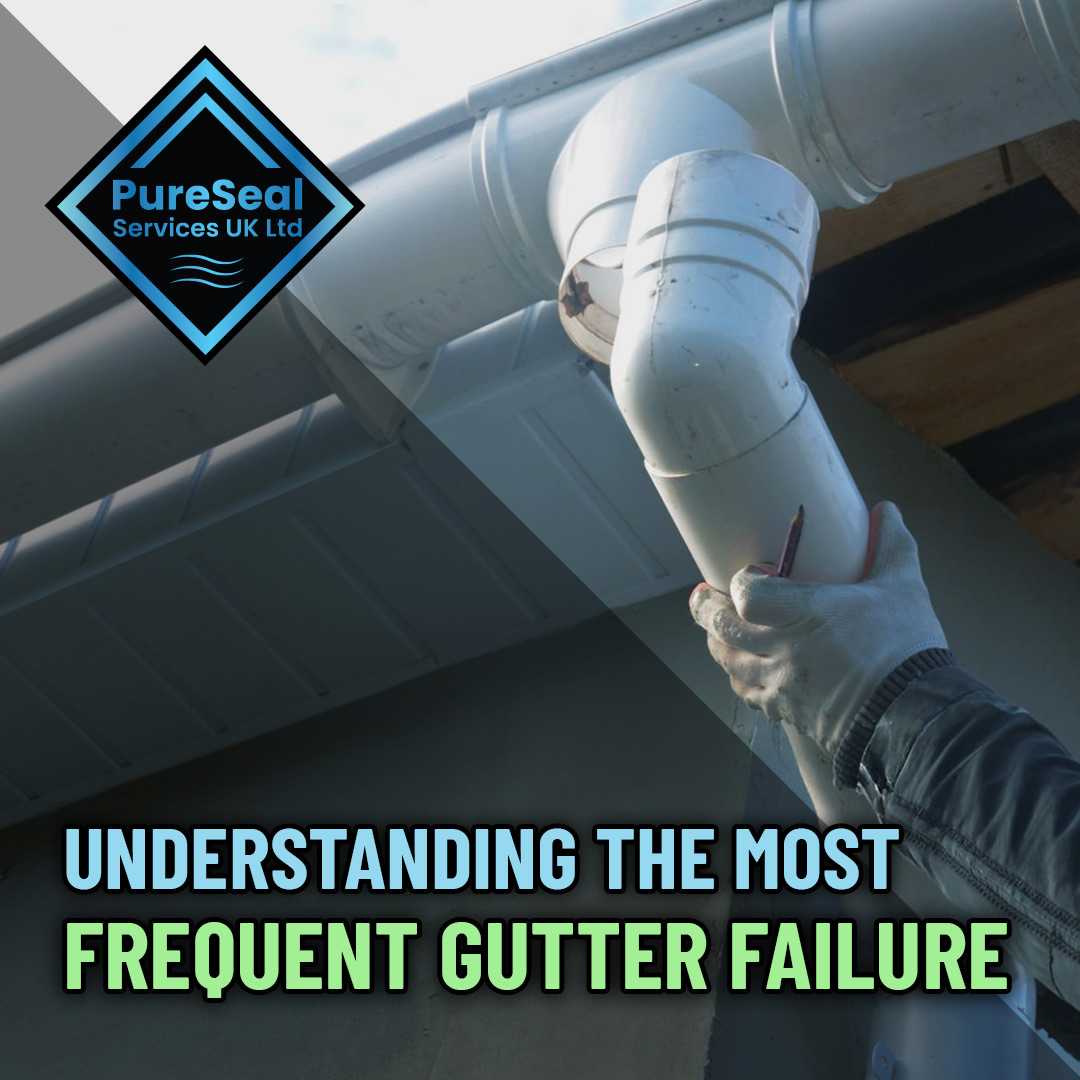
While gutters often receive the blame, downpipes are frequently part of the problem. Debris that passes through the gutter can become lodged inside the downpipe, creating hidden blockages. These obstructions prevent water from draining even when the gutter itself appears clear, leading to sudden overflows during rainfall.
Why Small Blockages Rarely Stay Small 🔍
A minor blockage may seem harmless, but gutters are self-compounding systems. Once debris begins to collect, it slows water flow, allowing even more material to settle. Over time, this process accelerates, turning a small obstruction into a fully blocked gutter. This is why early signs should never be ignored, even if the issue appears minor at first glance.

 Artificial and Sports Surfaces
 Awnings / Canopies / Gazebos
 Block Paving
 Brickwork
 Composite Surfaces
 Decking / Timber
 Granite
 Imprinted Concrete
 Internal Masonry
 Limestone
 Marble
 Metal Cladding
 Polished or Honed Stone
 Porcelain
 Render
 Resin Bond
 Road and Rail Signs
 Roof Tiles / Slates
 Sandstone
 Slate
Slate Solar Panels and Glass
 Stone Sills and Pier Caps
 Tarmac and Asphalt
 Gutters & UPVC
 Acid Damage
 Biofilm
 Bitumen
 Blood
Blood Carbon
 Concrete / Grout / Mortar
 Copper Oxide
 Efflorescence
 Egg
Egg Failed Sealer
 Fire Damage
 Fuel / Oil
 Graffiti
 Grease / Fat / Cooking Oil
 Lawn Fertiliser
 Lead Carbonate
 Lead Oxide
 Paint Splashes
 Rust
Rust Tar & Glue
 Tannin Removers
 Traffic Film Removers
 Trapped Moisture / Sealer Repairs
 Urine Neutralisers