
What Happens to Pavers If You Don’t Seal Them?
Pavers – whether they are made from concrete, clay, natural stone, porcelain, or reconstituted materials – are a popular choice for patios, driveways, pathways and outdoor living areas. They offer a visually appealing, durable and practical surface. However, one of the most common questions homeowners ask is about the risks, costs, and long-term damage of unsealed pavers.
“Do I really need to seal my pavers?”
The short answer is no – sealing is not legally required, and pavers will still function as a hard surface without it.
But the long answer is more complicated. Pavers that are never sealed almost always deteriorate faster, stain more easily, become more difficult to clean, and can lose their original colour within a few years.
This article explains exactly what happens to pavers if you don’t seal them, how the effects vary by material, what the long-term costs can look like, and which visible issues are irreversible once they set in.
1. Immediate vs Long-Term Effects of Not Sealing Pavers
| Time Period | What Happens If You Don’t Seal? | Severity |
|---|---|---|
| First 3–6 months | Colour starts to dull, light surface dust and dirt binds to pores, jointing sand begins to erode | Mild |
| 6–18 months | Weeds, algae and moss take root in joints, stains start to appear, small chips and surface wear possible | Moderate |
| 2–5 years | Permanent discolouration, deep oil/food stains, cracking in high-traffic areas, frost damage risk increases | High |
| 5+ years | Pavers may need professional restoration or replacement due to structural or surface breakdown | Very high |
2. Why Pavers Change When Not Sealed
Sealers work by blocking the pores in the material.
Without sealer, the following things penetrate and slowly damage the paver:
-
Water
-
Dirt and grime
-
Oil and vehicle fluids
-
Food and drink spills
-
Algae, lichen and moss spores
-
De-icing salts
-
UV light
This leads to erosion, fading, staining, microbial growth, and structural weakening.
3. Common Problems When Pavers Are Not Sealed
3.1. Fading and Colour Loss
Most pavers are coloured either with natural pigments (stone) or man-made oxides (concrete). UV light breaks these pigments down. The result is a washed-out, greyish, chalky appearance – usually obvious within 2–3 years.
| Paver Material | Typical Colour Fade Without Sealer |
|---|---|
| Concrete | 25–50% fade in first 3 years |
| Clay brick | 10–20% fade (clay holds colour better) |
| Sandstone | Heavy fade, especially light/beige tones |
| Limestone | Can fade unevenly and develop blotching |
| Porcelain | Very low/no fade (non-porous) |
Once colour fade happens, it cannot be restored fully unless you apply tinting products or replace the pavers.
3.2. Water Absorption and Freeze Damage
Unsealed pavers absorb rainwater like a sponge.
When temperatures drop below freezing, the water expands inside the material.
This can lead to:
-
Micro-cracking
-
Flaking (known as “spalling”)
-
Surface crumbling
-
Chips at the corners and edges
This is especially common with cheaper concrete pavers and soft natural stones like sandstone.
3.3. Staining (Oil, Food, Tyre Marks, Rust)
Because unsealed pavers are porous, any liquid spill becomes a permanent stain unless cleaned immediately. Common examples:
| Stain Type | Example Source | Removal Difficulty Without Sealer |
|---|---|---|
| Oil & fuel | Cars, lawnmowers, BBQs | Very hard |
| Grease & food fat | Outdoor cooking | Hard |
| Rust | Furniture legs, metal tools | Medium |
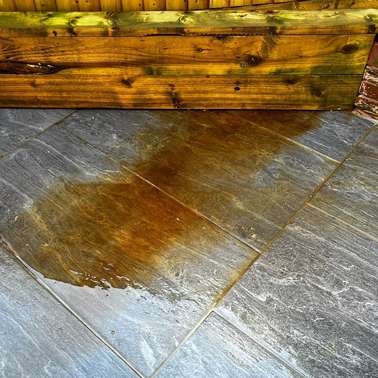
| Tannin | Wet leaves, soil, mulch | Medium |
| Tyre marks | Driveways | Hard |
| Mud & dirt | Foot traffic | Easy–medium |
Hiring a professional to remove deep oil stains can cost £120–£250 per visit, and even then results are not guaranteed.
3.4. Weed and Moss Growth
When pavers are not sealed, the jointing sand between them washes away over time from:
-
Rain
-
Jet washing
-
Foot or vehicle traffic
Once joints are hollow, they trap:
-
Wind-blown soil
-
Seeds
-
Organic matter
This creates a perfect growing bed for weeds, moss and algae.
A homeowner who doesn’t seal may spend £40–£80 per year on weedkiller, joint sand top-ups and cleaning – sometimes more than a sealer would have cost in the first place.
3.5. Surface Erosion and Loss of Texture
Any paver exposed to traffic, weather and abrasion will erode slightly over time.
Without sealer, this process accelerates and causes:
-
Surface roughness
-
Loose sand aggregate showing through
-
Edging deterioration
-
Polished areas where footfall is heavy (in stone)
What starts as a cosmetic issue can turn structural, particularly on driveways.
3.6. Efflorescence (White Chalky Deposits)
Efflorescence is a natural salt found in cement-based materials.
When water travels through an unsealed paver, it pushes the salts to the surface.
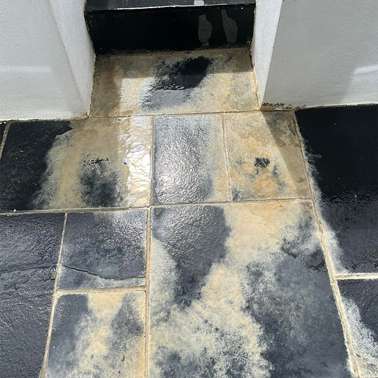
The result is a white, powdery, patchy residue that is difficult to remove.
Sealing does not cause efflorescence – but not sealing makes it far worse.
4. Cost Comparison Over 10 Years
| Option | Upfront Cost | Maintenance Cost (10 yrs) | Likely Restoration Cost | Total 10-Yr Cost |
|---|---|---|---|---|
| Don’t seal pavers | £0 | £60–£150 per year (cleaning, weed killer, sand) = £600–£1,500 | £500–£2,000 (deep clean, re-jointing, stain removal) or £2,000+ for replacement | £1,100 – £3,500+ |
| Seal pavers once, re-coat every 3–5 yrs | £200–£450 DIY / £450–£900 professional | £30–£50 per year (light cleaning only) | No restoration needed if maintained | £500 – £1,500 |
For most properties, sealing pays for itself in reduced maintenance and extended lifespan.
5. Material-by-Material Breakdown
5.1. Concrete Pavers
-
Most vulnerable to stains and fading
-
Absorbs water quickly
-
Can weaken structurally over time
-
Benefits the most from sealing
Expected lifespan without sealer: 12–15 years
With sealer: 20+ years
5.2. Natural Stone (Sandstone, Limestone, Granite, Slate)
| Stone Type | Risk Without Sealer | Notes |
|---|---|---|
| Sandstone | High | Very porous, goes green quickly |
| Limestone | Medium–high | Can pit and flake from frost |
| Granite | Low–medium | Hard but can stain and dull |
| Slate | Medium | Oil stains easily, colour fade risk |
Natural stone is aesthetically premium, but sealant is usually essential to protect appearance.
5.3. Clay Brick Pavers
-
Good colour retention
-
Medium absorbency
-
Can still stain and grow moss
They do not deteriorate as fast as concrete but still benefit from sealing for maintenance reduction.
5.4. Porcelain Pavers
-
Very low absorption
-
Stain resistant even unsealed
-
Joints and grout lines still need sealing
Porcelain is the only paver type where sealing is optional, but many still seal for joint protection.
6. Visual Changes You Can Expect (If You Don’t Seal)
| Issue | Visible Sign | Timeframe |
|---|---|---|
| Fading | Pale, washed-out colour | 1–3 years |
| Stains | Dark patches, greasy marks | Months |
| Weed growth | Green lines between pavers | 6–12 months |
| Moss/algae | Slippery green surface | 1 winter |
| Efflorescence | White chalky deposits | 3–12 months |
| Surface erosion | Sand grains visible, rough feel | 2–4 years |
| Spalling/cracking | Chips, flaking, broken edges | 3–7 years |
7. Does Every Area Need Sealing?
| Area Type | Effect of Not Sealing | Recommendation |
|---|---|---|
| Driveway | High oil/stain risk | Strongly recommended |
| Patio | Medium stain risk | Very beneficial |
| Pool surround | Risk of algae slip hazard | Highly recommended |
| Garden path | Low traffic, cosmetic only | Optional |
| Covered veranda | Minimal exposure | Optional |
8. Myths About Sealing Pavers
| Myth | Reality |
|---|---|
| “Pavers are already weatherproof, so sealing is pointless.” | All pavers are porous unless glazed or vitrified. |
| “Sealer makes pavers slippery.” | Only true with the wrong product. Many sealers add grip. |
| “If I pressure wash every year, that’s enough.” | Jet washing removes joint sand and accelerates wear. |
| “Sealer is just for looks.” | Sealer increases lifespan, reduces repair cost and makes cleaning easier. |
9. When It’s Too Late to Seal
If the following have already happened, sealing may not fix them:
-
Permanent deep oil staining
-
Colour loss of 40%+
-
Frost-flaked surface
-
Cracks or chips
-
Heavy efflorescence bonded deep inside the surface
-
Sand base erosion or sinking
In these cases, restoration or replacement may be the only option.
10. Summary: What Happens If You Don’t Seal Pavers?
-
They absorb water, which leads to:
-
Frost damage
-
Staining
-
Weakened structure
-
-
They lose colour and fade due to UV exposure.
-
The joints erode, causing:
-
Weeds
-
Insects
-
Loose pavers
-
-
They become harder to clean over time.
-
You spend more money over 10 years than if you sealed them.
-
Some damage becomes permanent and unfixable.
11. How Weather Conditions Accelerate Damage to Unsealed Pavers
Different climates affect pavers in different ways, but lack of sealing always makes the impact worse.
| Climate Type | Main Risk to Unsealed Pavers | Typical Damage |
|---|---|---|
| Wet / Rainy | High moisture absorption | Moss, algae, frost cracking |
| Hot / UV Intense | Strong sunlight | Fast fading, surface drying |
| Coastal | Salt content in air/water | Salt staining, erosion |
| Freeze–Thaw | Repetitive icing cycles | Spalling, fractures |
| Polluted Urban Area | Acid rain & grime | Chemical surface breakdown |
Even in the UK, where the climate is considered moderate, all five conditions can occur throughout the year.
Sealing acts like a protective film that reduces the speed at which the weather can degrade the material. Without it, your pavers are fully exposed 365 days a year.
12. The Difference Between Cleaning Sealed vs Unsealed Pavers
One of the biggest day-to-day differences is how easily the surface can be cleaned.
| Task | On Sealed Pavers | On Unsealed Pavers |
|---|---|---|
| Sweep dirt/leaves | Quick – dirt stays on surface | Harder – dirt embeds into pores |
| Food spills | Wipe clean | Leaves stains unless cleaned instantly |
| Oil leaks | Can often be lifted off | Soaks in and becomes permanent |
| Pressure washing | Low pressure needed | Requires higher pressure, removes joint sand |
| Weed control | Rarely needed | Ongoing effort, weekly in summer |
Most homeowners don’t notice the cleaning difference until they own pavers for 1–2 years.
After that point, unsealed pavers start to look permanently dirty, even after washing.
13. Impact on Property Value and Kerb Appeal
While sealing pavers is not a legal requirement, it absolutely affects visual appeal – and that can influence resale value.
| Feature | Sealed Pavers | Unsealed Pavers |
|---|---|---|
| Colour vibrancy | Fresh, even tone | Dull, patchy, washed out |
| Surface condition | Protected, smooth | Rough, stained, or cracked |
| First impression | “Well maintained” | “Needs work” |
| Perceived value | Higher | Lower |
Estate agents often mention that outdoor areas are “the new extra room”, especially in modern homes with patio living space.
A sealed patio or driveway can add more perceived value than its actual maintenance cost, because it signals low future expense to buyers.
14. Insurance and Warranty Considerations
Some people don’t realise that lack of sealing can void certain warranties.
| Scenario | Without Sealer | With Sealer |
|---|---|---|
| Manufacturer warranty on pavers | May not cover surface wear, staining or colour fade | Usually fully valid |
| Installer workmanship guarantee | May exclude damage caused by water ingress | Generally protected |
| Home insurance claim for damage | May be classed as “lack of maintenance” | Seen as protected asset |
Most insurance policies won’t pay for preventable deterioration, especially if it’s due to neglect.
Sealing proves that the homeowner has taken reasonable measures to protect the surface.
15. When Sealing Doesn’t Make Sense
Even though sealing has clear benefits, there are a few situations where it may not be necessary:
| Situation | Why Sealing May Be Unnecessary |
|---|---|
| Temporary patio planned to be replaced soon | Cost gives no long-term benefit |
| Rustic garden paths with old bricks | Aged look may be desirable |
| Low-use decorative areas with no foot traffic | Wear and stains unlikely |
| Porcelain tiles with vitrified surface | Only joints may need sealing |
| Heavily damaged surface needing replacement anyway | Repair is better than sealing |
Although these cases are uncommon, they do exist.
Sealing is a maintenance choice, not a legal requirement – but for most people, it’s more cost-effective than ongoing restoration.


 Artificial and Sports Surfaces
 Awnings / Canopies / Gazebos
 Block Paving
 Brickwork
 Composite Surfaces
 Decking / Timber
 Granite
 Imprinted Concrete
 Internal Masonry
 Limestone
 Marble
 Metal Cladding
 Polished or Honed Stone
 Porcelain
 Render
 Resin Bond
 Road and Rail Signs
 Roof Tiles / Slates
 Sandstone
 Slate
Slate Solar Panels and Glass
 Stone Sills and Pier Caps
 Tarmac and Asphalt
 Gutters & UPVC
 Acid Damage
 Biofilm
 Bitumen
 Blood
Blood Carbon
 Concrete / Grout / Mortar
 Copper Oxide
 Efflorescence
 Egg
Egg Failed Sealer
 Fire Damage
 Fuel / Oil
 Graffiti
 Grease / Fat / Cooking Oil
 Lawn Fertiliser
 Lead Carbonate
 Lead Oxide
 Paint Splashes
 Rust
Rust Tar & Glue
 Tannin Removers
 Traffic Film Removers
 Trapped Moisture / Sealer Repairs
 Urine Neutralisers