
Licensed Biocides - Metal Cladding
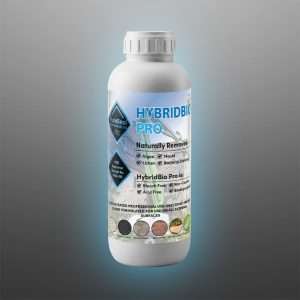
When it comes to protecting metal cladding, Licensed Biocides for Metal Cladding play a crucial role. These biocides effectively prevent the growth of harmful microorganisms that can damage building materials. Without proper protection, fungi, algae, and bacteria can thrive on surfaces, leading to significant deterioration over time. Therefore, using Licensed Biocides for Metal Cladding is essential for maintaining the aesthetic and structural integrity of buildings.
Incorporating these biocides into your maintenance routine ensures that you safeguard your property against biological threats. Notably, many licensed biocides come with formulations designed specifically for metal surfaces. They adhere well, providing long-lasting protection against environmental factors. Moreover, they often pose minimal risk to the surrounding ecosystems, making them suitable for various applications.
Applying Licensed Biocides for Metal Cladding requires careful consideration of local regulations. Always choose products that are authorised and adhere to safety standards. This ensures that you comply with the law while effectively protecting your investment. Additionally, consulting with professionals can help you identify the best biocide for your specific needs.
Transitioning to the application process, proper preparation of the surface is vital. Clean the metal cladding thoroughly to remove contaminants before applying the biocide. After preparing the surface, apply the Licensed Biocides for Metal Cladding according to the manufacturer’s instructions. This approach maximises effectiveness and ensures long-lasting results.
Finally, consider routine inspections and maintenance. Regular checks help identify any signs of biological growth early. In conclusion, utilising Licensed Biocides for Metal Cladding not only preserves the appearance of your structures but also extends their lifespan. Protect your investments wisely and choose the right biocide for consistent results.
Showing all 8 resultsSorted by popularity
- Select options This product has multiple variants. The options may be chosen on the product page
- Select options This product has multiple variants. The options may be chosen on the product page
- View Product
- Select options This product has multiple variants. The options may be chosen on the product page
- Select options This product has multiple variants. The options may be chosen on the product page
- View Product
- View Product
- View Product



 Artificial and Sports Surfaces
 Awnings / Canopies / Gazebos
 Block Paving
 Brickwork
 Composite Surfaces
 Decking / Timber
 Granite
 Imprinted Concrete
 Internal Masonry
 Limestone
 Marble
 Metal Cladding
 Polished or Honed Stone
 Porcelain
 Render
 Resin Bond
 Road and Rail Signs
 Roof Tiles / Slates
 Sandstone
 Slate
Slate Solar Panels and Glass
 Stone Sills and Pier Caps
 Tarmac and Asphalt
 Gutters & UPVC
 Acid Damage
 Biofilm
 Bitumen
 Blood
Blood Carbon
 Concrete / Grout / Mortar
 Copper Oxide
 Efflorescence
 Egg
Egg Failed Sealer
 Fire Damage
 Fuel / Oil
 Graffiti
 Grease / Fat / Cooking Oil
 Lawn Fertiliser
 Lead Carbonate
 Lead Oxide
 Paint Splashes
 Rust
Rust Tar & Glue
 Tannin Removers
 Traffic Film Removers
 Trapped Moisture / Sealer Repairs
 Urine Neutralisers