
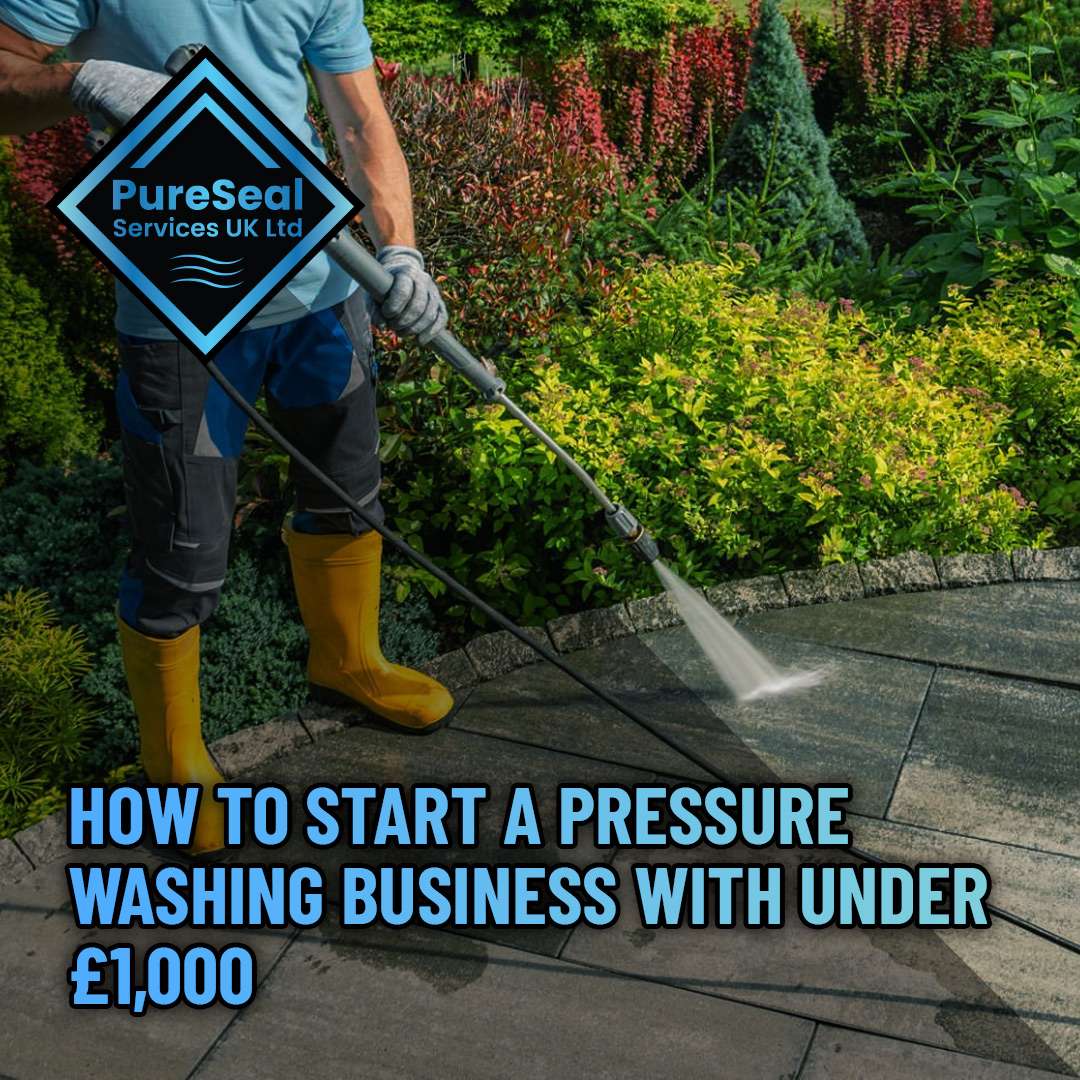
How to Start a Pressure Washing Business With Under £1,000
Starting a pressure washing business is one of the most accessible ways to enter the trades with minimal capital. Demand is consistently strong across the UK, as homeowners, landlords, estate agents, and commercial property managers all require exterior cleaning. The key advantage is that you can begin small, reinvest profits, and scale gradually — without needing expensive premises or staff.
With careful planning, smart equipment choices, and disciplined spending, launching a functional operation for under £1,000 is entirely achievable.
Why Pressure Washing Is Ideal for Low-Budget Start-Ups
This industry has several advantages compared with other service businesses:
-
Low equipment requirements
-
No formal qualifications needed
-
Work available year-round (weather permitting)
-
High hourly earning potential
-
Easy to scale
-
Can operate as a sole trader initially
Startup costs for professional setups can reach several thousand pounds, but lean operators can begin far cheaper by focusing on essential tools only.
Step 1: Choose the Right Entry Strategy
To stay under £1,000, you must adopt a “lean start” approach.
Lean Strategy Principles
-
Start with domestic jobs only
-
Use client water supply (no tank needed)
-
Avoid buying a van initially
-
Offer limited services first
-
Upgrade equipment gradually
Many successful operators began by cleaning patios, driveways, and paths before expanding into roofs, render, and commercial work.
Step 2: Buy a Budget Pressure Washer
Your machine is the heart of the business.
Commercial petrol washers can cost £800–£3,000, but entry-level electric units suitable for domestic work are far cheaper.
Budget Equipment Comparison
| Type | Typical Cost | Pros | Cons |
|---|---|---|---|
| Electric washer | £120–£300 | Cheap, quiet, lightweight | Less powerful |
| Entry petrol washer | £500–£900 | Mobile, strong cleaning | Noisy, heavier |
| Professional petrol | £1,200+ | Commercial performance | Over budget |
Starting with an electric unit keeps costs manageable while still handling most household cleaning tasks.
Step 3: Essential Accessories Only
Avoid buying everything at once. Focus on items that directly improve productivity and results.
Must-Have Starter Kit
| Item | Purpose | Budget Cost |
|---|---|---|
| Basic pressure washer | Core cleaning tool | £200–£300 |
| High-pressure hose | Reach around property | £40–£80 |
| Turbo or fan nozzle | Different cleaning needs | £20–£40 |
| Extension lance | Reduces bending | £25–£60 |
| PPE (gloves, goggles) | Safety | £30–£80 |
Surface cleaners and water tanks can wait until revenue grows.
Step 4: Purchase Cleaning Chemicals
Water alone rarely produces professional results, especially on algae-covered driveways or greasy surfaces.
Initial stock can be surprisingly affordable.
| Chemical Type | Typical Cost |
|---|---|
| Degreaser | £15–£50 |
| Patio cleaner | £10–£40 |
| Anti-mould solution | £20–£70 |
Initial supplies often total between £50 and £200.
You can source professional-grade cleaning products from https://puresealservices.co.uk/, which are specifically designed for pressure washing applications.
Step 5: Use Existing Transport
Buying a van will destroy your budget.
Instead:
-
Use your personal car
-
Borrow a vehicle temporarily
-
Offer services within a small radius
-
Focus on residential areas
Most domestic jobs require minimal equipment, which easily fits into a boot.
Vehicle costs can otherwise range from hundreds to thousands of pounds, making them one of the biggest startup expenses.
Step 6: Register as a Sole Trader
Starting legally in the UK is straightforward and inexpensive.
Basic Setup Costs
| Item | Estimated Cost |
|---|---|
| Business registration | £0–£50 |
| Basic insurance (optional initially) | £150–£300/year |
| Accounting software | £0–£10/month |
Formal registration costs can be as low as £50 depending on setup choices.
Many small operators begin informally with simple bookkeeping before upgrading systems later.
Step 7: Low-Cost Marketing That Works
Marketing does not require a large budget.
High-Return Budget Methods
-
Door-to-door leafleting
-
Community Facebook groups
-
Word-of-mouth referrals
-
Before-and-after photos
-
Introductory discounts
-
Neighbourhood deals
Printed materials are inexpensive but effective.
| Marketing Tool | Cost Range |
|---|---|
| Business cards | £20–£80 |
| Flyers | £50–£300 |
| Local ads | £0–£100 |
Total marketing costs can start as low as £100.
Step 8: Offer Simple, Profitable Services
Stick to jobs that:
-
Require minimal equipment
-
Can be completed quickly
-
Carry low risk
-
Have high demand
Ideal Starter Services
| Service | Difficulty | Equipment Needed |
|---|---|---|
| Patio cleaning | Low | Basic washer |
| Driveways | Low–Medium | Strong nozzle |
| Paths & paving | Low | Basic setup |
| Garden furniture | Very low | Low pressure |
| Wheelie bins | Very low | Minimal gear |
Residential customers form a reliable entry market.
Step 9: Price Jobs Correctly
Underpricing is a common mistake.
A small operation can still generate strong income.
Example revenue projections show that even a modest number of residential jobs can produce substantial monthly earnings after expenses.
Typical Domestic Pricing
| Job Type | Average Price |
|---|---|
| Small patio | £40–£80 |
| Driveway | £80–£200 |
| Path cleaning | £30–£70 |
| Bin cleaning | £3–£10 each |
Completing just a few jobs per week can recover startup costs quickly.
Step 10: Deliver Professional Results
Customer satisfaction drives repeat business and referrals.
Tips for Quality Work
-
Pre-treat heavily stained areas
-
Use correct pressure levels
-
Clean edges and corners thoroughly
-
Rinse surrounding areas
-
Leave the site tidy
Understanding surfaces and pressure settings is crucial for effective cleaning and damage prevention.
Step 11: Reinvest Profits Strategically
Your first goal should be upgrading equipment.
Smart Upgrade Path
-
Surface cleaner (faster driveway cleaning)
-
Longer hoses
-
More powerful washer
-
Water tank for remote jobs
-
Branding and signage
-
Insurance upgrades
Professional setups can cost several thousand pounds, so gradual investment is the safest route.
Example £1,000 Startup Budget
Here is a realistic breakdown demonstrating how to stay within budget.
| Category | Estimated Spend |
|---|---|
| Electric pressure washer | £280 |
| Hoses & nozzles | £70 |
| PPE | £60 |
| Chemicals | £100 |
| Marketing materials | £120 |
| Business setup | £50 |
| Fuel & contingency | £120 |
| Miscellaneous | £200 |
| Total | £1,000 |
This setup is sufficient to begin earning immediately.
Skills You Should Develop Early
Success depends on more than equipment.
Key skills include:
-
Safe machine operation
-
Surface identification
-
Chemical dilution knowledge
-
Customer communication
-
Time management
-
Basic sales ability
Learning on small jobs or personal property builds confidence before tackling larger projects.
Common Beginner Mistakes
Avoid errors that waste money or damage reputation.
Costly Pitfalls
-
Buying oversized equipment too early
-
Ignoring safety gear
-
Underestimating travel time
-
Accepting jobs beyond skill level
-
Not rinsing chemicals properly
-
Failing to protect plants and property
Equipment maintenance is also essential, as pressure washers are subject to wear and tear over time.
How to Get Your First Customers Fast
Early momentum is critical.
Effective launch tactics include:
-
Cleaning your own driveway as a demo
-
Offering discounted “intro” jobs
-
Asking neighbours for referrals
-
Posting before-and-after photos online
-
Partnering with gardeners or landscapers
Some entrepreneurs even start by validating demand before investing heavily in equipment.
Scaling Beyond the £1,000 Stage
Once income becomes steady, expansion opportunities include:
-
Commercial contracts
-
Roof and render cleaning
-
Soft washing services
-
Graffiti removal
-
Sealing and protective treatments
-
Hiring staff
Pressure washing businesses can grow from solo side hustles into multi-vehicle operations over time.
Starting a pressure washing business with under £1,000 requires discipline, careful purchasing, and a focus on revenue-generating essentials. By targeting domestic clients, using budget equipment, sourcing effective cleaning chemicals from https://puresealservices.co.uk/, and reinvesting profits strategically, it is entirely possible to build a profitable operation from very modest beginnings.
Tags: Driveway cleaning, pressure washing, Roof Cleaning, Exterior cleaning, gutter cleaning, window cleaning, Patio cleaning
 Artificial and Sports Surfaces
 Awnings / Canopies / Gazebos
 Block Paving
 Brickwork
 Composite Surfaces
 Decking / Timber
 Granite
 Imprinted Concrete
 Internal Masonry
 Limestone
 Marble
 Metal Cladding
 Polished or Honed Stone
 Porcelain
 Render
 Resin Bond
 Road and Rail Signs
 Roof Tiles / Slates
 Sandstone
 Slate
Slate Solar Panels and Glass
 Stone Sills and Pier Caps
 Tarmac and Asphalt
 Gutters & UPVC
 Acid Damage
 Biofilm
 Bitumen
 Blood
Blood Carbon
 Concrete / Grout / Mortar
 Copper Oxide
 Efflorescence
 Egg
Egg Failed Sealer
 Fire Damage
 Fuel / Oil
 Graffiti
 Grease / Fat / Cooking Oil
 Lawn Fertiliser
 Lead Carbonate
 Lead Oxide
 Paint Splashes
 Rust
Rust Tar & Glue
 Tannin Removers
 Traffic Film Removers
 Trapped Moisture / Sealer Repairs
 Urine Neutralisers