Block paving remains one of the most popular choices for driveways, patios and pathways across the UK. Its durability, versatility and attractive appearance make it a long-term investment for homeowners and commercial property owners alike. However, even the highest-quality block paving can begin to lose its original colour and visual appeal over time.
Years of exposure to sunlight, rainfall, traffic, pollution and organic growth can leave block paving looking dull, tired and weathered. What was once a vibrant driveway or patio may gradually become faded and patchy, affecting the overall appearance of the property.
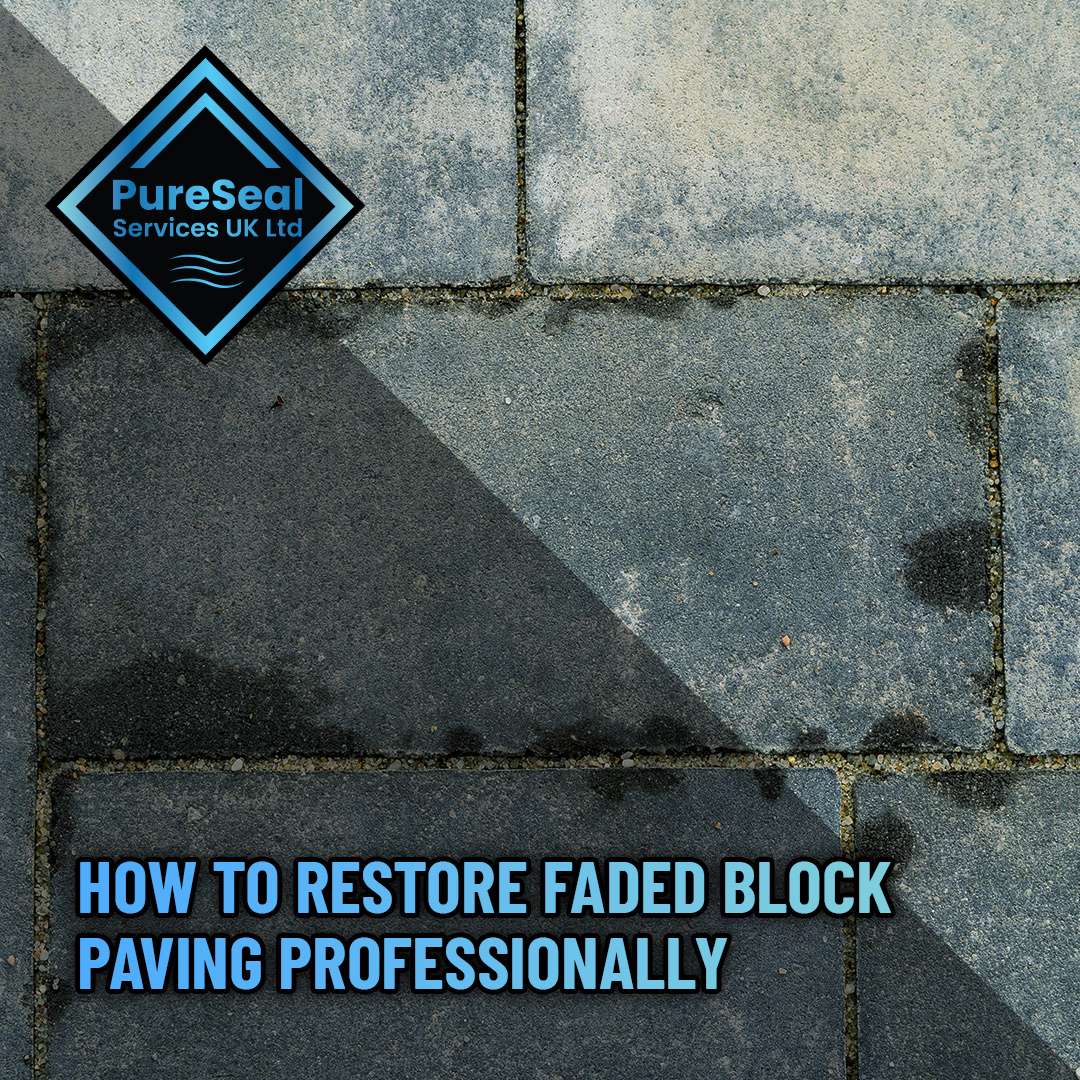
Fortunately, professional restoration techniques can dramatically improve the look of faded block paving. Through a combination of deep cleaning, re-sanding and sealing, experienced specialists can restore colour, enhance appearance and provide long-term protection against future deterioration.
At Pure Seal Services, professional block paving restoration is designed to bring worn surfaces back to life while helping protect them from the challenging British climate.
Why Does Block Paving Fade?
Many property owners assume fading occurs solely because of age, but several factors contribute to the gradual loss of colour and vibrancy.
Block paving is constantly exposed to environmental conditions that affect its appearance.
Common Causes of Fading
Cause
Impact on Block Paving
UV Exposure
Gradual colour loss
Rainfall
Surface weathering
Traffic
Wear and abrasion
Algae Growth
Dull appearance
Pollution
Surface staining
Dirt Accumulation
Reduced colour visibility
Moss Growth
Moisture retention
Poor Maintenance
Accelerated deterioration
In many cases, the original colour remains beneath layers of contamination and weathering. Professional restoration can often reveal colours that have been hidden for years.
Understanding the Difference Between Fading and Contamination
Before beginning any restoration project, it is important to determine whether the paving has genuinely faded or whether dirt and biological growth are simply masking its appearance.
Many driveways that appear severely faded are actually suffering from:
Algae contamination
Surface dirt
Traffic film
Moss growth
Pollution deposits
Lichen staining
Professional cleaning frequently delivers dramatic improvements before any sealing products are applied.
Signs of True Fading
Indicator
Likely Cause
Uniform colour loss
UV exposure
Surface remains dull after cleaning
Weathering
Older paving installation
Long-term ageing
Uneven colour variations
Previous repairs
Dry and porous appearance
Loss of protection
A thorough assessment allows the most effective restoration method to be selected.
The Importance of Professional Inspection
Every block paving surface ages differently.
Factors such as location, exposure to sunlight, drainage performance and traffic levels all influence the condition of the paving.
A professional inspection typically evaluates:
Surface contamination
Joint stability
Weed growth
Drainage performance
Existing sealant condition
Structural movement
Colour retention
Identifying underlying issues before restoration begins helps ensure the best possible outcome.
Stage One: Deep Professional Cleaning
The first and arguably most important stage of block paving restoration is deep cleaning.
Over time, contaminants become embedded within the surface texture of the blocks. Basic cleaning methods often fail to remove this build-up effectively.
Professional pressure washing removes:
Dirt
Moss
Algae
Lichen
Oil marks
Traffic film
Surface staining
Organic debris
Benefits of Professional Cleaning
Benefit
Result
Removes contamination
Improved appearance
Restores original colour
Brighter paving
Improves drainage
Reduced standing water
Eliminates weeds
Cleaner joints
Prepares surface for sealing
Better results
Many property owners are surprised by the transformation achieved through cleaning alone.
Removing Weeds and Organic Growth
Weeds frequently develop between paving joints and can significantly affect appearance.
Their root systems may also weaken jointing sand and contribute to movement within the paved surface.
Professional restoration usually includes removal of:
Surface weeds
Moss colonies
Algae growth
Lichen deposits
This creates a cleaner and more stable foundation for the remaining restoration stages.
Why Organic Growth Should Be Removed
Problem
Effect
Moss
Moisture retention
Weeds
Joint instability
Algae
Slippery surfaces
Lichen
Surface staining
Eliminating biological growth also helps reduce future maintenance requirements.
Addressing Oil and Rust Stains
Some block paving surfaces suffer from staining caused by:
Vehicle oil leaks
Fuel spills
Rust deposits
Fertiliser marks
Leaf tannin staining
These marks can significantly detract from the appearance of the paving.
Specialist treatments are often required to tackle stubborn stains without damaging the surface.
The earlier staining is addressed, the greater the likelihood of successful removal.
Re-Sanding the Joints
Pressure washing removes contaminants but can also displace some of the kiln-dried sand located between the blocks.
This sand performs several important functions:
Locks blocks together
Restricts movement
Supports load distribution
Reduces weed growth
Following cleaning, fresh kiln-dried sand is brushed into the joints.
Benefits of Re-Sanding
Benefit
Importance
Structural stability
High
Reduced movement
High
Improved appearance
Medium
Weed resistance
High
Surface longevity
High
Proper re-sanding is a critical part of professional block paving restoration.
Why Sealing Is Essential
Many homeowners mistakenly believe cleaning alone completes the restoration process.
While cleaning improves appearance, sealing provides long-term protection and enhances colour.
Professional block paving sealants can:
Deepen colour tones
Protect against staining
Reduce weed growth
Minimise algae development
Improve water resistance
Extend surface lifespan
Sealing is often the stage that creates the most noticeable visual transformation.
How Block Paving Sealers Restore Appearance
Modern sealers do more than simply protect the surface.
They can significantly enhance existing colour by enriching the natural tones within the paving.
Visual Improvements Achieved Through Sealing
Enhancement
Result
Colour enrichment
Richer appearance
Surface uniformity
Consistent finish
Reduced dullness
Improved vibrancy
Enhanced kerb appeal
Better presentation
The result is often a driveway or patio that looks considerably newer and more attractive.
Different Types of Block Paving Sealers
Professional contractors may use different sealant formulations depending on the paving type and desired finish.
Common Sealer Types
Sealer Type
Appearance
Matt
Natural look
Satin
Subtle enhancement
Gloss
High colour enhancement
Colour Enhancing
Deepened tones
Protective Clear Seal
Invisible protection
The most suitable option depends on the condition of the paving and the property owner’s preferences.
Protecting Against Future Fading
One of the primary advantages of sealing is its ability to slow future colour loss.
UV rays are one of the main causes of fading, particularly on driveways exposed to direct sunlight throughout the day.
A quality sealant creates a protective barrier that helps shield the surface from:
UV exposure
Water penetration
Pollution
Surface wear
Organic growth
This protection helps maintain the restored appearance for longer.
The Impact on Kerb Appeal
Driveways often occupy a large proportion of a property’s front exterior.
A faded driveway can make the entire property appear older and less well maintained.
Professionally restored block paving helps improve:
First impressions
Property presentation
Exterior aesthetics
Overall kerb appeal
Visual Impact Comparison
Surface Condition
Appearance
Faded and dirty
Tired
Cleaned only
Improved
Fully restored and sealed
Premium
For homeowners considering selling their property, driveway restoration can make a significant difference to overall presentation.
Extending the Lifespan of Block Paving
Restoration is not purely cosmetic.
Contaminants such as moss and algae retain moisture, which can contribute to long-term deterioration.
Professional restoration helps protect paving from:
Surface erosion
Joint instability
Weed invasion
Freeze-thaw damage
Water penetration
Maintaining paving in good condition can delay the need for expensive repairs or replacement.
Common Mistakes Made During DIY Restoration
While some homeowners attempt block paving restoration themselves, mistakes can be costly.
Common DIY Errors
Mistake
Potential Consequence
Excessive pressure washing
Surface damage
Poor-quality sealers
Short lifespan
Inadequate cleaning
Uneven finish
Incorrect re-sanding
Joint instability
Sealing too early
Trapped moisture
Professional restoration reduces these risks and typically delivers longer-lasting results.
Typical Costs of Professional Block Paving Restoration
Costs vary according to:
Surface size
Contamination levels
Access requirements
Sealing products used
Condition of the paving
Relative Investment Levels
Service
Typical Cost Level
DIY Materials
Low
Basic Cleaning Service
Lower-Mid
Professional Restoration
Higher
Full Paving Replacement
Significantly Higher
Premium restoration services often represent excellent value compared to the cost of replacing an entire driveway.
Property owners seeking high-quality workmanship and long-lasting results frequently choose professional restoration rather than short-term budget solutions.
At Pure Seal Services, restoration projects are tailored to the condition of each surface, ensuring block paving receives the appropriate cleaning, re-sanding and sealing treatments needed to maximise both appearance and durability.
Signs Your Block Paving Needs Restoration
Not every driveway requires immediate restoration, but several indicators suggest professional attention may be beneficial.
Common signs include:
Noticeable colour fading
Persistent staining
Heavy algae growth
Weed-filled joints
Uneven appearance
Surface dullness
Increased water absorption
Loss of previous sealant protection
Identifying these issues early can help prevent more extensive deterioration and maintain the attractive appearance of the paved surface for years to come.
How Weather Conditions Affect Block Paving Colour
The British climate can be particularly harsh on external surfaces. Unlike regions that experience long periods of sunshine and dry weather, UK block paving is exposed to a continual cycle of rain, frost, temperature fluctuations and moisture.
Over time, these environmental factors contribute to colour loss and surface deterioration.
Weather-Related Causes of Colour Reduction
Weather Condition
Effect on Block Paving
Heavy Rainfall
Surface weathering
UV Exposure
Pigment fading
Frost
Surface stress
Snow and Ice
Increased moisture exposure
Wind
Abrasive dirt deposits
Pollution-Carrying Rain
Staining and dullness
Driveways located in exposed locations often experience accelerated fading due to increased weather exposure throughout the year.
Properties situated beneath large trees may also suffer from additional organic staining, moss development and moisture retention, all of which can make block paving appear significantly older than it actually is.
Why Sealed Block Paving Stays Attractive for Longer
Once a driveway has been professionally restored, property owners naturally want to preserve the improved appearance for as long as possible.
A quality block paving sealer provides a protective barrier that helps defend against many of the factors responsible for fading and deterioration.
Benefits of Professional Sealing
Protection Feature
Benefit
Water Resistance
Reduced moisture penetration
UV Protection
Slower colour fading
Stain Resistance
Easier maintenance
Weed Suppression
Cleaner joints
Algae Reduction
Improved appearance
Surface Protection
Longer lifespan
While no sealant lasts forever, professional products typically offer significantly longer protection than many retail alternatives.
This makes sealing one of the most valuable stages of the restoration process.
The Importance of Correct Preparation Before Sealing
Applying a sealant to poorly prepared paving can lead to disappointing results.
Professional restoration focuses heavily on preparation because even the highest-quality sealant cannot perform effectively if contaminants remain trapped beneath it.
Before sealing, specialists will typically ensure:
The surface is thoroughly cleaned
Staining has been treated
Algae and moss have been removed
Jointing sand has been replaced
Moisture levels are suitable
Weather conditions are appropriate
Skipping any of these stages can affect both appearance and durability.
Professional Preparation Checklist
Preparation Step
Why It Matters
Deep Cleaning
Removes contaminants
Stain Treatment
Improves finish
Re-Sanding
Stabilises paving
Drying Period
Prevents trapped moisture
Surface Inspection
Identifies defects
Sealant Selection
Ensures compatibility
Professional preparation often makes the difference between a restoration that lasts for years and one that begins deteriorating after only a short period.
Restoring Older Block Paving Installations
Many UK properties have block paving that was installed ten, fifteen or even twenty years ago.
Although older paving may appear beyond repair, this is often not the case.
Provided the structure remains fundamentally sound, professional restoration can significantly improve:
Colour consistency
Surface cleanliness
Joint stability
Overall presentation
Older driveways frequently respond particularly well to restoration because years of accumulated dirt and contamination have hidden much of the original appearance.
Restoration Potential by Condition
Condition
Restoration Potential
Light Fading
Excellent
Moderate Fading
Very Good
Heavy Contamination
Excellent
Surface Staining
Good
Structural Damage
Variable
A professional assessment will determine whether restoration is likely to deliver the desired results.
The Role of Ongoing Maintenance After Restoration
Once block paving has been restored, routine maintenance helps preserve its appearance and maximise the lifespan of the restoration work.
Regular maintenance does not usually require extensive intervention but should include periodic inspections and cleaning.
Property owners should aim to:
Remove leaves promptly
Sweep away dirt and debris
Address spills quickly
Monitor weed growth
Keep drainage channels clear
Recommended Maintenance Activities
Task
Frequency
Sweeping
Weekly
Visual Inspection
Monthly
Weed Removal
As Required
Drainage Checks
Quarterly
Professional Cleaning
Periodically
Sealer Assessment
Every Few Years
This proactive approach helps prevent contaminants from becoming deeply embedded and reduces the likelihood of the paving returning to its previous faded appearance.
Why Premium Restoration Delivers Better Long-Term Value
When comparing restoration providers, it can be tempting to focus solely on price. However, the quality of materials, preparation methods and workmanship all play a significant role in the final result.
Premium restoration services generally involve:
More thorough cleaning procedures
Higher-grade sealants
Greater attention to detail
Longer-lasting results
Better overall appearance
Comparing Different Approaches
Service Level
Typical Outcome
DIY Restoration
Variable results
Budget Cleaning
Short-term improvement
Mid-Range Service
Moderate enhancement
Professional Premium Restoration
Comprehensive transformation
Although professional restoration represents a higher investment, it often provides substantially better value than repeated low-cost treatments or premature driveway replacement.
For many homeowners, restoring existing block paving is a practical way to achieve a cleaner, brighter and more impressive exterior without the considerable expense of installing an entirely new driveway.
By combining professional cleaning, careful re-sanding and high-quality sealing, faded paving can often regain much of the character, colour and visual appeal that originally made it such a popular choice for driveways, patios and pathways.
At Pure Seal Services, every restoration project is tailored to the specific condition of the paving, ensuring the most suitable techniques and premium products are used to achieve the best possible finish while helping to protect the surface against future weathering and colour loss.

 Artificial and Sports Surfaces
 Awnings / Canopies / Gazebos
 Block Paving
 Brickwork
 Composite Surfaces
 Decking / Timber
 Granite
 Imprinted Concrete
 Internal Masonry
 Limestone
 Marble
 Metal Cladding
 Polished or Honed Stone
 Porcelain
 Render
 Resin Bond
 Road and Rail Signs
 Roof Tiles / Slates
 Sandstone
 Slate
Slate Solar Panels and Glass
 Stone Sills and Pier Caps
 Tarmac and Asphalt
 Gutters & UPVC
 Acid Damage
 Biofilm
 Bitumen
 Blood
Blood Carbon
 Concrete / Grout / Mortar
 Copper Oxide
 Efflorescence
 Egg
Egg Failed Sealer
 Fire Damage
 Fuel / Oil
 Graffiti
 Grease / Fat / Cooking Oil
 Lawn Fertiliser
 Lead Carbonate
 Lead Oxide
 Paint Splashes
 Rust
Rust Tar & Glue
 Tannin Removers
 Traffic Film Removers
 Trapped Moisture / Sealer Repairs
 Urine Neutralisers