Patios are designed to be a place of relaxation and pride in your outdoor space. Over time, however, many homeowners begin to notice stubborn black spots forming across paving slabs, stone surfaces, and concrete areas. These marks are not just unsightly, they can be extremely difficult to remove without the right approach.
Understanding what causes these black spots and how to deal with them properly is essential if you want to restore your patio to its original appearance. This guide breaks down everything you need to know, from identifying the issue to choosing the most effective removal methods and preventing future growth.
For professional results and long-lasting protection, Pureseal Services offers specialist patio cleaning and sealing solutions designed to tackle even the most persistent contamination.
What Are Black Spots on Patios?
The Real Cause Behind the Marks
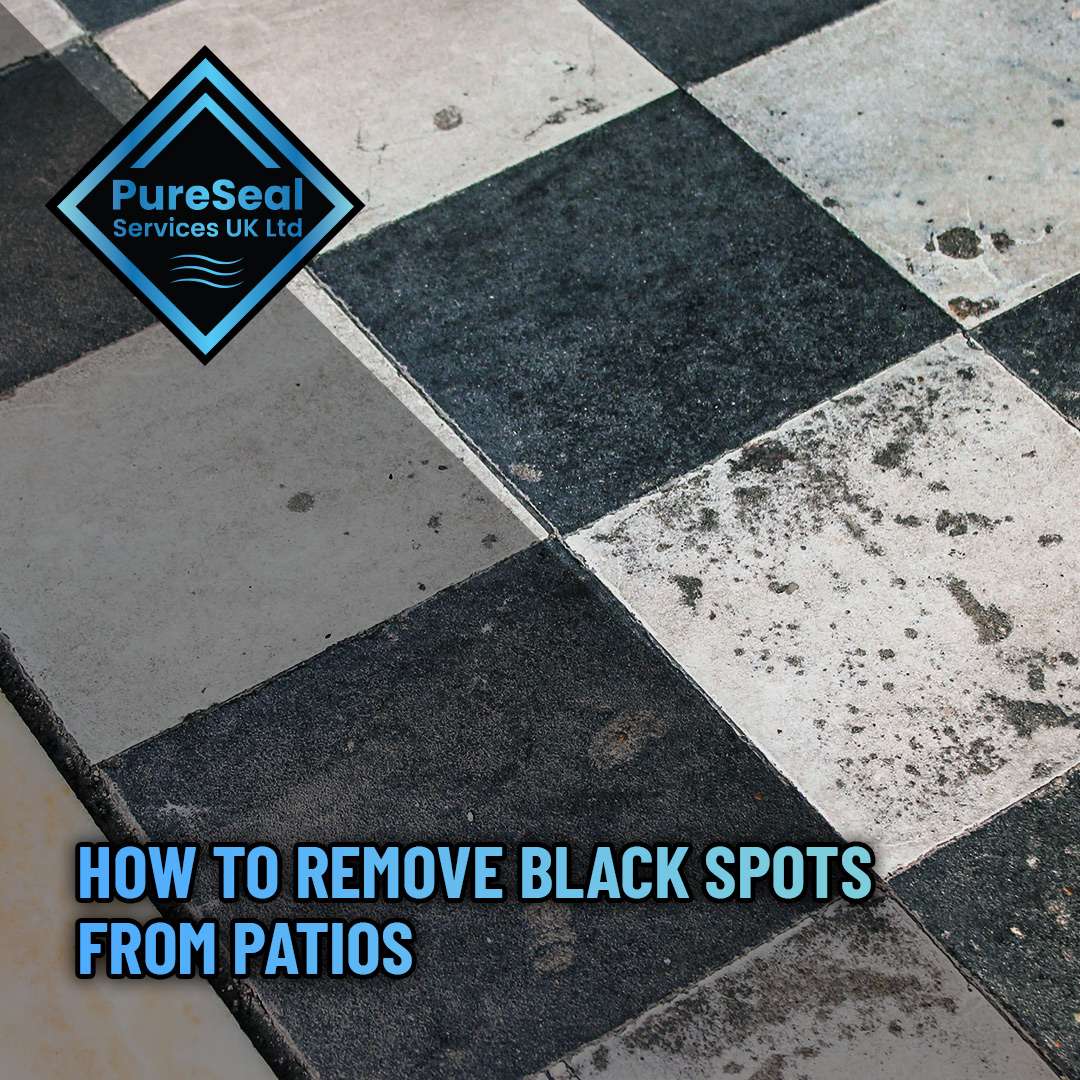
Black spots on patios are typically caused by a type of lichen, a complex organism formed by a combination of algae and fungi. Unlike simple dirt or moss, lichen bonds tightly to the surface of your paving, embedding itself deep into the pores of the material.
This is why standard cleaning methods often fail. The surface might look cleaner initially, but the roots of the lichen remain intact, allowing it to return quickly.
Why They Are So Difficult to Remove
Unlike moss or algae, black lichen has a protective outer layer that makes it highly resistant to:
Basic pressure washing
Household cleaning products
Weather exposure
This resilience means that removing black spots requires a targeted and often multi-step process.
Common Patio Surfaces Affected
Different materials respond differently to contamination and cleaning methods. Below is a breakdown of how black spots typically affect common patio surfaces:
Surface Type
Susceptibility to Black Spots
Cleaning Difficulty
Risk of Damage
Concrete Slabs
High
Moderate
Low
Natural Stone
High
High
Medium
Sandstone
Very High
High
High
Limestone
Medium
Moderate
Medium
Porcelain Tiles
Low
Low
Low
Understanding your patio material is crucial before starting any cleaning process.
Why DIY Methods Often Fail
Pressure Washing Alone Isn’t Enough
Many homeowners attempt to remove black spots using a standard pressure washer. While this may improve the appearance temporarily, it rarely eliminates the root cause.
In fact, excessive pressure can:
Damage the surface of the stone
Remove jointing material
Spread spores to other areas
Household Chemicals Are Usually Ineffective
Products like bleach or vinegar are commonly used but often produce inconsistent results. They may lighten the spots but fail to remove them entirely.
Additionally, improper use of chemicals can:
Discolour paving
Harm surrounding plants
Pose safety risks
Effective Methods for Removing Black Spots
Specialist Biocide Treatments
The most reliable way to remove black spots is through professional-grade biocide treatments. These are specifically formulated to break down the structure of lichen and kill it at the root.
How It Works
The treatment penetrates deep into the surface
It destroys both visible growth and underlying spores
Results continue to improve over time
Controlled Pressure Washing
When combined with the right treatment, pressure washing can be highly effective. The key is using the correct pressure and technique.
Best Practices
Use a rotary surface cleaner for even results
Avoid excessive pressure on delicate stone
Always pre-treat with a suitable solution
Steam Cleaning
Steam cleaning is another advanced method that can be particularly effective on sensitive surfaces.
Benefits
Uses high temperatures instead of harsh chemicals
Minimises surface damage
Provides a deep clean
Step-by-Step Patio Cleaning Process
Initial Assessment
Before starting, it’s important to evaluate:
The type of surface
Severity of contamination
Existing damage
Pre-Treatment Application
Applying a specialist cleaning solution helps to loosen the lichen and prepare it for removal.
Cleaning Stage
Depending on the surface, this may involve:
Pressure washing
Steam cleaning
Manual agitation
Post-Treatment Protection
After cleaning, a sealing solution can be applied to protect the patio and prevent regrowth.
Cost Considerations
Professional patio cleaning is often viewed as a premium service, but it delivers long-term value. Below is a general guide to expected costs in the UK:
Service Type
Average Cost per m²
Longevity of Results
Basic Pressure Washing
£3 – £5
Short-term
Chemical Cleaning
£5 – £8
Medium-term
Professional Deep Cleaning
£8 – £15
Long-term
Cleaning & Sealing
£15 – £25
Extended protection
Investing in a higher-end service typically results in better outcomes and reduced maintenance over time.
Preventing Black Spots from Returning
Regular Maintenance
Keeping your patio clean on a routine basis helps prevent the build-up of organic matter that encourages lichen growth.
Proper Drainage
Poor drainage creates damp conditions, which are ideal for lichen. Ensuring water flows away from your patio can significantly reduce the risk.
Sealing the Surface
Applying a high-quality sealant creates a protective barrier that makes it harder for spores to take hold.
Benefits of Sealing
Reduces water absorption
Enhances colour and appearance
Extends the lifespan of the patio
Signs You Need Professional Help
While some minor issues can be handled independently, certain situations require expert intervention.
Indicators Include
Deeply embedded black spots
Large affected areas
Delicate or high-value stone
Previous failed cleaning attempts
In these cases, using a specialist service ensures the job is done correctly without causing damage.
Environmental Considerations
Safe Cleaning Practices
Modern patio cleaning methods are increasingly focused on environmental responsibility.
Key Factors
Use of biodegradable cleaning agents
Controlled water usage
Protection of surrounding vegetation
Choosing a professional service ensures these factors are properly managed.
Long-Term Patio Care Strategy
Maintaining a spotless patio is not a one-off task. A long-term approach delivers the best results.
Suggested Maintenance Plan
Frequency
Task
Purpose
Monthly
Light cleaning
Remove surface debris
Every 6 months
Biocide treatment
Prevent organic growth
Annually
Deep clean
Restore appearance
Every 2–3 years
Resealing
Maintain protection
Consistency is key when it comes to keeping black spots at bay.
The Impact on Property Appearance
A clean patio significantly enhances the overall look of your property. Black spots, on the other hand, can make even well-maintained gardens appear neglected.
Benefits of a Clean Patio
Improves kerb appeal
Increases usable outdoor space
Adds value to the property
Safety Considerations
Slippery Surfaces
Lichen and algae can create slippery conditions, especially when wet. Removing black spots is not just about appearance, it also improves safety.
Chemical Handling
Improper use of cleaning chemicals can pose risks to both people and pets. Professional services follow strict safety protocols to minimise these risks.
Choosing the Right Approach
Every patio is different, and there is no one-size-fits-all solution. The most effective method depends on:
Surface material
Level of contamination
Desired longevity of results
A tailored approach ensures the best possible outcome.
Why Professional Treatment Delivers Better Results
Expertise and Equipment
Professional services use industrial-grade equipment and specialised treatments that are not available to the general public.
Long-Term Effectiveness
Unlike DIY methods, professional cleaning targets the root cause of the problem, providing longer-lasting results.
Protection and Aftercare
Sealing and maintenance advice ensure your patio stays cleaner for longer, reducing the need for frequent treatments.
Advanced Techniques for Stubborn Black Spot Removal
While standard cleaning methods can make a visible difference, heavily infested patios often require more advanced treatment strategies. Black lichen, in particular, develops deep root-like structures that anchor firmly into porous materials, making complete removal more complex.
Multi-Stage Cleaning Approach
For severe cases, a single treatment is rarely sufficient. A layered process is typically required to fully eradicate the problem.
Stage One: Deep Biocide Saturation
The first stage involves applying a high-strength biocide designed to soak into the surface and begin breaking down the lichen structure. This is not a quick fix. The treatment needs time to dwell and penetrate properly.
Stage Two: Mechanical Agitation
After the solution has had time to work, mechanical agitation may be used. This can involve specialist rotary cleaners or soft brushing techniques depending on the surface type.
Stage Three: Targeted Pressure Rinse
A controlled rinse removes dead organic matter without damaging the paving. This step requires precision, particularly on softer stones like sandstone.
Stage Four: Secondary Treatment
In many cases, a follow-up application is necessary to eliminate any remaining spores and prevent regrowth.
This layered approach is one of the key reasons why professional services consistently outperform DIY attempts.
Understanding the Role of Weather and Environment
Black spot formation is heavily influenced by environmental conditions. Even the best cleaning results can be short-lived if the underlying causes are not addressed.
Moisture Retention
Patios that remain damp for extended periods are far more likely to develop lichen. This is common in:
North-facing gardens
Shaded areas under trees
Poorly drained surfaces
Organic Debris Build-Up
Leaves, dirt, and other organic materials create the perfect breeding ground for spores. Over time, this layer traps moisture and accelerates growth.
Airborne Spores
Lichen spreads through microscopic spores carried by the wind. This means even a perfectly clean patio can become reinfected without preventative measures in place.
The Science Behind Patio Sealing
Sealing is often overlooked, but it plays a crucial role in long-term patio maintenance.
How Sealants Work
A high-quality sealant penetrates the surface of the paving and creates a պաշտպան barrier. This reduces porosity, making it harder for water and organic matter to settle.
Types of Sealants
Different patios require different sealing products. Choosing the wrong type can lead to poor results or even damage.
Sealant Type
Best For
Finish
Durability
Acrylic Sealers
Concrete and slabs
Satin/Gloss
Medium
Polyurethane
High-traffic areas
Gloss
High
Impregnating Sealers
Natural stone
Natural
High
Colour Enhancers
Decorative stone
Enriched tone
Medium to High
Benefits Beyond Protection
Sealing does more than just prevent black spots. It also:
Enhances the colour of the paving
Makes cleaning easier
Reduces weed growth between joints
Common Mistakes to Avoid
Even with the best intentions, many homeowners unknowingly make mistakes that worsen the problem.
Overusing Pressure
High-pressure washing might seem effective, but it can:
Etch the surface of the stone
Create micro-pores that encourage future growth
Damage pointing and jointing
Using the Wrong Chemicals
Not all cleaning products are suitable for all surfaces. Acid-based cleaners, for example, can permanently damage certain types of natural stone.
Skipping Aftercare
Failing to apply a protective treatment after cleaning often leads to rapid regrowth, undoing all the hard work.
Comparing DIY vs Professional Results
To better understand the difference, here’s a direct comparison:
Factor
DIY Cleaning
Professional Service
Initial Cost
Low
Higher
Effectiveness
Limited
Comprehensive
Longevity
Short-term
Long-term
Risk of Damage
High
Minimal
Equipment Quality
घरेलौ स्तर
Industrial-grade
Knowledge Required
Basic
Specialist expertise
While DIY methods may seem appealing from a cost perspective, they often lead to repeated treatments and inconsistent results.
Seasonal Timing for Best Results
When it comes to patio cleaning, timing can make a significant difference.
Spring Cleaning
Spring is one of the most popular times to clean patios. Removing winter build-up prepares the space for increased use during warmer months.
Summer Maintenance
Light maintenance during summer helps keep surfaces in good condition and prevents build-up from returning.
Autumn Preparation
Clearing leaves and debris in autumn is essential to prevent moisture retention during winter.
Winter Considerations
Cleaning during winter can be less effective due to low temperatures and limited drying time. However, preventative treatments can still be applied.
Enhancing the Overall Outdoor Space
Removing black spots is just one part of improving your patio. A full restoration can transform the entire look and feel of your garden.
Joint Re-Sanding
After cleaning, re-sanding joints helps stabilise the paving and improve appearance.
Edge Cleaning and Detailing
Attention to edges, steps, and borders ensures a consistent finish across the entire area.
Colour Restoration
Some cleaning and sealing processes can enhance the natural tones of the stone, making the patio look almost new again.
Health and Hygiene Benefits
Patio contamination isn’t just a cosmetic issue. It can also impact hygiene and wellbeing.
Bacteria and Allergens
Organic growth can harbour bacteria, mould, and allergens, which may affect sensitive individuals.
Pest Attraction
Damp, dirty patios can attract insects and other pests looking for shelter and الغذاء.
Keeping your patio clean reduces these risks and creates a healthier outdoor environment.
Tailored Solutions for Different Properties
Every property presents its own challenges. Factors such as layout, materials, and exposure all influence the best approach.
Residential Patios
Typically require a balance between aesthetics and practicality. Regular maintenance and sealing are key.
Commercial Outdoor Areas
High foot traffic demands more durable solutions and frequent cleaning schedules.
Heritage and Specialist Stone
Older or high-value materials require delicate handling and expert knowledge to avoid damage.
Investing in Long-Term Results
When dealing with black spots, short-term fixes rarely deliver lasting satisfaction. Investing in a comprehensive cleaning and protection plan ensures your patio remains in excellent condition for years.
Working with Pureseal Services means benefiting from a tailored approach that considers every aspect of your patio, from the type of stone to the surrounding environment. Their expertise allows for precise treatment, ensuring effective removal without compromising the integrity of the surface.
Maintenance Products vs Professional Treatments
Many retail products claim to remove black spots, but their performance varies widely.
Store-Bought Solutions
Often diluted for general use
Require multiple applications
Limited penetration depth
Professional-Grade Treatments
Highly concentrated formulations
Designed for deep penetration
Deliver longer-lasting results
This difference in quality is a major factor in the overall outcome.
Knowing how to treat different materials is essential to avoid costly mistakes.
Correct Pressure Levels
Using the right settings prevents damage while ensuring effective cleaning.
Product Selection
Choosing the correct treatment for the specific type of contamination makes all the difference.
Future-Proofing Your Patio
Once your patio has been restored, taking steps to protect it will save time and money in the long run.
Key Preventative Measures
Keep the area free from debris
Ensure proper drainage
Apply sealant at recommended intervals
Schedule periodic professional treatments
A proactive approach reduces the likelihood of severe contamination returning.
Visual Transformation and Property Value
A professionally cleaned patio can dramatically improve the overall appearance of a property. It creates a more inviting outdoor space and enhances the visual appeal of the garden.
Before and After Impact
Many patios go from dull and heavily marked to bright and refreshed, with colours restored and surfaces looking significantly newer.
Added Appeal
For homeowners considering selling, a clean patio can make a strong impression on potential buyers, contributing to perceived value and desirability.
Final Thoughts
Black spots on patios are one of the most stubborn and frustrating issues homeowners face, largely because they are far more than simple surface stains. Without the right knowledge and treatment, they tend to return quickly, often worse than before. What starts as a minor cosmetic issue can gradually take over an entire patio, diminishing both its appearance and usability.
The key to dealing with black spots effectively lies in understanding that proper removal is not a one-step job. It requires the right combination of treatment, technique, and aftercare. Quick fixes and off-the-shelf solutions may offer temporary improvement, but they rarely address the root cause. This is why many patios end up in a cycle of repeated cleaning with limited success.
Taking a more considered approach not only restores the look of your patio but also protects the investment you have made in your outdoor space. High-quality cleaning, followed by professional sealing, ensures that surfaces remain cleaner for longer and are far less susceptible to future growth. It is this long-term thinking that delivers real value.
Working with specialists such as Pureseal Services provides access to the expertise, equipment, and treatments needed to achieve a truly lasting result. Their ability to tailor each job to the specific surface and level of contamination ensures that patios are cleaned safely, thoroughly, and with longevity in mind.
A well-maintained patio transforms the entire feel of a garden. It becomes a space you can enjoy with confidence, free from unsightly marks and slippery surfaces. With the right care and professional support, keeping black spots under control becomes far more manageable, allowing your patio to remain a standout feature of your home for years to come.

 Artificial and Sports Surfaces
 Awnings / Canopies / Gazebos
 Block Paving
 Brickwork
 Composite Surfaces
 Decking / Timber
 Granite
 Imprinted Concrete
 Internal Masonry
 Limestone
 Marble
 Metal Cladding
 Polished or Honed Stone
 Porcelain
 Render
 Resin Bond
 Road and Rail Signs
 Roof Tiles / Slates
 Sandstone
 Slate
Slate Solar Panels and Glass
 Stone Sills and Pier Caps
 Tarmac and Asphalt
 Gutters & UPVC
 Acid Damage
 Biofilm
 Bitumen
 Blood
Blood Carbon
 Concrete / Grout / Mortar
 Copper Oxide
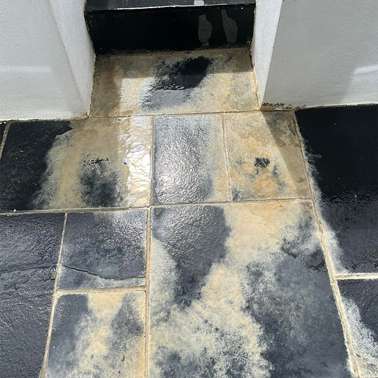 Efflorescence
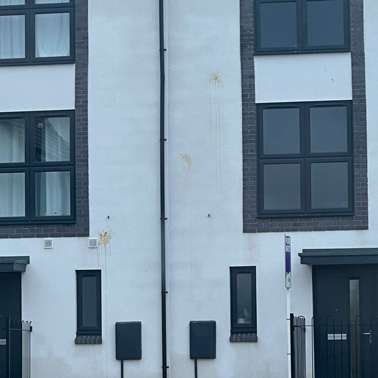 Egg
Egg Failed Sealer
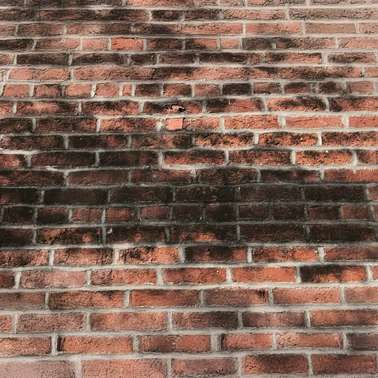 Fire Damage
 Fuel / Oil
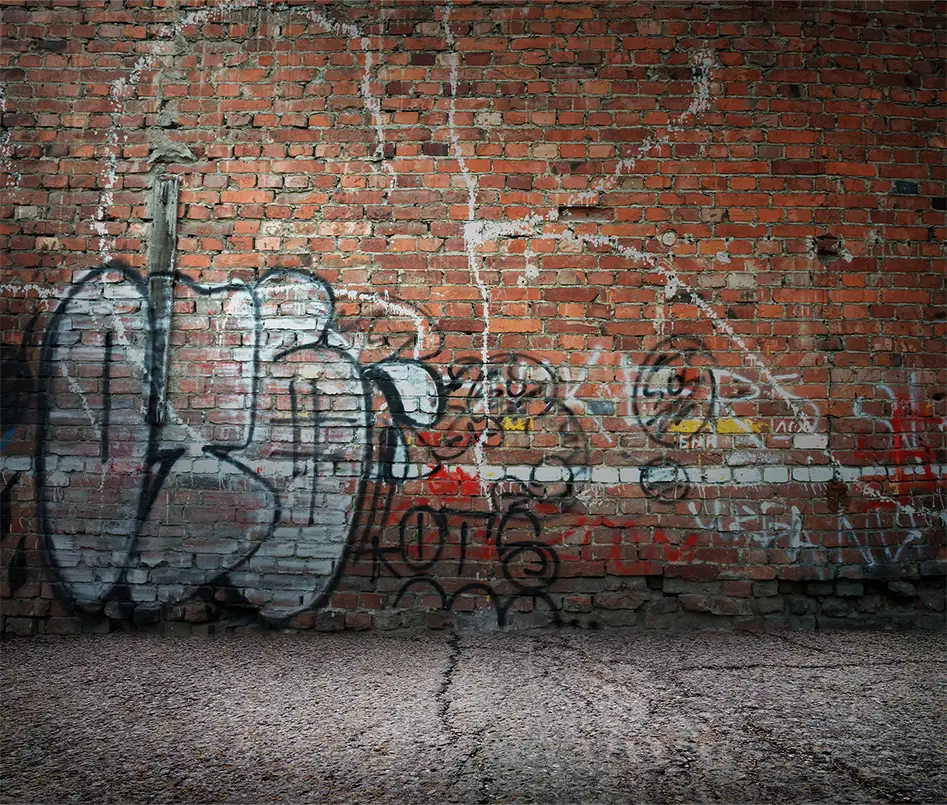 Graffiti
 Grease / Fat / Cooking Oil
 Lawn Fertiliser
 Lead Carbonate
 Lead Oxide
 Paint Splashes
 Rust
Rust Tar & Glue
 Tannin Removers
 Traffic Film Removers
 Trapped Moisture / Sealer Repairs
 Urine Neutralisers