Concrete is one of the most durable construction materials available, making it a popular choice for driveways, car parks, warehouses, commercial premises, pathways, patios and industrial sites. Despite its strength, concrete is constantly exposed to weather, traffic, oil spills, algae, tyre marks, pollution and general wear, all of which can leave it looking tired and neglected.
Professional concrete cleaning and restoration can dramatically improve the appearance of concrete while helping to extend its lifespan. Rather than replacing sound concrete, restoration removes contaminants, restores the surface and prepares it for continued use.
At Pure Seal Services, we provide specialist concrete cleaning and restoration services for both residential and commercial clients using professional equipment and carefully selected cleaning methods that are tailored to each surface.
Why Concrete Needs Professional Cleaning
Concrete is naturally porous.
This means moisture, dirt and contaminants gradually penetrate beneath the surface where they become increasingly difficult to remove.
Common contaminants include:
Oil stains
Grease
Tyre marks
Rust staining
Carbon deposits
Moss
Algae
Lichen
Paint spills
Chewing gum
Cement residue
Efflorescence
Without regular maintenance these contaminants continue to build up, often making the concrete slippery, stained and difficult to restore.
Common Areas That Require Concrete Restoration
Professional cleaning is suitable for many different environments.
Location
Typical Problems
Driveways
Oil, algae and tyre marks
Car parks
Fuel stains and heavy traffic dirt
Warehouses
Forklift tyre marks
Factory yards
Industrial contamination
Retail parks
Chewing gum and dirt
Public footpaths
Moss and algae
Loading bays
Oil and grease
Patios
Organic growth and weathering
Agricultural yards
Mud and machinery staining
Apartment developments
General environmental staining
Every surface requires its own restoration approach depending on age, contamination and condition.
Signs Concrete Needs Restoration
Concrete doesn’t have to be cracked before restoration becomes worthwhile.
Look for:
Black staining
Green algae
Red algae
Lichen growth
Moss
Slippery surfaces
White salt deposits
Oil patches
Tyre marks
Uneven colouring
Surface grime
Pollution staining
Early intervention generally delivers better results while preventing permanent staining.
Understanding Different Types of Concrete Contamination
Different stains require different treatments.
Professional assessment identifies the contamination before cleaning begins.
Contamination
Professional Treatment
Oil
Specialist degreasers
Grease
Commercial cleaning agents
Algae
Professional biocide
Moss
Mechanical removal and biocide
Rust
Rust removal products
Carbon
Specialist restoration chemicals
Paint
Controlled removal techniques
Efflorescence
Salt deposit treatment
General dirt
Surface restoration cleaning
Using the wrong product often spreads stains rather than removing them.
Why DIY Cleaning Often Falls Short
Many property owners attempt to restore concrete using domestic pressure washers or off-the-shelf chemicals.
Common DIY methods include:
Household bleach
Patio cleaner
Pressure washing
Washing-up liquid
Acid products
Wire brushing
Although these may improve appearance temporarily, they rarely remove deep contamination.
Potential risks include:
Surface etching
Patchy colouring
Damage to surrounding materials
Excessive pressure damage
Incomplete stain removal
Professional restoration focuses on removing contamination from within the concrete rather than simply cleaning the surface.
The Professional Concrete Cleaning Process
Every project follows a structured process.
Stage
Purpose
Site inspection
Assess contamination
Surface testing
Select correct treatment
Preparation
Remove loose debris
Chemical application
Break down contamination
Controlled agitation
Lift stubborn staining
Professional rinsing
Remove residues safely
Additional treatments
Deal with persistent stains
Final inspection
Check restoration quality
No two concrete surfaces require exactly the same treatment.
Why Surface Testing Is Essential
Concrete varies significantly in composition.
Older concrete behaves differently from newly poured surfaces.
Professional testing helps determine:
Surface hardness
Porosity
Existing sealers
Type of contamination
Cleaning strength required
Suitable pressure levels
Testing reduces the likelihood of surface damage while improving cleaning performance.
Removing Oil From Concrete
Oil is among the most common reasons contractors are called to restore concrete.
Fresh oil can usually be treated successfully, but older stains often require repeated applications.
Professional oil removal may involve:
Degreasing agents
Controlled dwell times
Mechanical agitation
Multiple treatments
Specialist rinsing techniques
Simply pressure washing usually leaves a visible dark shadow.
Algae, Moss and Biological Growth
Organic growth not only affects appearance but can also create slip hazards.
Common biological contaminants include:
Green algae
Red algae
Moss
Lichen
Fungal growth
Professional biocidal treatments remove growth at the source rather than merely washing it away.
Tyre Marks and Heavy Traffic Staining
Commercial premises often experience severe tyre marking.
Common locations include:
Distribution centres
Supermarkets
Multi-storey car parks
Factory loading bays
Industrial estates
These marks require specialist cleaning agents designed specifically for rubber transfer.
Efflorescence on Concrete
Efflorescence appears as white powdery deposits.
It occurs when moisture carries salts to the concrete surface.
Professional restoration removes these deposits while identifying potential moisture issues that contribute to their formation.
Can Old Concrete Be Restored?
In many cases, yes.
Restoration can significantly improve concrete that appears beyond repair.
Factors affecting results include:
Factor
Effect
Age
Older concrete may require additional treatments
Previous cleaning
Incorrect methods may have caused damage
Surface wear
Heavy traffic reduces restoration potential
Oil penetration
Deep staining takes longer to remove
Weather exposure
Long-term contamination becomes embedded
While severe structural deterioration cannot be cleaned away, appearance can often be dramatically improved.
Residential Concrete Cleaning
Domestic projects commonly include:
Driveways
Patios
Garden paths
Garage floors
Courtyards
Concrete steps
Side access routes
Professional restoration enhances kerb appeal while helping reduce slip risks.
Commercial Concrete Cleaning
Commercial clients often require larger-scale restoration.
Typical projects include:
Commercial Area
Common Issues
Retail parks
Chewing gum and staining
Industrial yards
Oil contamination
Warehouse floors
Tyre marks
Schools
Moss and algae
Office developments
General weathering
Hospitals
High foot traffic staining
Distribution centres
Heavy vehicle contamination
Professional equipment allows large areas to be restored efficiently.
Safety During Concrete Restoration
Professional contractors place significant emphasis on safety.
This includes:
Risk assessments
PPE
Controlled chemical handling
Public protection
Surface management
Environmental controls
This is especially important on busy commercial sites where pedestrian and vehicle access must often continue during cleaning.
Why Experience Matters
Concrete restoration requires more than simply operating a pressure washer.
Professional experience helps determine:
Correct cleaning pressure
Chemical compatibility
Appropriate dwell times
Surface sensitivity
Repeat treatment requirements
Expected restoration outcomes
An experienced contractor understands how different contaminants respond to different cleaning methods.
Protecting Restored Concrete
Following restoration, ongoing maintenance helps preserve the finish.
Good maintenance includes:
Removing oil spills promptly
Keeping surfaces free from debris
Treating biological growth before it spreads
Scheduling periodic professional cleaning
Inspecting drainage to prevent standing water
Preventative maintenance is generally more cost-effective than dealing with years of accumulated contamination.
Factors Affecting Project Costs
Every concrete restoration project is different.
Pricing depends on a number of factors.
Cost Factor
Influence on Price
Area size
Larger surfaces require more labour and materials
Severity of staining
Heavy contamination increases treatment time
Access
Restricted locations take longer
Surface condition
Damaged concrete may require additional work
Type of contamination
Specialist chemicals vary depending on stains
Water availability
Site logistics may affect project duration
Professional concrete restoration is a specialist service rather than a basic pressure washing job. Higher-quality equipment, commercial-grade cleaning products, experienced technicians and detailed site assessments all contribute to a premium service. While this generally places professional restoration at a higher price point, it provides safer cleaning methods, improved results and better long-term value.
Why Choose Professional Concrete Restoration?
Professional restoration offers advantages that cannot usually be achieved through DIY cleaning.
DIY Cleaning
Professional Restoration
Limited stain removal
Deep contamination removal
Generic products
Specialist restoration chemicals
Risk of surface damage
Surface-specific cleaning methods
Uneven finish
Consistent appearance
Domestic equipment
Commercial-grade machinery
Short-term improvement
Longer-lasting restoration
At Pure Seal Services, every concrete restoration project begins with a detailed assessment to determine the safest and most effective cleaning method. By selecting treatments based on the type of concrete, level of contamination and intended use of the surface, we help restore driveways, commercial premises, industrial yards and public spaces while protecting the integrity of the concrete throughout the cleaning process.
Choosing the Right Cleaning Method for Concrete
Not every concrete surface should be cleaned using the same technique. The correct method depends on the age of the concrete, the type of contamination, the finish of the surface and the surrounding environment.
Professional contractors assess these factors before deciding on the most appropriate approach.
Cleaning Method
Best Used For
Low-pressure chemical cleaning
Delicate or decorative concrete
Rotary surface cleaning
Large flat areas such as car parks
Degreasing treatments
Oil and fuel contamination
Specialist stain removal
Rust, carbon and paint stains
Biocide application
Green algae, red algae, moss and lichen
Using the correct combination of treatments often produces significantly better results than relying on pressure washing alone.
Restoring Decorative Concrete
Decorative concrete has become increasingly popular for patios, garden paths and commercial developments.
These surfaces often feature:
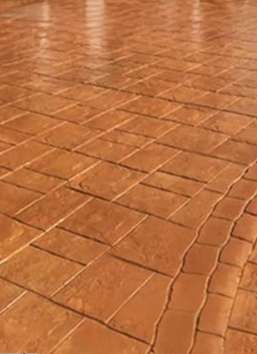
Pattern-imprinted concrete
Coloured concrete
Exposed aggregate
Brushed finishes
Polished concrete
Each finish requires a different restoration process to avoid unnecessary damage.
For example, decorative coloured concrete may lose its appearance if cleaned using excessive pressure or unsuitable chemicals. Professional restoration helps preserve the finish while removing years of staining.
Concrete in High-Traffic Commercial Areas
Commercial concrete experiences far greater wear than domestic surfaces.
Areas that frequently require professional cleaning include:
Shopping centres
Service yards
Distribution depots
Industrial estates
Petrol station forecourts
Public walkways
School playgrounds
These environments are exposed to thousands of vehicle movements and pedestrians every week, resulting in a build-up of dirt, rubber deposits and pollutants.
Routine professional cleaning helps maintain a cleaner, safer environment for staff and visitors.
The Importance of Removing Slip Hazards
Concrete often becomes hazardous long before it looks particularly dirty.
Organic growth such as green algae, red algae, moss and lichen can create extremely slippery surfaces, particularly during wet weather.
Common risk areas include:
Area
Typical Slip Hazard
Garden paths
Algae growth
Concrete steps
Moss accumulation
Disabled access ramps
Wet biofilm
Loading bays
Oil contamination
Warehouse entrances
Mud and tyre residue
Public footpaths
Organic growth
Removing these contaminants professionally can improve safety while restoring the appearance of the surface.
Restoring Concrete After Building Works
Construction projects often leave concrete covered with various forms of contamination.
Examples include:
Cement splashes
Mortar residue
Paint overspray
Adhesives
Silicone marks
Rust from stored materials
General construction dirt
Professional post-construction cleaning removes these materials without causing unnecessary damage to the finished concrete.
How Pollution Affects Concrete
Air pollution gradually settles onto concrete surfaces throughout the year.
Buildings located near:
Busy roads
Industrial estates
Railway lines
City centres
Manufacturing facilities
often experience much faster staining than those in rural locations.
Over time, pollution combines with moisture to produce dark surface staining that becomes increasingly difficult to remove without specialist treatment.
Why One Cleaning Visit May Not Always Be Enough
Some heavily contaminated concrete cannot be completely restored during a single visit.
This is particularly true where:
Oil has soaked deeply into the surface.
Carbon staining has built up over many years.
Rust has penetrated the concrete.
Multiple contaminants overlap.
Professional contractors may recommend staged treatments, allowing chemicals sufficient time to work between applications.
Although this increases labour, it often produces noticeably better restoration results than attempting aggressive cleaning in a single session.
Protecting Surrounding Surfaces
Concrete cleaning rarely takes place in isolation.
Professional contractors also protect nearby materials such as:
Surrounding Surface
Why Protection Matters
Brickwork
Prevents unnecessary chemical contact
Natural stone
Avoids incompatible treatments
Timber fencing
Protects against overspray
Metal railings
Reduces staining and corrosion risk
Glass
Prevents residue drying on windows
Landscaping
Helps protect plants and lawns
Careful preparation contributes to a cleaner, more professional finish across the entire site.
Commercial Maintenance Programmes
Many commercial property owners choose planned maintenance instead of waiting until surfaces become heavily stained.
Routine cleaning can help:
Maintain professional appearance.
Reduce long-term restoration costs.
Improve safety.
Extend the life of concrete.
Prevent contaminants becoming deeply embedded.
This approach is particularly popular with facilities managers responsible for maintaining large commercial estates.
When Concrete May Need More Than Cleaning
Cleaning can restore appearance, but it cannot repair structural damage.
Professional inspection may identify issues such as:
Surface spalling
Cracking
Subsidence
Reinforcement corrosion
Loose concrete
Failed expansion joints
Where structural problems exist, appropriate repairs should normally be completed before cosmetic restoration takes place.
Why Specialist Equipment Delivers Better Results
Professional concrete restoration relies on equipment designed for demanding commercial applications.
Typical equipment may include:
Commercial surface cleaners
High-capacity pressure systems
Professional dosing equipment
Specialist pumps
Industrial wet vacuums
Commercial chemical applicators
These systems allow cleaning to be carried out more consistently than domestic equipment while reducing the risk of visible striping or uneven finishes.
Environmental Responsibility During Concrete Cleaning
Professional contractors also consider environmental responsibilities throughout every project.
This may involve:
Minimising water usage where practical.
Preventing contaminated runoff from entering drains.
Applying chemicals accurately to reduce waste.
Removing residues responsibly.
Protecting nearby vegetation and landscaping.
Good environmental practices are an important part of modern exterior cleaning and restoration.
Choosing a Professional Contractor
Selecting the right contractor is just as important as selecting the correct cleaning method.
Before appointing a specialist, consider whether they:
Question
Why It Matters
Carry suitable insurance
Protects your property during the project
Assess the surface before cleaning
Ensures the correct treatment is selected
Understand different concrete finishes
Reduces the risk of damage
Use commercial-grade equipment
Improves restoration quality
Provide realistic expectations
Helps avoid disappointment
Tailor cleaning methods
Every concrete surface is different
The cheapest quotation is not always the best value. High-quality concrete restoration involves specialist knowledge, commercial equipment and experienced technicians who understand how different contaminants affect different types of concrete.
Investing in Professional Concrete Restoration
Professional concrete cleaning is designed to achieve far more than a cosmetic improvement. By removing deeply embedded contaminants, reducing slip hazards and restoring the overall appearance of the surface, specialist restoration can help extend the service life of concrete in both domestic and commercial settings.
At Pure Seal Services, every project is approached individually. Detailed site assessments, appropriate test areas and carefully selected cleaning methods ensure each concrete surface receives the treatment most suited to its condition. This premium approach may place professional restoration above the cost of basic pressure washing services, but it provides a safer, more thorough and longer-lasting result for valuable concrete surfaces.


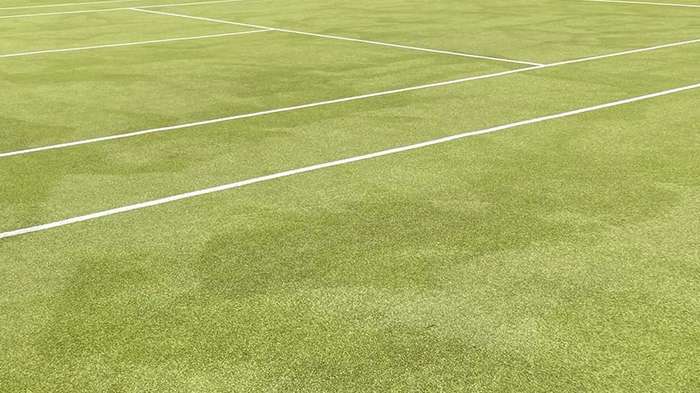 Artificial and Sports Surfaces
 Awnings / Canopies / Gazebos
 Block Paving
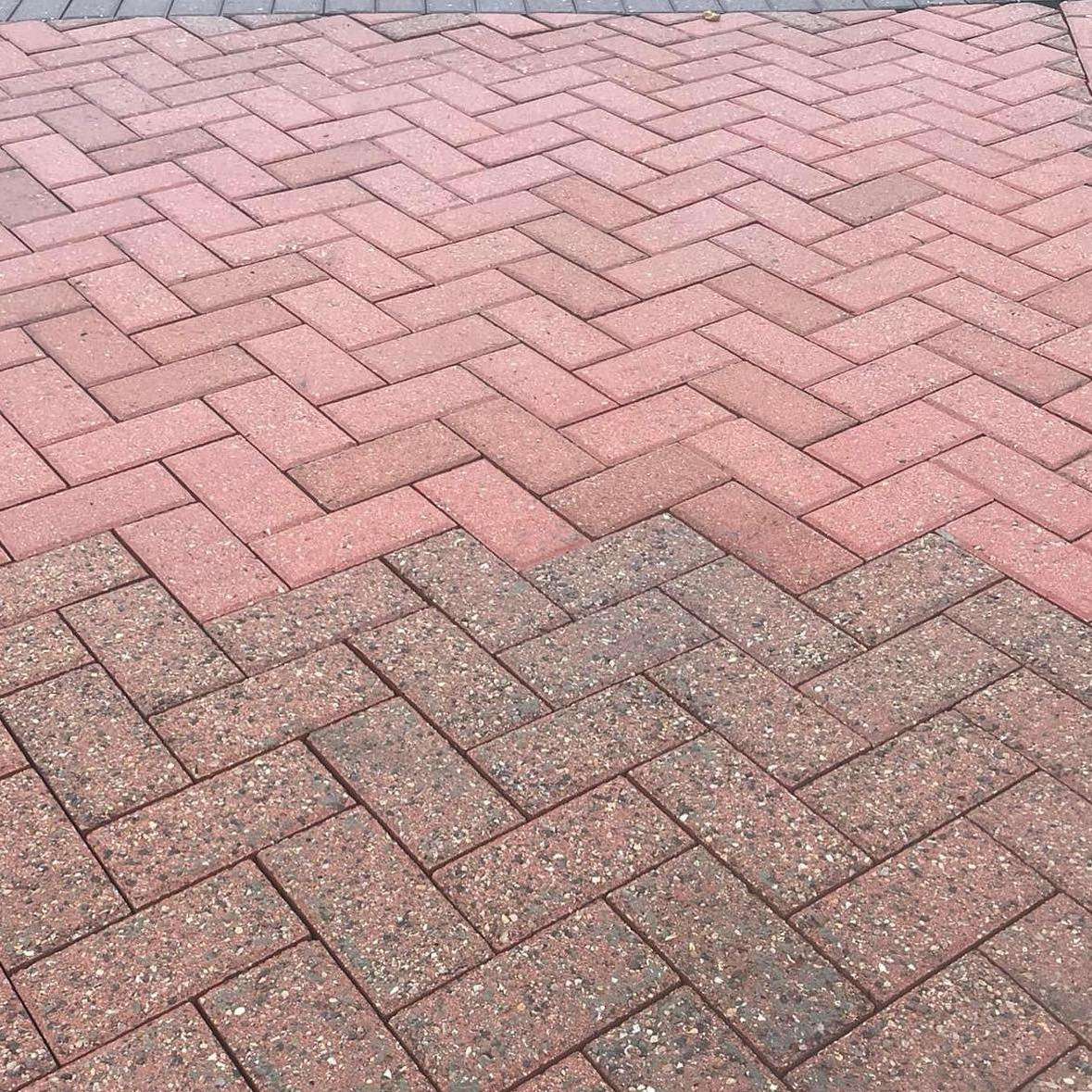 Brickwork
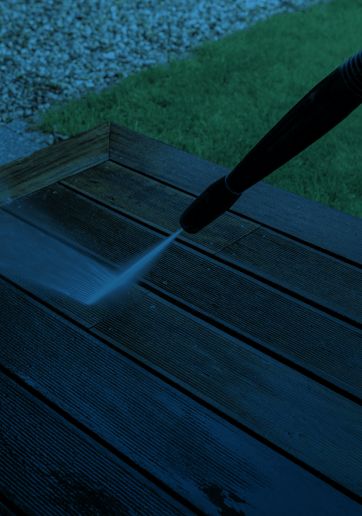 Composite Surfaces
 Decking / Timber
 Granite
 Imprinted Concrete
 Internal Masonry
 Limestone
 Marble
 Metal Cladding
 Polished or Honed Stone
 Porcelain
 Render
 Resin Bond
 Road and Rail Signs
 Roof Tiles / Slates
 Sandstone
 Slate
Slate Solar Panels and Glass
 Stone Sills and Pier Caps
 Tarmac and Asphalt
 Gutters & UPVC
 Acid Damage
 Biofilm
 Bitumen
 Blood
Blood Carbon
 Concrete / Grout / Mortar
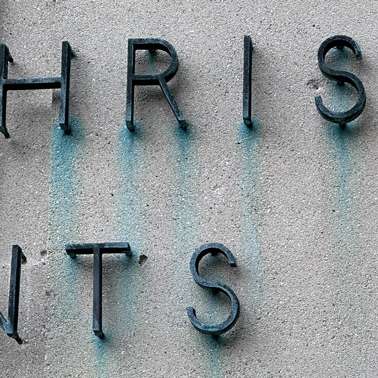 Copper Oxide
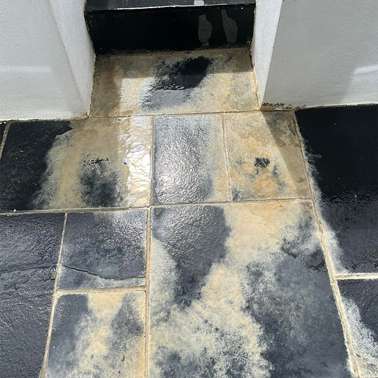 Efflorescence
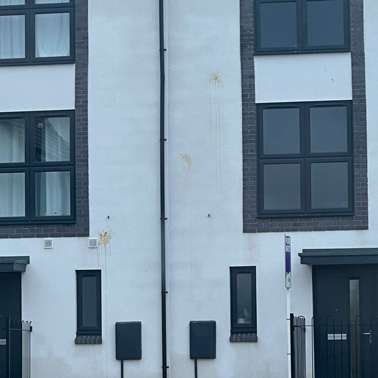 Egg
Egg Failed Sealer
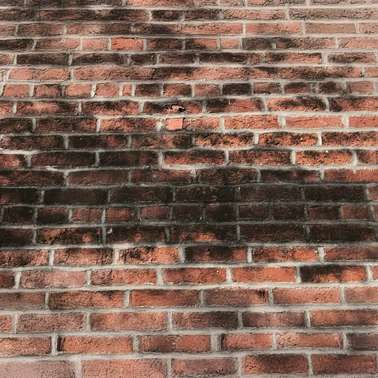 Fire Damage
 Fuel / Oil
 Graffiti
 Grease / Fat / Cooking Oil
 Lawn Fertiliser
 Lead Carbonate
 Lead Oxide
 Paint Splashes
 Rust
Rust Tar & Glue
 Tannin Removers
 Traffic Film Removers
 Trapped Moisture / Sealer Repairs
 Urine Neutralisers