How to Pressure Wash Car Parks
Maintaining a clean, safe, and professional-looking car park is essential for any commercial property. Whether it serves a retail space, office building, residential complex, or industrial site, a well-maintained surface reflects directly on the business. Over time, car parks accumulate oil stains, tyre marks, algae, chewing gum, and general grime that not only looks unsightly but can also become hazardous.
Professional pressure washing is one of the most effective ways to restore and maintain these surfaces. This guide explores the full process in detail, from preparation through to aftercare, while highlighting why working with an experienced provider such as
Pureseal Services ensures a superior and long-lasting result.
Why Pressure Washing Car Parks Matters
Car parks endure constant wear and exposure to the elements. Vehicles leak fluids, pedestrians bring in dirt, and weather conditions contribute to surface degradation. Without regular cleaning, these factors combine to create both aesthetic and safety concerns.
First Impressions Count
A clean car park immediately sets a professional tone. Customers, tenants, or visitors often form their first impression before even entering a building. Oil-stained, dirty, or moss-covered surfaces suggest neglect.
Health and Safety Considerations
Slippery algae, oil patches, and debris can pose serious risks. Pressure washing removes these hazards, helping reduce liability and ensuring compliance with safety standards.
Extending Surface Lifespan
Regular cleaning prevents contaminants from breaking down surfaces such as concrete, tarmac, and block paving. Over time, this reduces costly repairs or resurfacing work.
Types of Car Park Surfaces and Cleaning Approaches
Different materials require slightly different pressure washing techniques to achieve the best results without causing damage.
Concrete Car Parks
Concrete is durable but porous. It absorbs oil and grime, which can lead to deep staining. High-pressure washing combined with appropriate detergents is often required.
Tarmac (Asphalt)
Tarmac is softer than concrete and can be damaged by excessive pressure. A more controlled approach using moderate pressure and specialised cleaning solutions is necessary.
Block Paving
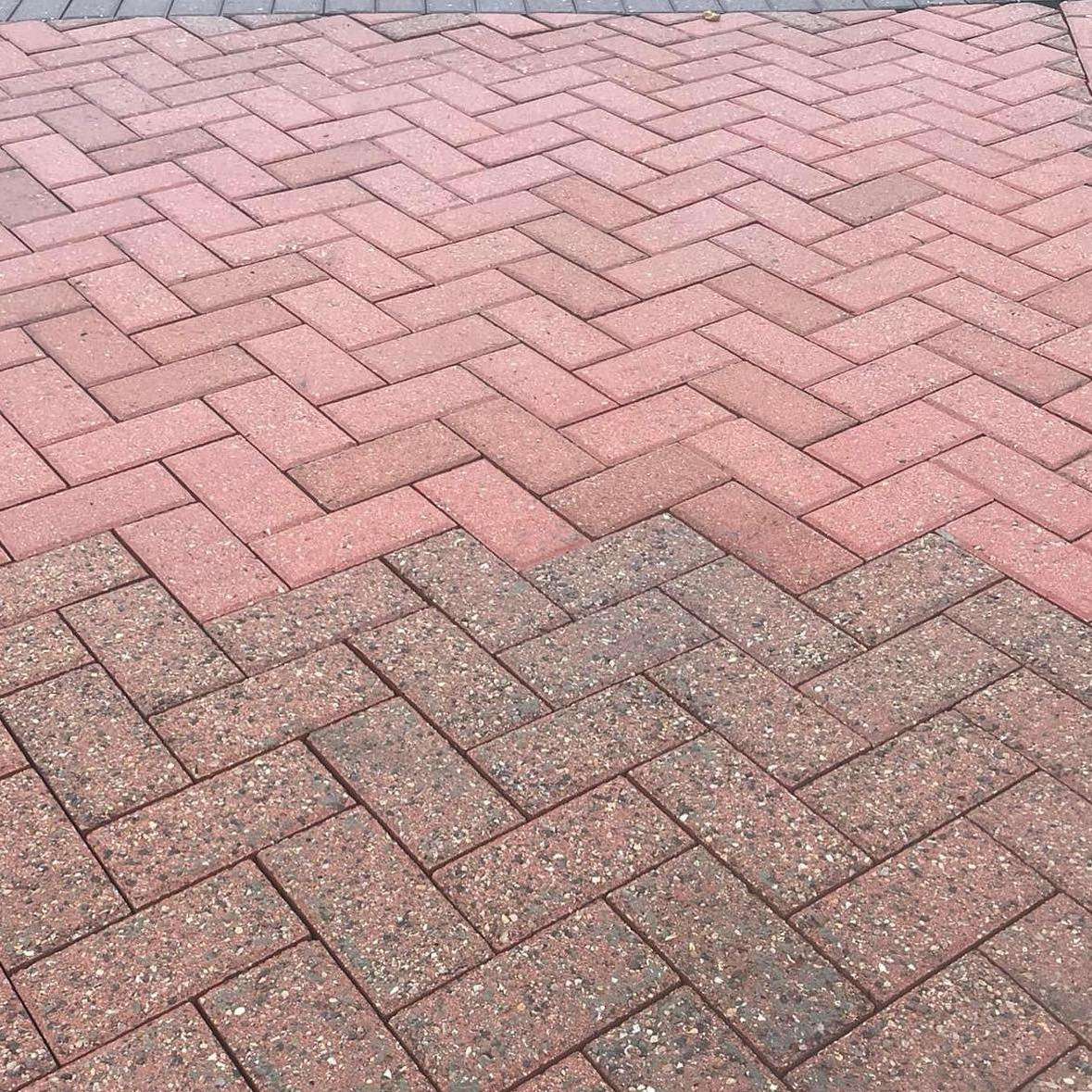
Block paving can trap dirt and weeds between joints. Pressure washing is highly effective but must be followed by re-sanding to maintain structural integrity.
Multi-Storey Car Parks
These often involve concrete surfaces with drainage systems. Cleaning requires careful water management to prevent flooding and ensure compliance with environmental regulations.
Equipment Used in Professional Pressure Washing
High-quality equipment is crucial for achieving consistent and safe results across large areas.
Industrial Pressure Washers
Commercial-grade machines deliver significantly higher pressure and water flow compared to domestic units, allowing efficient cleaning of large car parks.
Surface Cleaners
Flat surface cleaners provide even cleaning without streaks. They are particularly effective for large open areas.
Hot Water Systems
Hot water pressure washing is especially effective at removing oil and grease, breaking down stubborn contaminants more efficiently than cold water.
Detergent and Chemical Application Systems
Specialised cleaning solutions are applied to lift stains, kill algae, and break down grime before pressure washing.
Water Recovery Systems
In many cases, especially in commercial environments, wastewater must be collected and disposed of responsibly to meet environmental regulations.
Step-by-Step Process of Pressure Washing a Car Park
Professional pressure washing involves more than simply spraying water. A structured approach ensures optimal results.
Initial Inspection
Before any cleaning begins, the site is assessed to determine:
- Surface type
- Level of contamination
- Drainage points
- Potential hazards
This allows for a tailored cleaning plan.
Preparation of the Area
Preparation is essential for both safety and effectiveness.
- Remove vehicles from the area
- Clear loose debris such as leaves and litter
- Protect nearby structures or sensitive areas
- Mark off the cleaning zone
Application of Cleaning Solutions
Detergents or degreasers are applied to break down:
- Oil stains
- Grease deposits
- Algae and moss
- General grime
These solutions are left to dwell for a specified time to maximise effectiveness.
Pressure Washing
Using the appropriate pressure level and equipment, the surface is cleaned methodically.
- Large areas are cleaned using surface cleaners
- Edges and tight spaces are treated with pressure lances
- Stubborn stains may require repeated treatment
Rinsing and Wastewater Management
All residues are thoroughly rinsed away. Wastewater is managed according to environmental standards, ensuring no harmful runoff enters drainage systems.
Post-Clean Inspection
Once cleaning is complete, the area is inspected to ensure:
- All stains have been removed where possible
- The surface is evenly cleaned
- No damage has occurred
Additional treatments may be applied if needed.
Common Challenges in Car Park Pressure Washing
Cleaning large commercial surfaces comes with its own set of challenges.
Oil and Grease Stains
Oil can penetrate deeply into porous surfaces, making complete removal difficult. Hot water systems and specialised degreasers are often required.
Chewing Gum Removal
Chewing gum can be particularly stubborn. Steam cleaning or high-temperature pressure washing is often used to lift it effectively.
Algae and Moss Growth
In shaded or damp areas, algae and moss can thrive. These require biocidal treatments to prevent regrowth.
Drainage Issues
Poor drainage can lead to standing water during cleaning. Professionals plan carefully to manage water flow.
Frequency of Car Park Cleaning
The ideal cleaning schedule depends on usage and environment.
High-Traffic Commercial Car Parks
These may require cleaning every 3 to 6 months due to constant use and higher contamination levels.
Residential Car Parks
Typically cleaned once or twice a year, depending on usage and exposure to the elements.
Industrial Sites
Cleaning frequency varies but often requires more intensive and regular maintenance due to heavy vehicle use.
Recommended Cleaning Schedule
| Type of Car Park |
Suggested Frequency |
Key Considerations |
| Retail Centres |
Every 3–6 months |
High foot and vehicle traffic |
| Office Buildings |
Every 6–12 months |
Professional appearance |
| Residential Complexes |
Annually |
Moderate usage |
| Industrial Facilities |
Quarterly |
Heavy machinery and oil exposure |
Environmental Considerations
Pressure washing must be carried out responsibly to minimise environmental impact.
Water Usage
Professional systems are designed to optimise water use while maintaining effectiveness.
Chemical Use
Eco-friendly detergents are preferred to reduce environmental harm.
Wastewater Disposal
Contaminated water must be collected and disposed of correctly, particularly when dealing with oil and chemicals.
Benefits of Hiring Professionals
While some may consider attempting pressure washing themselves, commercial car parks require expertise and specialised equipment.
Efficiency
Professionals can clean large areas quickly without compromising quality.
Safety
Proper training ensures safe handling of high-pressure equipment and chemicals.
Superior Results
Experienced operators understand how to treat different surfaces and stains effectively.
Long-Term Value
Regular professional cleaning reduces long-term maintenance costs and prolongs surface life.
Cost Considerations
Car park pressure washing is an investment in property maintenance. Pricing varies depending on several factors.
Factors Affecting Cost
- Size of the car park
- Level of contamination
- Type of surface
- Accessibility
- Water and drainage requirements
Typical Pricing Overview
| Factor |
Impact on Cost |
| Larger Area |
Higher total cost but lower cost per m² |
| Heavy Staining |
Increased due to additional treatments |
| Multi-Level Structures |
Higher due to complexity |
| Specialist Treatments |
Adds to overall cost |
Premium providers often charge more, reflecting higher-quality equipment, skilled technicians, and superior results.
Preparing Your Car Park for Cleaning
Proper preparation ensures the process runs smoothly.
Notify Users
Inform tenants, staff, or customers in advance to ensure vehicles are removed.
Schedule Strategically
Cleaning is often best carried out during off-peak hours to minimise disruption.
Clear the Area
Remove obstacles such as bins, signage, or temporary structures.
Aftercare and Maintenance
Maintaining the results of pressure washing helps extend the time between cleans.
Regular Inspections
Identify and address spills or stains early before they become embedded.
Preventative Measures
- Install drip trays in high-risk areas
- Encourage proper waste disposal
- Maintain drainage systems
Surface Treatments
In some cases, sealants can be applied to protect surfaces and make future cleaning easier.
Signs Your Car Park Needs Pressure Washing
Recognising when cleaning is required can prevent long-term damage.
Visible Stains
Oil patches and tyre marks are clear indicators.
Slippery Surfaces
Algae and moss create hazardous conditions.
Faded Appearance
General dullness or discolouration suggests built-up grime.
Odours
Accumulated dirt and waste can lead to unpleasant smells.
Advanced Techniques in Modern Pressure Washing
Professional services continue to evolve with new technologies.
Steam Cleaning
High-temperature steam is effective for removing stubborn contaminants and sanitising surfaces.
Soft Washing
Used for delicate areas, combining low pressure with specialised cleaning solutions.
Surface Sealing
After cleaning, surfaces can be sealed to enhance durability and resistance to staining.
Comparing DIY vs Professional Pressure Washing
| Aspect |
DIY Approach |
Professional Service |
| Equipment |
Limited capability |
Industrial-grade machinery |
| Time Efficiency |
Time-consuming |
Fast and efficient |
| Cleaning Quality |
Inconsistent results |
Uniform and thorough |
| Safety |
Higher risk |
Fully managed |
| Cost |
Lower upfront |
Higher but better long-term value |
Key Takeaways for Property Owners
Maintaining a clean car park is not just about appearance. It directly impacts safety, longevity, and overall property value. Pressure washing, when done correctly, removes deeply embedded contaminants and restores surfaces effectively.
Working with a professional service ensures that every stage, from inspection to wastewater disposal, is handled properly. High-end providers bring not only the right equipment but also the expertise needed to deal with complex surfaces and heavy contamination.
By investing in regular pressure washing, property owners can protect their assets, create a positive impression, and maintain a safe environment for everyone who uses the space.
Seasonal Considerations for Car Park Pressure Washing
Weather plays a significant role in how and when car parks should be cleaned. In the UK, seasonal changes bring different types of contamination and challenges that require a tailored approach.
Spring Cleaning for Recovery
After winter, car parks are often left with a build-up of dirt, salt residue, and organic debris. Spring is an ideal time for a deep clean to restore surfaces and remove any corrosive materials left behind by colder months.
Salt used for de-icing can gradually break down surfaces if not properly removed. A thorough pressure wash at this stage helps protect the integrity of the material while improving overall appearance.
Summer Maintenance
During warmer months, car parks tend to see increased usage, especially in retail and leisure environments. Dust, tyre marks, and oil stains become more prominent due to dry conditions.
Regular light maintenance washes during summer help keep surfaces presentable without requiring intensive treatments each time.
Autumn Build-Up
Falling leaves, increased rainfall, and organic debris create the perfect conditions for staining and blocked drainage systems. Pressure washing during autumn prevents long-term issues such as water pooling and staining from decomposing matter.
Winter Challenges
Winter introduces moisture, ice, and grime. While full pressure washing may be less frequent due to weather constraints, targeted cleaning can still be carried out during milder periods to prevent hazardous conditions from developing.
The Importance of Drainage Management
Effective drainage is often overlooked but is critical when pressure washing car parks. Without proper planning, water can accumulate, leading to flooding or contamination issues.
Identifying Drainage Points
Before cleaning begins, all drainage channels and gullies should be identified and checked. Blocked drains can cause water to back up, making cleaning less effective and potentially damaging surrounding areas.
Preventing Contamination
Car parks often contain oil, fuel residue, and other pollutants. During cleaning, these substances can be washed into drainage systems if not properly managed.
Professional services ensure that:
- Interceptors are used where necessary
- Polluted water is captured
- Disposal complies with environmental regulations
Maintaining Drainage Systems
Pressure washing can also be used to clean drainage channels themselves, ensuring water flows freely and reducing the risk of long-term issues.
High-Traffic Zones and Targeted Cleaning
Not all areas of a car park experience the same level of wear. Identifying high-traffic zones allows for more efficient and effective cleaning.
Entry and Exit Points
These areas typically accumulate the most dirt due to constant vehicle movement. Tyre marks and oil deposits are more concentrated here and often require additional treatment.
Parking Bays
Individual bays may develop stains from stationary vehicles, particularly oil leaks. Spot cleaning can be used alongside full surface washing to address these areas.
Pedestrian Walkways
Walkways must be kept clean and safe for foot traffic. Algae and dirt can make these areas slippery, especially in damp conditions.
Payment and Barrier Areas
Frequent stopping and starting of vehicles in these zones lead to increased staining. Regular attention helps maintain a clean and professional appearance.
Choosing the Right Cleaning Schedule for Your Business
Different types of businesses require different approaches to car park maintenance. Understanding usage patterns is key to setting the right schedule.
Retail Environments
Shopping centres and retail parks benefit from more frequent cleaning due to constant customer traffic. Early morning or overnight cleaning is often preferred to minimise disruption.
Office Complexes
Office car parks may not require cleaning as frequently but still benefit from scheduled maintenance to maintain a professional image.
Residential Developments
For residential properties, cleanliness contributes to tenant satisfaction. Regular but less frequent cleaning is typically sufficient.
Industrial Sites
Heavy-duty use from machinery and commercial vehicles means industrial car parks often require more intensive and frequent cleaning programmes.
Enhancing Results with Protective Treatments
Once a car park has been professionally cleaned, additional treatments can be applied to enhance and preserve the results.
Surface Sealing
Sealing creates a protective barrier that reduces the absorption of oil and dirt. This makes future cleaning easier and helps maintain a cleaner appearance for longer.
Anti-Algae Treatments
Biocidal washes can be applied to inhibit the regrowth of algae and moss. This is particularly useful in shaded or damp environments.
Line Marking Restoration
After cleaning, car park markings often become more visible. In some cases, repainting lines can further improve organisation and appearance.
Health and Safety During Cleaning Operations
Pressure washing large areas involves risks that must be managed carefully.
Site Control Measures
Professional teams implement clear safety protocols, including:
- Barriers and signage
- Controlled access to cleaning zones
- Use of appropriate protective equipment
Slip Prevention
During cleaning, surfaces can become temporarily slippery. Proper scheduling and safety measures reduce the risk to pedestrians and staff.
Noise and Disruption Management
Commercial pressure washing equipment can be noisy. Experienced providers plan work around business hours to minimise disruption.
Sustainability in Modern Pressure Washing
Sustainability is becoming increasingly important in property maintenance. Modern pressure washing practices are evolving to meet these expectations.
Water Efficiency Technologies
Advanced equipment uses less water while maintaining high cleaning performance. This reduces environmental impact without compromising results.
Eco-Friendly Cleaning Solutions
Biodegradable detergents are now widely used, ensuring effective cleaning while protecting the environment.
Responsible Waste Disposal
Capturing and disposing of contaminated water correctly is a key part of sustainable practice. This is especially important in car parks where pollutants are common.
Long-Term Maintenance Strategy
Pressure washing should be part of a broader maintenance strategy rather than a one-off task.
Creating a Maintenance Plan
A structured plan ensures that cleaning is carried out at the right intervals, preventing build-up and reducing costs over time.
Monitoring Surface Condition
Regular inspections help identify early signs of wear, staining, or damage. Addressing these issues promptly prevents more expensive repairs later.
Budgeting for Maintenance
Allocating a dedicated budget for car park cleaning ensures consistency and avoids unexpected costs.
Why Quality Matters in Pressure Washing Services
Not all pressure washing services deliver the same results. The quality of work depends heavily on experience, equipment, and attention to detail.
Choosing a premium provider like
Pureseal Services ensures that every aspect of the job is handled professionally. From initial assessment through to final inspection, a high standard of workmanship delivers noticeable and lasting improvements.
Expertise in Handling Complex Surfaces
Different materials require different techniques. Experienced professionals understand how to adjust pressure levels, choose the right cleaning solutions, and avoid surface damage.
Investment in Advanced Equipment
High-end equipment allows for more efficient cleaning and better results. This includes hot water systems, surface cleaners, and water recovery units.
Attention to Detail
Thorough cleaning involves more than just the main surface. Edges, corners, and hard-to-reach areas are all addressed to ensure a consistent finish.
Common Mistakes to Avoid
Understanding what can go wrong highlights the value of professional services.
Using Excessive Pressure
Too much pressure can damage surfaces, particularly tarmac and block paving. This can lead to costly repairs.
Skipping Pre-Treatment
Without proper detergents, stains may not be fully removed, leading to uneven results.
Ignoring Drainage
Failing to manage water flow can cause flooding or environmental issues.
Inconsistent Cleaning Patterns
Uneven cleaning can leave streaks or patches, reducing the overall visual impact.
Measuring the Impact of Pressure Washing
The benefits of professional cleaning can be seen both immediately and over time.
Visual Improvement
A freshly cleaned car park looks brighter, cleaner, and more inviting. This enhances the overall perception of the property.
Safety Enhancements
Removing slippery substances reduces the risk of accidents, benefiting both pedestrians and drivers.
Cost Savings
Regular maintenance reduces the need for major repairs or resurfacing, offering long-term financial benefits.
Increased Property Value
Well-maintained external areas contribute to higher property value and appeal, particularly in commercial settings.
Integrating Pressure Washing with Wider Property Maintenance
Car park cleaning should not be viewed in isolation. It forms part of a wider approach to maintaining external spaces.
Coordinating with Other Services
Pressure washing can be combined with:
- Gutter cleaning
- Building exterior cleaning
- Pavement and walkway maintenance
This creates a cohesive and well-maintained environment.
Creating a Consistent Standard
Maintaining high standards across all external areas reinforces a professional image and improves user experience.
Planning for Growth
As properties expand or usage increases, maintenance plans should evolve accordingly to ensure continued effectiveness.
Final Thoughts
Pressure washing car parks is far more than a cosmetic upgrade. It plays a vital role in maintaining safety, protecting surfaces, and presenting a professional image to anyone using the space. Over time, even the most durable materials will suffer if dirt, oil, algae, and debris are left to build up unchecked.
A well-executed cleaning programme ensures that these issues are dealt with before they become costly problems. From improving grip underfoot to preventing long-term surface damage, the benefits are both immediate and lasting. It also sends a clear message that the property is well cared for, which reflects positively on any business or organisation.
What separates an average result from an exceptional one is the level of expertise applied. Proper surface assessment, the correct use of equipment, and responsible wastewater management all contribute to a finish that not only looks better but lasts longer. Cutting corners in any of these areas often leads to inconsistent results or even damage.
By treating pressure washing as an ongoing investment rather than a one-off task, property owners can maintain cleaner, safer, and more durable car parks all year round.





 Artificial and Sports Surfaces
 Awnings / Canopies / Gazebos
 Block Paving
 Brickwork
 Composite Surfaces
 Decking / Timber
 Granite
 Imprinted Concrete
 Internal Masonry
 Limestone
 Marble
 Metal Cladding
 Polished or Honed Stone
 Porcelain
 Render
 Resin Bond
 Road and Rail Signs
 Roof Tiles / Slates
 Sandstone
 Slate
Slate Solar Panels and Glass
 Stone Sills and Pier Caps
 Tarmac and Asphalt
 Gutters & UPVC
 Acid Damage
 Biofilm
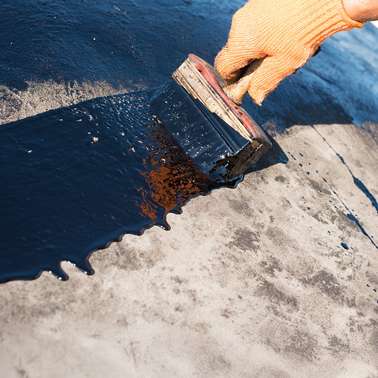 Bitumen
 Blood
Blood Carbon
 Concrete / Grout / Mortar
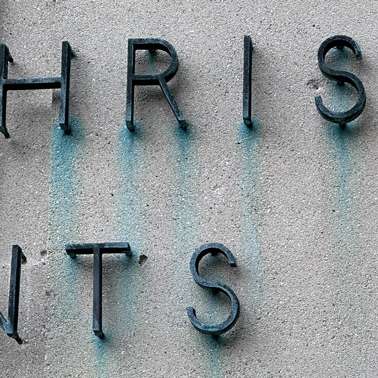 Copper Oxide
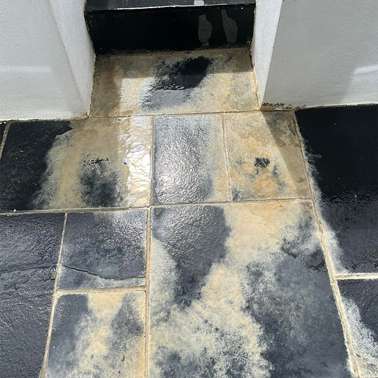 Efflorescence
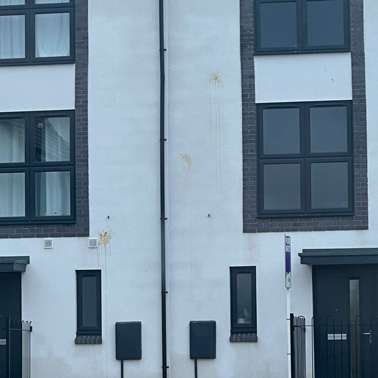 Egg
Egg Failed Sealer
 Fire Damage
 Fuel / Oil
 Graffiti
 Grease / Fat / Cooking Oil
 Lawn Fertiliser
 Lead Carbonate
 Lead Oxide
 Paint Splashes
 Rust
Rust Tar & Glue
 Tannin Removers
 Traffic Film Removers
 Trapped Moisture / Sealer Repairs
 Urine Neutralisers