Pressure-Washing-Before-and-After

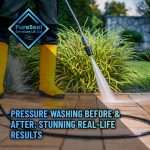
Pressure Washing Before & After: Stunning Real-Life Results

Pressure Washing Before & After: Stunning Real-Life Results

Pressure washing is one of the most effective ways to transform the appearance of exterior surfaces. Over time, driveways, patios, pathways, walls and other outdoor areas can become covered in dirt, algae, moss, lichen and general grime. What starts as a minor discolouration can gradually develop into a heavily stained surface that affects the overall appearance of a property. Many homeowners are surprised by the dramatic difference professional pressure washing can make. The contrast between before and after results often reveals colours, textures and features that have been hidden beneath years of contamination. For property owners looking to restore their outdoor surfaces to the highest standard, Pure Seal Services provides professional pressure washing and exterior cleaning services designed to achieve outstanding results while protecting the integrity of the surface.

Why Pressure Washing Creates Such Dramatic Results

Exterior surfaces are constantly exposed to the elements. Rain, wind, traffic, organic growth and pollution all contribute to the gradual build-up of contamination. Unlike indoor surfaces that are cleaned regularly, driveways and patios often go years without a deep clean.

Common Causes of Surface Discolouration

Cause Effect on Surface
Algae Growth Green staining and slippery surfaces
Moss Build-Up Retains moisture and dirt
Lichen Black and white surface staining
Vehicle Traffic Tyre marks and oil deposits
Atmospheric Pollution General discolouration
Organic Debris Staining from leaves and plants
Pressure washing removes these contaminants, often revealing a surface that looks significantly newer than expected.

Driveway Before and After Results

Driveways are among the most commonly pressure-washed surfaces. Because they are exposed to vehicles, weather and foot traffic every day, they can quickly become stained and discoloured.

Typical Before Condition

A driveway before cleaning may show:
  • Green algae growth
  • Oil stains
  • Black spot lichen
  • Moss between joints
  • General dirt accumulation
  • Faded appearance

Typical After Condition

Following professional cleaning:
  • Original paving colour is restored
  • Surface staining is reduced
  • Moss and weeds are removed
  • Driveway appears brighter
  • Overall kerb appeal improves
Before Cleaning After Cleaning
Green and slippery Clean and safer underfoot
Dull appearance Brighter and fresher
Visible contamination Significantly restored surface
Weed growth Clear joints and edges
Professional cleaning by Pure Seal Services often produces transformations that homeowners find difficult to believe until they see the results for themselves.

Patio Before and After Transformations

Patios frequently suffer from the effects of the UK’s damp climate. Shaded areas are particularly vulnerable to algae, moss and lichen growth.

Common Patio Issues

Problem Visual Impact
Algae Green surface staining
Moss Untidy appearance
Black Spot Dark staining on paving
Weeds Growth between joints
Dirt Build-Up Dulls paving colours
A professional pressure washing service can dramatically improve the appearance of a patio, making it a more attractive space for entertaining and relaxation.

Visible Improvements

Homeowners often notice:
  • Restored paving colours
  • Cleaner joint lines
  • Reduced staining
  • Improved surface texture
  • Enhanced overall garden appearance
The difference between before and after can be particularly striking on sandstone patios where years of grime have obscured the natural beauty of the stone.

Block Paving Before and After Results

Block paving is highly attractive when properly maintained but can quickly lose its appeal when contamination takes hold.

Before Cleaning

Typical signs include:
  • Green algae growth
  • Black lichen spots
  • Weeds between blocks
  • Faded colouring
  • Surface grime

After Cleaning

Improvement Result
Weed Removal Cleaner appearance
Algae Elimination Brighter paving
Re-Sanding Improved stability
Colour Restoration More vibrant finish
Professional restoration often includes re-sanding after cleaning to help maintain the structural integrity of the paving.

Wall Cleaning Before and After

Pressure washing is not limited to ground surfaces. Exterior walls can also accumulate dirt, algae and atmospheric pollution over time.

Surfaces Commonly Cleaned

  • Brick walls
  • Rendered walls
  • Garden walls
  • Boundary walls
  • Stone facades

Typical Transformation

Before After
Dark staining Cleaner finish
Algae growth Restored appearance
Pollution deposits Brighter surface
Weathering marks Improved presentation
Careful pressure control is essential when cleaning vertical surfaces to prevent damage.

Decking Before and After Cleaning

Wooden decking can become particularly slippery when moss and algae develop. Without regular maintenance, the timber may appear tired and weathered.

Benefits of Pressure Washing Decking

Improvement Benefit
Dirt Removal Cleaner appearance
Moss Elimination Improved safety
Surface Preparation Ready for treatment
Colour Enhancement More attractive finish
Professional cleaning helps reveal the natural character of the timber while preparing it for staining or sealing if required.

Commercial Property Transformations

Pressure washing is equally valuable for commercial premises. Businesses often rely on clean external areas to create positive first impressions.

Areas Commonly Cleaned

  • Customer car parks
  • Forecourts
  • Retail entrances
  • Industrial yards
  • Loading bays

Before and After Benefits

Before After
Dirty entrance areas Professional appearance
Stained surfaces Improved presentation
Algae-covered walkways Safer access routes
Neglected exterior Enhanced image
Commercial cleaning projects frequently deliver substantial visual improvements that benefit both customers and staff.

How Long Does a Pressure Washing Transformation Last?

The longevity of results depends on several factors.

Key Influences

Factor Impact
Surface Type Significant
Weather Conditions Significant
Shade Levels Moderate
Traffic Levels Moderate
Sealing Protection Significant
In many cases, professionally cleaned surfaces remain visibly improved for many months. Sealing can further extend the lifespan of results.

The Role of Professional Equipment

One reason professional before and after results appear so dramatic is the quality of equipment used. Commercial-grade pressure washing systems provide:
  • Higher cleaning efficiency
  • Consistent pressure control
  • Faster cleaning times
  • Superior stain removal

Professional vs Domestic Equipment

Feature Domestic Machine Professional Equipment
Pressure Output Moderate High
Cleaning Speed Slower Faster
Surface Coverage Limited Extensive
Stain Removal Capability Moderate Excellent
This difference often explains why DIY attempts rarely achieve the same level of transformation.

Black Spot Removal Before and After

Black spot lichen is one of the most difficult forms of contamination to remove. These dark spots often develop on:
  • Sandstone
  • Concrete
  • Block paving
  • Natural stone surfaces

Typical Results

Before Treatment After Treatment
Heavy black spotting Significantly reduced staining
Uneven appearance Cleaner surface
Deep contamination Improved overall finish
Specialist treatments are often required in addition to pressure washing for optimum results.

Why Some Surfaces Show Greater Transformations

Not all pressure washing projects produce identical results. The degree of improvement depends on:
  • Original condition
  • Type of contamination
  • Surface material
  • Previous maintenance history

Surfaces That Often Produce Dramatic Before and After Results

Surface Transformation Potential
Sandstone Patios Very High
Block Paving Very High
Concrete Driveways High
Garden Paths High
Brick Walls Moderate to High
These surfaces tend to accumulate substantial contamination over time, making the contrast after cleaning particularly impressive.

Pressure Washing and Property Value

Although pressure washing is primarily undertaken for aesthetic reasons, it can also contribute to the overall presentation of a property. Potential buyers and visitors often form impressions within seconds of arriving at a home.

Areas That Influence Kerb Appeal

  • Driveways
  • Patios
  • Pathways
  • Entrance areas
  • Boundary walls
Clean exterior surfaces create a sense of care and maintenance that can positively influence perceptions of the property.

Typical Pressure Washing Costs in the UK

Pricing depends on several factors, including:
  • Surface area
  • Surface material
  • Access requirements
  • Level of contamination
  • Additional treatments
  • Sealing requirements

Typical Cost Guide

Service Typical Cost
Small Patio Cleaning £150–£350+
Driveway Cleaning £250–£800+
Large Patio Restoration £400–£1,200+
Commercial Cleaning Projects £1,000–£5,000+
Cleaning and Sealing Packages £600–£3,000+
Premium services generally sit towards the higher end of these price ranges due to the use of specialist equipment, professional-grade treatments and the attention to detail required to achieve exceptional results.

Common Mistakes That Reduce Before and After Results

Not every pressure washing project achieves the desired transformation. Common mistakes include:
Mistake Potential Consequence
Insufficient Pressure Poor cleaning performance
Excessive Pressure Surface damage
Lack of Surface Preparation Uneven results
No Weed Treatment Rapid regrowth
Skipping Sealing Reduced longevity
Professional assessment helps ensure the correct cleaning method is selected from the outset.

Why Homeowners Choose Professional Pressure Washing

Many homeowners attempt DIY pressure washing before seeking professional assistance. While DIY cleaning can improve surface appearance, professional services often achieve far superior results through:
  • Commercial-grade equipment
  • Specialist cleaning treatments
  • Surface-specific expertise
  • Experience with difficult staining
  • Advanced restoration techniques
The most impressive before and after transformations are typically achieved when pressure washing is combined with specialist treatments tailored to the individual surface. Whether restoring a heavily stained driveway, revitalising a patio or improving the appearance of commercial premises, Pure Seal Services delivers professional pressure washing services designed to maximise visual impact and produce remarkable exterior cleaning results.

Real-Life Signs That a Surface Needs Pressure Washing

Many homeowners become accustomed to the gradual deterioration of exterior surfaces and fail to notice just how much contamination has accumulated over time. One of the reasons before and after pressure washing results appear so dramatic is because dirt and organic growth develop slowly.

Warning Signs to Look For

Sign What It Usually Indicates
Green Staining Algae growth
Black Spots Lichen contamination
Slippery Surfaces Moss and algae build-up
Faded Appearance Dirt accumulation
Weed Growth Neglected joints and edges
Dark Patches Embedded grime or oil
If several of these signs are present, the transformation after professional cleaning can be substantial.

Seasonal Before and After Results

Different times of year create different cleaning challenges across UK properties.

Spring Cleaning Transformations

Winter often leaves behind:
  • Moss growth
  • Algae staining
  • Leaf residue
  • Mud splashes
  • General dirt accumulation
The before and after difference is often most noticeable during spring, as surfaces emerge from months of damp weather and limited sunlight.

Summer Pressure Washing Results

Summer cleaning projects frequently focus on improving outdoor living spaces before:
  • Garden parties
  • Family gatherings
  • Property viewings
  • Outdoor dining
Patios and entertaining areas can be transformed from dull and weathered surfaces into bright, welcoming spaces.

Autumn Surface Restoration

Falling leaves and increased moisture can create staining across patios, pathways and driveways. Professional pressure washing removes these seasonal marks and helps prepare surfaces for the wetter months ahead.

Winter Maintenance

Although less common, winter cleaning can still produce excellent results when weather conditions allow. Commercial properties often benefit from winter cleaning to maintain safe pedestrian access and reduce slip risks.

Before and After: Driveway Oil Stain Removal

Oil stains are among the most noticeable forms of driveway contamination. Many homeowners assume their driveway needs replacing because of large dark patches caused by leaking vehicles. In reality, specialist pressure washing combined with targeted oil stain treatments can significantly improve appearance.

Typical Oil Stain Transformation

Before Treatment After Treatment
Dark oil patches Significantly reduced staining
Uneven appearance Cleaner finish
Dirty surrounding areas Uniform surface appearance
Years of contamination Noticeably improved condition
While complete removal is not always possible, particularly with older stains, the visual improvement can be dramatic.

The Psychological Impact of Before and After Results

The benefits of pressure washing are not purely cosmetic. A cleaner exterior often changes how homeowners feel about their property. Common feedback following professional cleaning includes:
  • Greater pride in the property
  • Increased enjoyment of outdoor spaces
  • Improved confidence when welcoming visitors
  • Enhanced perception of property value
Many customers of Pure Seal Services are surprised by how much larger, brighter and more attractive their outdoor areas appear after cleaning.

Pressure Washing Before Property Sales

Estate agents frequently emphasise the importance of kerb appeal when marketing a property. The exterior is often the first thing prospective buyers notice.

Areas That Influence First Impressions

Area Impact on Buyers
Driveway Creates immediate impression
Front Path Influences perception of maintenance
Patio Highlights outdoor living potential
Walls and Boundaries Frames the property
Entrance Areas Enhances presentation
A professionally cleaned exterior can help ensure that viewers focus on the property’s strengths rather than being distracted by dirty or neglected surfaces.

Why Before and After Photos Are So Popular

Although every property is different, before and after images remain one of the most effective ways to demonstrate the value of pressure washing. The reason is simple: contamination often develops so gradually that homeowners forget what the original surface looked like. Pressure washing can reveal:
  • Original paving colours
  • Decorative patterns
  • Stone textures
  • Joint definition
  • Architectural details
In many cases, surfaces that appear worn out are actually hiding beneath layers of dirt and biological growth.

The Importance of Follow-Up Protection

Achieving impressive before and after results is only part of the process. Protecting those results is equally important.

Benefits of Professional Sealing

Benefit Result
Reduced Water Absorption Less moisture retention
Easier Cleaning Dirt sits closer to the surface
Slower Algae Growth Longer-lasting appearance
Improved Colour Retention Enhanced visual appeal
Reduced Maintenance Lower ongoing upkeep
Many homeowners choose sealing after pressure washing to help preserve the freshly cleaned appearance for as long as possible.

Large-Scale Transformations on Commercial Sites

Commercial cleaning projects often produce some of the most striking before and after results. Areas that experience constant vehicle and pedestrian traffic can quickly become stained and discoloured.

Common Commercial Cleaning Projects

  • Shopping centres
  • Office complexes
  • Schools
  • Industrial units
  • Healthcare facilities
  • Apartment developments
Pressure washing helps restore a cleaner, safer and more professional appearance across these environments.

Commercial Benefits

Benefit Outcome
Cleaner Premises Better customer perception
Reduced Hazards Improved safety
Enhanced Appearance Professional presentation
Asset Protection Longer surface lifespan

Why Professional Expertise Makes Such a Difference

The most impressive before and after transformations rarely happen by accident. Professional pressure washing requires an understanding of:
  • Surface materials
  • Appropriate pressure levels
  • Cleaning agents
  • Contamination types
  • Restoration techniques
Using the wrong approach can result in disappointing outcomes or even damage. Experienced technicians assess every surface individually before selecting the most suitable cleaning method. This tailored approach helps maximise the visual transformation while protecting the paving, stone, concrete or brickwork beneath. For homeowners and businesses seeking truly remarkable before and after results, Pure Seal Services combines specialist equipment, professional-grade treatments and years of exterior cleaning experience to restore outdoor surfaces to an exceptional standard. Whether dealing with algae-covered patios, heavily stained driveways, weathered pathways or large commercial areas, professional pressure washing can reveal the full potential of a property’s exterior and deliver transformations that are immediately visible from the moment the cleaning is complete.

Continue Reading

Can-Pressure-Washing-Remove-Oil-Stains-Expert-Guide

Can Pressure Washing Remove Oil Stains? Expert Guide

Can Pressure Washing Remove Oil Stains? Expert Guide

Oil stains are among the most stubborn and frustrating marks that can appear on driveways, patios, block paving and concrete surfaces. Whether caused by a leaking vehicle, spilled engine oil, hydraulic fluid or accidental drips during maintenance work, oil can quickly soak into porous surfaces and leave unsightly dark patches. Many property owners assume that a pressure washer alone will completely remove oil staining. While pressure washing is an important part of the cleaning process, the reality is often more complex. The effectiveness of pressure washing depends on factors such as the age of the stain, the type of surface affected and whether specialist treatments are used alongside the cleaning process. For homeowners and businesses seeking professional exterior cleaning services, Pure Seal Services provides specialist oil stain removal and pressure washing solutions designed to achieve the best possible results on a wide range of surfaces.

Why Oil Stains Are So Difficult to Remove

Unlike surface dirt or moss, oil behaves differently when it comes into contact with paving materials. Most driveways and patios are constructed from porous materials that absorb liquids. When oil is spilled, it penetrates below the visible surface and becomes trapped within microscopic pores.

How Oil Penetrates Surfaces

Surface Type Oil Absorption Level
Concrete High
Block Paving High
Sandstone High
Tarmac Moderate
Porcelain Low
Granite Low to Moderate
The deeper the oil penetrates, the harder it becomes to remove completely. Fresh oil spills are generally easier to treat than stains that have been present for months or years.

Can Pressure Washing Remove Oil Stains?

The short answer is yes, pressure washing can help remove oil stains, but it is rarely a complete solution on its own. Pressure washing excels at removing:
  • Surface dirt
  • Loose contamination
  • Grease residue
  • General grime
  • Surface-level staining
However, once oil has soaked into paving, pressure washing alone often cannot reach the contamination trapped beneath the surface.

Pressure Washing Performance

Stain Condition Pressure Washing Effectiveness
Fresh Oil Spill Very Good
Recent Stain (1–4 Weeks) Good
Older Stain (Several Months) Moderate
Deep Set Oil Stain Limited Without Treatment
Historic Oil Staining Variable
Professional contractors often combine pressure washing with specialist degreasers and oil-removal treatments to maximise results.

How Professional Oil Stain Removal Works

Removing oil stains successfully usually involves a multi-stage cleaning process. Rather than relying solely on water pressure, experienced technicians use specialist cleaning products designed to break down and lift oil from deep within the surface. At Pure Seal Services, oil stain removal treatments are selected according to the type of paving and the severity of contamination.

Typical Professional Process

Stage Purpose
Inspection Assess stain severity
Surface Preparation Remove loose debris
Degreasing Treatment Break down oil contamination
Dwell Time Allow product penetration
Pressure Washing Remove loosened contamination
Additional Treatments Address remaining staining
Final Assessment Evaluate results
This combination approach generally produces significantly better results than pressure washing alone.

Does Hot Water Pressure Washing Work Better?

Hot water pressure washing is often more effective than cold-water cleaning when dealing with oil and grease. Heat helps soften oil deposits and allows cleaning agents to work more efficiently.

Benefits of Hot Water Cleaning

  • Faster breakdown of grease
  • Improved stain removal
  • Better penetration into porous surfaces
  • Reduced need for repeated cleaning
Many professional exterior cleaning specialists utilise commercial equipment capable of delivering high-temperature cleaning for challenging stains.

Oil Stains on Concrete

Concrete is one of the most common surfaces affected by oil contamination. Its porous structure allows oil to penetrate deeply, making removal particularly challenging.

Common Sources of Oil Stains on Concrete

Source Typical Location
Engine Oil Driveways
Hydraulic Fluid Commercial Premises
Motorcycle Leaks Parking Areas
Power Steering Fluid Domestic Driveways
Fuel Spills Garages
Because concrete readily absorbs oil, prompt treatment usually results in the best outcome.

Oil Stains on Block Paving

Block paving presents unique challenges when compared to concrete. Oil can seep into:
  • Individual blocks
  • Jointing sand
  • Surface pores
  • Sub-base materials

Cleaning Considerations

Factor Importance
Type of Block Influences treatment choice
Age of Stain Affects removal success
Joint Condition May require re-sanding
Surface Sealing Can aid future protection
Following cleaning, re-sanding of joints is often necessary to restore stability and appearance.

Oil Stains on Natural Stone

Natural stone surfaces such as sandstone and limestone require additional care. Aggressive cleaning methods can damage the stone while failing to remove the underlying contamination.

Suitable Treatments

Stone Type Recommended Approach
Sandstone Specialist degreasers and controlled pressure
Limestone Gentle cleaning techniques
Granite Pressure washing and degreasing
Slate Surface-specific treatment
Professional assessment is essential to avoid causing damage during the cleaning process.

Fresh Oil Stains vs Old Oil Stains

The age of an oil stain significantly impacts the likelihood of successful removal.

Fresh Oil Stains

Fresh contamination remains closer to the surface and is generally easier to treat. Benefits of early action include:
  • Reduced penetration
  • Faster removal
  • Lower treatment costs
  • Better overall results

Older Oil Stains

Older stains may have been exposed to:
  • Sunlight
  • Rain
  • Traffic
  • Oxidation
These factors can cause the oil to bond more firmly with the paving material.
Age of Stain Removal Difficulty
Under 24 Hours Low
1 Week Moderate
1 Month High
6 Months+ Very High
Even where complete removal is not possible, significant improvement can often be achieved.

The Role of Specialist Degreasers

Professional oil stain removal frequently relies on commercial-grade degreasing products. These formulations are designed to:
  • Emulsify oil
  • Lift contamination
  • Break down grease deposits
  • Improve cleaning efficiency

Why Household Products Often Fall Short

Many DIY products lack the strength required to tackle deeply embedded oil contamination.
Product Type Effectiveness
Washing Up Liquid Limited
Household Degreasers Moderate
Professional Treatments High
Specialist Oil Removers Very High
Professional-grade products can dramatically improve results when combined with pressure washing.

Can Oil Stains Be Removed Completely?

One of the most common questions homeowners ask is whether oil stains can be removed entirely. The answer depends on several factors.

Factors Affecting Removal Success

Factor Impact
Surface Type Significant
Age of Stain Significant
Depth of Penetration Significant
Previous Cleaning Attempts Moderate
Weather Exposure Moderate
Treatment Method Significant
In some cases, complete removal is achievable. In others, particularly where stains are old and deeply embedded, the goal may be substantial improvement rather than total elimination. An experienced contractor will provide realistic expectations before work begins.

Preventing Future Oil Stains

Once a surface has been professionally cleaned, prevention becomes a key consideration.

Practical Prevention Measures

  • Regular vehicle inspections
  • Prompt treatment of leaks
  • Use of drip trays
  • Routine cleaning
  • Surface sealing
These steps can reduce the risk of future contamination and help preserve the appearance of the paving.

Can Sealing Help Protect Against Oil Stains?

Sealing is one of the most effective ways to protect paving against future oil contamination. A high-quality sealant creates a barrier that reduces liquid absorption.

Benefits of Sealing

Benefit Advantage
Reduced Absorption Oil remains closer to surface
Easier Cleaning Faster spill removal
Improved Appearance Enhanced colour and finish
Reduced Staining Risk Long-term protection
Simplified Maintenance Less ongoing cleaning required
Many customers who choose Pure Seal Services for oil stain removal also invest in sealing treatments to help protect their surfaces against future problems.

DIY Oil Stain Removal vs Professional Services

Some property owners attempt to remove oil stains themselves before considering professional assistance. While DIY methods can be successful on fresh spills, older stains often require specialist expertise.

DIY Cleaning

Advantages Disadvantages
Lower initial cost Limited effectiveness
Readily available products Greater risk of disappointment
Suitable for minor spills Time-consuming
Convenient May not reach deep contamination

Professional Cleaning

Advantages Disadvantages
Specialist treatments Higher investment
Commercial equipment Requires scheduling
Better results Premium pricing
Experienced assessment
For heavily stained driveways and patios, professional cleaning frequently delivers far superior outcomes.

Typical Oil Stain Removal Costs in the UK

Oil stain removal pricing varies depending on:
  • Surface type
  • Stain severity
  • Area size
  • Access requirements
  • Additional treatments
  • Sealing requirements

Typical Price Guide

Service Typical Cost
Localised Oil Stain Treatment £75–£200+
Driveway Oil Stain Removal £250–£800+
Commercial Surface Cleaning £500–£2,000+
Oil Stain Removal with Sealing £600–£3,000+
Premium services typically sit towards the upper end of these ranges due to the use of professional-grade equipment, specialist chemicals, extensive preparation and a stronger focus on achieving the best possible restoration results.

Signs You Should Call a Professional

Certain situations usually warrant professional intervention.

Common Indicators

Sign What It Suggests
Large Dark Patches Deep contamination
Reappearing Stains Oil remains below surface
Multiple Oil Leaks Extensive treatment required
Failed DIY Attempts Specialist products needed
Commercial Premises Higher standards required
Professional assessment can determine the most effective treatment plan while reducing the risk of surface damage.

Why Professional Expertise Matters

Oil stain removal is rarely as simple as directing a pressure washer at the affected area. Different paving materials respond differently to cleaning treatments, and the wrong approach can leave stains largely unchanged or potentially damage the surface itself. Professional contractors understand how to combine pressure washing, specialist degreasers, surface preparation and protective treatments to achieve the highest possible standard of restoration. For homeowners and businesses looking to restore stained driveways, patios and hard surfaces, Pure Seal Services provides specialist oil stain removal, pressure washing and surface protection services tailored to the specific requirements of each property and paving type.

Common Myths About Pressure Washing and Oil Stains

There are several misconceptions surrounding oil stain removal, particularly when it comes to pressure washing. Understanding the facts can help homeowners make informed decisions and avoid wasting time and money on ineffective treatments.

Myth 1: Pressure Washing Always Removes Oil Stains Completely

Many people believe that the force of high-pressure water will blast oil out of any surface. While pressure washing is highly effective at removing surface contamination, it cannot always extract oil that has penetrated deep into porous paving materials. In many cases, pressure washing improves the appearance of the stain without eliminating it entirely. This is why professional cleaning often combines pressure washing with specialist oil-removal products.

Myth 2: Stronger Pressure Means Better Results

Using excessive pressure can actually create additional problems.
Potential Issue Result
Surface Etching Permanent marks on paving
Joint Damage Loss of pointing or jointing sand
Surface Wear Reduced lifespan of paving
Uneven Cleaning Patchy appearance
Professional operators understand how to adjust pressure levels according to the surface being treated, ensuring effective cleaning without unnecessary damage.

Myth 3: Oil Stains Eventually Wash Away Naturally

Although rainfall and weather exposure may fade the appearance of an oil stain over time, the contamination often remains trapped within the paving. Without proper treatment, stains can persist for years and continue to affect the appearance of the driveway or patio.

Commercial Properties and Oil Stain Removal

Oil contamination is not limited to residential driveways. Commercial premises frequently experience oil and grease staining due to higher vehicle traffic and operational activities. Examples include:
  • Car parks
  • Vehicle depots
  • Industrial estates
  • Forecourts
  • Loading bays
  • Workshops
Maintaining clean external surfaces helps create a positive impression for customers, staff and visitors.

Benefits of Professional Commercial Cleaning

Benefit Business Impact
Improved Appearance Enhances professional image
Reduced Slip Risks Improves safety
Better Maintenance Standards Supports property value
Easier Ongoing Cleaning Lower long-term maintenance burden
Businesses often choose specialist contractors such as Pure Seal Services to ensure cleaning is completed efficiently and to a consistently high standard.

How Weather Affects Oil Stains

The British climate can influence both the appearance of oil stains and the effectiveness of cleaning treatments.

Rainfall

Rainwater can spread oil residue across a larger surface area, causing stains to appear wider than the original spill.

Sunlight

Ultraviolet exposure gradually oxidises oil deposits, causing them to bond more firmly with the paving material.

Freezing Temperatures

Winter conditions may make cleaning more challenging, particularly if surfaces remain damp or frozen for extended periods. Because of these factors, early treatment is generally recommended whenever an oil spill occurs.

Maintaining a Clean Driveway After Treatment

Once oil stains have been professionally treated, regular maintenance can help keep the surface looking its best.

Recommended Maintenance Tasks

Task Suggested Frequency
Sweep Surface Weekly
Check for Vehicle Leaks Monthly
Wash Down Surface Every Few Months
Remove New Spills Promptly Immediately
Professional Inspection Annually
Addressing small spills quickly can prevent them from developing into larger and more difficult stains.

Additional Benefits of Professional Surface Cleaning

Many property owners initially focus on stain removal, but professional cleaning often delivers a range of additional benefits. These can include:
  • Improved kerb appeal
  • Brighter paving colours
  • Removal of algae and moss
  • Reduced slip hazards
  • Enhanced property presentation
  • Preparation for sealing treatments
When oil stains are removed as part of a wider driveway or patio restoration project, the overall transformation can be significant.

When Multiple Treatments May Be Required

Deeply embedded oil stains sometimes require more than one cleaning visit. This is particularly common where:
  • The stain is several years old
  • The surface is highly porous
  • Previous DIY treatments have failed
  • Large quantities of oil have been spilled
In these situations, a staged approach often produces the best outcome. Professional contractors can assess the progress after each treatment and determine whether additional applications are likely to achieve further improvements. Property owners who invest in specialist cleaning from Pure Seal Services benefit from a tailored approach that takes into account the age of the stain, the paving material involved and the desired level of restoration. This helps ensure that every surface receives the most appropriate treatment while maximising the potential for successful oil stain removal and long-term surface protection.

Continue Reading

The-Best-Patio-Cleaning-Methods-for-UK-Homes

The Best Patio Cleaning Methods for UK Homes

The Best Patio Cleaning Methods for UK Homes

A clean and well-maintained patio can completely transform the appearance of a property. Whether used for entertaining guests, enjoying family gatherings or simply relaxing outdoors, a patio is often one of the most used areas of a garden. However, the UK’s wet climate creates the perfect conditions for moss, algae, lichen, weeds and dirt to accumulate on paving surfaces.

Without regular maintenance, patios can quickly become slippery, unsightly and difficult to restore. Choosing the right cleaning method is essential for protecting your paving while achieving the best possible results.

For homeowners seeking premium patio cleaning services, Pure Seal Services provides professional cleaning and restoration solutions designed to safely rejuvenate a wide range of patio surfaces.

Why Patio Cleaning Matters

Many homeowners underestimate the impact that dirt and organic growth can have on their patio surfaces. Over time, moisture becomes trapped within the paving, encouraging the growth of moss, algae and lichen. Common issues caused by neglected patios include:
Problem Effect on Patio
Moss Growth Creates slippery surfaces and traps moisture
Algae Build-Up Causes green staining and safety hazards
Black Spot Lichen Deep-rooted stains that are difficult to remove
Weed Growth Damages joints and affects appearance
Surface Dirt Dulls the original colour of paving
Organic Debris Encourages mould and moisture retention
A properly cleaned patio improves kerb appeal, enhances garden aesthetics and helps maintain the value of your property.

Understanding Different Patio Materials

Before selecting a cleaning method, it is important to understand the type of surface being cleaned. Different materials require different approaches.
Patio Material Cleaning Considerations
Concrete Slabs Durable but can stain easily
Indian Sandstone Requires careful pressure control
Limestone Softer stone requiring specialist treatment
Porcelain Resistant to staining but can become slippery
Block Paving Needs re-sanding after cleaning
Granite Extremely durable and resistant to wear
Using the wrong cleaning technique can lead to surface damage, erosion of pointing, or discolouration.

Pressure Washing

Pressure washing remains one of the most popular patio cleaning methods in the UK. High-pressure water removes dirt, moss, algae, and surface staining from paving, often producing immediate and dramatic results.

Benefits of Pressure Washing

  • Fast and efficient cleaning
  • Removes years of accumulated grime
  • Effective on large patio areas
  • Improves appearance immediately
  • Helps prepare surfaces for sealing

Potential Risks

While pressure washing is highly effective, incorrect use can cause problems.
Risk Description
Surface Etching Excessive pressure can damage stone surfaces
Joint Damage Mortar and pointing may be weakened
Sand Loss Jointing sand can be removed from block paving
Water Ingress Water may penetrate damaged areas
Professional patio cleaning companies understand the correct pressure levels required for different paving materials, reducing the risk of damage.

Soft Washing

Soft washing has become increasingly popular for delicate surfaces and patios affected by organic growth. Unlike pressure washing, soft washing uses specialist cleaning solutions applied at low pressure. These treatments kill algae, moss, mould and lichen at their roots.

Advantages of Soft Washing

Benefit Explanation
Gentle Cleaning Suitable for sensitive stone surfaces
Long-Term Results Treats biological growth at source
Reduced Surface Damage Minimal risk of erosion
Improved Appearance Removes staining gradually
Soft washing is particularly effective for natural stone patios where aggressive pressure washing could cause damage.

Steam Cleaning

Steam cleaning is another effective patio cleaning technique used by professional exterior cleaning specialists. High-temperature steam penetrates dirt, grease, algae and biological growth without relying heavily on chemicals.

Key Benefits

  • Environmentally friendly
  • Minimal water usage
  • Effective stain removal
  • Kills bacteria and organic growth
  • Suitable for many hard surfaces
Steam cleaning can be particularly useful for patios located near planting areas where chemical usage may need to be minimised.

Patio Black Spot Removal

One of the biggest frustrations for UK homeowners is black spot lichen. These small black marks often appear on sandstone and concrete paving and become increasingly difficult to remove over time.

Why Black Spot Is Difficult to Remove

Black spot lichen forms deep root structures within the surface pores of paving materials. Standard pressure washing often removes only the visible surface growth while leaving the roots behind.
Cleaning Method Effectiveness Against Black Spot
Basic Pressure Washing Moderate
Soft Washing Good
Specialist Treatments Excellent
Steam Cleaning Very Good
Professional patio cleaning often involves a combination of cleaning techniques and specialist treatments to achieve the best results.

Chemical Treatments

Professional-grade cleaning solutions can significantly improve patio restoration results. These products are designed to:
  • Kill algae
  • Eliminate moss
  • Remove lichen
  • Reduce regrowth
  • Improve overall cleanliness
The application of professional treatments often extends the clean appearance of a patio compared to pressure washing alone.

Important Considerations

Chemical treatments should always be applied responsibly and in accordance with manufacturer guidelines. Experienced patio cleaning specialists understand:
  • Appropriate dilution rates
  • Surface compatibility
  • Environmental considerations
  • Safe application techniques

Weed Removal and Joint Maintenance

Weeds are a common issue on patios throughout the UK. Even a beautifully cleaned patio can quickly lose its appearance if weeds are allowed to grow between joints.

Common Causes of Weed Growth

Cause Description
Wind-Blown Seeds Seeds settle in joints
Organic Matter Dirt accumulates and creates growing conditions
Damaged Pointing Creates gaps for growth
Excess Moisture Encourages germination
Professional patio cleaning often includes weed removal prior to washing. Following cleaning, re-sanding or re-pointing may be recommended depending on the patio construction.

Patio Sealing

After cleaning, many homeowners choose to protect their investment through patio sealing. Sealing creates a protective barrier that helps reduce future staining and organic growth.

Benefits of Sealing

Benefit Result
Water Resistance Reduced moisture absorption
Easier Maintenance Dirt is easier to remove
Colour Enhancement Improves appearance of paving
Algae Resistance Slower regrowth
Stain Protection Helps prevent oil and food stains
Patio sealing is particularly beneficial for porous materials such as sandstone and concrete paving.

Seasonal Patio Cleaning

The UK’s changing weather conditions mean patios face different challenges throughout the year.

Spring

Spring is often the ideal time for a thorough clean. Winter moisture can leave patios covered in:
  • Moss
  • Algae
  • Leaf staining
  • General dirt

Summer

Summer is perfect for entertaining outdoors. Cleaning during this period helps:
  • Improve appearance
  • Reduce slipping hazards
  • Prepare patios for gatherings

Autumn

Falling leaves can quickly create staining and slippery surfaces. Regular maintenance during autumn helps prevent build-up.

Winter

Although full cleaning may be less common, winter inspections can identify:
  • Drainage issues
  • Surface damage
  • Areas requiring future treatment

DIY vs Professional Patio Cleaning

Many homeowners initially consider cleaning their patio themselves. While DIY cleaning can be suitable for light maintenance, larger restoration projects often benefit from professional expertise.

DIY Patio Cleaning

Pros Cons
Lower upfront cost Equipment limitations
Flexible scheduling Greater risk of damage
Suitable for light cleaning Time-consuming
Readily available products Variable results

Professional Patio Cleaning

Pros Cons
Specialist equipment Higher initial investment
Better results Requires booking
Surface-specific knowledge Premium service pricing
Long-term protection options
For homeowners seeking exceptional results, professional cleaning typically delivers superior restoration and longer-lasting improvements.

Typical Patio Cleaning Costs in the UK

Patio cleaning prices vary depending on several factors:
  • Surface area
  • Type of paving
  • Level of contamination
  • Access requirements
  • Additional treatments
  • Sealing requirements

Typical Cost Guide

Service Typical UK Price Range
Basic Patio Cleaning £3–£6 per m²
Deep Patio Cleaning £5–£10 per m²
Black Spot Treatment £2–£5 per m² additional
Patio Sealing £6–£15 per m²
Full Restoration Package £10–£25+ per m²
Premium specialist services generally sit towards the upper end of these ranges due to the expertise, equipment, professional-grade treatments and attention to detail involved. Homeowners seeking the highest standards of workmanship often prioritise long-lasting results over the lowest price available.

Signs Your Patio Needs Professional Cleaning

Some indicators suggest that professional intervention may be beneficial.

Visual Warning Signs

Sign What It Indicates
Green Surface Growth Algae accumulation
Thick Moss Excess moisture retention
Black Dots Black spot lichen
Dull Appearance Embedded dirt and grime
Slippery Areas Organic contamination
Weed Growth Joint deterioration
Addressing these issues early can help prevent more extensive restoration work later.

Choosing the Right Patio Cleaning Company

Not all patio cleaning services offer the same level of expertise. When selecting a contractor, homeowners should consider:
  • Experience with different paving materials
  • Professional equipment
  • Surface-specific cleaning methods
  • Insurance cover
  • Customer reviews
  • Sealing options
  • Proven results
A reputable company will assess the condition of the patio before recommending the most appropriate cleaning process.

Professional Patio Cleaning from Pure Seal Services

Pure Seal Services provides professional patio cleaning solutions for homeowners seeking premium results. Using specialist equipment, proven cleaning methods and high-quality treatments, patios can be restored safely and effectively while protecting the integrity of the surface. Services can include:
  • Patio pressure washing
  • Soft washing treatments
  • Black spot removal
  • Weed removal
  • Surface restoration
  • Patio sealing
  • Ongoing maintenance programmes
Every patio is different, and selecting the right combination of cleaning methods helps achieve the best possible finish while maximising long-term protection for the paving surface.

Common Patio Stains and How They Are Removed

Patios are exposed to a wide range of substances throughout the year, many of which can leave stubborn stains if not addressed correctly. Understanding the source of the staining helps determine the most effective cleaning method.

Organic Stains

Organic staining is one of the most common issues affecting UK patios. Fallen leaves, plant pots, bird droppings and decomposing vegetation can all leave dark marks on paving surfaces.
Stain Type Common Cause Recommended Treatment
Leaf Stains Wet leaves left on paving Pressure washing and specialist cleaners
Bird Droppings Wildlife activity Soft washing and sanitising treatments
Algae Stains Damp conditions Biocide treatment
Moss Staining Moisture retention Pressure washing and biocide application
Because the UK experiences regular rainfall throughout the year, organic staining can become deeply embedded if left untreated.

Rust Stains

Metal garden furniture, plant stands and decorative features can leave rust marks on patio surfaces. Rust staining can be particularly noticeable on lighter-coloured paving such as sandstone and limestone. Specialist rust removers are often required, as standard pressure washing alone may not eliminate the discolouration.

Oil and Grease Stains

Barbecues, outdoor kitchens and vehicle access areas can all contribute to oil contamination. Oil penetrates porous paving materials and often requires targeted degreasing treatments before the patio is cleaned. Acting quickly usually increases the likelihood of complete stain removal.

How Weather Impacts Patio Condition

The British climate plays a major role in the deterioration and contamination of patio surfaces. Frequent rain, fluctuating temperatures and shaded garden areas create ideal conditions for biological growth.

Rainfall

Persistent rainfall keeps paving damp for extended periods. This moisture encourages:
  • Moss development
  • Algae growth
  • Lichen colonisation
  • Weed germination
Patios that receive limited sunlight are especially vulnerable.

Frost and Freeze-Thaw Cycles

During winter, water absorbed into porous paving can freeze and expand. This process may contribute to:
Issue Potential Result
Surface Cracking Structural deterioration
Joint Damage Loose pointing
Surface Flaking Reduced appearance
Water Ingress Increased long-term damage
Regular cleaning helps remove moisture-retaining organic growth that can worsen these problems.

The Importance of Ongoing Patio Maintenance

A patio restoration can dramatically improve appearance, but maintaining those results requires a proactive approach. Simple maintenance measures can significantly extend the lifespan of a professional clean.

Recommended Maintenance Schedule

Task Frequency
Sweeping Debris Weekly
Weed Removal Monthly
General Inspection Every 3 Months
Light Wash Down Every 6 Months
Professional Clean Every 12–24 Months
Re-Sealing Every 3–5 Years
By addressing small issues before they become major problems, homeowners can keep their patio looking its best for longer.

Benefits of Professional Equipment

One of the biggest differences between DIY cleaning and professional patio restoration is the quality of equipment used. Professional patio cleaning systems are specifically designed to deliver consistent cleaning performance while minimising the risk of surface damage.

Professional Surface Cleaners

Unlike standard pressure washer lances, professional surface cleaners distribute pressure evenly across the paving. Benefits include:
  • Reduced risk of streaking
  • Faster cleaning times
  • More consistent results
  • Lower risk of surface etching

Commercial-Grade Treatments

Professional cleaning products are often considerably more effective than products available from local retailers. These treatments can:
  • Kill algae spores
  • Remove stubborn staining
  • Prevent rapid regrowth
  • Improve overall cleaning results
When combined with expert application techniques, these products help achieve a deeper and longer-lasting clean.

Preparing a Patio for Entertaining

Many homeowners schedule patio cleaning before summer gatherings, family celebrations and outdoor dining events. A professionally restored patio can make a significant difference to the appearance of the entire garden. Benefits include:
  • Brighter paving colours
  • Cleaner outdoor living spaces
  • Improved safety underfoot
  • Enhanced first impressions
  • Better presentation of garden furniture and landscaping
For properties being marketed for sale, a clean patio can also contribute positively to overall kerb appeal and garden presentation. Professional cleaning removes years of accumulated dirt and biological growth, helping outdoor spaces look cared for and well maintained. Combined with optional sealing treatments, homeowners can enjoy a cleaner, more attractive patio that remains protected against the challenges posed by the UK’s demanding weather conditions.

Continue Reading

How-to-Restore-Faded-Block-Paving-Professionally

How to Restore Faded Block Paving Professionally

How to Restore Faded Block Paving Professionally

Block paving remains one of the most popular choices for driveways, patios and pathways across the UK. Its durability, versatility and attractive appearance make it a long-term investment for homeowners and commercial property owners alike. However, even the highest-quality block paving can begin to lose its original colour and visual appeal over time. Years of exposure to sunlight, rainfall, traffic, pollution and organic growth can leave block paving looking dull, tired and weathered. What was once a vibrant driveway or patio may gradually become faded and patchy, affecting the overall appearance of the property. Fortunately, professional restoration techniques can dramatically improve the look of faded block paving. Through a combination of deep cleaning, re-sanding and sealing, experienced specialists can restore colour, enhance appearance and provide long-term protection against future deterioration. At Pure Seal Services, professional block paving restoration is designed to bring worn surfaces back to life while helping protect them from the challenging British climate.

Why Does Block Paving Fade?

Many property owners assume fading occurs solely because of age, but several factors contribute to the gradual loss of colour and vibrancy. Block paving is constantly exposed to environmental conditions that affect its appearance.

Common Causes of Fading

Cause Impact on Block Paving
UV Exposure Gradual colour loss
Rainfall Surface weathering
Traffic Wear and abrasion
Algae Growth Dull appearance
Pollution Surface staining
Dirt Accumulation Reduced colour visibility
Moss Growth Moisture retention
Poor Maintenance Accelerated deterioration
In many cases, the original colour remains beneath layers of contamination and weathering. Professional restoration can often reveal colours that have been hidden for years.

Understanding the Difference Between Fading and Contamination

Before beginning any restoration project, it is important to determine whether the paving has genuinely faded or whether dirt and biological growth are simply masking its appearance. Many driveways that appear severely faded are actually suffering from:
  • Algae contamination
  • Surface dirt
  • Traffic film
  • Moss growth
  • Pollution deposits
  • Lichen staining
Professional cleaning frequently delivers dramatic improvements before any sealing products are applied.

Signs of True Fading

Indicator Likely Cause
Uniform colour loss UV exposure
Surface remains dull after cleaning Weathering
Older paving installation Long-term ageing
Uneven colour variations Previous repairs
Dry and porous appearance Loss of protection
A thorough assessment allows the most effective restoration method to be selected.

The Importance of Professional Inspection

Every block paving surface ages differently. Factors such as location, exposure to sunlight, drainage performance and traffic levels all influence the condition of the paving. A professional inspection typically evaluates:
  • Surface contamination
  • Joint stability
  • Weed growth
  • Drainage performance
  • Existing sealant condition
  • Structural movement
  • Colour retention
Identifying underlying issues before restoration begins helps ensure the best possible outcome.

Stage One: Deep Professional Cleaning

The first and arguably most important stage of block paving restoration is deep cleaning. Over time, contaminants become embedded within the surface texture of the blocks. Basic cleaning methods often fail to remove this build-up effectively. Professional pressure washing removes:
  • Dirt
  • Moss
  • Algae
  • Lichen
  • Oil marks
  • Traffic film
  • Surface staining
  • Organic debris

Benefits of Professional Cleaning

Benefit Result
Removes contamination Improved appearance
Restores original colour Brighter paving
Improves drainage Reduced standing water
Eliminates weeds Cleaner joints
Prepares surface for sealing Better results
Many property owners are surprised by the transformation achieved through cleaning alone.

Removing Weeds and Organic Growth

Weeds frequently develop between paving joints and can significantly affect appearance. Their root systems may also weaken jointing sand and contribute to movement within the paved surface. Professional restoration usually includes removal of:
  • Surface weeds
  • Moss colonies
  • Algae growth
  • Lichen deposits
This creates a cleaner and more stable foundation for the remaining restoration stages.

Why Organic Growth Should Be Removed

Problem Effect
Moss Moisture retention
Weeds Joint instability
Algae Slippery surfaces
Lichen Surface staining
Eliminating biological growth also helps reduce future maintenance requirements.

Addressing Oil and Rust Stains

Some block paving surfaces suffer from staining caused by:
  • Vehicle oil leaks
  • Fuel spills
  • Rust deposits
  • Fertiliser marks
  • Leaf tannin staining
These marks can significantly detract from the appearance of the paving. Specialist treatments are often required to tackle stubborn stains without damaging the surface. The earlier staining is addressed, the greater the likelihood of successful removal.

Re-Sanding the Joints

Pressure washing removes contaminants but can also displace some of the kiln-dried sand located between the blocks. This sand performs several important functions:
  • Locks blocks together
  • Restricts movement
  • Supports load distribution
  • Reduces weed growth
Following cleaning, fresh kiln-dried sand is brushed into the joints.

Benefits of Re-Sanding

Benefit Importance
Structural stability High
Reduced movement High
Improved appearance Medium
Weed resistance High
Surface longevity High
Proper re-sanding is a critical part of professional block paving restoration.

Why Sealing Is Essential

Many homeowners mistakenly believe cleaning alone completes the restoration process. While cleaning improves appearance, sealing provides long-term protection and enhances colour. Professional block paving sealants can:
  • Deepen colour tones
  • Protect against staining
  • Reduce weed growth
  • Minimise algae development
  • Improve water resistance
  • Extend surface lifespan
Sealing is often the stage that creates the most noticeable visual transformation.

How Block Paving Sealers Restore Appearance

Modern sealers do more than simply protect the surface. They can significantly enhance existing colour by enriching the natural tones within the paving.

Visual Improvements Achieved Through Sealing

Enhancement Result
Colour enrichment Richer appearance
Surface uniformity Consistent finish
Reduced dullness Improved vibrancy
Enhanced kerb appeal Better presentation
The result is often a driveway or patio that looks considerably newer and more attractive.

Different Types of Block Paving Sealers

Professional contractors may use different sealant formulations depending on the paving type and desired finish.

Common Sealer Types

Sealer Type Appearance
Matt Natural look
Satin Subtle enhancement
Gloss High colour enhancement
Colour Enhancing Deepened tones
Protective Clear Seal Invisible protection
The most suitable option depends on the condition of the paving and the property owner’s preferences.

Protecting Against Future Fading

One of the primary advantages of sealing is its ability to slow future colour loss. UV rays are one of the main causes of fading, particularly on driveways exposed to direct sunlight throughout the day. A quality sealant creates a protective barrier that helps shield the surface from:
  • UV exposure
  • Water penetration
  • Pollution
  • Surface wear
  • Organic growth
This protection helps maintain the restored appearance for longer.

The Impact on Kerb Appeal

Driveways often occupy a large proportion of a property’s front exterior. A faded driveway can make the entire property appear older and less well maintained. Professionally restored block paving helps improve:
  • First impressions
  • Property presentation
  • Exterior aesthetics
  • Overall kerb appeal

Visual Impact Comparison

Surface Condition Appearance
Faded and dirty Tired
Cleaned only Improved
Fully restored and sealed Premium
For homeowners considering selling their property, driveway restoration can make a significant difference to overall presentation.

Extending the Lifespan of Block Paving

Restoration is not purely cosmetic. Contaminants such as moss and algae retain moisture, which can contribute to long-term deterioration. Professional restoration helps protect paving from:
  • Surface erosion
  • Joint instability
  • Weed invasion
  • Freeze-thaw damage
  • Water penetration
Maintaining paving in good condition can delay the need for expensive repairs or replacement.

Common Mistakes Made During DIY Restoration

While some homeowners attempt block paving restoration themselves, mistakes can be costly.

Common DIY Errors

Mistake Potential Consequence
Excessive pressure washing Surface damage
Poor-quality sealers Short lifespan
Inadequate cleaning Uneven finish
Incorrect re-sanding Joint instability
Sealing too early Trapped moisture
Professional restoration reduces these risks and typically delivers longer-lasting results.

Typical Costs of Professional Block Paving Restoration

Costs vary according to:
  • Surface size
  • Contamination levels
  • Access requirements
  • Sealing products used
  • Condition of the paving

Relative Investment Levels

Service Typical Cost Level
DIY Materials Low
Basic Cleaning Service Lower-Mid
Professional Restoration Higher
Full Paving Replacement Significantly Higher
Premium restoration services often represent excellent value compared to the cost of replacing an entire driveway. Property owners seeking high-quality workmanship and long-lasting results frequently choose professional restoration rather than short-term budget solutions. At Pure Seal Services, restoration projects are tailored to the condition of each surface, ensuring block paving receives the appropriate cleaning, re-sanding and sealing treatments needed to maximise both appearance and durability.

Signs Your Block Paving Needs Restoration

Not every driveway requires immediate restoration, but several indicators suggest professional attention may be beneficial. Common signs include:
  • Noticeable colour fading
  • Persistent staining
  • Heavy algae growth
  • Weed-filled joints
  • Uneven appearance
  • Surface dullness
  • Increased water absorption
  • Loss of previous sealant protection
Identifying these issues early can help prevent more extensive deterioration and maintain the attractive appearance of the paved surface for years to come.

How Weather Conditions Affect Block Paving Colour

The British climate can be particularly harsh on external surfaces. Unlike regions that experience long periods of sunshine and dry weather, UK block paving is exposed to a continual cycle of rain, frost, temperature fluctuations and moisture. Over time, these environmental factors contribute to colour loss and surface deterioration.

Weather-Related Causes of Colour Reduction

Weather Condition Effect on Block Paving
Heavy Rainfall Surface weathering
UV Exposure Pigment fading
Frost Surface stress
Snow and Ice Increased moisture exposure
Wind Abrasive dirt deposits
Pollution-Carrying Rain Staining and dullness
Driveways located in exposed locations often experience accelerated fading due to increased weather exposure throughout the year. Properties situated beneath large trees may also suffer from additional organic staining, moss development and moisture retention, all of which can make block paving appear significantly older than it actually is.

Why Sealed Block Paving Stays Attractive for Longer

Once a driveway has been professionally restored, property owners naturally want to preserve the improved appearance for as long as possible. A quality block paving sealer provides a protective barrier that helps defend against many of the factors responsible for fading and deterioration.

Benefits of Professional Sealing

Protection Feature Benefit
Water Resistance Reduced moisture penetration
UV Protection Slower colour fading
Stain Resistance Easier maintenance
Weed Suppression Cleaner joints
Algae Reduction Improved appearance
Surface Protection Longer lifespan
While no sealant lasts forever, professional products typically offer significantly longer protection than many retail alternatives. This makes sealing one of the most valuable stages of the restoration process.

The Importance of Correct Preparation Before Sealing

Applying a sealant to poorly prepared paving can lead to disappointing results. Professional restoration focuses heavily on preparation because even the highest-quality sealant cannot perform effectively if contaminants remain trapped beneath it. Before sealing, specialists will typically ensure:
  • The surface is thoroughly cleaned
  • Staining has been treated
  • Algae and moss have been removed
  • Jointing sand has been replaced
  • Moisture levels are suitable
  • Weather conditions are appropriate
Skipping any of these stages can affect both appearance and durability.

Professional Preparation Checklist

Preparation Step Why It Matters
Deep Cleaning Removes contaminants
Stain Treatment Improves finish
Re-Sanding Stabilises paving
Drying Period Prevents trapped moisture
Surface Inspection Identifies defects
Sealant Selection Ensures compatibility
Professional preparation often makes the difference between a restoration that lasts for years and one that begins deteriorating after only a short period.

Restoring Older Block Paving Installations

Many UK properties have block paving that was installed ten, fifteen or even twenty years ago. Although older paving may appear beyond repair, this is often not the case. Provided the structure remains fundamentally sound, professional restoration can significantly improve:
  • Colour consistency
  • Surface cleanliness
  • Joint stability
  • Overall presentation
Older driveways frequently respond particularly well to restoration because years of accumulated dirt and contamination have hidden much of the original appearance.

Restoration Potential by Condition

Condition Restoration Potential
Light Fading Excellent
Moderate Fading Very Good
Heavy Contamination Excellent
Surface Staining Good
Structural Damage Variable
A professional assessment will determine whether restoration is likely to deliver the desired results.

The Role of Ongoing Maintenance After Restoration

Once block paving has been restored, routine maintenance helps preserve its appearance and maximise the lifespan of the restoration work. Regular maintenance does not usually require extensive intervention but should include periodic inspections and cleaning. Property owners should aim to:
  • Remove leaves promptly
  • Sweep away dirt and debris
  • Address spills quickly
  • Monitor weed growth
  • Keep drainage channels clear

Recommended Maintenance Activities

Task Frequency
Sweeping Weekly
Visual Inspection Monthly
Weed Removal As Required
Drainage Checks Quarterly
Professional Cleaning Periodically
Sealer Assessment Every Few Years
This proactive approach helps prevent contaminants from becoming deeply embedded and reduces the likelihood of the paving returning to its previous faded appearance.

Why Premium Restoration Delivers Better Long-Term Value

When comparing restoration providers, it can be tempting to focus solely on price. However, the quality of materials, preparation methods and workmanship all play a significant role in the final result. Premium restoration services generally involve:
  • More thorough cleaning procedures
  • Higher-grade sealants
  • Greater attention to detail
  • Longer-lasting results
  • Better overall appearance

Comparing Different Approaches

Service Level Typical Outcome
DIY Restoration Variable results
Budget Cleaning Short-term improvement
Mid-Range Service Moderate enhancement
Professional Premium Restoration Comprehensive transformation
Although professional restoration represents a higher investment, it often provides substantially better value than repeated low-cost treatments or premature driveway replacement. For many homeowners, restoring existing block paving is a practical way to achieve a cleaner, brighter and more impressive exterior without the considerable expense of installing an entirely new driveway. By combining professional cleaning, careful re-sanding and high-quality sealing, faded paving can often regain much of the character, colour and visual appeal that originally made it such a popular choice for driveways, patios and pathways. At Pure Seal Services, every restoration project is tailored to the specific condition of the paving, ensuring the most suitable techniques and premium products are used to achieve the best possible finish while helping to protect the surface against future weathering and colour loss.

Continue Reading

Why-Dirty-Driveways-Can-Become-a-Safety-Hazard

Why Dirty Driveways Can Become a Safety Hazard

Why Dirty Driveways Can Become a Safety Hazard

A driveway is often one of the largest and most heavily used surfaces on any property. It provides access for vehicles, acts as a pathway for pedestrians and contributes significantly to the overall appearance of a home or commercial premises. However, many property owners underestimate the risks associated with a dirty driveway. What may initially seem like a purely cosmetic issue can quickly develop into a genuine safety concern. Algae, moss, dirt, oil spills, weeds and other contaminants can create hazardous conditions that increase the risk of slips, trips, falls and even vehicle-related accidents. Regular driveway cleaning is not just about maintaining kerb appeal. It plays a crucial role in protecting visitors, occupants and customers from avoidable accidents while helping preserve the condition and longevity of the surface itself. At Pure Seal Services, professional driveway cleaning helps property owners restore safer surfaces and reduce the risks associated with accumulated contamination.

Why Driveways Become Dirty

Driveways are constantly exposed to the elements. Throughout the year they collect dirt, debris and organic growth from a variety of sources. Common causes of driveway contamination include:
  • Rainfall
  • Mud from vehicles
  • Falling leaves
  • Bird droppings
  • Airborne pollution
  • Moss growth
  • Algae growth
  • Oil leaks
  • Tyre marks
  • Weed development
The UK’s damp climate provides ideal conditions for biological growth, particularly during autumn and winter. Without routine maintenance, contaminants can build up quickly and create hazardous conditions.

Common Driveway Contaminants

Contaminant Source Potential Hazard
Moss Damp conditions Slippery surface
Algae Moisture and shade Slip risk
Oil Vehicle leaks Reduced traction
Mud Vehicle traffic Uneven footing
Weeds Surface joints Trip hazards
Leaves Trees and shrubs Hidden dangers
Lichen Organic growth Surface deterioration
Standing Water Poor drainage Slips and falls
Even small amounts of contamination can become dangerous when combined with wet weather.

Slips and Falls: The Most Common Risk

One of the biggest dangers posed by dirty driveways is the increased likelihood of slips and falls. Many contaminants become extremely slippery when wet, particularly algae and moss. These growths often appear as green, black or dark patches across the surface and can significantly reduce grip underfoot. The danger becomes even greater during rainy weather when surfaces remain damp for extended periods.

How Slippery Surfaces Develop

  1. Organic growth begins forming.
  2. Moisture becomes trapped.
  3. Surface traction reduces.
  4. Rainfall increases slipperiness.
  5. Pedestrian accident risk rises.
Homeowners frequently become accustomed to the condition of their driveway and may not notice the gradual increase in hazard levels. Visitors, delivery drivers and tradespeople are often the individuals most vulnerable to accidents.

Protecting Children and Elderly Residents

Certain groups face greater risks when using contaminated driveways. Children often run across driveways while playing, making them particularly vulnerable to slipping on algae-covered surfaces. Older adults may experience reduced balance, slower reaction times or mobility issues, increasing the likelihood of injury following a fall.

Higher-Risk Groups

User Group Increased Risk
Children Running and playing
Elderly Residents Reduced stability
Visitors Unfamiliar with hazards
Delivery Drivers Carrying parcels
Tradespeople Transporting equipment
Customers Walking across commercial premises
Even a minor slip can result in fractures, sprains or more serious injuries, particularly for older individuals.

The Hidden Danger of Algae Growth

Algae is one of the most common causes of slippery driveways throughout the UK. It thrives in damp, shaded areas where moisture remains for extended periods. North-facing driveways and areas beneath trees are especially susceptible. Many property owners overlook algae because it develops gradually. The green surface growth may appear harmless but can become extremely slippery, especially after rainfall.

Signs of Algae Contamination

  • Green surface staining
  • Dark patches
  • Slimy texture
  • Persistent dampness
  • Discolouration around edges
Professional pressure washing removes algae effectively and restores traction to the surface.

Moss Creates More Than Just a Visual Problem

Moss growth is another common issue affecting driveways. Unlike algae, moss develops in thicker clumps and can hold significant amounts of water. This creates persistent damp conditions that increase slip hazards and contribute to surface deterioration. Moss can also:
  • Lift block paving
  • Block drainage channels
  • Encourage weed growth
  • Accelerate freeze-thaw damage
  • Increase maintenance costs
Removing moss before it becomes established is often far easier and more cost-effective than addressing extensive growth later.

How Oil Spills Reduce Vehicle Safety

While pedestrian safety is often the primary concern, dirty driveways can also create risks for vehicles. Oil leaks from parked cars frequently leave residues on driveway surfaces. These patches can reduce tyre grip, particularly during wet weather.

Effects of Oil Contamination

Issue Potential Consequence
Reduced Traction Vehicle skidding
Surface Staining Permanent discolouration
Dirt Accumulation Additional contamination
Water Repellence Uneven surface conditions
Oil spills can become particularly hazardous on sloped driveways where braking and manoeuvring require greater traction.

Weeds Can Create Trip Hazards

Many property owners view weeds as an aesthetic issue, but they can also affect safety. Weeds commonly develop between block paving joints and cracks in concrete surfaces. As roots expand, they can gradually displace paving blocks and create uneven walking areas.

Problems Caused by Weed Growth

  • Raised paving blocks
  • Uneven surfaces
  • Hidden trip points
  • Accelerated surface movement
  • Additional moisture retention
Regular cleaning helps prevent weeds from becoming established and reduces the likelihood of surface displacement.

Poor Drainage Increases Accident Risks

Dirty driveways often suffer from drainage problems. Leaves, mud, moss and debris can block drainage channels and gullies, preventing water from flowing away effectively. When water accumulates on the surface, several risks increase:
  • Slipping hazards
  • Hydroplaning risks for vehicles
  • Surface erosion
  • Freeze-thaw damage
  • Hidden potholes

Common Drainage Issues

Problem Safety Impact
Blocked Drains Standing water
Overflowing Channels Surface flooding
Moss Build-Up Reduced water flow
Debris Accumulation Drainage failure
Keeping drainage systems clear forms an important part of driveway maintenance.

The Risks During Winter Weather

Winter introduces additional hazards for already contaminated driveways. When water becomes trapped within moss, algae or dirt deposits, freezing temperatures can create icy patches across the surface. The freeze-thaw cycle may also damage the driveway itself.

Winter Safety Concerns

  • Black ice formation
  • Surface cracking
  • Increased slip risks
  • Drainage failures
  • Structural deterioration
A clean driveway dries more efficiently and is generally less susceptible to dangerous winter conditions.

Commercial Liability Concerns

Businesses have a responsibility to provide safe access for customers, employees and visitors. A dirty or slippery driveway may increase the risk of accidents occurring on commercial premises. Areas particularly vulnerable include:
  • Car parks
  • Access roads
  • Forecourts
  • Customer entrances
  • Service yards
Regular professional cleaning demonstrates a proactive approach to property maintenance and safety management.

Benefits for Commercial Properties

Benefit Outcome
Improved Safety Reduced accident risk
Better Appearance Enhanced professionalism
Cleaner Access Routes Positive customer experience
Reduced Contamination Easier maintenance
Maintaining a safe exterior environment is an important part of protecting both visitors and business reputation.

Surface Damage Can Create Additional Hazards

As contamination accumulates, it can accelerate driveway deterioration. Over time, this may lead to:
  • Cracked surfaces
  • Loose paving
  • Uneven levels
  • Subsidence
  • Potholes
These defects introduce additional trip hazards and can also damage vehicles. Professional cleaning helps remove the contaminants that contribute to long-term deterioration.

The Importance of Regular Driveway Maintenance

Waiting until a driveway becomes heavily contaminated often makes cleaning more difficult and costly. Routine maintenance allows property owners to address issues before they become significant hazards.

Suggested Maintenance Schedule

Season Recommended Action
Spring Remove winter grime and algae
Summer General cleaning and inspection
Autumn Clear leaves and organic debris
Winter Monitor drainage and surface condition
Regular inspections help identify developing problems before they compromise safety.

Why Professional Driveway Cleaning Delivers Better Results

Although domestic pressure washers can remove some surface dirt, professional cleaning offers a more thorough and effective solution. Commercial-grade equipment can tackle:
  • Deep algae growth
  • Embedded dirt
  • Moss infestations
  • Oil staining
  • Surface contamination
Experienced operators understand how to adjust cleaning methods according to the specific driveway material, whether block paving, concrete, resin-bound surfaces or natural stone.

Investing in Premium Driveway Care

Some property owners focus solely on finding the lowest-cost cleaning option. However, driveway maintenance is an area where quality and expertise matter. Professional cleaning carried out to a high standard helps deliver longer-lasting results and reduces the likelihood of recurring contamination.

Cost Comparison

Option Typical Cost Level
DIY Cleaning Low
Budget Cleaning Provider Lower-Mid
Professional Premium Service Higher
Driveway Repair or Replacement Significantly Higher
Investing in a premium service often proves more economical than dealing with accidents, liability issues or major surface repairs caused by neglected maintenance. At Pure Seal Services, driveway cleaning is designed not only to improve appearance but also to help create safer, cleaner and more durable surfaces for homeowners and commercial property owners alike.

Warning Signs Your Driveway May Be Becoming a Safety Hazard

Many safety risks develop gradually, making them easy to overlook. Property owners should regularly assess their driveway for signs that cleaning or maintenance may be required. Common warning signs include:
  • Green or black surface growth
  • Slippery patches after rain
  • Standing water
  • Weed-filled joints
  • Uneven paving
  • Persistent staining
  • Visible moss build-up
  • Blocked drainage channels
Addressing these issues early can help prevent accidents and maintain a safer environment for everyone using the property.

How Dirty Driveways Affect Visibility and Hazard Awareness

A less obvious safety issue associated with dirty driveways is the way contamination can hide developing hazards. When surfaces are covered in moss, algae, leaves or general dirt, it becomes much harder to identify cracks, loose paving blocks, potholes and other defects. What might appear to be a simple patch of dirt could actually be a damaged section of driveway that presents a significant trip hazard. This problem becomes particularly noticeable during autumn when falling leaves accumulate across driveways and pathways.

Hazards Commonly Hidden by Dirt and Debris

Hidden Hazard Potential Risk
Cracked paving Trips and falls
Uneven blocks Twisted ankles
Small potholes Foot and vehicle damage
Drain covers Unexpected changes in level
Surface subsidence Loss of footing
Raised edges Trip hazards
Regular cleaning improves visibility across the entire driveway, making it easier to identify maintenance issues before they become dangerous.

The Impact on Emergency Access

Driveways are not only used by residents and visitors. They may also be required by emergency services, healthcare professionals and maintenance contractors. A heavily contaminated driveway can create access difficulties during situations where safe and rapid entry is essential. For example:
  • Paramedics transporting equipment
  • Carers visiting vulnerable residents
  • Fire and rescue personnel
  • Utility engineers
  • Emergency maintenance contractors
Slippery surfaces can slow response times and increase the risk of accidents when individuals are carrying equipment or moving quickly. Keeping driveways clean and well-maintained helps ensure safe access whenever it is needed.

Increased Risk During Wet Weather

The British climate means that driveways are exposed to rainfall for a significant portion of the year. While a clean driveway usually provides reasonable traction in wet conditions, contamination can dramatically change how the surface behaves. When rainwater combines with:
  • Algae
  • Moss
  • Oil deposits
  • Mud
  • Leaf residue
the surface can become considerably more slippery.

Relative Risk Levels in Wet Conditions

Surface Condition Slip Risk
Clean driveway Low
Light dirt build-up Moderate
Algae contamination High
Moss-covered surface Very High
Oil-contaminated surface Very High
Property owners often notice that accidents become more common during periods of prolonged wet weather, particularly on shaded driveways where surfaces rarely dry completely.

The Relationship Between Cleanliness and Property Insurance

While every insurance policy differs, property maintenance can play an important role in reducing risks associated with accidents and claims. A poorly maintained driveway that contains obvious hazards may increase the likelihood of incidents occurring on the property. Routine maintenance demonstrates that reasonable steps have been taken to keep external areas safe for:
  • Family members
  • Visitors
  • Customers
  • Contractors
  • Delivery personnel
Keeping records of professional cleaning and maintenance can also provide evidence of ongoing property care should any issues arise in the future.

Why Prevention Is Better Than Restoration

Many driveway-related safety problems develop slowly over several years. By the time severe moss growth, drainage problems or surface damage become obvious, restoration work may be significantly more involved. Preventative maintenance helps reduce:
  • Cleaning costs over time
  • Surface repair requirements
  • Accident risks
  • Drainage problems
  • Long-term deterioration
Professional driveway cleaning should be viewed as part of a broader property maintenance strategy rather than simply an aesthetic improvement. For homeowners and commercial property owners alike, regular cleaning helps maintain safer access routes, improves surface performance during adverse weather conditions and protects the long-term condition of the driveway. At Pure Seal Services, premium driveway cleaning services are designed to remove hazardous contamination, restore surface traction and help ensure driveways remain safe, functional and visually appealing throughout the year. By addressing moss, algae, dirt, oil and other contaminants before they create serious issues, property owners can significantly reduce the risks associated with slippery and poorly maintained surfaces.  

Continue Reading