Is-There-an-Alternative-to-Gutters

Is There an Alternative to Gutters? Exploring Other Ways to Manage Rainwater

Is There an Alternative to Gutters?

Traditional rainwater gutters have been used on buildings for centuries. Fixed along roof edges, they collect rainwater and channel it safely away from walls, foundations, and surrounding ground. Despite how common they are, many property owners question whether gutters are always necessary, or whether alternative systems can achieve the same purpose with fewer drawbacks.

This question often arises due to issues such as blockages, leaks, visual appearance, maintenance costs, or compatibility with modern architectural designs. Some buildings appear to function without visible gutters at all, which raises an important question: are gutters essential, or are there viable alternatives?

To answer this properly, it is necessary to understand what gutters do, why they are used, and how alternative systems attempt to manage rainwater differently. Rather than focusing on preference or promotion, this article explores the concept objectively, outlining how various gutter-free or gutter-reduced approaches work, their advantages, limitations, and the situations in which they may or may not be suitable.


The Core Function of Gutters

Before considering alternatives, it is essential to understand the role gutters play in a building’s water management system.

Gutters are designed to:

  • Collect rainwater from roof surfaces

  • Control the direction and speed of water flow

  • Prevent water from running directly down walls

  • Reduce soil erosion around foundations

  • Minimise damp, staining, and structural damage

Without some form of water-control system, rain falling from roof edges can cause a surprising amount of damage over time. Splashback against brickwork, pooling near foundations, and consistent moisture exposure can all shorten the lifespan of a building.

Any alternative to gutters must therefore address water collection, water direction, and water dispersal, even if it does so in a less obvious way.


Why Some People Look for Alternatives

There are several reasons why gutters may be considered undesirable on certain properties.

Common Concerns With Gutters

  • Regular cleaning and maintenance

  • Blockages caused by leaves and moss

  • Leaks at joints and brackets

  • Visual impact on minimalist designs

  • Overflow during heavy rainfall

  • Repair or replacement costs

While none of these issues automatically mean gutters are ineffective, they do encourage some property owners to explore other ways of managing rainwater 🌧️


Buildings Without Gutters: How Do They Cope?

Some buildings appear to have no gutters at all. This is often seen on:

  • Modern flat-roofed structures

  • Older stone buildings

  • Agricultural or industrial units

  • Properties with deep roof overhangs

In these cases, water is still being managed, just not through traditional edge-mounted gutters. Instead, design features or alternative systems are used to reduce water impact.


Alternative Approaches to Rainwater Management

Below are the most common non-traditional methods used in place of standard gutters. These are not endorsements, but explanations of how each system works.


1. Drip Edges and Controlled Run-Off

A drip edge is a metal or shaped edge fitted to the roof covering that encourages water to drip cleanly away from the building instead of running back underneath roof materials.

How It Works

  • Rainwater flows to the roof edge

  • The drip edge directs water outward

  • Water falls directly to the ground below

This method does not collect water; it simply controls where it falls.

Considerations

  • Ground below must handle water volume

  • Splashback can still occur

  • Less suitable for soft soil or narrow paths


2. Wide Roof Overhangs

Some properties are designed with extended eaves that project significantly beyond the walls.

Purpose of Overhangs

  • Move falling water further away from walls

  • Reduce direct rainfall exposure

  • Protect windows and brickwork

This design is common in certain architectural styles and climates.

Limitations

  • Does not control water direction

  • Can still cause erosion over time

  • Depends heavily on roof pitch and height


3. Ground Drainage Channels

Instead of collecting water at roof level, some buildings rely on ground-level drainage systems to manage rainfall once it hits the ground.

Typical Features

  • Gravel trenches

  • Linear drainage channels

  • Permeable paving

Water is allowed to fall freely from the roof and is then managed at ground level.


4. Built-In or Concealed Drainage Systems

Some modern buildings use internal roof drainage systems that are hidden from view.

How These Systems Function

  • Rainwater flows into internal outlets

  • Water is carried through concealed pipework

  • Discharge points are hidden within the structure

While these systems still use drainage pipes, they remove the need for visible external gutters.


5. Rain Chains

Rain chains guide water from the roof to the ground using a vertical chain or series of cups.

Functional Principle

  • Water follows the chain downward

  • Flow speed is slowed

  • Splashing is reduced

Although decorative in nature, they do provide some level of water control.


Comparing Gutters and Alternatives

The table below compares traditional gutters with several alternative approaches in functional terms.

Feature Traditional Gutters Drip Edges Wide Overhangs Ground Drainage Concealed Drainage
Water collection Yes No No No Yes
Direction control High Low Low Medium High
Maintenance Regular Minimal Minimal Occasional Specialist
Visibility Visible Low Structural Visible Hidden
Splash risk Low Medium Medium Low Low

Cost Considerations (Indicative Only)

Costs can vary significantly depending on property size, materials, and complexity. The table below provides broad, non-binding estimates using £ as requested.

System Type Typical Cost Range (£) Cost Drivers
Traditional gutters £600 – £2,500 Length, material, access
Drip edges £300 – £1,200 Roof type, installation
Ground drainage £800 – £4,000 Excavation, materials
Concealed drainage £2,000 – £10,000+ Design complexity
Overhang construction £1,500 – £6,000 Structural work

These figures are illustrative only and not a recommendation or quotation.


Structural and Environmental Factors

Whether an alternative to gutters is suitable often depends on external conditions rather than personal preference.

Key Factors That Influence Suitability

  • Rainfall intensity and frequency

  • Soil type and drainage capacity

  • Building height and roof pitch

  • Proximity to neighbouring properties

  • Foundation depth and age

For example, clay soil retains water, making uncontrolled runoff more problematic. In contrast, free-draining gravel soils may cope better with direct rainfall.


Impact on Foundations and Walls

One of the most significant risks of avoiding gutters entirely is uncontrolled water accumulation near foundations.

Potential Issues

  • Increased moisture around footings

  • Higher risk of subsidence in certain soils

  • Damp penetration into lower walls

  • Frost damage in colder conditions ❄️

Any system that allows water to fall freely must account for how that water behaves once it reaches the ground.


Maintenance: Gutters vs Alternatives

While alternatives are often perceived as “maintenance-free,” this is not always accurate.

System Maintenance Type Typical Issues
Gutters Cleaning, repairs Blockages, leaks
Drip edges Inspection Edge corrosion
Ground drainage Clearing debris Sediment build-up
Concealed systems Internal inspection Hidden blockages
Overhangs Structural checks Timber exposure

Maintenance may shift location rather than disappear entirely.


Planning and Design Considerations

In some cases, building regulations or planning requirements may influence whether gutters or alternatives are acceptable. While rules vary, authorities generally focus on:

  • Preventing water discharge onto neighbouring land

  • Protecting public walkways

  • Ensuring adequate drainage capacity

Even where alternatives are used, the principle of controlled water disposal usually remains.


Are Gutters Ever Truly Optional?

In theory, a building can function without traditional gutters if:

  • Roof design actively moves water away

  • Ground drainage is carefully planned

  • Materials are resistant to moisture exposure

In practice, however, gutters remain one of the most reliable and predictable methods of rainwater management. Alternatives tend to work best when integrated into the building design from the outset, rather than retrofitted to existing structures.


Summary of Key Points

  • Gutters exist to control, collect, and direct rainwater

  • Alternatives do not eliminate water, only manage it differently

  • Many “gutter-free” buildings still rely on drainage systems

  • Soil, climate, and structure heavily influence suitability

  • Lower visibility does not always mean lower maintenance

🌧️ Rainwater must always go somewhere. The question is not whether to manage it, but how.


Final Thoughts

There are alternatives to gutters, but none remove the need for deliberate rainwater control. Whether through roof design, ground drainage, or concealed systems, the same fundamental challenge remains: protecting the building and surrounding environment from uncontrolled water flow.

Understanding these alternatives allows property owners to make informed decisions based on structure, environment, and long-term performance rather than appearance alone.

Water Splashback and Surface Wear

One often overlooked issue when gutters are removed or replaced with minimal systems is splashback. When rainwater falls freely from roof edges, it can rebound off hard surfaces such as paving, concrete paths, or compacted soil.

Why Splashback Matters

  • Drives moisture higher up walls than expected

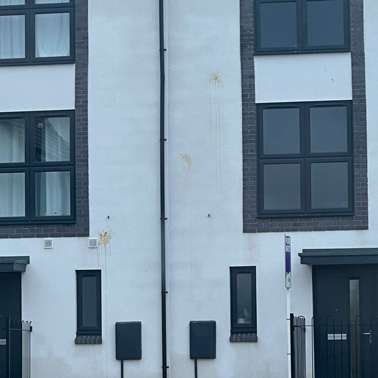
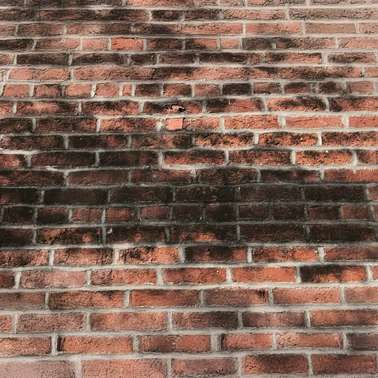
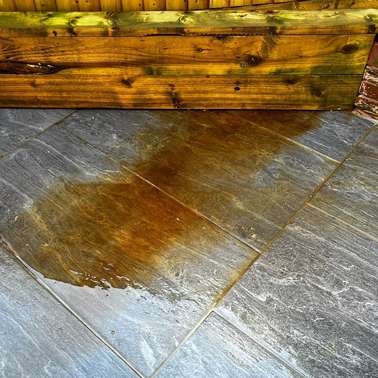
  • Causes staining on brickwork and render

  • Accelerates surface wear on lower masonry

  • Increases algae and moss growth 🌱

Over time, repeated splashback can undo the perceived benefits of a gutter-free design by increasing cleaning and repair needs.

Surface Type Splashback Risk Typical Impact
Concrete paving High Wall staining
Gravel Low Minor dispersion
Soil Medium Erosion
Tarmac High Dirty runoff marks

Seasonal Performance Differences

Alternatives to gutters do not always perform consistently throughout the year. Seasonal changes can significantly affect how well rainwater is managed.

Seasonal Influences

  • Autumn: Increased debris on roofs

  • Winter: Freezing and thawing cycles ❄️

  • Spring: Higher rainfall volumes

  • Summer: Sudden heavy downpours

Systems that rely on free drainage may cope well in light rain but struggle during prolonged or intense weather events.

Season Potential Challenge
Autumn Blocked ground drainage
Winter Ice formation at roof edges
Spring Oversaturation of soil
Summer Rapid runoff causing erosion

Effects on Surrounding Landscaping

Rainwater falling directly from roof edges can have a noticeable impact on gardens and landscaped areas close to buildings.

Common Landscaping Effects

  • Soil displacement near walls

  • Uneven lawn growth

  • Damage to flower beds

  • Mulch washout

While this may seem minor, repeated exposure can change ground levels over time, potentially affecting drainage patterns around the building.

Landscaping Feature Impact Without Gutters
Lawn edges Thinning grass
Flower beds Soil loss
Decorative stone Displacement
Raised borders Undermining

Noise and Water Movement

Another factor rarely considered is sound. The way rainwater moves can noticeably affect noise levels around a property.

Noise Differences

  • Free-falling water creates louder impact sounds

  • Chains and channels produce continuous flow noise

  • Concentrated runoff can echo in courtyards

For some environments, particularly enclosed outdoor spaces, this can become surprisingly noticeable during heavy rainfall 🌧️

Water Control Method Noise Level
Traditional gutters Low
Free runoff Medium–High
Chains Medium
Ground channels Low–Medium

Long-Term Building Age and Materials

The age and construction materials of a building play a major role in determining whether alternatives to gutters are practical.

Material Sensitivity to Moisture

  • Older brickwork absorbs water more readily

  • Lime mortar is vulnerable to saturation

  • Timber framing requires controlled drainage

  • Stone walls may mask internal damp

Buildings constructed before modern damp-proof methods often rely more heavily on effective water control at roof level.

Building Material Moisture Tolerance
Modern brick Medium
Historic brick Low
Stone Medium
Timber Low

Continue Reading

Are-Gutters-Really-Worth-It

Are Gutters Really Worth It? A Practical Look at Cost, Protection, and Long-Term Value

Are gutters really worth it?

Gutters are one of those building features that are so common they’re rarely questioned. Many properties have them as standard, while others—particularly older cottages, barns, or modern minimalist designs—do without. This raises a fair question: are gutters actually worth having, or are they just an unnecessary add-on? 🤔

To answer that properly, it helps to look at what gutters do, what happens when they’re missing, how much they cost in real terms, and whether there are situations where they might not be essential.


What gutters are designed to do

At their simplest, gutters collect rainwater from the roof and guide it away from the building via downpipes. That sounds basic, but the implications are significant.

Without gutters, rainwater falls freely from the roof edge. On a small shed this might not matter much. On a house, especially in the UK where rainfall is frequent and often prolonged, that water can have a serious impact over time.

Gutters aim to:

  • Control where water goes

  • Prevent constant soaking of walls

  • Reduce erosion around foundations

  • Protect landscaping and paths

In short, they manage water so it doesn’t repeatedly attack the same vulnerable areas of a building.


Rainfall and buildings in the UK context

The UK experiences regular rainfall throughout the year. Even in relatively dry regions, long periods of light rain are common. This matters because damage isn’t always caused by dramatic storms; it’s often the slow, repeated exposure to moisture that causes the most expensive problems.

When rain runs directly off a roof edge:

  • Walls below receive a constant drenching

  • Splashback soaks brickwork and lower courses

  • Ground around the building becomes saturated

Over months and years, this exposure can lead to issues that are slow to appear but costly to deal with later.


What happens to buildings without gutters

Properties without gutters aren’t guaranteed to fail, but they do face a different set of risks. Understanding these helps answer whether gutters are “worth it” or not.

External wall wear

Rainwater running down walls washes away surface dirt, but it also:

  • Breaks down mortar joints

  • Encourages algae and moss growth

  • Leads to patchy staining

Over time, walls can start to look tired far sooner than expected.

Damp and internal moisture

Repeated saturation of external walls increases the likelihood of moisture moving inward. This doesn’t always result in obvious leaks, but it can cause:

  • Cold, clammy internal walls

  • Peeling paint or wallpaper

  • A musty smell indoors

These issues often appear gradually and are difficult to trace back to their original cause.

Ground and foundation stress

Water falling directly from roof edges hits the ground with force, particularly during heavy rain. This can:

  • Create trenches or erosion channels

  • Oversaturate soil next to foundations

  • Increase movement in clay-heavy ground

Foundation problems are among the most expensive building issues to resolve.


Situations where gutters may seem unnecessary

There are scenarios where gutters are less common, and it’s worth acknowledging them.

Some traditional or rural buildings were built without gutters because:

  • Roofs extended far beyond the walls

  • Thick stone walls tolerated moisture better

  • Surrounding land absorbed water easily

Likewise, some modern designs omit gutters for aesthetic reasons, relying on controlled roof overhangs and advanced materials.

However, these designs often compensate in other ways. Wide eaves, special drainage channels, or carefully engineered ground slopes are not accidental—they are doing the job gutters would normally handle.


The cost side of the question 💷

One of the strongest arguments against gutters is cost. So it’s worth comparing typical costs against potential consequences.

Typical gutter-related costs

Item Approximate cost (£)
Basic supply and installation (average house) £500 – £1,200
Annual cleaning £50 – £120
Occasional repair £80 – £250

These figures vary depending on property size, access, and material type, but they provide a rough idea.

Potential costs without gutters

Issue Possible cost (£)
Repointing external walls £1,500 – £4,000
Damp investigation and treatment £800 – £3,000
Foundation or drainage repairs £3,000 – £10,000+
Replacing damaged landscaping £300 – £1,500

Not every building without gutters will face these costs, but the financial imbalance is clear. Problems caused by uncontrolled water tend to be far more expensive than managing water properly in the first place.


Gutters and property longevity

Buildings are long-term assets. Whether owner-occupied or rented, their value depends on condition as much as location.

Water is one of the biggest enemies of structural materials:

  • Timber rots when repeatedly wet

  • Brick and stone deteriorate when saturated and frozen

  • Metal fixings corrode

Gutters don’t stop rain, but they control exposure, which significantly affects how long materials last.

Over decades, this can mean the difference between:

  • Minor maintenance

  • Major restoration work


Aesthetic considerations 🎨

Some people dislike the look of gutters. They can be seen as bulky, outdated, or visually disruptive—especially on period or design-led properties.

However, visual impact depends on:

  • Profile shape

  • Colour choice

  • Placement and alignment

From a purely functional perspective, appearance doesn’t change what gutters do. But from a design perspective, this is often where the debate becomes subjective.

A building without gutters may look clean and sharp at first. Over time, however, staining and weather marks can appear in very visible places—sometimes more noticeable than the gutters themselves.


Maintenance: burden or benefit?

Another common argument is that gutters require maintenance, and therefore cause hassle.

It’s true that gutters can:

  • Block with leaves

  • Overflow if neglected

  • Need occasional repair

But maintenance is usually predictable and periodic. Problems caused by unmanaged water are often:

  • Hidden

  • Progressive

  • Discovered late

From a risk perspective, routine maintenance is generally easier to plan for than unexpected building repairs.


Environmental and water control considerations 🌧️

Gutters also influence how water behaves around a property.

With gutters:

  • Water can be directed to specific drainage points

  • Splashback is reduced

  • Soil moisture levels are more controlled

Without gutters:

  • Water falls randomly along roof edges

  • Some areas become oversaturated

  • Paths and entrances may be constantly wet

While this isn’t always damaging, it does affect how usable and predictable the outdoor space is.


Comparing buildings with and without gutters

Aspect With gutters Without gutters
Wall exposure to rain Controlled Constant
Foundation moisture risk Reduced Increased
Predictability of water flow High Low
Visual simplicity Moderate High (initially)
Long-term wall staining Lower Higher
Maintenance type Planned Reactive

This comparison highlights that the main difference isn’t whether problems exist, but when and how they appear.


Gutters as a form of insurance

Although not literally insurance, gutters function in a similar way. They are a relatively small, upfront and ongoing cost designed to reduce the likelihood of much larger expenses later.

They don’t guarantee:

  • No damp

  • No wall wear

  • No foundation issues

But they reduce exposure to one of the most persistent risks a building faces: unmanaged rainwater.


So, are gutters really worth it?

From a purely functional and financial perspective, gutters generally provide more value than they cost. They:

  • Protect walls and foundations

  • Reduce long-term maintenance risk

  • Help control water around the property

That doesn’t mean every building must have them. Some structures are designed to cope without, using alternative methods of water control. In those cases, gutters are replaced by other systems—not simply removed without consequence.

The real question isn’t whether gutters are fashionable or common, but whether rainwater is being properly managed. When it isn’t, buildings often pay the price slowly, quietly, and expensively 💷.

In that sense, gutters aren’t about convenience or appearance. They’re about managing a problem that never stops falling from the sky. ☔

Gutters and resale confidence 🏠

When a property is assessed for resale, visible signs of water damage can quietly undermine confidence. Staining on walls, eroded brickwork, or damp smells often raise questions—even if the structure is fundamentally sound. Gutters help limit these red flags by keeping rainwater behaviour predictable.

Buyers may not consciously praise gutters, but they often notice the absence of problems. In that sense, gutters work in the background, supporting the impression that a building has been looked after rather than battled against the elements.


Seasonal extremes and changing weather 🌦️

Weather patterns are becoming less predictable, with heavier downpours followed by long wet spells. This combination puts extra strain on roofs, walls, and ground conditions. Gutters help buildings cope with these extremes by channelling sudden volumes of water away efficiently.

Without gutters, intense rainfall can overwhelm the immediate ground area, while prolonged drizzle keeps walls damp for days. The value of gutters increases as rainfall becomes less even and more aggressive.


Gutters versus constant cleaning

Some argue that without gutters, there’s nothing to clean or unblock. In reality, the maintenance doesn’t disappear—it changes form.

With gutters Without gutters
Clearing leaves and debris Cleaning stained walls
Occasional joint repairs Repointing washed-out mortar
Downpipe checks Managing eroded ground

The effort shifts from simple access tasks to labour-intensive surface restoration.


Noise, splash, and everyday comfort 💧

Rain hitting the ground directly from a roof edge can be surprisingly disruptive. Splashback onto paths, windows, and doors makes entrances messy and slippery. The sound of heavy rainfall hitting hard surfaces can also be louder and more intrusive.

Gutters soften this interaction by guiding water away quietly and efficiently, improving everyday comfort during wet weather.


Gutters as part of a wider system

Gutters work best when seen as one part of a broader approach to water management. Roof design, ground slope, drainage points, and surface materials all interact. Removing gutters without adjusting these other elements often leaves a gap in the system.

When all factors work together, water is managed rather than resisted—and gutters frequently play a central, practical role in making that balance work 👍

Continue Reading

Why-Gutters-Drip-in-Heavy-Rain

Why Gutters Drip in Heavy Rain — What’s Normal and What’s Not

Is It Normal for Gutters to Drip in Heavy Rain? 🌧️

When a storm rolls in and rain begins hammering down on your roof, one of the most common things homeowners notice is water dripping from places it shouldn’t be—specifically from the gutters. But is this normal? The short answer is: sometimes yes… but often no.

This article explores why gutters drip during heavy rain, when it’s a harmless issue, when it signals a problem, and how to diagnose the cause. We’ll also look at cost expectations (in pounds) should repairs be needed, plus troubleshooting tables and real-world examples.


1. Why Gutters Exist in the First Place

To understand whether dripping is normal, it helps to know the job gutters are designed to do:

  • Catch rainwater flowing off the roof

  • Channel water safely to downpipes

  • Move water away from the house foundation

  • Prevent staining, splashback and erosion

Gutters are not designed to be absolutely watertight under every condition, especially in extreme rainfall, but persistent or excessive dripping is nearly always a sign of something that needs attention.


2. When Dripping Is Normal During Heavy Rain

Although dripping often suggests a problem, some situations are perfectly normal:

2.1 Normal Overflow in Extremely Heavy Rain 💦

Even a well-installed gutter system has a maximum capacity. During torrential downpours (especially cloudbursts), water may temporarily spill over the edge.

This can happen because:

  • The roof surface sheds more water than gutters can physically carry

  • Water travels so fast it overshoots the gutter

  • Wind pushes rain sideways, causing runoff beyond the gutter line

Normal overflow should be occasional, not constant.


2.2 Drips From the Bottom of Gutters Due to Condensation

Cold rain hitting warm gutters sometimes causes minor condensation drips underneath the system. This is harmless and usually stops once temperatures equalise.


2.3 Drips From Roof Edges Before Reaching the Gutter

If water runs under the roof tiles slightly or hits trim boards first, you may hear or see dripping, even though the gutter is performing correctly.

This is often caused by:

  • Minimal sag in roof tiles

  • Wind driving water under the first tile

  • No drip edge fitted (common on older homes)


TABLE: Normal vs Abnormal Gutter Dripping

Type of Drip Normal? Description
Occasional overflow during extreme downpours ✔️ Yes Happens when rainfall exceeds capacity
Condensation drips under gutter ✔️ Yes Usually light and temporary
Minor dripping from roof edge into gutters ✔️ Yes Wind-driven or tile overhang issues
Constant dripping from joints ❌ No Likely a loose joint or failed seal
Steady dripping from gutter base ❌ No Usually indicates corrosion or cracking
Overflow in light/medium rain ❌ No Typically blockages or inadequate fall
Drip marks on walls or fascia ❌ No Water escaping somewhere it shouldn’t

3. When Gutter Dripping Indicates a Problem 🚨

Most dripping is caused by a fault or deterioration in the system. Below are the most common culprits.


3.1 Blocked Gutters or Downpipes – The #1 Cause 🍂

Leaves, moss, twigs, and general debris restrict water flow. If water cannot move freely, it rises and spills out of the nearest weak point, often creating dripping from:

  • End caps

  • Joints

  • Gutter brackets

  • Fascias

Heavy rain simply magnifies the issue.

Signs of a blockage:

  • Water overflowing even in light rain

  • Downpipes making gurgling or bubbling noises

  • Plants growing inside the gutter

  • Visible debris piles


3.2 Loose or Misaligned Gutter Sections

Gutters should sit at a slight angle (fall) towards the downpipe. If they are level or even angled backwards:

  • Water pools

  • The gutter overflows

  • Dripping appears along the front edge

Misalignment happens due to:

  • Age and weathering

  • Loose brackets

  • Warping (especially with uPVC after sun exposure)


3.3 Damaged Seals and Joints

Modern uPVC gutters use rubber or synthetic seals inside each joint. Over time, these seals:

  • Shrink

  • Crack

  • Perish

  • Lose flexibility

This creates visible dripping directly from the joint line.

Common causes of seal failure:

  • UV exposure

  • Freezing and thawing cycles

  • Old age

  • Pressure from debris buildup


3.4 Sagging Gutters

Gutters are supported by brackets. If these become bent or loose, the gutter sags:

  • Creating a low point

  • Holding water

  • Increasing dripping

  • Making the system noisy


3.5 Incorrect Gutter Size

Some homes—especially those with:

  • Steep roof pitches

  • Large roofs

  • Metal or slate surfaces (which shed water more quickly)

simply require higher-capacity gutters. If the existing system is too small, heavy rain will always cause dripping or overflow.


3.6 Faulty or Insufficient Downpipes

If downpipes can’t keep up, gutters fill faster than they empty. This leads to:

  • Spillover

  • Dripping from weak points

  • Water shooting over the gutter edge


3.7 Roof Valley Issues

Valleys funnel vast amounts of water into one section of gutter, overwhelming one spot. A poorly positioned or undersized gutter here will drip heavily during storms.


TABLE: Common Gutter Problems and What They Mean

Problem Likely Cause Severity Solution
Drips from joints Failed seals Medium Replace seal or joint
Water shooting over gutter Undersized gutter or steep roof High Upgrade gutter size or add diffusers
Overflow near corners Blocked downpipe High Clear blockage
Constant dripping underneath Cracks or holes High Patch or replace section
Water behind gutter No drip edge or misalignment Medium Fit drip edge or adjust gutter fall
Plants in gutter Heavy debris Medium Clean and fit guards

4. How to Diagnose the Cause of Gutter Drips

You don’t need to climb a ladder to start diagnosing. Many clues can be spotted from the ground.


4.1 Observe During a Rainstorm

Look for:

  • Where the drip originates

  • Whether it’s steady or intermittent

  • Whether it appears only in heavy rain

  • If overflow is happening along the whole run or just at one point

If dripping occurs only at joints:
→ Seal issue

If dripping occurs over the front edge:
→ Blockage or poor fall

If dripping comes from behind the gutter:
→ No drip edge or misalignment


4.2 Check for Visible Debris

If you see leaves poking out of gutters, assume the entire run needs cleaning.


4.3 Listen for Noises 👂

Bubbling or gurgling usually means the downpipe is partially blocked.


4.4 Inspect the Ground and Walls

Stains or erosion show long-term water escape.


5. Consequences of Ignoring Gutter Dripping ⚠️

Even a “small” drip can cause significant long-term damage.

Potential problems include:

  • Rotting fascia boards

  • Damp patches on walls

  • Foundation erosion

  • Internal damp or mould

  • Slippery paths below

  • Soil washout around the home

It’s always cheaper to fix a gutter issue early than repair the damage created by neglect.


6. Typical Repair Costs in the UK (£)

Below is an overview of general price ranges for common gutter-related issues.
Actual costs vary by location, house height, and material.


TABLE: UK Gutter Repair Cost Guide

Repair Type Typical Cost (£) Notes
Gutter cleaning (terrace/semi) £40–£90 Removes debris and clears blockages
Gutter cleaning (detached) £80–£150 Larger roof area
Seal replacement at joints £15–£40 per joint Parts are cheap; labour varies
Realignment of gutters £50–£120 Adjusts fall to improve flow
Replacement of gutter section £20–£60 per metre Depends on material (uPVC cheapest)
Full gutter replacement (average UK home) £400–£900 Higher for cast iron or aluminium
Downpipe unblock £30–£80 Quick and common
Downpipe replacement £60–£120 Includes fittings

These figures help illustrate that most issues causing dripping are relatively inexpensive to fix—usually far cheaper than repairing water damage later.


7. Gutter Materials and How They Affect Dripping

Different materials behave differently in heavy rain.

uPVC

  • Most common in the UK

  • Affordable

  • Seals in joints can perish

  • Can warp in prolonged sun, causing misalignment

Aluminium

  • Lightweight

  • Fewer joints (often seamless)

  • Less prone to dripping from seals

Steel

  • Strong and durable

  • May rust if coating fails

  • Can develop drip-causing holes near the end of its lifespan

Cast Iron

  • Extremely durable

  • Very heavy

  • Needs regular painting

  • Joint leaks are common on older properties

TABLE: Material Durability vs Drip Likelihood

Material Durability Risk of Dripping Common Issues
uPVC Medium Moderate Warping, failed seals
Aluminium High Low Seal shrinkage in older systems
Steel High Moderate Corrosion holes
Cast Iron Very high High on older homes Joint gaps, rust

8. Weather Conditions That Increase Dripping Risk 🌬️🌧️

Dripping does not happen solely because of gutter faults. Certain weather patterns increase the likelihood.

Strong Winds

Push water out of gutters or stop water entering them properly.

Sudden Downpours

Funnels too much water too fast.

Freeze–Thaw Cycles

Damage seals and expand cracks.

Long Dry Spells

Dried debris forms blockages once wet again.


9. Preventing Gutter Drips in Future

Here’s how to keep your system drip-free:

✔️ Clean gutters twice per year (spring & autumn)

✔️ Check seals for deterioration annually

✔️ Remove moss from roof edges

✔️ Ensure downpipes are clear and flowing

✔️ Confirm gutter brackets are tight

✔️ Install gutter guards if debris is a recurring issue

✔️ Add splash guards in roof valleys

✔️ Upgrade gutter size if the roof produces high flow

Prevention is always cheaper than repairs.


10. Frequently Asked Questions

Q1: Is it normal for gutters to drip even after cleaning?

It depends—if seals are worn or the gutter fall is incorrect, cleaning alone won’t stop dripping.


Q2: My gutters drip only at one joint. What does this mean?

Almost always a failed or poorly seated seal.


Q3: Do all gutter systems drip during storms?

Not all, but even high-quality systems can briefly overflow during extreme rainfall.


Q4: Can dripping noise be fixed?

Yes—adjusting the fall, adding foam inserts, or correcting misalignment usually helps.


11. Summary

So… is it normal for gutters to drip in heavy rain?

  • Sometimes, especially during extreme downpours, wind-driven rain, or when dealing with temporary condensation.

  • But in most cases, dripping signals a developing problem such as blockages, poor alignment, seal failure, inadequate capacity, or structural damage.

Since gutter systems are relatively inexpensive to repair and maintain, addressing issues early is the best way to protect the structure of your home. A drip today can save you hundreds of pounds in damage later—if you take it seriously.

12. How Roof Design Affects Gutter Dripping 🏠

The design of your roof plays a bigger role in gutter performance than most homeowners realise. A steep-pitched roof sheds water much faster than a shallow one. This means water hits the gutter with greater force, increasing the chance of overflow or overshooting—especially during cloudbursts.

Roofs with multiple valleys also concentrate water into a single drainage point, which can overwhelm gutters even if they’re properly installed. Similarly, properties with large roof areas but standard-size gutters often experience dripping because the gutters simply weren’t designed for that volume of water.

Flat roofs tend to funnel water more gently, but if water exits in one concentrated area, the gutter beneath may still overflow. Understanding your roof design helps you diagnose whether the issue is the gutter itself or the volume of water the system is expected to handle.


13. Seasonal Factors That Influence Dripping 🍁❄️🌸☀️

Different seasons bring different challenges for gutter systems:

  • Autumn: Falling leaves and moss make this the worst season for blockages. Heavy showers combined with debris often cause dripping.

  • Winter: Ice expands inside gutters, pushing joints apart and damaging seals. Melting can cause unexpected dripping even in mild rain.

  • Spring: Pollen, twigs, and nesting materials can accumulate quickly, restricting flow.

  • Summer: UV exposure causes uPVC to expand and contract, which may loosen joints over time.

Being aware of these seasonal patterns allows for timely maintenance and reduces the likelihood of unexpected drips.


14. Why You Should Check Soffits and Fascias When Gutters Drip

Dripping gutters don’t just affect the guttering system—they often cause damage to the surrounding components, especially soffits and fascia boards. These boards help support the guttering, but they are also vulnerable to water damage if leaks persist.

Common signs of fascia/soffit issues include:

  • Peeling paint

  • Soft or swollen timber

  • Discolouration

  • Water marks or streaks

Once water infiltrates these boards, repairs can become significantly more expensive. A small drip that could be fixed for £20–£50 might lead to £200–£400 repairs if ignored. Checking these areas regularly helps you catch problems early before rot or mould sets in.


15. Simple DIY Checks to Reduce Dripping 🔧

You don’t need specialist tools to perform basic checks that prevent gutter dripping:

  • Tap test: Gently tap the gutter; hollow sounds may indicate gaps between sections.

  • Hose test: Run water from a garden hose into the gutter to observe flow patterns.

  • Bracket check: Look for any brackets that appear loose, bent, or out of alignment.

  • Visual inspection: Check for cracks, sagging, or debris piles from ground level.

While more complex work is best handled professionally, these quick checks help identify issues early and are safe for most homeowners to perform without climbing high ladders.


16. Long-Term Solutions for Homes Prone to Dripping 🛠️

Some houses—because of their roof shape, height, or surrounding environment—naturally experience more gutter strain. In such cases, long-term solutions can dramatically reduce dripping and overflow:

  • High-capacity gutters: Ideal for steep or large roofs.

  • Extra downpipes: Reduces pressure by splitting water flow.

  • Valley splash guards: Helps slow water entering the gutter from roof valleys.

  • Gutter liners: Create a smooth channel that reduces leaks from minor cracks.

  • Hedge and tree trimming: Prevents debris buildup from nearby trees.

These improvements often cost between £50–£300, depending on the scale of work, but can save you far more in the long run by preventing persistent dripping and water damage.

Continue Reading

How-to-Repair-a-Leaking-Gutter

How to Repair a Leaking Gutter: The Complete Homeowner’s Guide

🛠️ How Do I Repair a Leaking Gutter?

A Complete Homeowner’s Guide to DIY Fixes, Causes, Tools & Costs

Gutters play an essential role in protecting your home. They channel rainwater away from walls, doors, windows, and foundations. When a gutter begins to leak, even small drips can slowly lead to larger issues: damp patches, mould growth, soil erosion, fascia board rot, or even structural problems over time. The good news is that most gutter leaks are easy to diagnose and repair, especially if you catch the issue early.

This comprehensive guide covers why gutters leak, how to fix each type of leak, tools you need, costs, prevention tips, and when a repair may not be enough.


🌧️ 1. What Causes a Gutter to Leak?

Gutters can leak for many reasons, and identifying the cause is half the battle. Below are the most common causes, along with how they typically behave.

Common Reasons for Gutter Leaks

Cause of Leak Symptoms Typical Repair Difficulty Notes
Clogs / Blockages Overflow during heavy rain Easy Usually debris, moss, leaves, silt
Loose gutter joints Dripping where sections meet Easy–Medium Most modern gutters use rubber seals
Cracked or split gutter sections Constant dripping from the same spot Medium May require sealant or section replacement
Damaged seals / perished gaskets Joint leaks even when clean Medium Rubber seals degrade over time
Incorrect gutter slope Water pooling instead of flowing Medium–Hard Requires adjusting brackets
Rust (in steel gutters) Holes forming Hard Sometimes patchable, sometimes replacement
Loose or damaged brackets Gutter sagging or pulling away Easy–Medium Weak brackets put strain on joints

Each cause leads to a slightly different repair approach. Before fixing anything, you must perform an inspection.


🔍 2. How to Inspect a Leaking Gutter

A proper diagnosis saves you time and unnecessary materials.

Tools you may need

  • Ladder (preferably with stabilisers)

  • Bucket or bag for debris

  • Gloves 🧤

  • Hosepipe

  • Screwdriver or drill

  • Marker pen

  • Safety glasses

  • Helper (recommended)

Inspection Steps

  1. Check the ground area first
    Look for staining, water marks, or drips coming from joints — these usually indicate the leak location.

  2. Use a ladder to inspect the gutter close-up
    Always maintain safe ladder posture. If possible, ask someone to hold the ladder steady.

  3. Remove any visible debris
    Leaves, moss, sand-like roofing grit, twigs, and even bird nests can obstruct water flow.

  4. Test with a hosepipe
    Run water through the gutter to observe:

    • Where water pools

    • Where water drips

    • Whether water escapes from joints

  5. Identify all leaks
    Mark each leaking spot with chalk or a marker so you know exactly what to repair.


🧰 3. Materials and Tools Needed for Gutter Repair

Below is a table showing typical tools and materials, along with estimated UK costs.

DIY Materials & Cost Guide

Item Purpose Approx. Cost (£)
Gutter sealant (external grade) Sealing joints + small cracks £6–£12
Replacement gaskets Fixing leaking joints £2–£5 per gasket
Replacement gutter joint / union bracket Replacing damaged connectors £3–£8
Gutter section (1–2m) Replacing cracked pieces £8–£20
Brackets / clips Re-levelling gutters £2–£4 each
Rust converter / metal primer Repairing metal gutters £8–£15
Waterproof patch kit (for metal gutters) Plugging holes £10–£20
Ladder stabiliser Safety £20–£40
Gloves, scraper, brush Cleaning debris £5–£15

These costs depend on the material type (uPVC, steel, aluminium, cast iron), but uPVC is the most common in UK homes and is also the easiest to repair.


🧼 4. How to Repair Each Common Type of Gutter Leak

Below you’ll find step-by-step repair instructions for every typical leak. Follow the one that matches your situation.


🧽 A. Fixing Leaks Caused by Blocked Gutters

This is the most common issue and thankfully the easiest to fix.

Steps

  1. Put on gloves.

  2. Remove leaves, moss, and debris by hand or with a gutter scoop.

  3. Brush out smaller particles.

  4. Flush the gutter with a hosepipe.

  5. Ensure water runs smoothly to the downpipe.

Why this works

Many “leaks” are actually overflow caused by clogs rather than cracks or damage. Once cleared, gutters often behave normally again.

Costs

  • Usually free, or £6–£15 if you need a scoop or brush.


🔗 B. Fixing Leaking Gutter Joints

Modern uPVC gutters join with a clip and a rubber seal. The seal can degrade, crack, or slip out of place.

Steps

  1. Unclip the union bracket.

  2. Remove the gutter section from the joint.

  3. Clean the seal thoroughly.

  4. Apply gutter sealant around the seal (optional but helpful).

  5. Reposition the gutter back into the joint.

  6. Clip the bracket firmly shut.

  7. Test with water to ensure the leak is gone.

If the seal is damaged

Replace it using a gasket designed for your gutter profile.

Costs

Item Cost
New gasket £2–£5
New union bracket £3–£8

🪵 C. Fixing Cracked Gutter Sections

Cracks can form due to UV damage, impact, frost, or age.

For hairline cracks

  1. Clean and dry the area thoroughly.

  2. Apply a generous bead of gutter sealant.

  3. Smooth it with a gloved finger.

  4. Allow it to cure (usually 1–4 hours depending on product).

For medium cracks

  1. Clean the area.

  2. Apply sealant inside and outside the gutter.

For large cracks or holes

Replace the entire gutter length.

Costs

  • Sealant: £6–£12

  • New section: £8–£20

Repairing works only for small (<5cm) cracks. Larger damage will fail over time if not replaced.


🧩 D. Fixing Incorrect Gutter Slope (Sagging or Pooling)

A gutter needs around 1:350 fall — meaning it drops about 1 inch (25mm) for every 30 feet (9m).

Symptoms

  • Water pools at the centre

  • Water overflows in places

  • Downpipe receives little water

Steps to fix gutter slope

  1. Identify brackets supporting the area with pooling.

  2. Loosen the screws of the brackets.

  3. Adjust the bracket position to create a gentle downward slope toward the downpipe.

  4. Retighten screws.

  5. Test with a hose to ensure proper flow.

Cost

  • Replacement brackets: £2–£4 each if any are broken.

This repair takes precision but is very effective.


🔧 E. Repairing Holes in Metal Gutters

Older homes may have cast iron or steel gutters. These can rust and develop holes.

Steps

  1. Remove all rust using a wire brush.

  2. Apply a rust converter.

  3. Apply metal primer.

  4. Patch the hole using a gutter patch kit (usually epoxy-based).

  5. Smooth the patch.

  6. Allow to cure fully.

Costs

Item Approx. Cost
Rust converter £8–£15
Patch kit £10–£20

In cases of severe corrosion, replacement is wiser.


🪜 F. Fixing Loose or Damaged Brackets

Bad brackets cause stress and misalignment, leading to leaks at joints.

Steps

  1. Inspect for cracked or loose brackets.

  2. Tighten screws if loose.

  3. Replace if the bracket is damaged.

  4. Check alignment afterwards.

Costs

  • £2–£4 per bracket.

  • Screws or rawl plugs: £1–£3.


📝 5. Gutter Leak TroubleshootingTable

Use this quick reference to identify the best repair.

Symptom Likely Cause Best Repair
Water overflowing in rain Blockage or incorrect slope Clean gutter; adjust slope
Drip at a joint Failed seal Clean and reseal or replace gasket
Water pooling in the middle Sagging gutter Adjust brackets
Constant dripping from one spot Crack Seal or replace section
Rust flakes and holes Corrosion Patch or replace metal gutter
Gutter pulling away from fascia Damaged bracket Replace bracket

💷 6. How Much Does it Cost to Repair a Leaking Gutter (DIY vs Materials)?

Below is an estimated cost breakdown for typical UK DIY repairs.

Typical DIY Cost Table

Repair Type Materials Cost Notes
Simple blockage clean £0–£15 Free if using household tools
Joint reseal £6–£12 Sealant only
New gasket £2–£5 Easy job
Replace union bracket £3–£8 Clip-on
Fix slope (new brackets) £4–£16 Depends on number of brackets
Small crack repair £6–£12 Sealant only
Replace gutter section £8–£20 uPVC is cheapest
Patch a metal gutter £18–£35 Patch kit + rust converter

Most DIY repairs cost under £20, assuming you already have a ladder.


⚠️ 7. Safety Tips When Repairing Gutters

Working at height carries risks, so follow these key safety recommendations:

  • Always use a stable ladder

  • Avoid working in windy or wet weather 🌧️

  • Wear gloves — gutters often contain sharp debris

  • Keep tools in a tool belt or clipped bucket

  • Don’t overreach; move the ladder frequently

  • Have someone hold the ladder if possible

  • Never rest the ladder directly on the gutter (use a stand-off)


🔄 8. When Should You Replace Instead of Repair?

Sometimes repair isn’t cost-effective. Consider replacement when:

Signs replacement is better

  • Your gutters are over 20 years old

  • Large cracks and warping are present

  • Every joint leaks despite repairs

  • Gutters are sagging across long sections

  • The fascia boards behind the gutter are rotten

  • Metal gutters are heavily corroded

Replacing a full run of uPVC guttering is typically inexpensive compared to the damage that long-term leaks can cause to your home.


🛡️ 9. Preventing Future Gutter Leaks

Once repaired, keeping your gutters in top shape is straightforward.

Maintenance Tips

  • Clean gutters at least twice a year (spring + autumn)

  • Remove overhanging branches to reduce debris

  • Install gutter guards if blockage is a recurring problem

  • Inspect joints every 6 months

  • After storms, check for shifted brackets or clogs

  • Test flow with a hosepipe occasionally


💡 10. Example Repair Scenarios

Here are some realistic examples to help you compare with your situation.

Scenario 1 — Dripping at a single joint

  • Cause: Perished gasket

  • Repair: Replace gasket + apply sealant

  • Time: 10 minutes

  • Cost: £5

Scenario 2 — Overflow at the far end of the gutter

  • Cause: Incorrect slope

  • Repair: Adjust 2–3 brackets

  • Time: 20–40 minutes

  • Cost: £6–£12

Scenario 3 — A 3cm crack under the gutter

  • Cause: Weather damage

  • Repair: Clean + seal

  • Time: 15 minutes

  • Cost: £6–£12

Scenario 4 — Metal gutter rust hole

  • Cause: Corrosion

  • Repair: Wire brush, rust converter, patch kit

  • Time: 45 minutes

  • Cost: £20–£35


✔️ 11. Final Thoughts

Repairing a leaking gutter is very achievable for most homeowners. With the right tools, materials, and safety practices, you can fix the majority of leaks in less than an hour. The key is accurate diagnostics: identify the type of leak first, then match it to the correct repair method.

Gutters may look simple, but they guard your home from extensive water damage. A small drip today can become a costly issue tomorrow — so acting quickly is always worthwhile 😊.

🧯 12. How Weather Affects Gutter Leaks

Weather has a direct impact on gutter performance and can make small problems more noticeable.

Heavy rain

Large volumes of water quickly expose issues such as poor slope, blockages, or dripping joints. Overflow is often most visible during downpours.

Frost and freezing temperatures

Water expands when frozen, so any moisture inside tiny cracks can widen them. Frozen debris also weighs down gutters, stressing joints and brackets.

Strong winds

Wind can blow debris into gutters, loosen joints, or shift brackets. It also pushes water sideways, increasing the chance of overflow.

Heat and UV exposure

Intense sun causes uPVC plastics to expand and contract over time. This movement can weaken seals and cause slight warping.

Regular checks after seasonal weather changes can prevent small issues from developing into expensive repairs.


🧹 13. Seasonal Gutter Care Checklist

Keeping up with gutter maintenance is easier when broken down into simple seasonal tasks.

Spring

  • Clear moss and winter debris

  • Check for frost-related cracks

  • Inspect metal gutters for rust patches

Summer

  • Ensure slope is consistent (heat can shift long runs)

  • Look for sagging brackets

  • Test joints with a hose

Autumn 🍂

  • Remove fallen leaves

  • Install or clean gutter guards

  • Recheck downpipe flow

Winter ❄️

  • Ensure gutters are empty before frost

  • Check for ice dams or frozen blockages

  • Inspect for snow-related strain on brackets

Following a seasonal checklist keeps gutters healthy all year.


🔄 14. The Difference Between Repairing and Resealing Gutters

Some homeowners confuse simple resealing with full repair. Here’s how they differ:

Repairing

Involves replacing damaged parts, adjusting slopes, installing new brackets, or solving structural issues. Repairs often take more time but provide a permanent fix.

Resealing

Applies sealant or replaces gaskets to stop drips at joints or small cracks. It is a quick fix and ideal for:

  • Hairline cracks

  • Minor joint seepage

  • Temporary protection in cold or wet seasons

Comparison Table

Task Time Required Cost Durability
Repairing a section 20–60 mins £8–£20 Long-term
Resealing only 5–10 mins £6–£12 Medium-term

Understanding the difference helps homeowners choose the right approach for each leak.


🧱 15. How Gutter Leaks Affect Fascia and Soffits

Many leaks go unnoticed until they begin causing damage below the gutter line.

Fascia board damage

Water running behind the gutter can soak timber fascia boards. Over months, this causes:

  • Rot

  • Warping

  • Mould

  • Paint blistering

Rotten fascia is far more expensive to replace than repairing a gutter, often costing hundreds of pounds depending on length.

Soffit issues

Leaking water can run onto soffits, staining or softening them. This can also attract insects, birds, and pests that find weakened soffit vents easier to enter.

Prevention

Ensuring gutters remain properly aligned and sealed stops water from escaping behind the system and protects the entire roof edge.


🏠 16. When to Consider Professional Help (Even if You Prefer DIY)

While most gutter repairs are simple, certain situations may benefit from expert assistance.

1. High or hard-to-reach gutters

Homes with three-storey elevations or complex rooflines can be unsafe to tackle alone.

2. Extensive damage

If more than one-third of the gutter run is cracked, warped, or pulling away, replacement may be more cost-effective than patching.

3. Structural concerns

If water has begun to damage:

  • Fascia

  • Soffits

  • Wall render

  • Brick mortar
    …it may require further investigation beyond the gutter itself.

4. Cast iron guttering

These systems are heavy and require specialist tools for cutting and joining.

As a rule, if the job becomes unsafe or technically complex, it’s best to get expert help — but for everyday leaks, DIY is perfectly achievable.

Continue Reading

How-Long-Do-Gutters-Last

How Long Do Gutters Last? Lifespans, Costs, Maintenance & More

What Is the Average Lifespan of Gutters?

Gutters might not be the most glamorous part of a home, but they quietly protect your property from one of its greatest threats: water. A functioning gutter system diverts rainwater away from the roof, walls, foundations, and landscaping. When gutters fail—either through age, corrosion, sagging, or cracking—you may end up with damp problems, structural issues, mould, or costly repairs.

Understanding how long gutters last, what affects their lifespan, and how to extend that lifespan can save homeowners thousands of pounds over time. This guide breaks everything down clearly.


Typical Lifespan of Different Gutter Materials

The lifespan of gutters varies significantly depending on the material, installation quality, climate, and maintenance habits. Below is a comparison chart showing average lifespans.

Table 1: Average Lifespan by Gutter Material

Gutter Material Average Lifespan Typical Price Range (UK) Strengths Weaknesses
uPVC / Vinyl 10–20 years £5–£10 per metre Affordable, lightweight, corrosion-proof Can warp in heat, become brittle with age
Aluminium 20–30 years £10–£20 per metre Rust-resistant, versatile Can dent from ladders or storms
Galvanised Steel 15–25 years £15–£30 per metre Very strong, handles heavy rain Prone to rust over time
Stainless Steel 30–50+ years £25–£50 per metre Extremely durable and rust-resistant Higher upfront cost
Copper 50–100+ years £40–£100+ per metre Longest-lasting, develops patina Expensive, specialist installation
Cast Iron 40–70 years (sometimes 100+) £30–£70 per metre Traditional aesthetic, extremely strong Heavy, needs regular care

🌧️ What Determines the Lifespan of Gutters?

Even though gutter material has the biggest influence on lifetime, several other factors significantly affect overall durability.


1. Climate and Weather Conditions

The UK’s weather is famously unpredictable, and gutters take the brunt of it. Frequent rain, frost cycles, coastal salt exposure, and windstorms all contribute to wear.

Factors that shorten gutter life:

  • Frost and thaw cycles causing expansion and contraction

  • High rainfall overloading inadequately sized gutters

  • Heavy storms causing dents, sagging, or joint failure

  • Coastal air increasing corrosion risk for steel or cast iron

A home in coastal Cornwall will experience different gutter stresses compared to one in Birmingham or Glasgow. 🌧️💨


2. Installation Quality

Even the best gutters fail early if poorly installed.

Common installation issues that reduce lifespan:

  • Incorrect pitch (water pools and causes sagging or mould)

  • Too few brackets leading to drooping

  • Misaligned joints that leak

  • Undersized gutters for the roof area

  • Poor quality or mismatched components

Correct installation can add 5–15 years to a gutter’s life compared to a rushed job.


3. Maintenance Frequency

Most gutters fail not because of age, but due to neglect. Leaves, moss, roof debris, and silt accumulate over time.

When gutters are clogged:

❌ Water overflows
❌ Fascias rot
❌ Damp enters walls
❌ Brackets strain and break
❌ Gutters distort under weight

Regular maintenance—ideally twice a year—can easily double the life of many systems.


4. Surrounding Environment (Trees & Wildlife)

Homes with overhanging trees experience:

  • Faster blockage buildup

  • Increased gutter weight

  • Potential pest nesting

  • More organic acids, which can degrade some materials

Squirrels, birds, and insects can also cause gutter misalignment or blockage. 🐦🐿️


5. Roof Type and Condition

A roof that sheds heavy amounts of moss or shingle grit accelerates gutter wear. In addition, older roofs may shed water unevenly, causing certain sections of guttering to wear faster.


6. Material Quality and Thickness

Not all vinyl, steel, aluminium, or cast-iron gutters are equal.

Thicker and higher-grade metals last longer:

  • 0.7 mm aluminium outperforms 0.5 mm

  • Stainless steel grades 304 or 316 last longer than basic steel

  • Heavy-gauge cast iron delivers century-long durability


🧮 How Long Should Gutters Last? (Detailed Breakdown)

Below is a deeper explanation of each material’s real-world performance in UK homes.


uPVC (Vinyl) Gutters – 10 to 20 Years

uPVC is the most common gutter material in the UK due to low cost and easy installation. However, it is also the shortest-lived.

Pros:

  • Cheap to buy and replace (often £5–£10 per metre)

  • Resistant to corrosion

  • Lightweight and easy to install

Cons:

  • Can become brittle with age

  • Susceptible to warping in hot weather

  • Joints may fail after years of UV exposure

Homes that experience high summer temperatures often see uPVC degrade faster.

Best-case lifespan: 20+ years (shaded, well-maintained)
Worst-case lifespan: 7–10 years (sun-exposed, poor maintenance)


Aluminium Gutters – 20 to 30 Years

A popular mid-range solution, aluminium strikes a good balance between price and longevity.

Pros:

  • Rust-resistant

  • Lightweight but strong

  • Comes in seamless options that reduce leaks

Cons:

  • Can dent from ladders or hail

  • Thinner options may warp under heavy load

Best-case lifespan: Up to 35 years with good care
Worst-case lifespan: 15–18 years in harsh climates


Galvanised Steel Gutters – 15 to 25 Years

Steel gutters are stronger than aluminium but vulnerable to corrosion once their protective zinc layer deteriorates.

Pros:

  • Good structural strength

  • Holds shape well during storms

  • Suitable for larger roof areas

Cons:

  • Rust eventually sets in

  • Heavier than aluminium

Painting or coating steel yearly or every few years can delay rust and extend its lifespan by a decade or more.


Stainless Steel Gutters – 30 to 50+ Years

One of the most durable choices.

Pros:

  • Extremely long-lasting

  • Highly resistant to rust

  • Very strong

Cons:

  • Higher cost

  • Specialist installation sometimes required

Many stainless steel systems outlast the roof itself.


Copper Gutters – 50 to 100+ Years

Copper is considered the premium gutter material.

Pros:

  • Can last generations

  • Forms a protective green patina over time

  • Naturally antimicrobial

Cons:

  • Very expensive (£40–£100+ per metre)

  • Requires specialist fitting

Copper is often chosen for heritage homes or luxury properties due to its durability and appearance.


Cast Iron Gutters – 40 to 70+ Years

Many Victorian-era cast iron gutters are still functioning today, proving their longevity.

Pros:

  • Extremely durable and robust

  • Matches traditional architecture

  • Can last 100+ years with maintenance

Cons:

  • Heavy

  • Requires regular painting

  • More labour-intensive to install


🔧 Signs Your Gutters Are Nearing the End of Life

Not sure if your gutter system is still healthy? Look for these common warning signs:

1. Cracks or Splits

Even small cracks spread over time. uPVC often cracks first.

2. Sagging or Pulling Away

Indicates bracket fatigue or heavy debris buildup.

3. Peeling Paint or Rust Streaks

Often indicates trapped moisture or metal corrosion.

4. Persistent Leaks at Joints

Joints fail long before the actual guttering does.

5. Water Pooling Near the Foundation

This is a major red flag. Properly functioning gutters should divert water away.

6. Overflow During Heavy Rain

Causes:

  • Blockages

  • Incorrect pitch

  • Undersized gutters

  • End-of-life deterioration

7. Fascia Board Rot

Persistent moisture suggests poor gutter performance.


💷 Cost vs Lifespan: Which Gutters Offer Best Value?

To evaluate value, it helps to break down long-term cost efficiency.

Table 2: Cost Per Year of Lifespan (Approximate)

Material Average Price per Metre Average Lifespan Cost Per Year
uPVC £5–£10 15 years £0.33–£0.66 per year
Aluminium £10–£20 25 years £0.40–£0.80 per year
Galvanised Steel £15–£30 20 years £0.75–£1.50 per year
Stainless Steel £25–£50 40 years £0.62–£1.25 per year
Copper £40–£100 75 years £0.53–£1.33 per year
Cast Iron £30–£70 60 years £0.50–£1.17 per year

➡️ Surprisingly, premium materials like copper or cast iron offer lower cost per year than cheaper uPVC, even though their upfront price is far higher.


🧹 How to Extend the Lifespan of Your Gutters

Good maintenance is the easiest way to add years of life to your gutters.


1. Clean Gutters Twice a Year

The key times are:

  • Late spring

  • Late autumn

Keeping debris out reduces weight, prevents joint strain, and stops water overflow.


2. Check and Clear Downpipes

Downpipes are often the bottleneck of the system. A blocked downpipe leads to overflowing gutters during heavy rain.


3. Repair Leaks Early

Applying a sealant, replacing a joint, or tightening a bracket can prevent more serious damage later.


4. Add Gutter Guards (Optional)

While not perfect, guards reduce debris buildup and lengthen time between cleanings.


5. Regularly Inspect Fascias and Soffits

Damaged fascias affect gutter stability, often causing premature failure.


6. Repaint Metal Gutters

For cast iron, steel, or even aluminium:

  • Helps prevent corrosion

  • Keeps aesthetic quality

  • Adds decades of life


7. Ensure Proper Pitch

Gutters should drop roughly 20 mm for every 5 metres to ensure correct flow.

If pitch is wrong:

  • Water pools

  • Moss accumulates

  • Weight causes sagging


🏠 When Should Gutters Be Replaced?

Even well-maintained gutters reach a point where repair is no longer cost-effective.

Replace gutters when:

  • Repairs exceed £150–£300 over a short period

  • Major sections sag or fall away

  • Multiple joints fail

  • Rust spreads across large areas

  • Water is consistently damaging your home

  • Gutters are older than their expected lifespan

A new gutter system often costs between £500 and £1,500+ depending on material and property size, but replacement can prevent far more expensive issues like foundation repair, damp remediation, or roof damage.


📊 Example Scenario: uPVC vs Aluminium vs Cast Iron Over 30 Years

Here is a simple breakdown of total costs over 30 years for a typical semi-detached house needing 25 metres of guttering.

Table 3: Long-Term Cost Comparison

Material Cost per Metre Initial Install Cost Expected Replacement Cycle Total 30-Year Cost
uPVC £8 £200 Replace every 15 years £400
Aluminium £15 £375 Replace every 25–30 years £375–£750
Cast Iron £45 £1,125 No replacement needed £1,125

Although cast iron is much more expensive upfront, its cost does not repeat. Meanwhile uPVC may require two or even three replacements in the same timeframe.


🧠 Key Takeaways

Here is a concise summary of everything discussed:

Average Lifespans

  • uPVC: 10–20 years

  • Aluminium: 20–30 years

  • Galvanised steel: 15–25 years

  • Stainless steel: 30–50+ years

  • Copper: 50–100+ years

  • Cast iron: 40–70+ years

Main lifespan factors

  • Weather

  • Installation quality

  • Maintenance habits

  • Trees and debris

  • Material thickness

  • Roof condition

You can extend gutter life by:

  • Cleaning twice annually

  • Fixing leaks early

  • Maintaining fascias

  • Ensuring correct pitch

  • Repainting metal gutters

Most cost-effective long-term materials:

  • Cast iron

  • Copper

  • Stainless steel

Even though pricier, they last generations compared to budget uPVC.


🎉 Final Thoughts

Gutters are a vital but often overlooked part of your home’s protective system. While many homeowners assume they last indefinitely, the truth is that most gutters have a predictable lifespan, influenced heavily by the material used and how well they are maintained.

By understanding the typical lifespan of different gutter types, keeping up with regular maintenance, and recognising early warning signs, you can protect your property from water damage and avoid costly repairs.

🌦️ How Weather Extremes Can Accelerate Gutter Wear

While the UK isn’t known for extreme temperatures compared to some regions, the shifts between cold, damp winters and warm summers still impact gutter longevity. Rapid temperature changes cause expansion and contraction—particularly in uPVC and metal systems. Over years, this leads to warping, micro-cracks, and joint failure. Heavy downpours place sudden weight on gutters, especially if they are even partially clogged, causing bowing or bracket strain. Strong winds can also shake gutters loose or work fixings free. Homes exposed to more intense weather patterns, such as those on hillsides or coastal areas, will often see gutters reach end-of-life sooner. Monitoring gutters after storms and clearing debris promptly helps offset this accelerated wear. 🌧️💨


🛠️ Repairing Gutters vs Fully Replacing Them

Homeowners often face the decision of whether to repair a failing gutter or invest in a full replacement. Repairing is cost-effective when dealing with isolated issues such as a loose bracket, small crack, or failing joint—these repairs often cost only tens of pounds. However, frequent patching becomes uneconomical. If several joints leak, rust is spreading, large sections are sagging, or water regularly escapes the system, replacement becomes the more sensible route. A new, correctly installed system typically offers at least a decade of trouble-free performance. Another consideration is compatibility: older gutter profiles or colours may no longer be manufactured, making long-term repair more difficult. Knowing when to stop repairing and start replacing saves money, time, and prevents deeper water damage.


🌳 The Impact of Landscaping and Foliage on Gutter Lifespan

Trees add beauty, privacy, and shade to a property, but they can profoundly influence gutter performance. Leaves, pine needles, seeds, and moss accumulate quickly inside the gutter channels, especially during autumn. Even with regular cleaning, organic debris can trap moisture, accelerating wear on metal systems and adding unnecessary weight. Overhanging branches may scrape or strike gutters during windy conditions, causing dents or structural stress. In addition, tree sap and organic acids can slowly degrade coatings or paintwork. To maximise gutter lifespan, trimming back branches, installing optional guards, and increasing cleaning frequency during leafy seasons is essential. Homes surrounded by heavy vegetation almost always require more maintenance than homes in open areas. 🌿


🧩 How Roof Design Influences Gutter Durability

Different roof designs place varying demands on the gutters that sit below them. A steep roof angle sheds water more quickly, requiring gutters that can handle rapid intake without overflowing. Large roof surfaces, especially those on detached or multi-storey homes, direct higher volumes of water into the system, increasing stress on both the gutters and downpipes. Roofing materials also play a role: slate roofs often shed small chips, while tiled roofs may release moss, grit, or cement dust, all of which settle inside the gutters. Properties with valley channels concentrate water into specific points, causing localised strain that can shorten lifespan if gutters are undersized. Ensuring your guttering matches your roof’s design, size, and pitch is key to long-term durability.


🧽 Preventing Damp and Structural Damage Through Timely Gutter Care

The true value of gutter maintenance lies not in protecting the gutters themselves, but in preventing expensive damage to the property. When water spills over due to blockages or aged gutters, it often saturates walls, seeps into foundations, and encourages mould growth. Fascia boards can rot, brickwork can erode, and internal damp patches can appear—each problem potentially costing hundreds or thousands of pounds to fix. Timely cleaning, sealing, and replacing worn components act as a protective shield for your home. Think of gutters as the first line of defence in your moisture-management system. By ensuring they function as intended, you guard the entire building from avoidable damp issues and maintain the overall health of your property. 💧🏠

Continue Reading