Can Pressure Washing Remove Oil Stains? Expert Guide
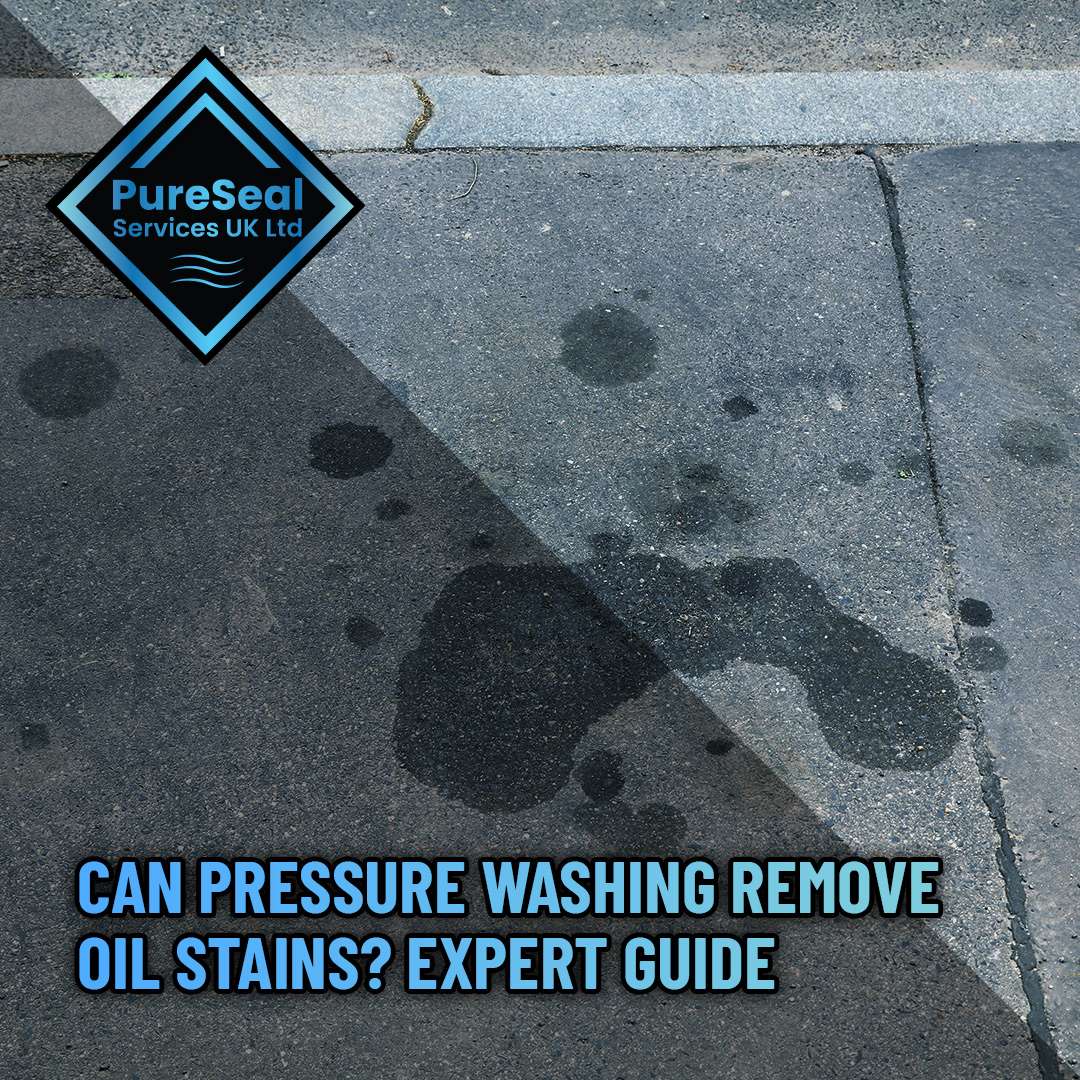
Oil stains are among the most stubborn and frustrating marks that can appear on driveways, patios, block paving and concrete surfaces. Whether caused by a leaking vehicle, spilled engine oil, hydraulic fluid or accidental drips during maintenance work, oil can quickly soak into porous surfaces and leave unsightly dark patches.
Many property owners assume that a pressure washer alone will completely remove oil staining. While pressure washing is an important part of the cleaning process, the reality is often more complex. The effectiveness of pressure washing depends on factors such as the age of the stain, the type of surface affected and whether specialist treatments are used alongside the cleaning process.
For homeowners and businesses seeking professional exterior cleaning services, Pure Seal Services provides specialist oil stain removal and pressure washing solutions designed to achieve the best possible results on a wide range of surfaces.
Why Oil Stains Are So Difficult to Remove
Unlike surface dirt or moss, oil behaves differently when it comes into contact with paving materials.
Most driveways and patios are constructed from porous materials that absorb liquids. When oil is spilled, it penetrates below the visible surface and becomes trapped within microscopic pores.
How Oil Penetrates Surfaces
Surface Type
Oil Absorption Level
Concrete
High
Block Paving
High
Sandstone
High
Tarmac
Moderate
Porcelain
Low
Granite
Low to Moderate
The deeper the oil penetrates, the harder it becomes to remove completely.
Fresh oil spills are generally easier to treat than stains that have been present for months or years.
Can Pressure Washing Remove Oil Stains?
The short answer is yes, pressure washing can help remove oil stains, but it is rarely a complete solution on its own.
Pressure washing excels at removing:
Surface dirt
Loose contamination
Grease residue
General grime
Surface-level staining
However, once oil has soaked into paving, pressure washing alone often cannot reach the contamination trapped beneath the surface.
Pressure Washing Performance
Stain Condition
Pressure Washing Effectiveness
Fresh Oil Spill
Very Good
Recent Stain (1–4 Weeks)
Good
Older Stain (Several Months)
Moderate
Deep Set Oil Stain
Limited Without Treatment
Historic Oil Staining
Variable
Professional contractors often combine pressure washing with specialist degreasers and oil-removal treatments to maximise results.
How Professional Oil Stain Removal Works
Removing oil stains successfully usually involves a multi-stage cleaning process.
Rather than relying solely on water pressure, experienced technicians use specialist cleaning products designed to break down and lift oil from deep within the surface.
At Pure Seal Services, oil stain removal treatments are selected according to the type of paving and the severity of contamination.
Typical Professional Process
Stage
Purpose
Inspection
Assess stain severity
Surface Preparation
Remove loose debris
Degreasing Treatment
Break down oil contamination
Dwell Time
Allow product penetration
Pressure Washing
Remove loosened contamination
Additional Treatments
Address remaining staining
Final Assessment
Evaluate results
This combination approach generally produces significantly better results than pressure washing alone.
Does Hot Water Pressure Washing Work Better?
Hot water pressure washing is often more effective than cold-water cleaning when dealing with oil and grease.
Heat helps soften oil deposits and allows cleaning agents to work more efficiently.
Benefits of Hot Water Cleaning
Faster breakdown of grease
Improved stain removal
Better penetration into porous surfaces
Reduced need for repeated cleaning
Many professional exterior cleaning specialists utilise commercial equipment capable of delivering high-temperature cleaning for challenging stains.
Oil Stains on Concrete
Concrete is one of the most common surfaces affected by oil contamination.
Its porous structure allows oil to penetrate deeply, making removal particularly challenging.
Common Sources of Oil Stains on Concrete
Source
Typical Location
Engine Oil
Driveways
Hydraulic Fluid
Commercial Premises
Motorcycle Leaks
Parking Areas
Power Steering Fluid
Domestic Driveways
Fuel Spills
Garages
Because concrete readily absorbs oil, prompt treatment usually results in the best outcome.
Oil Stains on Block Paving
Block paving presents unique challenges when compared to concrete.
Oil can seep into:
Individual blocks
Jointing sand
Surface pores
Sub-base materials
Cleaning Considerations
Factor
Importance
Type of Block
Influences treatment choice
Age of Stain
Affects removal success
Joint Condition
May require re-sanding
Surface Sealing
Can aid future protection
Following cleaning, re-sanding of joints is often necessary to restore stability and appearance.
Oil Stains on Natural Stone
Natural stone surfaces such as sandstone and limestone require additional care.
Aggressive cleaning methods can damage the stone while failing to remove the underlying contamination.
Suitable Treatments
Stone Type
Recommended Approach
Sandstone
Specialist degreasers and controlled pressure
Limestone
Gentle cleaning techniques
Granite
Pressure washing and degreasing
Slate
Surface-specific treatment
Professional assessment is essential to avoid causing damage during the cleaning process.
Fresh Oil Stains vs Old Oil Stains
The age of an oil stain significantly impacts the likelihood of successful removal.
Fresh Oil Stains
Fresh contamination remains closer to the surface and is generally easier to treat.
Benefits of early action include:
Reduced penetration
Faster removal
Lower treatment costs
Better overall results
Older Oil Stains
Older stains may have been exposed to:
Sunlight
Rain
Traffic
Oxidation
These factors can cause the oil to bond more firmly with the paving material.
Age of Stain
Removal Difficulty
Under 24 Hours
Low
1 Week
Moderate
1 Month
High
6 Months+
Very High
Even where complete removal is not possible, significant improvement can often be achieved.
The Role of Specialist Degreasers
Professional oil stain removal frequently relies on commercial-grade degreasing products.
These formulations are designed to:
Emulsify oil
Lift contamination
Break down grease deposits
Improve cleaning efficiency
Why Household Products Often Fall Short
Many DIY products lack the strength required to tackle deeply embedded oil contamination.
Product Type
Effectiveness
Washing Up Liquid
Limited
Household Degreasers
Moderate
Professional Treatments
High
Specialist Oil Removers
Very High
Professional-grade products can dramatically improve results when combined with pressure washing.
Can Oil Stains Be Removed Completely?
One of the most common questions homeowners ask is whether oil stains can be removed entirely.
The answer depends on several factors.
Factors Affecting Removal Success
Factor
Impact
Surface Type
Significant
Age of Stain
Significant
Depth of Penetration
Significant
Previous Cleaning Attempts
Moderate
Weather Exposure
Moderate
Treatment Method
Significant
In some cases, complete removal is achievable.
In others, particularly where stains are old and deeply embedded, the goal may be substantial improvement rather than total elimination.
An experienced contractor will provide realistic expectations before work begins.
Preventing Future Oil Stains
Once a surface has been professionally cleaned, prevention becomes a key consideration.
Practical Prevention Measures
Regular vehicle inspections
Prompt treatment of leaks
Use of drip trays
Routine cleaning
Surface sealing
These steps can reduce the risk of future contamination and help preserve the appearance of the paving.
Can Sealing Help Protect Against Oil Stains?
Sealing is one of the most effective ways to protect paving against future oil contamination.
A high-quality sealant creates a barrier that reduces liquid absorption.
Benefits of Sealing
Benefit
Advantage
Reduced Absorption
Oil remains closer to surface
Easier Cleaning
Faster spill removal
Improved Appearance
Enhanced colour and finish
Reduced Staining Risk
Long-term protection
Simplified Maintenance
Less ongoing cleaning required
Many customers who choose Pure Seal Services for oil stain removal also invest in sealing treatments to help protect their surfaces against future problems.
DIY Oil Stain Removal vs Professional Services
Some property owners attempt to remove oil stains themselves before considering professional assistance.
While DIY methods can be successful on fresh spills, older stains often require specialist expertise.
DIY Cleaning
Advantages
Disadvantages
Lower initial cost
Limited effectiveness
Readily available products
Greater risk of disappointment
Suitable for minor spills
Time-consuming
Convenient
May not reach deep contamination
Professional Cleaning
Advantages
Disadvantages
Specialist treatments
Higher investment
Commercial equipment
Requires scheduling
Better results
Premium pricing
Experienced assessment
—
For heavily stained driveways and patios, professional cleaning frequently delivers far superior outcomes.
Typical Oil Stain Removal Costs in the UK
Oil stain removal pricing varies depending on:
Surface type
Stain severity
Area size
Access requirements
Additional treatments
Sealing requirements
Typical Price Guide
Service
Typical Cost
Localised Oil Stain Treatment
£75–£200+
Driveway Oil Stain Removal
£250–£800+
Commercial Surface Cleaning
£500–£2,000+
Oil Stain Removal with Sealing
£600–£3,000+
Premium services typically sit towards the upper end of these ranges due to the use of professional-grade equipment, specialist chemicals, extensive preparation and a stronger focus on achieving the best possible restoration results.
Signs You Should Call a Professional
Certain situations usually warrant professional intervention.
Common Indicators
Sign
What It Suggests
Large Dark Patches
Deep contamination
Reappearing Stains
Oil remains below surface
Multiple Oil Leaks
Extensive treatment required
Failed DIY Attempts
Specialist products needed
Commercial Premises
Higher standards required
Professional assessment can determine the most effective treatment plan while reducing the risk of surface damage.
Why Professional Expertise Matters
Oil stain removal is rarely as simple as directing a pressure washer at the affected area. Different paving materials respond differently to cleaning treatments, and the wrong approach can leave stains largely unchanged or potentially damage the surface itself.
Professional contractors understand how to combine pressure washing, specialist degreasers, surface preparation and protective treatments to achieve the highest possible standard of restoration.
For homeowners and businesses looking to restore stained driveways, patios and hard surfaces, Pure Seal Services provides specialist oil stain removal, pressure washing and surface protection services tailored to the specific requirements of each property and paving type.
Common Myths About Pressure Washing and Oil Stains
There are several misconceptions surrounding oil stain removal, particularly when it comes to pressure washing. Understanding the facts can help homeowners make informed decisions and avoid wasting time and money on ineffective treatments.
Many people believe that the force of high-pressure water will blast oil out of any surface. While pressure washing is highly effective at removing surface contamination, it cannot always extract oil that has penetrated deep into porous paving materials.
In many cases, pressure washing improves the appearance of the stain without eliminating it entirely. This is why professional cleaning often combines pressure washing with specialist oil-removal products.
Myth 2: Stronger Pressure Means Better Results
Using excessive pressure can actually create additional problems.
Potential Issue
Result
Surface Etching
Permanent marks on paving
Joint Damage
Loss of pointing or jointing sand
Surface Wear
Reduced lifespan of paving
Uneven Cleaning
Patchy appearance
Professional operators understand how to adjust pressure levels according to the surface being treated, ensuring effective cleaning without unnecessary damage.
Myth 3: Oil Stains Eventually Wash Away Naturally
Although rainfall and weather exposure may fade the appearance of an oil stain over time, the contamination often remains trapped within the paving.
Without proper treatment, stains can persist for years and continue to affect the appearance of the driveway or patio.
Commercial Properties and Oil Stain Removal
Oil contamination is not limited to residential driveways. Commercial premises frequently experience oil and grease staining due to higher vehicle traffic and operational activities.
Examples include:
Car parks
Vehicle depots
Industrial estates
Forecourts
Loading bays
Workshops
Maintaining clean external surfaces helps create a positive impression for customers, staff and visitors.
Benefits of Professional Commercial Cleaning
Benefit
Business Impact
Improved Appearance
Enhances professional image
Reduced Slip Risks
Improves safety
Better Maintenance Standards
Supports property value
Easier Ongoing Cleaning
Lower long-term maintenance burden
Businesses often choose specialist contractors such as Pure Seal Services to ensure cleaning is completed efficiently and to a consistently high standard.
How Weather Affects Oil Stains
The British climate can influence both the appearance of oil stains and the effectiveness of cleaning treatments.
Rainfall
Rainwater can spread oil residue across a larger surface area, causing stains to appear wider than the original spill.
Sunlight
Ultraviolet exposure gradually oxidises oil deposits, causing them to bond more firmly with the paving material.
Freezing Temperatures
Winter conditions may make cleaning more challenging, particularly if surfaces remain damp or frozen for extended periods.
Because of these factors, early treatment is generally recommended whenever an oil spill occurs.
Maintaining a Clean Driveway After Treatment
Once oil stains have been professionally treated, regular maintenance can help keep the surface looking its best.
Recommended Maintenance Tasks
Task
Suggested Frequency
Sweep Surface
Weekly
Check for Vehicle Leaks
Monthly
Wash Down Surface
Every Few Months
Remove New Spills Promptly
Immediately
Professional Inspection
Annually
Addressing small spills quickly can prevent them from developing into larger and more difficult stains.
Additional Benefits of Professional Surface Cleaning
Many property owners initially focus on stain removal, but professional cleaning often delivers a range of additional benefits.
These can include:
Improved kerb appeal
Brighter paving colours
Removal of algae and moss
Reduced slip hazards
Enhanced property presentation
Preparation for sealing treatments
When oil stains are removed as part of a wider driveway or patio restoration project, the overall transformation can be significant.
When Multiple Treatments May Be Required
Deeply embedded oil stains sometimes require more than one cleaning visit.
This is particularly common where:
The stain is several years old
The surface is highly porous
Previous DIY treatments have failed
Large quantities of oil have been spilled
In these situations, a staged approach often produces the best outcome. Professional contractors can assess the progress after each treatment and determine whether additional applications are likely to achieve further improvements.
Property owners who invest in specialist cleaning from Pure Seal Services benefit from a tailored approach that takes into account the age of the stain, the paving material involved and the desired level of restoration. This helps ensure that every surface receives the most appropriate treatment while maximising the potential for successful oil stain removal and long-term surface protection.

 Artificial and Sports Surfaces
 Awnings / Canopies / Gazebos
 Block Paving
 Brickwork
 Composite Surfaces
 Decking / Timber
 Granite
 Imprinted Concrete
 Internal Masonry
 Limestone
 Marble
 Metal Cladding
 Polished or Honed Stone
 Porcelain
 Render
 Resin Bond
 Road and Rail Signs
 Roof Tiles / Slates
 Sandstone
 Slate
Slate Solar Panels and Glass
 Stone Sills and Pier Caps
 Tarmac and Asphalt
 Gutters & UPVC
 Acid Damage
 Biofilm
 Bitumen
 Blood
Blood Carbon
 Concrete / Grout / Mortar
 Copper Oxide
 Efflorescence
 Egg
Egg Failed Sealer
 Fire Damage
 Fuel / Oil
 Graffiti
 Grease / Fat / Cooking Oil
 Lawn Fertiliser
 Lead Carbonate
 Lead Oxide
 Paint Splashes
 Rust
Rust Tar & Glue
 Tannin Removers
 Traffic Film Removers
 Trapped Moisture / Sealer Repairs
 Urine Neutralisers