Tarmac driveways are a popular choice across the UK for good reason. They are durable, cost-effective to install, and provide a clean, smooth finish that suits both modern and traditional properties. However, while tarmac is resilient, it is not maintenance-free. Over time, exposure to weather, oil spills, moss, algae, and general wear can leave it looking tired and worn.
Unlike block paving or concrete, tarmac is slightly porous and softer in structure. This means it requires a more careful approach when cleaning. Using the wrong techniques or excessive pressure can cause permanent damage, leading to cracks, pitting, or surface erosion.
Proper cleaning not only improves appearance but also extends the lifespan of the driveway, helping homeowners avoid costly repairs or premature replacement.
Why Regular Cleaning Matters
Neglecting a tarmac driveway leads to more than just cosmetic issues. Dirt and organic growth can slowly break down the surface, especially during colder months when moisture freezes and expands.
Common Issues Caused by Poor Maintenance
Issue
Cause
Impact on Driveway
Moss and algae growth
Damp conditions and shade
Slippery surface and gradual deterioration
Oil stains
Vehicle leaks
Deep staining and weakening of surface
Dirt build-up
Lack of cleaning
Dull, aged appearance
Weed growth
Cracks and edges
Structural damage over time
Fading colour
UV exposure
Loss of visual appeal
Regular cleaning helps prevent these issues from escalating and keeps the driveway looking well-maintained.
The Best Time to Clean a Tarmac Driveway
Timing plays a bigger role than most people realise. Cleaning under the wrong conditions can reduce effectiveness or even damage the surface.
Ideal Conditions
Mild, dry weather
Temperature between 10°C and 20°C
No immediate rain forecast
Surface completely dry before treatment
Cleaning during warmer months, particularly spring and early autumn, tends to produce the best results. Winter cleaning is not recommended due to moisture retention and freezing risks.
Step-by-Step Process for Cleaning Tarmac Driveways
Cleaning tarmac properly requires a structured approach. Skipping steps or rushing the process often leads to poor results.
Initial Inspection
Before starting, the driveway should be assessed for:
Cracks or weak areas
Heavy staining
Moss or algae coverage
Drainage issues
This determines the safest cleaning method.
Surface Preparation
Preparation is essential for effective cleaning.
Remove loose debris such as leaves and dirt
Sweep the entire surface thoroughly
Treat visible weeds with a suitable solution
Allow time for weed killer to take effect
Applying a Cleaning Solution
A specialised cleaning solution is applied to break down dirt, oil, and organic growth. Standard household detergents are not suitable, as they often lack the strength needed and may damage the surface.
Professional-grade treatments penetrate the tarmac, lifting contaminants without harming the material.
Gentle Pressure Washing
This is where many homeowners go wrong. High-pressure washing can strip the surface and cause irreversible damage.
A controlled, low-pressure wash is used instead. The aim is to rinse away contaminants without disturbing the structure of the tarmac.
Pressure Guidelines
Surface Condition
Recommended Pressure
Light dirt
50–100 bar
Moderate staining
100–150 bar
Heavy contamination
Specialist treatment required
Stain Treatment
Oil and tyre marks often require targeted treatment. These stains penetrate deeply and cannot always be removed with standard cleaning alone.
Professional solutions are used to draw out the oils, improving the overall finish without discolouration.
Rinsing and Drying
After cleaning, the driveway must be thoroughly rinsed to remove any residue. It is then left to dry completely before any further treatment.
Drying time varies depending on weather conditions but typically takes between 24 and 48 hours.
The Importance of Sealing Tarmac
Cleaning alone is only part of the process. Sealing is what protects the driveway and enhances its appearance long-term.
A high-quality sealant restores the rich black finish of tarmac and creates a protective barrier against:
Water penetration
Oil spills
UV damage
Moss and algae regrowth
Benefits of Sealing
Benefit
Description
Enhanced appearance
Restores colour and gives a fresh finish
Increased lifespan
Protects against wear and weather
Easier maintenance
Prevents dirt from embedding
Cost savings
Reduces need for repairs
Professional vs DIY Cleaning
Many homeowners consider cleaning their driveway themselves. While this can be effective for light maintenance, it often falls short when dealing with deeper issues.
Comparison Table
Factor
DIY Cleaning
Professional Cleaning
Equipment quality
Limited
Industrial-grade
Cleaning results
Surface-level
Deep, long-lasting
Risk of damage
High if inexperienced
Minimal
Time required
High
Efficient
Sealant application
Rarely included
Included as standard
DIY methods often miss underlying issues, which means problems return quickly.
Why Choose Pureseal Services
When it comes to cleaning and restoring tarmac driveways, Pureseal Services focuses on delivering a premium finish rather than competing on price.
Their process is tailored to each driveway, ensuring the correct pressure, treatments, and sealing methods are used. This attention to detail is what separates a basic clean from a full restoration.
What Sets Pureseal Services Apart
Advanced cleaning systems designed specifically for tarmac
Professional-grade sealants for long-term protection
Experienced technicians who understand surface limitations
Consistent, high-end results
Rather than offering quick, low-cost cleans, the emphasis is on durability and quality.
Typical Costs for Tarmac Driveway Cleaning
Pricing can vary depending on the size of the driveway, its condition, and whether sealing is included.
Average Price Guide
Service Type
Estimated Cost (UK £)
Basic clean (small driveway)
£150 – £250
Deep clean with treatment
£250 – £450
Full clean and seal
£450 – £900+
Large driveway restoration
£900 – £1,500+
Pureseal Services typically operates at the higher end of this scale due to the quality of materials and the thoroughness of their work.
Common Mistakes to Avoid
Cleaning tarmac may seem straightforward, but several common mistakes can cause long-term damage.
High Pressure Washing
Using excessive pressure is one of the most damaging errors. It strips away the binding agents in the tarmac, leading to a rough, weakened surface.
Using Harsh Chemicals
Some cleaning products contain acids or solvents that degrade the surface. Only specialised, tarmac-safe solutions should be used.
Ignoring Small Repairs
Cracks and minor damage should be addressed before cleaning. Water penetration during cleaning can worsen these issues.
Skipping Sealing
Cleaning without sealing leaves the surface exposed, meaning dirt and moisture will quickly return.
Maintenance Tips After Cleaning
Keeping a tarmac driveway in good condition does not require constant effort, but regular care makes a noticeable difference.
Simple Maintenance Routine
Sweep regularly to remove debris
Clean minor spills immediately
Trim surrounding plants to reduce shade and moisture
Apply moss treatment annually if needed
Recommended Maintenance Schedule
Task
Frequency
Sweeping
Weekly
Light cleaning
Every 3–6 months
Moss treatment
Annually
Resealing
Every 2–4 years
Weather Impact on Tarmac Driveways
The UK climate plays a significant role in driveway wear. Rain, frost, and temperature fluctuations all contribute to deterioration.
Seasonal Effects
Season
Impact
Winter
Freeze-thaw cycles cause cracks
Spring
Increased moss and algae growth
Summer
UV exposure leads to fading
Autumn
Leaf build-up causes staining
Regular cleaning helps counteract these seasonal effects.
Signs Your Driveway Needs Cleaning
It is not always obvious when a driveway needs attention. Some signs are subtle but indicate deeper issues.
Key Indicators
Surface appears dull or grey
Slippery areas after rain
Visible moss or algae patches
Oil stains that do not fade
Small cracks becoming more noticeable
Addressing these early prevents more extensive damage.
The Long-Term Value of Professional Cleaning
While professional cleaning may seem like a higher upfront investment, it often proves more cost-effective over time.
A well-maintained tarmac driveway can last significantly longer than one that is neglected. Regular cleaning and sealing reduce the likelihood of:
Major repairs
Resurfacing
Complete replacement
Given the cost of replacing a driveway can run into several thousand pounds, proper maintenance becomes a practical decision rather than a luxury.
Tarmac vs Other Driveway Surfaces
Understanding how tarmac compares to other materials highlights why its cleaning approach must be different.
Comparison Table
Surface Type
Durability
Maintenance
Cleaning Difficulty
Tarmac
High
Moderate
Medium
Block paving
High
High
High
Concrete
Very high
Low
Low
Gravel
Medium
High
Low
Tarmac sits in the middle, offering durability but requiring careful maintenance to retain its appearance.
How Often Should You Use Professional Services
The frequency of professional cleaning depends on usage and environmental factors.
Recommended Intervals
Light use, low exposure: every 2–3 years
Moderate use: every 1–2 years
Heavy use or shaded areas: annually
Properties surrounded by trees or with poor drainage may require more frequent attention.
The Role of Drainage
Drainage is often overlooked but plays a major role in driveway condition.
Poor drainage leads to standing water, which accelerates moss growth and weakens the surface.
Drainage Issues to Watch For
Puddles forming after rain
Water flowing towards the property
Soft or spongy areas in the tarmac
Addressing these issues improves both cleaning results and long-term durability.
Oil and Chemical Stains
Driveways are particularly vulnerable to vehicle-related stains. Oil, brake fluid, and fuel can all penetrate the surface.
Stain Removal Effectiveness
Stain Type
Removal Difficulty
Mud and dirt
Easy
Moss and algae
Moderate
Oil stains
Difficult
Paint or chemicals
Very difficult
Professional cleaning significantly improves removal rates, although some deep stains may leave slight discolouration.
Safety Considerations
Cleaning a driveway involves more than just aesthetics. Safety is a key factor.
Slippery surfaces caused by algae and moss increase the risk of falls, particularly in wet conditions. Proper cleaning restores grip and reduces hazards.
Environmental Considerations
Modern cleaning methods aim to minimise environmental impact while maintaining effectiveness.
This includes:
Controlled water usage
Biodegradable cleaning solutions
Responsible waste management
Professional services are better equipped to meet these standards compared to DIY approaches.
Restoring the Appearance of Aged Tarmac
Older driveways often look beyond repair, but in many cases, a full clean and seal can dramatically improve their appearance.
The sealing process darkens the surface, evens out colour variations, and gives the driveway a refreshed look without the need for replacement.
This is particularly beneficial for properties preparing for sale or simply wanting to improve kerb appeal.
Commercial vs Residential Driveways
Cleaning requirements differ between domestic and commercial properties.
Key Differences
Factor
Residential
Commercial
Traffic levels
Low to moderate
High
Stain frequency
Occasional
Frequent
Cleaning frequency
Every 1–3 years
Regular maintenance required
Surface wear
Gradual
Accelerated
Commercial spaces often require more frequent and intensive cleaning due to heavier usage.
Understanding Tarmac Driveways
Tarmac driveways are widely used across the UK thanks to their durability, smooth finish, and relatively straightforward installation. They suit a range of properties, from modern new builds to older homes, and can handle regular vehicle traffic without major issues. However, while tarmac is robust, it is not immune to wear and tear.
Over time, exposure to the elements, oil spills, dirt, and organic growth such as moss and algae can cause the surface to deteriorate. Without proper care, a once clean and deep-black driveway can become faded, patchy, and even hazardous underfoot.
Unlike harder surfaces such as concrete, tarmac is slightly softer and more porous. This means cleaning needs to be done carefully to avoid damaging the surface while still achieving a deep and lasting result.
Why Cleaning Tarmac Properly Matters
A neglected driveway is not just an aesthetic issue. Dirt and organic growth can gradually weaken the surface, especially when combined with the UK’s damp climate.
Common Problems from Poor Maintenance
Issue
Cause
Effect
Moss and algae
Damp, shaded conditions
Slippery and unsafe surface
Oil stains
Vehicle leaks
Permanent dark patches
Dirt build-up
Lack of cleaning
Dull, worn appearance
Weed growth
Cracks and edges
Structural damage over time
Regular and correct cleaning prevents these issues from developing into more serious and costly problems.
The Best Method to Clean a Tarmac Driveway
Cleaning tarmac is not about blasting it with high pressure and hoping for the best. The process needs to be controlled and suited to the material.
Inspection First
Every effective clean starts with a proper inspection. This involves identifying:
Cracks or weak spots
Areas with heavy staining
Moss or algae build-up
Drainage concerns
This step ensures the correct cleaning approach is used without risking damage.
Preparation of the Surface
Before any washing begins, the driveway should be properly prepared:
Sweep away loose debris
Remove leaves and dirt
Treat weeds in cracks or edges
Allow weed treatments time to work
Preparation helps the cleaning process work more effectively and prevents unnecessary mess.
Applying a Specialist Cleaning Solution
Tarmac should never be cleaned with generic household products. These can either be too weak to work properly or too harsh and damaging.
Professional-grade cleaning solutions are designed to:
Break down dirt and grime
Remove organic growth
Loosen oil-based contaminants
These treatments soak into the surface and lift dirt without harming the tarmac.
Controlled Pressure Washing
Pressure washing is often misunderstood when it comes to tarmac. Using too much force can strip away the top layer, leaving the surface rough and permanently damaged.
Instead, a controlled and low-pressure approach is used.
Recommended Pressure Levels
Condition
Pressure Range
Light dirt
50–100 bar
General cleaning
100–150 bar
Heavy staining
Specialist treatment required
The goal is to rinse and clean, not to erode the surface.
Dealing with Stubborn Stains
Oil stains are one of the biggest challenges for tarmac driveways. These penetrate deep into the material and cannot always be removed with standard cleaning alone.
Specialist treatments are applied to draw out the oil and improve the overall appearance. While complete removal is not always possible, professional methods can significantly reduce visibility.
Rinsing and Drying
Once cleaning is complete, the surface must be thoroughly rinsed to remove any residue. The driveway is then left to dry completely, which usually takes between 24 and 48 hours depending on weather conditions.
Proper drying is essential before any further treatment, particularly sealing.
Why Sealing is Essential
Cleaning alone improves the look of a driveway, but sealing is what protects it long-term.
A high-quality sealant restores the deep black finish of tarmac and forms a protective barrier against future damage.
Key Benefits of Sealing
Benefit
Description
Restores colour
Revives faded surfaces
Protects from water
Reduces moisture penetration
Prevents staining
Slows oil absorption
Reduces maintenance
Keeps surface cleaner for longer
Without sealing, the driveway will quickly begin to deteriorate again after cleaning.
Professional vs DIY Cleaning
Many homeowners attempt to clean their driveway themselves, often using rented pressure washers or shop-bought chemicals. While this can work for light dirt, it rarely delivers long-lasting results.
Comparison
Factor
DIY
Professional
Equipment
Basic
Industrial-grade
Results
Short-term
Long-lasting
Risk of damage
High
Low
Time required
Significant
Efficient
DIY cleaning also carries a higher risk of causing damage, especially when incorrect pressure or unsuitable chemicals are used.
Why Pureseal Services Stands Out
Pureseal Services focuses on delivering a high-quality finish rather than competing on low pricing. Their approach is centred on long-term results and proper surface care.
Each driveway is treated individually, with the correct cleaning methods, pressure levels, and sealing products chosen based on its condition.
What You Can Expect
Specialist cleaning tailored for tarmac surfaces
Careful pressure control to avoid damage
Premium sealants for lasting protection
A consistent, high-end finish
This level of service places Pureseal Services towards the higher end of the pricing scale, reflecting the quality of materials and workmanship involved.
Typical Costs in the UK
The cost of cleaning a tarmac driveway depends on its size, condition, and whether sealing is included.
Average Pricing Guide
Service
Price Range
Basic clean
£150 – £250
Deep clean
£250 – £450
Clean and seal
£450 – £900+
Large or heavily soiled areas
£900 – £1,500+
Pureseal Services generally operates within the upper end of these ranges, focusing on delivering a premium result rather than a quick, low-cost clean.
Common Mistakes to Avoid
Cleaning tarmac incorrectly can do more harm than good. Some of the most common mistakes include:
Using Too Much Pressure
High-pressure washing can strip away the top layer of tarmac, leading to permanent damage and a rough finish.
Using the Wrong Chemicals
Harsh or acidic products can break down the surface and cause discolouration.
Ignoring Repairs
Cleaning over cracks without addressing them first allows water to seep in, making the problem worse.
Skipping Sealing
Failing to seal the driveway leaves it exposed to the elements, meaning dirt and damage will return much quicker.
Ongoing Maintenance Tips
Once a driveway has been properly cleaned and sealed, keeping it in good condition becomes much easier.
Simple Maintenance Routine
Sweep regularly to remove debris
Clean spills as soon as possible
Keep surrounding areas tidy to reduce moss growth
Suggested Maintenance Schedule
Task
Frequency
Sweeping
Weekly
Light wash
Every 3–6 months
Moss treatment
Once a year
Resealing
Every 2–4 years
Regular maintenance helps preserve both the appearance and durability of the surface.
Weather and Its Impact
The UK climate plays a major role in how quickly a tarmac driveway deteriorates.
Seasonal Effects
Season
Impact
Winter
Freeze-thaw damage
Spring
Moss and algae growth
Summer
Fading from UV exposure
Autumn
Leaf staining and moisture
Understanding these factors helps in planning cleaning and maintenance at the right time of year.
Signs Your Driveway Needs Attention
It is not always obvious when a driveway needs cleaning, but there are clear indicators to look out for:
Faded or grey appearance
Slippery patches when wet
Visible moss or algae
Persistent stains
Small cracks becoming more noticeable
Addressing these early prevents more serious damage and keeps the driveway looking its best.
Final Conclusion
A well-maintained tarmac driveway comes down to using the right methods at the right time, rather than simply cleaning it occasionally when it starts to look tired. The surface responds best to a controlled approach that removes dirt, tackles organic growth, and avoids anything too aggressive that could weaken the material.
Regular upkeep makes a noticeable difference, but the real change happens when cleaning is done properly and followed with sealing. That combination restores the surface, protects it from weather and staining, and slows down the natural ageing process that tarmac goes through in the UK climate.
Choosing a professional approach also helps avoid the common mistakes that often shorten the life of a driveway, such as excessive pressure washing or unsuitable cleaning products. With the right treatment, even older or heavily weathered surfaces can be brought back to a much better condition.
For homeowners who want a longer-lasting finish and a more consistent result, Pureseal Services provides a higher-end, detail-focused approach that prioritises protection as much as appearance.

 Artificial and Sports Surfaces
 Awnings / Canopies / Gazebos
 Block Paving
 Brickwork
 Composite Surfaces
 Decking / Timber
 Granite
 Imprinted Concrete
 Internal Masonry
 Limestone
 Marble
 Metal Cladding
 Polished or Honed Stone
 Porcelain
 Render
 Resin Bond
 Road and Rail Signs
 Roof Tiles / Slates
 Sandstone
 Slate
Slate Solar Panels and Glass
 Stone Sills and Pier Caps
 Tarmac and Asphalt
 Gutters & UPVC
 Acid Damage
 Biofilm
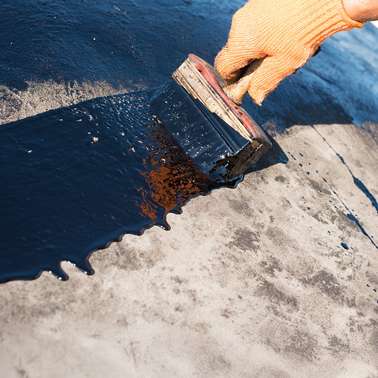 Bitumen
 Blood
Blood Carbon
 Concrete / Grout / Mortar
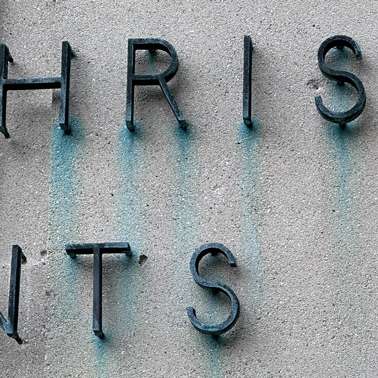 Copper Oxide
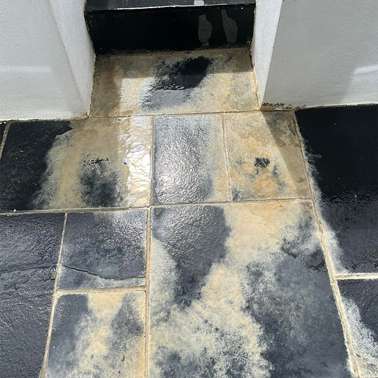 Efflorescence
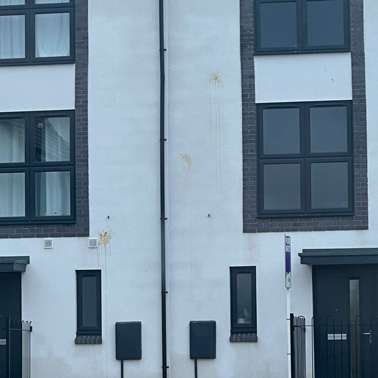 Egg
Egg Failed Sealer
 Fire Damage
 Fuel / Oil
 Graffiti
 Grease / Fat / Cooking Oil
 Lawn Fertiliser
 Lead Carbonate
 Lead Oxide
 Paint Splashes
 Rust
Rust Tar & Glue
 Tannin Removers
 Traffic Film Removers
 Trapped Moisture / Sealer Repairs
 Urine Neutralisers