The Best Time to Clean Your Driveway in the UK (Seasonal Guide)
Your driveway is one of the hardest-working surfaces around your property. It withstands constant vehicle traffic, footfall, changing weather conditions and exposure to dirt, algae, moss, weeds and stains throughout the year. While many homeowners only consider cleaning their driveway when it begins to look unsightly, timing can play a significant role in both the effectiveness of the cleaning process and the longevity of the results.
The UK’s climate presents unique challenges for driveway maintenance. Frequent rainfall, damp conditions and seasonal temperature changes create ideal conditions for biological growth and surface contamination. Understanding when to schedule professional driveway cleaning can help maintain kerb appeal, improve safety and protect your investment.
At Pure Seal Services, driveway cleaning is tailored to the season, weather conditions and specific surface type to achieve the best possible results for block paving, concrete, resin-bound driveways and natural stone surfaces.
Why Timing Matters When Cleaning a Driveway
Many homeowners assume driveway cleaning can be carried out at any time of year with identical results. While professional cleaning can be performed throughout the year, certain seasons offer advantages depending on the condition of the driveway and the objectives of the cleaning process.
The timing of cleaning can affect:
Choosing the right time can maximise the value of professional driveway cleaning and improve the overall outcome.
Understanding Seasonal Challenges for UK Driveways
Each season brings different problems that affect the appearance and condition of driveway surfaces.
Common Year-Round Issues
Regardless of the season, driveways are exposed to:
Vehicle traffic.
Dirt and dust.
Oil stains.
Tyre marks.
Airborne pollutants.
Organic debris.
However, weather conditions influence how quickly contamination develops and how severe it becomes.
Season
Typical Driveway Problems
Spring
Moss, algae and winter debris.
Summer
Dust, staining and heavy usage.
Autumn
Leaves, moisture and organic build-up.
Winter
Frost, algae growth and surface dampness.
Understanding these seasonal factors can help determine the ideal cleaning schedule.
Spring: One of the Best Times to Clean Your Driveway
For many UK homeowners, spring is often considered the ideal season for professional driveway cleaning.
Following months of wet and cold weather, driveways frequently emerge from winter covered in moss, algae, dirt and accumulated debris.
Removing Winter Contamination
Winter conditions create the perfect environment for biological growth.
During the colder months, driveways often experience:
Persistent dampness.
Reduced sunlight.
Accumulation of dirt.
Increased algae growth.
Moss development.
A professional spring clean removes these contaminants and restores the appearance of the surface.
Improving Kerb Appeal for the Warmer Months
As homeowners begin spending more time outdoors during spring and summer, exterior appearance often becomes a greater priority.
A freshly cleaned driveway can:
Benefit
Description
Enhance Appearance
Creates a cleaner overall look.
Improve Safety
Removes slippery growth.
Prepare for Entertaining
Enhances outdoor spaces.
Increase Pride in Property
Improves first impressions.
Spring cleaning also prepares the driveway for any protective treatments that may follow.
Spring Weed Prevention
Early spring is an excellent time to tackle weeds before they become fully established.
Professional cleaning can help:
Remove existing weeds.
Clear joint debris.
Prepare block paving for re-sanding.
Reduce opportunities for regrowth.
This proactive approach often reduces maintenance requirements during summer.
Summer Driveway Cleaning
Summer provides favourable conditions for many forms of exterior cleaning.
Longer daylight hours and warmer temperatures can help surfaces dry more quickly after cleaning.
Faster Drying Times
One of the main benefits of summer cleaning is improved drying conditions.
Advantages include:
Summer Benefit
Impact
Higher Temperatures
Faster evaporation.
Longer Days
Extended working windows.
Reduced Rainfall
Less interruption.
Improved Conditions for Sealing
Better curing performance.
These conditions can be particularly beneficial when protective sealants are being applied after cleaning.
Preparing for Outdoor Events
Summer is often the busiest season for social gatherings and outdoor entertaining.
A clean driveway contributes to:
Better kerb appeal.
Improved property presentation.
Cleaner access routes.
A more welcoming environment.
Properties hosting events, celebrations or family gatherings often benefit from professional cleaning beforehand.
Addressing Summer Stains
While biological growth may reduce slightly during prolonged dry periods, summer can introduce different forms of contamination.
Common summer driveway stains include:
Barbecue grease.
Vehicle fluid leaks.
Plant debris.
Dust accumulation.
Professional pressure washing helps remove these contaminants before they become deeply embedded.
Autumn Driveway Cleaning
Autumn presents unique challenges for driveway maintenance across the UK.
Falling leaves and increased rainfall create ideal conditions for staining and organic growth.
Leaf Staining and Organic Build-Up
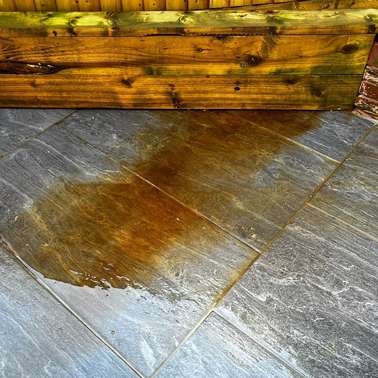
Leaves left on driveways can cause significant discolouration.
As they decompose, they release tannins that stain many surfaces.
Common autumn issues include:
Autumn Problem
Effect
Fallen Leaves
Surface staining.
Damp Conditions
Moss development.
Organic Debris
Dirt accumulation.
Reduced Sunlight
Slower drying.
Cleaning during autumn helps remove contaminants before winter arrives.
Preparing for Winter
An autumn clean can be highly beneficial because it removes debris that may contribute to problems during colder months.
Benefits include:
Improved drainage.
Reduced moss growth.
Cleaner surfaces.
Lower moisture retention.
This preventative approach can help reduce winter maintenance requirements.
Winter Driveway Cleaning
Many homeowners assume winter is unsuitable for driveway cleaning, but this is not always the case.
Professional cleaning can still be carried out during suitable weather conditions.
Winter Cleaning Advantages
Cleaning during winter may be appropriate when:
Algae growth becomes excessive.
Surfaces become slippery.
Safety concerns arise.
Property appearance deteriorates significantly.
A professional assessment helps determine whether conditions are suitable.
Challenges of Winter Cleaning
Winter weather can present difficulties including:
Winter Challenge
Impact
Frost
Limits cleaning opportunities.
Heavy Rain
Slower drying.
Low Temperatures
Reduced effectiveness of some treatments.
Shorter Days
Reduced working time.
Experienced professionals carefully monitor weather conditions before carrying out cleaning work.
Which Season Is Best for Different Driveway Types?
Different driveway materials can benefit from cleaning at different times of year.
Block Paving
Block paving is highly susceptible to:
Weed growth.
Moss accumulation.
Sand loss.
Organic staining.
Spring and early summer are often ideal for cleaning because they allow sufficient time for re-sanding and optional sealing.
Block Paving Cleaning Benefits
Best Time
Weed Removal
Spring
Re-Sanding
Spring/Summer
Sealing
Summer
Moss Control
Spring
Concrete Driveways
Concrete can generally be cleaned effectively throughout much of the year.
However, spring and summer often provide the best conditions.
Benefits include:
Faster drying.
Easier stain treatment.
Improved sealing conditions.
Resin-Bound Driveways
Resin-bound surfaces require a more delicate approach.
Cleaning is often most effective during:
Spring.
Early summer.
Mild autumn periods.
These conditions allow contaminants to be removed without prolonged moisture retention.
Signs Your Driveway Needs Cleaning Regardless of Season
Although seasonal timing is important, certain indicators suggest cleaning should not be delayed.
Watch for:
Green algae growth.
Black spot lichen.
Weed emergence.
Moss patches.
Slippery surfaces.
Heavy staining.
General discolouration.
These issues can worsen if left untreated.
Safety Considerations
A dirty driveway is not merely an aesthetic issue.
Contamination can create genuine safety hazards.
Hazard
Potential Risk
Moss
Slips and falls.
Algae
Reduced grip in wet conditions.
Weeds
Uneven surfaces.
Debris
Trip hazards.
Prompt cleaning helps maintain a safer environment throughout the year.
How Often Should UK Driveways Be Professionally Cleaned?
The ideal cleaning frequency varies depending on environmental factors.
Properties surrounded by trees or located in shaded areas often require more regular maintenance.
Property Type
Suggested Cleaning Frequency
Heavily Shaded
Every 12 Months
Near Trees
Every 12 Months
Average Residential Property
Every 12–24 Months
Recently Sealed Driveway
Every 18–24 Months
Regular cleaning helps prevent contamination from becoming deeply embedded and more difficult to remove.
The Role of Driveway Sealing After Cleaning
Many homeowners choose to have their driveway sealed following professional cleaning.
The timing of sealing is closely linked to seasonal conditions.
Why Sealing Works Best During Warmer Periods
Dry and relatively mild conditions provide the best environment for sealant application.
Benefits of sealing include:
Sealing Benefit
Advantage
Stain Resistance
Reduced absorption of contaminants.
Water Protection
Limits moisture penetration.
Easier Maintenance
Simplifies future cleaning.
Enhanced Appearance
Improves surface finish.
Because sealing requires appropriate weather conditions, spring and summer are often preferred.
Professional Driveway Cleaning Costs Throughout the Year
Pricing for driveway cleaning may vary depending on:
Surface type.
Driveway size.
Degree of contamination.
Access requirements.
Seasonal demand.
Additional treatments.
Homeowners seeking premium workmanship, specialist equipment and exceptional attention to detail should expect to invest more than the lowest-priced alternatives on the market. Higher-end driveway cleaning services focus on delivering superior results, protecting the surface and providing long-term value rather than simply competing on cost.
For larger driveways, professional cleaning projects can range from several hundred pounds to well over £1,000 depending on size, condition and any additional treatments required. Quality-focused providers invest heavily in commercial-grade equipment, specialist cleaning products and experienced technicians to achieve outstanding outcomes.
Driveways that receive regular seasonal attention often remain cleaner, safer and more attractive throughout the year.
A planned maintenance schedule allows homeowners to:
Prevent severe contamination.
Reduce weed growth.
Improve safety.
Protect the driveway surface.
Maintain kerb appeal.
Extend surface lifespan.
By understanding how each season affects driveway condition, property owners can make informed decisions about when to schedule professional cleaning and achieve the best possible results for their investment.
Seasonal Driveway Maintenance Checklist
For homeowners looking to keep their driveway in top condition throughout the year, following a seasonal maintenance routine can help prevent excessive contamination between professional cleaning appointments.
Season
Recommended Actions
Spring
Remove winter debris and schedule professional cleaning.
Summer
Monitor for stains and maintain surface cleanliness.
Autumn
Clear leaves regularly and inspect drainage areas.
Winter
Watch for algae growth and slippery conditions.
Regular inspections help identify developing problems before they become costly or difficult to resolve.
How Seasonal Conditions Affect Different Types of Driveway Surfaces
Not all driveways respond to the changing seasons in the same way. The material used can significantly influence how quickly contamination develops, how often cleaning is required and which time of year is most suitable for maintenance.
Understanding the seasonal behaviour of different driveway materials helps homeowners make informed decisions when planning professional cleaning services.
Block Paving Throughout the Seasons
Block paving is one of the most common driveway surfaces in the UK, but it is also one of the most vulnerable to seasonal contamination.
The joints between paving blocks create ideal conditions for:
Weed growth.
Moss development.
Dirt accumulation.
Organic debris retention.
During spring and autumn, moisture levels often encourage rapid biological growth between joints, making these seasons particularly important for maintenance.
Season
Impact on Block Paving
Spring
Moss and weeds begin growing rapidly.
Summer
Joint sand can become dry and displaced.
Autumn
Leaves accumulate between joints.
Winter
Damp conditions encourage algae growth.
Professional cleaning followed by re-sanding helps maintain both appearance and structural stability.
Concrete Driveways and Seasonal Weather
Concrete is highly durable but remains susceptible to staining and biological contamination throughout the year.
One advantage of concrete is its ability to withstand professional pressure washing effectively when appropriate techniques are used.
However, seasonal weather can still affect its appearance.
Common issues include:
Green algae during damp periods.
Black spot lichen.
Oil staining.
Surface discolouration.
Concrete driveways often benefit from spring cleaning because winter contaminants can become deeply embedded during prolonged periods of wet weather.
Resin-Bound Driveways and Seasonal Maintenance
Resin-bound driveways are generally lower maintenance than block paving but still require regular care.
Although weeds are less common, resin surfaces may still develop:
Algae growth.
Surface staining.
Dirt accumulation.
Organic debris build-up.
Because resin-bound surfaces rely on permeability for effective drainage, keeping them free from debris is especially important.
Resin Driveway Issue
Most Common Season
Algae Growth
Winter and Spring
Surface Dirt
Summer
Leaf Debris
Autumn
General Contamination
Year-Round
Professional cleaning helps preserve both the appearance and drainage performance of resin-bound systems.
Creating an Annual Driveway Maintenance Plan
Rather than waiting until contamination becomes severe, many homeowners benefit from following a planned annual maintenance schedule.
A structured approach can help reduce long-term cleaning costs while maintaining a consistently attractive appearance.
An example maintenance programme might include:
Time of Year
Maintenance Action
Early Spring
Professional cleaning and inspection.
Summer
Spot cleaning and stain monitoring.
Early Autumn
Leaf removal and drainage checks.
Winter
Monitoring for algae and slip hazards.
Properties located near trees, woodland areas or heavily shaded environments may require more frequent attention due to increased organic contamination.
A proactive approach allows homeowners to address issues before they become visually significant or create safety concerns. Regular seasonal maintenance also helps maximise the effectiveness of professional cleaning services, ensuring driveways remain cleaner, brighter and more presentable throughout the year.
For homeowners investing in premium driveway care, scheduling cleaning around seasonal conditions is often one of the most effective ways to protect the surface, maintain kerb appeal and achieve the best possible long-term results from professional cleaning and maintenance services provided by Pure Seal Services.


 Artificial and Sports Surfaces
 Awnings / Canopies / Gazebos
 Block Paving
 Brickwork
 Composite Surfaces
 Decking / Timber
 Granite
 Imprinted Concrete
 Internal Masonry
 Limestone
 Marble
 Metal Cladding
 Polished or Honed Stone
 Porcelain
 Render
 Resin Bond
 Road and Rail Signs
 Roof Tiles / Slates
 Sandstone
 Slate
Slate Solar Panels and Glass
 Stone Sills and Pier Caps
 Tarmac and Asphalt
 Gutters & UPVC
 Acid Damage
 Biofilm
 Bitumen
 Blood
Blood Carbon
 Concrete / Grout / Mortar
 Copper Oxide
 Efflorescence
 Egg
Egg Failed Sealer
 Fire Damage
 Fuel / Oil
 Graffiti
 Grease / Fat / Cooking Oil
 Lawn Fertiliser
 Lead Carbonate
 Lead Oxide
 Paint Splashes
 Rust
Rust Tar & Glue
 Tannin Removers
 Traffic Film Removers
 Trapped Moisture / Sealer Repairs
 Urine Neutralisers