Posts Tagged ‘pressure washing business’

pressure-washing-business-license-uk

Do I Need a Licence to Start a Pressure Washing Business in the UK?

Starting a pressure washing (or jet washing) business in the UK can be an attractive idea — low entry barrier, high demand for driveway, patio, building, and fleet cleaning, and the chance to be your own boss. But one of the first questions people ask is:

“Do I need a licence to start a pressure washing business in the UK?”

The short answer: For most general domestic pressure washing jobs, no formal licence is required — but you do need to meet legal, insurance, and environmental obligations. Certain specialised services, locations, or types of waste handling may require permits or registration.

This guide breaks down exactly what you need to know before starting, covering:

  • Licences & permits that may apply

  • Legal requirements (tax, insurance, environmental)

  • Industry standards & training

  • What’s optional but beneficial

  • How to stay compliant as your business grows


1. Understanding “Licence” in the UK Context

In the UK, a licence generally refers to legal permission granted by a public authority to carry out a specific activity. For example:

  • Taxi drivers need a taxi licence

  • Alcohol sellers need a premises licence

  • Waste carriers need a waste carrier licence

For pressure washing:

  • There’s no blanket requirement for a “pressure washing licence”

  • But some related licences or permits may be needed depending on what and where you clean


2. Situations Where a Licence or Permit Might Be Required

Situation Licence/Permit Needed Issued By
Collecting & transporting dirty water/sludge from site Waste Carrier Licence Environment Agency (EA) in England, NRW in Wales, SEPA in Scotland, DAERA in NI
Working on public pavements or roads Street Works Permit / Highways Licence Local Council / Highways Authority
Using standpipe to connect to mains water in street Standpipe Licence Local water supplier
Cleaning heritage/listed buildings Listed Building Consent Local planning authority
Using certain chemicals near watercourses Environmental Permit / COSHH compliance EA / Local Council

3. Waste Carrier Licence Explained

If your pressure washing work involves removing and transporting waste (e.g., slurry, paint flakes, oily water) off-site, UK law considers that “controlled waste” under the Environmental Protection Act 1990.

Key points:

  • Lower Tier Registration – For carrying waste you produce yourself in your own work (free to register)

  • Upper Tier Registration – For carrying others’ waste as part of your service (annual fee applies)

Waste Carrier Type When Needed Cost (2025) Valid For
Lower Tier Only carrying waste from your own work (e.g., sludge from your own cleaning) Free Indefinite
Upper Tier Carrying waste for others (e.g., contracting to clean factory & dispose of waste) ~£154 initial, £105 renewal 3 years

4. Local Council Street Work Permissions

If you’re working on public pavements, roads, or council-owned areas:

  • You must obtain a street works permit or licence

  • Fees vary (£50–£150+) and you may need public liability insurance (often £5m cover)

  • You may need to submit a traffic management plan if blocking footpaths or lanes


5. Water Use Licences

Most domestic jobs use the customer’s outdoor tap, so no licence needed. But if:

  • You connect directly to a hydrant in the street

  • You work in an area without customer water supply

…you’ll need a standpipe licence from the local water company.

Water Company Annual Standpipe Licence Fee (Approx.)
Thames Water £700–£900
Severn Trent £500–£700
United Utilities £650–£850

6. Environmental Permits for Chemical Use

If you use chemicals (e.g., biocides, degreasers) near drains, rivers, lakes, or other watercourses:

  • You may require an environmental permit from the EA or equivalent

  • You must comply with COSHH (Control of Substances Hazardous to Health) regulations for handling and storing chemicals


7. Legal Requirements Beyond Licences

Even without a specific licence, all UK pressure washing businesses must follow certain legal obligations:

Requirement Who Enforces It Notes
Register as self-employed or form a company HMRC Register within 3 months of starting
Keep financial records & submit tax returns HMRC Fines for late returns
Have correct insurance (public liability minimum) Not a law for sole traders, but required by many clients & councils £1m–£5m recommended
Comply with health & safety laws HSE Even sole traders must assess risks
Dispose of waste legally EA / SEPA / NRW / DAERA Waste carrier licence if applicable

8. Insurance Essentials for UK Pressure Washing

Insurance Type Is It Required by Law? Recommended Level
Public Liability Not legally required, but essential £1m–£5m
Employers’ Liability Required if you have employees £5m minimum
Professional Indemnity Optional Covers advice/design errors
Vehicle Insurance (commercial) Required if using work vehicle Comprehensive cover

Without insurance, many councils, businesses, and even private homeowners won’t hire you.


9. Training & Certifications (Optional but Advantageous)

While not a licence, having recognised training improves credibility:

Course/Cert Provider Benefit
City & Guilds Cleaning Qualification Various training centres Demonstrates technical skill
Soft Wash Systems Certification Industry providers For low-pressure chemical cleaning
Working at Height IPAF / PASMA For multi-storey work
First Aid St John Ambulance Safety compliance

10. Licences That Are Not Needed

Licence Type Why Not Needed
General Business Licence UK doesn’t require this for most trades
Driving Licence Upgrade Standard UK driving licence covers most vans/trailers unless over weight limit
Water Extraction Licence Not for using mains supply at customer site

11. Example Scenarios & Licence Needs

Job Licence Needed? Notes
Cleaning a domestic driveway using client’s water No Just insurance
Washing a shopfront in pedestrianised zone Possibly May need council permit for public area
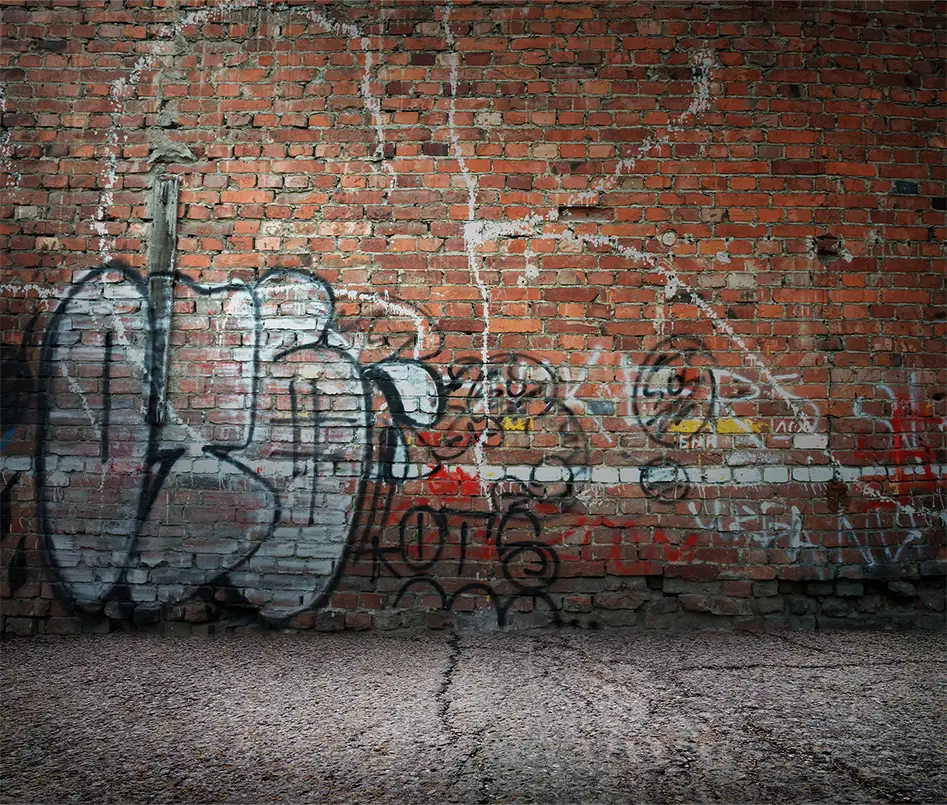
Removing graffiti from council property Yes Council permission & insurance
Cleaning marina decking with biocide Possibly Environmental permit if near water
Fleet washing at client depot Possibly Waste carrier if transporting wastewater away

12. Consequences of Operating Without Required Licences

Missing Licence Possible Penalty
Waste Carrier Licence Fines up to £5,000
Street Works Permit Fines, stop work orders
Standpipe Licence Prosecution for illegal hydrant use
Environmental Permit Fines up to £50,000 or prosecution

13. Step-by-Step to Legal Setup

  1. Register with HMRC as sole trader or company

  2. Get insurance — public liability, employers’ liability if applicable

  3. Assess licences based on your services & locations

  4. Apply for waste carrier licence if transporting waste

  5. Check with local council for public space work requirements

  6. Train & certify in safe working practices

  7. Comply with COSHH if using chemicals


14. Costs of Starting Legally in the UK

Item Typical Cost
HMRC registration Free
Public Liability Insurance (£2m cover) £100–£300/year
Waste Carrier Licence (Upper Tier) £154 initial, £105 renewal every 3 years
Standpipe Licence £500–£900/year
Street Works Permit £50–£150 per job
Basic PPE (gloves, boots, goggles) £50–£150

15. Licences vs. Certifications

Term Definition Example
Licence Legal authorisation to do something Waste carrier licence
Certification Proof you have certain skills/training City & Guilds Cleaning

16. Industry Best Practice (Even if Not Required by Law)

  • Maintain written risk assessments for each job

  • Keep SDS (Safety Data Sheets) for all chemicals

  • Use water recovery systems where possible

  • Display company name & contact info on vehicles


17. How Councils View Pressure Washing Businesses

Many UK councils will:

  • Welcome responsible operators for local cleaning projects

  • Require proof of insurance & method statements

  • Deny permission if you can’t show waste disposal compliance


18. Checklist: Do You Need a Licence?

Question If Yes, You Need…
Will you transport waste away from jobs? Waste Carrier Licence
Will you work in public streets/paths? Street Works Permit
Will you connect to public hydrant? Standpipe Licence
Will you use chemicals near watercourses? Environmental Permit
Will you employ staff? Employers’ Liability Insurance

19. Common Myths About Licensing

Myth Truth
“All businesses need a licence to start” Not in the UK — only for specific activities
“Insurance is a licence” Insurance is protection, not authorisation
“Domestic driveways never need permission” True if on private land, false if accessing public space
“I can dump dirty water down a drain” Illegal unless drain leads to treatment works

20. Final Advice

While most general pressure washing jobs in the UK don’t require a formal licence, operating without the correct permits in certain circumstances can result in fines, stop orders, or prosecution.

Golden rules:

  • Always check if your job involves public space, waste transport, hydrant access, or chemical use near water

  • Get insurance from day one

  • Keep up with environmental regulations — they’re tightening across the UK

By setting up correctly from the start, you’ll avoid costly mistakes, gain credibility, and position your pressure washing business as a trusted, professional service.

Continue Reading

what-to-put-on-patio-before-pressure-washing

What to Put on a Patio Before Pressure Washing

Pressure washing is one of the fastest and most effective ways to restore a patio’s appearance. But blasting away dirt with water alone often won’t give the best results — and in some cases, it can even damage the surface or leave behind stubborn stains.

The secret to a great clean is what you put on the patio beforehand. Applying the right pre-treatment not only helps loosen grime but also protects the surface, controls moss and algae regrowth, and reduces the water pressure you’ll need to use.

In this guide, we’ll cover:

  • Why pre-treatment matters

  • Different types of pre-washing solutions

  • How to choose the right cleaner for your patio type

  • How to apply pre-treatments effectively

  • Safety and environmental considerations

  • Stain-specific pre-treatments

  • Cost comparisons for DIY vs. commercial products


1. Why Pre-Treatment Before Pressure Washing Matters

Many people go straight to pressure washing, but skipping the pre-treatment step can lead to:

  • Needing higher PSI (which risks surface damage)

  • Missed stains that require extra passes

  • Incomplete removal of moss/algae roots (leading to fast regrowth)

  • Wasting time and water

Pre-treatment benefits:

  • Loosens dirt and biological growth before water hits

  • Allows lower pressure cleaning, safer for pavers or natural stone

  • Reduces streaking and patchy cleaning results

  • Kills spores and prevents immediate regrowth

Without Pre-Treatment With Pre-Treatment
Higher PSI needed Lower PSI possible
More time washing Less time washing
May leave behind algae/moss roots Kills growth at root
Greater risk of surface damage Safer cleaning

2. Types of Pre-Treatment Solutions

Here are the main categories of products you might put on your patio before pressure washing:

Category Purpose Example Ingredients Suitable Surfaces
General cleaners Loosen dirt, grime Mild detergents, degreasers Most patio types
Algae & moss killers Kill growth at root Benzalkonium chloride, quaternary ammonium compounds Stone, concrete, block paving
Degreasers Break down oil/fat Citrus solvent, sodium hydroxide Concrete, sealed stone
Rust removers Dissolve iron stains Oxalic acid Concrete, some stones
Eco-friendly cleaners Safe near plants Plant-based surfactants All

3. Choosing the Right Cleaner for Your Patio Material

Not all patio surfaces can tolerate the same chemicals. Here’s a quick reference:

Patio Material Best Pre-Treatment Avoid
Concrete Algae/moss killer or degreaser Strong acids unless for rust removal
Natural stone (slate, granite) pH-neutral cleaner Bleach, strong acids
Limestone/sandstone Algae/moss killer (low acid) Acidic rust removers
Block paving Weed killer + algae/moss killer Harsh degreasers on unsealed blocks
Porcelain tiles Mild detergent Abrasive cleaners

4. Step-by-Step Pre-Treatment Process

Step 1: Clear the Patio

  • Remove furniture, pots, and loose items

  • Sweep away leaves, loose dirt, and debris

Step 2: Wet Surrounding Plants

  • Rinse any nearby grass, flowers, or shrubs to protect from overspray

Step 3: Mix or Prepare Solution

  • Follow manufacturer dilution instructions exactly

Step 4: Apply Evenly

  • Use a pump sprayer for even coverage

  • Work in sections for large patios

Step 5: Allow Dwell Time

  • Leave solution to sit for 10–30 minutes (longer for moss/algae killers)

  • Do not let it dry out — mist lightly if needed

Step 6: Begin Pressure Washing

  • Start at a low PSI and adjust only as necessary


5. Common Pre-Treatment Chemicals & What They Do

Chemical What It Targets Notes
Sodium hypochlorite Algae, mildew Strong bleach, can damage plants
Benzalkonium chloride Algae, moss Long-lasting, less corrosive
Oxalic acid Rust stains Safe for some stones, not all
Sodium hydroxide Grease, oil Caustic — rinse well
Citric acid Mild rust & dirt Eco-friendly option

6. Safety Precautions

Personal Safety:

  • Wear gloves, goggles, and old clothes

  • Avoid breathing in spray mist

  • Never mix chemicals unless directed by manufacturer

Property & Environmental Safety:

  • Protect plants and soil with water rinse or tarp

  • Avoid letting runoff enter drains unless safe

  • Always check product’s biodegradability rating


7. Stain-Specific Pre-Treatments

Stain Best Pre-Treatment Application Tip
Green algae film Algae/moss killer Apply 2–3 days before washing for maximum kill
Black lichen spots Biocide Multiple treatments may be needed
BBQ grease Degreaser Scrub lightly before rinsing
Rust marks under furniture Oxalic acid Apply directly, scrub gently
Leaf tannin stains Mild detergent + oxygen bleach Avoid chlorine bleach on natural stone

8. DIY vs. Commercial Pre-Treatments

Option Pros Cons
DIY (soap, vinegar, baking soda) Cheap, eco-friendly Less effective on heavy moss/algae
Off-the-shelf patio cleaner Balanced for patio use, easy to apply £10–£25 per bottle
Professional-grade biocide Long-lasting, very effective More expensive (£30–£60), safety handling required

9. Cost of Pre-Treatment

Patio Size DIY Cost Store-Bought Cost Pro-Grade Cost
Small (10m²) £1–£3 £5–£10 £10–£20
Medium (30m²) £3–£8 £10–£20 £20–£40
Large (50m²) £5–£12 £20–£30 £30–£60

10. Mistakes to Avoid

Mistake Why It’s Bad How to Avoid
Skipping pre-treatment Poor cleaning result, faster regrowth Always pre-treat
Letting solution dry out Reduces effectiveness Keep surface damp
Using wrong chemical for surface Can cause staining/damage Check product label
Applying too much Wasteful, can damage plants Follow dilution instructions

11. Environmentally Friendly Pre-Treatment Options

  • Vinegar & water mix — good for light algae

  • Baking soda paste — spot treat stains

  • Plant-based surfactants — commercial “green” patio cleaners

  • Oxygen bleach — kills moss/algae without chlorine smell

Option Effective On Limitations
Vinegar Light green growth Not strong enough for heavy infestations
Baking soda Grease/oil Not ideal for large areas
Oxygen bleach Algae, lichen May need repeat application
Plant-based cleaner General dirt Often pricier than standard

12. Timing Your Pre-Treatment

  • For light dirt/algae: Apply 15–30 mins before pressure washing

  • For heavy moss/lichen: Apply 1–3 days before for full kill effect

  • Avoid hot sunny days where solution dries too fast

  • Best results in mild, dry weather


13. Tools for Applying Pre-Treatment

Tool Pros Cons
Pump sprayer Even coverage, easy to use Needs pumping for pressure
Watering can Simple, quick Less precise coverage
Garden sprayer attachment Connects to hose Dilution fixed, less control

14. Preparing a Weed-Free Base Before Washing

If weeds are growing between pavers:

  • Apply weed killer 1–2 weeks before washing

  • Pull large weeds manually

  • Pressure washing alone may scatter seeds rather than kill them


15. Commercial Pre-Treatment Brands (UK Examples)

Brand Type Price Range
Wet & Forget Algae/moss killer £20–£35
Patio Magic! Biocide £10–£25
SmartSeal Patio Clean Xtreme Heavy-duty cleaner £25–£40
Algon Organic Eco-friendly algae killer £10–£20

16. Preparing Different Patio Types

Block Paving:

  • Weed killer + moss killer

  • Degreaser for oil spots

Natural Stone:

  • pH-neutral cleaner

  • Avoid acids unless for rust

Concrete Slab:

  • Moss killer

  • Degreaser for BBQ/oil


17. Preventing Future Growth

After pressure washing:

  • Apply residual biocide to deter algae/moss regrowth

  • Re-sand block paving joints with kiln-dried sand

  • Seal surface if appropriate


18. Weather & Seasonal Considerations

Season Pros for Pre-Treatment Cons
Spring Ideal growth-kill timing Pollen may re-dirty surface quickly
Summer Fast drying Can dry too quickly in hot sun
Autumn Prepares for winter Cold slows chemical action
Winter Not recommended Chemicals may freeze, ineffective

19. Professional vs. DIY Application

Factor DIY Professional
Cost Low Higher
Effectiveness Varies Consistently high
Time More personal time Faster
Safety You handle chemicals Trained handling

20. Final Checklist Before Pressure Washing

✅ Remove loose debris & furniture
✅ Protect plants with water/tarp
✅ Select correct cleaner for surface & stains
✅ Apply evenly with sprayer or watering can
✅ Allow correct dwell time
✅ Keep surface damp during dwell
✅ Rinse lightly if required before pressure washing


Bottom line:
What you put on your patio before pressure washing makes all the difference. Whether it’s a mild detergent for a quick spruce-up or a professional-grade biocide for deep moss removal, pre-treating is the key to a safe, effective, and long-lasting clean.

Continue Reading

how-much-to-charge-driveway-pressure-wash

How much should I charge to pressure wash a driveway?

1. Introduction

In the UK, driveway cleaning prices depend on size, material, stains, location, and your business costs. Whether you’re in London, Manchester, or a rural village, you’ll need to price competitively while still making a healthy profit.

A driveway clean is a high-impact job — it instantly boosts curb appeal and can prevent long-term damage from moss, algae, and oil stains.


2. Common Pricing Models in the UK

Pricing Model Description When to Use Pros Cons
Per Square Metre Price based on the total driveway area in m². Most common for UK domestic jobs. Fair to both sides, scalable. Requires accurate measuring.
Flat Rate (Per Job) One set price for similar-sized driveways. Good for estates with uniform driveways. Simple for quoting. Risk of undercharging large driveways.
Hourly Rate Price based on time on-site. Useful for unknown condition or very dirty surfaces. Guarantees pay for your time. Less appealing to customers.

3. Average UK Driveway Cleaning Prices (2025)

Driveway Size Area (m²) Low Range Average Price High Range
Small (1-car) 20–30 £60 – £90 £80 – £110 £110 – £140
Medium (2-car) 30–50 £90 – £130 £110 – £160 £160 – £200
Large (3+ cars) 50–75 £130 – £190 £160 – £220 £220 – £280
Oversized / Circular 75+ £190 – £280 £220 – £320 £320+

4. UK-Specific Factors That Affect Price

4.1 Driveway Size

Measured in square metres, most UK pressure washing companies charge £3–£5 per m² for standard cleaning.

Formula:

Price = (Area in m² × Base Rate) + Stain Surcharges

4.2 Surface Material

Some UK driveways are block-paved, others are tarmac or resin-bound.

Surface Type Difficulty Rate Multiplier
Smooth Concrete Easy 1.0×
Brushed Concrete Medium 1.1×
Block Paving Medium–Hard 1.2× – 1.3×
Resin-Bound Hard (careful) 1.3× – 1.4×
Tarmac Easy–Medium 1.0× – 1.1×

4.3 Stain Type

Some stains are especially common in the damp UK climate (moss, algae).

Stain Type Extra Charge per m²
General Dirt £0 (included)
Moss/Algae +£0.50 – £1.00
Oil Stains +£1.00 – £1.50
Rust Stains +£1.50 – £2.00
Paint Removal +£2.00 – £3.00

4.4 Location

  • London & South East: Expect 10–20% higher rates than the UK average.

  • Scotland, Wales, Northern Ireland: Slightly lower averages, but still driven by demand.


5. Know Your Costs Before Quoting

Example UK Operating Costs (per month):

Expense Monthly Cost Cost per Job (20 jobs/mo)
Equipment Wear £100 £5.00
Van Fuel £200 £10.00
Washer Fuel £60 £3.00
Detergents/Chemicals £60 £3.00
Insurance £80 £4.00
Labour (your time) £2,000 £100.00
Total £2,500 £125.00

Rule: Aim to price at 2–3× your cost per job.


6. Example UK Pricing Scenarios

Scenario 1 – Standard 2-Car Block Paved Driveway

  • Size: 40 m²

  • Base Rate: £4/m²

  • Surface Multiplier: 1.2× (block paving)

  • Stains: Moss (+£0.50/m²)

Calculation:

Base Price = 40 × £4 × 1.2 = £192 Stain Charge = 40 × £0.50 = £20 Total = £212

Scenario 2 – Large Tarmac Driveway with Oil Stains

  • Size: 60 m²

  • Base Rate: £3.50/m²

  • Surface Multiplier: 1.1× (tarmac)

  • Stains: Oil (+£1.20/m²)

Calculation:

Base Price = 60 × £3.50 × 1.1 = £231 Stain Charge = 60 × £1.20 = £72 Total = £303

Scenario 3 – Small Concrete Driveway, Easy Clean

  • Size: 25 m²

  • Base Rate: £3.20/m²

  • Surface Multiplier: 1.0×

  • No Stains

Calculation:

Base Price = 25 × £3.20 = £80 Total = £80

7. UK Competitor Benchmarking (2025)

City Small (25 m²) Medium (40 m²) Large (60 m²)
London £110 £180 £280
Manchester £85 £140 £230
Birmingham £90 £150 £240
Glasgow £80 £135 £210
Cardiff £85 £140 £220

8. Discounts & Extras for UK Customers

Discount Ideas:

  • Neighbourhood Rate: 10–15% off if 2+ households book on the same day.

  • Seasonal Promotions: Lower prices in winter to keep work coming in.

Upselling Opportunities:

Service Typical UK Price
Patio Cleaning £60 – £120
Deck Cleaning £70 – £150
Gutter Cleaning £50 – £100
Weed Treatment £20 – £50
Driveway Sealant £150 – £300

9. Quick UK Rate Guide

Driveway Size Base Rate (£/m²) Quick Flat Price
Small (20–30 m²) £3 – £4 £60 – £120
Medium (30–50 m²) £3.50 – £4.50 £110 – £180
Large (50+ m²) £4 – £5 £200 – £300+

10. Key Takeaways for UK Pricing

  • Use £3–£5 per m² as your starting range.

  • Add surcharges for difficult materials or stains.

  • Check local competitors — London prices can be 20–30% higher than in the North.

  • Always cover your operating costs before adding profit margin.

11. Instant UK Driveway Size Conversion Table

Most domestic driveways in the UK fall between 20–75 m². Here’s a quick chart to estimate size and price without pulling out a calculator every time.

Driveway Type Cars Approx. Area (m²) Price Range @ £3–£5/m²
Short Single Drive 1 20–25 £60 – £125
Long Single Drive 1 25–30 £75 – £150
Standard Double Drive 2 35–45 £105 – £225
Large Double Drive 2–3 50–60 £150 – £300
Triple or Wide Drive 3+ 60–75 £180 – £375
Circular / Courtyard Drive 3+ 80+ £240+

12. Seasonal Price Adjustments in the UK

Driveway cleaning demand fluctuates with the weather, so smart pricing can help balance your workload.

Season Demand Level Typical Adjustment Reason
Spring (Mar–May) High +5–10% Post-winter clean-ups, pre-summer home improvement.
Summer (Jun–Aug) Medium–High Base Rate Good weather but more holiday absences.
Autumn (Sep–Nov) Medium Base Rate Pre-winter maintenance.
Winter (Dec–Feb) Low -5–15% Cold, wet conditions reduce demand.

13. How to Justify Higher Prices to Customers

When charging towards the top of the range (£4.50–£5/m²), customers may ask why. Here’s what to highlight:

  • Professional Equipment: Industrial washers clean faster and more thoroughly.

  • Specialised Treatments: Biocides, moss inhibitors, and oil removers extend results.

  • Experience & Skill: Correct pressure and chemical use prevents surface damage.

  • Insurance & Safety: Full public liability cover and trained operators.

  • Long-Term Value: A properly cleaned and treated driveway lasts longer between cleans.

Tip: Use before-and-after photos to visually show why your work is worth the price.


14. Profit Margin Planning for UK Driveway Cleaning

To run a sustainable UK pressure washing business, you’ll want a healthy net profit margin after expenses.

Example:

  • Average medium driveway job: £150

  • Cost per job (fuel, wear, chemicals, labour): £60

  • Gross Profit: £90

  • Gross margin = 60%

Target net margin after marketing, insurance, and admin: 40–50%.


15. Pricing Add-Ons and Premium Services

Upselling can increase your average job value significantly.

Add-On Service Extra Time Typical Add-On Price
Driveway Re-sanding (block paving) 30–60 min £40 – £80
Biocide Application 15–20 min £20 – £40
Weed Treatment 10–15 min £20 – £30
Sealant Application 1–2 hours £150 – £300
Patio Cleaning 1–2 hours £80 – £150

16. Example UK Job Pricing Sheet (Printable)

Job Description Area (m²) Base Price Add-Ons Total
Small tarmac driveway, no stains 25 £80 None £80
Medium block paving with moss treatment 40 £160 +£20 biocide £180
Large block paving with oil stains + sanding 60 £270 +£60 sanding £330
Circular resin-bound with rust stain removal 80 £360 +£100 treatment £460

17. Common Mistakes When Pricing Driveway Cleaning in the UK

Avoid these errors to protect both your profit and your reputation:

Mistake Why It’s a Problem How to Avoid It
Underestimating Driveway Size Leads to undercharging and rushed work. Always measure or pace out the area before quoting.
Forgetting to Charge for Stains Oil, moss, and rust need extra chemicals and time. Use a surcharge table for stains.
Not Accounting for Travel Time Long drives between jobs eat into profit. Factor mileage into your quote.
Using “One Price Fits All” Can cause losses on larger or difficult jobs. Adjust per m² rates by surface type and condition.
Ignoring Weather Delays Winter rain/frost can cause cancellations. Build flexibility into your schedule and pricing.

18. Marketing Your Driveway Cleaning Service in the UK

Pricing well is only half the battle — you need customers to see your value.

Effective Marketing Channels:

  • Local Facebook Groups: Post before/after photos with a call to action.

  • Google Business Profile: Helps customers in your area find you.

  • Flyers & Door Drops: Still work well in suburban neighbourhoods.

  • Partnerships with Landscapers/Builders: Exchange referrals.

  • Seasonal Offers: “Spring Clean Special” or “Neighbour Discount Day.”

Pro Tip: Use a “From £X per m²” starting rate in ads to attract enquiries without overcommitting.


19. Health & Safety Considerations

UK driveway cleaning comes with safety responsibilities under Health and Safety Executive (HSE) guidance.

  • PPE: Gloves, steel-toe boots, and eye protection are essential.

  • Slips & Falls: Wet surfaces can be slippery — use warning signs.

  • Chemical Handling: Follow COSHH regulations for cleaning agents.

  • Noise & Neighbours: Be mindful of noise levels, especially before 9am.

  • Hose Management: Prevent trip hazards by routing hoses neatly.

Being visibly safety-conscious can also justify higher rates.


20. The Bottom Line on UK Driveway Cleaning Prices

If you’re wondering, “How much should I charge?” here’s your quick takeaway:

  • Start with £3–£5 per m² for standard cleaning.

  • Adjust for surface type, stain severity, and access difficulty.

  • Factor in regional differences — London/South East can command 20–30% more.

  • Always cover costs and aim for a 40–50% net margin.

  • Offer add-ons and maintenance plans to increase average job value.

  • Never undervalue your time — the cheapest quote rarely means the best service.

Continue Reading

blogpost-pureseal

Selecting the Appropriate External Cleaning Chemical: A Professional’s Guide

External surfaces present unique cleaning challenges that demand more than a “one size fits all” approach. For you, the professional, choosing the right cleaning chemical is not just about achieving visual results. It is equally about ensuring full legal compliance, worker safety, and long-term surface integrity. This guide will cut through the confusion, outline the core types of external cleaning chemicals, and equip you with essential criteria for safe, authorised, and effective selection.

Understanding the Core Categories of Cleaning Chemicals

Selecting a chemical for exterior cleaning starts with recognising that not all cleaning products are created equal. In professional settings, external cleaning chemicals can be grouped into four main categories, each mechanically and chemically distinct:

  • Detergents: Designed to lift dirt, grease, and organic contaminants from hard surfaces. These typically form the foundation of any robust cleaning regimen.
  • Acids: Used to remove mineral deposits, rust, and cement-based residues. Products like hydrochloric acid or specialist solutions (e.g., limescale remover or brick acid) are formulated for professional use with strict safety protocols.
  • Alkalis: Strong caustic agents, such as sodium hypochlorite, effectively break down organic stains (moss, algae, biological growth). Their aggressive nature requires careful risk assessment and PPE at all times.
  • Solvents: Vital for tackling oil, paint, adhesives, and other stubborn deposits. Solvent-based cleaners and paint stripper must only be deployed according to regulatory controls due to their hazardous potential.

Each category offers formulations suitable for different external materials and types of soiling; selection must always be governed by informed risk assessment and the chemical’s intended application.

Criteria for Selecting the Right Cleaning Chemical

To choose a suitable cleaning chemical, you must go beyond surface-level claims and consider crucial operational factors:

1. Surface Compatibility: Examine the substrate material (e.g., natural stone, concrete, render, brick, or UPVC). Verify product compatibility through manufacturer data and pre-test in an inconspicuous area where possible. Certain surfaces will tolerate only specific products; for example, acid wash for brickwork may cause irreversible damage to calcareous stone.

2. Type and Severity of Contamination: Identify whether you are dealing with organic matter (moss, algae), mineral buildup (lime, efflorescence), oily residues, or atmospheric soiling. The right choice, such as an industrial floor cleaner for heavy-duty grime or a specialist patio cleaning solution for weathered outdoor surfaces, maximises both efficacy and safety.

3. Strength and Professional Potency: For commercial tasks, professional cleaning chemicals supply concentrated strength not available to the general public. However, “strongest” does not always mean “best” for every job. Opt for the lowest effective strength that will achieve your result, ensuring compliance and safety in line with COSHH regulations and the manufacturer’s SDS.

4. Dilution and Application Guidance: Review the product’s recommended dilution ratios and application methods. Products intended for professional use (such as sodium hypochlorite solutions and selected soft washing chemicals) require precise handling and will often specify a minimum professional training level for safe use.

5. Safety, PPE, and Environmental Controls: Always consult the Safety Data Sheet for required PPE (gloves, face shield, acid-resistant clothing). Apply chemicals with strict environmental protection to prevent run-off and unintentional exposure—this is both a regulatory and moral obligation

Regulatory Considerations and Legal Compliance

PureSeal Services is adamant about regulatory adherence. You must ensure:
  • Only trained professionals handle professional cleaning chemicals; sales are restricted to business entities and verified contractors.
  • Compliance with all COSHH (Control of Substances Hazardous to Health) requirements, including on-site documentation, staff training, and safe storage.
  • Scrupulous record-keeping and incident management in case of accidental spills, exposure, or misuse.
  • That labelling, transport, and waste disposal follow UK environmental and hazardous waste regulations.
Failure to observe these obligations is a prosecutable offense, carrying risks to staff and the public, as well as reputational and financial penalties.

What Constitutes the “Strongest” Cleaning Chemical?

The notion of the “strongest” cleaning chemical is context-driven. In professional exterior cleaning, agents like high-purity sodium hypochlorite and concentrated mineral acids (such as those used in efflorescence remover or brick acid) represent the peak of commercial potency. These products can produce rapid, transformative results, such as deep cleaning of stone, render, or brickwork, or rapid moss and algae elimination.

However, with maximum potency comes maximum risk: improper dilution, poor handling, or inadequate PPE can cause irreversible damage to surfaces and pose significant health hazards to users. Regulatory requirements mean you must respect both the chemical’s destructive potential and its legal classification. Never exceed recommended concentration, and always consult suppliers such as PureSeal for job-specific advice.

Putting It All into Practice: Making Safe, Effective Choices

In summary, effective chemical selection hinges on your expertise and adherence to legal and supplier protocols. Assess every external cleaning job for its unique substrate, soiling, and operational hazard. Select only products suited to professional use—whether you require a multi surface cleaner for routine maintenance or a patio cleaner to tackle seasonal build-up.

Where uncertainty exists, call upon your supplier’s expertise; PureSeal’s professional team stands ready to provide detailed product guidance. Their entire range is engineered for safety, efficacy, and compliance, underlining the responsibility borne by every professional user.

Key Takeaways:
  • Identify the surface and degree of soiling before product selection.
  • Understand the four primary chemical categories: detergents, acids, alkalis, and solvents.
  • The “strongest” product is not always the most suitable—always balance power with safety and substrate compatibility.
  • Adhere strictly to legal and regulatory obligations when procuring, applying, and disposing of professional cleaning chemicals.

For reliable supply and continuous guidance, partner with a reputable cleaner supplier who upholds these professional standards. If you have further technical queries or require job-specific safety advice, the PureSeal expert support network is always available to ensure you operate safely and successfully.

Continue Reading

pureseal_surface_cleaner_2

Why Maintenance Plans Are a Good Way to Make Easy Money

1. What is a maintenance plan in the exterior cleaning industry?

A maintenance plan is a recurring service agreement offered to customers for ongoing care of their driveways, patios, roofs, and external surfaces. These plans include regular cleaning, sealing, weed control, and more, helping property owners maintain appearance and prevent costly damage.

At PureSeal Services, we supply the products professionals need to offer reliable, profitable maintenance services.

2. How can a maintenance plan generate easy, recurring income?

  • Predictable revenue: Monthly or quarterly plans ensure cash flow year-round.

  • Customer retention: Clients are less likely to shop around if they’re on a plan.

  • Reduced marketing costs: Recurring clients reduce the need for constant new leads.

  • Higher lifetime value: A customer on a maintenance plan is worth far more over time than a one-off job.

  • Upsell potential: You can add-on services like resealing, algae treatments, or gutter clearing.

3. Why do customers love maintenance plans?

  • Peace of mind: No need to remember booking—they know you’re coming.

  • Cheaper long-term: Preventative care is cheaper than full restorations.

  • Property value boost: A consistently clean driveway, patio, or render looks great all year.

  • Convenience: No need to search for new tradespeople—trust builds over time.

4. What should be included in an exterior cleaning maintenance plan?

A well-structured plan may include:

  • Quarterly moss/algae control treatments

  • Annual or bi-annual patio or driveway cleans

  • Scheduled reapplication of sealants

  • Optional extras like roof cleaning or soft washing

You can build plans based on the property type, surface material, and customer needs—using trusted products like:

All available from PureSeal Services.

5. How do I start offering maintenance plans as a cleaner?

  1. Define your services and how often they’re needed.

  2. Bundle them into monthly or quarterly plans—price attractively for long-term value.

  3. Use quality, professional-grade products for reliable results.

  4. Track customers with simple CRM tools and automated reminders.

  5. Educate your customers on the benefits of regular care versus emergency cleaning.

✅ Final Takeaway:

If you’re in the exterior cleaning industry and want an easier, more consistent way to grow your business, maintenance plans are the answer. They deliver passive-style income, improve customer loyalty, and reduce downtime between jobs.

With high-quality, cost-effective products from PureSeal Services, you’ll be fully equipped to deliver ongoing results that keep clients happy and cash flowing.

Need help selecting the right products for your maintenance packages? Visit puresealservices.co.uk or ask us for recommendations!

Continue Reading