

Pressure Washing Insurance Requirements Explained (UK Guide)
Pressure Washing Licences, Insurance & Legal Requirements
Pressure washing—also known as power washing—is a highly effective method for cleaning external surfaces such as patios, driveways, walls, decking, commercial buildings, and vehicles. However, it is not simply a matter of turning on a machine and spraying water: in the UK there are specific legal requirements, licences, insurance obligations, and environmental considerations that businesses and individuals must understand and comply with. This guide aims to help you make sense of these obligations so you can operate legally, safely, and confidently.
Pressure washing often involves the use of high-pressure water jets and sometimes chemical detergents. That combination can impact people, property, and the environment if not managed correctly. ✔️
A note before we begin: for high-quality cleaning products and detergents suitable for pressure washing, many professionals use products available at https://puresealservices.co.uk/.
1. Understanding Pressure Washing in the UK
What Is Pressure Washing?
Pressure washing uses high-pressure water spray to remove dirt, grime, mould, algae, gum, oil, paint, and other stubborn deposits from surfaces. Pressure washers can be petrol-powered or electrically powered and can generate pressures anywhere from 1,000 psi (pounds per square inch) to over 4,000 psi for industrial models.
Who Uses It?
| Sector | Examples |
|---|---|
| Domestic | Homeowners cleaning patios, driveways, decking |
| Commercial | Shops, restaurants, offices, factories |
| Contractors | Specialist cleaning businesses |
| Local Authorities | Public areas, parks, pavements |
| Industrial | Warehouses, heavy machinery, commercial vehicles |
Because pressure washing involves powerful water jets and sometimes chemical detergents, it is not without risk. That’s why understanding the legal and insurance implications is vital.
2. Licences and Permits
Do You Need a Licence?
In the UK, there is no specific “pressure washing licence” issued by central government. However, pressure washing activities can fall under other licensable activities when carried out in public spaces or where environmental risk is present.
When Licences Might Be Required
| Situation | Licence/Permit Requirement |
|---|---|
| Working on public highways or pavements | Local authority permit required |
| Using water from a non-mains source | Environment Agency consent required |
| Disposal of waste water into sewer | Consent from water utility company required |
| High risk environmental areas | Special permits from Environment Agency |
| Commercial contracts (e.g. schools, councils) | May require evidence of compliance and insurance |
📌 Key Principle: The activity itself isn’t licensed, but aspects of where and how you pressure wash can trigger permit requirements.
3. Environmental and Waste Water Considerations
Pressure washing naturally creates wastewater containing dirt, oil, grease, chemical residues, paint fragments, and other contaminants. In the UK, environmental law regulates what you can release into drains, soils, and watercourses.
The Environmental Agency’s View
The Environment Agency (EA) and local water companies regulate how wastewater must be managed. Discharging contaminated water into public sewers or directly into watercourses without consent is typically illegal.
⚖️ Environmental Protection Act 1990 and Water Resources Act 1991 govern pollution and water discharge controls in England and Wales. Similar provisions exist in Scotland and Northern Ireland.
Wastewater Management Options
| Method | Legality | Notes |
|---|---|---|
| Discharge to public sewer | Legal only with consent from water company | |
| Discharge to soil/land | Usually illegal unless treated and consent obtained | |
| Pump to holding tank and dispose at licensed facility | Legal and recommended | |
| Use of biodegradable detergents with capture systems | Best practice |
📌 Best Practice Tip: Always use wastewater containment systems where water is captured, filtered, and disposed of legally.
4. Insurance Requirements
Insurance is not optional if you are operating pressure washing as a business or charging a fee. Insurance protects you, your clients, and the public.
Key Types of Insurance
| Insurance Type | What It Covers | Why It’s Needed |
|---|---|---|
| Public Liability | Injury to third parties & property damage | Essential for client confidence and legal protection |
| Employer’s Liability | Injury to employees | Legally required if you have staff |
| Professional Indemnity | Poor workmanship claims | Covers financial loss arising from advice or service failings |
| Equipment Insurance | Damage/theft of pressure washers and accessories | Protects your investment |
| Motor Insurance | Vehicles used for business | Must declare business use to insurer |
Minimum Recommended Cover
For most pressure washing businesses:
-
Public Liability: £5m minimum (many clients require £10m)
-
Employer’s Liability: £5m minimum (if you employ anyone)
-
Equipment Cover: Valued at replacement cost
📌 Example Scenario: If a pressure washer accidentally damages a neighbour’s windows while cleaning a driveway, a public liability policy would cover legal costs and compensation.
5. Health & Safety Legal Framework
Key Legislation
Pressure washing work in the UK must comply with:
-
Health and Safety at Work Act 1974
-
Provision and Use of Work Equipment Regulations 1998 (PUWER)
-
Control of Substances Hazardous to Health (COSHH)
-
Work at Height Regulations 2005 (if using ladders/scaffolds)
-
Personal Protective Equipment at Work Regulations 1992
Risk Assessment & Method Statements
Before starting any pressure washing job, you should:
-
Conduct a Risk Assessment
-
Prepare a Method Statement
-
Identify hazards such as:
-
Slip risks
-
Nearby traffic or pedestrians
-
Chemical exposure
-
Electrical hazards
-
| Step | Description |
|---|---|
| Risk Assessment | Identify hazards and decide control measures |
| Method Statement | Document how the work will be carried out safely |
| PPE Checklist | Gloves, goggles, boots, ear protection |
| Training Records | Evidence of operator competence |
📌 Failure to carry out proper risk assessments could lead to prosecution, fines, or even imprisonment under health and safety law.
6. Training and Competence
Pressure washing may seem straightforward, but operator competence is crucial. Incorrect use can lead to injury, property damage, and legal liabilities.
Recommended Training Elements
-
Safe operation of pressure washers
-
Chemical handling & COSHH awareness
-
Environmental protection and waste water control
-
Emergency procedures
-
Equipment maintenance
While there is no mandatory national licence to operate pressure washers, many businesses require evidence of training such as:
✔️ In-house training certificates
✔️ Accredited vocational qualifications
✔️ COSHH assessment training
📌 Including training and competence evidence in tender documents often increases the chance of winning commercial contracts.
7. Chemicals, COSHH and Detergents
Many pressure washing jobs involve detergents or cleaning agents. These can be hazardous and are regulated under COSHH (Control of Substances Hazardous to Health).
COSHH Requirements
If you use chemicals:
-
Assess chemical hazards
-
Keep Safety Data Sheets (SDS) for all products
-
Provide appropriate PPE
-
Store chemicals safely and securely
-
Train staff in safe handling
Choosing Cleaning Products
Selecting the right cleaning chemicals makes your job easier and safer. Many professional cleaners use specialised industrial detergents designed for pressure washing. A reputable supplier like https://puresealservices.co.uk/ offers products with detailed SDS.
🧪 Example Chemical Hazards:
| Chemical | Potential Hazard |
|---|---|
| Acidic cleaners | Skin burns, eye damage |
| Degreasers | Respiratory irritation |
| Solvent-based detergents | Flammable, toxic fumes |
8. Property and Neighbourhood Responsibilities
When pressure washing on private property—especially residential areas—you must also be mindful of neighbourhood nuisance laws and local bylaws.
Common Issues
Potential nuisance could arise from:
-
Noise
-
Water spray hitting adjacent properties
-
Chemical drift
-
Blocking pavements or drains
Managing Neighbourhood Impact
| Action | Benefit |
|---|---|
| Inform neighbours before work begins | Reduces complaints |
| Use barriers/screens | Controls spray drift |
| Work at reasonable hours | Avoids noise complaints |
| Use vacuum recovery systems | Prevents wastewater discharge |
📌 In some local authority areas, specific bylaws restrict pressure washing near certain landmarks or conservation areas.
9. Contract Terms and Client Requirements
When working commercially, clients often ask for:
-
Insurance certificates
-
Risk assessments and method statements (RAMS)
-
Evidence of training
-
Chemical SDS
-
Wastewater management plans
Typical Contract Documentation
| Document | Purpose |
|---|---|
| Public Liability Certificate | Shows insurance cover |
| RAMS Document | Demonstrates safety planning |
| COSHH Assessments | Chemical safety evidence |
| Environmental Plan | Wastewater handling strategy |
Including these in proposals strengthens professionalism and demonstrates legal compliance.
10. Penalties for Non-Compliance
Failing to follow legal and insurance requirements can result in:
⚠️ Fines – from fixed penalty notices to unlimited fines in court
⚠️ Legal Action – civil claims for property damage or injury
⚠️ Prosecution – for serious environmental or safety breaches
⚠️ Insurance Refusal – insurers may decline claims if conditions were breached
Example Penalties
| Breach | Potential Consequence |
|---|---|
| Pollution of watercourse | Large fines, remediation orders |
| Work without insurance | Civil liability for damages |
| Unsafe workplace | Prohibition notices, fines |
| Unconsented wastewater discharge | Enforcement action by EA |
11. Practical Tools and Systems to Stay Legal
Here are tools and systems that help maintain compliance:
📍 Wastewater Capture Mats & Vacuums
Capture and contain contaminated water.
📍 Chemical Spill Kits
Deal with accidental spills immediately.
📍 PPE Kits for Staff
Protect eyes, skin, respiratory system.
📍 Record-Keeping Systems
Keep evidence of RAMS, training, SDS, permits, insurance.
📍 Client Upload Portals
Many businesses maintain an online folder of documentation for clients to view.
12. Example Cost Breakdown
Below is an indicative cost table (all in £) for a small pressure washing business starting up:
| Item | Typical Cost (£) | Notes |
|---|---|---|
| Commercial Pressure Washer | 700 – 2,000 | Depending on power & brand |
| Water Recovery/Pump System | 500 – 1,500 | To capture wastewater |
| Public Liability Insurance | 300 – 1,000 | Based on level and turnover |
| Employer’s Liability Insurance | 200 – 600 | Required if you have staff |
| COSHH Assessments | 50 – 200 | Per chemical product |
| PPE (per person) | 50 – 150 | Boots, goggles, gloves, ear defenders |
| Training Courses | 150 – 600 | Per person |
13. Operating Safely: A Checklist
Use this pressure washing compliance checklist before every job:
✅ Site risk assessment completed
✅ Method statement prepared
✅ Insurance certificates to hand
✅ Wastewater containment in place
✅ PPE worn by all operatives
✅ COSHH assessments available
✅ Neighbours informed (if required)
✅ Permits obtained for public areas
✅ Chemical SDS available
14. Summary of Key Legal Points
| Topic | Legal Requirement |
|---|---|
| Licences | Permits may be required for public spaces |
| Insurance | Public and employer’s liability essential |
| Environment | Wastewater must be controlled and consent obtained |
| Health & Safety | Risk assessments and training required |
| Chemicals | COSHH compliance mandatory |
15. Working on Listed Buildings and Conservation Areas 🏛️
Pressure washing in sensitive locations such as listed buildings or conservation areas carries additional legal and practical responsibilities. These properties are protected due to their historical or architectural importance, and inappropriate cleaning methods can cause irreversible damage.
Key Considerations
High-pressure washing can erode stone, damage mortar, strip protective finishes, and permanently alter the appearance of heritage materials. As a result, many local authorities place strict controls on external cleaning methods.
| Issue | Risk |
|---|---|
| High pressure on stone | Surface erosion |
| Incorrect detergents | Chemical staining |
| Run-off into drains | Environmental breaches |
| Visual alteration | Planning enforcement action |
In many cases, planning consent or listed building consent may be required before work begins. Even if permission is not strictly required, property owners may insist on written method statements confirming low-pressure or specialist techniques.
📌 Best practice: Always obtain written approval before commencing work and document pressures, nozzle types, and cleaning agents used.
16. Pressure Washing and Noise Regulations 🔊
Pressure washers can generate significant noise, particularly petrol-powered machines. Noise complaints are one of the most common issues faced by cleaning contractors in residential areas.
Relevant Legal Framework
Noise is regulated under the Environmental Protection Act 1990, which allows councils to investigate statutory nuisance complaints. Excessive or unreasonable noise may lead to enforcement action.
Common Risk Scenarios
| Scenario | Risk Level |
|---|---|
| Early morning residential work | High |
| Evening or weekend cleaning | High |
| Daytime commercial areas | Low |
| Industrial estates | Low |
To minimise risk:
-
Operate during reasonable hours (typically 8am–6pm weekdays)
-
Use electric machines where possible
-
Inform neighbours or site managers in advance
-
Avoid prolonged idling of petrol engines
⚠️ Repeated complaints can result in abatement notices, fines, or restrictions on future work.
17. Data Protection and Customer Information 📄
While pressure washing is a physical service, businesses still handle personal data, including names, addresses, phone numbers, and payment details. This brings data protection responsibilities under UK GDPR.
What Counts as Personal Data?
| Data Type | Example |
|---|---|
| Contact details | Name, address, phone number |
| Financial records | Invoices, receipts |
| Images | Before-and-after photos showing homes |
| Communications | Emails, messages |
Your Legal Obligations
You must:
-
Store customer data securely
-
Only collect necessary information
-
Not share data without consent
-
Delete data when no longer required
-
Respond to data access requests if asked
📌 Even sole traders are required to comply. Failure to do so can result in regulatory action and reputational damage.
18. Using Subcontractors and Freelance Operatives 👷♂️
Many pressure washing businesses rely on subcontractors during busy periods. However, this introduces additional legal responsibilities.
Key Legal Points
If a subcontractor causes damage or injury while working on your behalf, liability may still fall on you, depending on contractual arrangements.
| Area | What You Must Check |
|---|---|
| Insurance | Subcontractor has valid cover |
| Training | Evidence of competence |
| RAMS | Alignment with your procedures |
| Employment status | Genuine self-employment |
Misclassifying workers can lead to tax and employment law issues. Clear written agreements are essential.
📌 Tip: Always keep copies of subcontractor insurance certificates and review them annually.
19. Record Keeping and Legal Defensibility 📂
Good record keeping is one of the most effective ways to protect your business if something goes wrong. In disputes, inspections, or claims, documentation often determines the outcome.
Recommended Records to Maintain
| Document | Retention Period |
|---|---|
| Risk assessments | Minimum 3 years |
| Training records | Duration of employment + 3 years |
| Insurance certificates | Current + expired copies |
| COSHH assessments | While chemicals are in use |
| Incident reports | Minimum 5 years |
Why It Matters
-
Supports insurance claims
-
Demonstrates compliance to clients
-
Protects against false allegations
-
Assists with contract renewals
📌 Digital storage with backups is strongly recommended to avoid loss or damage to records.
Tags: Patio cleaning, Driveway cleaning, pressure washing, Roof Cleaning, Exterior cleaning, gutter cleaning, window cleaning
 Artificial and Sports Surfaces
 Awnings / Canopies / Gazebos
 Block Paving
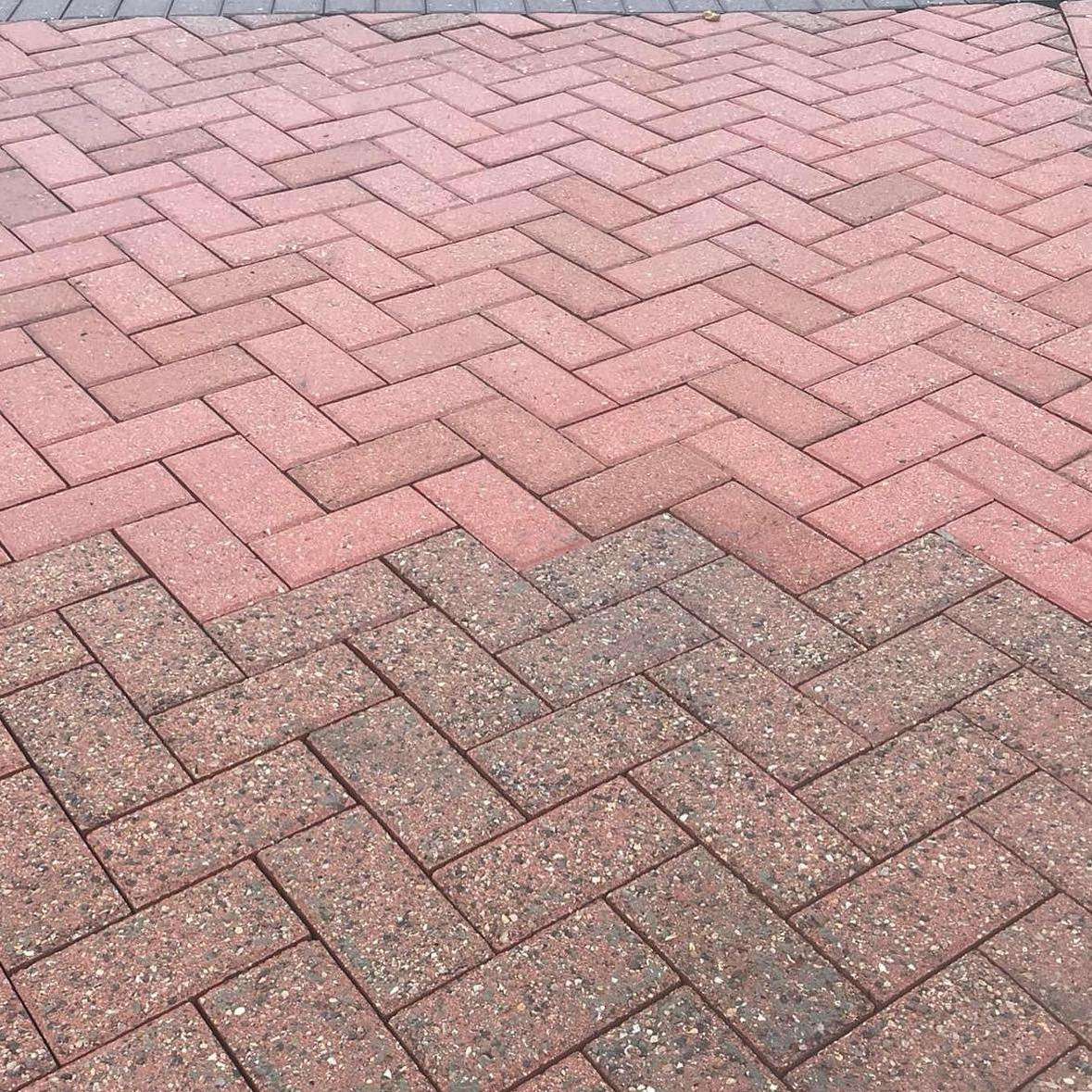 Brickwork
 Composite Surfaces
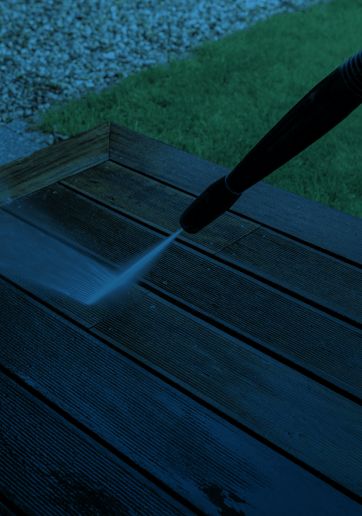
 Decking / Timber
 Granite
 Imprinted Concrete
 Internal Masonry
 Limestone
 Marble
 Metal Cladding
 Polished or Honed Stone
 Porcelain
 Render
 Resin Bond
 Road and Rail Signs
 Roof Tiles / Slates
 Sandstone
 Slate
Slate Solar Panels and Glass
 Stone Sills and Pier Caps
 Tarmac and Asphalt
 Gutters & UPVC
 Acid Damage
 Biofilm
 Bitumen
 Blood
Blood Carbon
 Concrete / Grout / Mortar
 Copper Oxide
 Efflorescence
 Egg
Egg Failed Sealer
 Fire Damage
 Fuel / Oil
 Graffiti
 Grease / Fat / Cooking Oil
 Lawn Fertiliser
 Lead Carbonate
 Lead Oxide
 Paint Splashes
 Rust
Rust Tar & Glue
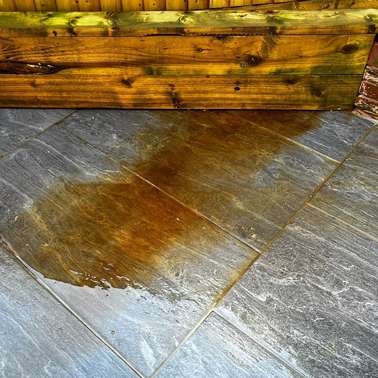 Tannin Removers
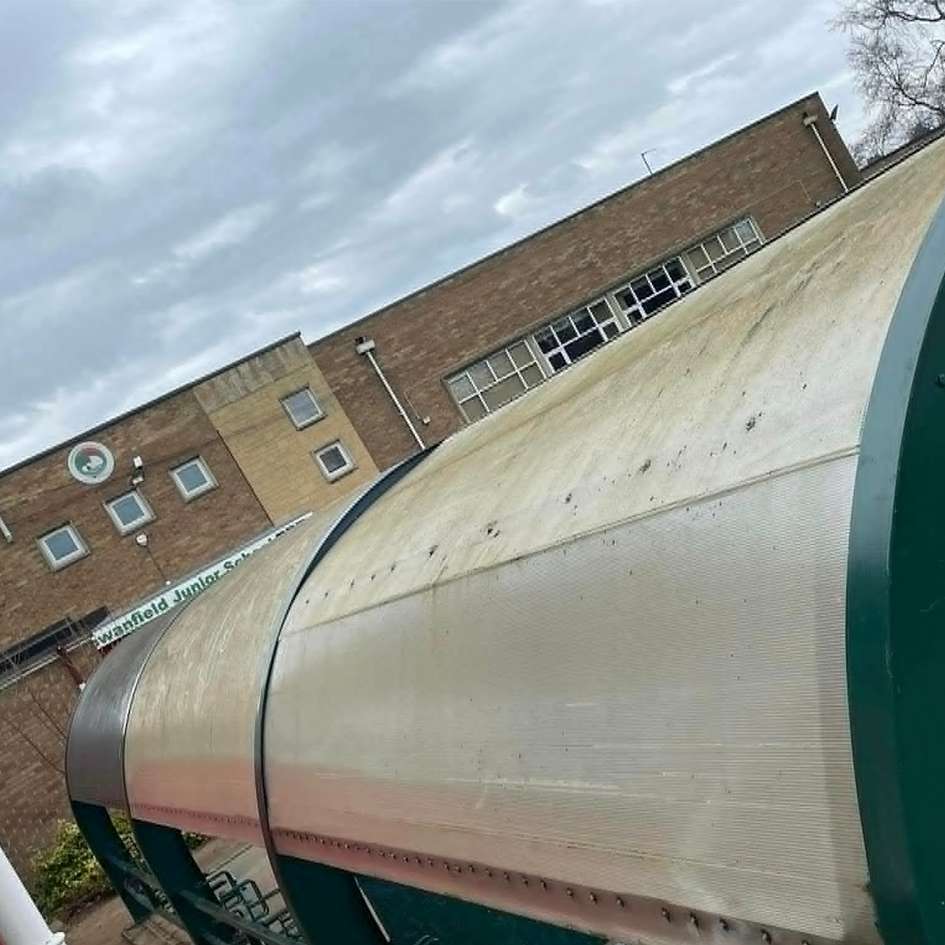 Traffic Film Removers
 Trapped Moisture / Sealer Repairs
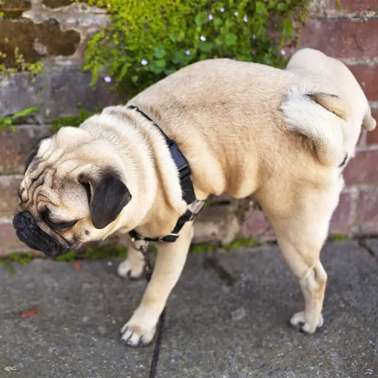 Urine Neutralisers