
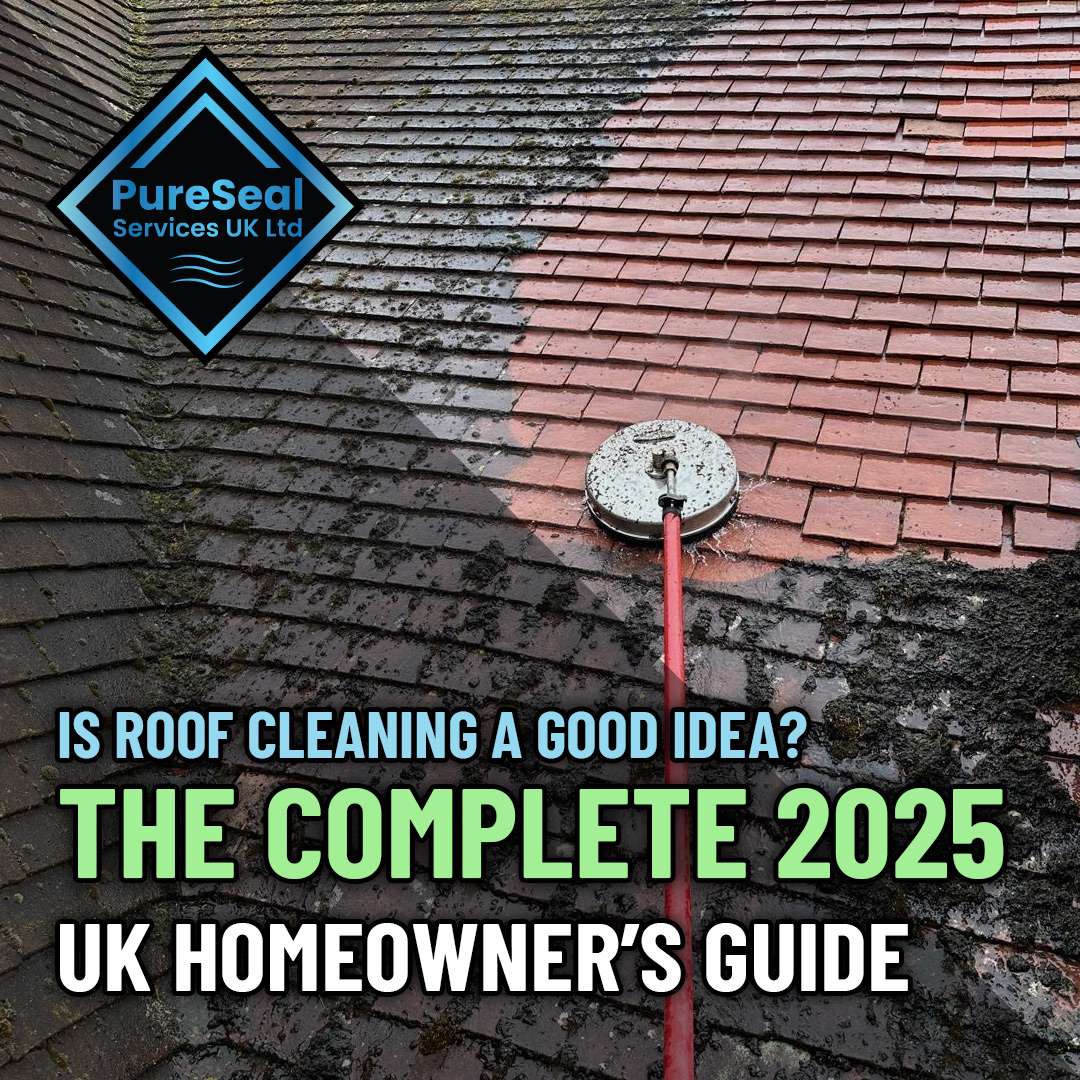
Is Roof Cleaning a Good Idea? The Complete 2025 UK Homeowner’s Guide
🏠 Is Roof Cleaning a Good Idea?
This guide explores whether roof cleaning is worth it, its pros and cons, types of cleaning, costs in pounds (£), environmental factors, and when it may or may not be necessary. It also includes tables, examples, and expert comparisons — ideal for a website or informative blog.
🌤️ Introduction: Why Roof Cleaning Is a Hot Topic
Roof cleaning has become increasingly popular across the UK in recent years. Homeowners have realised that the condition of their roof affects far more than just how their property looks — it impacts energy efficiency, roof longevity, and even house value.
But is roof cleaning really a good idea, or is it just another home maintenance trend that costs more than it’s worth?
The short answer: yes — roof cleaning is a very good idea, if done correctly. However, there are circumstances where it can be risky, unnecessary, or even damaging if approached the wrong way.
Let’s dive deeper into when, why, and how roof cleaning pays off.
🧱 What Happens If You Don’t Clean Your Roof?
Most UK homeowners don’t think about their roof until something goes wrong — a leak, moss build-up, or discolouration. Yet over time, the combination of rain, wind, pollution, algae, moss, and lichen slowly breaks down your roof materials.
| Roof Problem | Cause | Potential Consequences |
|---|---|---|
| Moss & algae build-up | Damp, shaded conditions | Lifts tiles, retains moisture, leads to leaks |
| Lichen growth | Spores from air | Erodes tile surface and weakens structure |
| Blocked gutters | Moss and leaves | Water overflow, fascia rot |
| Dirt and pollution | City or coastal air | Discolouration and corrosion |
| Bird droppings | Nesting or feeding birds | Acidic damage to tile glaze |
Neglecting your roof might not cause immediate problems, but over several years, it can reduce your roof’s lifespan by 5–10 years — a serious cost considering roof replacements often exceed £7,000–£12,000 in the UK.
💡 So, Is Roof Cleaning Worth It?
Yes — if performed safely and by professionals, roof cleaning offers multiple financial, aesthetic, and structural benefits.
✅ Key Benefits of Cleaning Your Roof
| Benefit | Impact |
|---|---|
| Prolongs lifespan | Removes moss and debris that trap water and cause cracks |
| Prevents damage | Early removal of organic growth prevents leaks and rot |
| Improves appearance | Instantly refreshes your home’s exterior look |
| Enhances efficiency | Lighter roofs reflect more sunlight, reducing summer heat |
| Increases property value | Adds curb appeal — especially useful before selling |
| Prevents costly repairs | Cheaper than re-roofing or extensive patch repairs |
Cleaning your roof is similar to servicing a car — a small, regular investment that prevents much larger expenses later on.
🧽 Common Roof Cleaning Methods (and When to Use Each)
There’s no one-size-fits-all method. The right cleaning technique depends on your roof type, age, and condition.
| Method | Best For | Average Cost (per m²) | Pros | Cons |
|---|---|---|---|---|
| Soft washing | All roof types | £6 – £12 | Safe, effective, long-lasting | Takes time for full results |
| Pressure washing | Concrete tiles only | £5 – £10 | Quick, powerful | Can damage older or delicate tiles |
| Steam cleaning | Slate or clay tiles | £7 – £15 | Eco-friendly, gentle | Expensive |
| Manual moss removal | Heritage or fragile roofs | £4 – £8 | No chemicals | Labour-intensive |
| Biocide treatment | All roofs (follow-up) | £5 – £9 | Prevents regrowth for years | Requires proper handling |
🧼 1. Soft Washing — The Most Recommended Method
Soft washing uses low-pressure spray systems to apply cleaning solutions that kill moss, algae, and lichens at the root level. It’s widely considered the safest and most effective method for UK homes.
Process
-
Moss and debris are removed manually.
-
A gentle biocide solution is sprayed across the tiles.
-
Over days and weeks, rain naturally washes away residues.
Pros
-
Safe for all roof types (including slate, clay, and composite).
-
Long-lasting — results can remain for 3–5 years.
-
Non-destructive and environmentally friendly (when biodegradable biocides are used).
Typical Cost
| Roof Size | Estimated Cost | Duration |
|---|---|---|
| Small terrace (40 m²) | £300 – £450 | 1 day |
| Semi-detached (60 m²) | £450 – £650 | 1 day |
| Detached (100 m²) | £700 – £1,000 | 1–2 days |
💦 2. Pressure Washing — Fast but Risky
Pressure washing involves blasting water at high pressure to strip away moss, algae, and dirt instantly. It delivers immediate visual results, but it’s not ideal for every roof.
Best For
-
Concrete or cement-tiled roofs.
-
Roofs in good structural condition.
Not Suitable For
-
Clay or slate roofs (too brittle).
-
Older or weathered roofs.
Pros
-
Quick and satisfying results.
-
Removes stubborn stains effectively.
Cons
-
May force water under tiles, leading to leaks.
-
Can erode protective coatings or damage flashing.
-
Often requires biocide follow-up to stop regrowth.
| Roof Area | Typical Cost | Recommended Frequency |
|---|---|---|
| 60 m² | £300 – £600 | Every 2–3 years |
⚠️ Tip: If you use pressure washing, ensure the contractor uses low PSI (below 200 bar) and proper fan nozzles to reduce tile stress.
🌿 3. Manual Moss Removal
Manual removal uses scrapers and brushes to physically lift moss off tiles. It’s completely chemical-free and ideal for heritage properties or listed buildings where preservation is key.
Benefits
-
No water pressure or chemicals.
-
Safe for fragile tiles and older roofs.
-
Can be combined with a light biocide spray afterward.
Downsides
-
Doesn’t remove algae stains.
-
Labour-intensive (higher labour costs).
| Property Type | Average Cost | Time Required |
|---|---|---|
| Small house | £250 – £400 | 1 day |
| Semi-detached | £400 – £600 | 1–2 days |
| Detached | £600 – £900 | 2 days |
Manual cleaning provides short-term visual improvement and helps prepare the roof for further treatment.
☠️ 4. Biocide Treatments
Biocide treatments are not exactly cleaning methods — they’re preventive solutions. After cleaning, a biocide is applied to kill invisible spores that would otherwise grow back within months.
| Biocide Type | Effectiveness | Longevity | Typical Cost (per m²) |
|---|---|---|---|
| Ammonium-based | Excellent | 3–5 years | £5–£8 |
| Hydrogen peroxide-based | Moderate | 2–3 years | £4–£7 |
| Eco/organic | Good | 2–4 years | £6–£10 |
A high-quality biocide treatment means you won’t need to repeat the main cleaning for several years, saving hundreds of pounds in the long term.
♨️ 5. Steam Cleaning — The Eco-Friendly Alternative
Steam cleaning uses superheated low-pressure steam to remove biological growths without chemicals or intense force.
Advantages
-
Completely chemical-free.
-
Safe for all roof materials.
-
Kills spores on contact.
Disadvantages
-
Higher cost.
-
Limited availability outside major cities.
| Property Type | Average Cost | Duration |
|---|---|---|
| Small terrace | £400 – £600 | 1 day |
| Semi-detached | £600 – £850 | 1–2 days |
| Detached | £900 – £1,200 | 2 days |
If you’re eco-conscious or have a heritage home, steam cleaning is an excellent investment.
🏗️ Is Roof Cleaning Safe?
Roof cleaning is generally safe when carried out by professionals. However, it’s one of the riskiest DIY jobs a homeowner can attempt.
| Potential Risk | DIY Cleaning | Professional Service |
|---|---|---|
| Falls and injuries | High risk | Safety harnesses, scaffolding, insurance |
| Tile breakage | Common | Rare – trained foot placement |
| Incorrect chemical use | Frequent | Controlled & eco-safe |
| Water ingress | Likely | Avoided with proper techniques |
Safety Tip:
If you see a contractor working without safety gear or insurance, don’t proceed. A reputable roof cleaning company will always show their liability insurance certificate (typically £1–£5 million cover).
💷 Cost vs. Value: Does Roof Cleaning Pay for Itself?
Roof cleaning might seem like a cosmetic job, but financially, it’s one of the best-value maintenance investments you can make.
| Scenario | Without Cleaning | With Regular Cleaning |
|---|---|---|
| Roof lifespan | 20–25 years | 30–40 years |
| Replacement cost | £7,000 – £12,000 | Avoided for a decade or more |
| Curb appeal | Declines over time | Restored instantly |
| Energy efficiency | Reduced (moss traps heat) | Improved reflection |
| Property value | Neutral | Up to +£10,000 resale boost |
Even with average cleaning costs between £400 and £800, the return on investment is significant — especially if selling your home.
🔬 The Science Behind Roof Growth: Why Moss and Algae Appear
Moss, algae, and lichens thrive in the moist, shaded climate of the UK. North-facing and tree-covered roofs are particularly prone to growth.
| Organism | Appearance | Preferred Conditions | Damage Caused |
|---|---|---|---|
| Moss | Green and fluffy | Shade, moisture | Lifts tiles, retains water |
| Algae | Black or brown streaks | Humid, polluted areas | Stains and tile weakening |
| Lichen | White or yellow crust | Dry but shaded areas | Surface pitting |
Regular cleaning disrupts this natural growth cycle, keeping your roof healthier for longer.
🏘️ When Roof Cleaning Is a Bad Idea
Despite the many advantages, there are situations when roof cleaning might not be recommended.
| Situation | Reason to Avoid Cleaning | Alternative |
|---|---|---|
| Roof over 40 years old | Tiles may be too fragile | Manual brushing only |
| Asbestos cement roof | Hazardous material | Professional asbestos removal |
| Freezing or rainy weather | Dangerous, ineffective | Wait for spring/summer |
| DIY pressure washing | High damage risk | Hire a soft wash specialist |
| No gutter protection | Runoff can clog drains | Install gutter guards first |
If your roof is extremely old or damaged, sometimes replacing a section may be safer and more economical than cleaning.
🌦️ Best Time of Year for Roof Cleaning in the UK
The ideal cleaning season is late spring through early autumn — when the weather is dry and mild.
| Season | Pros | Cons | Verdict |
|---|---|---|---|
| Spring | Moderate temperatures, moss growth visible | Some rain | ✅ Excellent |
| Summer | Fast drying, long days | Can be hot for workers | ✅ Excellent |
| Autumn | Good for debris removal | Damp conditions | ⚠️ Moderate |
| Winter | Low moss activity | Unsafe (frost/slip risk) | ❌ Avoid |
Professionals often schedule cleanings between April and September for best results.
♻️ Environmental Considerations
Many UK homeowners now prefer eco-friendly roof cleaning options. Modern contractors use biodegradable detergents, water-efficient systems, and protect surrounding plants from runoff.
| Option | Eco Rating | Extra Cost | Notes |
|---|---|---|---|
| Steam cleaning | ★★★★★ | £0 (standard rate) | No chemicals needed |
| Soft wash (biodegradable solution) | ★★★★☆ | £1–£2 extra per m² | Pet-safe and plant-safe |
| Manual cleaning | ★★★☆☆ | None | Uses no water or chemicals |
| Pressure washing | ★★☆☆☆ | None | High water use, no chemicals |
🌿 Tip: Ask your cleaner to use Environment Agency–approved biocides for moss control.
🔧 How to Choose a Reliable Roof Cleaning Company
Picking the right company makes all the difference between a sparkling result and a damaged roof.
What to Look For
-
Insurance & Certifications — Public liability cover, SafeContractor or CHAS accreditation.
-
Experience — At least 3–5 years in the industry.
-
Guarantee — 2–3 years against moss regrowth.
-
Reviews — Check Trustpilot, Checkatrade, or Google ratings.
-
Written Quote — Should detail cleaning method, biocide type, and total cost.
Example of a Fair Quote (2025 Prices)
| Property Type | Cleaning Method | Expected Price Range |
|---|---|---|
| Terrace | Soft wash | £350 – £450 |
| Semi-detached | Soft wash + biocide | £500 – £700 |
| Detached | Steam clean | £900 – £1,200 |
Avoid companies offering “quick wash” deals under £200 — these often involve uninsured workers or harsh jet washing that can void your tile warranty.
🧰 Ongoing Maintenance After Cleaning
Once your roof is clean, regular maintenance will help you avoid repeat growth or drainage issues.
| Task | Frequency | Estimated Cost |
|---|---|---|
| Gutter cleaning | Twice per year | £60 – £120 per visit |
| Roof inspection | Annually | £80 – £150 |
| Biocide top-up | Every 2–3 years | £150 – £250 |
| Tree trimming | As needed | £100 – £300 |
These small steps ensure your roof remains in top condition for decades.
🧠 Frequently Asked Questions
❓ Will cleaning damage my roof?
Not if done by professionals using soft washing or steam cleaning. Damage occurs mainly from untrained high-pressure washing.
❓ How long does roof cleaning last?
A proper soft wash and biocide treatment typically lasts 3–5 years before regrowth appears.
❓ Is roof cleaning noisy or disruptive?
Not usually. Soft washing and manual cleaning are relatively quiet; pressure washing is louder but quick.
❓ Can I clean my own roof?
It’s technically possible, but not advisable due to fall risks and potential tile damage.
❓ Does cleaning my roof increase home value?
Yes — a clean roof significantly boosts curb appeal and can add £5,000–£10,000 in perceived value, particularly when selling.
🧾 Cost Summary Table (UK Average 2025)
| Property Type | Roof Size (m²) | Method | Approx. Cost (£) | Duration |
|---|---|---|---|---|
| Small terrace | 40 | Soft wash + biocide | £400 – £500 | 1 day |
| Semi-detached | 60 | Steam clean | £600 – £850 | 1–2 days |
| Detached | 100 | Soft wash | £700 – £1,000 | 2 days |
| Large detached | 150 | Manual + biocide | £900 – £1,300 | 2–3 days |
🧩 Final Verdict: Is Roof Cleaning a Good Idea?
In nearly every scenario, roof cleaning is a very good idea. It’s one of the most cost-effective ways to:
-
Extend the lifespan of your roof.
-
Prevent expensive damage.
-
Maintain your home’s beauty and value.
However, the method matters. Harsh pressure washing can cause more harm than good, while soft washing, steam cleaning, or manual removal with biocide offer the best long-term results.
✅ The Bottom Line
| Factor | Our Verdict |
|---|---|
| Cost-effectiveness | ★★★★★ – Saves thousands over time |
| Safety (with professionals) | ★★★★★ – Minimal risk |
| Environmental impact | ★★★★☆ – Excellent with soft or steam cleaning |
| Aesthetic improvement | ★★★★★ – Immediate |
| Long-term results | ★★★★★ – Lasts up to 5 years |
Yes — roof cleaning is absolutely worth it.
Done properly, it’s an investment in your home’s future, protecting both its structure and its visual appeal for many years to come.
🧑🔧 Professional Roof Cleaning vs DIY: Which Is Better?
Homeowners often face a tough decision — hire a professional or do it yourself. While DIY can seem like a money-saver, it’s rarely the safer or more cost-effective choice in the long run.
| Factor | DIY Roof Cleaning | Professional Roof Cleaning |
|---|---|---|
| Average Cost | £400–£900 (equipment + chemicals) | £400–£800 (typical service) |
| Safety Risk | High (falls, slips, tile damage) | Low (trained workers, harnesses, insurance) |
| Effectiveness | Moderate — depends on skill | Excellent — uniform cleaning, longer results |
| Guarantee | None | 2–3 years moss-free guarantee |
| Insurance Cover | Usually not covered | Fully insured |
| Time Required | 1–2 weekends | 1 day average |
Professionals not only bring safety equipment and expertise but also spot hidden roof damage before it becomes serious. They can identify cracked tiles, loose flashing, or blocked valleys during cleaning — things a DIYer might miss.
If you’re cleaning your roof to improve longevity or resale value, hiring a professional is the better long-term investment.
⚖️ Cost-Benefit Breakdown: Is It Worth the Money?
Some homeowners hesitate to pay hundreds for roof cleaning, thinking it’s “just for looks.” But when you analyse the cost versus value, roof cleaning easily pays for itself — often several times over.
| Category | Without Cleaning | With Regular Cleaning |
|---|---|---|
| Roof lifespan | 20–25 years | 30–40 years |
| Roof replacement cost | £7,000–£12,000 | Delayed 10+ years |
| Energy efficiency | Poor (moss traps heat) | Better light reflection |
| Property value | Neutral | +£5,000–£10,000 boost |
| Gutter blockages | Frequent | Greatly reduced |
| Long-term cost (over 10 years) | £7,000–£12,000 | £1,800–£2,000 (cleaning & treatment) |
Even after factoring in a £600 cleaning every 4 years, regular maintenance saves thousands over a roof’s lifetime.
Roof cleaning is a textbook case of preventive maintenance — spend a little now to avoid spending a fortune later.
🔬 Understanding Roof Damage from Moss and Algae
Moss and algae may seem harmless, but they slowly destroy roofing materials by trapping moisture and expanding in tile cracks.
Moss Damage
-
Retains rainwater like a sponge.
-
Expands and contracts during freeze-thaw cycles, cracking tiles.
-
Blocks rainwater channels, causing leaks.
Algae Damage
-
Appears as black or brown streaks (often mistaken for dirt).
-
Feeds on limestone filler in concrete tiles, gradually eroding the surface.
-
Absorbs heat, increasing loft temperatures in summer.
Lichen Damage
-
Forms white, orange, or yellow crusts that bond to tile surfaces.
-
Extremely tough to remove once embedded.
-
Can cause permanent pitting or colour loss.
| Growth Type | Typical Appearance | Main Damage Caused | Best Removal Method |
|---|---|---|---|
| Moss | Green and fluffy | Tile lifting and leaks | Manual + biocide |
| Algae | Dark streaks | Aesthetic and structural | Soft wash |
| Lichen | White or yellow crust | Surface pitting | Biocide + time (rain wash-off) |
Cleaning removes the active growths, while biocide treatment ensures spores don’t return — the key to keeping your roof moss-free for years.
🌳 How Your Environment Affects Roof Cleaning Needs
Where you live has a huge influence on how often your roof needs cleaning. The UK’s damp, temperate climate provides perfect conditions for moss and algae growth — especially in shaded, coastal, or rural areas.
| Location Type | Typical Conditions | Cleaning Frequency Recommended | Notes |
|---|---|---|---|
| Urban (City or Town) | Pollution and mild humidity | Every 4–5 years | More dirt than moss |
| Suburban | Mixed exposure | Every 3–4 years | Balance of debris and growth |
| Rural / Countryside | Damp, shaded, surrounded by trees | Every 2–3 years | Heavy moss and lichen |
| Coastal Areas | Salt and sea spray | Every 3 years | Corrosion and staining common |
| Industrial Zones | Chemical pollutants | Every 2–3 years | Use chemical-safe biocides |
If your roof is surrounded by trees, it will collect more debris and shade moisture longer, accelerating moss growth. Trimming back overhanging branches or installing zinc or copper strips (which naturally inhibit moss) can reduce cleaning frequency.
🧩 The Environmental Side of Roof Cleaning
Modern roof cleaning doesn’t have to harm the environment. In fact, many reputable UK companies now use biodegradable biocides and eco-friendly steam cleaning systems that reduce chemical runoff.
Eco-Friendly Cleaning Options
| Cleaning Type | Chemical Use | Water Usage | Eco Rating | Cost per m² |
|---|---|---|---|---|
| Steam cleaning | None | Low | ★★★★★ | £7 – £15 |
| Soft washing (eco biocide) | Biodegradable | Moderate | ★★★★☆ | £8 – £14 |
| Manual brushing | None | Minimal | ★★★☆☆ | £4 – £8 |
| Pressure washing | None | High | ★★☆☆☆ | £5 – £10 |
Environmental Best Practices
-
Contain runoff: Professionals use gutter guards and tarps to stop chemicals entering drains.
-
Plant protection: Surrounding plants and lawns are covered during treatment.
-
Rainwater rinsing: Rain naturally cleans away residues after application, reducing water use.
Although eco cleaning can cost £50–£100 more on average per property, the reduced chemical load and longer-lasting effects make it a responsible and worthwhile upgrade.
🧰 The Step-by-Step Roof Cleaning Process (Professional Approach)
Here’s how a professional team typically handles a full roof clean, from start to finish.
| Step | Action Taken | Purpose |
|---|---|---|
| 1. Inspection | Check for loose tiles, cracks, and roof access points. | Safety and method selection. |
| 2. Setup | Install scaffolding, ladders, harnesses, and protective sheets. | Ensure safe and clean working conditions. |
| 3. Debris Removal | Clear gutters, downpipes, and visible moss. | Prevent blockages during cleaning. |
| 4. Primary Cleaning | Soft wash, steam, or manual brushing. | Remove surface growth and stains. |
| 5. Biocide Treatment | Spray solution to kill spores and prevent regrowth. | Extend cleanliness for 3–5 years. |
| 6. Final Inspection | Check tile integrity and runoff flow. | Quality control. |
| 7. Clean-Up | Collect debris, wash down drives and walls. | Leave property spotless. |
This process typically takes 6–12 hours depending on roof size and condition. Professionals may also include before-and-after photos for peace of mind.
🧠 Bonus: The Psychological & Aesthetic Benefits
Believe it or not, a clean roof also improves how homeowners feel about their property. Studies in environmental psychology show that visual cleanliness can:
-
Increase perceived home value and satisfaction.
-
Encourage neighbours to maintain their properties.
-
Boost overall curb appeal by up to 40% in estate agent surveys.
Many estate agents advise cleaning roofs and driveways before listing a property for sale, as it can add between £5,000 and £10,000 to perceived value — a huge return for a £500 cleaning job.
| Aspect | Before Cleaning | After Cleaning |
|---|---|---|
| Roof colour | Dull and patchy | Uniform and bright |
| Curb appeal | Average | Outstanding |
| Buyer interest | Low | High |
| Maintenance impression | Neglected | Well-kept |
| Property value (estimated) | £280,000 | £290,000–£295,000 |
In essence, a clean roof doesn’t just protect your home — it projects pride of ownership, making the whole property appear newer and more desirable.
🏁 Final Takeaway (Extended Conclusion)
So, is roof cleaning a good idea?
Without question — yes.
It’s more than cosmetic maintenance; it’s an essential part of property care. A clean roof:
-
Prevents moss, algae, and lichen damage.
-
Reduces long-term repair costs.
-
Extends roof life by up to a decade.
-
Improves efficiency and resale value.
However, how it’s done matters. Choose the right method for your roof type, hire experienced professionals, and ensure biocide treatment follows the main clean. Done properly, your roof will stay moss-free and beautiful for years.
💷 Example Roof Cleaning Cost Recap (UK 2025)
| Property Type | Roof Size (m²) | Cleaning Method | Total Cost Range (£) | Longevity (Years) |
|---|---|---|---|---|
| Small terrace | 40 | Soft wash + biocide | £400 – £500 | 3–5 |
| Semi-detached | 60 | Steam clean | £600 – £850 | 4–6 |
| Detached | 100 | Manual + biocide | £700 – £1,000 | 3–5 |
| Large detached | 150 | Soft wash + eco biocide | £1,000 – £1,400 | 4–6 |
Tags: Patio cleaning, Driveway cleaning, pressure washing, Roof Cleaning, Exterior cleaning, gutter cleaning, window cleaning
 Artificial and Sports Surfaces
 Awnings / Canopies / Gazebos
 Block Paving
 Brickwork
 Composite Surfaces
 Decking / Timber
 Granite
 Imprinted Concrete
 Internal Masonry
 Limestone
 Marble
 Metal Cladding
 Polished or Honed Stone
 Porcelain
 Render
 Resin Bond
 Road and Rail Signs
 Roof Tiles / Slates
 Sandstone
 Slate
Slate Solar Panels and Glass
 Stone Sills and Pier Caps
 Tarmac and Asphalt
 Gutters & UPVC
 Acid Damage
 Biofilm
 Bitumen
 Blood
Blood Carbon
 Concrete / Grout / Mortar
 Copper Oxide
 Efflorescence
 Egg
Egg Failed Sealer
 Fire Damage
 Fuel / Oil
 Graffiti
 Grease / Fat / Cooking Oil
 Lawn Fertiliser
 Lead Carbonate
 Lead Oxide
 Paint Splashes
 Rust
Rust Tar & Glue
 Tannin Removers
 Traffic Film Removers
 Trapped Moisture / Sealer Repairs
 Urine Neutralisers