

Is It Worth Cleaning a Driveway?
A driveway is often one of the first things people notice about a home or property. It sets the tone for curb appeal, frames the entrance, and can either elevate or diminish the overall look of your exterior. Over time, however, driveways inevitably accumulate dirt, stains, moss, algae, oil spills, and even weeds. This leads many homeowners to wonder: Is it really worth cleaning a driveway?
The short answer is yes — cleaning a driveway brings both aesthetic and practical benefits. But to fully understand why, let’s break it down in detail.
1. First Impressions and Curb Appeal
The visual impact of a clean driveway
-
A fresh, clean driveway can instantly make a home look more inviting.
-
Stains and moss growth make even the most beautiful home look unkempt.
-
For homeowners thinking about selling, driveway appearance plays a key role in creating a strong first impression.
Real estate value
Studies have shown that curb appeal can add anywhere from 5–10% to a property’s value. Something as simple as a well-maintained driveway may not sell a house on its own, but it can positively influence potential buyers’ overall perception.
2. Safety Benefits of Cleaning a Driveway
Slip hazards
-
Moss, algae, and lichen thrive in damp conditions, especially on shaded driveways.
-
These growths become slippery when wet, creating a hazard for pedestrians.
-
Regular cleaning reduces the risk of slips and falls, which is especially important for families with children or elderly relatives.
Vehicle safety
-
Oil spills and grime can reduce traction under tires.
-
A clean surface improves grip, especially in rainy or icy conditions.
3. Longevity and Protection of Materials
Preventing surface damage
-
Weeds growing between pavers or cracks can widen them over time.
-
Stains from oil, grease, or rust may become permanent if not removed promptly.
-
Algae and moss can slowly degrade concrete or block paving surfaces.
Saving money in the long run
-
Routine cleaning helps avoid costly repairs or replacements.
-
A well-maintained driveway surface can last significantly longer than one that is neglected.
4. Hygiene and Environmental Considerations
-
Driveways often collect dirt from shoes, animal waste, car leaks, and general debris.
-
If left uncleaned, these substances can wash into drains and pollute local waterways.
-
Regular cleaning ensures fewer pollutants enter the environment.
-
Using eco-friendly cleaning solutions can further minimize environmental impact.
5. Methods of Cleaning a Driveway
There are several ways to clean a driveway, each with its pros and cons.
Pressure washing
-
Pros: Fast, effective, removes most dirt and growth.
-
Cons: Must be used carefully on softer materials to avoid damage.
Chemical treatments
-
Biocides or cleaning agents can kill moss, algae, and weeds.
-
Works well as a preventive measure after washing.
-
Choose licensed, environmentally safe products.
Manual scrubbing
-
More labor-intensive but effective for spot treatments.
-
Useful for oil stains or smaller areas.
Professional cleaning services
-
Offers expertise, industrial-grade equipment, and better results.
-
Saves time and reduces risk of damaging the surface.
6. Cost of Cleaning vs. Benefits
DIY cleaning costs
-
Renting a pressure washer: £40–£80 per day.
-
Purchasing chemicals or biocides: £20–£50.
-
Time and effort: depends on the size of the driveway.
Professional service costs
-
Average driveway cleaning in the UK: £150–£400 depending on size and condition.
-
Add-on treatments such as sealing may increase the cost.
Benefits outweighing costs
-
Adds value to your home.
-
Extends driveway lifespan.
-
Improves safety and appearance.
-
Overall, the return on investment is often higher than the expense.
7. Driveway Sealing After Cleaning
Cleaning is only part of maintenance. Sealing the driveway afterward provides extra protection.
Benefits of sealing
-
Prevents future stains.
-
Reduces water penetration.
-
Enhances color in block paving or patterned concrete.
-
Makes future cleaning easier.
Sealing isn’t required after every clean but is highly recommended every few years.
8. Frequency of Driveway Cleaning
-
Annually: A full clean once a year is usually sufficient for most driveways.
-
Bi-annually: For shaded, damp, or high-traffic areas, twice a year is better.
-
As needed: Spot cleaning oil stains or moss patches in between full cleans.
Regular maintenance prevents build-up and makes each cleaning session quicker.
9. Common Myths About Driveway Cleaning
Myth 1: “Rainwater keeps my driveway clean.”
-
Rain may rinse away loose dirt, but it does nothing against oil stains, moss, or algae.
Myth 2: “Cleaning damages the driveway.”
-
Incorrect use of high-pressure washers can cause damage, but when done properly or by professionals, cleaning extends driveway life.
Myth 3: “It’s not worth the money.”
-
Considering property value, safety, and longevity, cleaning is usually far more cost-effective than ignoring the driveway until replacement is needed.
10. Environmental & Community Impact
Clean driveways don’t just benefit the homeowner. They contribute to the wider environment and neighborhood:
-
A clean exterior improves the overall look of a street.
-
Less debris and pollutants enter local drainage systems.
-
Encourages neighbors to maintain their properties, raising community pride.
11. DIY vs. Professional Cleaning: Which Is Better?
DIY
-
Suitable for small driveways or light dirt.
-
Lower immediate cost.
-
Requires time, effort, and equipment.
Professional
-
Best for large driveways, heavy staining, or delicate surfaces.
-
Faster, more effective, with lasting results.
-
Includes expert treatments such as biocides or sealants.
12. Case Study Examples
Example 1: Homeowner selling property
A homeowner preparing to sell invested £250 in professional driveway cleaning and sealing. Within two weeks, viewers commented on the property’s excellent curb appeal, and the house sold quickly at the asking price.
Example 2: Neglected driveway
A driveway left uncleaned for 10 years developed cracks, weeds, and permanent oil stains. Repairing and resurfacing cost over £3,000 — far more than routine cleaning would have cost.
13. Tips for Effective Driveway Cleaning
-
Sweep regularly to prevent build-up of leaves and dirt.
-
Treat weeds early before they spread.
-
Use licensed biocides for moss and algae control.
-
Rinse thoroughly to avoid chemical residue.
-
Always test cleaning products on a small patch first.
-
If pressure washing, use the correct nozzle and pressure for the surface type.
14. Is Driveway Cleaning Worth It? Final Verdict
Cleaning a driveway is more than just a cosmetic task. It:
-
Boosts curb appeal and property value.
-
Improves safety by reducing slip risks.
-
Protects and prolongs the life of the driveway.
-
Saves money long term by avoiding costly repairs.
-
Enhances environmental and neighborhood aesthetics.
When weighing the modest cost and effort against these benefits, the conclusion is clear: yes, cleaning a driveway is absolutely worth it.
15. Different Driveway Materials and Their Cleaning Needs
Not all driveways are made the same, and the cleaning approach varies depending on the material.
-
Concrete driveways – Durable but porous, prone to oil stains and algae. Best cleaned with pressure washing plus stain removers.
-
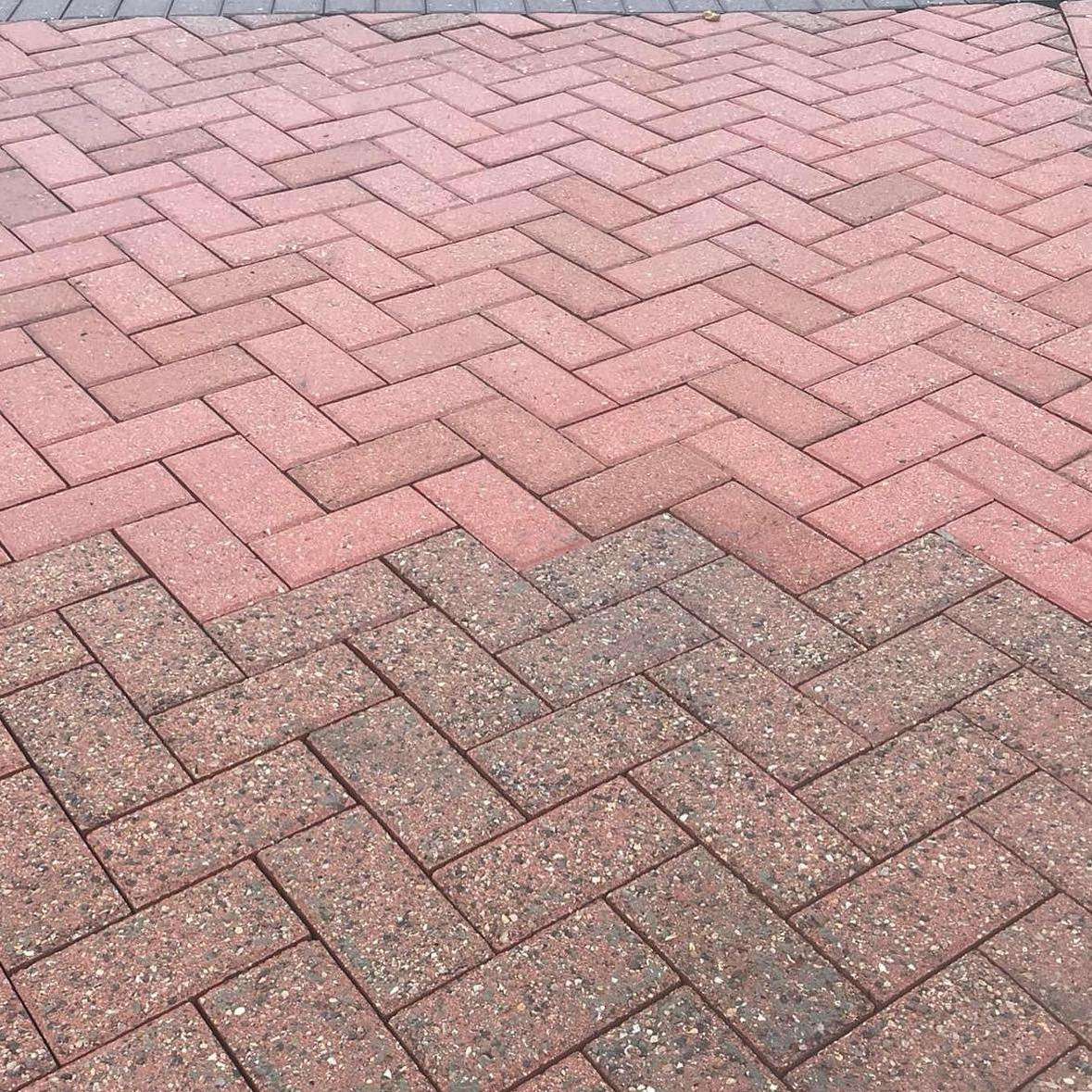
Block paving (pavers) – Attractive but weed growth is common in joints. Requires careful cleaning and re-sanding afterwards.
-
Tarmac (asphalt) – Sensitive to high pressure and harsh chemicals. Low-pressure washing and gentle cleaners are best.
-
Gravel driveways – Cannot be pressure washed in the same way. Instead, regular raking, weed control, and occasional top-ups keep it tidy.
-
Resin-bound driveways – Low maintenance but should be cleaned gently with low pressure and mild cleaners.
Understanding your material ensures you don’t damage the surface and that your cleaning method is effective.
16. Seasonal Considerations for Driveway Cleaning
The time of year affects how often and how thoroughly you should clean your driveway.
-
Spring – Best time for a deep clean after winter’s dirt, salt, and moss build-up.
-
Summer – Warmer weather means faster drying and ideal conditions for sealing.
-
Autumn – Clearing leaves and organic debris prevents staining and moss growth.
-
Winter – Regular sweeping helps, but avoid cleaning during freezing conditions as water can turn to ice and cause cracks.
Planning your cleaning around the seasons ensures long-lasting results.
17. Eco-Friendly Driveway Cleaning Options
Many homeowners now prefer environmentally friendly cleaning methods. Options include:
-
Biodegradable detergents – Break down safely without harming plants or soil.
-
Hot water pressure washing – More effective at killing algae and reducing the need for chemicals.
-
Manual methods – Scrubbing with natural solutions like vinegar or baking soda (good for small stains).
-
Licensed biocides – Designed to be safe when used correctly while preventing regrowth of moss and algae.
Choosing eco-friendly solutions keeps your property safe while protecting local ecosystems.
18. The Role of Driveway Cleaning in Home Maintenance
Driveway cleaning is often overlooked in routine home maintenance, but it plays a key role alongside:
-
Gutter clearing.
-
Roof cleaning.
-
Patio and decking washing.
-
Exterior wall soft washing.
Together, these tasks preserve the structure and appearance of a home, preventing minor issues from turning into major repairs. A clean driveway complements other exterior work and enhances the overall finish of your property.
19. Commercial vs. Residential Driveway Cleaning
Residential
-
Typically smaller areas.
-
Homeowners may DIY or hire local cleaners.
-
Focus on aesthetics, safety, and property value.
Commercial
-
Larger car parks, access roads, or shared driveways.
-
Professional equipment required for speed and efficiency.
-
Health & safety regulations make regular cleaning essential.
-
Clean surfaces improve customer impressions and business branding.
Both settings benefit from routine cleaning, but commercial spaces often require stricter schedules.
20. Final Thoughts: Is It Worth Cleaning a Driveway?
Looking at aesthetics, safety, longevity, cost savings, and environmental benefits, the evidence is clear: yes, it is absolutely worth cleaning a driveway.
Whether you choose a DIY approach with a pressure washer or invest in professional services, the rewards far outweigh the effort. A clean driveway improves curb appeal, boosts property value, prevents damage, and makes your home or business a safer, more welcoming place.
In short: neglect costs more in the long run, while maintenance pays for itself.
Tags: gutter cleaning, window cleaning, Patio cleaning, Driveway cleaning, pressure washing, Roof Cleaning, Exterior cleaning
 Artificial and Sports Surfaces
 Awnings / Canopies / Gazebos
 Block Paving
 Brickwork
 Composite Surfaces
 Decking / Timber
 Granite
 Imprinted Concrete
 Internal Masonry
 Limestone
 Marble
 Metal Cladding
 Polished or Honed Stone
 Porcelain
 Render
 Resin Bond
 Road and Rail Signs
 Roof Tiles / Slates
 Sandstone
 Slate
Slate Solar Panels and Glass
 Stone Sills and Pier Caps
 Tarmac and Asphalt
 Gutters & UPVC
 Acid Damage
 Biofilm
 Bitumen
 Blood
Blood Carbon
 Concrete / Grout / Mortar
 Copper Oxide
 Efflorescence
 Egg
Egg Failed Sealer
 Fire Damage
 Fuel / Oil
 Graffiti
 Grease / Fat / Cooking Oil
 Lawn Fertiliser
 Lead Carbonate
 Lead Oxide
 Paint Splashes
 Rust
Rust Tar & Glue
 Tannin Removers
 Traffic Film Removers
 Trapped Moisture / Sealer Repairs
 Urine Neutralisers