Moss thrives in damp, shaded environments where moisture lingers and sunlight is limited. In the UK, frequent rainfall and mild temperatures create ideal conditions for moss to spread quickly across outdoor surfaces. Driveways, especially those made from porous materials like block paving or tarmac, tend to retain moisture, allowing moss spores to settle and develop.
Common Causes of Moss Build-Up
Poor drainage leading to standing water
Shaded areas from trees, fences, or buildings
Organic debris such as leaves and dirt accumulating on the surface
Lack of regular cleaning or maintenance
North-facing driveways receiving limited sunlight
Moss may seem harmless at first, but it can create a slippery surface, damage materials over time, and significantly reduce the visual appeal of your property.
Types of Driveway Surfaces and Moss Impact
Different driveway materials react differently to moss growth and removal techniques. Understanding your surface type is essential before starting any cleaning process.
Surface Comparison Table
Driveway Type
Moss Growth Likelihood
Cleaning Difficulty
Risk of Damage During Cleaning
Block Paving
High
Medium
Medium
Tarmac
Medium
Easy
Low
Concrete
Medium
Medium
Medium
Resin-Bound
Low
Easy
Low
Gravel
High
Difficult
Low
Block paving is particularly vulnerable because moss can grow between the joints, while gravel allows moss to establish underneath the stones, making removal more labour-intensive.
Manual Moss Removal Methods
For smaller areas or light moss growth, manual removal can be effective. However, it requires patience and consistent effort.
Brushing
A stiff outdoor brush can be used to scrub moss from the surface. This method works best on dry days when moss is brittle and easier to dislodge.
Steps:
Sweep away loose debris first
Use firm pressure to scrub affected areas
Collect and dispose of moss properly
Scraping
For thicker patches, a scraper or patio knife can help lift moss from joints and cracks.
Advantages:
Precise removal
No chemicals required
Limitations:
Time-consuming
Not suitable for large driveways
Chemical Treatments for Moss Removal
Chemical solutions are commonly used for more stubborn moss infestations. These treatments kill moss at the root, reducing the chance of regrowth.
Types of Moss Killers
Product Type
Effectiveness
Time to Work
Environmental Impact
Biocide Treatments
High
24–72 hours
Moderate
Bleach Solutions
Medium
Immediate
High
Natural Solutions
Low–Medium
2–5 days
Low
Biocide treatments are generally the most reliable option for long-term results, especially when applied professionally.
Application Tips
Apply during dry weather for best results
Avoid runoff into plants or drains
Allow sufficient dwell time before rinsing
Pressure Washing: Pros and Considerations
Pressure washing is one of the most popular methods for removing moss quickly and effectively. It uses high-pressure water to blast away moss, dirt, and grime.
Benefits
Fast and efficient
Restores original appearance
Removes deep-seated dirt
Risks
Can damage joints in block paving
May strip sealants
Risk of uneven cleaning if done incorrectly
Pressure Washing Comparison Table
Factor
DIY Pressure Washing
Professional Service
Cost
£50–£150 (equipment hire)
£250–£600+ depending on size
Effectiveness
Medium
High
Risk of Damage
High
Low
Time Required
Long
Short
Professional services typically include controlled pressure settings and post-cleaning treatments to protect the surface.
Re-Sanding and Sealing After Moss Removal
Once moss has been removed, especially from block paving, it’s important to restore the integrity of the driveway.
Re-Sanding
Pressure washing often removes the jointing sand between blocks. Re-sanding helps:
Stabilise the blocks
Prevent weed and moss regrowth
Improve drainage
Sealing
Applying a sealant creates a protective barrier that reduces moisture absorption and inhibits future moss growth.
Benefits of Sealing:
Enhances colour and appearance
Reduces maintenance needs
Extends lifespan of the driveway
Preventing Moss from Returning
Removing moss is only part of the process. Preventative measures are essential to keep your driveway clean long-term.
Maintenance Checklist
Sweep regularly to remove debris
Trim overhanging trees and shrubs
Improve drainage where necessary
Apply moss inhibitor annually
Clean the surface at least once a year
Prevention Effectiveness Table
Method
Effectiveness
Frequency Required
Sweeping
Medium
Weekly
Biocide treatment
High
Yearly
Sealing
Very High
Every 2–3 years
Drainage improvements
High
One-time fix
Professional Moss Removal Services
While DIY methods can work for minor issues, larger or heavily affected driveways often require professional attention. A specialist service ensures thorough cleaning without causing damage.
What to Expect from a Professional Service
Full inspection of the driveway
Tailored cleaning approach based on surface type
Use of commercial-grade equipment
Application of long-lasting treatments
Optional sealing for added protection
Cost Overview
Professional driveway cleaning is an investment in your property. Pricing depends on factors such as size, condition, and material.
Service Type
Typical Price Range
Basic Pressure Washing
£250 – £400
Deep Clean with Treatment
£350 – £550
Full Restoration + Sealing
£500 – £900+
Higher-end services deliver longer-lasting results and reduce the need for frequent maintenance.
Why Choose Pureseal Services
When it comes to driveway moss removal, quality and expertise make a significant difference. Pureseal Services positions itself at the premium end of the market, focusing on long-term results rather than quick fixes.
Key Advantages
Specialist knowledge of all driveway surfaces
Advanced cleaning techniques that minimise damage
Professional-grade biocides for lasting protection
High-quality sealing options to prevent regrowth
Attention to detail in every stage of the process
Choosing a higher-end service means fewer repeat treatments, better visual results, and a longer-lasting clean.
Seasonal Considerations for Moss Removal
Timing plays an important role in how effective moss removal will be.
Best Times of Year
Season
Suitability
Notes
Spring
Excellent
Ideal for treatment and prevention
Summer
Good
Dry conditions help treatments work faster
Autumn
Moderate
Increased debris may encourage regrowth
Winter
Poor
Wet and cold conditions slow effectiveness
Spring is generally the most effective time to carry out a full clean and apply preventative treatments.
Environmental Considerations
Moss removal should be carried out responsibly to minimise environmental impact.
Key Points
Avoid harsh chemicals where possible
Use controlled water pressure to reduce waste
Prevent runoff into drains and garden areas
Opt for biodegradable treatments when available
Professional services often follow stricter environmental guidelines, ensuring safe and compliant cleaning practices.
Signs Your Driveway Needs Immediate Attention
Ignoring moss build-up can lead to more serious issues over time.
Warning Signs
Slippery surface when wet
Dark green or black patches spreading
Loose or shifting block paving
Persistent damp areas
Reduced kerb appeal
Addressing these signs early can prevent costly repairs and maintain the overall condition of your driveway.
Equipment and Tools Overview
Whether tackling moss yourself or understanding what professionals use, it helps to know the tools involved.
Common Tools Table
Tool
Purpose
Suitable for DIY
Stiff Brush
Surface scrubbing
Yes
Pressure Washer
Deep cleaning
Yes (with care)
Scraper
Removing moss from joints
Yes
Sprayer
Applying treatments
Yes
Commercial Equipment
High-efficiency cleaning
No
Professional-grade equipment delivers more consistent results and is designed to handle larger areas efficiently.
Health and Safety Considerations
Moss removal isn’t just about appearance. It also involves safety risks if handled incorrectly.
Potential Hazards
Slips and falls on wet or mossy surfaces
Exposure to chemicals without proper protection
Damage to surrounding plants and surfaces
Safety Tips
Wear non-slip footwear
Use gloves when handling treatments
Follow manufacturer instructions carefully
Avoid working in poor weather conditions
Professional services typically include full safety measures as part of their process, reducing risk significantly.
Understanding the Life Cycle of Moss
To remove moss effectively, it helps to understand how it grows and spreads. Moss reproduces through spores rather than seeds, which allows it to spread rapidly across damp surfaces without needing soil.
How Moss Develops on Driveways
Moss spores are carried by wind, rain, and even foot traffic. Once they land on a suitable surface, they begin to grow under the right conditions.
Stages of Growth:
Spore settlement: Spores land in cracks, joints, or porous surfaces
Initial growth: Thin green film begins to appear
Establishment: Moss thickens and spreads outward
Mature coverage: Dense patches form, trapping moisture and encouraging further growth
Because moss retains water like a sponge, it creates a self-sustaining environment, making it increasingly difficult to remove if left untreated.
The Hidden Damage Moss Can Cause
Many homeowners underestimate the long-term impact of moss on a driveway. While it may appear to be a surface-level issue, it can lead to structural problems over time.
Structural Risks
Water retention: Moss holds moisture against the surface, accelerating wear
Surface erosion: Constant dampness weakens materials like concrete and tarmac
Joint instability: In block paving, moss displaces sand, causing movement
Cracking: Freeze-thaw cycles worsen damage in colder months
Aesthetic Impact
A moss-covered driveway can significantly reduce kerb appeal. This is especially important if you are planning to sell or rent out your property, as first impressions matter.
Comparing DIY vs Professional Results
While DIY moss removal is possible, the results often vary depending on experience, tools, and time invested.
Results Comparison Table
Factor
DIY Approach
Professional Service
Initial Appearance
Moderate improvement
Near-new finish
Longevity of Results
Short-term
Long-lasting
Moss Regrowth Speed
Fast
Significantly slower
Surface Protection
Minimal
Comprehensive
Overall Value
Lower
Higher
DIY cleaning often removes visible moss but fails to address spores embedded deep within the surface. This is why regrowth tends to happen quickly without proper treatment.
Advanced Cleaning Techniques Used by Professionals
Professional driveway cleaning goes beyond basic pressure washing. It involves a combination of techniques designed to clean thoroughly while preserving the integrity of the surface.
Soft Washing
Soft washing uses low-pressure water combined with specialised cleaning solutions to kill moss and organic growth at the root.
Benefits:
Safe for delicate surfaces
Long-lasting results
Reduces risk of damage
Controlled Pressure Cleaning
Rather than using maximum force, professionals adjust pressure levels depending on the material.
Advantages:
Prevents surface erosion
Ensures even cleaning
Protects jointing materials
Steam Cleaning
In some cases, high-temperature steam is used to remove moss without chemicals.
Key Features:
Environmentally friendly
Effective on stubborn growth
Suitable for sensitive areas
Long-Term Maintenance Planning
Keeping a driveway free from moss requires a structured maintenance approach rather than occasional cleaning.
Suggested Maintenance Schedule
Task
Frequency
Purpose
Sweeping
Weekly
Remove debris and moisture traps
Visual inspection
Monthly
Identify early moss growth
Light cleaning
Every 3–6 months
Maintain appearance
Biocide treatment
Annually
Prevent regrowth
Sealing (if applicable)
Every 2–3 years
Protect surface
A consistent routine significantly reduces the likelihood of heavy moss build-up returning.
Weather Conditions and Their Impact
The UK climate plays a major role in how quickly moss develops and how effective removal methods will be.
Weather Influence Table
Weather Condition
Effect on Moss Growth
Impact on Removal
Heavy Rain
Accelerates growth
Reduces effectiveness of treatments
Dry Sunny Days
Slows growth
Ideal for cleaning and treatment
Frost
Can damage surfaces
Makes cleaning more difficult
Humidity
Encourages spread
Requires stronger treatments
Planning moss removal during favourable weather conditions can improve results and reduce the need for repeat work.
Driveway Design Factors That Encourage Moss
Some driveways are more prone to moss simply due to their design and layout.
High-Risk Features
Poor slope or drainage
Narrow spaces between buildings
Overhanging vegetation
Textured or porous materials
Areas with constant shade
Addressing these underlying issues can make a significant difference in preventing future moss growth.
Improving Drainage to Reduce Moss
One of the most effective long-term solutions is improving how water drains from your driveway.
Drainage Solutions
Installing channel drains
Regrading the surface for better runoff
Clearing existing drainage systems
Using permeable materials where possible
Drainage Impact Table
Improvement Type
Cost Range
Effectiveness
Basic drain clearing
£50 – £150
Medium
Channel installation
£300 – £800
High
Full resurfacing
£1,000+
Very High
Better drainage not only reduces moss but also extends the lifespan of your driveway.
Common Mistakes to Avoid
Moss removal can go wrong if certain mistakes are made, especially during DIY attempts.
Frequent Errors
Using excessive pressure on block paving
Applying chemicals without proper dilution
Cleaning during poor weather conditions
Ignoring joint re-sanding after cleaning
Skipping preventative treatments
Avoiding these mistakes can save time, money, and potential damage to your driveway.
Cost vs Value: What You’re Really Paying For
When considering moss removal services, it’s important to look beyond the initial price and focus on long-term value.
Value Comparison Table
Service Level
Upfront Cost
Longevity
Maintenance Needs
Overall Value
Basic DIY
Low
Short
High
Low
Mid-range Service
Medium
متوسط
Medium
Medium
Premium Professional
High
Long
Low
High
Higher-end services often include treatments and protective measures that significantly reduce the need for frequent cleaning.
Why Premium Services Deliver Better Results
Choosing a premium provider like Pureseal Services ensures a more thorough and durable outcome.
What Sets Premium Services Apart
Detailed surface assessment before cleaning
Use of specialised treatments tailored to the material
Advanced equipment for consistent results
Focus on both removal and prevention
Higher-quality finishing, including sealing
While the upfront cost may be higher, the reduced need for repeat work and the improved appearance make it a worthwhile investment.
The Role of Sealing in Moss Prevention
Sealing is one of the most effective ways to protect a driveway after moss removal.
How Sealing Works
A sealant forms a protective layer over the surface, reducing water absorption and making it harder for moss to take hold.
Types of Sealants
Sealant Type
Finish
Durability
Moss Resistance
Acrylic
Glossy
Medium
High
Polyurethane
Satin
High
Very High
Penetrating Sealers
Natural look
High
High
Professional application ensures even coverage and maximum effectiveness.
Early Intervention vs Heavy Restoration
Addressing moss early is always more cost-effective than waiting until it becomes a major issue.
Comparison Table
Stage of Moss Growth
Required Action
Cost Estimate
Effort Level
Light Growth
Basic cleaning
£100 – £250
Low
Moderate Growth
Deep clean + treatment
£250 – £500
Medium
Heavy Infestation
Full restoration + sealing
£500 – £900+
High
Early intervention not only saves money but also preserves the condition of the driveway.
How Often Moss Removal Should Be Done
The frequency of moss removal depends on several factors, including location, weather exposure, and driveway material.
Recommended Frequency
Shaded areas: Every 6–12 months
Moderate exposure: Once a year
Sunny, well-drained areas: Every 1–2 years
Regular inspections can help determine when cleaning is needed before moss becomes a visible problem.
Indicators of a High-Quality Cleaning Job
Not all driveway cleaning services deliver the same standard. Knowing what to look for can help you assess the quality of the work.
A thorough job should not only remove moss but also improve the overall condition and durability of the driveway.
Bringing Your Driveway Back Under Control
Moss on a driveway is rarely just a cosmetic issue. It develops quietly, spreads quickly, and if left untreated, can affect both the safety and structure of the surface. What often starts as a thin green layer can turn into a persistent problem that traps moisture, weakens materials, and increases the risk of slips.
Effective removal comes down to using the right approach for the specific surface, combined with proper aftercare. Simple brushing or basic pressure washing may improve appearance temporarily, but without addressing the root cause, moss will almost always return. That’s why methods such as professional-grade treatments, controlled cleaning techniques, and sealing play such an important role in achieving longer-lasting results.
Ongoing maintenance is just as important as the initial clean. Regular sweeping, annual treatments, and attention to drainage all help reduce the conditions that allow moss to thrive. Small, consistent actions tend to be far more effective than occasional heavy cleaning.
For larger driveways, stubborn growth, or situations where a longer-term solution is needed, working with a specialist like Pureseal Services ensures the job is handled with the right equipment, experience, and attention to detail. A higher standard of service not only restores the appearance of the driveway but also helps protect it well into the future.

 Artificial and Sports Surfaces
 Awnings / Canopies / Gazebos
 Block Paving
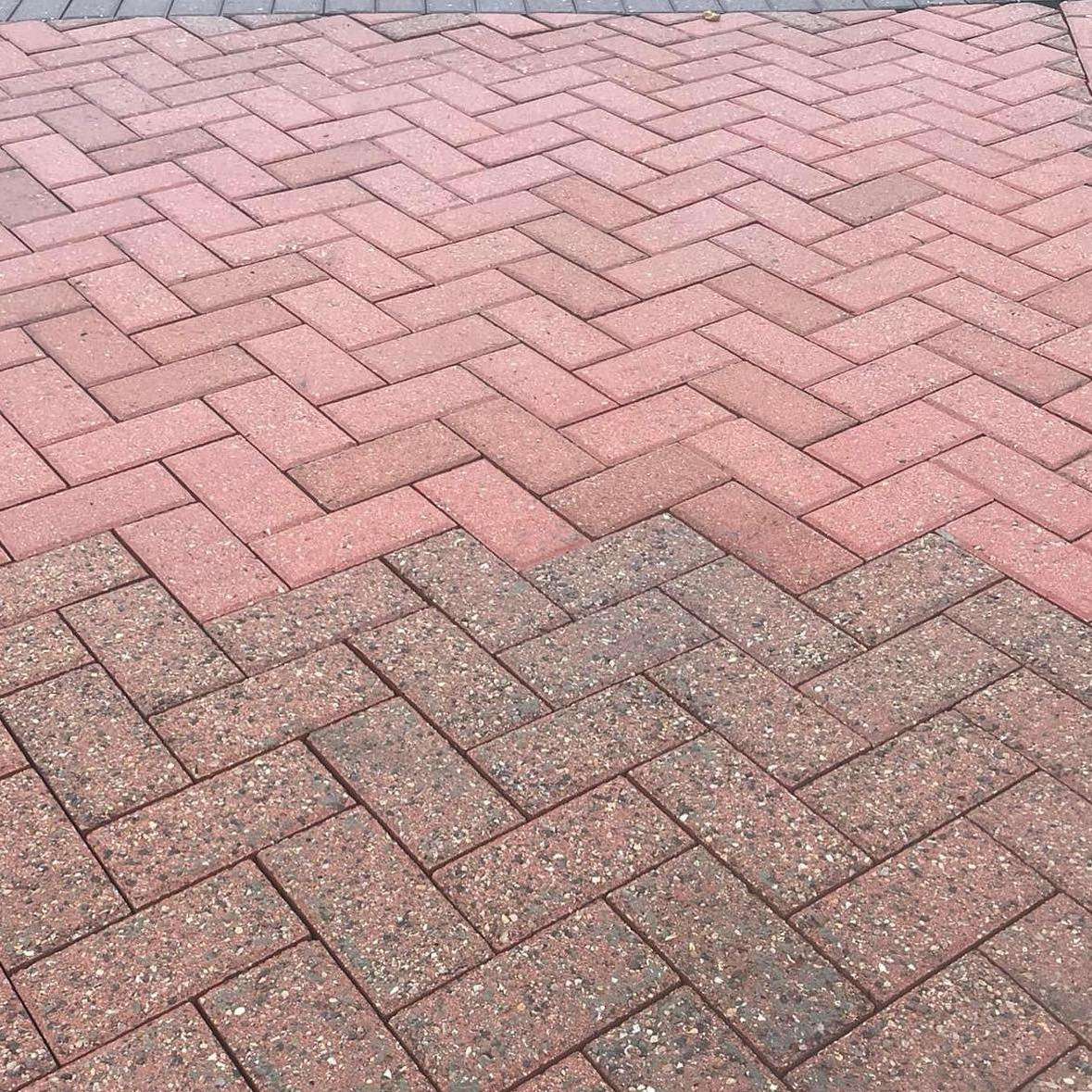 Brickwork
 Composite Surfaces
 Decking / Timber
 Granite
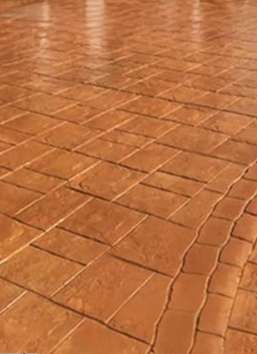 Imprinted Concrete
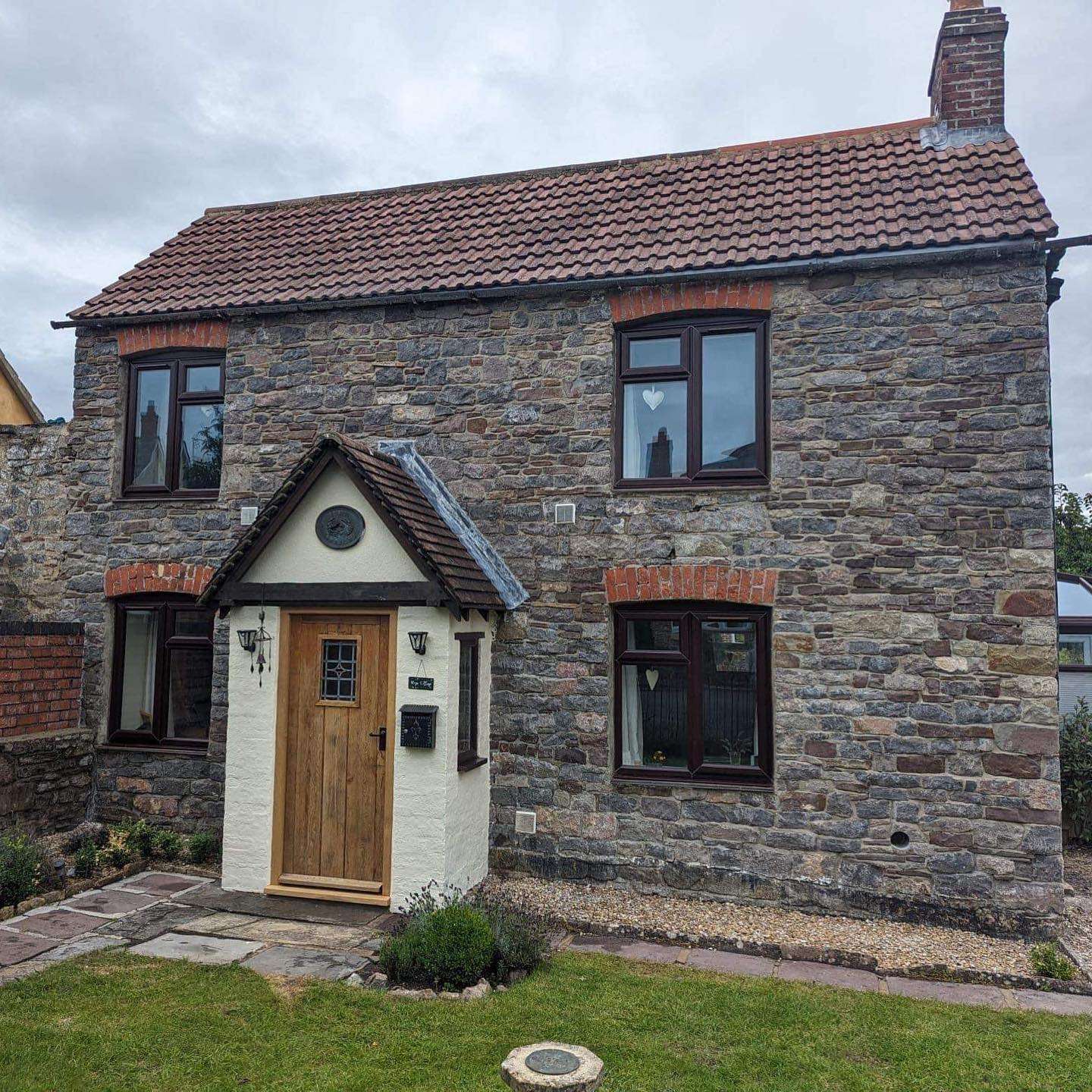 Internal Masonry
 Limestone
 Marble
 Metal Cladding
 Polished or Honed Stone
 Porcelain
 Render
 Resin Bond
 Road and Rail Signs
 Roof Tiles / Slates
 Sandstone
 Slate
Slate Solar Panels and Glass
 Stone Sills and Pier Caps
 Tarmac and Asphalt
 Gutters & UPVC
 Acid Damage
 Biofilm
 Bitumen
 Blood
Blood Carbon
 Concrete / Grout / Mortar
 Copper Oxide
 Efflorescence
 Egg
Egg Failed Sealer
 Fire Damage
 Fuel / Oil
 Graffiti
 Grease / Fat / Cooking Oil
 Lawn Fertiliser
 Lead Carbonate
 Lead Oxide
 Paint Splashes
 Rust
Rust Tar & Glue
 Tannin Removers
 Traffic Film Removers
 Trapped Moisture / Sealer Repairs
 Urine Neutralisers