Running several pressure washing jobs in one day can be highly profitable when managed properly. It allows businesses to increase revenue, improve route efficiency, and make better use of staff and equipment. However, trying to squeeze too many appointments into a working day without proper planning often leads to delays, rushed work, dissatisfied customers, and exhausted teams.
For professional exterior cleaning companies like Pureseal Services, delivering consistent quality while handling a busy schedule comes down to organisation, communication, and operational systems that work under pressure. Whether you are cleaning driveways, patios, roofs, render, commercial premises, or larger exterior surfaces, effective scheduling and preparation are essential.
Managing multiple pressure washing jobs per day is not simply about working faster. It is about reducing wasted time, preparing correctly, using the right equipment, maintaining high standards, and creating a workflow that allows every job to run smoothly from start to finish.
Plan the Day Before It Starts
One of the biggest mistakes exterior cleaning companies make is organising jobs on the morning they are due to take place. Successful pressure washing businesses prepare schedules well in advance.
Every working day should be mapped out the evening before. This includes:
Confirming customer appointments
Reviewing property access requirements
Checking equipment and fuel levels
Preparing chemicals and cleaning solutions
Reviewing estimated job durations
Confirming travel routes
Assigning staff responsibilities
When teams arrive prepared, the first job of the day starts on time rather than being delayed by forgotten hoses, empty fuel tanks, or missing attachments.
A structured preparation process also reduces stress throughout the day because staff know exactly where they need to be and what is required at each property.
Daily Preparation Checklist
Task
Importance
Confirm customer appointment
Prevents cancellations and no access issues
Check weather forecast
Helps avoid disruption and rescheduling
Inspect pressure washer equipment
Reduces breakdown risks
Prepare chemicals
Saves time on-site
Load extension hoses and accessories
Prevents return trips
Review travel routes
Reduces wasted travel time
Assign responsibilities to staff
Improves workflow efficiency
Group Jobs by Location
Travel time is one of the biggest hidden costs in the pressure washing industry. Driving between jobs wastes fuel, increases vehicle wear, and limits the number of appointments that can be completed each day.
A smarter approach is to group jobs geographically.
For example, instead of taking bookings randomly across multiple towns, schedule:
Monday jobs in one local area
Tuesday jobs in another area
Commercial work on specific days
Larger projects on quieter schedule days
This route planning strategy dramatically improves productivity.
Example of Poor Route Planning
Job
Location
Travel Gap
Job 1
Reading
–
Job 2
Oxford
1 hour
Job 3
Basingstoke
1 hour 15 minutes
Job 4
Swindon
1 hour
Total travel time could exceed four hours.
Example of Efficient Route Planning
Job
Location
Travel Gap
Job 1
Reading
–
Job 2
Reading
10 minutes
Job 3
Wokingham
15 minutes
Job 4
Bracknell
20 minutes
Total travel time becomes far more manageable.
This allows more time for cleaning and less time spent sitting in traffic.
Use Realistic Time Estimates
Overbooking is one of the fastest ways to damage service quality.
Some pressure washing businesses underestimate job duration in order to fit more customers into the day. While this may appear profitable initially, it often causes:
Delays
Rushed workmanship
Missed details
Customer complaints
Staff fatigue
Late arrivals
Negative reviews
Instead, every job should be given a realistic time estimate based on:
Surface size
Level of contamination
Water access
Parking access
Equipment requirements
Drying times for treatments
Potential repairs or additional cleaning
Experienced teams usually build contingency time into the schedule.
Recommended Scheduling Buffer Times
Job Type
Estimated Cleaning Time
Suggested Buffer
Small driveway
1 to 2 hours
30 minutes
Medium patio
2 to 3 hours
30 minutes
Large driveway
3 to 5 hours
45 minutes
Roof cleaning
Half day to full day
1 hour
Commercial pressure washing
Variable
1 hour
Buffer times provide protection against unexpected delays such as:
Heavy staining
Customer discussions
Traffic problems
Equipment adjustments
Additional cleaning requests
Invest in Professional Equipment
Trying to manage multiple jobs per day with low-powered or unreliable equipment creates major inefficiencies.
Professional pressure washing companies rely on commercial-grade systems because they reduce cleaning times significantly while delivering better results.
High-quality equipment can:
Increase water pressure consistency
Reduce downtime
Improve cleaning coverage
Speed up surface cleaning
Improve chemical application
Handle larger commercial projects
Using surface cleaners instead of pressure washing lances alone can dramatically increase productivity on patios and driveways.
Equipment That Improves Efficiency
Equipment
Benefit
Commercial pressure washer
Faster cleaning and higher reliability
Flat surface cleaner
Speeds up driveway and patio cleaning
Hose reels
Faster setup and packing away
Water tanks
Reduces reliance on customer supply
Turbo nozzles
Faster stain removal
Van racking systems
Improved organisation
Battery-powered sprayers
Faster chemical application
Although premium equipment involves higher upfront costs, it often improves long-term profitability because more jobs can be completed efficiently without compromising standards.
Standardise Your Workflow
Pressure washing businesses that complete several jobs daily often follow strict operational processes.
Standardisation helps staff work consistently regardless of the property type.
A professional workflow may include:
Arrival and property inspection
Customer discussion
Risk assessment
Area preparation
Chemical pre-treatment
Pressure washing
Rinsing
Post-treatment application
Final inspection
Customer walkthrough
Payment collection
Photo documentation
When every team member follows the same process, jobs become more predictable and easier to manage.
This consistency also helps maintain high-quality standards even during busy periods.
Keep Communication Clear With Customers
Customer communication is essential when handling multiple appointments in one day.
Clients appreciate updates and accurate arrival times.
If delays occur, notifying customers immediately can prevent frustration.
Clear communication should include:
Appointment confirmation
Expected arrival windows
Preparation instructions
Water access requirements
Parking information
Completion updates
Aftercare advice
Many successful exterior cleaning companies use automated booking systems or customer relationship management software to streamline communication.
Customer Information to Confirm Before Arrival
Information Needed
Why It Matters
Property access
Prevents delays
Parking availability
Speeds up unloading
Outdoor water supply
Ensures smooth setup
Presence of pets
Improves safety
Surface condition concerns
Helps prepare correctly
Previous treatments
Avoids compatibility issues
Train Staff Properly
As demand grows, businesses often expand by hiring additional technicians. However, adding staff without proper training can create inconsistency.
Every pressure washing technician should understand:
Equipment operation
Surface identification
Pressure settings
Chemical safety
Customer service
Health and safety procedures
Efficient setup techniques
Packing procedures
Well-trained teams work faster because they are confident in their roles.
They also reduce the risk of:
Property damage
Surface etching
Chemical misuse
Accidents
Equipment failure
Skills Every Pressure Washing Technician Should Have
Skill
Importance
Surface assessment
Prevents damage
Chemical knowledge
Improves results
Equipment handling
Increases efficiency
Time management
Keeps schedules on track
Customer communication
Improves professionalism
Health and safety awareness
Reduces risks
Minimise Setup and Pack Down Time
A surprising amount of time can be lost during setup and pack away.
Businesses that complete multiple jobs daily usually focus heavily on improving efficiency in these areas.
Ways to reduce wasted time include:
Using hose reels
Organising vans carefully
Colour coding equipment
Keeping chemicals labelled
Creating loading checklists
Assigning staff roles during unloading
When equipment is disorganised, staff waste valuable minutes searching for connectors, nozzles, or extension hoses.
Those lost minutes quickly add up across several appointments.
Example of Time Loss Across Four Jobs
Task
Time Lost Per Job
Total Daily Loss
Searching for equipment
10 minutes
40 minutes
Poor van organisation
5 minutes
20 minutes
Untidy hose management
5 minutes
20 minutes
This could result in more than an hour of wasted time every day.
Use the Right Chemicals Efficiently
Pressure washing alone is not always the fastest or most effective cleaning method.
Professional-grade cleaning solutions help break down:
Algae
Moss
Lichen
Oil stains
Black spot contamination
Organic growth
Using appropriate pre-treatment chemicals reduces cleaning time significantly.
Instead of spending excessive time blasting surfaces with high pressure, technicians can allow chemical dwell time to do much of the work.
This approach improves efficiency while also reducing the risk of surface damage.
Benefits of Pre-Treatment Solutions
Benefit
Result
Faster cleaning
More jobs completed daily
Lower pressure required
Reduced damage risk
Improved stain removal
Better customer satisfaction
Longer-lasting results
Improved reputation
Monitor Weather Carefully
Exterior cleaning businesses depend heavily on weather conditions.
Rain, frost, high winds, or freezing temperatures can disrupt schedules.
Checking forecasts regularly helps businesses plan effectively.
Some companies maintain flexible schedules specifically to allow for weather-related changes.
Weather Conditions That Affect Pressure Washing
Weather Condition
Potential Impact
Heavy rain
Reduced visibility and safety
High winds
Chemical overspray risks
Freezing temperatures
Ice hazards
Extreme heat
Rapid chemical drying
Having backup plans and alternative work options can help avoid full-day cancellations.
Prioritise Health and Safety
Completing multiple jobs per day should never come at the expense of safety.
Pressure washing equipment can cause serious injuries if used incorrectly.
Exterior cleaning teams must remain focused even during busy periods.
Important safety measures include:
Wearing protective equipment
Checking hoses regularly
Using proper footwear
Managing cables safely
Following COSHH guidelines
Preventing slips and trips
Protecting surrounding surfaces
Fatigue also becomes a major factor when teams rush between appointments.
Regular breaks and realistic scheduling help maintain concentration and reduce accident risks.
Essential Pressure Washing Safety Equipment
Equipment
Purpose
Safety goggles
Eye protection
Waterproof gloves
Chemical and pressure protection
Non-slip footwear
Reduces fall risk
Hearing protection
Protects against prolonged noise exposure
High-visibility clothing
Improves site visibility
Build Repeatable Systems
Businesses that successfully manage high workloads usually rely on systems rather than improvisation.
Documented processes make daily operations easier to scale.
These systems may include:
Booking procedures
Quotation templates
Vehicle loading systems
Cleaning checklists
Customer follow-up processes
Staff schedules
Maintenance routines
The more repeatable the workflow becomes, the easier it is to manage increasing demand.
Maintain Equipment Proactively
Equipment failure during a busy working day can ruin an entire schedule.
Preventative maintenance is therefore essential.
Commercial pressure washing systems experience heavy use, especially when businesses complete multiple jobs daily.
Regular maintenance should include:
However, spending excessive time taking and editing photos can slow down the working day.
Efficient teams create a simple photo process.
For example:
Take photos immediately upon arrival
Capture identical angles after completion
Upload images directly to cloud storage
Use organised folders for each customer
This keeps documentation efficient without affecting productivity.
Use Digital Scheduling Tools
Paper diaries and handwritten notes become difficult to manage once businesses start handling multiple daily jobs.
Digital scheduling systems improve organisation considerably.
Benefits include:
Live schedule updates
Route optimisation
Automated reminders
Staff tracking
Invoice generation
Customer records
Features to Look for in Scheduling Software
Feature
Benefit
Route planning
Reduces travel time
Mobile access
Improves flexibility
Automated reminders
Reduces no-shows
Job notes
Improves communication
Invoice integration
Faster payments
Photo uploads
Better record keeping
Technology allows businesses to manage larger workloads without losing control of operations.
Know When to Decline Extra Work
One of the hardest lessons for growing exterior cleaning companies is learning when to say no.
Trying to fit too many jobs into one day often damages long-term reputation.
Signs that the schedule is overloaded include:
Frequent late arrivals
Rushed cleaning
Increasing complaints
Staff exhaustion
Missed details
Reduced profit margins
Sometimes accepting fewer high-value jobs is more profitable than overloading the schedule with smaller appointments.
Professional businesses protect their reputation by maintaining quality rather than chasing unrealistic volume.
Improve Efficiency Through Specialisation
Many successful pressure washing companies become highly efficient because they specialise in particular services.
For example:
Driveway cleaning
Patio restoration
Roof cleaning
Render cleaning
Commercial exterior cleaning
Specialisation improves:
Staff expertise
Equipment selection
Speed
Quoting accuracy
Workflow efficiency
Teams that repeatedly perform the same service type usually complete work faster while maintaining better standards.
Create a Strong Van Layout
Vehicle organisation has a huge impact on daily productivity.
A well-designed van layout allows technicians to access equipment quickly without constant rearranging.
An effective van setup may include:
Hose reel storage
Shelving systems
Separate chemical storage
Tool compartments
Dedicated PPE storage
Secure tank positioning
Example of Efficient Van Storage Areas
Van Area
Purpose
Rear access section
Pressure washer and hose reels
Side shelving
Chemicals and accessories
Upper shelving
Spare fittings and nozzles
Secure cabinet
PPE and safety equipment
Floor-mounted tank area
Water storage
Good organisation improves speed, safety, and professionalism.
Reduce Fuel and Running Costs
Managing multiple jobs daily can become expensive if operational costs are not controlled.
Key areas to monitor include:
Fuel consumption
Chemical usage
Equipment wear
Vehicle maintenance
Water usage
Labour efficiency
Tracking expenses helps businesses identify where profits may be leaking.
Common Operating Costs for Pressure Washing Businesses
Expense Type
Impact on Profitability
Fuel
Major daily expense
Equipment maintenance
Essential ongoing cost
Chemicals
Varies by service type
Insurance
Fixed business overhead
Vehicle servicing
Long-term maintenance cost
Labour
Largest operational expense
Reducing wasted travel and improving efficiency directly improves profit margins.
Focus on Customer Experience
Even when completing several jobs per day, customer experience should remain a priority.
Customers often judge service quality based on:
Communication
Punctuality
Professional appearance
Attention to detail
Clean-up standards
Courtesy
Simple habits make a major difference.
Examples include:
Arriving in clean branded vehicles
Wearing professional uniforms
Explaining the process clearly
Respecting customer property
Leaving the area tidy
Satisfied customers are more likely to leave positive reviews and recommend services to others.
Develop a Reliable Team Structure
As pressure washing companies grow, team structure becomes increasingly important.
Many businesses eventually divide staff into specialised crews.
For example:
Example Team Structure
Team Type
Responsibilities
Residential team
Driveways, patios, pathways
Roof cleaning team
Roof moss removal and treatment
Commercial team
Large exterior cleaning projects
Maintenance team
Equipment servicing and stock management
Clear team responsibilities improve accountability and operational efficiency.
Use Downtime Productively
Even well-organised businesses experience occasional gaps between jobs.
Rather than wasting these periods, productive teams use them for:
Equipment cleaning
Vehicle organisation
Staff training
Marketing updates
Maintenance checks
Stock management
Using downtime wisely improves long-term efficiency and prevents problems from building up.
Track Performance Metrics
Businesses that want to improve daily productivity should monitor performance data regularly.
Useful metrics include:
Average job completion times
Daily revenue
Fuel costs
Customer satisfaction
Staff productivity
Travel time percentages
Example Performance Tracking Table
Metric
Why It Matters
Jobs completed per day
Measures productivity
Average revenue per job
Indicates profitability
Customer review scores
Reflects service quality
Travel hours
Identifies inefficiency
Repeat customer rate
Measures customer loyalty
Tracking results helps businesses make informed operational decisions.
Balance Speed With Quality
Completing more jobs should never result in poor workmanship.
Rushing pressure washing work can lead to:
Uneven cleaning
Surface damage
Missed areas
Poor chemical application
Customer dissatisfaction
The goal should always be efficient quality rather than pure speed.
Professional companies maintain high standards by combining:
Proper equipment
Skilled technicians
Good scheduling
Clear communication
Realistic workloads
When these elements work together, businesses can handle multiple pressure washing jobs per day successfully while maintaining strong customer satisfaction and long-term profitability.
Prepare for Business Growth
As demand increases, businesses eventually reach a point where existing systems need upgrading.
Growth planning may involve:
Adding additional vehicles
Hiring more technicians
Investing in larger equipment
Expanding storage facilities
Introducing office support staff
Improving scheduling software
Scaling gradually allows businesses to maintain service quality while increasing workload capacity.
Companies that expand too quickly without operational systems often struggle with inconsistency and customer complaints.
Sustainable growth comes from building strong foundations first.
Maintain a Professional Reputation
In the pressure washing industry, reputation is everything.
Customers trust businesses that consistently deliver:
Reliable appointments
Professional conduct
High-quality cleaning
Clear communication
Excellent results
Managing multiple jobs per day successfully requires more than hard work alone.
It requires organisation, preparation, skilled staff, reliable equipment, and systems designed to keep operations running smoothly.
When businesses focus on efficiency without sacrificing quality, they position themselves for long-term success in an increasingly competitive exterior cleaning market.


 Artificial and Sports Surfaces
 Awnings / Canopies / Gazebos
 Block Paving
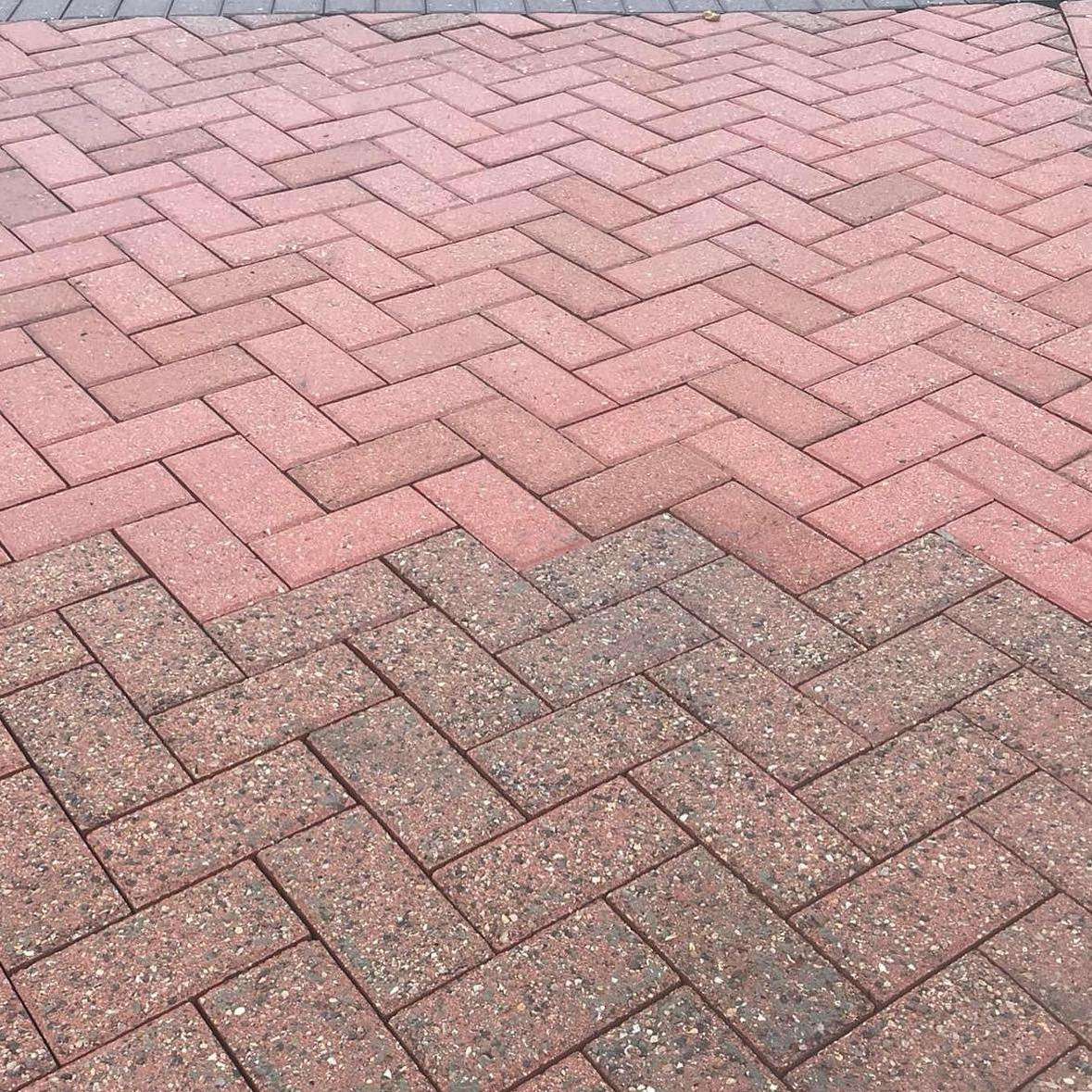 Brickwork
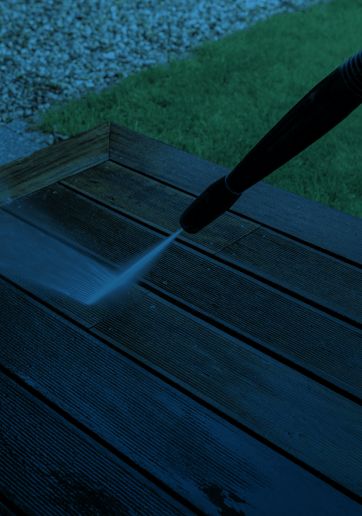 Composite Surfaces
 Decking / Timber
 Granite
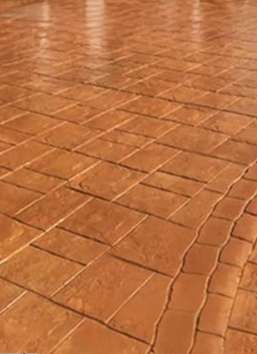 Imprinted Concrete
 Internal Masonry
 Limestone
 Marble
 Metal Cladding
 Polished or Honed Stone
 Porcelain
 Render
 Resin Bond
 Road and Rail Signs
 Roof Tiles / Slates
 Sandstone
 Slate
Slate Solar Panels and Glass
 Stone Sills and Pier Caps
 Tarmac and Asphalt
 Gutters & UPVC
 Acid Damage
 Biofilm
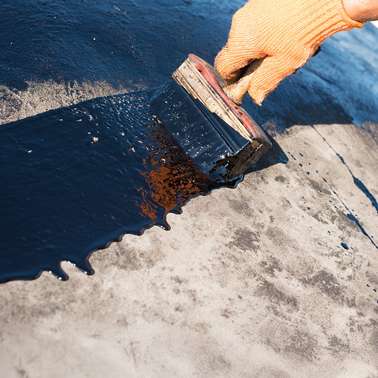 Bitumen
 Blood
Blood Carbon
 Concrete / Grout / Mortar
 Copper Oxide
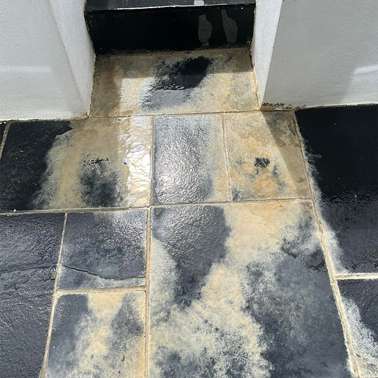 Efflorescence
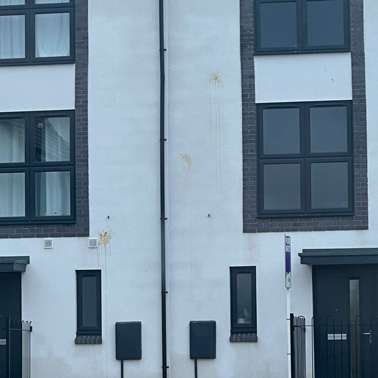 Egg
Egg Failed Sealer
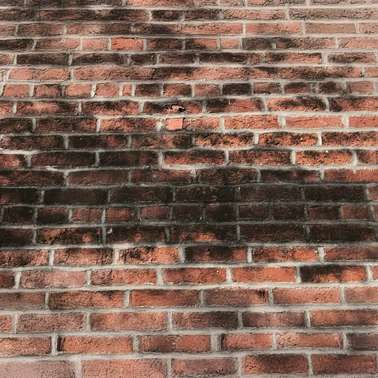 Fire Damage
 Fuel / Oil
 Graffiti
 Grease / Fat / Cooking Oil
 Lawn Fertiliser
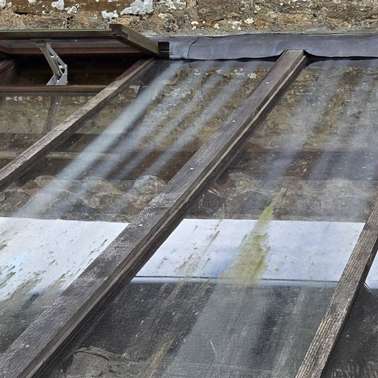 Lead Carbonate
 Lead Oxide
 Paint Splashes
 Rust
Rust Tar & Glue
 Tannin Removers
 Traffic Film Removers
 Trapped Moisture / Sealer Repairs
 Urine Neutralisers