

How to choose the right chemical for each surface
How to Choose the Right Chemical for Each Surface
Choosing the correct cleaning chemical for each surface is essential for achieving effective results without causing damage. Different materials respond differently to chemical formulations, and using the wrong product can lead to discolouration, corrosion, deterioration, or expensive repairs. Whether cleaning roofs, driveways, render, patios, or cladding, understanding chemical compatibility helps ensure both safety and performance 🧪.
Professional cleaning chemicals are designed with specific surfaces in mind. These formulations balance cleaning strength with material safety, ensuring contaminants such as algae, moss, lichen, dirt, grease, and pollution are removed without harming the underlying substrate.
Specialist cleaning chemicals are available from suppliers such as https://puresealservices.co.uk/, which offer products specifically designed for exterior surface cleaning.
Why Chemical Choice Matters
Different surfaces vary in porosity, hardness, and chemical resistance. A chemical that works perfectly on concrete may permanently damage render or natural stone. The main reasons chemical selection is important include:
-
Preventing surface damage
-
Achieving thorough cleaning
-
Improving longevity of surfaces
-
Reducing regrowth of organic matter
-
Ensuring safety for surrounding areas
Using the correct chemical also improves efficiency, reducing labour time and product waste, which directly affects operating costs.
Understanding the Main Types of Cleaning Chemicals
Cleaning chemicals generally fall into several categories, each suited for specific contaminants and surfaces.
| Chemical Type | Primary Use | Suitable Surfaces | Key Benefits |
|---|---|---|---|
| Biocides | Killing moss, algae, and lichen | Roofs, render, patios | Long-term prevention |
| Sodium hypochlorite | Removing organic staining | Concrete, tiles | Fast acting |
| Surfactant cleaners | Breaking down dirt and grease | Most surfaces | Gentle cleaning |
| Acid-based cleaners | Removing mineral deposits | Brick, concrete | Removes efflorescence |
| Alkaline cleaners | Removing oils and grease | Driveways, industrial areas | Strong degreasing |
| Neutral cleaners | Light maintenance cleaning | Sensitive materials | Safe and controlled |
Each category serves a different purpose and must be matched carefully to the surface.
Choosing Chemicals for Roof Surfaces
Roof surfaces are among the most sensitive areas due to their exposure and material variation.
Roof Tile Types and Chemical Compatibility
| Roof Material | Recommended Chemical | Avoid | Reason |
|---|---|---|---|
| Concrete tiles | Biocide treatment | Strong acids | Acid weakens structure |
| Clay tiles | Soft wash biocide | High-pressure chemical mixes | Prevent surface erosion |
| Slate | Mild biocide | Bleach-heavy solutions | Prevent discolouration |
| Metal roofing | Neutral cleaner | Acidic chemicals | Prevent corrosion |
Biocides are the preferred solution for roofs because they kill moss and algae at the root without damaging the tile surface.
Typical cost of roof cleaning chemicals:
| Product Type | Average Cost per Litre | Coverage per Litre | Cost per 100m² |
|---|---|---|---|
| Professional biocide | £4–£8 | 5m² | £80–£160 |
| Hypochlorite mix | £2–£5 | 6m² | £33–£83 |
| Neutral cleaner | £3–£6 | 8m² | £37–£75 |
Biocides often provide longer-lasting results, reducing overall maintenance costs.
Choosing Chemicals for Render
Render surfaces are highly sensitive and easily damaged by harsh chemicals.
Render Types and Chemical Selection
| Render Type | Recommended Chemical | Risk Level | Notes |
|---|---|---|---|
| Silicone render | Specialist biocide | Low | Preserves water resistance |
| Acrylic render | Mild surfactant cleaner | Low | Avoid bleaching |
| Cement render | Biocide or mild hypochlorite | Medium | Monitor strength |
| Lime render | Neutral cleaner | High | Extremely sensitive |
Render can become permanently stained or etched if incorrect chemicals are used. Gentle formulations prevent damage while effectively removing algae and atmospheric staining.
Choosing Chemicals for Driveways and Concrete
Concrete and paving are durable but porous, meaning chemicals penetrate deeply.
Concrete Surface Chemical Guide
| Contamination Type | Recommended Chemical | Effectiveness | Cost per Litre |
|---|---|---|---|
| Oil stains | Alkaline degreaser | Excellent | £5–£10 |
| Moss and algae | Biocide | Excellent | £4–£8 |
| General dirt | Surfactant cleaner | Good | £3–£6 |
| Rust stains | Acid cleaner | Excellent | £6–£12 |
Alkaline cleaners break down oils effectively, while biocides prevent regrowth of organic matter.
Choosing Chemicals for Natural Stone
Natural stone varies greatly in chemical resistance. Limestone and sandstone are particularly sensitive.
Stone Compatibility Table
| Stone Type | Suitable Chemical | Avoid | Reason |
|---|---|---|---|
| Sandstone | Neutral or mild biocide | Acid | Causes erosion |
| Limestone | Neutral cleaner | Acid or bleach | Permanent damage |
| Granite | Biocide or hypochlorite | Strong acid | Surface dulling |
| Slate | Mild biocide | Bleach-heavy products | Discolouration risk |
Natural stone replacement costs can range from £80 to £250 per square metre, making chemical selection critical.
Choosing Chemicals for Brickwork
Brick surfaces vary depending on age and composition.
| Brick Type | Recommended Chemical | Risk Level | Notes |
|---|---|---|---|
| Modern brick | Biocide or surfactant | Low | Safe cleaning |
| Older brick | Neutral cleaner | Medium | Protect mortar |
| Engineering brick | Mild acid cleaner | Low | Removes deposits |
| Soft handmade brick | Neutral cleaner | High | Easily damaged |
Mortar joints are particularly vulnerable to aggressive chemicals.
Choosing Chemicals for UPVC and Cladding
UPVC and plastic cladding require gentle cleaning to prevent fading or brittleness.
| Surface | Recommended Chemical | Avoid | Reason |
|---|---|---|---|
| UPVC | Surfactant cleaner | Solvents | Prevent degradation |
| Vinyl cladding | Neutral cleaner | Acid | Prevent surface damage |
| Fascias and soffits | Mild detergent | Strong chemicals | Protect finish |
UPVC replacement can cost between £150 and £400 per section, making proper chemical use essential.
Understanding Chemical Strength and Dilution Ratios
Dilution ratios determine chemical effectiveness and safety.
| Surface | Typical Dilution Ratio | Strength Level |
|---|---|---|
| Roof tiles | 1:5 | Medium |
| Render | 1:10 | Mild |
| Concrete | 1:3 | Strong |
| UPVC | 1:15 | Very mild |
| Natural stone | 1:12 | Mild |
Using overly concentrated chemicals increases damage risk without improving results.
Environmental and Safety Considerations
Choosing appropriate chemicals protects surrounding areas including:
-
Plants
-
Grass
-
Pets
-
Soil
-
Drainage systems
Modern professional cleaning chemicals are designed to minimise environmental impact while maintaining effectiveness.
Safety equipment required includes:
-
Gloves
-
Eye protection
-
Protective clothing
-
Respirators where necessary
Proper chemical selection reduces hazard exposure.
Cost Efficiency of Using the Correct Chemical
Using correct chemicals improves financial efficiency.
| Factor | Incorrect Chemical | Correct Chemical |
|---|---|---|
| Labour time | Higher | Lower |
| Chemical usage | Higher | Lower |
| Surface damage | Possible | Prevented |
| Repeat cleaning | Frequent | Reduced |
| Long-term cost | Higher | Lower |
Investing in appropriate chemicals reduces overall maintenance costs.
Organic Growth Removal vs Prevention
Some chemicals remove growth, while others prevent regrowth.
| Chemical Type | Removes Growth | Prevents Regrowth | Duration |
|---|---|---|---|
| Bleach | Yes | No | Short-term |
| Biocide | Yes | Yes | Long-term |
| Surfactant | Partial | No | Short-term |
| Neutral cleaner | Light cleaning | No | Maintenance |
Biocides provide the most comprehensive long-term solution.
Matching Chemicals to Contamination Type
Choosing based on contamination improves efficiency.
| Contamination | Best Chemical | Surface Compatibility |
|---|---|---|
| Moss | Biocide | Most surfaces |
| Algae | Biocide or hypochlorite | Most surfaces |
| Grease | Alkaline cleaner | Concrete, industrial |
| Rust | Acid cleaner | Concrete only |
| Dirt | Surfactant cleaner | All surfaces |
Understanding contamination ensures proper treatment.
Professional vs Domestic Cleaning Chemicals
Professional products offer several advantages:
| Feature | Professional Chemical | Domestic Cleaner |
|---|---|---|
| Strength | Higher | Lower |
| Efficiency | Better | Limited |
| Coverage | Larger area | Smaller area |
| Longevity | Longer lasting | Short-term |
| Cost efficiency | Better value | Higher long-term cost |
Professional products provide better performance and value over time.
Common Mistakes When Choosing Chemicals
Avoid these common errors:
Using bleach on render
Using acid on natural stone
Using strong chemicals on UPVC
Using incorrect dilution ratios
Using roof chemicals on driveways
These mistakes can lead to costly repairs.
Surface Porosity and Chemical Absorption
Highly porous surfaces absorb more chemical, requiring careful selection.
| Surface | Porosity Level | Chemical Requirement |
|---|---|---|
| Concrete | High | Moderate strength |
| Render | Medium | Mild strength |
| Brick | Medium | Mild strength |
| Slate | Low | Mild strength |
| Metal | Very low | Neutral cleaner |
Porosity affects chemical absorption and cleaning effectiveness.
Long-Term Maintenance Planning
Correct chemical selection improves long-term maintenance scheduling.
| Surface | Typical Retreat Interval | Recommended Chemical |
|---|---|---|
| Roof | 3–5 years | Biocide |
| Render | 2–4 years | Biocide |
| Driveway | 1–3 years | Biocide or degreaser |
| Patio | 2–3 years | Biocide |
| Cladding | 1–2 years | Surfactant cleaner |
This reduces overall cleaning costs over time.
Weather and Chemical Performance
Weather conditions affect chemical effectiveness.
Ideal conditions include:
-
Dry weather
-
Mild temperatures
-
No immediate rainfall
-
Low wind
Poor conditions reduce effectiveness and waste product.
Choosing Based on Surface Age
Older surfaces require gentler treatment.
| Surface Age | Chemical Strength |
|---|---|
| New | Moderate |
| 5–10 years | Mild |
| 10–20 years | Very mild |
| 20+ years | Specialist only |
Older materials become more fragile over time.
Compatibility Testing
Always perform a small test area before full application. This ensures:
-
No discolouration
-
No damage
-
Effective cleaning
-
Proper dilution strength
Testing prevents large-scale damage.
Storage and Shelf Life of Cleaning Chemicals
Proper storage preserves effectiveness.
| Chemical Type | Shelf Life | Storage Requirement |
|---|---|---|
| Biocide | 2–5 years | Cool, dry area |
| Hypochlorite | 6–12 months | Dark storage |
| Neutral cleaners | 3–5 years | Sealed container |
| Degreasers | 2–4 years | Dry environment |
Expired chemicals lose effectiveness.
Professional Results Depend on Correct Chemical Selection
Matching the chemical to the surface ensures:
-
Maximum cleaning effectiveness
-
Surface protection
-
Reduced maintenance costs
-
Improved appearance
-
Longer lifespan of materials
Professional-grade products available from https://puresealservices.co.uk/ are designed specifically for exterior cleaning applications, helping ensure compatibility and effectiveness across a wide range of surfaces.
Selecting the correct chemical is one of the most important factors in achieving safe, effective, and long-lasting cleaning results across roofs, driveways, render, stone, and cladding.
Understanding pH Levels and Surface Compatibility ⚗️
The pH level of a cleaning chemical plays a major role in determining whether it is safe for a particular surface. The pH scale ranges from 0 to 14, with lower numbers indicating acidic chemicals, higher numbers indicating alkaline chemicals, and 7 representing neutral solutions.
| pH Range | Chemical Type | Typical Uses | Suitable Surfaces |
|---|---|---|---|
| 0–3 | Strong acid | Heavy mineral removal | Limited concrete use only |
| 4–6 | Mild acid | Light efflorescence removal | Brick (with caution) |
| 7 | Neutral | General maintenance cleaning | Most surfaces |
| 8–10 | Mild alkaline | Organic dirt removal | Concrete, paving |
| 11–14 | Strong alkaline | Oil and grease removal | Industrial concrete |
Acidic chemicals dissolve mineral deposits such as efflorescence, but can damage sensitive surfaces like limestone or render. Alkaline chemicals break down oils and organic matter but must be used carefully to prevent surface deterioration.
Neutral cleaners are the safest option for delicate surfaces such as render, cladding, and painted materials.
How Chemical Dwell Time Affects Cleaning Results ⏱️
Dwell time refers to the length of time a chemical remains on a surface before rinsing. This period allows the chemical to break down contaminants effectively.
| Surface | Typical Dwell Time | Chemical Type |
|---|---|---|
| Roof tiles | 20–45 minutes | Biocide |
| Render | 15–30 minutes | Mild biocide |
| Concrete | 10–20 minutes | Degreaser or biocide |
| UPVC | 5–10 minutes | Surfactant cleaner |
| Natural stone | 10–15 minutes | Neutral cleaner |
Leaving chemicals on too briefly reduces effectiveness, while excessive dwell time increases the risk of surface damage.
Proper dwell time ensures:
-
Maximum cleaning effectiveness
-
Reduced need for repeat applications
-
Improved cost efficiency
-
Longer-lasting results
Choosing Chemicals Based on Surface Coatings and Treatments
Some surfaces have protective coatings that require special consideration.
| Surface Coating | Recommended Chemical | Avoid | Reason |
|---|---|---|---|
| Painted surfaces | Neutral cleaner | Solvents | Prevent paint stripping |
| Sealed concrete | Mild surfactant | Acid | Protect sealant |
| Powder-coated metal | Neutral cleaner | Acid or alkaline | Prevent coating damage |
| Waterproof render | Specialist biocide | Strong bleach | Protect water resistance |
Damaging protective coatings can lead to costly repairs, often ranging between £500 and £3,000 depending on the area affected.
Preserving coatings ensures surfaces maintain their protective and aesthetic properties.
Impact of Water Hardness on Chemical Effectiveness 💧
Water hardness can affect chemical performance. Hard water contains minerals such as calcium and magnesium, which can reduce cleaning effectiveness.
| Water Type | Effect on Chemicals | Adjustment Needed |
|---|---|---|
| Soft water | Normal performance | Standard dilution |
| Moderate hardness | Slight reduction | Slightly stronger mix |
| Hard water | Reduced effectiveness | Increased concentration |
| Very hard water | Significant reduction | Specialist formulations |
Hard water can also leave residue if improper chemicals are used.
Using compatible cleaning chemicals ensures optimal performance regardless of local water conditions.
Selecting Chemicals for Commercial vs Residential Surfaces
Commercial environments often require stronger chemical solutions due to higher contamination levels.
| Property Type | Recommended Chemical Strength | Frequency |
|---|---|---|
| Residential roof | Mild to medium | Every 3–5 years |
| Commercial roof | Medium to strong | Every 2–4 years |
| Residential driveway | Mild | Every 2–3 years |
| Commercial paving | Medium to strong | Every 1–2 years |
| Industrial concrete | Strong degreaser | Every 6–12 months |
Commercial cleaning often involves oil, pollution, and heavy foot traffic, requiring more specialised chemical solutions.
Correct chemical selection helps maintain professional standards and reduces long-term repair costs.
Temperature and Chemical Performance 🌡️
Temperature significantly affects how chemicals perform.
| Temperature Range | Chemical Effectiveness | Recommendation |
|---|---|---|
| Below 5°C | Reduced | Avoid cleaning |
| 5–10°C | Moderate | Increase dwell time |
| 10–20°C | Optimal | Ideal cleaning range |
| 20–30°C | Excellent | Monitor drying speed |
| Above 30°C | Reduced effectiveness | Apply in shade |
Cold temperatures slow chemical reactions, while excessive heat causes chemicals to evaporate too quickly.
Cleaning during moderate temperatures ensures optimal results and reduces waste.
Health and Safety When Using Surface Cleaning Chemicals 🦺
Using cleaning chemicals safely protects operators and property occupants.
| Safety Equipment | Purpose | Cost Range (£) |
|---|---|---|
| Gloves | Prevent skin contact | £5–£20 |
| Safety goggles | Protect eyes | £8–£25 |
| Respirator | Prevent inhalation | £20–£60 |
| Protective clothing | Prevent exposure | £15–£50 |
Additional safety precautions include:
-
Proper ventilation
-
Avoiding overspray
-
Following manufacturer dilution instructions
-
Safe chemical storage
Using appropriate safety procedures reduces health risks and ensures professional standards.
Long-Term Surface Protection Through Proper Chemical Selection 🏠
Choosing the correct chemical not only cleans surfaces but also protects them long term.
| Benefit | Impact |
|---|---|
| Reduced organic regrowth | Longer clean appearance |
| Surface preservation | Reduced repair costs |
| Improved durability | Extended lifespan |
| Reduced maintenance frequency | Lower long-term expense |
| Improved property value | Enhanced appearance |
For example, replacing a roof can cost between £4,000 and £12,000, while proper chemical maintenance costs significantly less.
Using compatible products from specialist suppliers such as https://puresealservices.co.uk/ ensures surfaces are cleaned safely while maintaining their structural integrity and appearance.
Correct chemical selection remains one of the most important factors in maintaining exterior surfaces efficiently, safely, and cost-effectively over many years.
Tags: Roof Cleaning, Exterior cleaning, gutter cleaning, window cleaning, Patio cleaning, Driveway cleaning, pressure washing
 Artificial and Sports Surfaces
 Awnings / Canopies / Gazebos
 Block Paving
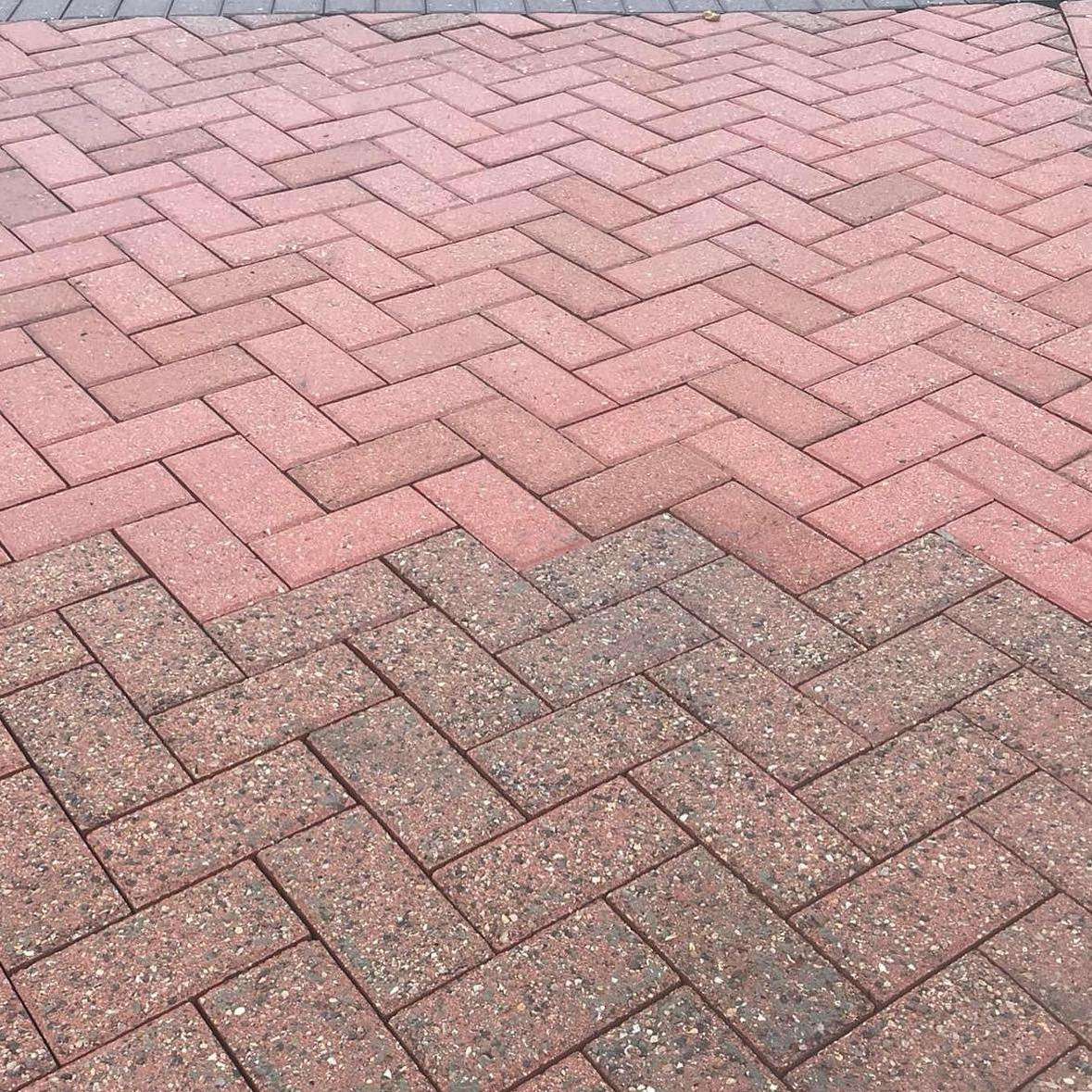 Brickwork
 Composite Surfaces
 Decking / Timber
 Granite
 Imprinted Concrete
 Internal Masonry
 Limestone
 Marble
 Metal Cladding
 Polished or Honed Stone
 Porcelain
 Render
 Resin Bond
 Road and Rail Signs
 Roof Tiles / Slates
 Sandstone
 Slate
Slate Solar Panels and Glass
 Stone Sills and Pier Caps
 Tarmac and Asphalt
 Gutters & UPVC
 Acid Damage
 Biofilm
 Bitumen
 Blood
Blood Carbon
 Concrete / Grout / Mortar
 Copper Oxide
 Efflorescence
 Egg
Egg Failed Sealer
 Fire Damage
 Fuel / Oil
 Graffiti
 Grease / Fat / Cooking Oil
 Lawn Fertiliser
 Lead Carbonate
 Lead Oxide
 Paint Splashes
 Rust
Rust Tar & Glue
 Tannin Removers
 Traffic Film Removers
 Trapped Moisture / Sealer Repairs
 Urine Neutralisers