
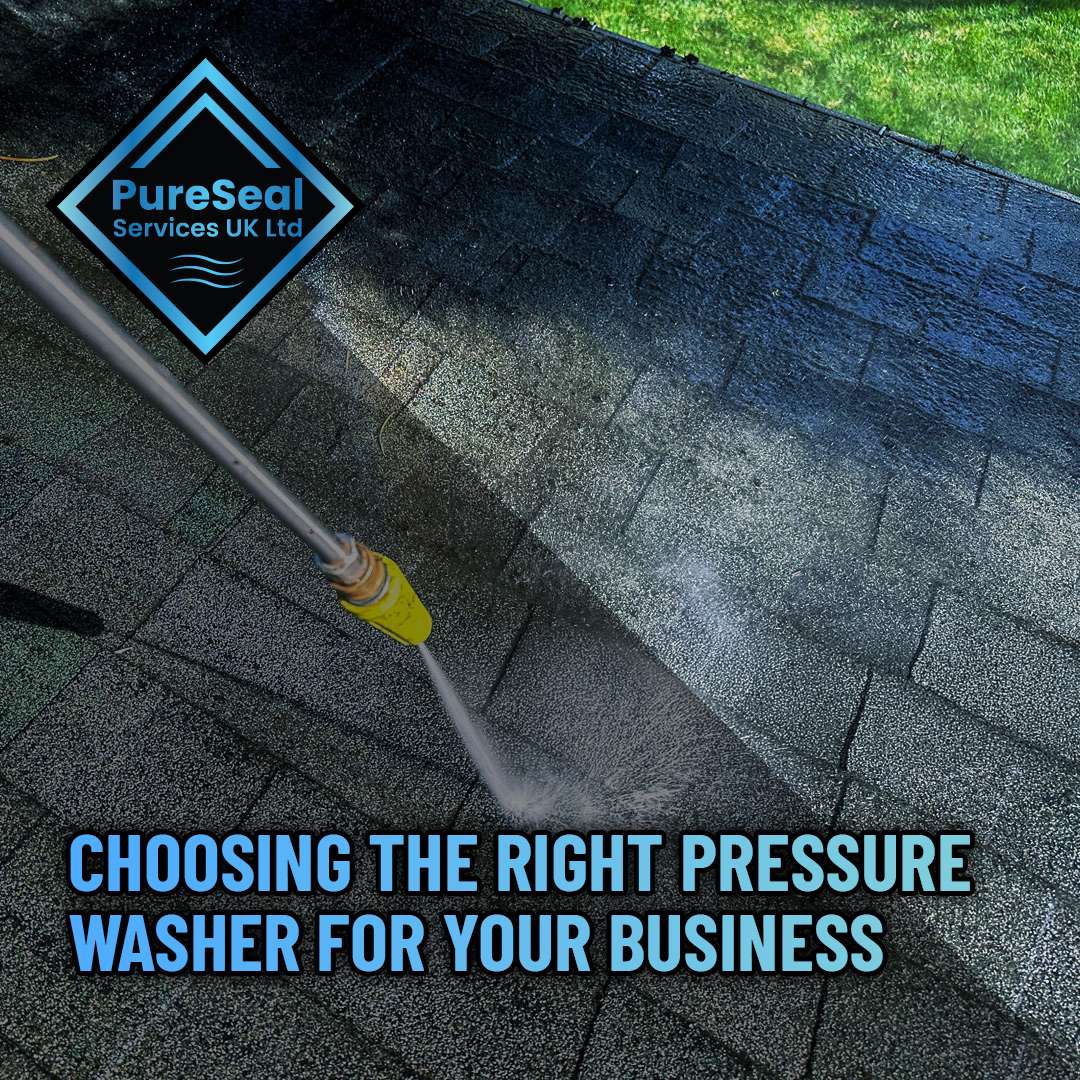
Choosing the Right Pressure Washer for Your Business
Starting a cleaning or exterior maintenance business in the UK often begins with one key piece of equipment: the pressure washer. These machines use high-pressure water to remove dirt, mould, algae, paint residue, grease, and grime from surfaces such as driveways, patios, roofs, and building exteriors.
Choosing the right pressure washer for your business is one of the most important early decisions. The machine you select will determine how quickly you can complete jobs, the types of surfaces you can clean safely, and how profitable your services become. A poorly chosen machine can slow down work, increase maintenance costs, and even damage surfaces.
This guide explains how to select the right pressure washer for a commercial cleaning business, what specifications matter most, and how to build an efficient setup that suits UK exterior cleaning work.
Choosing the Right Pressure Washer for Your Business
Pressure washers vary widely in power, design, and intended use. Some are designed for light household cleaning, while others are built for daily commercial use.
Before choosing a machine, businesses must consider several key factors:
-
pressure output (bar or PSI)
-
water flow rate
-
motor type
-
durability and runtime
-
fuel type (electric or petrol)
-
cleaning chemicals compatibility
A good pressure washer is not simply the one with the highest pressure rating. Cleaning efficiency depends on a balance between pressure and water flow.
Understanding Pressure and Flow Rate
Two specifications determine the cleaning performance of a pressure washer: pressure and flow rate.
Pressure is measured in bar or PSI, indicating the force of water leaving the nozzle. Flow rate measures the volume of water delivered, usually in litres per hour or litres per minute.
Higher pressure helps break apart stubborn dirt, while higher flow rate rinses debris away quickly.
| Specification | What it Means | Why it Matters |
|---|---|---|
| Pressure (Bar / PSI) | Force of the water jet | Removes tough dirt |
| Flow Rate (L/hr or LPM) | Amount of water delivered | Washes debris away |
| Motor Power | Strength of motor or engine | Determines durability |
Professional cleaning systems require a balanced combination of both factors rather than relying on extreme pressure alone.
Recommended Pressure Levels for Business Use
Pressure washers are often classified into light, medium, and heavy-duty categories.
| Usage Type | Pressure Range | Typical Tasks |
|---|---|---|
| Light duty | Up to 100 bar | Cars, bikes, garden furniture |
| Medium duty | 110–130 bar | Patios, decking, walls |
| Heavy duty | 130+ bar | Driveways, concrete, commercial work |
Professional exterior cleaning services usually operate with 150 bar or higher machines so they can handle daily commercial work.
If pressure is too low, cleaning takes longer. If it is too high, it may damage delicate surfaces like wood or painted walls.
Electric vs Petrol Pressure Washers
The first major choice for businesses is deciding between electric and petrol powered pressure washers.
Electric Pressure Washers
Electric machines are typically cheaper and quieter. They are ideal for smaller jobs where power access is available.
Advantages:
-
lower purchase cost
-
quieter operation
-
less maintenance
-
lightweight and portable
Disadvantages:
-
limited mobility due to power cables
-
lower maximum pressure
-
not ideal for large commercial jobs
Typical price range in the UK:
£200 – £700
Electric machines are suitable for businesses offering:
-
car washing services
-
small patio cleaning
-
domestic maintenance work
Petrol Pressure Washers
Petrol pressure washers are often used by professional exterior cleaning companies.
Advantages:
-
higher pressure output
-
greater mobility
-
better suited for commercial work
Disadvantages:
-
higher purchase cost
-
requires fuel and maintenance
-
louder operation
Typical price range:
£600 – £1,500
Petrol machines are often used for:
-
driveway cleaning
-
large patios
-
commercial buildings
-
construction cleaning
Why Flow Rate Matters for Professional Cleaning
Many beginners focus only on pressure numbers, but flow rate is just as important.
Flow rate represents the amount of water delivered per minute. A higher flow rate rinses dirt away faster and covers larger areas efficiently.
Commercial cleaning businesses often prefer machines delivering 12–25 litres per minute because they significantly speed up cleaning jobs.
| Flow Rate | Typical Use |
|---|---|
| 6–10 LPM | Domestic cleaning |
| 10–15 LPM | Small business use |
| 15–25 LPM | Professional cleaning |
| 25+ LPM | Industrial cleaning |
Higher flow rate means:
-
faster rinsing
-
better removal of dirt
-
shorter cleaning time
This directly improves job efficiency and profitability.
Cold Water vs Hot Water Pressure Washers
Another decision businesses face is choosing between cold water and hot water machines.
Cold Water Pressure Washers
Cold water washers are the most common and affordable.
They are effective for:
-
dirt and mud removal
-
algae cleaning
-
general exterior cleaning
Most startup pressure washing businesses begin with cold water systems.
Typical cost:
£300 – £1,000
Hot Water Pressure Washers
Hot water pressure washers heat the water before spraying it.
This helps remove:
-
grease
-
oil stains
-
industrial grime
However, these systems are significantly more expensive.
Typical cost:
£2,000 – £6,000
Hot water systems are more common in commercial cleaning sectors such as food processing, industrial sites, and vehicle maintenance.
Important Accessories for Pressure Washing Businesses
A pressure washer alone is rarely enough for professional work. Accessories improve efficiency and expand the range of services offered.
Essential Accessories
| Accessory | Purpose | Typical Cost |
|---|---|---|
| Surface cleaner | Cleans patios and driveways evenly | £150–£400 |
| Telescopic lance | Reaches roofs and high walls | £120–£300 |
| Chemical injector | Applies cleaning chemicals | £50–£150 |
| High-pressure hose | Extends reach | £40–£120 |
| Hose reel | Prevents tangles | £80–£200 |
Surface cleaners are particularly useful for large areas such as patios and driveways because they provide uniform cleaning results.
Using Cleaning Chemicals with Pressure Washers
Pressure washing alone does not always remove biological growth such as moss, algae, or mould.
Professional exterior cleaning companies often apply specialised cleaning chemicals before rinsing surfaces. These chemicals break down organic contamination and stains so they can be removed more easily.
Products such as degreasers, algae removers, and patio cleaners are commonly used in combination with pressure washers. Businesses often source these from suppliers like https://puresealservices.co.uk/ which provides cleaning products suitable for exterior surface treatment.
Using the correct chemicals allows businesses to clean surfaces more effectively while using lower pressure settings.
Durability and Build Quality
Commercial pressure washers operate for several hours per day, so durability is extremely important.
When choosing a machine, consider the following components.
| Component | Why It Matters |
|---|---|
| Pump material | Brass pumps last longer than plastic |
| Frame strength | Protects machine during transport |
| Motor type | Induction motors last longer |
| Hose quality | Prevents leaks and pressure loss |
Professional equipment costs more initially but often lasts much longer than consumer models.
Power Source and Mobility
Cleaning businesses often work across large outdoor spaces such as driveways, commercial car parks, and building exteriors.
Mobility becomes a key factor.
Important features include:
-
large wheels for uneven surfaces
-
long hoses
-
portable frames
-
compatibility with water tanks
Some companies eventually upgrade to van-mounted pressure washing systems, which store the machine, water tank, and hose reels inside a work vehicle.
Typical Startup Equipment Budget
Starting a pressure washing business in the UK does not require an enormous investment.
Below is an example equipment budget.
| Equipment | Estimated Cost |
|---|---|
| Professional pressure washer | £800 |
| Surface cleaner | £250 |
| Telescopic lance | £200 |
| Hoses and fittings | £120 |
| Chemical sprayer | £90 |
| Cleaning chemicals | £150 |
| Safety equipment | £100 |
Estimated startup cost:
£1,710
This setup allows businesses to offer driveway cleaning, patio washing, and general exterior maintenance.
Running Costs of Pressure Washing Equipment
Operating costs are relatively low compared with many other service businesses.
| Expense | Typical Cost |
|---|---|
| Fuel or electricity | £0.30–£0.70 per hour |
| Cleaning chemicals | £2–£15 per job |
| Maintenance | £100–£300 per year |
| Replacement hoses and nozzles | £50–£120 per year |
Most residential cleaning jobs can generate £80–£250 per visit, depending on surface size and condition.
Matching the Pressure Washer to Your Services
Different cleaning services require different machine capabilities.
| Service | Recommended Machine Type |
|---|---|
| Car washing | Electric pressure washer |
| Patio cleaning | Medium-power washer |
| Driveway cleaning | High pressure petrol washer |
| Roof cleaning | Soft washing system |
| Commercial cleaning | High flow rate machine |
Choosing equipment based on the services you plan to offer helps avoid unnecessary expenses.
Safety Considerations
Pressure washers are powerful machines capable of causing serious injury if misused.
High-pressure water jets can penetrate skin or damage surfaces if used incorrectly.
Basic safety equipment should include:
-
safety goggles
-
waterproof gloves
-
steel-toe boots
-
hearing protection
Operators should also avoid using excessive pressure on delicate surfaces like timber decking.
Planning for Business Growth
Many pressure washing businesses begin with simple equipment and expand gradually.
Typical upgrades include:
-
higher flow rate machines
-
larger surface cleaners
-
soft washing systems
-
van-mounted cleaning setups
-
commercial hot water pressure washers
These upgrades allow businesses to accept larger contracts and commercial cleaning projects.
Selecting the right pressure washer is one of the most important steps in building a successful exterior cleaning business. The correct machine improves efficiency, ensures professional results, and allows businesses to expand into a wider range of services.
When choosing equipment, focus on pressure output, flow rate, durability, and compatibility with cleaning chemicals. Professional cleaning products, including detergents and surface treatments available from https://puresealservices.co.uk/, can also significantly improve cleaning performance when used alongside the correct pressure washing equipment.
By carefully matching the pressure washer to the types of cleaning services offered, businesses can operate more efficiently, complete jobs faster, and deliver better results for customers across residential and commercial properties.
Tags: Patio cleaning, Driveway cleaning, pressure washing, Roof Cleaning, Exterior cleaning, gutter cleaning, window cleaning
 Artificial and Sports Surfaces
 Awnings / Canopies / Gazebos
 Block Paving
 Brickwork
 Composite Surfaces
 Decking / Timber
 Granite
 Imprinted Concrete
 Internal Masonry
 Limestone
 Marble
 Metal Cladding
 Polished or Honed Stone
 Porcelain
 Render
 Resin Bond
 Road and Rail Signs
 Roof Tiles / Slates
 Sandstone
 Slate
Slate Solar Panels and Glass
 Stone Sills and Pier Caps
 Tarmac and Asphalt
 Gutters & UPVC
 Acid Damage
 Biofilm
 Bitumen
 Blood
Blood Carbon
 Concrete / Grout / Mortar
 Copper Oxide
 Efflorescence
 Egg
Egg Failed Sealer
 Fire Damage
 Fuel / Oil
 Graffiti
 Grease / Fat / Cooking Oil
 Lawn Fertiliser
 Lead Carbonate
 Lead Oxide
 Paint Splashes
 Rust
Rust Tar & Glue
 Tannin Removers
 Traffic Film Removers
 Trapped Moisture / Sealer Repairs
 Urine Neutralisers