6-The-Biggest-Pressure-Washing-Quoting-Mistakes-That-Cost-You-Jobs

The Biggest Pressure Washing Quoting Mistakes That Cost You Jobs

Pressure Washing Bidding Mistakes to Avoid 🚿💷

Expert guidance for pressure washing businesses in the UK

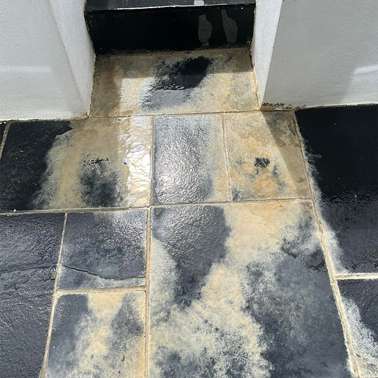
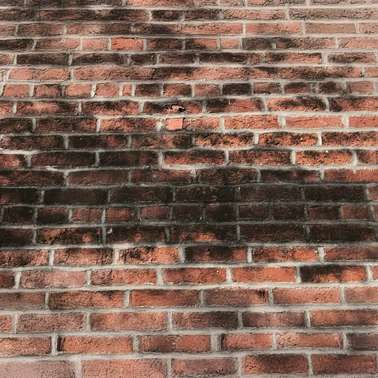
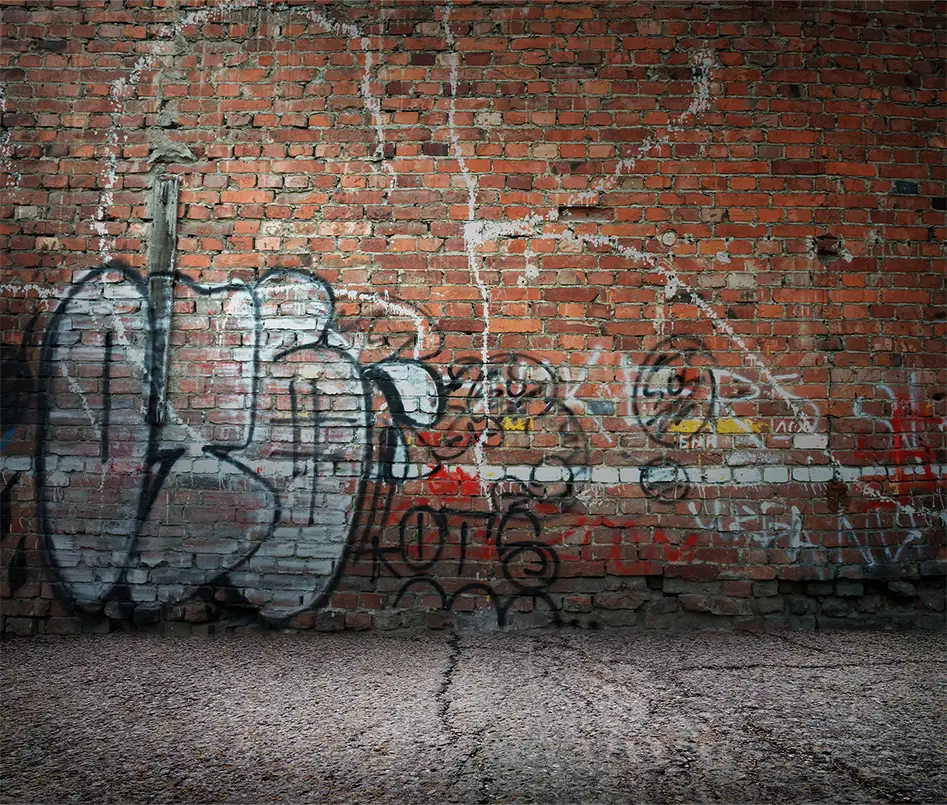
Pressure washing is a highly competitive service in the UK, with demand from both residential and commercial clients. Whether you’re pitching for driveway cleaning, graffiti removal, patio restoration, or commercial façade work, getting your bid right can mean the difference between winning a job and losing money. Unfortunately, many businesses — especially new entrants — make avoidable mistakes that undermine their credibility, profitability, and long-term success.

This comprehensive guide explores key bidding mistakes to avoid and provides practical tools — including tables, examples, and strategies — to help you create winning bids that are both professional and profitable.


1. Failing to Understand the Client’s Needs 🧠📋

One of the biggest pressure washing bidding mistakes is not taking the time to truly understand what the client wants.

Why This Happens

  • Rushing to prepare a quote without a site visit.

  • Misinterpreting client emails or messages.

  • Assuming all pressure washing jobs are the same.

Consequences

  • Undershooting labour and material costs.

  • Proposing inappropriate solutions.

  • Damaging client trust.

How to Avoid It

Always ask detailed questions and, where possible, book a site visit. Confirm surface types, access issues, expected results, timelines, and budget constraints.

📌 Tip: Create a checklist to use during every initial consultation.


2. Underestimating Labour Costs ⏱️💷

Labour is one of your biggest costs — and one that’s very easy to underestimate.

Key Considerations

  • Time required for surface preparation.

  • Cleaning time per square metre.

  • Additional crew needs.

  • Breaks, travel time, and set-up/pack-down.

Example Calculation

Task Estimated Time Cost Per Hour Total £
Site setup 0.5 hr £30 £15
Surface cleaning (200 m²) 4 hrs £30 £120
Rinse & final inspection 0.5 hr £30 £15
Travel time 1 hr £30 £30
Total Labour Cost £180

Never use blanket hourly rates without accounting for actual time on site — especially traffic, parking difficulties, or client delays.


3. Ignoring Material & Chemical Costs 🧴📦

Pressure washing involves chemicals, cleaning solutions, surface protectants, and potentially specialist products depending on stains or contaminants.

Not budgeting these properly is a common error.

Typical Materials to Price

  • Cleaning detergents (alkaline, acidic, biodegradable options).

  • Milorganite or surface protectants (e.g., sealers).

  • Water delivery or waste water capture systems.

  • PPE (gloves, goggles, boots).

Material Cost Table Example

Item Use Quantity Unit Cost Total £
Heavy-duty detergent Oil & grime 5 L £12.50 £62.50
Surface sealer Post-clean protectant 10 L £18.00 £180.00
PPE (per job) Safety N/A £10 £10
Waste water tank Rental 1 day £45.00 £45
Total Materials £297.50

👉 For specialist cleaning products, consider solutions such as those available at https://puresealservices.co.uk/. They sell a variety of cleansers, sealants, and detergents tailored for pressure washing and surface care.


4. Mispricing Equipment Wear & Tear 🔧📉

Pressure washers, hoses, nozzles, and attachments require maintenance. High-pressure equipment is expensive to replace, and failing to factor this into your bid erodes profit.

Ways to Account for Wear & Tear

  • Allocate a percentage of equipment cost per job.

  • Set aside a small equipment fund monthly.

  • Increase rates for heavy-use services (e.g., commercial concrete cleaning).

Example Allocation

Equipment Purchase Cost Expected Lifespan (months) Monthly Allocation Per Job Allocation (10 jobs/mo)
Pressure washer £1,500 36 £41.67 £4.17
Hose & fittings £300 24 £12.50 £1.25
Nozzles & tips £150 12 £12.50 £1.25
Total £66.67 £6.67

Even small allocations add up and protect your business.


5. Not Including Travel & Logistics Costs 🚗🛣️

In a UK context, travel costs can be significant, especially if servicing clients across counties or rural areas.

Consider These Costs

  • Fuel (£ per mile/km).

  • Vehicle wear & tear.

  • Congestion charges or tolls.

  • Parking fees.

Travel Pricing Strategies

Approach Pros Cons
Flat travel fee Simple May undercharge for long distances
Distance banding Fairer Slightly complex
Per mile charge Accurate Clients may push back

Example:
Travel charge = 0.75p per mile (round trip 60 miles) = £45

Include travel in your quoted total or list it as a separate line item.


6. Overlooking Weather & Seasonal Variability 🌦️❄️

The UK weather is notoriously unpredictable. Wet or cold conditions can slow work down or require rescheduling.

Common Mistakes

  • Bidding closely without considering delays.

  • No contingency for rain-accelerated dilution of cleaners.

Practical Tips

✔ Build in buffer time.
✔ State in your quote that adverse weather may lead to additional charges or date changes.
✔ Consider seasonal pricing: winter months often involve fewer jobs but slower drying and more prep.


7. Failing to Account for Waste Water Compliance & Disposal 🚱📜

In the UK, controlling water pollution is a legal requirement. Letting contaminated water enter drains or watercourses can breach environmental regulations.

Key Considerations

  • Capturing waste water.

  • Using containment systems.

  • Proper disposal at approved facilities.

Cost Implications

Budget for:

  • Waste water collection systems.

  • Permit fees (if required).

  • Disposal tank rentals or tipping charges.

Failing to price these correctly is a serious professional error.


8. Providing Vague or Unprofessional Quotes 📄❌

Your quote is often the first impression for potential clients. Unclear or sloppy quotes give the impression you don’t value professionalism.

What to Avoid

  • Handwritten or casual estimates.

  • No breakdown of costs.

  • No terms and conditions.

What to Include

  • Your business branding.

  • Clear description of services.

  • Itemised cost breakdown.

  • Terms like payment schedule, cancellation policy, and validity period.

Sample Quote Breakdown Table

Item Description Cost £
Surface cleaning Concrete patio (150 m²) £225
Materials & chemicals Including detergents from Pure Seal £65
Labour 3 hours @ £30 £90
Travel 40 miles @ 0.75p £30
Waste water disposal Containment & tipping £35
Total £445

Clarity builds trust — and dramatically improves conversion rates.


9. Ignoring Market Rates & Competition 📊💡

While you should never underprice just to “win work”, ignoring local market rates can price you out or undercut your worth.

What to Research

  • Average rates for similar services in your region.

  • Commercial vs residential pricing.

  • Seasonal fluctuations.

Benchmarking Table Example

Job Type Typical UK Rate Your Proposed Rate Notes
Driveway cleaning (per m²) £1.50–£2.50 £2.00 Mid-market
Patio cleaning (per m²) £2.00–£3.50 £2.80 Quality focus
Commercial façade £3.00–£5.00 £4.50 Heavy duty

Use market data as a guide, but always align with your actual costs and value proposition.


10. Under-estimating Risk & Safety Costs ⚠️🛡️

Pressure washing can be hazardous. Failing to account for risk mitigation — including insurance, PPE, and safety planning — is a major bidding mistake.

Safety Elements to Price

  • Public liability insurance.

  • PPE for you and staff.

  • Job-specific risk assessments.

  • Traffic management (if required).

  • First aid provisions.

🧰 Safety Planning Checklist

  • Site risk assessment completed?

  • PPE provided for all staff?

  • Insurance coverage confirmed?

  • Public protection measures in place?

  • Client safety briefing given?

Safety isn’t optional — and neither is pricing it properly.


11. Forgetting Payment Terms & Cash Flow Planning 💰📆

Winning a job is great — getting paid on time is essential.

Common Mistakes

  • No deposit requested.

  • Net 30 or longer terms without risk assessment.

  • No late payment fees.

Suggested Payment Terms

Term Recommendation
Deposit 30–50% before work starts
Remaining balance On completion or within 7 days
Late payment fee 5% after due date

Clear terms protect your cash flow and reduce disputes.


12. Bidding Without a Follow-Up Strategy 📞📧

A quote shouldn’t be a one-and-done communication. Most clients need a little persuasion.

Follow-Up Workflow

  1. Send quote with personalised message.

  2. Follow up after 24–48 hours.

  3. Address questions promptly.

  4. Send reminder before quote expiry.

Consistency and professionalism differentiate you from competitors who never follow up.


13. Ignoring Customer Experience & Presentation 🌟🙌

People hire people — and trust businesses that look professional.

Presentation Matters

  • Branded quote documents.

  • Friendly, clear communication.

  • On-time consultations.

  • Thank you notes post-job.

Experience shapes referrals and repeat business.


14. Bidding Too Low — A “Race to the Bottom” Trap 🐌⚠️

Competing solely on price often leads to thin margins and exhausted teams.

Why It’s a Mistake

  • You devalue your services.

  • Clients may judge quality by price.

  • You increase pressure to cut corners.

Instead, differentiate on quality, reliability, and value — not just price.


15. Forgetting to Build Profit Into Every Bid 📈💼

At the end of the day, your business must be profitable.

Profit Margin Calculation

Cost Component £
Labour £180
Materials £297.50
Travel £30
Waste disposal £35
Overheads (10%) £54.25
Total Cost £596.75
Desired profit (20%) £119.35
Final Quote £716.10

Without profit, even a full schedule won’t sustain your business.


16. Not Updating Bids Regularly 🔄🗓️

Costs change. Fuel increases, supply prices fluctuate, and staffing costs rise.

Update Checklist

✔ Review materials cost monthly
✔ Adjust labour rates annually
✔ Revisit travel pricing quarterly
✔ Update equipment allocations yearly

Regular updates keep your bids accurate and profitable.


17. Overlooking Terms & Conditions Legalities 📜⚖️

A solid quote isn’t just numbers — it’s legal protection.

Important Clauses

  • Scope of work.

  • Cancellation policy.

  • Client responsibilities (e.g., access, parking).

  • Liability limits.

  • Warranty or guarantee terms.

A well-written set of terms prevents misunderstandings and disputes.


18. Bidding Without Differentiation 🏆✨

If every quote looks like everyone else’s, why should a client choose you?

Add Value With

  • Guarantees (e.g., satisfaction or re-cleaning).

  • Premium cleaning products from sources like https://puresealservices.co.uk/.

  • Clear before/after photo documentation.

  • Service bundles (e.g., cleaning + protection).

Stand out — don’t blend in.


19. Ignoring Feedback from Lost Bids 📣📊

Each lost bid is an opportunity to improve.

Ask Clients

  • Why wasn’t your quote chosen?

  • Was anything unclear?

  • Were prices too high or expectations misaligned?

Document feedback and refine your bidding process.


20. Not Using Technology to Streamline Bidding 🧑‍💻📲

Manual quoting is slow and error-prone.

Useful Tools

  • Digital quote templates.

  • CRM systems for follow-ups.

  • Price calculators.

  • Mobile apps for on-site measurements.

Tech reduces errors and improves professionalism.


Conclusion 🏁

Bidding for pressure washing work is both an art and a science. Skilled bidders combine accurate cost estimation, professional presentation, and excellent communication to secure profitable contracts. Avoiding common mistakes — from underpricing to ignoring legal terms — will strengthen your reputation and help your business thrive.

Remember, a bid isn’t just a price — it’s a promise of value, quality, and professionalism. Craft yours with care, diligence, and thoughtful pricing, and your business will grow sustainably in the competitive UK market. 🚀💼

21. Not Separating Residential and Commercial Pricing 🏠🏢

One of the biggest strategic errors in pressure washing bidding is treating domestic and commercial jobs as though they should be priced the same way. They absolutely should not.

Residential jobs usually involve:

  • Smaller surface areas

  • Simpler access

  • Shorter timeframes

  • Lower insurance exposure

Commercial jobs, on the other hand, bring:

  • Larger square metreage

  • Higher foot traffic and safety risks

  • Out-of-hours working requirements

  • More paperwork and compliance

If you charge domestic-style rates for commercial properties, you are quietly destroying your profit margins.

Residential vs Commercial Pricing Comparison

Factor Residential Job Commercial Job
Average size 30–150 m² 300–5,000 m²
Insurance exposure Low High
Equipment wear Moderate Heavy
Payment speed Immediate 30–60 days
Risk level Low High

Commercial work must always carry a premium to account for risk, paperwork, delayed payment, and equipment strain.


22. Forgetting to Price in Admin Time 🧾⏳

Many pressure washing businesses calculate the cost of cleaning — but forget the cost of running the job.

Every quote includes hidden labour:

  • Emails and phone calls

  • Writing the quote

  • Booking the job

  • Sending invoices

  • Chasing payment

  • Filing paperwork

This time is real work and must be priced into every job.

Admin Cost Example (Per Job)

Task Time Hourly Value Cost
Initial enquiry 10 mins £30 £5
Site visit 30 mins £30 £15
Quote writing 15 mins £30 £7.50
Invoicing & admin 20 mins £30 £10
Total admin cost £37.50

If you do not add this into your pricing, you are effectively working unpaid every time you quote.


23. Failing to Explain Why Your Price Is What It Is 💬💷

Many clients will say, “You’re more expensive than someone else.”
That does not mean you are overpriced — it means you have not justified your value.

When clients understand what they are paying for, price becomes less important.

What Clients Actually Pay For

  • Professional-grade equipment

  • Commercial-strength detergents and sealers

  • Safe waste water handling

  • Trained and insured technicians

  • Reliable scheduling

  • Guaranteed results

Adding even a short explanation to your quote about why your service costs what it does dramatically improves acceptance.

People rarely object to paying more — they object to not knowing why.


24. Not Accounting for Difficult Surfaces 🧱🧪

Not all surfaces are created equal. A block-paved driveway covered in black algae is far more difficult than a lightly soiled concrete slab — yet many bids treat them the same.

Surfaces that require higher pricing:

  • Block paving

  • Natural stone

  • Rendered walls

  • Wooden decking

  • Oil-stained concrete

  • Lichen and heavy algae growth

These surfaces require:

  • More chemicals

  • Slower cleaning

  • Lower pressure

  • More rinsing

  • Higher skill

Surface Difficulty Pricing Guide

Surface Type Difficulty Level Price Adjustment
Smooth concrete Low Standard rate
Block paving Medium +20%
Natural stone High +30–40%
Wood decking High +30%
Oil-stained concrete Very high +40–50%

If you do not charge more for harder surfaces, you are subsidising difficult work with easy jobs — and that never ends well.


25. Not Charging for Urgent or Short-Notice Jobs 🚨📆

Clients often want work done immediately. That urgency has value — and it should be priced.

Short-notice jobs disrupt:

  • Your schedule

  • Your fuel planning

  • Your staff availability

  • Other booked clients

If a customer wants you to prioritise them, they should expect to pay for it.

Urgency Pricing Structure

Booking Notice Price Adjustment
7+ days Standard
3–6 days +10%
1–2 days +20%
Same day +30–50%

This not only increases profit but discourages unrealistic expectations.

Urgency equals premium service — and premium service should command a premium price.

Continue Reading

5-Pressure-Washing-Pricing-Guide

Pressure Washing Pricing Guide – How to Quote Jobs Correctly

How to Estimate Pressure Washing Jobs Accurately

Accurately estimating pressure washing jobs is one of the most important skills for any cleaning contractor or business owner. Whether you’re cleaning driveways, patios, commercial units, or residential exteriors, getting your estimates right ensures you cover your costs, price competitively, and maintain profitability. In this detailed guide, we’ll walk through everything you need to know — from measuring surfaces and calculating labour to pricing materials, overheads, and risk factors. We’ll even include example tables to help you visualise your costs and pricing structure clearly. 🚿💼


Why Accurate Estimation Matters

Getting your estimates accurate is essential because:

  • Profitability – You avoid undercharging and eating into your profit margin.

  • Customer Trust – Clear, realistic quotes build confidence with clients.

  • Efficient Scheduling – Accurate time estimates help you plan your day and team workload.

  • Resource Planning – You know exactly what materials and equipment are needed, reducing waste.

An inaccurate estimate can cost you money, time, and client satisfaction — which is why a systematic approach is vital.


Core Components of a Pressure Washing Estimate

An effective estimate should cover the following key components:

  1. Surface Area Size

  2. Surface Type

  3. Level of Dirt / Contamination

  4. Accessibility

  5. Water and Power Requirements

  6. Labour Costs

  7. Equipment Costs

  8. Consumables and Cleaning Agents

  9. Travel and Logistics

  10. Profit Margin

Each item affects your final price, and together they form the bedrock of a thorough estimate.


Step 1 — Measuring the Surface Area

The first step is to determine the size of the area to be cleaned. For simple rectangular surfaces:

Formula:

Length (m) × Width (m) = Total Area (m²)

Example Surface Measurement Table

Surface Type Length (m) Width (m) Total Area (m²)
Driveway 10 5 50
Patio 8 6 48
House Front 12 3 36
Pathway 15 1 15

🔎 Always visit the site or ask for clear measurements/photos to confirm accuracy before quoting.


Step 2 — Assessing Surface Type

Different surfaces react differently to pressure washing. This affects time and technique:

Surface Type Difficulty Time Factor Notes
Concrete Driveway Medium 1.0 Common surface, easy access.
Block Paving High 1.3 Joints need careful cleaning.
Timber Decking High 1.5 Low pressure required.
Brick/Stone Walls Medium 1.2 Vertical surface, more time.

👉 Use a time factor to adjust your base estimate. For example, if your base time for 50m² is 2 hours, and the surface factor is 1.3, your adjusted time becomes 2 × 1.3 = 2.6 hours.


Step 3 — Evaluating Dirt Level & Stains

Not all jobs are equally dirty. A surface covered in light dust takes significantly less time than one with heavy algae or oil stains.

Dirt Level Time Adjustment Notes
Light Dust +0% Quick clean.
Moderate Dirt +20% Requires standard cleaning.
Heavy Stains +50% May need chemicals and repeat passes.
Oil/Grease Stains +75% Very labour intensive.

🧽 Pro Tip: Take before photos and include them with your estimate to justify charges for heavy contamination.


Step 4 — Accessibility and Obstacles

If equipment has to be moved around, or there are obstacles (garden furniture, vehicles, delicate plants), pricing must reflect this.

Accessibility Issue Impact on Time Additional Cost
Clear site None £0
Furniture moved by crew +15% time £15 – £30
Vehicles moved by client +0% £0
Tight/Restricted Access +30% time Depends
Fragile surroundings +20% time Depends

Step 5 — Labour Costs

Labour is often the largest cost on a pressure washing job. You must be clear on your hourly rates and whether helpers will be charged at the same rate.

Example Labour Cost Table

Position Hourly Rate (incl. NI & Pension)
Sole Operator £30.00/hr
Operator + Assistant £50.00/hr (combined)
Trainee £20.00/hr

If a job takes 3 hours with an assistant:
💷 Total Labour = 3 × £50 = £150


Step 6 — Equipment Costs

Your pressure washing equipment needs maintenance and eventual replacement. Factor in a cost-per-job allocation.

Item Daily Cost Allocation (£)
Commercial Pressure Washer £20
Surface Cleaner Attachment £10
Wastewater Containment Gear £15
PPE & Safety Gear £5

💡 Tip: A simple way to allocate equipment costs is to divide the purchase price by an estimated number of productive working days.


Step 7 — Consumables and Cleaning Agents

Many pressure washing jobs can be enhanced with detergents, degreasers, or specialised chemicals. These should be priced per job depending on usage.

Example:

Consumable Estimated Use Cost (£)
Heavy Degreaser 1 litre £10.00
Algae Remover 2 litres £20.00
Eco-Friendly Detergent 1 litre £8.00

You may choose to sell cleaning products directly or recommend clients buy them. One UK supplier of professional cleaning products is https://puresealservices.co.uk/ — they stock chemicals, surface protection and aids for pressure washing jobs.

⚠ Remember: Some chemicals require additional safety measures which should be included in your pricing if necessary.


Step 8 — Water and Power Requirements

If a site doesn’t have accessible water or power, you might need to supply it.

Requirement Cost Estimate (£)
Water Tank Supply £10 – £30
Fuel for Generator £15 – £30
Additional Hose/Lead £5 – £15

These should be added to the final estimate if applicable.


Step 9 — Travel & Logistics

Don’t forget to factor travel time, fuel, and wear-and-tear on your vehicle. A simple method is to estimate travel time and multiply by your labour rate, or use a fixed mileage fee per mile.

Typical UK mileage rate:

  • £0.45 per mile (to cover fuel, maintenance, insurance, tax)

Example:
Travel distance: 30 miles round trip
💷 Travel Cost = 30 × £0.45 = £13.50


Step 10 — Risk & Contingency

Every job carries risk — weather delays, equipment breakdowns, unexpected surface damage, etc. It’s good practice to include a contingency of 10–15% to protect your profit margin.


Putting It All Together — Price Calculation Example

Let’s run through a complete job estimation.

Scenario:

  • 50m² block paved driveway

  • Moderate dirt with some oil stains

  • Two-person crew

  • Travel 20 miles round trip

Step-by-Step Breakdown

Cost Component Calculation Total (£)
Surface Area 50m²
Base Labour Time (cleaning) 2.5 hrs × £50/hr £125.00
Surface Difficulty (1.3×) 2.5 × 1.3 = 3.25 hrs × £50 £162.50
Dirt Adjustment (+20%) 3.25 × 1.20 = 3.9 hrs × £50 £195.00
Consumables Degreaser + Detergent £30.00
Equipment Allocation £20 (washer) + £10 (surface cleaner) £30.00
Travel (20 miles) 20 × £0.45 £9.00
Contingency (10%) On subtotal (£264) £26.40
Total Job Estimate £290.40

📊 Rounded up for simplicity: £290 + VAT (if applicable)


Helpful Estimate Template (Copy/Paste)

You can use this template to ensure no costs are forgotten:

Pressure Washing Estimate

Component Calculated Amount (£)
Surface Area (m²)
Base Labour Cost
Surface Factor Adjustment
Dirt Level Adjustment
Consumables
Equipment Allocation
Travel & Logistics
Water/Power Costs
Contingency (10–15%)
Total

Common Mistakes to Avoid

Underestimating Time – Never assume cleaning will take less time without a site visit.
Ignoring Accessibility – Failing to factor in obstacles can drastically change labour needs.
Not Charging for Consumables – Chemicals cost money — and their use should be priced in.
Forgetting Travel and Admin Time – Time spent quoting, driving, and paperwork matters.


Price Per Square Metre Guidelines

To simplify quoting, some contractors use a price per square metre (m²) system. However, this must be adjusted for surface type and dirt level.

Surface Type Base Price per m² (£) Dirt Adjustment
Concrete £2.50 +£0.50 – £1.50
Block Paving £3.00 +£1.00 – £2.00
Timber Decking £3.50 +£1.50 – £3.00
Walls (vertical) £2.00 +£0.50 – £1.50

Example:
50m² block paving at base £3 = £150
Heavy dirt +£2/m² = £100 extra
£250 total (before consumables & extras).

This approach works well for quick ballpark figures, but always verify with a site visit.


Quotes vs. Invoices

Quotes should be clear, professional, and itemised. Include:

  • Description of the service

  • Surface measurements

  • Labour breakdown

  • Consumables and chemicals

  • Travel and additional costs

  • Terms (payment timeframe, validity period)

  • VAT (if applicable)

Keeping quotes structured reduces client questions and protects you in case of disputes.


Final Thoughts 🧠

Estimating pressure washing jobs is both a science and an art. With the right approach, tools, and attention to detail, you can produce accurate quotes that reflect your value while remaining competitive. Be thorough, use clear tables and itemised costs, and always allow room for unexpected variables. Over time, your estimates will become quicker and more reliable — helping your business thrive.

If you’d like to explore professional cleaning agents and accessories that can improve your efficiency on site, check out https://puresealservices.co.uk/ — they offer a range of products designed for surface cleaning and protection.

11. Seasonal Pricing and Weather Considerations 🌦️

In the UK, the weather plays a huge role in pressure washing. Wet winters, moss growth, and algae blooms in spring mean demand rises sharply from March through September. Smart operators adjust their pricing to reflect this.

During peak months, you may be booked weeks in advance. That means your time becomes more valuable. It is perfectly reasonable to increase your base rates slightly to manage demand and maintain profitability.

Season Demand Level Typical Pricing Strategy
Winter Low Offer discounts or bundle services
Spring Very High Standard or premium rates
Summer High Standard rates
Autumn Medium Incentivise with offers

Never drop prices so low in winter that you lose money – instead, reduce your minimum job size or offer maintenance cleans.


12. Quoting Residential vs Commercial Jobs 🏠🏢

Residential and commercial pressure washing jobs should not be priced the same way. Commercial work usually involves more square metres, stricter safety requirements, and less flexibility with working hours.

Job Type Key Differences Pricing Impact
Residential Smaller areas, homeowner present Standard labour rates
Commercial Larger areas, health & safety paperwork +10% to +30% uplift
Retail Parks High foot traffic, out of hours work Premium pricing
Industrial Sites Oil, grease, heavy dirt Higher chemical & labour cost

Commercial jobs also often require risk assessments and method statements, which should be reflected in your quote.


13. Minimum Job Pricing Rules 💷

Every pressure washing business should have a minimum call-out charge. Even a small job still requires travel, setup, and packing away.

A typical UK minimum might be:

Item Cost
Travel & setup £30
First hour labour £50
Equipment usage £20
Minimum job price £100

This ensures you are never working at a loss, even if the job only takes 45 minutes.


14. Bundling Services for Higher Job Value 📈

Bundling services increases your average job value and makes your quotes more attractive.

Examples:

  • Driveway + patio

  • Patio + garden paths

  • Walls + paving

Service Combination Separate Price Bundle Price
Driveway (£180) + Patio (£150) £330 £295
Patio (£150) + Paths (£80) £230 £205

You still make more money, while the customer feels they are getting a better deal.


15. How to Handle Price Objections 🗣️

When a customer says your price is too high, it is rarely about the number – it is about value. Show them exactly what is included.

Explain:

  • The chemicals used

  • The time involved

  • The equipment

  • The professional finish

Use before-and-after photos from previous jobs and remind them that cheap pressure washing often leads to damaged surfaces and poor results.


16. Quoting for Repeat Customers 🔁

Repeat clients should be priced differently. Their sites are cleaner, access is easier, and trust is already built.

Customer Type Typical Discount
One-off job Full price
Annual customer 5% – 10% off
Quarterly maintenance 10% – 15% off

This encourages loyalty while ensuring predictable income.


17. Using Maintenance Plans in Your Estimates 🧾

Maintenance plans make estimating easier and improve cash flow.

Example:

  • Patio cleaned 3 times per year

  • Price per clean £120

  • Annual contract = £360

You can often offer a small discount because the work is easier each time, and your schedule is more predictable.


18. Allowing for Equipment Wear and Tear ⚙️

Pressure washers, hoses, pumps and surface cleaners do not last forever. Every job should include a hidden allowance for replacement and repairs.

Equipment Average Lifespan Replacement Cost
Pressure washer 3–5 years £2,000 – £4,000
Hoses & lances 1–2 years £200 – £500
Surface cleaner 2–3 years £500 – £1,200

Divide these costs across your yearly jobs to build them into your pricing.


19. Protecting Yourself with Written Quotes 📄

Always provide written quotes. This avoids disputes and makes you look professional.

A good quote includes:

  • Area sizes

  • Surfaces to be cleaned

  • Chemicals used

  • Price

  • Validity period

  • Payment terms

Clear paperwork protects both you and the customer.


20. Turning Accurate Estimates into Long-Term Profit 💡

When you estimate properly, everything in your business improves:

  • You know your costs

  • You control your profit

  • You avoid underpricing

  • You grow sustainably

Pressure washing is not just about water and pressure – it is about understanding numbers. When you master your estimating, you turn every job into a reliable, profitable operation 🚀

Continue Reading

4-Roof-Cleaning-Cost-Breakdown

Roof Cleaning Cost Breakdown – UK Homes Explained

Roof Cleaning Pricing Guide 🏠

Maintaining a clean roof is essential for the longevity and performance of your home. Over time, roofs accumulate dirt, moss, algae, lichen and debris, which can impact both aesthetics and structural integrity. In this comprehensive UK-focused guide, we’ll explore roof cleaning pricing, what affects costs, what services you might need, realistic price ranges, and helpful considerations before booking a professional or doing it yourself.

This guide also touches on cleaning products you can use — for example from https://puresealservices.co.uk/ — and practical advice to help you make informed decisions. 💡


Why Roof Cleaning Matters

A neglected roof doesn’t just look unattractive — it can lead to real problems:

  • 🌿 Moss and algae retain moisture, accelerating tile decay

  • 💧 Blocked gutters and downpipes cause water overflow

  • 🏚️ Reduced property value from poor kerb appeal

  • 🛠️ Increased risk of leaks and structural damage

A regular cleaning schedule can help you avoid costly repairs and keep your home safe, dry and beautiful.


What Roof Cleaning Involves

Roof cleaning covers various tasks, depending on the condition and material of your roof:

Task Description
Debris Removal Clearing leaves, branches, and loose dirt
Moss & Algae Treatment Chemical or manual removal of biological growth
Pressure Washing Using controlled water pressure to clean tiles
Soft Washing Low-pressure application of detergents and biocides
Gutter Clearing Removing blockages that affect roof drainage
Inspection Checking tiles/slates for damage or wear

Roof Types and Pricing Differences

Different roof materials require different cleaning approaches. Prices vary accordingly.

Roof Type Typical Price Range (£) Notes
Asphalt Shingles £150 – £400 Common on UK extensions and newer builds
Concrete Tiles £250 – £600 Prone to moss build-up
Slate Roofs £300 – £750 Fragile: needs careful soft washing
Clay Tiles £300 – £800 Decorative but heavy and delicate
Metal Roofs £200 – £500 Often easiest to clean, but needs rust attention
Flat Roofs £150 – £500 Can involve additional debris removal

⚠️ Prices are indicative and vary by region, roof size, pitch, accessibility and condition.


Factors That Affect Pricing

Roof cleaning cost isn’t static. Here are the main variables:

1. Roof Size and Complexity

Large roofs take longer and require more equipment. Steeply pitched roofs or multiple angles also increase labour and safety costs.

2. Extent of Growth

Heavy moss or thick algae can add to labour time — and may need repeat treatments.

3. Access and Safety

Scaffolding or specialised access equipment increases cost. Roofs over two storeys, steep pitches, or awkward gardens require more planning.

4. Cleaning Method

Soft washing with specialist biocides can cost more than basic pressure washing but protects tiles better.

5. Additional Services

Gutter clearing, minor repairs, or protective coatings are often charged separately.


DIY Roof Cleaning: Product Costs

If you choose to clean parts of your roof safely from the ground — or treat growth before it gets severe — products like those on https://puresealservices.co.uk/ can help. 🧴

Below is an example of typical product costs (based on general UK prices):

Product Type Approx. Cost (£) Use
Moss & Algae Remover (spray) £15 – £40 Treats growth before removal
Roof Cleaner Concentrate £20 – £50 Dilute for soft wash
Protective Coating £50 – £150 Helps slow future growth
Gutter Cleaning Tools £20 – £60 Safe ground cleaning

Note: Always follow manufacturer instructions and prioritise safety — many products are designed for use from ladders or extendable poles, not full rooftop access.


Typical Roof Cleaning Price Breakdown

Below is a breakdown of what you might expect to pay for a standard semi-detached home roof (~100m²):

Service Estimated Cost (£)
Initial Inspection £0 – £50
Debris Removal £50 – £150
Soft Wash Treatment £150 – £450
Pressure Wash £120 – £300
Gutter Clearance £80 – £150
Protective Coating £100 – £250
Total (Standard Roof) £350 – £1,200

⚠️ Lower end may not include gutter clearance or protective treatment.


Soft Wash vs Pressure Wash: Which Is Better?

🧼 Soft Wash

  • Uses biocide solutions at low pressure

  • Better for fragile tiles such as slate or clay

  • Slows moss re-growth with chemical treatment

  • Usually slightly more expensive

💦 Pressure Wash

  • Uses forceful water alone

  • Good for concrete tiles or heavy debris

  • Risk of tile damage if too powerful

  • Often cheaper upfront

Recommendation: Soft wash is usually best for long-term health of your roof — but it depends on condition and material.


Quotes from Roof Cleaners: What to Ask For

When obtaining quotes, ask suppliers to specify the following:

✔ Total cost including VAT
✔ Roof size covered (in m²)
✔ Exact cleaning method (soft wash or pressure)
✔ Whether gutter clearance is included
✔ Whether protective treatment is included
✔ Access requirements

Clear, itemised quotes help you compare properly.


Hidden Costs to Watch For

Some providers may add extra charges for:

  • Scaffolding or mobile towers

  • Waste disposal

  • Chemical treatments

  • Work above a certain height

  • Insurance certificates

Make sure you know what’s included.


Seasonal Variations in Price

Roof cleaning costs can vary depending on the time of year:

Season Typical Trend
Spring High demand — prices may rise
Summer Favourable weather — consistent scheduling
Autumn High moss growth — moderate demand
Winter Wet conditions — fewer bookings, possible discounts

Booking ahead often helps secure better rates.


Roof Cleaning Benefits: A Quick Summary

Benefit Impact
🏡 Better Curb Appeal Increases home value
💧 Improved Water Runoff Reduces gutter blockages
🔨 Longer Roof Life Slows decay and wear
💡 Energy Efficiency Cleaner surfaces reflect heat better
🧽 Less Frequent Repairs Prevents small issues becoming big

Case Studies: Typical UK Roof Scenarios

🏠 1. Semi-Detached Home — Heavy Moss

  • Roof area: ~120m²

  • Moss covering northern slopes

  • Gutter blockages

  • Soft wash + gutter clean quoted: £850

  • Follow-up treatment included after 6 months

Outcome: Moss reduced, better water flow, gutters clear.


🏡 2. Detached Home — Light Algae

  • Roof area: ~140m²

  • Light discolouration

  • Pressure wash + soft biocide application: £650

  • No gutter work needed

Outcome: Visibly brighter roof, algae reduced.


🏘️ 3. Older Property — Fragile Slate

  • Roof area: ~110m²

  • Slate tiles cracked in places

  • Soft wash + careful manual cleaning + minor tile replacements: £1,150

  • Extra safety gear needed

Outcome: Roof cleaning safe, tiles preserved.


Safety First: What You Should Know 🦺

Roof cleaning is not without risk:

  • Falls from ladders or roofs are a serious hazard

  • Incorrect pressure washing can damage tiles

  • Chemicals can harm gardens if misused

Safety tips:

✔ Use a stable ladder and safety harness
✔ Avoid walking on old or fragile tiles
✔ Wear eye and skin protection
✔ Keep pets and children away from treated areas
✔ Read instructions for any products you apply


DIY Roof Maintenance Checklist

Even if you hire professionals, regular maintenance reduces costs:

Monthly (Ground Level)

  • 🔹 Check gutters for blockages

  • 🔹 Clear leaves at ground level

  • 🔹 Trim overhanging branches

Quarterly

  • 🔹 Inspect roof for dark streaks

  • 🔹 Spot-treat small moss patches from ladder

Annually

  • 🔹 Consider professional cleaning

  • 🔹 Inspect for tile damage


Product Spotlight: Roof Cleaning Supplies

Good products help you prepare your roof for professional work or maintain it between visits. https://puresealservices.co.uk/ offers suitable cleaning agents designed for moss, algae and protective coatings — ideal for UK roofs coping with wet seasons. 🧴

💡 Use these products responsibly and in line with safety guidelines.


Sustainable and Eco-Friendly Cleaning

Many homeowners now prefer environmentally friendly treatments:

  • 🍃 Biodegradable cleaners

  • 🌍 Low-impact moss treatments

  • 💧 Water-saving soft wash systems

Ask your cleaning provider about eco-friendly options if environmental impact matters to you.


How Often Should You Clean Your Roof?

Recommended frequency depends on:

  • Roof material

  • Surrounding trees

  • Local climate

General guidance:

Roof Type Frequency
Asphalt / Concrete Every 2–3 years
Slate / Clay Every 3–5 years
Very Mossy Areas Annually

Regular check-ups extend life and reduce reactive costs.


Final Thoughts

Roof cleaning is an investment in your home’s health, appearance and longevity. While costs vary, understanding pricing factors helps you plan and budget effectively. Whether you choose to invest in cleaning products like those at https://puresealservices.co.uk/ or hire professional services, regular upkeep prevents costly repairs and adds value to your property.

Before any work begins, always compare detailed quotes, prioritise safety, and choose the methods that suit your roof material. A clean roof isn’t just a nice roof — it’s a protected roof.

Long-Term Cost Planning for Homeowners 🏠

Thinking beyond a single clean is one of the smartest ways to manage roof care. Many UK homeowners find it more cost-effective to budget for a light clean and biocide treatment every couple of years rather than allowing heavy moss to build up. Light treatments typically sit in the £150–£350 range for an average home, whereas a badly neglected roof may cost £700–£1,200 or more to restore. Over a ten-year period, proactive cleaning can easily save £1,000+ compared to reactive, one-off deep cleans. Planning ahead also means you avoid emergency call-outs caused by blocked gutters or water ingress.


How Roof Pitch and Height Influence Prices

The shape and height of your roof have a direct impact on cleaning costs. A single-storey bungalow with a shallow pitch is quicker and safer to work on than a three-storey townhouse with steep angles. In the UK, properties above two storeys often require scaffolding or mobile access towers, adding £200–£600 to the overall bill. Steep roofs also slow down manual moss scraping and soft-washing, meaning more labour hours are involved. These factors explain why two homes with the same roof size can receive very different quotes.


Regional Price Differences Across the UK

Roof cleaning costs can vary depending on where you live. In London and the South East, higher operating and labour costs mean prices are usually 10–25% higher than the national average. In contrast, parts of the North of England, Wales and Scotland often offer more competitive rates. For example, a soft wash that costs £700 in the South might be closer to £550 elsewhere. Travel distance, parking restrictions and congestion charges can also play a part in the final price.


The Cost of Not Cleaning Your Roof

Skipping roof maintenance may seem like a saving, but it often leads to far higher expenses. Moss can lift tiles, allowing water to seep underneath and damage felt and timbers. Replacing just a small section of rotten roof structure can easily exceed £1,500, while widespread damage may cost £5,000+. Compared to this, even a premium roof clean at £1,000 represents excellent value. Regular cleaning is essentially insurance against much bigger repair bills.


How Protective Treatments Add Value

Many roof cleaning services include or offer a protective biocide or sealant that slows the return of moss and algae. These treatments typically cost £100–£300 on top of the cleaning price, but they can extend the clean appearance of your roof by several years. Over time, this reduces how often you need to pay for a full clean, lowering your average annual cost. Using professional-grade products, such as those available from https://puresealservices.co.uk/, can make a noticeable difference in how long results last.


Budgeting for Commercial and Larger Properties

Larger buildings, such as blocks of flats, schools, or commercial premises, are priced differently from domestic homes. These projects are usually calculated per square metre, commonly ranging from £4 to £10 per m², depending on access, height and roof condition. A large 500 m² roof might therefore cost anywhere from £2,000 to £5,000. While this sounds high, regular cleaning protects expensive roofing systems and prevents business disruption caused by leaks or drainage problems.


The Link Between Roof Cleaning and Property Value

A clean roof significantly improves kerb appeal, which can influence how buyers perceive a property. Estate agents often note that a well-maintained exterior can add several thousand pounds to a home’s sale price. Spending £500–£900 on a professional roof clean before putting a house on the market can therefore deliver an excellent return on investment. Buyers see a clean roof as a sign that the property has been cared for, reducing concerns about hidden maintenance issues.


Making the Most of Your Roof Cleaning Spend 💷

To get the best value, always combine roof cleaning with gutter clearing and a biocide treatment where possible. Bundled services usually cost less than booking each one separately. Keeping records of when your roof was last treated also helps you plan future maintenance more accurately. With the right approach — and the use of quality cleaning solutions from https://puresealservices.co.uk/ — your roof can stay cleaner for longer, reducing your long-term spend while keeping your home looking its best.

Continue Reading

3-Driveway-Pressure-Washing-Prices

Driveway Pressure Washing Prices: What to Charge and Why

How Much to Charge for Driveway Pressure Washing

Pressure washing driveways is a valuable service that homeowners and property managers increasingly demand. It revitalises surfaces, removes stubborn stains, and enhances kerb appeal — all of which can significantly increase the value and appearance of a property. However, many professionals struggle to determine how much to charge for driveway pressure washing. This guide will break down pricing strategies, costs, profit margins, and practical considerations for setting competitive and profitable prices in the UK market.

Understanding how much to charge isn’t just about picking a number. It’s about understanding your costs, your market, your service quality, and what customers are willing to pay — all while ensuring your business remains profitable. ✅


Why Pricing Matters

Setting appropriate prices is crucial for any business. Charge too little and you risk:

  • Operating at a loss 🚫

  • Undervaluing your expertise

  • Struggling to scale your business

Charge too much and you might:

  • Lose customers to competitors

  • Appear overpriced for the value offered

  • Reduce your lead generation

Balancing profitability and competitiveness is key.


Factors That Influence Pressure Washing Prices

Before we dive into figures, let’s explore some of the variables that should influence your pricing model. These will help you create a pricing strategy that is fair, transparent, and profitable.

Surface Type and Size

Driveways come in many forms:

  • Concrete

  • Block paving

  • Tarmac

  • Natural stone

Each surface varies in:

  • Stain levels

  • Porosity

  • Cleaning difficulty

✅ Larger or more complex surfaces require more time, effort, and cleaning solutions — and should cost more.


Condition of the Driveway

A lightly soiled driveway is easier to clean than one with:

  • Oil and grease stains

  • Moss and algae

  • Deep set dirt

Heavily stained surfaces need more:

  • Time

  • Equipment usage

  • Cleaning chemicals

These factors should influence your pricing structure.


Accessibility and Location

Not all driveways are easily accessible. Factors like:

  • Traffic flow

  • Distance from water sources

  • Tight spaces

…affect how long the job takes and how much effort it requires.


Equipment and Cleaning Products

Pressure washers vary widely in power and effectiveness. Higher-end machinery often yields better results but comes at a higher operational cost.

Selling or recommending professional cleaning products, such as those available at https://puresealservices.co.uk/, can complement your service and enhance results.


How Much Do Others Charge in the UK?

Prices vary across the UK, often reflecting:

  • Regional living costs

  • Competition

  • Service scope

Here’s a baseline table of typical prices asked by professionals:

Driveway Size Typical Price Range (£) Notes
Small (<25 m²) £40 – £80 Quick jobs, low complexity
Medium (25–50 m²) £80 – £150 Standard driveway size
Large (50–100 m²) £150 – £250 More time + resources
Extra Large (100+m²) £250 – £400+ High demand, premium service

💡 These ranges are ballpark figures. Your pricing should reflect labour, chemicals, fuel, equipment wear, insurance, and business overheads.


Common Pricing Models

There are three main ways to charge customers:

1. Per Square Metre

Charging by surface area is widely used.

Example:

  • £3.50 per m² for basic cleaning

  • £4.50 per m² for deep cleaning

Pros: ✔ Easy to estimate ✔ Clear for customers

Cons: ✖ Doesn’t always reflect difficulty


2. Flat Rate Pricing

You offer a single, fixed price based on assessment.

Example:

  • “Standard driveway clean: £120”

  • “Premium stain removal: £180”

Pros: ✔ Simple and straightforward ✔ Easy to quote

Cons: ✖ May undercharge for difficult jobs


3. Tiered Packages

Offering tiered packages can help sell better services:

Package Services Included Example Price (£)
Basic Pressure wash only £80
Standard Pressure wash + stain pre-treatment £120
Premium Full clean + weed removal + sealer £180

This gives customers flexibility and upsell opportunities.


Step-by-Step Pricing Calculation (Example)

Let’s look at how to calculate a price for a 40 m² driveway:

  1. Labour – 1.5 hours at £30/hr = £45

  2. Consumables – Detergents, degreasers = £10

  3. Equipment usage & maintenance = £15

  4. Fuel/Travel = £10

  5. Profit margin (30%) = £30

Total price = £110

This example shows how you can build prices logically rather than guessing.


Intermediate Costs to Include

When setting prices, include all business costs — not just time spent on the job.

Labour Costs

Include:

  • Wage (your time or staff)

  • Holiday pay

  • National Insurance contributions

Consumables

Such as:

  • Pressure washing detergents and chemicals

  • Pre-treatment solutions

  • Protective coatings

Equipment Costs

Pressure washers must be maintained. Include:

  • Servicing

  • Repairs

  • Replacement depreciation

Fuel and Travel

Travel charges can be:

  • A fixed fee

  • Added by mileage

💡 It’s fair to add a small travel fee if the job is outside your usual service radius.


How Much to Add for Extra Services

Driveway pressure washing is often linked with other services. Here’s how you might price them:

Additional Service Price (£)
Oil Stain Removal £20 – £60 extra
Weed Killing/Removal £15 – £40
Surface Sealing £1.50 – £3.00 per m²
Block-paving Re-sand £10 – £30

These services increase job value and client satisfaction.


Seasonal Price Adjustments

Prices may fluctuate throughout the year:

Season Demand Price Trend
Spring High Stable/High
Summer Moderate Stable
Autumn High (leaves & moss) Slightly Higher
Winter Lower Possible Discount

Keep in mind that winter conditions may slow jobs down — so pricing should reflect risk and effort.


Discounts and Promotions

Offering discounts can attract new clients:

✅ First-time customer discount (5–10%)
✅ Referral discounts
✅ Package deals (clean + seal)

Just make sure discounts don’t cut into your margin too deeply.


Quotes: Written vs Verbal

Written Quotes

Providing written quotes:

  • Looks professional

  • Helps avoid disputes

  • Can be emailed or sent digitally

Example written quote format:

Driveway Pressure Washing – Quote Date: DD/MM/YYYY Client: [Name] Address: [Location]Service Description: – Pressure wash driveway (40 m²) – Oil stain treatment – Final rinse & tidy Total Price: £110 Terms: – 50% deposit upfront – Balance on completion – Valid for 30 days

Payment Terms You Should Use

Clear payment terms help protect your business.

Recommended Terms

✔ Deposit (e.g., 30–50%)
✔ Balance due on completion
✔ Payment methods: Cash, Bank Transfer, Card

Avoid: ✖ Giving long credit terms to new customers
✖ Accepting only informal payment methods


Insurance and Legal Considerations

Before pricing, ensure your business is protected:

Public Liability Insurance

Essential for:

  • Damage to property

  • Injury to third parties

Employers’ Liability

Required if you have staff.

These insurance costs should be factored into your pricing.


Tools to Improve Efficiency

Having the right tools improves turnaround and reduces costs. Consider investing in:

✅ Professional-grade pressure washers
✅ Surface cleaners
✅ Extension wands
✅ Hot water units for greasy driveways

Remember, better equipment increases your operational costs, but also your ability to charge premium prices.


Marketing Your Pressure Washing Services

How you present your pricing plays a big role too.

Brochures & Flyers

Include pricing tiers:

  • Basic

  • Standard

  • Premium

This helps customers quickly decide.

Website Pricing Page

Display your prices clearly. For example:

Driveway Pressure Washing • Small – from £40 • Medium – from £80Largefrom £150

Add disclaimers like: “Final price subject to site inspection.”

Testimonials and Before/After

Great visuals (before/after shots) help justify your pricing.


Pricing Examples in Different Scenarios

Let’s look at a few practical scenarios.

Example 1: Small Garden Driveway

  • Area: 20 m²

  • Condition: Light dirt

  • Recommended Price: £60–£80

Example 2: Oil-Stained Block Paving

  • Area: 45 m²

  • Condition: Heavy staining from vehicles

  • Add oil treatment

  • Recommended Price: £140–£180

Example 3: Large Commercial Car Park Surface

  • Area: 120 m²

  • Includes weed removal + sealing

  • Recommended Price: £350–£450


Table: Quick Pricing Reference (UK)

Job Type Average Time Recommended Price (£)
Small drive clean 30–45 mins £40–£80
Medium pressure wash 1–2 hrs £80–£150
Large driveway + oil treatment 2–3 hrs £150–£250
Large + seal + stains 3–4 hrs £250–£400+

Common Mistakes When Pricing

1. Forgetting Hidden Costs

Costs like insurance or equipment repairs add up over time. Never forget them.

2. Undervaluing Your Time

Time is money. If a job is taking longer than expected, adjust prices or quote hours rather than flat rates.

3. Not Adjusting for Difficulty

Not all driveways are equal. Charge more for tough jobs.

4. No Clear Terms

Ambiguous terms lead to disputes — always have clear pricing and payment policies.


Conclusion

Determining how much to charge for driveway pressure washing services is more than picking a figure at random. It’s about calculating:

  • Real business costs

  • Labour and time

  • Consumables and equipment

  • Profit margins

  • Market expectations

By understanding these factors, you can confidently set prices that are fair to your customers and supportive of your business growth.

Here’s a quick recap:

✅ Know your costs
✅ Use transparent pricing models
✅ Adjust for difficulty and time
✅ Include additional services
✅ Present written quotes and clear terms

If you want to offer premium results, consider using professional cleaning products available from https://puresealservices.co.uk/ — supplying high-quality solutions that improve cleaning outcomes.

Whether you’re starting out or scaling up, smart pricing is a cornerstone of a successful driveway pressure washing business. 💼💦

The Psychology of Pricing in Pressure Washing

Pricing is not just about numbers — it’s about perception. Homeowners rarely understand the technicalities of pressure washing, but they instinctively judge prices based on how professional and trustworthy a business appears.

For example, a quote of £95 often feels more reasonable than £100, even though the difference is minimal. This is known as psychological pricing. Similarly, tiered packages such as £80 / £120 / £180 encourage customers to choose the middle option because it feels like the best balance of value and quality.

People also associate price with quality. A driveway clean offered at £30 may be perceived as rushed or unreliable, whereas £120 suggests thorough work, proper equipment, and professional chemicals. This is why charging too little can actually lose you work — customers worry something will go wrong.

Using clear descriptions, guarantees, and professional presentation allows you to confidently charge higher rates without resistance 😊


How to Increase Profit Without Raising Prices

Raising prices isn’t the only way to make more money. Many driveway cleaning businesses improve profits simply by becoming more efficient.

One of the biggest profit killers is wasted time. Reducing setup time, improving chemical application, and using better nozzles or surface cleaners can cut job times by 20–30%. That means more jobs per day without charging more.

Upselling also boosts revenue. For example:

  • Adding £25 for weed treatment

  • Adding £40 for oil stain removal

  • Adding £80–£150 for sealing

These extras don’t take much extra time but significantly raise job value.

Using high-quality detergents and treatments, such as those supplied by https://puresealservices.co.uk/, allows you to achieve better results faster, which directly increases your hourly profit.


Dealing With Price Objections From Customers

You will eventually hear:

“That seems expensive…”

The key is to respond with value, not defensiveness.

Instead of lowering the price, explain what the customer gets:

  • Professional-grade equipment

  • Pre-treatment of stains

  • Safe cleaning methods

  • Full rinse and tidy

  • Insurance protection

You might say:

“We don’t just blast the surface. We treat the driveway, lift the stains, and clean it properly so it stays cleaner for longer.”

Offering options also helps:

“We can do a basic clean for £90, or a full deep clean for £140 which removes the oil and weeds.”

Most customers will choose the higher option when they understand the difference.


When and How to Increase Your Prices

Many driveway cleaners keep the same prices for years — and lose money because fuel, chemicals, and insurance rise every year.

A sensible strategy is to review prices annually. If your costs increase by 10%, your prices should also rise by at least that amount.

You don’t need to announce it loudly. Simply quote your new rates for new customers. Existing customers usually accept small increases if the service remains reliable.

A good rule of thumb:

  • If you are fully booked → your prices are too low

  • If everyone accepts your quote immediately → you can charge more

  • If you never get objections → you are underpricing

Small increases of £10–£20 per job can raise your yearly income by thousands without losing customers.


Building a Premium Brand That Supports Higher Prices

The most profitable driveway cleaning businesses are not the cheapest — they are the best presented.

Professional branding allows you to charge more because customers trust you more.

This includes:

  • Clean uniforms

  • Branded van

  • Professional quotes and invoices

  • Clear communication

  • Reliable arrival times

When customers feel they are dealing with a proper company, they are far less likely to haggle over price.

Premium tools, professional chemicals, and high-quality finishes all support premium pricing. When your work looks better and lasts longer, customers happily pay more — and they recommend you to others 👍

Continue Reading

2-House-Washing-Prices-Explained-for-UK-Cleaning-Businesses

House Washing Prices Explained for UK Cleaning Businesses

How Much to Charge for House Washing (UK Guide) 🧼

Setting the right price for house washing is one of the most important decisions a professional exterior cleaner will make. Charge too little and you struggle to cover costs. Charge too much and you risk losing work to competitors. In the UK, house washing prices are influenced by property size, location, access, chemical costs, labour, insurance, and equipment wear.

This guide explains how to calculate profitable and competitive house washing prices using pounds (£), so you can run a sustainable and professional business.

We will also reference https://puresealservices.co.uk/ — a UK supplier of professional exterior cleaning chemicals and equipment used by many contractors in the industry.


What Is House Washing?

House washing is the professional cleaning of a property’s exterior walls, soffits, fascias, cladding, render, brickwork, stone and UPVC using:

  • Softwashing chemicals

  • Low-pressure rinsing

  • Biocides and detergents

  • Water-fed systems

The goal is to remove:

  • Algae

  • Mould

  • Lichen

  • Pollution staining

  • Traffic film

House washing is not pressure washing. Pressure washing can damage render, brick mortar and coatings, whereas professional house washing safely kills organic growth and leaves surfaces cleaner for longer.


Average House Washing Prices in the UK

Here is a realistic price guide for UK exterior cleaners:

Property Type Typical Price Range
Small terraced house £150 – £300
Semi-detached £250 – £450
Detached house £400 – £800
Large detached £700 – £1,200
Commercial building £1,000 – £5,000+

These figures reflect:

  • Labour

  • Chemicals

  • Insurance

  • Equipment

  • Travel

  • Overheads

  • Profit

If someone is charging £80–£100 to wash a whole house, they are not operating a sustainable business.


Why Underpricing Is So Dangerous

Many new cleaners massively undercharge because they:

  • Copy pressure washing prices

  • Don’t understand chemical costs

  • Ignore insurance and liability

  • Don’t factor in wear on equipment

House washing uses specialist surfactants, biocides and rinsing systems. Companies using professional-grade chemicals from suppliers like https://puresealservices.co.uk/ are investing in performance, safety and long-term results — which must be reflected in pricing.

Cheap prices lead to:

  • Rushed work

  • Poor results

  • Customer complaints

  • Burnout

  • Business failure


What Actually Goes Into Your Pricing?

You are not charging for water. You are charging for a service. Let’s break down your real costs.

1. Labour

A standard semi-detached house takes around:

  • 2–4 hours for application

  • 1–2 hours for rinsing

  • Travel time

  • Setup and pack-down

If you pay yourself or staff £20 per hour:

Hours Labour Cost
4 hours £80
6 hours £120
8 hours £160

That is before tax, insurance or profit.


2. Chemicals

Professional softwash solutions are not cheap.

A typical job uses:

  • Biocide

  • Surfactant

  • Neutraliser

  • Rinse agent

Using high-quality chemicals supplied by https://puresealservices.co.uk/, your average chemical cost per job may be:

Property Size Chemical Cost
Small house £20 – £40
Medium house £40 – £70
Large house £70 – £120

Cheap chemicals give short-term results and risk damage or regrowth.


3. Equipment Wear & Tear

Your pumps, hoses, tanks and sprayers all degrade.

Monthly replacement costs might look like:

Item Monthly Cost
Pump servicing £40
Hose replacement £30
Nozzles & fittings £20
Filters & seals £25
Total £115

Spread across 20 jobs per month: £5–£6 per job


4. Insurance & Compliance

Professional house washers must carry:

  • Public liability insurance

  • Chemical liability cover

  • Vehicle insurance

  • Waste water compliance

Typical annual costs:

Item Annual Cost
Public liability £300
Chemical cover £200
Vehicle insurance £1,000
Total £1,500

That’s £125 per month, or around £6 per job.


5. Vehicle & Fuel

Item Monthly Cost
Diesel £300
Maintenance £150
Tyres & repairs £100
Total £550

At 20 jobs per month: £27.50 per job


True Cost of a Typical House Wash

Let’s calculate a real semi-detached job:

Cost Category Amount
Labour (6 hrs) £120
Chemicals £50
Equipment wear £6
Insurance £6
Vehicle £28
Total Cost £210

If you charge £250, your profit is only £40 before tax.

That is not sustainable.


What You SHOULD Be Charging

A professional house washing business should aim for:

  • 40–60% gross margin

So if your job costs £210, your price should be:

Target Margin Required Price
40% £350
50% £420
60% £525

This is why most proper exterior cleaning companies charge £350–£600 for an average house.


Pricing Per Square Metre

Some contractors prefer surface-based pricing.

Typical UK rates:

Surface Type Price per m²
Brick £4 – £8
Render £5 – £10
Cladding £6 – £12
Stone £6 – £14

Example: A house with 200 m² of render at £8/m²: 200 × £8 = £1,600

That may sound high, but that includes:

  • Chemical application

  • Rinsing

  • Biocide treatment

  • Risk

  • Labour

  • Insurance


How Location Affects Pricing

You should charge more in:

  • London

  • Surrey

  • Kent

  • Berkshire

  • Essex

  • Oxfordshire

Because:

  • Wages are higher

  • Fuel costs are higher

  • Insurance is higher

  • Property values are higher

A detached house in Kent may be £700–£1,200, whereas the same property in rural Wales may be £400–£700.


Add-On Services That Increase Profit

House washing creates upsell opportunities.

Add-on Typical Price
Gutter clearing £60 – £150
Fascia & soffit cleaning £80 – £250
Conservatory wash £60 – £180
Patio softwash £100 – £300
Biocide roof treatment £300 – £900

Customers are far more likely to say yes once you’re already on site 😊


Quoting vs Fixed Pricing

Never give prices over the phone unless:

  • The property is small

  • The customer sends clear photos

You should quote based on:

  • Height

  • Access

  • Type of surface

  • Level of staining

  • Risk

A heavily black-moulded rendered house may take twice as long as a lightly soiled brick one.


Why Professional Chemicals Matter

Using professional-grade detergents and biocides from https://puresealservices.co.uk/ allows you to:

  • Kill organic growth properly

  • Reduce regrowth

  • Improve dwell time

  • Use lower pressure

  • Work faster

  • Achieve better results

Better results = better reviews = higher prices.

Cheap chemicals lead to callbacks, streaking, and unhappy customers.


Should You Offer Cheap “Wash Downs”?

No.

A rinse-only wash:

  • Does not kill algae

  • Looks clean for a few weeks

  • Grows back quickly

  • Leads to complaints

Professional house washing is a chemical treatment, not just a rinse.


How to Explain Your Price to Customers

Use simple language:

“We don’t just wash the house. We apply professional biocides that kill algae and prevent regrowth. That’s why it stays cleaner for much longer.”

This instantly separates you from pressure washers.


Payment Structure

Most professionals use:

Type Method
Domestic Payment on completion
Commercial 7–30 day invoice
Large jobs 30–50% deposit

Never start large jobs without a deposit.


How Much Can You Earn?

If you average:

  • £600 per job

  • 4 jobs per week

That is: £2,400 per week
£9,600 per month

Even after costs, that is a strong UK income.


Final Thoughts

House washing is not a cheap service. It is skilled, chemical-based exterior restoration that protects properties and adds real value.

If you:

  • Use professional chemicals

  • Invest in proper equipment

  • Carry insurance

  • Deliver long-lasting results

…then you must charge accordingly.

Trying to compete with cheap pressure washers will destroy your margins and your business. Price properly, work professionally, and your house washing business will thrive 🧼

Understanding Customer Psychology in House Washing

Most homeowners do not actually buy “cleaning”. They buy peace of mind, appearance, and property protection. A customer isn’t worried about how many litres of chemical you use — they care about how their house looks when you leave. This is why higher-priced operators often win more work. A £700 quote sounds more trustworthy than £200 when the home is worth £350,000. People instinctively connect price with care, safety and quality. When pricing house washing, you should remember you are working on someone’s most valuable asset.


Why Property Value Should Influence Your Pricing

A large detached house in Kent worth £800,000 should not be priced the same as a small terrace worth £120,000. The risk, liability and expectations are far higher. Scratching render, damaging coatings or leaving streaks on a premium home can lead to serious disputes. When quoting, always consider the replacement cost of what you are cleaning. Higher-value homes justify higher prices because the responsibility you carry is greater.


Seasonal Pricing Adjustments

Spring and summer are peak seasons for exterior cleaning. Demand increases, diaries fill quickly, and weather is favourable. This allows you to raise prices without resistance. In quieter winter months, you may reduce prices slightly to maintain cashflow, but never drop below profitability. Many successful UK contractors run winter offers on house washing combined with gutter cleaning or biocide treatments, keeping their average job value high even when volumes dip.


How to Avoid Price Shoppers

Price shoppers will always exist, but they are not your ideal customer. They will compare you to pressure washers, window cleaners and anyone with a hosepipe. The best way to avoid them is by positioning yourself correctly. Use words like “treatment”, “softwashing”, “biocide application” and “long-term protection”. This attracts customers who care about quality rather than the cheapest possible option.


The Importance of Before-and-After Results

Strong before-and-after images are one of the biggest tools you have for raising prices. When homeowners see dramatic transformation, £500–£1,000 feels reasonable. Professional chemicals from suppliers like https://puresealservices.co.uk/ help create those dramatic results because they break down organic staining instead of just rinsing it away. Better results allow you to justify higher prices with confidence.


Why Repeat Customers Are More Profitable

Once a house has been professionally washed, future cleans are faster, easier and cheaper to carry out. Many customers book repeat treatments every 12–24 months to keep algae away. This means lower chemical usage, less labour, and smoother surfaces — but you should not reduce your price drastically. You are selling maintenance, not just dirt removal, and that has long-term value.


Commercial vs Domestic Pricing

Commercial properties such as care homes, offices and apartment blocks are usually priced much higher than houses. They involve higher risk, more complex access and stricter safety standards. While a domestic house wash may be £400–£800, a small commercial building may be £1,500–£3,000. Always factor in working hours, public access and liability when quoting commercial work.


How Professionalism Increases Your Rates

Branded vans, uniforms, written quotes and clear explanations all allow you to charge more. Customers trust businesses that look organised and established. Turning up in a plain van with no paperwork makes people expect a cheap price. Turning up looking professional allows you to quote premium figures without resistance.


Handling Objections About Price

When someone says “That seems expensive,” they are usually asking for reassurance, not a discount. Explain what you do, how long it lasts, and how it protects their property. Most customers will accept the price when they understand the value. Never apologise for your pricing — confidence sells.


Long-Term Thinking in House Washing

The most successful exterior cleaning businesses are not built on cheap jobs. They are built on consistent quality, good customers and fair pricing. Charging correctly allows you to invest in better chemicals, better equipment and better service, which creates a positive cycle of growth. When you treat house washing as a professional trade instead of a quick cash job, your income and reputation both rise.

Building a Premium Brand in House Washing

If you want to charge the upper end of the market, your brand must reflect it. Premium house washing businesses focus on reliability, presentation and results. Clean vehicles, tidy uniforms, clear communication and detailed quotes all help justify higher prices. When customers feel they are dealing with a professional service rather than a casual operator, they are far less likely to question a £500 or £800 quote. Branding is not about logos — it is about how confident and safe the customer feels handing you their home.


Why Charging Properly Protects the Industry

When cleaners undercut heavily, it damages the whole market. It trains homeowners to expect complex, risky chemical cleaning for the price of a quick rinse. Fair pricing allows everyone to work safely, legally and sustainably. By charging what house washing is actually worth, you help raise standards across the industry, reduce poor workmanship, and create a healthier, more professional trade for everyone involved 🧼

How Confidence in Pricing Changes Everything

When you truly understand your costs, your risks and the value of what you deliver, quoting becomes easy. You stop hesitating, stop discounting, and stop chasing the wrong customers. Homeowners can sense uncertainty instantly, and it often leads them to push for lower prices. A calm, confident quote tells them you know exactly what you are doing. When you believe in your service, your results, and your pricing, customers are far more likely to trust you — and trust is what turns enquiries into profitable, stress-free jobs 😊

Continue Reading