
The Best Roof Cleaning Chemicals Compared for Professional Use
Written by PureSeal Services on . Posted in Pressure Washing, Approved Applicators, Blog
The Best Roof Cleaning Chemicals Compared for Professional Use
Keeping a roof free from moss, algae, lichen and other biological growth requires more than simply removing what is visible on the surface. Professional roof cleaning companies understand that the right cleaning chemicals are just as important as the equipment and techniques used during the cleaning process.
Different roof cleaning chemicals are designed to tackle different types of contamination. Some provide an immediate cleaning effect, while others continue working for weeks after application, helping to reduce the return of biological growth.
At Pure Seal Services, every roof is carefully assessed before selecting the most appropriate treatment. Using professional-grade products alongside safe application methods helps achieve long-lasting results while protecting the condition of the roof.
Why Professional Roof Cleaning Chemicals Matter
Many homeowners assume all roof cleaning products perform the same job. In reality, there are significant differences between professional-grade treatments and products available for domestic use.
Professional chemicals are formulated to:
- Kill moss spores.
- Remove algae.
- Treat lichen.
- Eliminate mould.
- Reduce regrowth.
- Clean roof surfaces safely when applied correctly.
The goal is not simply to improve the appearance of the roof but to provide a longer-lasting clean.
Common Roof Contaminants
Before choosing a cleaning chemical, professionals first identify the contamination affecting the roof.
| Contaminant | Common Appearance | Professional Treatment |
|---|---|---|
| Moss | Thick green clumps | Manual removal followed by biocide |
| Green algae | Green staining | Softwash treatment |
| Black algae | Dark streaks | Specialist chemical treatment |
| Lichen | White, orange or grey patches | Targeted softwash and time |
| Mould | Dark damp areas | Biocidal treatment |
Each contaminant responds differently, making product selection an important part of the cleaning process.
Biocides
Biocides are among the most widely used chemicals within the professional roof cleaning industry.
Rather than simply washing away biological growth, biocides kill the spores responsible for future growth.
Benefits include:
- Long-lasting results.
- Reduced moss regrowth.
- Effective algae removal.
- Suitable for many roof materials.
- Works after application.
Professional contractors often apply biocides after manually removing heavy moss deposits to maximise effectiveness.
Advantages
| Benefit | Explanation |
|---|---|
| Kills spores | Helps reduce future growth |
| Low-pressure application | Suitable for softwashing |
| Long-term performance | Continues working after treatment |
| Professional finish | Improves overall roof appearance |
Softwash Cleaning Solutions
Softwash chemicals are specially designed to clean roofs without relying on high-pressure water.
These products break down biological contamination while remaining suitable for low-pressure application equipment.
Softwashing has become increasingly popular because it focuses on treating contamination rather than simply removing visible dirt.
Professional softwash treatments are commonly used on:
- Concrete roof tiles
- Clay tiles
- Slate roofs
- Fibre cement roofs
- Commercial buildings
Sodium Hypochlorite-Based Treatments
Sodium hypochlorite is commonly used within exterior cleaning when correctly diluted and professionally applied.
It is particularly effective against:
- Green algae
- Black staining
- Mould
- Mildew
However, application requires experience, careful dilution and appropriate safety procedures.
Professional contractors consider:
- Roof material.
- Weather conditions.
- Surface contamination.
- Surrounding vegetation.
- Run-off management.
Incorrect use can damage surrounding areas or reduce cleaning effectiveness, making professional application essential.
Surfactants
Surfactants are often added to roof cleaning solutions to improve performance.
Rather than acting as the primary cleaning chemical, they help treatments remain in contact with the roof surface for longer.
Benefits include:
- Improved coverage.
- Better penetration.
- Reduced chemical run-off.
- More consistent application.
- Increased cleaning efficiency.
Many premium roof cleaning systems incorporate specialist surfactants to maximise the effectiveness of the treatment.
Environmentally Responsible Products
Professional roof cleaning businesses increasingly choose products that provide excellent cleaning performance while being used responsibly.
Modern treatments are selected based on factors including:
- Biodegradability.
- Controlled application.
- Accurate dilution.
- Reduced environmental impact.
- Safe handling procedures.
Responsible use is every bit as important as choosing the correct chemical.
Chemical Comparison
| Chemical Type | Primary Purpose | Best For | Longevity |
|---|---|---|---|
| Biocide | Kill biological growth | Moss, algae, lichen | Excellent |
| Softwash solution | General roof cleaning | Organic contamination | Very good |
| Sodium hypochlorite treatment | Remove staining | Algae and mould | Good |
| Surfactant additive | Improve performance | Supports other chemicals | N/A |
The most effective roof cleaning programmes often combine several products rather than relying on a single treatment.
Why Professionals Rarely Use One Chemical Alone
Every roof presents different challenges.
One property may be heavily covered in moss, while another suffers mainly from algae staining or stubborn lichen.
Professional contractors therefore customise their chemical selection based on:
- Roof age.
- Roof material.
- Level of contamination.
- Local environment.
- Previous cleaning history.
- Customer expectations.
This tailored approach produces far better results than applying the same treatment to every roof.
The Importance of Correct Dilution
Professional roof cleaning chemicals are rarely used straight from the container.
Instead, contractors calculate the correct dilution based on the specific requirements of the roof.
Factors influencing dilution include:
| Consideration | Why It Matters |
|---|---|
| Roof material | Some materials require gentler treatments |
| Biological growth | Heavy contamination may require stronger solutions |
| Weather | Temperature affects drying times |
| Application equipment | Different systems deliver varying volumes |
| Safety | Correct dilution helps protect surrounding areas |
Using chemicals that are too weak may reduce effectiveness, while overly concentrated solutions can create unnecessary risks.
Why Experience Matters
Professional roof cleaning is about far more than selecting a chemical from a catalogue.
Experienced contractors understand:
- Which products work best together.
- Appropriate dwell times.
- Correct application rates.
- Safe handling procedures.
- Weather limitations.
- Aftercare requirements.
These factors all influence the quality and longevity of the finished result.
Chemical Storage and Handling
Roof cleaning chemicals should always be stored safely and handled by trained professionals.
Best practice includes:
- Clearly labelled containers.
- Secure storage.
- Appropriate personal protective equipment.
- Safe transportation.
- Accurate measuring equipment.
- Proper disposal procedures.
Professional contractors also ensure chemicals remain within their recommended shelf life to maintain effectiveness.
Why Premium Roof Cleaning Services Cost More
Professional-grade roof cleaning chemicals represent a significant investment. Unlike many consumer products, they are designed to deliver reliable, long-lasting performance when used correctly.
The cost of a premium roof cleaning service reflects far more than the chemicals alone.
It also includes:
- Specialist equipment.
- Trained technicians.
- Insurance.
- Working at height expertise.
- Professional application systems.
- Comprehensive preparation.
- Waste management.
- Health and safety compliance.
For many domestic properties, professional roof cleaning may cost anywhere from several hundred pounds to over £1,500, depending on roof size, access requirements, contamination levels and the complexity of the project. Larger or more challenging properties requiring specialist access equipment are likely to command higher prices, reflecting the level of expertise and resources required.
Combining Manual Cleaning with Professional Chemicals
Many of the best roof cleaning results come from combining manual moss removal with carefully selected chemical treatments.
A typical professional process may involve:
| Stage | Purpose |
|---|---|
| Initial inspection | Assess roof condition and contamination |
| Manual moss removal | Remove heavy growth safely |
| Gutter clearance | Prevent debris blockages |
| Chemical application | Treat remaining spores and biological growth |
| Natural weathering | Gradual improvement following treatment |
This approach allows chemicals to reach the roof surface more effectively, helping them eliminate any remaining spores and microscopic growth.
Choosing the Right Professional Roof Cleaning Service
The quality of the finished result depends not only on the products used but also on the knowledge and experience of the contractor applying them. Selecting the correct chemical, using the appropriate dilution and following a safe application process all contribute to achieving a clean roof that stays cleaner for longer.
At Pure Seal Services, every roof is individually assessed to determine the most suitable treatment for its condition and roofing material. By combining professional-grade roof cleaning chemicals with proven application methods and attention to detail, each project is completed with the aim of delivering long-lasting results while protecting the integrity and appearance of the roof.
Understanding Dwell Time
One of the most important factors in professional roof cleaning is dwell time. This refers to the amount of time a roof cleaning chemical remains on the surface before it naturally breaks down or is rinsed away by rainfall.
Many homeowners assume that stronger chemicals work faster, but experienced roof cleaning professionals know that allowing the treatment sufficient time to work is often more important than simply increasing the concentration.
Different products have different recommended dwell times depending on:
- The type of contamination.
- Ambient temperature.
- Humidity.
- Roof material.
- Weather conditions.
Applying chemicals correctly and allowing them to work as intended produces far better long-term results than rushing the cleaning process.
Matching Chemicals to Roof Materials
Not every roof reacts in the same way to cleaning treatments. Professional contractors assess the roofing material before selecting a suitable product and application method.
| Roof Material | Typical Cleaning Approach |
|---|---|
| Concrete tiles | Manual moss removal followed by softwash treatment |
| Clay tiles | Low-pressure application with carefully selected chemicals |
| Natural slate | Gentle cleaning using suitable professional treatments |
| Fibre cement | Softwashing where appropriate after assessment |
| Artificial slate | Chemical selection based on manufacturer recommendations and roof condition |
Using the wrong product on the wrong roof can reduce cleaning effectiveness or increase the risk of unnecessary damage. This is why experienced roof cleaning companies never take a one-size-fits-all approach.
Factors That Influence Chemical Performance
Even the highest-quality roof cleaning chemicals will not perform to their full potential if conditions are unsuitable.
Professional contractors consider a range of environmental factors before beginning work.
Temperature
Very hot weather can cause cleaning solutions to dry too quickly, reducing contact time with biological growth.
Cold weather may slow down the chemical reaction, meaning treatments take longer to achieve their full effect.
Rainfall
Heavy rain shortly after application can dilute treatments before they have fully worked.
Checking weather forecasts is therefore an important part of planning professional roof cleaning projects.
Shade
Roofs surrounded by trees or neighbouring buildings often remain damp for longer.
These conditions encourage moss and algae growth, making chemical treatment particularly beneficial.
Why Professional Chemicals Deliver Longer-Lasting Results
Consumer roof cleaning products are often designed to provide quick cosmetic improvements.
Professional-grade chemicals are formulated differently.
Their objectives include:
- Killing spores rather than simply bleaching stains.
- Penetrating microscopic biological growth.
- Remaining active for longer.
- Providing more consistent coverage.
- Reducing the speed of regrowth.
This focus on long-term performance is one of the reasons professional roof cleaning services often produce results that last significantly longer than DIY alternatives.
The Importance of Even Application
Applying chemicals evenly across the roof is essential.
Missed sections may continue to harbour moss spores, algae or lichen, allowing growth to spread back across cleaned areas.
Professional contractors use specialist equipment designed to produce consistent coverage across the entire roof surface.
Benefits include:
| Professional Application | Customer Benefit |
|---|---|
| Uniform coverage | Consistent cleaning results |
| Controlled spray pattern | Reduced waste |
| Accurate dosage | Better treatment performance |
| Low-pressure delivery | Suitable for delicate roof materials |
| Efficient application | Faster completion times |
Why Roof Age Influences Chemical Choice
Older roofs often require a more cautious approach.
Years of exposure to the elements can leave roof tiles more porous and susceptible to damage if cleaned aggressively.
Professional contractors assess:
- Tile condition.
- Previous repairs.
- Existing coatings.
- Surface wear.
- Signs of deterioration.
The chosen treatment is then adjusted to suit the condition of the roof rather than simply applying the strongest available chemical.
The Role of Chemicals in Lichen Removal
Lichen is one of the most stubborn forms of biological growth found on UK roofs.
Unlike moss, it develops a strong attachment to the tile surface, making it difficult to remove through manual cleaning alone.
Professional roof cleaning chemicals weaken this attachment over time.
Rather than expecting instant results, experienced contractors explain that:
- The lichen dies after treatment.
- Weather gradually loosens the remaining growth.
- Rainfall naturally removes dead material.
- Roof appearance continues improving over several months.
This gradual process is often safer than attempting to forcefully remove lichen using excessive pressure.
Ongoing Roof Maintenance
Applying professional roof cleaning chemicals is only one part of maintaining a roof.
Homeowners can also help reduce future contamination by:
- Keeping gutters clear.
- Trimming overhanging branches where practical.
- Removing leaves regularly.
- Arranging periodic roof inspections.
- Addressing damaged tiles promptly.
Combined with professional softwashing, these simple maintenance measures help roofs remain in better condition throughout the year.
Investing in Quality Rather Than Short-Term Savings
Roof cleaning is a specialist service where quality should take priority over choosing the lowest quotation.
Premium roof cleaning businesses invest in:
- High-quality professional chemicals.
- Specialist application systems.
- Continuous staff training.
- Comprehensive insurance.
- Safe working practices.
- Modern equipment.
These investments inevitably increase operating costs, but they also help deliver a safer service and a more durable result.
For property owners, paying more for an experienced contractor can represent better long-term value by reducing the likelihood of rapid regrowth and the need for repeat treatments.
Professional Assessment Before Chemical Selection
No two roofs are identical. Age, construction, surrounding trees, previous maintenance and the extent of biological growth all influence the products that should be used.
Before any treatment begins, a professional assessment allows the contractor to determine:
| Assessment Area | Importance |
|---|---|
| Roof material | Determines compatible cleaning products |
| Amount of moss | Influences preparation work |
| Algae coverage | Helps select the appropriate treatment |
| Lichen presence | May require a longer treatment process |
| Access requirements | Determines equipment and application method |
| Overall roof condition | Ensures the safest cleaning approach is chosen |
This careful planning helps achieve consistent, long-lasting results while reducing unnecessary risks during the cleaning process.
At Pure Seal Services, every roof is treated as an individual project rather than following a standard formula. By selecting professional-grade roof cleaning chemicals based on the property’s specific requirements, combined with careful preparation and expert application, customers receive a premium roof cleaning service designed to deliver outstanding results while helping to preserve the condition and appearance of their roof for years to come.
Tags: Exterior cleaning, gutter cleaning, window cleaning, Patio cleaning, Driveway cleaning, pressure washing, Roof Cleaning
 Artificial and Sports Surfaces
 Awnings / Canopies / Gazebos
 Block Paving
 Brickwork
 Composite Surfaces
 Decking / Timber
 Granite
 Imprinted Concrete
 Internal Masonry
 Limestone
 Marble
 Metal Cladding
 Polished or Honed Stone
 Porcelain
 Render
 Resin Bond
 Road and Rail Signs
 Roof Tiles / Slates
 Sandstone
 Slate
Slate Solar Panels and Glass
 Stone Sills and Pier Caps
 Tarmac and Asphalt
 Gutters & UPVC
 Acid Damage
 Biofilm
 Bitumen
 Blood
Blood Carbon
 Concrete / Grout / Mortar
 Copper Oxide
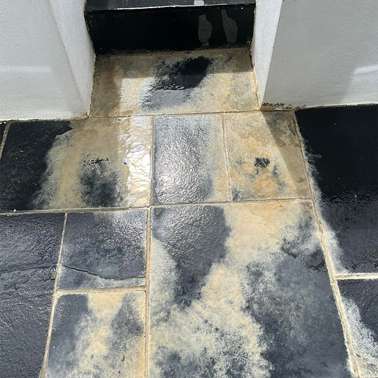 Efflorescence
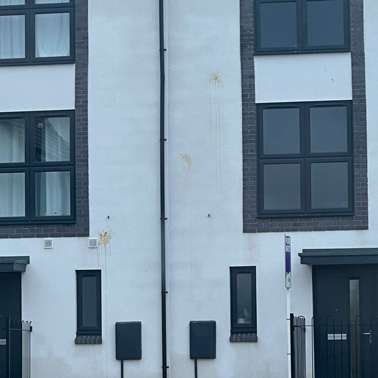 Egg
Egg Failed Sealer
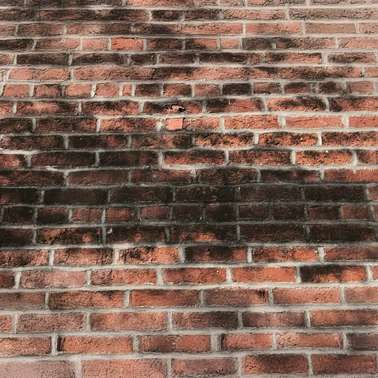 Fire Damage
 Fuel / Oil
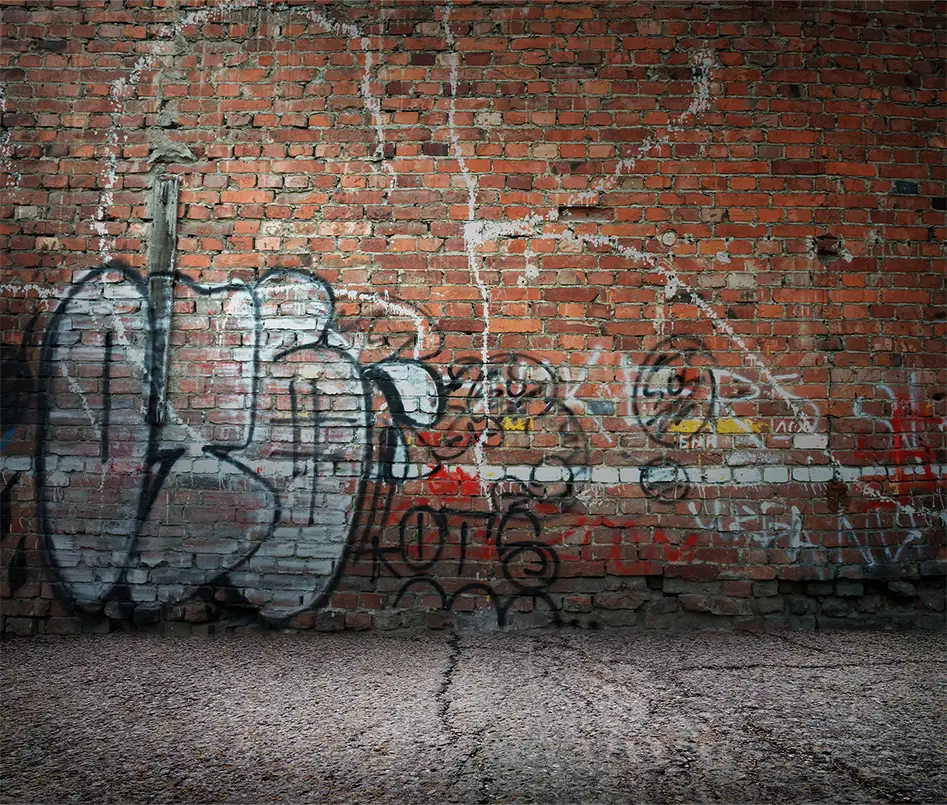 Graffiti
 Grease / Fat / Cooking Oil
 Lawn Fertiliser
 Lead Carbonate
 Lead Oxide
 Paint Splashes
 Rust
Rust Tar & Glue
 Tannin Removers
 Traffic Film Removers
 Trapped Moisture / Sealer Repairs
 Urine Neutralisers