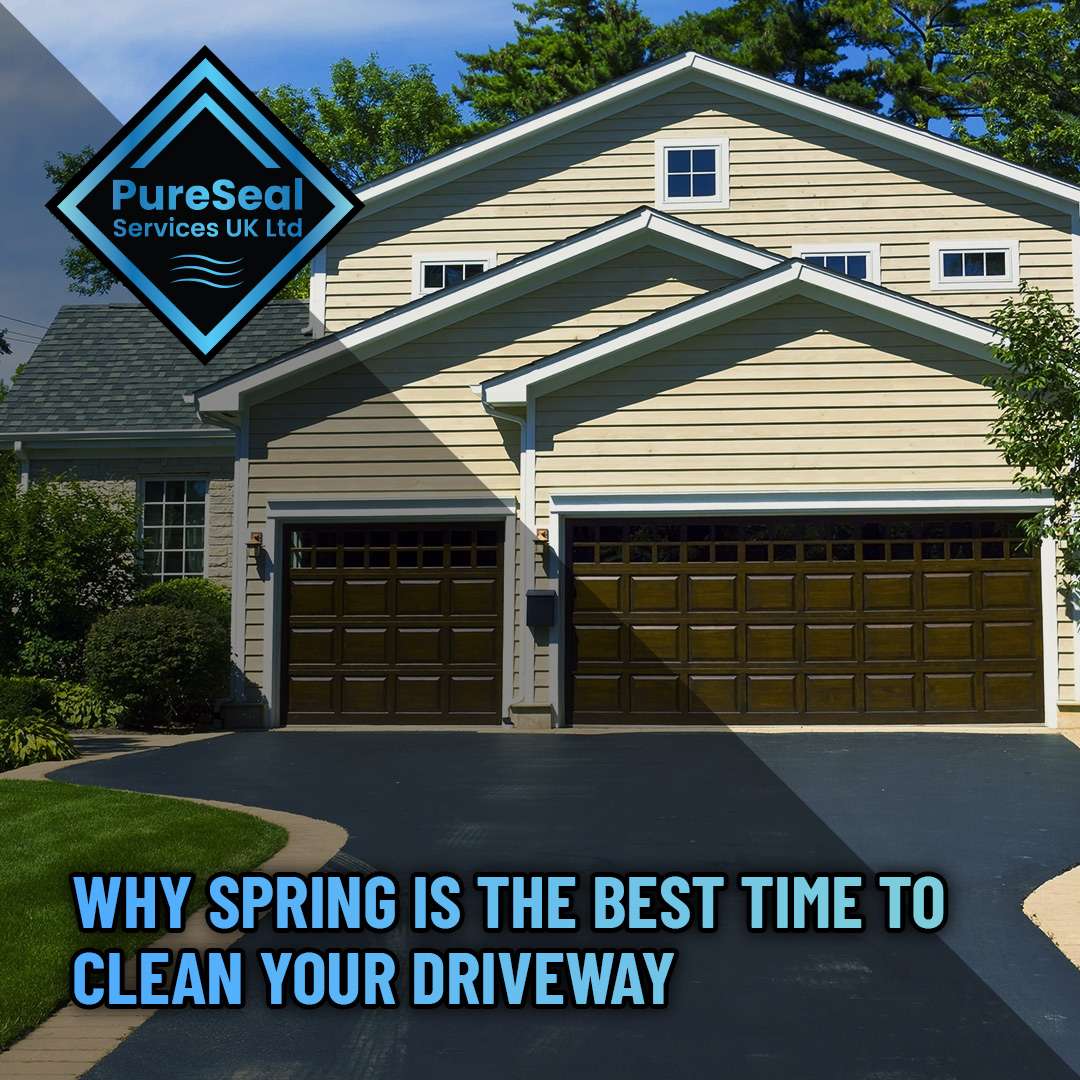
Why Spring Is the Best Time to Clean Your Driveway
After months of cold weather, heavy rain, frost, mud, and debris, driveways across the UK often look significantly worse by the end of winter. Moss, algae, oil stains, weeds, and grime can quickly build up, leaving surfaces slippery, stained, and worn down. As temperatures begin to rise and gardens come back to life, spring becomes the perfect season to restore your driveway and improve the appearance of your property.
For homeowners looking to refresh and protect their exterior surfaces, Pureseal Services provides professional driveway cleaning and pressure washing services designed to safely remove stubborn dirt, organic growth, and staining while helping surfaces stay cleaner for longer.
Although many homeowners focus on indoor spring cleaning, exterior areas deserve equal attention. Your driveway is one of the first things visitors notice about your home. A clean, well-maintained driveway improves kerb appeal, enhances safety, and helps prevent long-term surface damage.
This guide explains why spring is the ideal time to clean your driveway, the benefits of professional pressure washing, common winter issues affecting driveways, and how regular maintenance can protect your property.
Winter Leaves Driveways in Poor Condition
Driveways face constant exposure to harsh weather conditions throughout winter.
Rain, freezing temperatures, moisture, fallen leaves, mud, and road grime all contribute to surface deterioration and staining.
By spring, many driveways suffer from:
Moss growth
Slippery algae
Weed buildup
Oil stains
Black spots
Mud deposits
Surface discolouration
Blocked drainage areas
Without proper cleaning, these problems often continue to worsen throughout the year.
Spring Weather Creates Ideal Cleaning Conditions
One of the biggest reasons spring is the best time for driveway cleaning is the improvement in weather conditions.
Milder Temperatures
Spring temperatures allow surfaces to dry more effectively after cleaning.
This is important because:
Sealants bond better to dry surfaces
Moss treatments work more effectively
Reduced moisture limits regrowth
Cleaning results last longer
Very cold temperatures during winter can reduce the effectiveness of exterior cleaning treatments.
Lower Risk of Frost Damage
Cleaning a driveway during freezing conditions can cause water to seep into cracks and freeze.
When water expands during freezing, it may lead to:
Surface cracking
Joint damage
Paving movement
Structural deterioration
Spring reduces these risks considerably.
Longer Daylight Hours
Longer days make spring ideal for larger cleaning projects.
Professional driveway cleaning often includes:
Surface preparation
Weed removal
Pressure washing
Chemical treatment
Re-sanding
Sealing
Spring daylight provides enough time for these stages to be completed efficiently.
Spring Cleaning Improves Kerb Appeal
Your driveway has a major impact on the overall appearance of your home.
Even attractive properties can appear neglected if the driveway is stained or covered in moss.
First Impressions Matter
A clean driveway helps create:
A brighter appearance
A more welcoming entrance
Better presentation
A well-maintained impression
This is especially important during spring when:
Homeowners spend more time outdoors
Guests begin visiting more frequently
Gardens are being improved
Properties are often listed for sale
Clean Driveways Complement Spring Landscaping
Fresh lawns, flowers, and garden improvements stand out more when paired with clean paving.
Pressure washing can completely transform:
Block paving
Concrete driveways
Resin surfaces
Tarmac areas
Stone paving
The contrast between freshly cleaned surfaces and winter grime is often dramatic.
Moss and Algae Grow Rapidly After Winter
The damp UK climate creates ideal conditions for moss and algae growth.
During winter, driveways remain wet for long periods, particularly in shaded areas.
By spring, many surfaces become slippery and discoloured.
Why Moss Is a Problem
Moss traps moisture against driveway surfaces.
This can contribute to:
Surface weakening
Increased slipperiness
Drainage issues
Accelerated deterioration
Weed growth
Moss also spreads quickly if not treated properly.
Algae Creates Safety Risks
Green algae growth may look minor initially, but it can become extremely slippery when wet.
This increases the risk of:
Slips
Falls
Injuries
Accidents on slopes or pathways
Spring cleaning removes algae before outdoor spaces see heavier use during summer.
Spring Is the Best Time to Remove Weeds
Weeds often begin growing aggressively during spring.
Driveway joints and cracks provide ideal growing conditions.
Early Removal Prevents Larger Problems
If weeds are left untreated, they can:
Lift paving blocks
Damage joints
Retain moisture
Create trip hazards
Spread rapidly
Spring cleaning allows weeds to be removed before root systems strengthen further.
Block Paving Benefits From Early Maintenance
Block paving driveways especially benefit from spring maintenance.
Cleaning and re-sanding joints early in the year helps:
Stabilise blocks
Prevent movement
Reduce future weed growth
Improve drainage performance
Professional cleaning can also identify areas needing repair before damage worsens.
Pressure Washing Removes Winter Staining
Driveways often accumulate deep stains during winter months.
Oil and Vehicle Stains
Rainwater can spread oil and vehicle residue across driveway surfaces.
Common stains include:
Stain Type
Typical Cause
Difficulty to Remove
Oil stains
Vehicle leaks
High
Tyre marks
Vehicle movement
Medium
Rust stains
Metal runoff
Medium
Mud stains
Foot traffic and weather
Low
Organic staining
Leaves and moss
Medium
Professional pressure washing combined with specialist treatments can restore surfaces far more effectively than DIY methods.
Black Spot Removal
Black spots caused by lichen are particularly common on driveways.
These spots:
Penetrate deep into surfaces
Resist basic cleaning
Spread gradually
Affect appearance significantly
Spring cleaning allows professionals to treat black spots before warmer weather encourages further growth.
Spring Cleaning Helps Protect Driveway Materials
Driveways represent a major investment for many homeowners.
Regular cleaning helps preserve the condition of the surface.
Dirt and Organic Growth Cause Damage Over Time
Many homeowners assume dirt is purely cosmetic.
However, trapped moisture and biological growth can slowly damage paving materials.
Potential issues include:
Surface erosion
Cracking
Joint weakening
Discolouration
Water retention
Routine spring cleaning helps reduce long-term deterioration.
Different Materials Require Different Care
Not all driveways should be cleaned using the same pressure levels.
Professional cleaners understand how to safely clean:
Driveway Material
Cleaning Approach
Block paving
Pressure washing and re-sanding
Concrete
Deep surface cleaning
Resin-bound surfaces
Low-pressure cleaning
Tarmac
Controlled washing methods
Natural stone
Specialist treatment
Using incorrect pressure settings can permanently damage some surfaces.
Spring Cleaning Prepares Your Home for Summer
Spring is often the start of increased outdoor activity.
Many homeowners begin:
Garden renovations
Outdoor entertaining
Patio improvements
Property maintenance projects
A clean driveway creates a stronger overall appearance heading into summer.
Better Outdoor Enjoyment
Clean exterior spaces feel more inviting and pleasant to use.
Removing winter grime helps create:
Cleaner pathways
Safer surfaces
A tidier property
More attractive outdoor areas
Ideal Timing for Property Improvements
Spring driveway cleaning often pairs well with:
Patio cleaning
Roof cleaning
Fence staining
Landscaping work
Exterior painting
This creates a fresher and more cohesive appearance across the property.
Spring Is Perfect for Applying Protective Sealants
Once a driveway has been professionally cleaned, spring offers excellent conditions for sealing.
Benefits of Driveway Sealing
Sealing can help:
Reduce future staining
Slow moss and algae growth
Improve water resistance
Enhance colour appearance
Simplify future cleaning
Why Spring Conditions Help
Sealants generally perform best when:
Temperatures are mild
Surfaces are dry
Frost risk is low
Rainfall is manageable
Spring often provides the right balance of conditions.
Driveway Cleaning Improves Property Value
Exterior appearance has a strong impact on property presentation.
Clean Driveways Support Better Property Presentation
Potential buyers often notice:
Driveways
Paths
Patios
Front entrances
before anything else.
A professionally cleaned driveway can make a property appear:
Better maintained
More modern
Cleaner overall
More appealing visually
Small Improvements Create Big Visual Changes
Pressure washing often delivers dramatic improvements without requiring major renovation work.
For many homeowners, driveway cleaning offers one of the quickest ways to refresh the appearance of the entire property.
Spring Helps Prevent Drainage Problems
Winter debris can block driveway drainage systems.
Common Drainage Issues
Driveways may develop:
Blocked channel drains
Mud buildup
Moss-clogged runoff areas
Standing water
Overflowing drains
These issues can worsen if ignored.
Standing Water Encourages Surface Damage
Poor drainage increases:
Algae growth
Surface erosion
Freeze-thaw damage
Weed spread
Spring cleaning allows drainage systems to be checked and cleared before heavy summer storms arrive.
DIY Driveway Cleaning vs Professional Cleaning
Some homeowners attempt to clean driveways themselves using hired pressure washers.
While this may seem cost-effective initially, professional cleaning usually produces superior results.
Domestic Machines Have Limitations
Consumer-grade pressure washers often:
Lack sufficient power
Produce uneven cleaning
Take longer to complete jobs
Struggle with deep staining
Professional equipment delivers more consistent and effective cleaning.
Incorrect Cleaning Can Cause Damage
DIY cleaning mistakes commonly include:
Using excessive pressure
Damaging paving joints
Leaving striping marks
Etching concrete surfaces
Removing protective coatings
Professional cleaners understand proper techniques for different materials.
Professionals Use Specialist Treatments
Professional driveway cleaning often includes:
Biocide applications
Degreasers
Weed treatments
Surface restoration products
Protective sealants
These treatments help results last longer.
Why Block Paving Needs Special Attention in Spring
Block paving remains one of the most popular driveway choices across the UK.
However, it also requires careful maintenance.
Jointing Sand Washout
Pressure washing removes old jointing sand.
Without re-sanding:
Blocks may loosen
Weeds grow faster
Water drainage changes
Surface movement increases
Professional re-sanding restores stability.
Moss Growth Between Blocks
The gaps between paving blocks provide ideal conditions for moss and weed growth.
Spring cleaning removes this buildup before it spreads further during warmer weather.
Spring Driveway Cleaning Helps Reduce Slip Hazards
Safety is one of the most important reasons to clean exterior surfaces.
Slippery Driveways Become Dangerous
Moss, algae, and grime can create hazardous conditions.
This is particularly risky on:
Sloped driveways
Paths
Steps
Shaded areas
Safer Access for Family and Visitors
Professional cleaning restores surface grip and improves visibility.
This helps reduce accident risks for:
Children
Elderly residents
Visitors
Delivery drivers
Environmental Benefits of Professional Pressure Washing
Modern pressure washing methods are increasingly environmentally conscious.
Controlled Water Usage
Professional systems are often more efficient than DIY cleaning methods.
Commercial equipment can:
Use water more effectively
Clean faster
Reduce waste
Deliver deeper cleaning with less runoff
Professional Chemical Handling
Reputable companies use treatments responsibly.
This includes:
Controlled application methods
Appropriate dilution
Environmentally safer products where possible
Responsible wastewater management
Common Signs Your Driveway Needs Spring Cleaning
Many homeowners delay cleaning until surfaces become severely stained.
However, early cleaning prevents problems from worsening.
Visible Moss and Algae
Green growth is a clear indication that moisture is being retained.
Slippery Surfaces
If the driveway feels slippery after rain, algae is likely present.
Dark Patches and Stains
Discolouration often signals:
Organic buildup
Oil contamination
Surface wear
Drainage issues
Weed Growth
Weeds indicate that joints and cracks require attention.
Poor Drainage
Standing water suggests blocked runoff areas.
How Often Should You Clean Your Driveway?
Cleaning frequency depends on:
Tree coverage
Weather exposure
Surface type
Vehicle usage
Drainage conditions
General Recommendations
Driveway Type
Recommended Cleaning Frequency
Block paving
Once per year
Concrete
Every 1 to 2 years
Resin-bound
Annually
Tarmac
Every 1 to 2 years
Natural stone
Annually
Properties located in damp or shaded environments may benefit from more frequent maintenance.
Why Professional Maintenance Saves Money Long Term
Regular driveway cleaning is often far more affordable than repairing neglected surfaces.
Preventative Maintenance Reduces Repair Costs
Cleaning helps reduce:
Surface deterioration
Weed-related movement
Water damage
Staining permanence
Structural wear
Delaying Cleaning Often Increases Costs
Heavily neglected driveways may eventually require:
Re-pointing
Surface replacement
Weed treatment
Drainage repairs
Paving restoration
Routine maintenance helps avoid these expensive issues.
Creating a Spring Exterior Cleaning Plan
Many homeowners include driveway cleaning as part of a wider spring maintenance schedule.
Early Spring Tasks
Focus on:
Gutter clearing
Weed removal
Drain inspection
Moss treatment
Mid-Spring Tasks
Carry out:
Pressure washing
Patio cleaning
Pathway restoration
Re-sanding
Late Spring Tasks
Complete:
Sealing treatments
Landscaping
Fence painting
Garden preparation
Questions to Ask Before Hiring a Driveway Cleaning Company
Choosing a reliable exterior cleaning company is important.
Are They Experienced With Your Surface Type?
Different materials require different cleaning methods.
Do They Offer Re-Sanding and Sealing?
These services help protect driveways after cleaning.
Are They Fully Insured?
Insurance protects homeowners in case of accidental damage.
Do They Use Commercial Equipment?
Professional-grade systems typically produce better and faster results.
Can They Treat Moss and Algae Properly?
Biocide treatments help reduce rapid regrowth.
Why Spring Driveway Cleaning Is Worth the Investment
Driveways face constant wear throughout the year, but winter causes the most visible deterioration.
Spring cleaning restores the appearance of the surface while also protecting it from long-term damage.
Benefits include:
Improved kerb appeal
Safer walking surfaces
Reduced weed growth
Better drainage
Extended surface lifespan
Easier future maintenance
A professionally cleaned driveway can transform the entire appearance of a property and create a cleaner, brighter entrance heading into the warmer months.
By addressing moss, algae, stains, and winter grime early in the year, homeowners can protect their investment and enjoy a fresher outdoor space throughout spring and summer.

 Artificial and Sports Surfaces
 Awnings / Canopies / Gazebos
 Block Paving
 Brickwork
 Composite Surfaces
 Decking / Timber
 Granite
 Imprinted Concrete
 Internal Masonry
 Limestone
 Marble
 Metal Cladding
 Polished or Honed Stone
 Porcelain
 Render
 Resin Bond
 Road and Rail Signs
 Roof Tiles / Slates
 Sandstone
 Slate
Slate Solar Panels and Glass
 Stone Sills and Pier Caps
 Tarmac and Asphalt
 Gutters & UPVC
 Acid Damage
 Biofilm
 Bitumen
 Blood
Blood Carbon
 Concrete / Grout / Mortar
 Copper Oxide
 Efflorescence
 Egg
Egg Failed Sealer
 Fire Damage
 Fuel / Oil
 Graffiti
 Grease / Fat / Cooking Oil
 Lawn Fertiliser
 Lead Carbonate
 Lead Oxide
 Paint Splashes
 Rust
Rust Tar & Glue
 Tannin Removers
 Traffic Film Removers
 Trapped Moisture / Sealer Repairs
 Urine Neutralisers