Posts Tagged ‘Roof Cleaning’

How-Do-I-Make-My-Patio-Slabs-Look-New-Again

How Do I Make My Patio Slabs Look New Again?

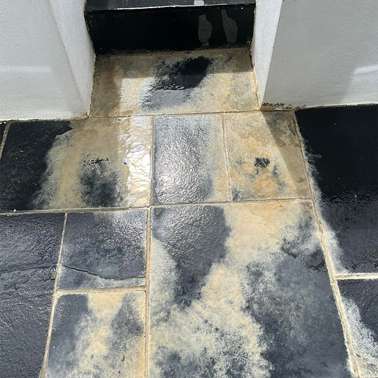
A patio is often the heart of a garden – a place to relax with a cup of tea, fire up the barbecue in summer, or simply enjoy some fresh air. But after a few years, those once-pristine patio slabs can start to look tired. Algae, moss, lichen, grime, weeds, and even food or rust stains can all make your outdoor space feel unloved.

The good news? With the right methods, tools, and a bit of elbow grease, you can make your patio slabs look new again. In this guide, we’ll explore tried-and-tested cleaning techniques, preventative care tips, and budget-friendly approaches. Whether your slabs are concrete, sandstone, limestone, or porcelain, there’s a way to restore their sparkle.


Why Do Patio Slabs Get So Dirty?

Before we jump into solutions, it helps to understand what you’re dealing with. Patio slabs in the UK are exposed to a unique mix of challenges:

  • Weather: Frequent rain encourages moss and algae growth.

  • Shade: Slabs under trees or fences get less sun, staying damp for longer.

  • Soil and dust: Wind and foot traffic carry dirt onto the surface.

  • Food and drink spills: BBQs and outdoor dining can leave greasy stains.

  • Rust: Garden furniture or metal pots may leave unsightly marks.

Different materials also react differently – sandstone can be porous and absorb stains, while porcelain is more stain-resistant but still prone to surface grime.


Step 1: Clear the Area

Before you clean, move furniture, plant pots, and any ornaments out of the way. Sweep away loose leaves, twigs, and debris with a stiff brush. This will make the cleaning process more efficient and stop dirt getting trapped again.


Step 2: Choose Your Cleaning Method

There’s no single “right” way to clean patio slabs – it depends on the type of slab, how dirty they are, and your budget. Here’s a breakdown of the most common options:

1. Pressure Washing

A pressure washer is one of the fastest ways to revive patio slabs. It blasts away moss, algae, and ground-in dirt. However, use caution: too much pressure can damage softer stones like sandstone or limestone, and it may also loosen jointing mortar.

How to do it:

  • Use a fan nozzle rather than a pinpoint jet.

  • Start at a lower pressure (around 1300–1500 PSI) and increase if needed.

  • Work at a slight angle to lift dirt away.

  • Keep the nozzle at least 30cm from the surface.

Best for: Concrete, porcelain, or heavily soiled patios.

Avoid for: Delicate or old stonework.


2. Soapy Water and Elbow Grease

Sometimes the simplest method is the most effective. Warm water with washing-up liquid and a stiff-bristled yard brush can remove general grime without the risk of damage. It’s also eco-friendly and cheap.

How to do it:

  • Fill a bucket with hot water and a good squirt of washing-up liquid.

  • Pour onto the slabs.

  • Scrub in circular motions.

  • Rinse thoroughly with clean water.

Best for: Light dirt or regular maintenance.


3. Specialist Patio Cleaners

If algae, moss, or lichen are persistent, chemical patio cleaners can help. These come in concentrated solutions you dilute with water and apply with a watering can or sprayer.

There are two main types:

  • Biocidal cleaners: Kill organic growth and keep working for weeks.

  • Acid-based cleaners: Remove efflorescence (white salt deposits) and rust.

Cost: Around £10–£20 for 5 litres, which usually covers 20–40 m².

Best for: Stubborn biological growth and long-lasting results.

Avoid for: Limestone and marble (which can be etched by acid).


4. Homemade Solutions

For those on a budget, household products can sometimes do the trick:

  • White vinegar: Dilute 1:1 with water, apply, leave for 30 minutes, scrub, then rinse. Great for algae but avoid on limestone.

  • Baking soda: Sprinkle onto greasy stains, scrub, then rinse.

  • Bleach: Effective against moss and mould (use a 1:10 ratio of household bleach to water). Be cautious around plants and grass.

Cost: Usually under £5 for enough to cover a medium patio.


Comparison Table: Patio Cleaning Methods

Method Cost (approx.) Best For Drawbacks Suitable For
Pressure Washing £100+ (machine) or £40/day hire Heavy grime, concrete, porcelain Can damage soft stone or pointing Concrete, porcelain
Soapy Water & Brush £1–£2 (washing-up liquid) Light dirt, maintenance Hard work, less effective on stains All slab types
Specialist Patio Cleaner £10–£20 (5L) Moss, algae, lichen, long-term Some contain chemicals Most (avoid on limestone)
White Vinegar Solution £2–£3 (per litre) Algae, light staining Damages limestone/marble Concrete, sandstone
Bleach Solution £1–£2 (per litre) Moss, mould Harmful to plants, may discolour Concrete, sandstone

Step 3: Tackle Specific Problems

General cleaning often isn’t enough for certain stains. Here’s how to deal with the most common patio issues:

Moss and Weeds

  • Remove weeds from joints with a hand tool or weed burner.

  • Apply a biocidal patio cleaner to stop regrowth.

  • Refill joints with kiln-dried sand if needed.

Algae and Green Slime

  • Use a diluted bleach or specialist cleaner.

  • Improve drainage and sunlight exposure to prevent return.

Rust Stains

  • Use a commercial rust remover (around £12–£15).

  • Always test on a small patch first.

Oil and Grease Stains

  • Apply baking soda or cat litter to absorb oil.

  • Scrub with soapy water afterwards.

White Bloom (Efflorescence)

  • Caused by natural salts rising to the surface.

  • Usually fades over time, but acid-based cleaners can speed it up.


Step 4: Seal the Patio

Once your patio slabs are looking fresh again, consider applying a sealer. Patio sealants:

  • Protect against stains

  • Reduce algae growth

  • Make future cleaning easier

Sealants cost around £25–£40 for 5 litres, covering 25–50 m². Apply with a roller or sprayer on a dry day. Reapply every 2–3 years.


Cost Breakdown: DIY vs Professional Cleaning

If you’d rather not get your hands dirty, hiring a professional is another option.

Option Average Cost (UK) What’s Included
DIY with soapy water £2–£5 Washing-up liquid, brush, bucket
DIY with pressure washer £100–£150 (purchase) or £40/day (hire) Machine, water, electricity
DIY with specialist cleaner £10–£20 per treatment Cleaning solution, brush/sprayer
Professional jet washing £3–£6 per m² Full wash, stain removal, re-sanding joints
Professional deep clean & seal £8–£12 per m² Cleaning plus protective sealant

For a typical 30 m² patio, a professional deep clean and seal could cost between £240–£360. Doing it yourself with cleaners and a hired pressure washer might be under £80.


Step 5: Ongoing Maintenance

To keep your patio slabs looking new for longer:

  • Sweep regularly to prevent dirt build-up.

  • Move plant pots occasionally to avoid staining.

  • Clean spills quickly, especially oil or wine.

  • Apply a patio cleaner once or twice a year.

  • Reseal every few years if using a protective sealant.


Eco-Friendly Considerations

Many homeowners are looking for greener solutions. Here are some eco-friendly cleaning tips:

  • Use biodegradable cleaners (look for eco-labelled products).

  • Avoid bleach near flowerbeds and lawns.

  • Collect pressure washer run-off if possible, to prevent chemical spread.

  • Consider mechanical tools like wire brushes instead of chemical weed killers.


Which Patio Slab Material Needs What?

Different stones need different care.

Slab Material Characteristics Cleaning Tips
Concrete Durable, slightly porous Fine with pressure washing and most cleaners
Sandstone Porous, softer stone Avoid strong acids; use gentle cleaners
Limestone Very porous, sensitive to acid Avoid vinegar/acid cleaners; seal after wash
Porcelain Non-porous, modern finish Easy to clean; pressure wash safe
Granite Hard, dense stone Jet wash fine; reseal for stain protection

Common Mistakes to Avoid

  • Overusing bleach – can cause surface damage and harm plants.

  • Pressure washing too close – risks gouging stone or mortar.

  • Skipping the rinse – soap residues attract dirt quickly.

  • Not testing cleaners first – always test on a hidden slab.

  • Sealing a damp patio – can trap moisture and cause staining.


Seasonal Patio Care

The UK climate means patios face very different challenges depending on the season. A tailored approach will keep your slabs looking good year-round:

  • Spring: Tackle moss and algae after the wet winter. Ideal time for a deep clean.

  • Summer: Focus on stain removal from BBQs, food, and drink spills.

  • Autumn: Sweep regularly to prevent leaf stains and blocked drainage.

  • Winter: Avoid using salt for de-icing (it can damage stone); use sand or a non-corrosive de-icer instead.

Regular seasonal attention helps spread out the work and prevents deep staining from building up.


Natural Weed Control for Patio Joints

Weeds between patio slabs are one of the most common frustrations. While chemical weed killers are effective, there are natural alternatives that are safer for pets, children, and the environment:

  • Boiling water: Pour directly onto weeds to kill them instantly.

  • White vinegar spray: Effective for young weeds (avoid overspray on plants).

  • Salt solution: Mix salt with water, but use sparingly as it can affect soil health.

  • Re-sanding: Brush kiln-dried sand into the joints after cleaning to block weed growth.

This keeps your patio neater while avoiding harsh herbicides.


Budget vs Premium Patio Products

Not all cleaning and sealing products are created equal. Here’s a look at whether it’s worth paying more:

Product Type Budget Option (£) Premium Option (£) Pros of Premium
Patio Cleaner (5L) £8–£12 £20–£30 Longer-lasting, eco formulas
Sealer (5L) £25–£30 £40–£60 Enhanced stain resistance, UV protection
Rust Remover (1L) £10–£12 £18–£22 Faster action, safer on delicate stone

If you only clean once a year, budget options are fine. For long-term protection, premium products often save money by reducing reapplications.


DIY vs Hiring a Professional: Which Is Right for You?

Cleaning a patio yourself is satisfying, but not always practical. Here’s a quick comparison:

  • DIY: Cheap, flexible timing, rewarding. Requires tools, effort, and time.

  • Professional: Quick, high-quality finish, includes resealing. Costs more, but saves hassle.

Rule of thumb:

  • DIY is ideal for smaller patios under 20 m².

  • Professionals are worth it for larger patios, badly stained areas, or when resealing is needed.


Long-Term Patio Upgrade Ideas

If your slabs are beyond simple cleaning, or you want a fresh look, consider these upgrades:

  • Repointing joints: Replace old mortar or sand for a crisp look.

  • Adding edging stones: Prevents soil run-off and frames the patio.

  • Installing new lighting: Uplights or string lights make a patio look modern.

  • Replacing a few slabs: If only a handful are stained or cracked, swapping them can lift the whole space.

  • Patio resurfacing: Applying a thin overlay of resin-bound gravel or outdoor tiles gives a brand-new finish without full replacement.

These options range from small fixes to full transformations, depending on your budget.

Final Thoughts

Restoring your patio doesn’t have to cost a fortune. Whether you prefer eco-friendly scrubbing with vinegar and a brush, or a full-on jet wash with professional sealing, there’s a solution to suit every budget. The key is choosing the right method for your slab type and level of dirt.

With a weekend’s effort, you can bring back the look of a brand-new patio – making your garden the perfect place to enjoy those rare sunny days in the UK.

Continue Reading

Is-It-Okay-to-Pressure-Wash-a-Patio

Is It Okay to Pressure Wash a Patio?

Patios are a favourite feature of many UK homes, offering a space for outdoor dining, relaxation, or entertaining. But over time, they can become dirty, slippery, and unattractive thanks to moss, algae, weeds, and everyday grime. One of the most common solutions people turn to is pressure washing.

But is it okay to pressure wash a patio? The short answer: yes, but with caution. Pressure washing can be a highly effective cleaning method if used correctly, but it can also damage certain surfaces or require follow-up care.

In this article, we’ll break down the pros and cons of pressure washing, compare it with other methods, explore costs, and explain when it’s the right option for your patio.


1. What Is Pressure Washing?

Pressure washing uses a machine to force water out at high pressure (typically 100–180 bar for home models). The pressurised stream blasts away dirt, moss, algae, and debris from surfaces.

  • Cold water pressure washers – most common for home use.

  • Hot water/steam pressure washers – used by professionals for deeper cleaning.


2. Why People Use Pressure Washing

  • Fast and effective – cleans dirt that scrubbing cannot.

  • Instant results – patios look “like new” within hours.

  • Affordable in the long run – after buying a machine (£100–£400), each clean costs little.

  • Versatile – can also clean driveways, walls, decking, and even cars.


3. Is Pressure Washing Safe for All Patios?

Not all patio surfaces respond equally well.

Patio Material Safe for Pressure Washing? Notes
Concrete ✅ Yes Very durable, handles pressure well.
Block Paving ⚠️ Yes, but with care Can wash away jointing sand. Re-sanding required.
Sandstone/Slate ⚠️ Limited Softer stones can erode; use lower pressure.
Porcelain Tiles ✅ Yes Non-porous, strong; safe with mild pressure.
Gravel/Loose Stone ❌ No Will scatter stones everywhere.
Wooden Decking ⚠️ Yes, very gentle only High pressure can splinter wood.

4. Benefits of Pressure Washing a Patio

  1. Restores appearance – brings back original colour.

  2. Improves safety – removes slippery algae and moss.

  3. Quick and convenient – cleans a 30m² patio in under 2 hours.

  4. Cost-effective – cheaper than hiring professionals repeatedly.

  5. Deep cleaning – penetrates cracks and joints.


5. Risks of Pressure Washing a Patio

While effective, there are risks if done incorrectly:

  • Surface damage – soft stone (sandstone, limestone) can chip or erode.

  • Joint erosion – block paving may lose sand, weakening stability.

  • Water waste – some machines use 300–500 litres per hour.

  • Streaking – inconsistent cleaning can leave patchy results.

  • Accidental damage – high-pressure jets can harm plants, fences, or even shoes if misused.


6. Costs of Pressure Washing

DIY Costs

  • Pressure washer purchase: £100–£400

  • Cleaning solution (optional): £10–£25

  • Water usage (per 2-hour clean): approx. £2–£5

Professional Costs

  • Average UK patio cleaning: £3–£6 per m²

  • Small patio (20m²): £60–£120

  • Medium patio (30–40m²): £100–£200

  • Large patio (50–60m²): £150–£250

Comparison: If you clean twice a year, DIY becomes cheaper after 2–3 cleans, but professionals provide better expertise.


7. DIY vs Professional Pressure Washing

Factor DIY Professional
Cost £20–£50 per clean (after machine purchase) £100–£200 per clean
Time 2–4 hours 1–2 hours
Skill Must learn correct settings Experienced and efficient
Risks Higher – may damage surfaces Lower – experts know safe methods
Extra services None Often includes re-sanding/sealing

8. Environmental Considerations

Pressure washing can impact the environment:

  • Water usage: A 2-hour session may use 600–1,000 litres.

  • Chemicals: Many use eco-friendly cleaners (£15–£25 per 5L).

  • Run-off: Dirty water may carry pollutants into drains.

Eco Tip: Collect rainwater in a water butt and use it with your washer to save money and reduce mains usage.


9. Step-by-Step Guide to Pressure Washing a Patio

  1. Clear the area – remove furniture, pots, and sweep debris.

  2. Pre-treat stains – apply detergent or degreaser.

  3. Choose correct nozzle – wide fan for general cleaning, narrow jet for stubborn spots.

  4. Work in sections – keep nozzle 20–30cm from surface.

  5. Re-sand joints – for block paving, refill with kiln-dried sand (£5–£10 per bag).

  6. Optional sealing – apply patio sealant (£100–£200 for 30m²).


10. Pressure Levels for Different Surfaces

Surface Recommended Pressure Notes
Concrete 140–180 bar Very durable
Block Paving 100–140 bar Avoid dislodging sand
Natural Stone 80–120 bar Use wide spray
Porcelain 100–140 bar Resistant to staining
Decking 60–80 bar Gentle only

11. Alternatives to Pressure Washing

If you’re concerned about risks, alternatives include:

  • Scrubbing + soapy water (£2–£5, but labour-intensive).

  • Biocidal patio cleaner (£10–£25, prevents regrowth of algae).

  • Steam cleaning (£5–£10 per m², eco-friendly, used by pros).

  • Vinegar/baking soda solutions (cheap, eco-safe, but less powerful).


12. Case Study: 30m² Block Paving Patio

  • DIY pressure washing:

    • Machine: £200 (mid-range).

    • Sand replacement: £20.

    • Water cost: £3.

    • Total Year 1: £223.

  • Professional pressure washing:

    • Cost per clean: £150.

    • Two cleans per year: £300.

    • Total Year 1: £300.

👉 DIY saves money long term, but pros ensure re-sanding and sealing are done correctly.


13. When Pressure Washing Is NOT Okay

Avoid or use extreme caution if:

  • Patio is made from soft natural stone (e.g., Yorkstone, limestone).

  • Joints are loose or already eroded.

  • Patio has been freshly installed (<6 months).

  • Surrounding garden has delicate plants easily damaged by spray.

  • Frost is forecast – wet surfaces can freeze and crack.


14. How Often Should You Pressure Wash?

  • Once per year – adequate for most patios.

  • Twice per year – if you want pristine condition for summer and post-autumn cleaning.

  • Light touch-ups – rinse small sections when stains appear, rather than waiting.


15. Costs Over 5 Years

Option Initial Outlay Annual Cost 5-Year Total
DIY (buy washer) £200 £20 £300
Professional (annual clean, 30m²) £150 £150 £750
Professional (biannual clean) £300 £300 £1,500

Result: DIY saves £450–£1,200 over 5 years, but requires effort.


16. Pressure Washing vs Sealing

After pressure washing, sealing is highly recommended.

  • Sealant cost: £5–£10 per m².

  • 30m² patio sealing: £150–£300.

  • Benefits:

    • Prevents water absorption.

    • Reduces algae growth.

    • Enhances colour.

    • Makes future cleaning easier.

👉 Best practice: pressure wash in April, seal in May for year-round results.


17. Pressure Washing in Different Seasons

Season Pros Cons
Spring (Mar–May) Best time – prepares patio for summer High demand for professionals
Summer (Jun–Aug) Fast drying Heat may evaporate detergents
Autumn (Sep–Nov) Good for leaf removal Wet weather can shorten results
Winter (Dec–Feb) Cheaper pro services Frost risk, short-lived

18. Customer Satisfaction Trends

Surveys from UK homeowners show:

  • 80% report patios look “like new” after pressure washing.

  • 60% say results last 6–12 months.

  • 25% had to repair joints after aggressive washing.

  • 10% regretted not sealing afterwards due to fast regrowth.


19. Pros and Cons Summary

Pros Cons
Fast, effective cleaning Can damage soft stone
Affordable over time May erode block paving sand
Removes moss and algae High water consumption
Restores colour Risk of streaks if misused

20. Final Verdict

So, is it okay to pressure wash a patio?

Yes, it’s not only okay but one of the best cleaning methods — provided it’s done carefully.

  • Safe for durable surfaces like concrete, block paving, and porcelain.

  • Use caution with sandstone and other natural stone.

  • Always follow up with re-sanding and sealing for long-lasting results.

For the average UK homeowner, the ideal routine is:

  • Pressure wash once a year (April or May).

  • Re-sand joints if needed (£20–£40).

  • Seal patio (£150–£300 depending on size).

This ensures safety, beauty, and long-term patio protection at a fair cost.

21. Common Mistakes to Avoid When Pressure Washing

Even though pressure washing is simple in principle, many homeowners damage their patios by rushing or misusing equipment.

Top mistakes include:

  • Holding the nozzle too close – this can etch patterns or gouge softer stone.

  • Using maximum pressure everywhere – different areas require different strengths.

  • Ignoring re-sanding – failing to replace kiln-dried sand in block paving leaves joints vulnerable.

  • Spraying unevenly – creates patchy results that look worse than before.

  • Not checking drainage – blasting debris into drains can cause blockages.

Taking a little extra time with preparation and aftercare avoids these costly errors.


22. Pressure Washing vs Other Patio Cleaning Methods

Pressure washing isn’t the only way to clean a patio. Sometimes alternative approaches may be safer or more practical.

Method Average Cost (30m² Patio) Effectiveness Best Use Case
Pressure Washing £100–£200 (pro) Very High Most patios (except soft stone)
Scrubbing + Soapy Water £20–£30 (DIY) Low–Medium Light dirt, small patios
Biocidal Cleaner £15–£25 (DIY) High Long-term algae prevention
Steam Cleaning £150–£250 (pro) Very High Sensitive stone surfaces
Vinegar/Baking Soda £5–£10 (DIY) Medium Eco-friendly, spot cleaning

👉 If your patio is delicate (e.g., sandstone), steam cleaning or biocidal treatments may be safer than pressure washing.


23. Pressure Washing and Property Value

Clean outdoor spaces play a surprising role in property presentation. Estate agents often recommend cleaning patios before viewings.

  • A clean patio can add kerb appeal worth £1,000–£2,000 in perceived value.

  • Properties with tidy outdoor areas sell 10–15% faster than those with neglected patios.

  • Cost of a professional clean: £120–£200 — a small investment compared to the potential return.

For landlords, regular pressure washing also reduces slip hazards, lowering liability risks.


24. Should You Pressure Wash Annually or Biannually?

The frequency of pressure washing depends on usage, local environment, and expectations.

Cleaning Frequency Annual Cost (30m² Patio, Professional) Results
Once a Year £120–£150 Patio looks fresh for spring/summer; good balance of cost and benefit
Twice a Year £220–£280 Patio remains pristine year-round; ideal for heavy-use gardens
Every 2–3 Years £120–£150 Cheapest option, but patio may become very slippery and stained between cleans

For most UK homeowners, once a year in April or May is ideal. Heavy-use gardens or shaded, damp patios benefit from a second clean in September.

Continue Reading

What-month-is-best-to-clean-a-patio

What month is best to clean a patio?

What Month Is Best to Clean a Patio?

Cleaning a patio is one of the most effective ways to freshen up your outdoor space, but the timing of the job is just as important as the method you choose. Too early, and winter grime may return quickly. Too late, and you may miss the chance to enjoy your clean patio during the warmer months.

In this guide, we’ll explore when the best month is to clean a patio in the UK, why the season matters, how weather plays a role, and what to expect if you’re hiring a professional.


1. Why Timing Matters for Patio Cleaning

The UK climate means patios face a constant cycle of rain, frost, sunshine, and organic growth. Cleaning at the wrong time can result in:

  • Short-lived results – moss and algae quickly regrow if you clean during damp months.

  • Safety issues – patios are slippery in autumn and winter.

  • Wasted money – paying for professional cleaning in December may mean your patio looks dirty again by March.

By choosing the right month, you extend the lifespan of your clean, improve kerb appeal, and get the best value for money.


2. Seasonal Patio Cleaning Overview

Each season has different pros and cons.

Season Pros Cons
Winter (Dec–Feb) Professional cleaners may be cheaper due to low demand Cold, wet conditions slow drying; moss regrowth is quick
Spring (Mar–May) Best for preparing patio for summer use; mild weather aids cleaning Busy season for professionals, prices may be higher
Summer (Jun–Aug) Fast drying times, pleasant working conditions Hot sun can cause chemicals to evaporate too quickly
Autumn (Sep–Nov) Removes fallen leaves, prepares patio for winter Damp conditions may encourage algae to return quickly

3. The Best Month: April

While there’s no single “perfect” answer for everyone, April is generally the best month to clean a patio in the UK.

Why April?

  • Winter grime (algae, moss, lichen) has accumulated and can now be fully removed.

  • The weather is mild – not too cold, not too hot – making cleaning more effective.

  • Rainfall is usually moderate, giving surfaces time to dry after cleaning.

  • Once cleaned, your patio is ready for BBQs, garden parties, and summer lounging.


4. Cost Differences by Month

Some professional patio cleaning companies adjust prices by demand.

Month Demand Level Average Price for 30m² Patio
January Low £80 – £120
March Medium £100 – £150
April High £120 – £180
June High £120 – £180
September Medium £100 – £140
November Low £80 – £110

👉 Cleaning in off-peak months (Jan–Feb, Oct–Nov) may be £20–£40 cheaper, but results may not last as long due to wetter weather.


5. Weather Considerations

When deciding which month to clean your patio, check the following:

  • Temperature – ideal range is 10–20°C. Cold conditions reduce chemical effectiveness, while extreme heat can dry cleaners too fast.

  • Rainfall – heavy rain can wash away cleaning products before they’ve worked.

  • Frost risk – avoid months with regular frost (Dec–Feb). Water left on surfaces may freeze and cause damage.

  • Drying time – longer daylight hours in spring and summer help patios dry thoroughly, preventing streaks.


6. DIY vs Professional by Season

Season DIY Suitability Professional Suitability
Winter Poor – cold, damp conditions make scrubbing harder Limited – some companies won’t operate below 5°C
Spring Excellent – ideal weather for scrubbing or pressure washing High demand; book early
Summer Good – surfaces dry fast Good, but midday heat can limit chemical use
Autumn Fair – good for leaf removal Moderate demand, prices often stable

7. Patio Materials and Seasonal Cleaning

Different patio materials react differently to seasonal cleaning.

Material Best Cleaning Month Reason
Concrete March–May Handles pressure washing well; prep for summer
Block Paving April–May Warm enough to re-sand joints effectively
Natural Stone (Sandstone, Slate) May–June Mild weather avoids frost damage
Porcelain Any mild month (Mar–Oct) Resistant surface; avoid freezing months
Gravel Spring/Autumn Easier to rake and refresh after seasonal debris

8. Case Study: A 30m² Block Paving Patio

Let’s imagine a typical UK home.

  • Cleaning in January:

    • Cost: £100

    • Result lasts: ~2–3 months (moss regrows quickly).

  • Cleaning in April:

    • Cost: £150

    • Result lasts: 8–12 months.

  • Cleaning in September:

    • Cost: £120

    • Result lasts: 4–6 months before winter grime builds up.

Conclusion: While April is more expensive, it provides the best balance of cost and longevity.


9. Monthly Cleaning Suitability Chart

Month Suitability (1–5 ⭐) Notes
January Too cold, short-lived results
February ⭐⭐ Still cold, moss regrowth risk
March ⭐⭐⭐⭐ Start of cleaning season
April ⭐⭐⭐⭐⭐ Ideal balance of weather and longevity
May ⭐⭐⭐⭐ Very good, but demand is high
June ⭐⭐⭐⭐ Good for DIY, hot weather may limit chemical use
July ⭐⭐⭐ Dry but heat can be a problem
August ⭐⭐⭐ Similar to July
September ⭐⭐⭐⭐ Good post-summer refresh
October ⭐⭐ Wet leaves cause staining
November ⭐⭐ Damp weather reduces effectiveness
December Frost risk too high

10. Maintenance Between Major Cleans

Even if you book a professional clean in April, you’ll still need light maintenance throughout the year.

  • Spring (April–May): Full deep clean.

  • Summer (June–July): Spot clean BBQ stains with detergent (£5–£10).

  • Autumn (Sept–Oct): Sweep leaves weekly to avoid tannin stains.

  • Winter (Nov–Feb): Light brushing to reduce moss build-up.

This routine extends the lifespan of your patio and reduces costs in the long term.


11. Cost of DIY vs Professional Cleaning by Month

Month DIY Cost (20m² patio) Professional Cost Value for Money
March £20–£40 £100–£150 High – good balance
April £25–£50 £120–£180 Very high – lasts longest
June £25–£60 £120–£180 Medium – chemicals may dry too fast
September £20–£50 £100–£140 Good – prepares patio for winter

12. What If You Can Only Clean Once a Year?

If budget or time means you can only clean once annually, aim for April or early May. This ensures:

  • The patio is fresh for summer.

  • You get maximum lifespan from one clean.

  • You avoid cleaning during freezing or leaf-fall seasons.


13. Eco-Friendly Cleaning and Timing

Eco-friendly cleaners often require mild weather to work properly.

  • Temperature: 12–18°C is ideal.

  • Dry weather: They often need 12–24 hours without rain to activate fully.

  • Best months: April, May, and September.


14. Professional Booking Tips

Because demand peaks in spring:

  • Book 4–6 weeks ahead if you want an April slot.

  • Ask about off-peak discounts if you’re willing to clean in autumn.

  • Consider package deals (driveway + patio) for better value.


15. Common Mistakes with Timing

  • Cleaning in December or January – results are short-lived, and frost risk is high.

  • Leaving it until July or August – surfaces may dry too quickly, causing streaks.

  • Ignoring autumn maintenance – leaf stains are harder to remove if left until spring.


16. How Patio Sealing Affects Cleaning Month Choice

If you plan to seal your patio, timing is even more important. Sealants require:

  • Dry surfaces for at least 24–48 hours.

  • Mild weather (10–20°C).

  • No rain forecast for 24 hours.

👉 This makes late April to June the best sealing window.


17. Example Annual Patio Care Schedule

Here’s a simple plan for a typical UK homeowner:

Month Task
March Sweep patio, remove debris, inspect for moss.
April Full professional clean (£120–£150 for 30m²).
May Apply sealant (£100–£200 depending on patio size).
July Spot clean BBQ stains, rinse with hose.
September Sweep fallen leaves weekly.
November Apply light biocidal wash (£15–£20).
January Inspect for winter moss and lightly brush away.

18. Regional Weather Differences

Weather patterns vary across the UK, meaning the best month can shift slightly.

Region Best Month Reason
London & South East March–April Milder winters, earlier spring
Midlands April–May Balanced weather
North of England May–June Later warmth, avoid early frosts
Scotland May–June Delayed spring, avoid wet March
Wales April–May High rainfall, but good mild conditions

19. Cost of Cleaning Twice a Year

Some homeowners prefer a spring clean and autumn top-up.

Frequency Total Cost (30m² patio) Benefit
Once a year (April) £120–£150 Lasts all summer, needs light winter maintenance
Twice a year (April + Sept) £220–£280 Patio stays fresh all year, less moss build-up

20. Final Verdict

So, what month is best to clean a patio?

  • April is the ideal month for most UK homeowners. It provides the longest-lasting results, balances weather conditions, and ensures your patio is ready for summer enjoyment.

  • May and September are also strong alternatives if April isn’t convenient.

  • Avoid winter months (Dec–Feb) unless you’re looking for a cheap, short-term clean.

By combining a well-timed annual clean with light maintenance throughout the year, you’ll keep your patio safe, attractive, and excellent value for money.

21. Patio Cleaning and Garden Events

The best month to clean your patio often depends on your lifestyle and events planned.

  • Spring parties or Easter gatherings → Cleaning in late March or April ensures your patio looks great for visitors.

  • Summer BBQ season → Cleaning in April or May prepares your space ahead of heavy use.

  • Autumn garden prep → A clean in September gets your patio ready for furniture storage and prevents staining over winter.

  • Christmas decorations outdoors → If you hang lights or outdoor displays, a quick November rinse improves appearance, even if not a full deep clean.

By aligning cleaning with events, you not only improve looks but also avoid the stress of a last-minute tidy.


22. Patio Cleaning and Allergies

Timing your clean can also improve health for those with allergies.

  • March–May: Pollen season. Cleaning during this period helps wash away pollen that settles on patios, reducing irritation for hay fever sufferers.

  • September–October: Mould spores are common in autumn. A patio clean during these months reduces mould growth from fallen leaves.

Month Allergy Concern Cleaning Benefit
April Tree pollen Removes pollen dust from slabs
May Grass pollen Reduces allergens near seating areas
September Mould spores Clears damp leaves and mould patches

23. Professional Availability by Month

The month you choose also impacts how easy it is to book a professional cleaner.

  • Peak months (March–May): High demand; book 4–6 weeks in advance.

  • Summer (June–August): Moderate demand; easier to book, though prices remain steady.

  • Autumn (Sept–Oct): Demand drops; good for bargains.

  • Winter (Nov–Feb): Lowest demand; some companies pause services if conditions are too harsh.

Month Demand Ease of Booking Price Impact
April Very High Low – book early High
June Medium Good Medium
September Medium-Low Very Good Medium
January Very Low Excellent Low

24. Long-Term Strategy: Choosing Your “Anchor Month”

Instead of asking “what month is best this year?”, it’s smarter to create a long-term cleaning schedule anchored to one month each year.

  • Choose April as your annual deep-clean month.

  • Top up with lighter maintenance in July (spot cleaning BBQ stains) and October (leaf management).

  • If budget allows, add a September mini-clean for all-year freshness.

This routine ensures you’re never caught off guard with a dirty patio when guests arrive, and you’ll spread costs evenly.

Continue Reading

How-Much-Should-I-Pay-for-Patio-Cleaning

How Much Should I Pay for Patio Cleaning?

If you own a home with a patio, chances are you’ve wondered at some point: how much should I pay for patio cleaning? It’s an important question, especially when balancing budget, convenience, and the results you expect.

The truth is that prices vary widely across the UK, depending on patio size, material, condition, and whether you choose to clean it yourself or hire a professional. In this guide, we’ll break down the costs of patio cleaning, compare methods, look at hidden extras, and help you understand what represents fair value.


1. Why Patio Cleaning Costs Vary

No two patios are alike, so pricing can’t always be one-size-fits-all. Several factors influence the cost of cleaning:

  • Size of the patio (measured in square metres).

  • Type of surface (concrete, block paving, sandstone, porcelain, etc.).

  • Level of dirt or staining (light debris vs. heavy moss and algae).

  • Method of cleaning (pressure washing, chemical treatment, steam, or manual scrubbing).

  • Geographical location (prices in London and the South East tend to be higher).

  • Professional vs DIY (labour and equipment costs are a big difference).


2. Typical UK Patio Cleaning Prices

For professional cleaning, most companies charge per square metre. The average range is:

Patio Size Average Cost per m² Total Estimated Cost
Small (up to 20m²) £3 – £6 £60 – £120
Medium (20–40m²) £3 – £5 £100 – £200
Large (40–60m²) £2.50 – £4 £120 – £240
Extra Large (60m²+) £2 – £3 £150 – £300+

Note: Prices may increase if extra services (like re-sanding or sealing) are included.


3. DIY vs Professional Costs

Should you hire a professional or clean the patio yourself? Let’s compare.

DIY Costs

If you already own basic tools, DIY cleaning can be inexpensive.

  • Pressure washer (buy): £100–£400

  • Pressure washer (hire): £30–£50 per day

  • Patio cleaner fluid: £10–£25 per 5L (covers 30–40m²)

  • Stiff brush: £10–£20

Estimated DIY cost for one clean (20m² patio): £20–£60 (excluding equipment purchase).

Professional Costs

  • Small patio (up to 20m²): £60–£120

  • Medium patio (20–40m²): £100–£200

  • Large patio (40–60m²): £120–£240

  • Extra services: £30–£100 (sealing, re-sanding, stain removal)

Estimated professional cost for one clean (20m² patio): £80–£150.


4. Regional Price Differences

Location significantly affects patio cleaning prices in the UK.

Region Average Cost per m² Notes
London & South East £4 – £6 Highest labour costs
Midlands £3 – £4.50 Moderate pricing
North West & North East £2.50 – £4 Lower costs
Scotland & Wales £2.50 – £4 Lower to average
Rural Areas £2 – £3.50 May pay more for travel

5. What Affects the Final Price?

Apart from size and region, here are common add-ons:

  • Weed removal – some companies charge extra if the patio has heavy weed growth.

  • Re-sanding block paving – after cleaning, sand must be replaced in joints (£30–£50).

  • Sealing – applying a protective sealant can cost £100–£200 extra depending on size.

  • Stain removal – oil, rust, or paint stains may add £20–£50.

  • Access issues – if access is difficult, prices may rise due to longer job times.


6. Price Comparison by Cleaning Method

Method Typical Cost per m² Best For Pros Cons
Pressure Washing £2 – £5 General dirt, moss Fast, effective Can damage weak surfaces
Chemical Cleaning £3 – £6 Algae, lichen Long-lasting results Chemicals may affect plants
Steam Cleaning £5 – £10 Delicate stone Eco-friendly, deep clean Expensive
Manual Brushing DIY ~£20 total Light dirt Cheap, safe Labour-intensive

7. Example Cost Scenarios

Scenario A: Small Concrete Patio (15m²)

  • Professional pressure washing: £60–£80

  • DIY with hired washer: £40

Scenario B: Block Paving Patio (30m²) with Weeds

  • Professional clean + re-sand: £150–£180

  • DIY (own washer + kiln-dried sand): £60–£80

Scenario C: Large Sandstone Patio (50m²), heavily stained

  • Professional steam clean + sealing: £300–£400

  • DIY unlikely due to specialist equipment


8. Long-Term Costs

It’s worth considering how often you’ll need cleaning.

Frequency Professional Cost (20m² patio) DIY Cost (20m² patio)
Once per year £100–£150 £20–£60
Twice per year £200–£300 £40–£120
Every 2–3 years £100–£150 £20–£60

Hiring a professional once every 2–3 years and maintaining with DIY in between can save money.


9. Is Patio Sealing Worth the Cost?

Sealing a patio costs extra, but it can reduce cleaning frequency.

  • Average cost: £5–£10 per m²

  • Benefits: protects against stains, algae, and water damage

  • Lifespan: 2–5 years depending on product

Example: A 30m² patio sealing job might cost £150–£250 but could save you £100–£200 in future cleaning bills.


10. Questions to Ask a Patio Cleaning Company

Before paying, always ask:

  • Do you charge per m² or per job?

  • Is weed removal included?

  • Do you re-sand block paving after cleaning?

  • Do you use eco-friendly products?

  • Do you offer a discount for repeat customers?


11. Money-Saving Tips

  • Group jobs: neighbours can club together to get lower per-m² prices.

  • Off-season cleaning: winter or autumn jobs are often cheaper.

  • DIY maintenance: sweeping and applying a mild cleaner every few months reduces need for pro services.

  • Ask for package deals: some companies combine patio and driveway cleaning.


12. Cost Breakdown Example

Here’s a detailed example for a 40m² block paving patio:

Service Item Cost (£)
Pressure washing (at £3/m²) £120
Weed removal £20
Re-sanding joints £40
Sealant application £150
Total £330

13. Professional vs DIY Value for Money

Professional:

  • Higher upfront cost (£100–£250 typical)

  • Guaranteed results

  • Saves time and effort

DIY:

  • Lower cost (£20–£60 per clean)

  • Requires equipment and labour

  • Results vary with skill

Best approach: DIY for regular upkeep, professional every few years.


14. Case Study: Average UK Homeowner

Patio size: 25m², block paving, moderate moss.

  • DIY method: Pressure washer hire £40 + cleaner £10 + sand £10 = £60.

  • Professional service: £90–£120 including re-sanding.

Decision depends on whether 3–4 hours of DIY labour is worth saving £40–£60.


15. Future Cost Trends

With rising labour and water costs, prices are expected to increase 5–10% annually. Eco-friendly services like steam cleaning may cost more upfront but could become standard.


16. Summary Table

Patio Size DIY Cost Range Professional Cost Range
Small (up to 20m²) £20–£60 £60–£120
Medium (20–40m²) £30–£80 £100–£200
Large (40–60m²) £50–£120 £150–£250
Extra Large (60m²+) £70–£150 £200–£400+

17. Final Verdict

So, how much should you pay for patio cleaning?

  • DIY cleaning: expect to spend £20–£60 per clean (excluding buying a pressure washer).

  • Professional cleaning: expect to pay £3–£6 per m², or £100–£200 for the average UK patio.

  • Extras like sealing, weed removal, or re-sanding can add £30–£200.

The best approach for most households is a hybrid strategy: clean patios yourself once or twice a year for maintenance, and hire a professional every 2–3 years for a deep clean and sealing.

That way, you keep costs manageable, maintain kerb appeal, and extend the life of your patio.

18. Hidden Costs to Watch Out For

When budgeting for patio cleaning, some charges aren’t always advertised upfront:

  • Travel surcharge – rural locations may incur an extra £10–£30.

  • Minimum call-out fee – even if your patio is small, many companies have a minimum charge (often £60–£80).

  • Waste disposal – some firms charge £10–£20 to remove moss, weeds, and debris.

  • Premium times – evening or weekend bookings may cost more.

  • VAT – check if the quoted price includes VAT (20%), as this can change the final bill significantly.

Always request a written, itemised quote before agreeing to work.


19. Comparing Patio Cleaning to Other Outdoor Services

Sometimes it helps to see patio cleaning costs alongside similar household maintenance services:

Service Average UK Cost Frequency
Patio cleaning (20m²) £100–£150 1–2 times per year
Driveway cleaning (30m²) £120–£200 1 time per year
Roof cleaning £300–£600 Every 2–3 years
Gutter cleaning £50–£100 Once per year
Window cleaning £20–£40 Every 4–6 weeks

Insight: Patio cleaning sits in the mid-range of outdoor services. It’s less expensive than roof work but more costly than routine window or gutter cleaning.


20. How to Judge If You’re Overpaying

It can be tricky to know if a quoted price is fair. Use this checklist:

  • Compare at least 3 quotes from local companies.

  • Check reviews – cheaper isn’t better if quality is poor.

  • Look at what’s included – some quotes may include re-sanding or sealing, others may not.

  • Calculate per m² cost – if a company quotes £300 for a 20m² patio, that’s £15 per m² (well above average).

  • Ask about guarantees – a slightly higher price may be worth it if a company offers a 6–12 month moss/algae-free guarantee.

As a rule of thumb, anything between £3–£6 per m² is fair for pressure washing, while £5–£10 per m² is normal for specialist cleaning like steam or chemical treatments.


21. Should You Invest in Your Own Equipment?

For homeowners with large patios, buying your own equipment can save money long term.

Example Cost Analysis (25m² Patio):

Option Initial Cost Per Clean Cost 5-Year Total (2 cleans per year)
Hire professional each time £120 £120 £1,200
Buy mid-range pressure washer (£200) + cleaner (£20 per year) £200 £20 £400

Result: Investing in your own pressure washer could save you £800 over 5 years, provided you’re willing to put in the time.

That said, professionals still offer advantages with advanced tools, stain treatment, and sealing. For many, a mix of DIY for maintenance and professionals for deep cleaning is the best balance.


Continue Reading

What-Is-the-Best-Way-to-Clean-a-Patio

What Is the Best Way to Clean a Patio?

A patio is often the centrepiece of a garden or outdoor living space. It’s where we host barbecues, relax in the sunshine, or simply enjoy a morning coffee. However, patios are exposed to the elements all year round, meaning they accumulate dirt, moss, algae, lichen, and stains. Over time, this can make even the most beautiful patio look tired and neglected.

So, what is the best way to clean a patio? The answer depends on the material (concrete, stone, block paving, etc.), the level of dirt, and whether you prefer a DIY or professional approach. Below, we’ll explore various patio-cleaning methods, compare their effectiveness, costs, and provide step-by-step guidance.


1. Why Cleaning Your Patio Matters

Before diving into cleaning methods, it’s important to understand why patio cleaning is essential:

  • Aesthetic appeal – a clean patio enhances the overall look of your home.

  • Safety – moss and algae create slippery surfaces, increasing the risk of falls.

  • Longevity – dirt and organic growth can degrade surfaces, shortening your patio’s lifespan.

  • Property value – a clean, well-maintained patio adds to kerb appeal.


2. Methods of Patio Cleaning

Here are the main methods people use:

2.1 Manual Scrubbing with Brush and Soapy Water

This is the most basic method, often suitable for light dirt.

Steps:

  1. Sweep away debris.

  2. Mix warm water with washing-up liquid.

  3. Scrub using a stiff-bristled brush.

  4. Rinse thoroughly with a hose.

Pros:

  • Cheap (costs little more than a bottle of washing-up liquid, approx. £2–£3).

  • Safe for all surfaces.

  • Eco-friendly if mild soap is used.

Cons:

  • Labour-intensive.

  • Not effective for heavy staining, moss, or algae.


2.2 Pressure Washing

One of the most popular modern methods.

Steps:

  1. Sweep the patio first.

  2. Use a pressure washer (140–180 bar is recommended).

  3. Work in sections, maintaining a consistent spray pattern.

  4. Rinse away loosened debris.

Pros:

  • Highly effective on dirt, moss, algae, and stains.

  • Restores patios quickly.

  • Long-lasting results.

Cons:

  • Can damage softer surfaces (e.g., sandstone, pointing between paving slabs).

  • Higher water usage.

  • Requires equipment (buying a pressure washer can cost £100–£400).


2.3 Chemical Patio Cleaners

Specially formulated cleaning solutions that target moss, algae, lichen, and stains.

Types:

  • Biocidal cleaners (kill organic growth and prevent regrowth).

  • Bleach-based cleaners (quick results but may harm surrounding plants).

Steps:

  1. Dilute cleaner as directed.

  2. Apply with a watering can or sprayer.

  3. Leave for recommended time.

  4. Scrub or rinse off.

Pros:

  • Effective against stubborn stains and biological growth.

  • Prevents regrowth (especially biocides).

  • Minimal scrubbing required.

Cons:

  • Costs £10–£25 per container (covers approx. 30–40m²).

  • Some chemicals may be harmful to plants/pets.

  • Slower results compared to pressure washing.


2.4 Natural Solutions (Eco-Friendly Methods)

For those who prefer environmentally conscious options.

Examples:

  • Vinegar solution: 1 part vinegar to 1 part water.

  • Baking soda paste for spot cleaning.

  • Boiling water to kill moss and weeds.

Pros:

  • Cheap and eco-friendly.

  • Safe for pets and children (with baking soda/boiling water).

Cons:

  • Less powerful than commercial cleaners.

  • Vinegar can damage limestone/marble surfaces.


2.5 Professional Cleaning Services

For larger patios or deep stains, professionals may be the best choice.

Pros:

  • Expertise ensures correct method for your patio type.

  • High-grade equipment provides deep cleaning.

  • Saves time and effort.

Cons:

  • Costs £100–£250 for an average patio (20–40m²).

  • May need to rebook yearly for maintenance.


3. Cost Comparison

Here’s a breakdown of approximate costs for different cleaning methods (per 20–40m² patio):

Method Cost (£) Effectiveness Effort Level
Brush & Soapy Water £2–£5 Low High
Pressure Washing £100–£400 (machine) High Medium
Chemical Cleaners £10–£25 High Low–Medium
Natural Solutions £1–£10 Medium Medium
Professional Services £100–£250 Very High Very Low

4. Which Method Works Best for Each Surface?

Patio Material Best Cleaning Method Avoid
Concrete Pressure washing + biocide Acidic cleaners (erosion)
Block Paving Pressure washing + re-sanding Overly harsh chemicals
Sandstone/Slate Biocidal cleaner, gentle pressure High-pressure jets (damage risk)
Porcelain Tiles Mild detergent + light pressure Acid/bleach (staining)
Gravel/Loose Stone Raking + soapy water rinse Pressure washing (displacement)

5. Preventing Future Build-Up

Cleaning your patio once is great, but prevention is better.

Tips to maintain cleanliness:

  • Regular sweeping: prevents dirt build-up.

  • Apply sealant: costs £20–£50 for 5L; protects against stains and algae.

  • Use biocidal wash: apply every 6–12 months for long-term prevention.

  • Good drainage: ensures water doesn’t pool, reducing algae growth.

  • Furniture care: use pads under furniture legs to avoid rust stains.


6. DIY vs. Professional – Which Is Best?

DIY Cleaning is ideal if:

  • You have a small patio.

  • You own equipment (e.g., pressure washer).

  • You’re on a tight budget.

Professional Cleaning is ideal if:

  • Your patio is large or heavily stained.

  • You’re short on time.

  • You want guaranteed results.


7. Case Study Example

Let’s compare a typical UK homeowner with a 25m² block-paved patio.

Option Upfront Cost Annual Maintenance Time Required Longevity of Results
DIY (Brush + Soap) £5 £5 4–5 hours Short (weeks)
DIY (Pressure Washer) £200 £10 (sand refill) 2–3 hours Medium (months)
Pro Cleaning £150 £150 0 hours Long (12+ months)

8. Step-by-Step Guide to the Best Overall Method

For most UK homeowners, the combination of pressure washing followed by a biocidal cleaner is the best method.

Step 1: Sweep & Prepare
Remove debris, weeds, and furniture.

Step 2: Pressure Wash
Work in controlled sections to avoid streaks.

Step 3: Apply Biocidal Cleaner
This prevents regrowth of moss and algae.

Step 4: Re-Sand Joints (for block paving)
Use kiln-dried sand (£5–£10 per bag).

Step 5: Seal (Optional)
Sealant provides longer-lasting protection.


9. FAQs

Q: Can I use bleach to clean my patio?
Yes, but use with caution. It’s cheap and fast but can harm plants and fade coloured paving.

Q: How often should I clean my patio?
At least once a year, ideally in spring, with touch-ups in autumn.

Q: Should I hire professionals every time?
Not necessary—DIY is fine for light cleaning. Hire pros every 2–3 years for deep cleaning.


10. Final Verdict

So, what is the best way to clean a patio?

The ultimate method is:

  • Pressure washing to remove dirt and stains.

  • Biocidal treatment to kill moss, algae, and prevent regrowth.

  • Optional sealing for long-term protection.

This combination offers the best balance of cost, effort, and results.

11. Common Patio Cleaning Mistakes to Avoid

Even with the right tools, homeowners often make errors that damage their patios or reduce the effectiveness of cleaning.

Top mistakes include:

  • Using too much pressure: blasting sandstone or block paving can strip away the surface or jointing material.

  • Skipping pre-clean preparation: not sweeping or de-weeding first can spread debris around.

  • Overusing chemicals: bleach-heavy mixes can discolour stone and harm surrounding plants.

  • Not rinsing thoroughly: leftover detergent can leave streaks or residue.

  • Ignoring re-sanding: with block paving, failing to refill joints can cause shifting or weed growth.


12. Environmental Considerations

Patio cleaning doesn’t just affect your garden—it impacts the wider environment.

  • Water usage: pressure washers use 300–500 litres per hour, so use only as much as needed.

  • Chemicals: opt for biodegradable cleaners whenever possible. Biocidal cleaners are often safer for plants compared to bleach.

  • Run-off management: avoid letting dirty water drain into flower beds or ponds.

  • Natural alternatives: vinegar and baking soda work well, but test first to avoid damaging stone.

Eco-tip: installing a water butt to collect rainwater reduces costs and environmental impact when rinsing patios.


13. Seasonal Patio Cleaning

Your patio faces different challenges depending on the season.

Season Main Issue Recommended Cleaning Approach
Spring Algae & moss growth Pressure wash + biocidal wash
Summer BBQ stains, bird droppings Spot clean with detergent
Autumn Leaf staining, damp buildup Regular sweeping + mild cleaner
Winter Frost, icy surfaces Salt-free de-icer + light brushing

Regular seasonal upkeep means you’ll need fewer deep cleans.


14. Choosing the Right Equipment and Products

With so many patio cleaning products available, it’s easy to feel overwhelmed. Here’s a breakdown of what’s worth buying:

Essential equipment:

  • Stiff-bristle outdoor brush (£10–£20).

  • Pressure washer (mid-range models £150–£250).

  • Protective gloves and goggles (£5–£10).

  • Watering can or pump sprayer (£15–£25).

Useful extras:

  • Biocidal patio cleaner (5L for £15–£25).

  • Kiln-dried sand for block paving (£5–£10 per bag).

  • Sealant (5L for £20–£50 depending on type).

Buying tip: Look for concentrated formulas—they last longer and reduce plastic use.

Continue Reading