
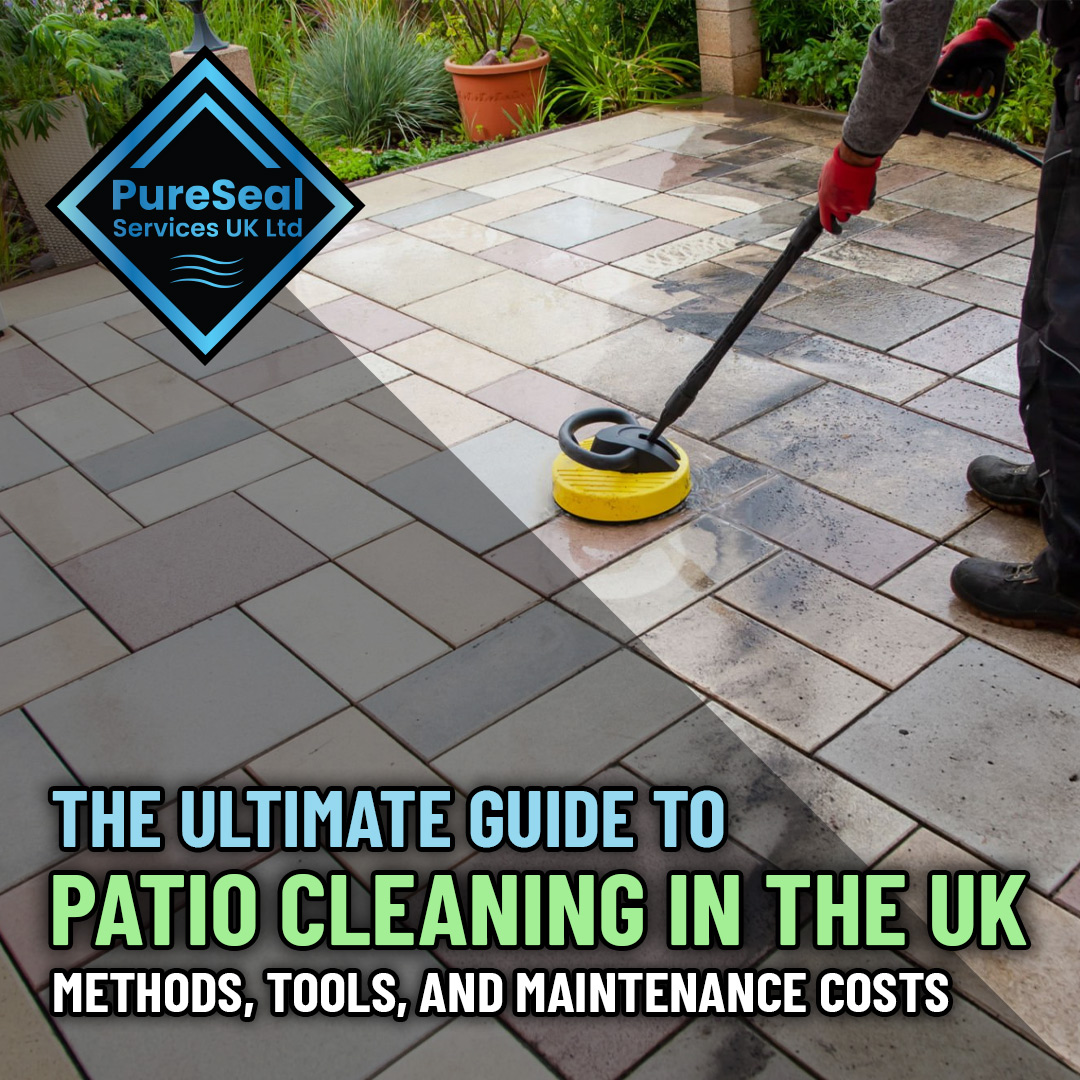
The Ultimate Guide to Patio Cleaning in the UK: Methods, Tools, and Maintenance Costs
How Do People Keep Their Patios Clean?
Keeping a patio clean is one of the best ways to preserve its beauty, prevent damage, and maintain a welcoming outdoor space. In the UK, patios endure a mix of rain, frost, shade, and algae growth — meaning regular cleaning is essential, not optional. Homeowners use a variety of methods depending on the surface type, budget, and time available. (Patio Cleaning Guide in the UK: Methods Tools and Maintenance)
This article explores practical techniques, tools, cleaning agents, and maintenance schedules people use to keep their patios clean. You’ll also find comparison tables, cost breakdowns, and step-by-step approaches suitable for all patio types.
1. Why Patio Cleaning Matters
A clean patio is not just about appearances. Dirt, algae, and moss can make the surface slippery and even cause permanent staining. Over time, neglected patios can suffer from structural problems — such as loosening between slabs or erosion of jointing compound.
| Benefit | Description |
|---|---|
| Safety | Reduces risk of slips and falls from algae, moss, or mildew build-up. |
| Aesthetic appeal | Keeps paving bright, clean, and welcoming. |
| Longevity | Prevents surface degradation and joint damage. |
| Property value | Clean, maintained outdoor spaces enhance kerb appeal and resale value. |
| Hygiene | Minimises fungal or bacterial growth, especially near dining areas or pets. |
2. Common Patio Surfaces in the UK
Different patio materials require different cleaning methods. Knowing your surface helps you choose the safest and most effective approach.
| Patio Material | Typical Appearance | Cleaning Sensitivity | Comments |
|---|---|---|---|
| Concrete slabs | Grey or coloured blocks | Moderate | Durable but prone to algae and discolouration. |
| Natural stone (sandstone, limestone, slate) | Textured, varied tones | High | Avoid harsh acids; use pH-neutral or mild cleaners. |
| Porcelain tiles | Smooth, non-porous | Low | Easy to clean; resists staining. |
| Block paving | Interlocking bricks | Moderate | Weeds and moss often grow in joints. |
| Decking (wood or composite) | Planks or slats | High | Requires gentle pressure washing and periodic sealing. |
3. Cleaning Frequency
Patio cleaning frequency depends on exposure, weather, and surface type. Most homeowners perform a deep clean twice a year — once in spring and again in late autumn — with light cleaning monthly or after storms.
| Cleaning Activity | Recommended Frequency | Notes |
|---|---|---|
| Sweeping | Weekly | Removes loose dirt, leaves, and debris. |
| Light rinse / hosing | Fortnightly | Prevents dirt from setting. |
| Deep cleaning | Twice a year (spring and autumn) | Removes moss, algae, stains. |
| Weed control | Monthly (during growth season) | Apply weed killer or manual removal. |
| Re-sanding joints (block paving) | Every 12–18 months | Prevents shifting and weed regrowth. |
4. Tools and Equipment Used for Patio Cleaning
People use a mix of manual tools and powered devices depending on the size and condition of the patio.
Manual Tools
-
Stiff broom or yard brush – ideal for sweeping and scrubbing.
-
Bucket and mop – for mild cleaning or after rinsing.
-
Scraper or wire brush – for removing moss between joints.
-
Garden hose with spray nozzle – for quick rinses.
Powered Tools
-
Pressure washer – the most common power tool for patio cleaning.
-
Surface cleaner attachment – distributes pressure evenly to prevent streaks.
-
Wet/dry vacuum – helps remove water and debris during cleaning.
| Tool Type | Approx. Cost (£) | Usefulness | Best For |
|---|---|---|---|
| Basic broom & bucket | £10–£20 | Essential | Small patios, quick cleans |
| Pressure washer | £80–£300 | High | Deep cleaning stone, concrete, block paving |
| Surface cleaner attachment | £25–£50 | Medium-high | Even finish on large patios |
| Wet/dry vacuum | £60–£150 | Moderate | Water removal, indoor/outdoor use |
| Weed scraper | £5–£10 | Moderate | Cleaning joints between slabs |
5. Common Cleaning Methods
a. Sweeping and Rinsing
The simplest and most frequent method involves sweeping off loose debris and rinsing with a garden hose. This prevents organic matter from decomposing and staining.
b. Soap and Water Scrub
Mix washing-up liquid with warm water, scrub the surface with a stiff brush, and rinse.
It’s inexpensive, safe for most surfaces, and suitable for regular maintenance.
| Materials Needed | Cost Estimate (£) | Time Required | Suitable For |
|---|---|---|---|
| Bucket, brush, mild detergent, hose | £10–£15 | 1–2 hours | Small patios, stone, concrete |
c. Pressure Washing
A pressure washer uses high-pressure water jets (typically 100–150 bar) to remove dirt, moss, and algae quickly.
Steps:
-
Sweep away loose debris.
-
Connect washer and test pressure on a small area.
-
Move in consistent sweeping motions.
-
Rinse and allow to dry fully.
Caution: Excessive pressure can erode soft stone or jointing sand between slabs.
| Pros | Cons |
|---|---|
| Quick and effective | Can damage delicate surfaces |
| Removes deep stains | May need re-sanding of joints |
| Saves physical effort | Uses significant water (100–400 litres/hour) |
Average Cost:
Owning a domestic pressure washer costs around £150–£250.
Hiring one for a weekend costs £30–£50.
d. Natural Cleaning Solutions
Eco-conscious homeowners often prefer natural cleaning products. They are inexpensive, biodegradable, and safe for pets and plants.
| Natural Cleaner | How It Works | Mixing Ratio | Approx. Cost per Clean (£) |
|---|---|---|---|
| White vinegar | Mild acid dissolves grime and kills algae | 1 part vinegar to 1 part water | £2–£3 |
| Baking soda | Gentle abrasive, removes stains | Sprinkle and scrub | £1–£2 |
| Lemon juice | Natural acid for brightening stone | Apply directly or dilute | £1 |
| Hot water & salt | Dehydrates moss and weeds | Mix in bucket and pour | <£1 |
Note: Always rinse thoroughly after using vinegar or lemon, especially on limestone, to avoid etching.
e. Chemical Patio Cleaners
For stubborn stains or heavy moss growth, people use patio cleaning chemicals.
Most UK patio cleaners cost between £10–£30 per 5L container, enough for 20–40 square metres.
| Cleaner Type | Purpose | Typical Price (£/5L) | Coverage | Suitable Surfaces |
|---|---|---|---|---|
| Algae remover | Kills moss, mould, algae | £12–£18 | 25–30 m² | All stone & paving |
| Degreaser | Removes oil and barbecue stains | £15–£25 | 20–25 m² | Concrete, porcelain |
| Acidic stone cleaner | Removes efflorescence (white haze) | £10–£15 | 30 m² | Concrete, not limestone |
| pH-neutral cleaner | Gentle cleaning, everyday use | £8–£12 | 40 m² | Natural stone |
Safety Tip: Always wear gloves, avoid runoff to lawns, and follow dilution instructions exactly.
6. Weed and Moss Control
Weeds and moss often appear in gaps between paving stones or in shaded, damp areas.
Common prevention techniques include manual removal, boiling water, or biocidal sprays.
| Method | Effectiveness | Frequency | Approx. Cost (£) | Notes |
|---|---|---|---|---|
| Hand weeding | Moderate | Monthly | £0 | Time-consuming but natural |
| Boiling water | High on small areas | Monthly | £0 | Quick fix, no chemicals |
| Salt or vinegar spray | Moderate | Monthly | £1–£3 | Avoid overuse near grass |
| Biocidal moss killer | High | Twice a year | £15–£25 | Long-lasting, kills spores |
For block paving, once moss is removed, people often brush kiln-dried sand into joints to prevent regrowth.
7. Preventative Maintenance
Cleaning alone isn’t enough; prevention keeps the patio cleaner for longer.
a. Sealing
Applying a patio sealant forms a protective barrier against stains, algae, and weather damage.
| Type of Sealant | Finish | Durability | Price per Litre (£) | Coverage |
|---|---|---|---|---|
| Acrylic sealant | Glossy | 2–3 years | £10–£15 | 5–8 m²/L |
| Solvent-based | Satin | 4–5 years | £12–£18 | 6–10 m²/L |
| Water-based | Natural matte | 3–4 years | £8–£12 | 8–12 m²/L |
Application Steps:
-
Clean and dry patio completely.
-
Apply evenly using a roller or sprayer.
-
Allow to dry for 24–48 hours.
Sealing costs around £60–£100 for an average 20 m² patio (including materials).
b. Drainage and Layout Maintenance
Poor drainage leads to pooling, algae, and frost damage.
People maintain clean patios by ensuring:
-
Slight slope away from the house (1–2 cm per metre).
-
Regular cleaning of drains and gullies.
-
Replacement of cracked or sunken slabs.
A small repair (replacing a few slabs) typically costs £80–£150, depending on material.
c. Furniture and Planter Management
Outdoor furniture and planters can trap moisture and dirt underneath.
Homeowners keep patios cleaner by:
-
Moving furniture periodically.
-
Using planter saucers to catch runoff.
-
Cleaning undersides when doing seasonal washes.
8. Seasonal Patio Care Routine
| Season | Tasks | Details |
|---|---|---|
| Spring | Deep clean & reseal | Remove winter grime, apply sealant before heavy use. |
| Summer | Light washes | Regular rinsing after barbecues or gatherings. |
| Autumn | Leaf clearing & algae prevention | Use a blower or broom to prevent staining. |
| Winter | Frost protection | Avoid salt-based de-icers; cover delicate furniture. |
9. Stain Removal Guide
| Stain Type | Cause | Removal Method | Precaution |
|---|---|---|---|
| Grease or oil | BBQ spills | Apply degreaser, scrub, rinse | Avoid pressure washing before degreasing |
| Rust | Metal furniture | Lemon juice or specialist rust remover | Test small area first |
| Algae or moss | Damp shade | Biocidal cleaner or vinegar | Rinse thoroughly |
| Paint | Spills during DIY | Paint remover or scrubbing brush | Avoid solvents on natural stone |
| Mud | Foot traffic | Hose rinse and brush | Prevent with mats or gravel borders |
10. Typical Costs of Patio Cleaning
Here’s an overview of the average DIY vs professional costs in the UK.
| Cleaning Option | DIY Cost Estimate (£) | Professional Service (£) | Frequency | Notes |
|---|---|---|---|---|
| Soap & brush clean | £10–£15 | N/A | Monthly | Simple and cheap |
| Pressure washing | £150 (equipment) or £30 hire | £100–£200 (for 20 m²) | Twice yearly | Deep clean |
| Chemical cleaning | £15–£25 | £120–£250 | Twice yearly | Removes heavy algae |
| Sealing | £60–£100 | £150–£300 | Every 3–5 years | Preventive protection |
Annual average cost for DIY upkeep: around £70–£100 (mainly equipment and cleaner).
Annual cost for professional cleaning: £150–£300 depending on patio size.
11. Environmental Considerations
Many UK homeowners now prioritise eco-friendly methods to avoid harming gardens, pets, or waterways.
-
Rainwater reuse: Collecting rainwater in water butts for rinsing patios.
-
Biodegradable cleaners: Avoiding chlorine-based products.
-
Natural weed control: Using boiling water or hand tools instead of herbicides.
-
Water-efficient washing: Surface cleaners reduce consumption compared to open jet nozzles.
A small patio cleaned with eco-friendly products typically costs under £10 per session.
12. Common Mistakes to Avoid
| Mistake | Why It’s a Problem | Better Practice |
|---|---|---|
| Overusing bleach | Damages stone, harms grass | Use patio-specific cleaner or vinegar |
| Too much pressure | Erodes joints, chips surfaces | Use low to medium settings |
| Not rinsing chemicals | Causes streaks and residues | Always rinse thoroughly |
| Ignoring drainage | Leads to standing water | Maintain slopes and drains |
| Cleaning in direct sun | Causes fast drying and marks | Clean on cloudy days |
13. Example Cleaning Routine for a 20 m² Patio
Here’s a realistic routine many UK homeowners follow.
| Task | Product / Tool | Frequency | Time Estimate | Cost per Year (£) |
|---|---|---|---|---|
| Sweep debris | Yard brush | Weekly | 15 mins | £0 |
| Hose rinse | Garden hose | Fortnightly | 15 mins | £0 |
| Deep clean | Pressure washer + detergent | Twice yearly | 2 hrs | £25 |
| Weed removal | Hand weeding / moss killer | Monthly | 30 mins | £20 |
| Re-sanding joints | Kiln-dried sand | Every 18 months | 1 hr | £10 |
| Sealing | Patio sealant | Every 3 years | 3 hrs | £30 (amortised) |
Total annual cost (average): ~£85
14. Patio Cleaning for Different Materials
| Material | Best Cleaning Method | Avoid | Extra Tips |
|---|---|---|---|
| Concrete | Pressure washing + mild detergent | Acidic cleaners | Re-sand joints if necessary |
| Natural Stone (Sandstone, Slate, Limestone) | Soft brush + pH-neutral cleaner | Strong acids | Seal to prevent water marks |
| Porcelain | Mop or soft brush + warm soapy water | High pressure | Easy maintenance; rinse regularly |
| Block Paving | Pressure washing + resanding | Ignoring weeds | Seal joints for longer life |
| Wood/Composite Decking | Mild detergent + low-pressure wash | Harsh scrubbing | Apply decking oil annually |
15. Weather and Regional Effects
The UK’s climate makes patio maintenance a year-round task.
| Region | Typical Issue | Recommended Care |
|---|---|---|
| Scotland | Frequent rain, moss growth | Biocidal cleaner twice a year |
| South East | Hard water staining | Vinegar or descaler rinses |
| Midlands | Mixed weather | Balanced routine with sealing |
| Wales | High humidity | Extra drainage maintenance |
| Coastal areas | Salt deposits | Regular rinsing to prevent corrosion |
16. DIY vs Professional Cleaning – Pros and Cons
| Aspect | DIY Cleaning | Professional Cleaning |
|---|---|---|
| Cost | £50–£100/year | £150–£300/visit |
| Time investment | Several hours per month | Minimal (they handle it) |
| Control | Full – choose your products | Limited – depends on contractor |
| Equipment | Basic (pressure washer, brush) | Commercial-grade cleaners |
| Results | Good with effort | Excellent, fast, consistent |
| Suitability | Small/medium patios | Large or heavily soiled areas |
For most homeowners, a DIY clean twice a year plus annual sealing offers a cost-effective middle ground.
17. Summary: The Essentials of Patio Cleaning
| Step | Action | Purpose |
|---|---|---|
| 1 | Sweep regularly | Prevent dirt build-up |
| 2 | Rinse fortnightly | Remove dust and debris |
| 3 | Deep clean twice yearly | Eliminate moss, algae, and stains |
| 4 | Re-sand or reseal | Strengthen and protect joints |
| 5 | Maintain drainage | Prevent standing water |
| 6 | Use natural cleaners when possible | Eco-friendly upkeep |
18. Example Annual Budget for a Medium Patio
| Item | Frequency | Cost Each (£) | Annual Cost (£) |
|---|---|---|---|
| Mild detergent / soap | Monthly | £1.50 | £18 |
| Biocidal cleaner | Twice yearly | £12 | £24 |
| Sand for joints | Every 18 months | £15 | £10 |
| Sealant (amortised) | Every 3 years | £90 | £30 |
| Water usage | Approx. 1,200 litres | £0.50 per clean | £6 |
| Replacement brush / tools | As needed | £15 | £5 |
Total estimated annual cost: ~£93
19. Long-Term Care Tips
-
Keep trees trimmed: Reduces leaf litter and shade that encourages moss.
-
Encourage sunlight exposure: Algae thrive in dark, damp areas.
-
Add gravel borders: Improves drainage and reduces dirt splashback.
-
Inspect annually: Check for cracked slabs, loose joints, and pooling water.
20. Final Thoughts
People keep their patios clean through regular attention, smart prevention, and appropriate tools.
From simple weekly sweeping to biannual deep cleans, each action extends the life and look of the surface.
Whether you prefer a natural approach using vinegar and baking soda or a powerful jet wash with sealant, the key is consistency.
For most UK households, spending under £100 per year and a few hours each month is enough to maintain a spotless, safe, and inviting patio — ready for barbecues, family gatherings, or a quiet cup of tea in the sun.
21. Tools and Accessories That Make Cleaning Easier
Many UK homeowners streamline patio maintenance by investing in clever accessories and small tools designed to reduce effort and water use.
| Accessory | Purpose | Average Price (£) | Advantages |
|---|---|---|---|
| Telescopic scrubbing brush | Extends reach without bending | £12–£25 | Comfortable and ideal for large areas |
| Rotary surface cleaner (pressure washer attachment) | Provides even, streak-free cleaning | £25–£50 | Faster and reduces splashback |
| Gutter and drain guards | Prevents leaf and mud build-up | £5–£10 each | Keeps patio drainage clear |
| Foam patio cleaner pads | Gently cleans delicate stone | £8–£15 | Suitable for polished surfaces |
| Reusable microfibre mop | For porcelain and sealed patios | £10–£20 | Eco-friendly, washable |
These tools may seem small, but over time they save hours of manual scrubbing and extend the life of the patio surface by preventing over-aggressive cleaning.
For example, a rotary surface cleaner attachment can clean a 20 m² patio in under 30 minutes with less than half the water of a standard pressure lance.
22. Sustainability and Water Efficiency in Patio Cleaning
Environmental awareness influences how people clean outdoor areas. Many households now seek ways to reduce water and chemical use while maintaining good results.
| Sustainable Practice | Description | Benefits | Approx. Saving |
|---|---|---|---|
| Rainwater collection | Using stored rainwater in barrels for rinsing patios | Reduces tap water consumption | Up to 500 L per year |
| Biodegradable detergents | Made from plant-based surfactants | Lower environmental impact | Safer for soil and pets |
| Manual scrubbing instead of high-pressure | Reduces energy and water use | Lower electricity cost | £15–£20 per year |
| Greywater use | Reusing lightly used water (e.g., bathwater) for rinsing | Waste reduction | Varies by household |
| Recycled bristle brushes | Made from reclaimed plastic | Reduces landfill waste | — |
Even a modest switch — such as using eco-friendly patio cleaner (£10–£15) rather than chlorine bleach — can drastically lower harmful runoff into gardens and drains.
Homeowners in regions with hosepipe bans often rely on rain barrels, watering cans, and low-pressure washers to stay compliant.
23. Regional and Lifestyle Influences on Patio Cleaning Habits
Patio cleaning habits vary across the UK due to differences in weather, property types, and lifestyles.
| Region | Typical Patio Type | Common Challenges | Cleaning Approach |
|---|---|---|---|
| South East | Porcelain or sandstone | Hard water stains | Vinegar rinses, regular sealing |
| North West | Concrete and block paving | Persistent rain and moss | Biocidal treatment twice yearly |
| South West | Coastal stone | Salt deposits, sea spray | Frequent fresh-water rinsing |
| Midlands | Mixed paving | Seasonal temperature swings | Balanced spring and autumn cleaning |
| Scotland & Northern Ireland | Natural stone | Heavy shade, frost | Gentle cleaning and anti-slip sealant |
Urban homes often favour smaller, porcelain patios that require minimal scrubbing, while rural homes with larger gardens frequently use natural stone, which needs more thorough seasonal maintenance.
Lifestyle also matters:
-
Families with children or pets clean more often due to spills and muddy footprints.
-
Retirees often schedule regular light cleaning instead of intense seasonal sessions.
-
Busy professionals may invest in automatic robotic scrubbers (costing £200–£400) that handle the work independently.
24. Troubleshooting Common Patio Cleaning Problems
Even with regular care, certain cleaning issues can be frustrating. Here’s how people handle the most common patio cleaning challenges effectively.
| Problem | Cause | Solution | Prevention Tip |
|---|---|---|---|
| White haze after cleaning | Efflorescence (salt migration) | Apply efflorescence remover (£12–£18) | Use breathable sealant |
| Uneven colour patches | Overlapping pressure washing | Clean evenly with surface cleaner | Keep nozzle at 45° angle |
| Reappearing moss | Spores left in joints | Use biocide and re-sand joints | Maintain regular brushing |
| Weed regrowth | Windblown seeds | Apply joint stabiliser sand (£15–£20) | Seal gaps after cleaning |
| Streak marks | Drying too quickly | Rinse during overcast weather | Avoid direct sunlight |
One of the most common complaints is that patios look worse after pressure washing, which typically occurs when sand or joint compound is blown away.
The fix is simple: once dry, sweep kiln-dried sand into joints and lightly mist with water to settle it.
25. Renovation and Long-Term Upgrades
After several years of heavy use, even the most well-maintained patios start to lose their original lustre. Many homeowners combine cleaning with renovation steps to restore full beauty and performance.
| Renovation Step | Purpose | Typical Cost Range (£) | Timing |
|---|---|---|---|
| Re-pointing joints | Replacing crumbled mortar between slabs | £5–£10 per m² | Every 5–7 years |
| Deep chemical restoration | Removes ingrained dirt and black lichen | £40–£80 for 20 m² | Every 3–5 years |
| Resealing | Re-apply protective coating | £60–£100 for 20 m² | Every 3 years |
| Re-levelling or lifting slabs | Corrects sunken areas | £100–£250 depending on size | As needed |
| Patio replacement | Full redesign or new surface | £800–£2,500+ | Every 15–20 years |
When cleaning alone no longer restores colour or texture, many people choose professional stone restoration. This process uses steam cleaning, rotary scrubbing, and neutral pH sealers to rejuvenate tired paving.
Adding decorative gravel borders or lighting can also give an older patio a refreshed, high-end look without full replacement — typically for under £200.
Conclusion
From simple weekly sweeping to sustainable water-saving methods, patio cleaning is a blend of routine, technique, and foresight.
Across the UK, people keep their patios looking great by combining manual care, seasonal treatments, and preventive maintenance.
With an average annual cost under £100 for DIY maintenance, anyone can enjoy a safe, clean, and attractive patio all year round.
Tags: Driveway cleaning, pressure washing, Roof Cleaning, Exterior cleaning, gutter cleaning, window cleaning, Patio cleaning
 Artificial and Sports Surfaces
 Awnings / Canopies / Gazebos
 Block Paving
 Brickwork
 Composite Surfaces
 Decking / Timber
 Granite
 Imprinted Concrete
 Internal Masonry
 Limestone
 Marble
 Metal Cladding
 Polished or Honed Stone
 Porcelain
 Render
 Resin Bond
 Road and Rail Signs
 Roof Tiles / Slates
 Sandstone
 Slate
Slate Solar Panels and Glass
 Stone Sills and Pier Caps
 Tarmac and Asphalt
 Gutters & UPVC
 Acid Damage
 Biofilm
 Bitumen
 Blood
Blood Carbon
 Concrete / Grout / Mortar
 Copper Oxide
 Efflorescence
 Egg
Egg Failed Sealer
 Fire Damage
 Fuel / Oil
 Graffiti
 Grease / Fat / Cooking Oil
 Lawn Fertiliser
 Lead Carbonate
 Lead Oxide
 Paint Splashes
 Rust
Rust Tar & Glue
 Tannin Removers
 Traffic Film Removers
 Trapped Moisture / Sealer Repairs
 Urine Neutralisers