
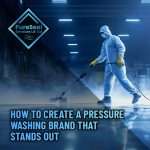
Creating a strong and recognisable brand is one of the most important steps in building a successful pressure washing business. In a competitive market where many companies offer similar services, branding is what separates a forgettable business from one that customers remember, trust, and recommend.
A well-developed brand not only attracts new customers but also builds long-term loyalty. When done correctly, it allows you to charge higher prices, gain repeat clients, and dominate your local market.
Why Branding Matters in Pressure Washing
Branding is more than just a logo or a business name—it is the overall perception customers have of your business.
When potential customers search for pressure washing services, they often see multiple similar options. A strong brand helps you stand out and stay memorable, increasing the chances of being chosen over competitors.
Key Benefits of Strong Branding
| Benefit | Impact |
|---|---|
| Recognition | Customers remember your business |
| Trust | Builds credibility and professionalism |
| Loyalty | Encourages repeat customers |
| Referrals | Makes word-of-mouth easier |
A strong brand helps ensure that your business is not just seen—but remembered.
1. Define Your Brand Identity
The foundation of any successful brand is a clear identity.
What is Brand Identity?
Your brand identity includes:
- Your business values
- Your mission
- Your personality
- Your target audience
Before creating logos or marketing materials, you must define who you are as a business.
Questions to Ask
- Who are your ideal customers?
- What makes your service different?
- Do you want to appear premium or affordable?
A clearly defined identity ensures consistency across all marketing efforts and helps build trust with customers.
2. Choose a Memorable Business Name
Your business name is often the first thing customers notice.
Characteristics of a Strong Name
- Short and easy to remember
- Clearly related to pressure washing
- Easy to spell and pronounce
Examples of Effective Naming Styles
| Style | Example Idea |
|---|---|
| Service-focused | “Elite Pressure Washing” |
| Location-based | “London Jet Wash” |
| Creative | “PowerClean Pros” |
A memorable name helps customers recall your business when they need your services.
3. Design a Professional Logo
Your logo is the visual face of your brand.
A poorly designed logo can make your business look unprofessional, while a strong logo builds trust instantly.
Key Logo Elements
- Simple and clean design
- Easy to recognise from a distance
- Relevant icons (water, cleaning, surfaces)
- Strong typography
Logos should reflect the power and efficiency of your services while remaining easy to read and scalable.
4. Choose the Right Colours and Fonts
Colours and fonts influence how customers perceive your business.
Common Colour Meanings
| Colour | Meaning |
|---|---|
| Blue | Cleanliness, trust |
| Green | Eco-friendly |
| Black | Premium, professional |
| Yellow | Energy, attention |
Typography Tips
- Use bold, readable fonts
- Avoid overly decorative styles
- Ensure visibility on vehicles and signage
Consistent use of colours and fonts helps create a recognisable and professional image.
5. Create a Unique Selling Proposition (USP)
Your USP is what makes your business different.
Without a clear USP, your brand will blend in with competitors.
Examples of USPs
- Eco-friendly cleaning solutions
- Same-day service
- Specialist driveway restoration
- Affordable packages
A strong USP gives customers a reason to choose you over others and should be clearly communicated in all branding.
6. Build a Consistent Brand Image
Consistency is one of the most important elements of branding.
Customers should recognise your brand instantly across all platforms.
Where to Maintain Consistency
- Website
- Social media
- Flyers and business cards
- Vehicle branding
- Work uniforms
Consistency reinforces your identity and builds trust over time.
7. Focus on Local Branding
Pressure washing is a local service, so your brand should reflect your community.
Local Branding Strategies
- Mention your service area clearly
- Use local references in marketing
- Engage with community events
A locally focused brand builds trust and increases the likelihood of customers choosing your services.
8. Use Visual Branding to Your Advantage
Pressure washing is highly visual, making it perfect for strong branding.
Visual Content Ideas
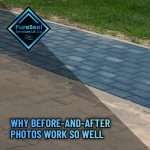
- Before-and-after photos
- Cleaning transformation videos
- Customer testimonials
Content Impact Table
| Content Type | Purpose |
|---|---|
| Photos | Show results |
| Videos | Increase engagement |
| Testimonials | Build trust |
Visual proof of your work strengthens your brand and attracts attention.
9. Brand Your Equipment and Vehicles
Your equipment and vehicle can act as powerful marketing tools.
Branding Options
| Type | Cost Estimate |
|---|---|
| Magnetic signs | £20–£50 |
| Vehicle decals | £200–£500 |
| Full wrap | £1000+ |
Branded vehicles increase visibility and help your business appear more established.
10. Develop a Strong Online Presence
A strong online presence is essential for modern branding.
Key Platforms
- Google Business Profile
Website Essentials
- Clear service descriptions
- Contact information
- Before-and-after gallery
- Customer reviews
You can also present your services professionally using platforms like:
https://puresealservices.co.uk/
This helps build trust and gives customers confidence in your services.
11. Build Trust Through Customer Experience
Your brand is not just what you say—it is what customers experience.
Key Factors
| Factor | Importance |
|---|---|
| Punctuality | High |
| Communication | High |
| Quality work | Very High |
| Professional behaviour | High |
Strong customer experiences lead to positive reviews, repeat business, and referrals.
12. Use Simple but Effective Messaging
Your messaging should clearly communicate what you do and why customers should choose you.
Examples of Good Messaging
- “Professional driveway cleaning in your area”
- “Restore your home’s exterior today”
- “Affordable, reliable pressure washing”
Avoid overly complicated language—clarity wins.
13. Create a Brand Story
People connect with stories more than services.
What to Include
- Why you started the business
- Your commitment to quality
- Your values
A relatable story helps build emotional connection and trust.
14. Use Low-Cost Branding Campaigns
Branding does not require a large budget.
Even simple campaigns, such as short introduction videos, can build awareness over time when run consistently with small daily budgets.
Example Budget
| Strategy | Cost |
|---|---|
| Social media branding ads | £5/day |
| Flyers | £50/month |
| Signage | One-time cost |
Consistency is more important than spending large amounts.
15. Encourage Brand Recognition
The more people see your brand, the more they trust it.
Strategies
- Repeat exposure through ads
- Consistent posting on social media
- Branded uniforms and vehicles
Over time, familiarity increases trust and leads to more enquiries.
16. Avoid Common Branding Mistakes
Mistake 1: Inconsistent Branding
Using different colours, logos, or messages confuses customers.
Mistake 2: Generic Identity
A generic name or logo makes your business forgettable.
Mistake 3: Ignoring Customer Perception
Your brand should reflect professionalism and reliability.
Mistake 4: Lack of Visibility
Even a great brand fails if people do not see it.
17. Build a Long-Term Brand Strategy
Branding is not a one-time task—it is an ongoing process.
Long-Term Focus Areas
| Area | Strategy |
|---|---|
| Awareness | Regular marketing |
| Trust | Customer reviews |
| Growth | Expanding services |
| Reputation | Consistent quality |
A strong brand grows over time through consistent effort and customer satisfaction.
18. Make Your Brand Memorable
Ultimately, your goal is to create a brand that customers remember easily.
Key Elements of Memorability
- Simple name
- Clear message
- Strong visuals
- Consistent presence
A memorable brand increases the chances that customers will choose you when they need pressure washing services.
Creating a standout pressure washing brand is about clarity, consistency, and connection. By focusing on strong visuals, clear messaging, and excellent customer experience, you can build a brand that not only attracts attention but also earns trust and long-term loyalty.
 Artificial and Sports Surfaces
 Awnings / Canopies / Gazebos
 Block Paving
 Brickwork
 Composite Surfaces
 Decking / Timber
 Granite
 Imprinted Concrete
 Internal Masonry
 Limestone
 Marble
 Metal Cladding
 Polished or Honed Stone
 Porcelain
 Render
 Resin Bond
 Road and Rail Signs
 Roof Tiles / Slates
 Sandstone
 Slate
Slate Solar Panels and Glass
 Stone Sills and Pier Caps
 Tarmac and Asphalt
 Gutters & UPVC
 Acid Damage
 Biofilm
 Bitumen
 Blood
Blood Carbon
 Concrete / Grout / Mortar
 Copper Oxide
 Efflorescence
 Egg
Egg Failed Sealer
 Fire Damage
 Fuel / Oil
 Graffiti
 Grease / Fat / Cooking Oil
 Lawn Fertiliser
 Lead Carbonate
 Lead Oxide
 Paint Splashes
 Rust
Rust Tar & Glue
 Tannin Removers
 Traffic Film Removers
 Trapped Moisture / Sealer Repairs
 Urine Neutralisers