

Pressure Washing a House: Complete UK Homeowner Guide
How to Pressure Wash a House – Step by Step Guide 🏡💦
Pressure washing a house can restore the original look of exterior surfaces, remove stubborn dirt, algae and grime, and significantly enhance your home’s curb appeal. It may seem daunting at first, but with the right preparation, tools, and method, you can do a thorough and effective job safely.
This guide will walk you through each stage, from assessing your home’s surface to finishing touches. Whether you’re a complete beginner or just need a refresher, follow these steps to get professional-quality results at home.
Why Pressure Wash a House?
Pressure washing:
-
Improves appearance 🧼
-
Prepares surfaces for painting or staining 🎨
-
Removes mould, algae and moss
-
Helps maintain property value 💷
The process uses high-pressure water to blast away built-up debris and contaminants. It’s powerful, so it must be done with care to avoid damaging surfaces.
Tools and Materials You’ll Need 🧰
| Tool/Material | Purpose |
|---|---|
| Pressure washer (electric or petrol) | Provides high-pressure water |
| Surface cleaner attachment | More even cleaning for large flat areas |
| Turbomax or specialised cleaning chemicals | Boosts cleaning power especially for mould/mildew |
| Safety glasses | Protects eyes from spray and debris |
| Gloves | Prevents skin irritation |
| Ladder or scaffold | Reaches high areas safely (use with caution) |
| Extension wand | Helps wash high places safely |
| Garden hose | Supplies water to the pressure washer |
It’s often worth investing in quality cleaning products designed for exterior surfaces. For example, you can find appropriate solutions at https://puresealservices.co.uk/ — many are formulated to work with pressure washers and are ideal for removing algae, moss and stubborn dirt.
Step 1 — Inspect the Exterior 🧐
Before you begin, walk around the entire house and inspect all surfaces you plan to wash.
Check for:
-
Cracked, peeling or loose paint
-
Rotten wood
-
Cracked bricks or loose mortar
-
Windows that don’t shut fully
⚠️ These are areas where pressure washing can cause damage unless addressed. You may need to make repairs before pressure washing.
Take notes of:
-
Surface type — e.g., masonry, brick, wood, composite
-
Areas with heavy dirt or staining
-
Fragile components like old gutters or decorative features
This inspection helps you plan your approach and avoid damage.
Step 2 — Prepare the Area 🧹
Clear the area around your home:
-
Remove outdoor furniture 🪑
-
Move potted plants and garden ornaments
-
Cover electrical outlets, lights and vents with waterproof covers
-
Close all windows and doors 👨🔧
You should also:
-
Turn off outdoor power sockets
-
Protect delicate plants — high pressure and cleaning detergents can harm leaves
Practising good preparation speeds up the job and prevents accidents or damage.
Step 3 — Choose the Right Pressure Washer
Pressure washers come in two main types:
🔹 Electric pressure washers
✔ Quieter
✔ Easier to maintain
✔ Best for small to medium homes
🔹 Petrol pressure washers
✔ More powerful
✔ Better for large homes & heavy stains
✖ Heavier and louder
Here’s a quick comparison:
| Feature | Electric | Petrol |
|---|---|---|
| Power | ⭐⭐ | ⭐⭐⭐ |
| Noise | Quiet | Loud |
| Portability | Lighter | Heavier |
| Best For | Small houses | Large houses |
Choose a unit powerful enough to clean effectively but not so powerful that it damages surfaces. Typically, a unit between 1500–3000 PSI is suitable for most homes.
Step 4 — Select the Correct Nozzle
Pressure washers come with colour-coded nozzles. Using the wrong one can:
-
Damage soft surfaces
-
Strip paint or wood
Here’s a typical nozzle guide:
| Nozzle Colour | Spray Angle | Best Use |
|---|---|---|
| Red | 0° | Very narrow, very powerful — only for very tough stains and hard masonry |
| Yellow | 15° | Heavy cleaning on tough surfaces |
| Green | 25° | All-purpose cleaning |
| White | 40° | Gentle cleaning of wood, siding |
| Black | Low pressure | Gentle rinsing and detergent application |
Start with a wider, gentler spray (white or green) and adjust if needed.
Step 5 — Mix and Apply Detergent
Cleaning solutions make a huge difference in breakup of dirt, algae and grime. Most pressure washers have a detergent tank or foam cannon.
Recommended detergent steps:
-
Mix the solution according to manufacturer instructions
-
Apply detergent from bottom to top — this prevents streaking
-
Allow 5–10 minutes for the detergent to work (don’t let it dry)
💧 Always use detergents suitable for your surface type. Solutions designed for pressure washers — like those available at https://puresealservices.co.uk/ — often perform better than generic soaps.
Step 6 — Start at the Top 📏
Begin washing from the highest point of the house and work downwards. This ensures:
-
Cleaner water flows downward
-
Surfaces are rinsed thoroughly
Maintain a consistent distance (usually ~30cm) between the nozzle and the surface. Too close can:
-
Etch wood
-
Damage brick
-
Remove paint
Move the wand steadily, overlapping each pass by about 50%. This gives an even finish.
Step 7 — Work Methodically, Section by Section
Divide the house exterior into manageable sections:
-
One wall at a time
-
Around windows and door frames
-
Under eaves and gutters
Work in overlapping horizontal lines, then vertical as needed. Avoid long pauses in one spot to stop:
-
Uneven cleaning
-
Surface damage
For textured surfaces (like brick or stone), keep a slightly wider spray and ensure you reach into grooves.
Step 8 — Rinse Thoroughly 💦
Once detergent has done its job:
-
Switch to a clean water rinse (no detergent)
-
Use a gentler nozzle (e.g., white/40°)
-
Rinse from top to bottom
Make sure all soap residue is rinsed away — leftover detergent can leave streaks or damage plants.
Step 9 — Clean Windows and Glass Carefully 🪟
Glass should be rinsed gently:
-
Use a spray with lower pressure (black or white nozzle)
-
Keep the wand at a greater distance (~45cm)
-
Finish with a soft squeegee if needed
Too much pressure on window seals can force water inside — so take extra care.
Step 10 — Address Tough Spots
Certain stains may need additional attention:
| Stain Type | Suggested Technique |
|---|---|
| Mould & algae | Reapply detergent & scrub with soft brush |
| Rust stains | Use rust-specific cleaner (per instructions) |
| Oil/grease | Pre-treat with degreaser before washing |
Take your time here — persistent stains often need patience, not brute force.
Step 11 — Check and Clean the Ground
Often overlooked, the ground around your house can collect:
-
Dirty water runoff
-
Mud and debris
-
Detergent residue
Sweep and rinse paved areas afterwards. Keeping paths clean complements the refreshed look of your house.
Step 12 — Inspect Your Work 📸
After washing:
-
Walk around your house
-
Check for streaks or missed areas
-
Spot-clean as needed
A quick second pass on stubborn areas makes a big difference in the overall finish.
Safety Tips — Important to Know ⚠️
Pressure washing is powerful. Always follow safety practices:
✔ Wear eye protection
✔ Keep children and pets away
✔ Do not spray electrical points directly
✔ Never point the washer at people or animals
✔ Use ladder safety protocols
✔ Avoid wet ladders — they slip easily
If a surface looks fragile under pressure, stop and reassess.
Common Surfaces & Best Practices
Every surface type responds differently to pressure washing. Below is a quick reference:
A. Brick
-
Use moderate pressure
-
Gentle rinse nozzle
-
Avoid pointing directly at mortar joints
B. Wood
-
Low pressure
-
Keep distance to avoid gouging
-
Good for patios, fences and cladding
C. Vinyl siding
-
Mild detergent with 40° nozzle
-
Move at steady pace
-
Rinse thoroughly
D. Concrete
-
Higher pressure accepted
-
Good for driveways and paths
-
Can use surface cleaner attachment
How Often Should You Pressure Wash?
This depends on:
-
Weather conditions (rain, shade, trees)
-
Surface type
-
Exposure to dirt and algae
A general guideline:
🔹 Every 12–18 months for most houses
🔹 Annually for homes with heavy shade or tree cover
Regular cleaning maintains appearance and prevents build-up.
Troubleshooting Common Issues 🛠️
Problem: Streaks on the wall
Solution: Rinse thoroughly; check detergent dilution
Problem: Surface damage
Solution: Reduce pressure or use wider nozzle
Problem: Dirt returns quickly
Solution: Increase cleaning frequency and consider anti-mould solutions
Problem: Pressure washer keeps stalling
Solution: Check water source and filter for blockages
Overview Table — Quick Reference
| Stage | Key Action | Tip |
|---|---|---|
| Inspection | Check surface condition | List areas needing repair |
| Preparation | Clear and protect | Cover outlets & plants |
| Washer Setup | Select correct nozzle | Start gentle |
| Detergent | Apply cleaning solution | Let it dwell briefly |
| Washing | Work top to bottom | Overlap passes |
| Rinse | Remove all detergent | Use gentle spray |
| Detail | Clean windows & spots | Use care around fragile parts |
| Final Check | Inspect & correct | Spot clean where needed |
Final Tips for Best Results ✨
✔ Always test-wash a small area first
✔ Keep pressure consistent
✔ Don’t rush – methodical work yields better finish
✔ Return to stubborn stains after initial wash once dry
Using a high-quality pressure washer and the right cleaning products can make all the difference. If you’re looking for detergents and treatment solutions that work well with pressure washers, explore options at https://puresealservices.co.uk/ — they offer products suited for home exterior cleaning.
Dealing With Different Weather Conditions 🌦️
Weather plays a bigger role in pressure washing than many people realise. Choosing the right day can significantly affect both safety and results.
Best conditions:
-
Dry but overcast weather
-
Mild temperatures (between 10°C and 22°C)
-
Little to no wind
Avoid pressure washing during:
-
Freezing temperatures ❄️ (risk of ice and surface cracking)
-
Very hot, sunny days ☀️ (detergent dries too quickly and leaves marks)
-
High winds 🌬️ (overspray becomes difficult to control)
If rain is expected shortly after cleaning, it’s usually not an issue, but heavy downpours during washing can dilute detergents and reduce effectiveness. Planning around the weather ensures a more even, professional-looking finish.
Understanding Water Usage and Costs 💧💷
Pressure washing is often more water-efficient than using a standard hose, despite appearing more powerful.
Typical water usage comparison:
| Method | Average Water Used (per hour) |
|---|---|
| Garden hose | 1,000+ litres |
| Pressure washer | 350–500 litres |
Electric pressure washers are especially efficient, delivering stronger cleaning power with less water. This not only saves on water bills but also reduces runoff around your property.
If you’re concerned about cost:
-
Use targeted cleaning rather than spraying continuously
-
Turn the machine off when repositioning
-
Avoid unnecessary repeat passes
Efficient water use keeps costs manageable while still achieving excellent results.
Preventing Damage to Your Home 🛑
Pressure washing can cause damage if done incorrectly, but most issues are preventable with the right technique.
Common mistakes to avoid:
-
Holding the nozzle too close
-
Using the wrong nozzle angle
-
Spraying directly into vents or gaps
-
Applying high pressure to soft materials
Pay special attention around:
-
Window seals
-
Door frames
-
Fascias and soffits
-
Old brickwork or crumbling mortar
When in doubt, reduce pressure and increase distance. Let the cleaning solution do the hard work rather than relying purely on force.
Environmental Considerations 🌱
Being mindful of the environment while pressure washing is increasingly important.
Eco-conscious practices include:
-
Using biodegradable detergents
-
Avoiding excessive chemical use
-
Directing runoff away from drains where possible
-
Protecting soil and plants during cleaning
Cover flowerbeds and lawns before applying detergents, then rinse thoroughly once finished. This minimises chemical absorption into the ground and keeps gardens healthy.
Responsible cleaning protects not only your property but also the surrounding environment.
Maintaining Results After Pressure Washing 🧽
Once your house exterior is clean, a few simple steps can help maintain the results for longer.
Maintenance tips:
-
Rinse walls lightly every few months
-
Keep gutters clear to prevent staining
-
Trim nearby trees and shrubs
-
Address mould growth early before it spreads
Regular light maintenance reduces the need for heavy pressure washing and helps preserve surfaces over time.
Signs It’s Time to Wash Again 🔄
Knowing when to pressure wash again prevents excessive build-up and keeps your home looking its best.
Look out for:
-
Green algae patches
-
Black streaks on walls
-
Dirt lines beneath gutters
-
Dull or grey-looking surfaces
If these signs start appearing, it’s usually time for another clean. Staying proactive avoids more aggressive cleaning later and extends the life of exterior materials.
Pressure Washing vs Soft Washing – Knowing When to Use Each 🧼💦
While pressure washing is highly effective, it isn’t always the best approach for every surface. Understanding the difference between pressure washing and soft washing helps you choose the safest and most effective method for your home.
Pressure washing:
-
Uses high-pressure water
-
Best for hard, durable surfaces
-
Removes heavy dirt, mud and surface staining
Common pressure washing surfaces include:
-
Concrete paths and driveways
-
Brick walls in good condition
-
Stonework and paving slabs
Soft washing:
-
Uses low-pressure water combined with specialised cleaning solutions
-
Relies on chemicals rather than force
-
Kills algae, mould and bacteria at the root
Soft washing is better suited for:
-
Rendered walls
-
Painted surfaces
-
Older brickwork
-
Fascias, soffits and cladding
Using high pressure on these materials can cause paint failure, water ingress or surface erosion. In many cases, applying a cleaning solution first and gently rinsing delivers longer-lasting results with far less risk.
By choosing the right method for each surface, you protect your home’s structure while achieving a cleaner, brighter exterior that stays looking fresh for longer.
Tags: Driveway cleaning, pressure washing, Roof Cleaning, Exterior cleaning, gutter cleaning, window cleaning, Patio cleaning
 Artificial and Sports Surfaces
 Awnings / Canopies / Gazebos
 Block Paving
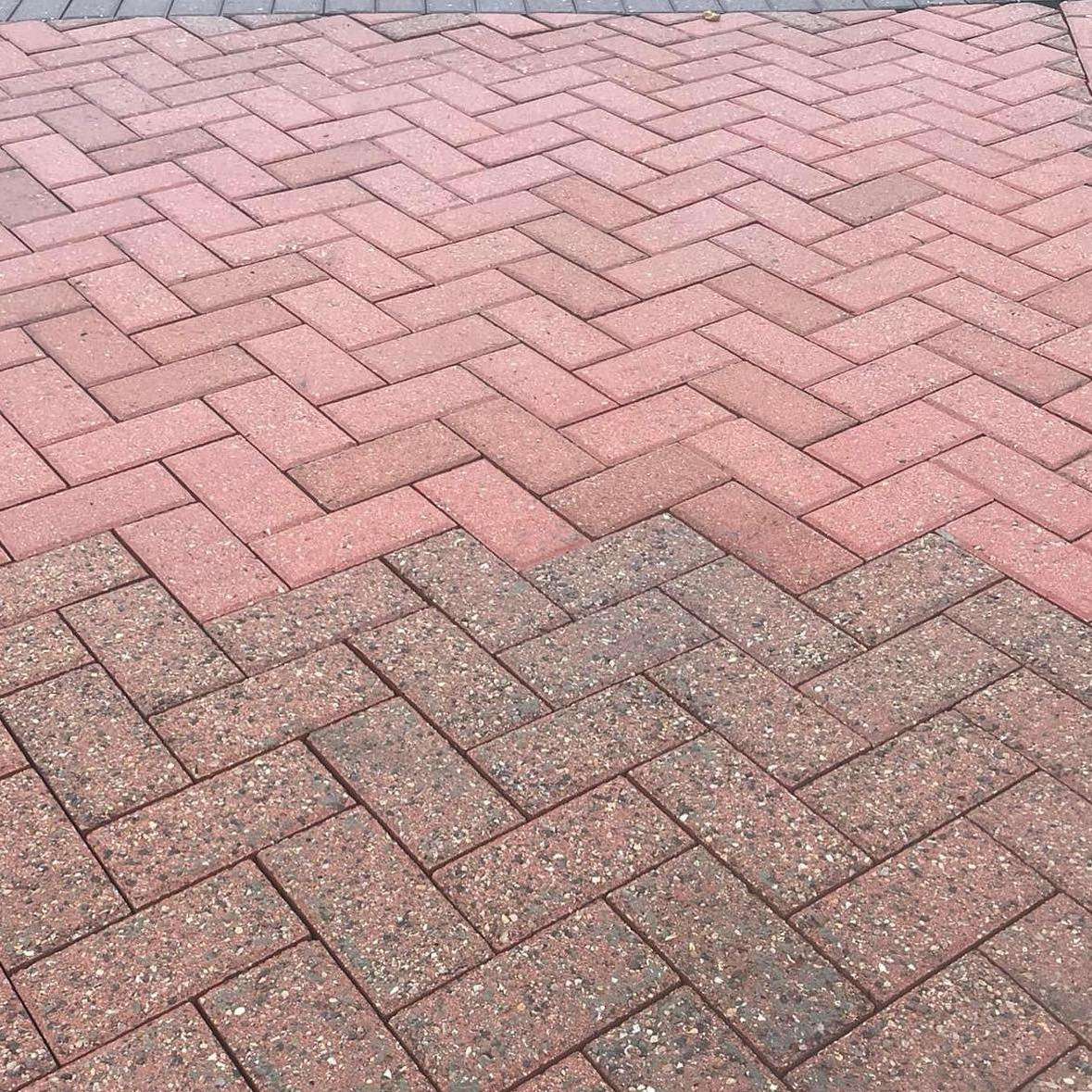 Brickwork
 Composite Surfaces
 Decking / Timber
 Granite
 Imprinted Concrete
 Internal Masonry
 Limestone
 Marble
 Metal Cladding
 Polished or Honed Stone
 Porcelain
 Render
 Resin Bond
 Road and Rail Signs
 Roof Tiles / Slates
 Sandstone
 Slate
Slate Solar Panels and Glass
 Stone Sills and Pier Caps
 Tarmac and Asphalt
 Gutters & UPVC
 Acid Damage
 Biofilm
 Bitumen
 Blood
Blood Carbon
 Concrete / Grout / Mortar
 Copper Oxide
 Efflorescence
 Egg
Egg Failed Sealer
 Fire Damage
 Fuel / Oil
 Graffiti
 Grease / Fat / Cooking Oil
 Lawn Fertiliser
 Lead Carbonate
 Lead Oxide
 Paint Splashes
 Rust
Rust Tar & Glue
 Tannin Removers
 Traffic Film Removers
 Trapped Moisture / Sealer Repairs
 Urine Neutralisers