
Why Standardising the Exterior Cleaning Chemical Processes Matters
Exterior cleaning has evolved from simple pressure washing into a specialised service that relies on chemical systems, controlled techniques, and repeatable procedures. Modern exterior cleaners deal with many surfaces including roofs, render, brickwork, paving, decking, and commercial cladding. Each surface reacts differently to cleaning chemicals and equipment.
Without a structured system, the results can become inconsistent, inefficient, or even unsafe. This is why professional exterior cleaning businesses increasingly focus on standardising their chemical processes. A standardised process means that every job follows the same structured method: the same dilution ratios, application techniques, safety procedures, and dwell times.
When cleaning processes are standardised, businesses improve quality, safety, and scalability. Technicians know exactly what to do, customers receive predictable results, and operations become easier to manage.
Understanding Chemical Processes in Exterior Cleaning
Chemical cleaning is widely used in exterior maintenance because it removes contaminants that water pressure alone cannot remove effectively. Dirt, algae, mould, grease, and atmospheric pollution bond to surfaces and require chemical reactions to break them down.
Exterior cleaning chemicals often include oxidisers, surfactants, and biocides that dissolve organic growth and lift grime away from surfaces. These chemicals work by breaking down biological contamination and loosening dirt particles, allowing them to be rinsed away with lower pressure.
When properly formulated and applied, these systems deliver consistent results while protecting the materials being cleaned.
Professional suppliers such as https://puresealservices.co.uk/ provide chemical solutions designed specifically for exterior cleaning tasks, helping cleaners maintain reliable processes across different types of jobs.
What Standardising a Cleaning Process Means
Standardisation does not mean using the exact same chemical mixture for every surface. Instead, it means creating defined procedures for different situations.
For example, a cleaning company might create specific procedures for:
-
Roof soft washing
-
Render cleaning
-
Patio and driveway cleaning
-
Gutter cleaning
-
Oil stain removal
Each procedure includes set guidelines covering chemical ratios, dwell time, equipment pressure, and rinsing methods.
Example of a Standardised Process
| Stage | Action | Purpose |
|---|---|---|
| Inspection | Assess contamination and surface material | Determine correct chemical |
| Preparation | Protect plants and surrounding areas | Prevent environmental damage |
| Mixing | Use defined dilution ratio | Ensure correct chemical strength |
| Application | Apply chemical evenly | Target contamination |
| Dwell time | Allow chemical reaction | Break down algae or dirt |
| Rinse | Remove residue safely | Restore surface |
By repeating this process consistently, cleaning businesses maintain quality and safety across every project.
Consistency in Results
One of the main reasons standardisation matters is consistency.
Without clear processes, two technicians may approach the same job differently. One may use a strong mixture, while another may use a weaker solution. This can lead to inconsistent cleaning results and dissatisfied customers.
Standardised chemical processes ensure that every technician follows the same method.
Benefits of Consistency
-
Customers receive predictable results
-
Cleaning quality remains high
-
Fewer complaints or re-cleans
-
Easier training for new staff
Customers often judge a service based on how reliable the results are. When a company produces the same quality clean every time, trust grows naturally.
Improving Safety Through Standardisation
Exterior cleaning chemicals must be handled carefully. Improper mixing, incorrect application, or poor rinsing can create hazards for both workers and property.
Professional cleaning chemicals are formulated with safety instructions that guide users on proper usage. Using chemicals without following these instructions can cause health risks or environmental issues.
Standardising chemical processes helps prevent these problems.
Safety Advantages
| Safety Factor | Standardised Process Benefit |
|---|---|
| Chemical exposure | Controlled dilution reduces risk |
| Worker protection | PPE guidelines become routine |
| Environmental safety | Plant protection procedures included |
| Surface protection | Correct chemicals used for each material |
A clear process also helps technicians respond properly if something goes wrong.
For example, procedures may include:
-
emergency rinse protocols
-
spill management steps
-
protective equipment requirements
These systems reduce the chance of accidents.
Training Becomes Much Easier
One of the biggest challenges for growing exterior cleaning businesses is training new staff.
Without standard procedures, training depends heavily on individual experience. New technicians may learn different methods from different colleagues.
Standardised chemical processes create clear training frameworks.
Example Training Structure
| Training Area | What Staff Learn |
|---|---|
| Chemical identification | Which product to use |
| Mixing procedures | Correct dilution ratios |
| Surface testing | Checking compatibility |
| Application techniques | Sprayers, pumps, or soft wash systems |
| Rinsing methods | Preventing residue damage |
With clear guidelines, new technicians become productive faster and mistakes are reduced.
Time Efficiency and Productivity
Another major benefit of standardisation is efficiency.
When technicians know exactly which chemical mixture and process to use, they do not waste time experimenting on site.
Standardised procedures allow teams to work quickly and confidently.
Example of Time Savings
| Job Type | Non-Standard Method | Standardised Method |
|---|---|---|
| Render cleaning | 4 hours trial and error | 2 hours consistent method |
| Roof cleaning | Multiple treatments | Single planned treatment |
| Patio cleaning | Random chemical use | Targeted cleaner |
By reducing guesswork, businesses can complete more jobs per day.
This directly increases revenue potential.
Protecting Surfaces and Materials
Exterior surfaces can be delicate. Using the wrong chemical or concentration may cause permanent damage.
Examples include:
-
bleaching painted surfaces
-
etching stone
-
damaging roof tiles
-
stripping sealants
Standardised processes protect surfaces because they ensure the correct chemical is used every time.
Professional cleaning products are often designed to preserve materials while removing contamination. Proper chemical selection helps maintain the lifespan of surfaces such as driveways, patios, and walls.
This reduces the risk of costly damage claims.
Environmental Responsibility
Environmental protection is increasingly important in exterior cleaning.
Cleaning chemicals can affect plants, soil, and water systems if used irresponsibly. Some chemicals may break down naturally, while others require controlled disposal.
Green cleaning approaches emphasise the use of products and processes designed to protect environmental health.
Standardising chemical procedures helps ensure responsible environmental practices.
Environmental Protection Steps
| Step | Purpose |
|---|---|
| Pre-wet plants | Dilutes chemical exposure |
| Controlled mixing | Avoids chemical waste |
| Targeted spraying | Reduces overspray |
| Proper rinsing | Prevents runoff contamination |
By integrating these steps into standard procedures, businesses protect surrounding ecosystems.
Supporting Business Growth
As an exterior cleaning business grows, operations become more complex. More staff, more equipment, and more jobs mean that processes must become structured.
Standardised chemical systems make growth easier.
Why Standardisation Supports Growth
-
Staff can be trained quickly
-
Results remain consistent across teams
-
Scheduling becomes predictable
-
Equipment usage becomes organised
Without standard procedures, expansion often leads to inconsistent service quality.
When every team follows the same chemical processes, scaling becomes manageable.
Improving Customer Trust and Reputation
Customers often judge a cleaning company based on professionalism.
Standardised processes demonstrate professionalism because they show that the business follows clear systems rather than random methods.
When clients see technicians using structured procedures and professional cleaning solutions, it builds confidence in the service.
High-quality chemicals and structured processes also improve long-term results. Some cleaning chemicals even help maintain surfaces by preventing algae regrowth or providing protective benefits.
This increases the chances of repeat business and referrals.
Reducing Costs and Waste
Another advantage of standardisation is cost control.
Without clear mixing guidelines, technicians may use too much chemical solution. This increases expenses and waste.
Standardised dilution ratios ensure chemicals are used efficiently.
Example Chemical Usage Comparison
| Method | Chemical Used Per Job | Cost Impact |
|---|---|---|
| Non-standard mixing | 5 litres | Higher cost |
| Standardised dilution | 2 litres | Lower cost |
Over time, these savings become significant.
Controlled chemical use also reduces environmental impact.
Record Keeping and Quality Control
Standardised processes make it easier to track performance and maintain quality control.
Cleaning businesses can record:
-
chemical mixtures used
-
dwell times
-
cleaning results
-
safety procedures followed
This information helps identify what works best for different surfaces.
Quality control becomes easier because managers can review procedures and ensure technicians follow them correctly.
Example Standard Operating Procedure for Exterior Cleaning
Many professional cleaning companies develop written procedures known as Standard Operating Procedures (SOPs).
These documents guide technicians step-by-step through each cleaning task.
Sample SOP Structure
| Step | Description |
|---|---|
| Surface assessment | Identify material and contamination |
| Chemical selection | Choose correct product |
| Dilution preparation | Mix according to guideline |
| Test patch | Check compatibility |
| Application | Apply chemical evenly |
| Reaction time | Allow dwell time |
| Final rinse | Remove chemical residue |
Having written procedures ensures that all technicians follow the same method.
Risk Reduction and Liability Protection
Exterior cleaning businesses often work on valuable properties. Mistakes involving chemicals can cause damage that leads to compensation claims.
Standardising chemical processes reduces this risk because technicians follow proven procedures.
Clear documentation also helps demonstrate that the business operates responsibly.
Insurance providers often prefer companies that follow structured safety processes.
Integrating Equipment with Chemical Systems
Standardised chemical processes also improve equipment usage.
Exterior cleaning equipment often includes:
-
chemical pumps
-
soft wash systems
-
proportioning injectors
-
low-pressure sprayers
When procedures are standardised, equipment settings can be adjusted to match chemical ratios precisely.
This ensures consistent application across different jobs.
The Role of Process Discipline
Standardisation is not only about chemicals. It also involves discipline.
Technicians must follow procedures consistently rather than improvising on site.
This includes:
-
measuring chemicals accurately
-
respecting dwell times
-
performing surface tests
-
rinsing correctly
These habits ensure that cleaning systems work effectively.
Why Exterior Cleaning Businesses Move Toward Standardisation
Many exterior cleaning companies start as small operations where one person handles every task. As the business grows, this informal approach becomes difficult to maintain.
Standardising chemical processes allows companies to transition from a small operation to a professional service provider.
Benefits include:
-
predictable results
-
improved safety
-
faster training
-
higher efficiency
-
stronger reputation
Professional cleaning suppliers like https://puresealservices.co.uk/ support this approach by providing specialised cleaning chemicals designed for structured exterior cleaning systems.
Tags: window cleaning, Patio cleaning, Driveway cleaning, pressure washing, Roof Cleaning, Exterior cleaning, gutter cleaning
 Artificial and Sports Surfaces
 Awnings / Canopies / Gazebos
 Block Paving
 Brickwork
 Composite Surfaces
 Decking / Timber
 Granite
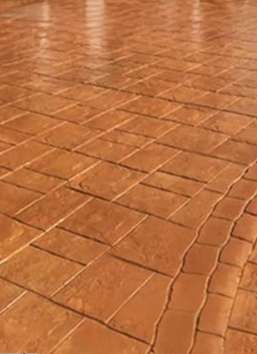 Imprinted Concrete
 Internal Masonry
 Limestone
 Marble
 Metal Cladding
 Polished or Honed Stone
 Porcelain
 Render
 Resin Bond
 Road and Rail Signs
 Roof Tiles / Slates
 Sandstone
 Slate
Slate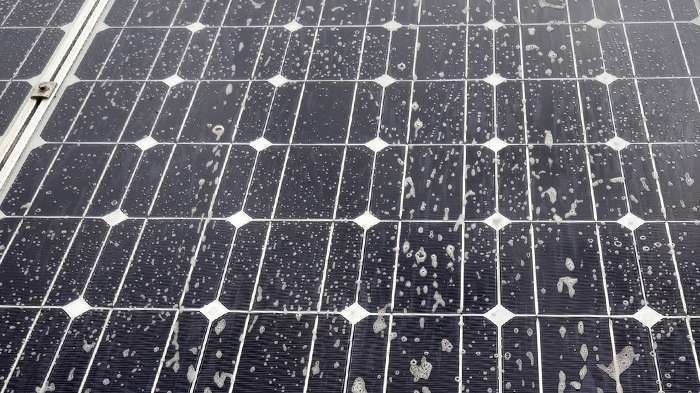 Solar Panels and Glass
 Stone Sills and Pier Caps
 Tarmac and Asphalt
 Gutters & UPVC
 Acid Damage
 Biofilm
 Bitumen
 Blood
Blood Carbon
 Concrete / Grout / Mortar
 Copper Oxide
 Efflorescence
 Egg
Egg Failed Sealer
 Fire Damage
 Fuel / Oil
 Graffiti
 Grease / Fat / Cooking Oil
 Lawn Fertiliser
 Lead Carbonate
 Lead Oxide
 Paint Splashes
 Rust
Rust Tar & Glue
 Tannin Removers
 Traffic Film Removers
 Trapped Moisture / Sealer Repairs
 Urine Neutralisers