

Why dwell time is more important than pressure
In the professional exterior cleaning industry, there is a common misconception among property owners and even some novice contractors: the belief that the more power you apply, the cleaner the surface will be. This “blast it away” mentality relies heavily on high-pressure water, often reaching levels that can cause irreparable damage to delicate substrates. However, experienced professionals understand a fundamental principle that supersedes brute force: dwell time.
Dwell time is the duration that a cleaning solution remains active on a surface before being rinsed away. When it comes to effective, long-lasting, and safe cleaning, dwell time is infinitely more important than pressure. By shifting the focus from mechanical force to chemical efficiency, you achieve a deeper clean that preserves the integrity of the building materials.
For those looking to achieve these professional results, sourcing high-quality surfactants and biocides is essential. You can find a comprehensive range of professional-grade solutions at https://puresealservices.co.uk/, where the focus is on chemical efficacy rather than destructive pressure.
The Science of Dwell Time vs. High Pressure
To understand why dwell time wins, we must look at how cleaning actually works on a molecular level. Most “dirt” on British homes and commercial buildings isn’t just dust; it is biological growth. Algae (green and red), lichen, moss, and fungi are living organisms that root themselves into the porous surfaces of brick, stone, and render.
The Pressure Approach
When you use high pressure, you are essentially “mowing the lawn.” You shave off the top layer of the biological growth, making the surface look clean instantly. However, the root systems (hyphae) remain embedded deep within the pores. Furthermore, high pressure often opens up these pores even wider, creating a perfect habitat for the organisms to return—often faster and thicker than before.
The Dwell Time Approach
Using professional cleaning agents requires patience. When a biocide or surfactant is applied, it needs time to penetrate those same pores. During the dwell time, the chemical breaks down the cell walls of the algae and fungi, killing them at the source. This ensures that the surface stays cleaner for longer because the biological cycle has been truly interrupted, not just temporarily moved.
Why Pressure Can Be a Costly Mistake
In the UK, our architecture is a mix of historical lime-based mortars, soft red bricks, and modern monocouche renders. None of these materials were designed to withstand 3000+ PSI of water pressure.
| Material Type | Risk of High Pressure | Benefit of Dwell Time |
| Sandstone/Limestone | Erosion of the stone face, loss of detail. | Deep penetration kills black spot lichen without abrasion. |
| Monocouche Render | Scarring, “wand marks,” and water ingress. | Gentle chemical action lifts stains without ruining the finish. |
| Roof Tiles | Removal of protective granules, damage to pointing. | Softwash kills moss at the root, preventing regrowth. |
| Tarmac | Strips the bitumen binders, leading to cracks. | Degreasers lift oil stains during dwell time for easy rinsing. |
| Block Paving | Blasts out kiln-dried sand, destabilising the drive. | Biocides kill weeds and moss seeds within the sand. |
The Financial Argument: Savings in Pounds (£)
Focusing on dwell time is not just a matter of “doing a better job”; it is a matter of financial prudence. High-pressure cleaning is a short-term fix that leads to long-term costs.
Consider a standard driveway renovation in London or Manchester. A contractor relying solely on pressure might charge £300 for a quick “blast.” However, because the spores weren’t killed, the weeds and algae return within three months. Furthermore, the high pressure may have damaged the pointing, requiring a repair bill of £500.
In contrast, a professional using a “Softwash” approach (low pressure + high dwell time) might charge £450. While the initial cost is higher, the results can last up to two years. The cost-per-month of cleanliness is significantly lower when you allow the chemistry to do the work.
Estimated Maintenance Costs Over 2 Years
| Method | Initial Cost | Frequency Needed | Repair Costs | Total 2-Year Spend |
| High Pressure | £300 | Every 6 Months | £500 (Pointing) | £1,700 |
| High Dwell Time | £450 | Every 24 Months | £0 | £450 |
As shown, investing in the right chemicals from https://puresealservices.co.uk/ and allowing them the necessary dwell time can save a homeowner over £1,000 in a two-year cycle. 💸
Understanding the “Sinner’s Circle”
In the world of professional cleaning, we often refer to the Sinner’s Circle (named after Herbert Sinner). It consists of four elements that must be balanced to achieve a clean surface:
-
Chemical: The strength and type of cleaning agent.
-
Time: The dwell time.
-
Temperature: The heat of the water (if applicable).
-
Agitation/Mechanical: The pressure or scrubbing.
The rule is simple: if you decrease one element, you must increase another to compensate. If you want to decrease Mechanical Pressure (to protect the surface), you must increase Chemical Efficacy and Dwell Time.
By allowing a product to dwell for 20 to 60 minutes, you reduce the need for aggressive scrubbing or high-pressure water. This “soft” approach is the gold standard for modern exterior maintenance. 🏛️
The Environmental Aspect
It may seem counterintuitive, but using chemicals with long dwell times can often be more environmentally friendly than using “just water” at high pressure. 🌿
High-pressure washing consumes a staggering amount of water—often hundreds of litres per hour. Because the results don’t last, the process must be repeated frequently, leading to massive cumulative water waste.
When you use a professional biocide with an appropriate dwell time:
-
You use significantly less water during the rinse phase.
-
The treatments are often “residual,” meaning they continue to work every time it rains, keeping the surface clean for months without further intervention.
-
You prevent the physical destruction of the substrate, which reduces the carbon footprint associated with manufacturing and transporting new building materials for repairs.
Common Misconceptions About Dwell Time
“If it’s still wet, it’s still working”
This is a common phrase in the industry. Dwell time is only effective as long as the solution remains in a liquid state. On a hot summer day in the UK, a cleaning solution might dry out in 5 minutes. If it dries, the chemical reaction stops. Professionals often “refresh” the surface with a light mist to keep the dwell time active without washing the product away.
“More chemical means less time”
While increasing concentration can speed things up, it also increases the risk of damage to surrounding vegetation or run-off issues. The “sweet spot” is a moderate concentration allowed to work for a longer duration. This ensures the biocide reaches the deepest parts of the masonry.
Safety First: Protecting the Property
While we advocate for the power of chemistry and dwell time, it must be handled with respect. High dwell times mean the product is sitting on the surface for a while, which gives it time to potentially interact with surrounding elements.
-
Plant Protection: Always pre-wet surrounding grass and shrubs. This saturates the plants’ root systems so they don’t soak up any run-off.
-
Surface Testing: Always perform a patch test. Just because a chemical needs 30 minutes on concrete doesn’t mean it won’t discolour a sensitive limestone in 10.
-
Pet Safety: Ensure pets and children are kept away during the dwell time. Once the product is thoroughly rinsed, the area is safe.
Application Techniques for Maximum Efficacy
To get the most out of your dwell time, the application method matters. Using a high-pressure nozzle to apply chemicals is counterproductive because it atomises the product, sending it into the air rather than onto the surface.
Instead, use a low-pressure sprayer or a dedicated softwash system. This applies “fat” droplets that sit heavily on the surface, soaking into the biofilm.
The Step-by-Step “Dwell” Process:
-
Dry Brush: Remove loose moss and debris manually.
-
Apply Solution: Using products from https://puresealservices.co.uk/, apply the mixture evenly from the bottom up (to prevent streak marking).
-
The Wait: Let the chemistry do the heavy lifting. Watch as the algae changes colour (often from green to brown or orange), indicating the cell walls are collapsing. ⏱️
-
Agitate (Optional): For stubborn spots, a soft-bristled brush can help the chemical penetrate deeper.
-
Low-Pressure Rinse: Wash away the dead biological matter and the spent chemical.
The Role of Surfactants
A key component in extending dwell time is the use of surfactants. A surfactant (surface active agent) reduces the surface tension of the water. In simpler terms, it makes the water “wetter” and “stickier.”
Without a surfactant, a cleaning solution might just run off a vertical wall. With a professional surfactant added, the solution “clings” to the wall, increasing the contact time (dwell time) on the vertical surface. This is particularly vital for cleaning render, cladding, and brickwork.
Case Study: The “Black Spot” Lichen
Anyone who has tried to clean a riven sandstone patio knows the dreaded “Black Spot.” These are lichens that have anchored themselves into the stone. You can hit them with a 4000 PSI pressure washer, and they will not budge—you’ll likely just pit the stone and leave permanent swirl marks.
The only way to remove Black Spot is through dwell time. A high-strength sodium hypochlorite-based cleaner or a specialist lichen remover must be applied and allowed to dwell for up to 2 hours. The chemical dissolves the “anchor” the lichen uses to grip the stone. After the appropriate dwell time, these spots can be rinsed away with nothing more than a garden hose. This is the ultimate proof that chemistry beats pressure every time.
Conclusion of the Logic
In every scenario—from the removal of greasy oil stains on a garage floor to the delicate cleaning of a Grade II listed cottage—dwell time proves to be the superior variable. It offers:
-
Superior Results: Kills the roots, not just the leaves.
-
Asset Protection: Prevents the mechanical erosion of expensive building materials.
-
Efficiency: Allows the contractor to work on other tasks while the chemical performs the “scrubbing.”
-
Safety: Reduces the risk of “projectile” debris caused by high-pressure streams.
When you stop viewing water as a “knife” to cut through dirt and start viewing it as a “carrier” for effective chemistry, the quality of your maintenance work will skyrocket. For the best tools and chemicals to start your “dwell-focused” cleaning journey, visit https://puresealservices.co.uk/.
The Future of Exterior Cleaning in the UK
As environmental regulations tighten and property owners become more savvy about the damage caused by “cowboy” pressure washers, the industry is shifting rapidly toward softwashing. This method prioritises the health of the building.
We are seeing a move toward more “intelligent” chemicals—biocides that are biodegradable but offer long-term residual protection. These products require specific dwell times to bond with the substrate. The “quick fix” of a pressure washer is being replaced by the “long-term cure” of professional chemical application.
Practical Tips for Homeowners
If you are hiring a professional or doing it yourself, keep these “Pound-Saving” tips in mind:
-
Don’t Rush: If the bottle says 20 minutes, give it 20 minutes. Rinsing early is literally throwing money down the drain.
-
Weather Matters: Avoid cleaning in direct, mid-day sun. The evaporation will kill your dwell time. Overcast days are actually the best for exterior cleaning.
-
Quality Over Quantity: A cheaper, watered-down chemical will require more “elbow grease” and pressure. A professional-grade concentrate from a specialist supplier will save you time and labour.
Summary Table: Pressure vs. Dwell Time
| Feature | High Pressure Approach | High Dwell Time (Softwash) |
| Primary Tool | Petrol-driven Pump | Professional Chemicals / Surfactants |
| Action | Physical Tearing | Chemical Decomposition |
| Surface Impact | Can be abrasive and damaging | Gentle and preservative |
| Root Kill | Very Low | Very High |
| Longevity | 3–6 Months | 12–24 Months |
| Water Usage | High | Low |
| Risk of Injury | High (High-pressure injection) | Low (With PPE) |
By understanding that dwell time is the “secret sauce” of the cleaning industry, you can maintain your property to a much higher standard while spending less over the long term. It is a smarter, safer, and more British way to look after our stone and brick heritage. 🇬🇧
The next time you see a dirty wall or a mossy roof, don’t reach for the highest pressure setting. Reach for a professional solution, apply it correctly, and let time do the work for you. The results will speak for themselves, and your masonry will thank you for years to come. Check out the professional range at https://puresealservices.co.uk/ to ensure you have the right products for the job.
Why Biofilms Require Patience
Biofilms are complex colonies of microorganisms. They create a protective slimy layer that shields them from the environment. High pressure often just bounces off this slime or removes the top layer. Dwell time is required for the chemical to “break the seal” of the biofilm and penetrate the colony. Without sufficient time, you are only cleaning the surface of the problem, not the problem itself. This is why “instant” results are often deceptive in the exterior cleaning world. True cleanliness is a process, not an event.
The Impact on Kerb Appeal and Property Value
In the UK property market, first impressions are everything. A clean, well-maintained exterior can add thousands of pounds to the valuation of a home. However, savvy surveyors can spot the “scars” left by aggressive pressure washing—the “tiger stripes” on a driveway or the blown mortar in a brick wall. These are red flags that suggest poor maintenance.
By using the dwell-time method, you ensure that the property looks “as new” rather than “power washed.” The difference is subtle but significant. It’s the difference between a surface that looks stripped and one that looks cared for. 🏡
Using the right chemistry also allows for the removal of specific stains that pressure cannot touch, such as:
-
Oxidation: Removing the chalky residue from old plastic cladding.
-
Carbon Staining: Lifting the black soot from city-centre buildings.
-
Rust Stains: Chemically converting iron oxide for easy removal.
All these tasks require the chemical to sit and react. There is no “pressure” setting for rust; there is only the right chemical and the right amount of time.
The Importance of Porosity Management
Understanding the porosity of a substrate is vital to understanding why dwell time is non-negotiable. Building materials like brick, concrete, and sandstone are essentially hard sponges. They are filled with microscopic voids that trap moisture, organic spores, and pollutants. 🧱
When you use high pressure, the water hits the surface with such velocity that it creates a “rebound” effect. The water cannot enter the tiny pores because of the air trapped inside; it simply shears off the top of the stain. Conversely, when you apply a professional cleaning solution and allow for a long dwell time, you are utilising capillary action. The liquid slowly seeps into the pores, following the same path the organic growth took to get there. This ensures that the biocide reaches the very bottom of the spore, ensuring a total “kill” rather than a surface-level haircut.
Equipment Longevity and Operational Costs
Focusing on dwell time rather than pressure doesn’t just protect the building; it protects your equipment and your wallet. Running a pressure washer at maximum PSI for hours on end leads to significant wear and tear. 🛠️
-
Fuel Consumption: High-pressure pumps require engines to run at high RPMs, burning more petrol per hour.
-
Pump Wear: Seals, valves, and ceramic plungers fail much faster under the stress of 3000+ PSI.
-
Hose Bursts: High pressure puts immense strain on hydraulic hoses and O-rings, leading to frequent downtime.
By shifting to a softwash approach where the chemical dwell time does 90% of the work, you can often use smaller, battery-powered delivery systems or run your petrol engines at an “idle” or low-pressure setting. This drastically reduces your maintenance costs and extends the life of your kit by years. In the long run, the pounds saved on equipment repairs can be reinvested into higher-quality surfactants from https://puresealservices.co.uk/.
Atmospheric Pollutants and Chemical Neutralisation
In many parts of Britain, particularly in urban areas like Birmingham or Glasgow, the primary “dirt” on a building is actually a combination of carbon deposits, nitrogen oxides, and sulphur from vehicle emissions. These are chemically bonded to the substrate. 🚗
High pressure is notoriously bad at removing these oily, acidic films. It’s like trying to wash a greasy frying pan with just a high-pressure hose and no soap; you’ll just spray grease everywhere. These pollutants require a specific dwell time to be emulsified.
During the dwell period, the surfactants surround the oily carbon particles, lifting them away from the stone and holding them in suspension. Once the chemical has had time to break those molecular bonds, a gentle rinse carries the pollutants away. This chemical “lifting” is far safer for the building’s structural integrity than trying to mechanically blast away a layer of carbon that has become part of the stone’s surface.
Safety and Liability in the Public Realm
For those working in commercial or public spaces, the use of high pressure carries significant liability risks. High-pressure streams can kick up “projectiles”—small stones, bits of mortar, or glass—that can break windows or injure passers-by. There is also the risk of “injection injuries,” where water is forced under a person’s skin, leading to severe medical emergencies. ⚠️
By prioritising dwell time and low-pressure rinsing, you create a much safer work environment.
-
Reduced Spray Drift: Low-pressure application means the product stays where you put it.
-
Noise Reduction: Low-pressure systems are significantly quieter, which is essential when working near hospitals, schools, or offices.
-
Containment: It is much easier to manage and contain the run-off of a “dwell and rinse” application than the chaotic splash-back of a high-pressure jet.
Using professional-grade products from https://puresealservices.co.uk/ ensures that you are using predictable, tested formulations that work efficiently within these safer parameters.
Seasonal Adaptation of Dwell Times
The British weather is famously temperamental, and a professional must adapt their dwell times accordingly. Dwell time isn’t a “set it and forget it” number; it is a sliding scale based on the ambient temperature and humidity. 🌦️
| Season | Typical Temperature | Dwell Time Adjustment | Pro Tip |
| Spring | 10°C – 15°C | Standard | Ideal conditions for biocides. |
| Summer | 20°C – 30°C | Short & Frequent | Pre-wet the surface to cool it and prevent “flash drying.” |
| Autumn | 8°C – 12°C | Extended | Biological growth is active; give the chemical longer to work. |
| Winter | 1°C – 7°C | Maximum | Chemical reactions slow down in the cold; double your dwell time. |
In the depths of winter, a biocide might need four hours to achieve what it could do in forty minutes during the summer. If you rely on pressure, you might be tempted to “turn it up” to compensate for the cold, but the smart move is to simply increase the dwell time. Patience is the most effective tool in your van when the temperature drops.
Tags: gutter cleaning, window cleaning, Patio cleaning, Driveway cleaning, pressure washing, Roof Cleaning, Exterior cleaning
 Artificial and Sports Surfaces
 Awnings / Canopies / Gazebos
 Block Paving
 Brickwork
 Composite Surfaces
 Decking / Timber
 Granite
 Imprinted Concrete
 Internal Masonry
 Limestone
 Marble
 Metal Cladding
 Polished or Honed Stone
 Porcelain
 Render
 Resin Bond
 Road and Rail Signs
 Roof Tiles / Slates
 Sandstone
 Slate
Slate Solar Panels and Glass
 Stone Sills and Pier Caps
 Tarmac and Asphalt
 Gutters & UPVC
 Acid Damage
 Biofilm
 Bitumen
 Blood
Blood Carbon
 Concrete / Grout / Mortar
 Copper Oxide
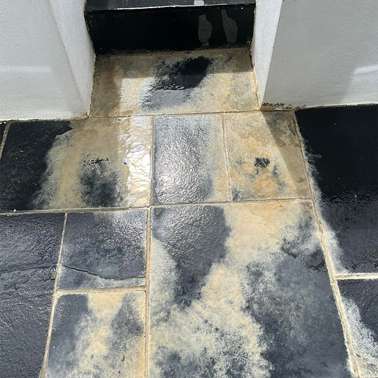 Efflorescence
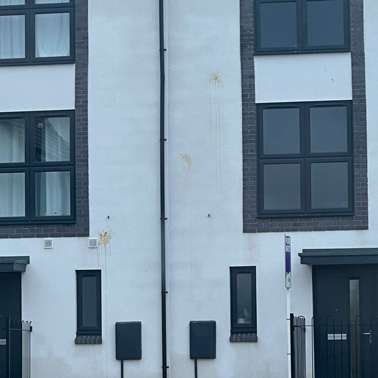 Egg
Egg Failed Sealer
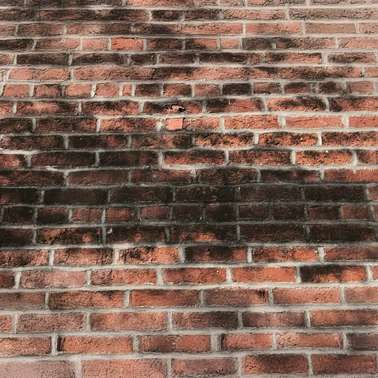 Fire Damage
 Fuel / Oil
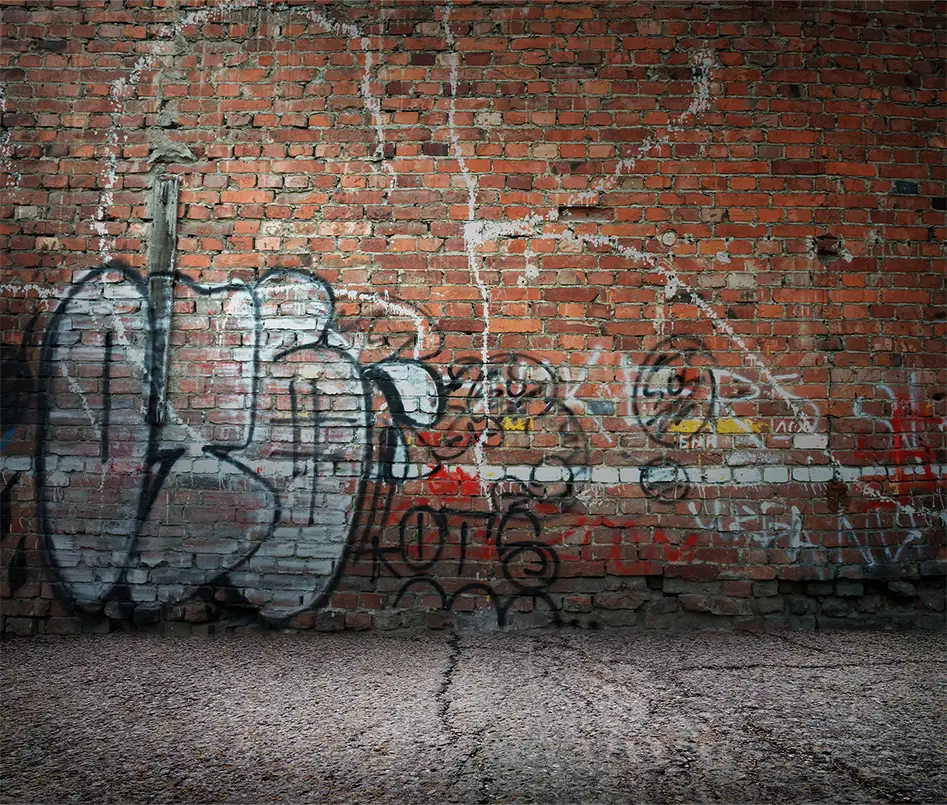 Graffiti
 Grease / Fat / Cooking Oil
 Lawn Fertiliser
 Lead Carbonate
 Lead Oxide
 Paint Splashes
 Rust
Rust Tar & Glue
 Tannin Removers
 Traffic Film Removers
 Trapped Moisture / Sealer Repairs
 Urine Neutralisers