

Understanding Pressure Washing Chemicals for Effective Cleaning
Pressure Washing Chemicals Explained in Simple Terms
Pressure washing can transform dirty surfaces into clean ones in a matter of minutes. But while the power of the pressure washer itself is impressive, it’s often the chemicals used alongside the high-pressure water that make the real difference. This guide explains pressure washing chemicals in straightforward language, helping you understand what they are, what they do, and how to use them safely.
Whether you’re cleaning a patio, driveway, decking or the side of a house, understanding your products can make the job faster, more effective, and safer for you and the surface you’re cleaning.
👉 For a range of cleaning products suitable for pressure washing and surface preparation, check out https://puresealservices.co.uk/ — they sell specialist solutions designed for various cleaning tasks.
What Are Pressure Washing Chemicals?
At their simplest, pressure washing chemicals are liquid solutions that help break down dirt, stains, mould, algae, grease and other unwanted substances on hard surfaces. Unlike plain water, these chemicals contain active ingredients that:
-
Reduce the surface tension of water.
-
Break apart oils and greases.
-
Dissolve organic matter like mould or algae.
-
Brighten or restore the look of surfaces.
Think of them as helpers that give your pressure washer extra cleaning power — rather like adding detergent when washing dishes versus using just plain water.
Why Use Chemicals With a Pressure Washer?
A pressure washer on its own blasts away loose dirt and grime. But for stubborn stains, ingrained mould, oil marks, or biological growth, water alone often isn’t enough.
Here’s what chemicals bring to the table:
| Benefit | Without Chemicals | With Chemicals |
|---|---|---|
| Removes surface dirt | ✔️ | ✔️ |
| Breaks down oil & grease | ❌ | ✔️ |
| Eliminates mould & algae | ❌ | ✔️ |
| Restores surface colour | ❌ | ✔️ |
| Makes cleaning faster | ❌ | ✔️ |
🧽 In essence: chemicals help loosen and dissolve tough soils so the pressure washer can rinse them away more effectively.
Common Types of Pressure Washing Chemicals
Rather than one single product, the term “pressure washing chemicals” covers a range of products formulated for different cleaning needs. Below are the most common categories explained simply:
1. General-Purpose Cleaners
These are all-round solutions for everyday dirt, grime and light stains on concrete, brick, and paved surfaces.
Where used: patios, paths, driveways.
Good for: mud, pollen, and surface dust.
2. Degreasers
These are stronger products designed to cut through oil, fuel residue, tyre marks and other greasy deposits.
Where used: garages, forecourts, industrial yards.
Good for: vehicle oil leaks, workshop floors.
3. Mould & Algae Removers
These formulations contain ingredients that kill and remove biological growth like moss, mould, lichen and algae.
Where used: shaded patios, garden walls, roof tiles.
Good for: green or black staining caused by nature.
4. Acid-Based Cleaners
Strong cleaners used for removing mineral deposits, rust stains, cement residue and efflorescence.
Where used: concrete, stone, brick (with caution).
Good for: tough inorganic stains.
⚠️ Only to be used where appropriate, often with PPE and careful rinsing.
5. pH-Neutral Cleaners
Milder products safe for delicate surfaces like timber decking, painted wood and soft stone.
Where used: decking, cladding, older brickwork.
Good for: gentle cleaning without surface damage.
How Pressure Washing Chemicals Work
To understand how these chemicals do their job, let’s look at the two main actions happening during cleaning:
🔹 Chemical Action
The chemical ingredients interact with the stain at a molecular level. Surfactants, for example, loosen the bond between dirt and the surface, while solvents dissolve oils and greases.
🔹 Mechanical Action
Once the chemical has loosened the stain, the high-pressure water from the washer flushes it away.
It’s the combination of these actions that makes pressure washing with chemicals so effective.
How to Choose the Right Chemical
Choosing the wrong product can result in poor cleaning results — or worse, damage to the surface. Here’s a simple decision flow you can use:
Step-by-Step Selection Guide
-
Identify the surface.
-
Concrete and brick?
-
Timber decking?
-
Painted or delicate surface?
-
-
Identify the problem.
-
General grime?
-
Grease or oil?
-
Mould or algae?
-
Mineral stains?
-
-
Select the product.
-
Match the chemical type to the surface and stain.
-
-
Check instructions.
-
Read dilution ratios, dwell times, and safety advice.
-
For example:
| Situation | Best Chemical Type |
|---|---|
| Driveway with tyre marks | Degreaser |
| Patio with green algae | Mould & algae remover |
| Brick wall with mineral deposits | Acid-based cleaner (spot test first) |
| Wood decking | pH-neutral cleaner |
👉 Always start with the gentlest solution that can do the job. You can step up strength if needed.
How to Use Pressure Washing Chemicals Safely
Pressure washing with chemicals can be very effective, but safety should always be a priority. These products can be powerful and, if misused, can irritate skin, eyes or damage certain surfaces.
Here’s a simple safety checklist:
🔐 Essential Safety Tips
-
Wear protective gloves and eye protection.
-
Avoid skin contact; rinse immediately if contact occurs.
-
Never mix different chemical products unless instructed.
-
Keep children and pets away from the work area.
-
Always dilute according to the manufacturer’s instructions.
-
Work in well-ventilated areas.
Dilution: What It Means and Why It Matters
Most pressure washing chemicals are concentrated to save money and reduce packaging waste. That means you usually need to dilute them with water before use.
Example Dilution Table
| Cleaning Task | Dilution Ratio |
|---|---|
| Light general cleaning | 1 part chemical to 20 parts water |
| Moderate grime | 1:10 |
| Heavy staining / grease | 1:5 |
| Tough mould/algae | As specified on label |
🔍 Tip: Too weak and the product won’t work; too strong and it might harm the surface. Always follow the label instructions.
Application Techniques
How you apply the chemical matters. Here are common methods used in pressure washing:
🧴 1. Pre-Soak
Apply the chemical before using the pressure washer. Let it sit (dwell) for a few minutes to loosen the dirt.
🚿 2. Low-Pressure Application
Some pressure washers have a low-pressure soap setting — ideal for applying detergents without spraying them everywhere.
🌀 3. Brush or Agitate
For stubborn spots, gently brushing helps the chemical penetrate deeper.
💦 4. High-Pressure Rinse
After dwelling, use high pressure to rinse off the dissolved grime.
Surface-Specific Advice
Different surfaces require different approaches:
🧱 Concrete & Brick
-
Generally durable.
-
Good candidates for degreasers and standard cleaners.
-
Acid-based products can help with mineral stains — but test small area first.
🌲 Timber Decking
-
Softer and vulnerable to fibres lifting.
-
Use pH-neutral cleaners.
-
Avoid very high pressure; rinse gently.
🪟 Wood & Painted Surfaces
-
Choose gentle formulations.
-
Rinse quickly to avoid stripping paint.
🏡 Metal Surfaces
-
Be cautious with corrosive chemicals on ferrous metals (iron/steel).
-
Rinse immediately after use.
How Long Should Chemicals Sit Before Rinsing?
The time you let a chemical “dwell” on a surface is important. Too short and it won’t work; too long and it could dry out or stain. Here’s a simple guide:
| Task | Approximate Dwell Time |
|---|---|
| Light cleaning | 2–5 minutes |
| Grease removal | 5–10 minutes |
| Mould & algae removal | 10–15 minutes |
| Mineral stains | 5–10 minutes (follow label) |
⚠️ Avoid letting chemicals dry on the surface — always work in shaded areas or rinse before drying if it’s hot.
Environmental Considerations
Cleaning chemicals don’t just disappear when rinsed away. They end up in driveways, soil and drains, so it’s important to minimise environmental impact.
Environment-Friendly Tips
-
Use only as much chemical as needed.
-
Choose biodegradable or phosphate-free products if possible.
-
Avoid washing into garden beds or watercourses.
-
Contain and collect wastewater where practical.
Troubleshooting Common Problems
Here are some frequent issues and how to fix them:
❓ Product Seems Ineffective
-
Check dilution ratio.
-
Have you let it dwell long enough?
-
Was the surface extremely greasy or shaded?
❗ Surface Discolouration
-
You may have used too strong a product.
-
Rinse immediately and try a gentler solution.
💦 Chemical Wasted or Spray Too Far
-
Use low-pressure settings for application.
-
Work methodically in sections.
Table: Typical Chemicals and Their Uses
| Chemical Type | Best Used For | Surface Type | Caution Level |
|---|---|---|---|
| All-purpose cleaner | Everyday dirt | Most hard surfaces | Low |
| Degreaser | Oil & grease | Concrete, stone | Medium |
| Mould/algae remover | Biological stains | Patios, walls | Medium |
| pH-neutral cleaner | Delicate surfaces | Timber, paint | Low |
| Acid-based cleaner | Mineral/rust | Stone, brick | High ⚠️ |
Cost and Value 💷
Pressure washing chemicals vary in price depending on their strength and intended purpose. Concentrated products often cost more upfront but go further because they’re diluted before use.
A small investment in the right chemical can:
-
Save time on labour.
-
Reduce the number of passes needed with the pressure washer.
-
Improve overall cleaning results.
💡 Value tip: Always calculate the cost per litre of mixed solution rather than the cost per litre of the concentrate — this gives a fair comparison.
Practical Example: Cleaning a Patio
Let’s walk through a simple scenario:
Task: Cleaning a heavily shaded patio with green algae and general dirt.
Steps:
-
Sweep loose debris.
-
Dilute a mould & algae remover as per instructions.
-
Apply via low-pressure setting, working in 2–3 m sections.
-
Let dwell for 10 minutes (keep surface wet).
-
Use pressure washer on higher setting to rinse.
-
Repeat stubborn areas with light agitation.
Expected result: Cleaner, brighter patio with most algae and grime removed.
What to Avoid ❌
Some common mistakes include:
-
Mixing different chemicals together.
-
Using very high pressure on delicate surfaces.
-
Applying chemicals in full sun (they dry too fast).
-
Rushing rinsing before the chemical has had time to work.
By avoiding these errors, you’ll get better results with less risk.
Final Thoughts
Pressure washing chemicals are powerful allies in surface cleaning — when chosen carefully and applied correctly. With the right product and approach, you can restore patios, decking, driveways and walls with speed and efficiency, taking years of dirt away in a few simple steps.
If you’re looking for effective cleaning solutions to help with your pressure washing tasks, be sure to explore what’s available at: https://puresealservices.co.uk/ — specialist products designed with performance in mind.
Understanding pH Levels (Without the Chemistry Headache)
You’ll often hear pressure washing chemicals described as acidic, neutral, or alkaline. This is simply a way of explaining how strong or mild a product is.
-
Acidic chemicals are good at removing mineral deposits, cement residue and rust staining.
-
Neutral chemicals are gentle and safer for sensitive surfaces.
-
Alkaline chemicals are excellent at breaking down grease, oils and organic grime.
You don’t need to memorise numbers or formulas. As a general rule:
-
Grease = alkaline
-
Minerals = acidic
-
Delicate surfaces = neutral
Using the correct pH helps prevent surface damage and ensures the chemical works as intended, rather than fighting against the type of dirt you’re trying to remove.
The Role of Surfactants Explained Simply
Surfactants are one of the most important ingredients in pressure washing chemicals, even though they sound technical.
In simple terms, a surfactant:
-
Helps water spread out instead of beading up.
-
Lifts dirt away from the surface.
-
Allows grime to be rinsed off more easily.
Imagine washing a greasy frying pan. Plain water slides right off, but washing-up liquid clings, spreads, and lifts the grease. Surfactants do the same job for patios, driveways and walls.
Most modern cleaning products rely heavily on surfactants to reduce the amount of pressure needed, which is especially useful on older or more delicate surfaces.
Cold Water vs Hot Water Chemicals
Not all pressure washing jobs use hot water, and not all chemicals work the same way in cold conditions.
Cold Water Cleaning
-
Most domestic pressure washers use cold water.
-
Chemicals are designed to compensate for the lack of heat.
-
Longer dwell times may be needed.
Hot Water Cleaning
-
Common in commercial or industrial settings.
-
Heat speeds up chemical reactions.
-
Excellent for grease, oil and heavy contamination.
Using the right chemical for your water temperature improves performance and reduces waste, meaning you use less product to achieve better results.
How Weather Affects Chemical Performance ☀️🌧️
Weather conditions play a surprisingly big role in how well pressure washing chemicals work.
Warm, Dry Weather
-
Chemicals act faster.
-
Risk of products drying too quickly.
-
Work in smaller sections and keep surfaces damp.
Cold Weather
-
Chemical reactions slow down.
-
Dwell times may need to be longer.
-
Avoid freezing conditions where possible.
Windy Conditions
-
Spray drift can occur.
-
Risk of chemicals landing on plants, windows or vehicles.
Being aware of the weather helps you adjust your approach and prevents wasted product or uneven results.
Preventing Damage to Plants and Surroundings 🌱
One common concern when using pressure washing chemicals is protecting nearby plants, lawns and decorative features.
Simple Protective Steps
-
Wet plants with clean water before starting.
-
Cover delicate plants where practical.
-
Rinse surrounding areas after cleaning.
-
Avoid over-application of chemicals.
Most damage occurs not because a product is unsafe, but because runoff is ignored. A little preparation goes a long way in keeping gardens healthy and customers happy.
Storage and Shelf Life of Cleaning Chemicals
Pressure washing chemicals should be stored properly to maintain their effectiveness and safety.
Best Storage Practices
-
Keep containers sealed tightly.
-
Store in a cool, dry place.
-
Protect from direct sunlight.
-
Clearly label diluted solutions.
Most concentrates have a long shelf life, but once diluted, solutions are best used within a reasonable timeframe. Old or contaminated mixtures may lose strength or behave unpredictably.
Good storage habits reduce waste and help ensure consistent cleaning results every time.
Signs You’re Using Too Much Chemical
More chemical does not always mean better cleaning. In fact, overuse can create problems.
Warning Signs
-
Sticky residue left behind.
-
Surface streaking or patchiness.
-
Excessive foaming.
-
Increased rinsing time.
If you notice these issues, try reducing the concentration before increasing pressure or dwell time. Efficient cleaning is about balance, not brute force.
Creating a Repeatable Cleaning Process
Consistency is key when using pressure washing chemicals regularly. A repeatable process saves time, reduces mistakes and improves results.
A Simple Repeatable Workflow
-
Inspect the surface.
-
Identify the type of dirt or staining.
-
Choose the appropriate chemical.
-
Mix accurately.
-
Apply evenly.
-
Allow correct dwell time.
-
Rinse thoroughly.
-
Inspect and touch up if required.
Following the same steps each time builds confidence, protects surfaces and ensures reliable outcomes whether you’re cleaning one patio or multiple properties.
Tags: Patio cleaning, Driveway cleaning, pressure washing, Roof Cleaning, Exterior cleaning, gutter cleaning, window cleaning
 Artificial and Sports Surfaces
 Awnings / Canopies / Gazebos
 Block Paving
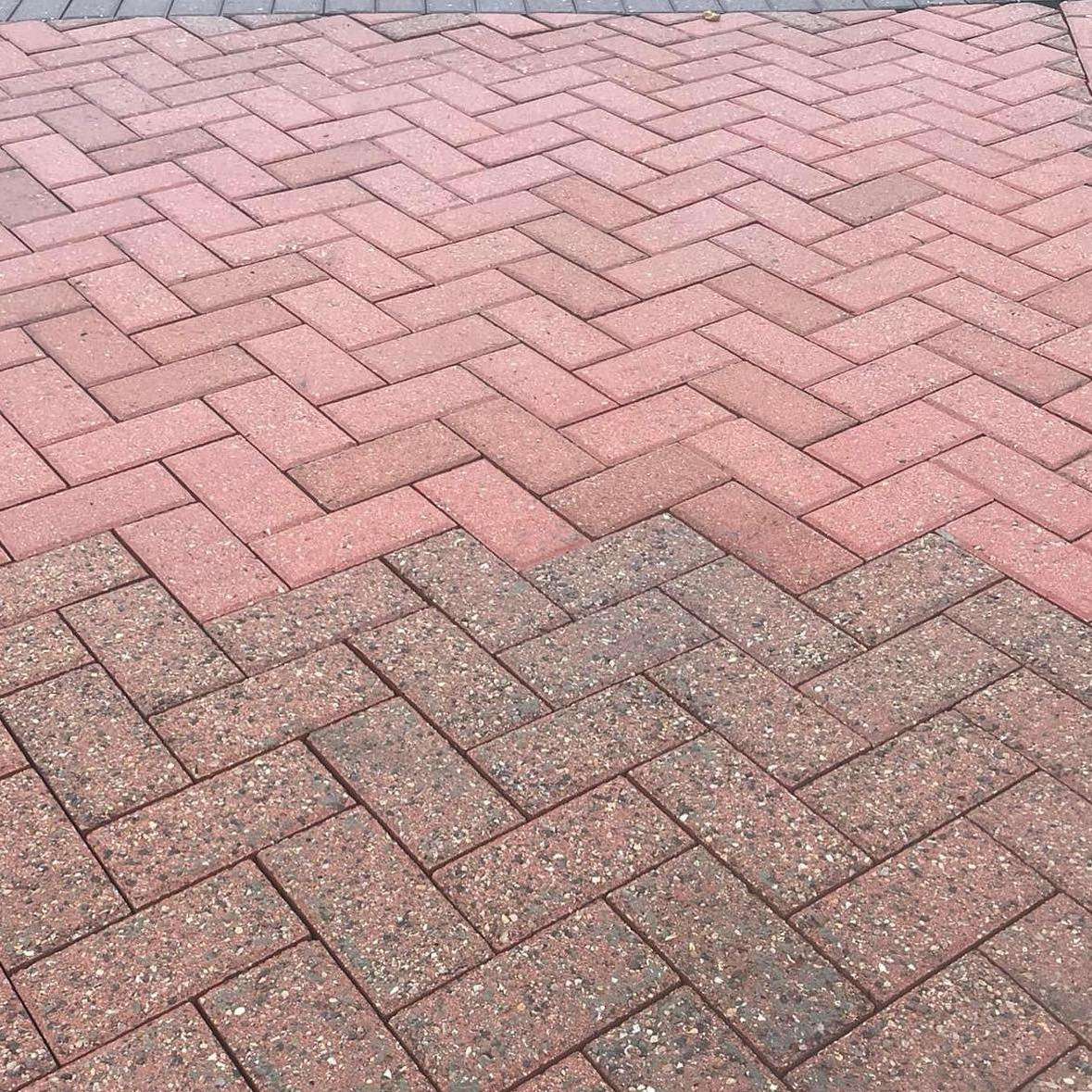 Brickwork
 Composite Surfaces
 Decking / Timber
 Granite
 Imprinted Concrete
 Internal Masonry
 Limestone
 Marble
 Metal Cladding
 Polished or Honed Stone
 Porcelain
 Render
 Resin Bond
 Road and Rail Signs
 Roof Tiles / Slates
 Sandstone
 Slate
Slate Solar Panels and Glass
 Stone Sills and Pier Caps
 Tarmac and Asphalt
 Gutters & UPVC
 Acid Damage
 Biofilm
 Bitumen
 Blood
Blood Carbon
 Concrete / Grout / Mortar
 Copper Oxide
 Efflorescence
 Egg
Egg Failed Sealer
 Fire Damage
 Fuel / Oil
 Graffiti
 Grease / Fat / Cooking Oil
 Lawn Fertiliser
 Lead Carbonate
 Lead Oxide
 Paint Splashes
 Rust
Rust Tar & Glue
 Tannin Removers
 Traffic Film Removers
 Trapped Moisture / Sealer Repairs
 Urine Neutralisers