

The Truth About Starting Pressure Washing Nobody Tells You
🚿 What I Wish I Knew Before Starting Pressure Washing
Pressure washing is an incredibly satisfying, results-driven job. You blast away dirt, grime, and years of build-up in minutes and transform surfaces that have been neglected for decades. But if you’re new to the world of pressure washing — whether professionally or as a keen DIYer — there’s a steep learning curve. Looking back, there’s so much I wish I’d known before I began.
This isn’t a sales pitch. It’s an honest, experience-driven guide full of practical tips, pitfalls to avoid, cost considerations and safety notes.
📌 What Is Pressure Washing (Really)?
Pressure washing — also known as power washing — uses high-pressure water to clean hard surfaces such as:
-
Driveways
-
Patios
-
Decking
-
Walls and brickwork
-
Vehicles
-
Commercial paved yards
It’s an incredibly effective way to remove stubborn stains, moss, mould, chewing gum, bird droppings, algae and oil spills.
But it’s also easy to damage surfaces or injure yourself if you don’t respect what you’re handling — a mistake many beginners make.
🧠 The Big Lessons I Learned First
1. It’s Not Just About the Machine
People often buy the biggest, most powerful washer they can find. They think “more pressure = better results”. That isn’t always true.
Big pressure doesn’t always mean better cleaning — it can mean more damage.
For example:
| Surface | Recommended Pressure | Why |
|---|---|---|
| Timber decking | 500–1000 PSI | Too much pressure strips fibres |
| Concrete driveway | 2000–3000 PSI | Tough surface tolerates high PSI |
| Brickwork | 1500–2500 PSI | Too strong can chip mortar |
| Paintwork | 1200–1800 PSI | High pressure strips paint |
💡 Tip: Know the surface before you start. You can do a small test patch to see how the material responds.
2. Choosing the Right Nozzle Is Critical
Modern washers let you switch nozzles instantly — but it doesn’t mean you should use the same one everywhere.
Common nozzle types and what they’re best for:
| Nozzle Colour | Spray Angle | Best Use |
|---|---|---|
| Red | 0° | Very intense, pinpoint — for deep oil stains |
| Yellow | 15° | Heavy duty — concrete, brick |
| Green | 25° | General cleaning |
| White | 40° | Gentle rinsing, delicate surfaces |
| Black | Soap | Apply detergents/coatings |
A mistake I made early on: using too narrow a spray (e.g. red) on decking. It chewed the wood. A proper green or white nozzle prevents material loss.
3. Cleaning Products Are More Important Than Power
Without the right cleaning solution, you’re just blasting water. And water alone doesn’t always shift oils, moss or ingrained dirt.
I learned quickly that chemicals make a world of difference.
One supplier I’ve used regularly for quality cleaning fluids is https://puresealservices.co.uk/ — they sell cleaning and sealing products tailored to different surfaces and stains.
Their range can help with:
-
Concrete degreasing
-
Patio brightening
-
Algae and mould removal
-
Sealers to protect after cleaning
Always mix chemicals according to instructions and use the correct nozzle for chemical application (usually the soap/black nozzle).
4. Safety Comes First — Always
Pressure washers are powerful tools. They can cut through skin and throw debris at high speed.
Essential safety kit includes:
✔ Safety goggles
✔ Gloves
✔ Sturdy boots
✔ Hearing protection
✔ Long trousers & sleeves
Remember:
-
Never point a pressure washer at a person or animal.
-
Avoid ladders — the reaction force can push you off balance.
-
Always secure the area, especially if others are around.
💡 Never underestimate how much force is coming out of that lance.
💷 Costs: What I Wish I Understood Early On
When budgeting for pressure washing, people usually think just of the machine — but that’s just the start.
Typical Cost Breakdown (UK Context)
| Item | Approx Cost (£) | Notes |
|---|---|---|
| Entry-level pressure washer | £120–£300 | Suitable for light home use |
| Commercial pressure washer | £400–£2500+ | Built for constant work |
| Nozzles & lances | £20–£100 | Different angles/diameters |
| Extension hoses | £30–£200 | Long reach |
| Surface cleaners | £60–£400 | Great for patios & driveways |
| Chemicals & detergents | £10–£60 per litre | Depends on surface |
| Fuel (if petrol) | £15–£25 per tank | For petrol machines |
| PPE (safety gear) | £30–£120 | Worth every penny |
💸 Example: A decent setup for small business use (mid-range washer + surface cleaner + chemicals + hoses + safety kit) can easily be £800–£1,500 before you even start earning.
So it’s not uncommon to underestimate upfront costs — and that slows down new starters quite badly.
🧰 Tools and Accessories I Wish I Bought Sooner
Choosing the right extras makes life much easier and boosts results.
Accessory Wish List
| Accessory | Use | Why It Pays Off |
|---|---|---|
| Surface Cleaner | Large paved areas | Cleans evenly + faster |
| Turbo Nozzle | Stubborn stains | Spins for deeper agitation |
| Extension Lance | Hard-to-reach areas | Reduces strain |
| Foam Cannon | Pre-soak surfaces | Better chemical dwell time |
| Water Filter | Protects pump | Saves maintenance costs |
| Hose Reel | Storage | Stops twists and damage |
🚫 One of my earliest mistakes was avoiding a surface cleaner. I thought a bare lance would suffice. It didn’t — it left stripes. Surface cleaners are game-changers for patios and driveways.
🧼 Chemical Knowledge: What I Wish I Was Taught
Chemicals make cleaning effective and can save hours of back-breaking work.
But not all chemicals are made equal — and not all should be mixed together.
Common Chemical Types
| Chemical Type | Best For | Safety Notes |
|---|---|---|
| Alkaline detergent | Grease, oils | Wear gloves — can irritate skin |
| Acidic cleaner | Rust, mineral stains | Must be neutralised after use |
| Biocide/Algae remover | Mould, moss | Avoid contact with pets/plants |
| pH-balanced patio cleaner | General dirt | Safe on most surfaces |
| Sealers & protectants | Post-clean protection | Lock in results |
💡 Tip: Always read the label — and if in doubt, dilute more than the minimum strength first to test the surface.
Working with aggressive cleaners without PPE or surface knowledge can etch stone, strip timber or discolour brickwork. That’s a lesson learned the hard way.
⏱ Time Management: How Long Does It Really Take?
Beginners think they’ll get through jobs quickly. In reality, it’s a rhythm and pace thing.
Here’s a rough timing guide for different jobs:
| Job Type | Average Time | Notes |
|---|---|---|
| Small patio (3x3m) | 60–90 mins | Including prep |
| Driveway (20m²) | 1.5–3 hours | Depends on stains |
| Decking (15m²) | 2–4 hours | Careful pressure needed |
| Brick wall | 2–5 hours | Gentle technique |
| Full house exterior | 5–10+ hours | Sections and drying |
And that’s not counting drying time before sealing or returning to apply finish products.
🧠 Pro tip: Work in smaller sections, keep your equipment organised and don’t rush. Rushing easily leads to mistakes and damage.
🏡 Surface and Material Tips I Wish I Had Early On
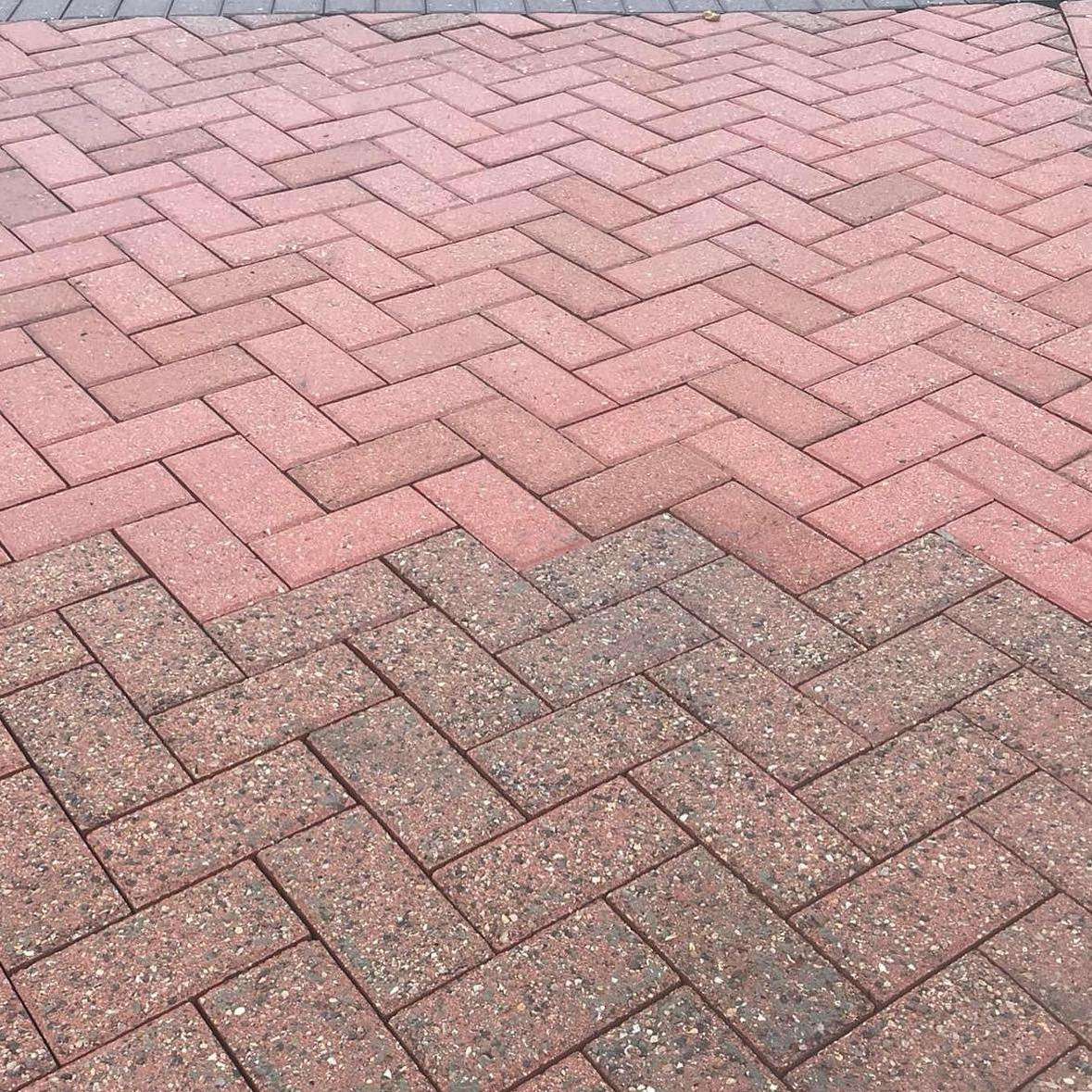
👉 Block Paving
-
Pressure clean along the joints, not straight on.
-
Use a joint sand blend after cleaning to prevent weed regrowth.
👉 Concrete
-
Great for high pressure, but watch for etched looks.
-
Start with a sweeping spray (25° or 40°) then escalate carefully.
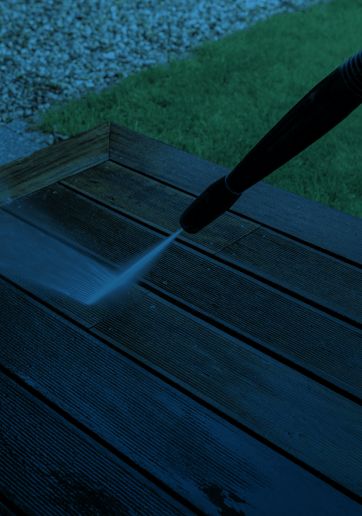
👉 Timber Decking
-
Use a lower pressure and finish with a deck brightener.
-
Always wash along the grain — not across it.
👉 Brickwork & Stone
-
Avoid hot wash (high temperature) on soft stone.
-
Brick mortar can erode if the spray is too intense.
Every surface behaves differently — get to know them incrementally.
❗ Mishaps I Wish I Could Undo (and How to Avoid Them)
Experienced pressure washers all have stories. Here are mine — so you don’t repeat them:
😬 Stripping Paint from a Window Frame
Mistake: Used too high pressure on an old painted timber frame.
Lesson: Test low pressure first and increase carefully.
😰 Mangled Decking Boards
Mistake: Used a zero-degree nozzle to blast algae.
Lesson: 0° is for industrial cleaning. Start gentler.
😖 Undercut Mortar
Mistake: Blasted brick joints without guarding.
Lesson: Use a wider spray and hold further back.
The theme? Respect the pressure.
📍 Planning Your Wash: A Simple Checklist
Before you start the hose, tick through this list:
✅ Clear the area of people, pets and vehicles
✅ Sweep loose dirt & debris first
✅ Choose the correct nozzle
✅ Prepare chemicals and PPE
✅ Protect plants (cover with sheets)
✅ Test a small hidden area
✅ Work methodically in sections
✅ Rinse thoroughly
This checklist keeps mistakes to a minimum and improves results.
📊 Profit & Time Considerations (If You’re Thinking of Starting a Business)
Pressure washing can be a good business — but pricing and time are key.
Example Pricing (UK Approx)
| Job Type | Typical Charge (£) | Time Estimate |
|---|---|---|
| Patio clean | £80–£180 | 1–3 hours |
| Driveway | £100–£250 | 2–4 hours |
| Decking | £120–£280 | 3–5 hours |
| House exterior | £300–£800+ | 5–10 hours+ |
These figures aren’t definitive — you need to adjust for location, competition, surface condition and added services like sealing.
💡 Add-on services such as chemical application and sealing (e.g. products from https://puresealservices.co.uk/) can significantly increase revenue because clients value protection after cleaning.
🧠 Final Thoughts Before You Begin
Pressure washing looks straightforward, but it’s a craft. Learn the tools, respect the power, understand the surfaces and use the right products — and you’ll save time, money and frustration.
From nozzle choice to chemical selection, safety gear to customer pricing, there’s a surprising amount to understand before you press the trigger for the first time.
But once you do, and once you see the results, you’ll understand why so many people get hooked on pressure washing — it’s like uncovering a hidden world beneath dirt and neglect.
🧠 Why Experience Beats Equipment Every Time
One thing that only really clicks after months of pressure washing is this: experience matters more than gear. You can have a £2,000 machine and still get poor results if you don’t understand dwell time, spray angles, water flow, or how dirt behaves on different materials.
Over time, you start to recognise patterns:
-
Dark patches that look like oil but are actually algae
-
Pale streaks that aren’t dirt, but etched concrete
-
Moss that needs killing before washing, not after
This kind of judgement can’t be bought — it’s learned job by job. That’s why rushing jobs early on often causes more harm than good. Slowing down and learning surfaces is an investment.
🌧 Weather: The Silent Decider of Success or Failure
Weather affects pressure washing far more than beginners expect.
How Weather Impacts Results
| Condition | Impact | What to Do |
|---|---|---|
| Heavy rain | Dilutes chemicals | Delay chemical treatments |
| Hot sun | Chemicals dry too fast | Work in shaded sections |
| Frost | Dangerous surfaces | Avoid washing entirely |
| Wind | Overspray issues | Reduce pressure / shield areas |
| High humidity | Slow drying | Allow extra cure time |
A mistake I made early on was washing in strong sun. Chemicals flashed off too quickly, leaving uneven results and residue marks. Cooler, overcast days are often perfect for exterior cleaning.
🪴 Plants, Drainage & Environmental Reality
Pressure washing doesn’t happen in isolation. Water and chemicals go somewhere — and you’re responsible for where they end up.
Things I wish I paid more attention to sooner:
-
Covering plants before chemical application
-
Rinsing vegetation before and after cleaning
-
Preventing run-off into surface drains
-
Being mindful of neighbouring properties
Even mild detergents can damage delicate plants if allowed to sit. A simple rinse-down before and after washing makes a huge difference and avoids unnecessary damage.
🧽 The Importance of Pre-Cleaning (That Nobody Talks About)
Pre-cleaning sounds boring, but it massively improves results.
Pre-cleaning usually includes:
-
Sweeping loose debris
-
Removing weeds from joints
-
Scraping thick moss manually
-
Applying pre-treatment chemicals
Skipping this step means you’re wasting water, time and pressure on material that could’ve been removed in seconds by hand.
Time Saved by Pre-Cleaning
| Task | Time Spent | Time Saved Later |
|---|---|---|
| Sweeping | 10 mins | 30–45 mins |
| Weed removal | 15 mins | Cleaner finish |
| Pre-soak chemicals | 10 mins | Less pressure needed |
| Manual moss scrape | 15 mins | Even surface result |
It’s one of those unglamorous steps that separates rushed jobs from professional-looking ones.
🧾 Understanding Wear, Tear & Maintenance Early On
Pressure washers are mechanical tools — and they will wear out.
What surprised me early on was how quickly neglect shows up.
Common maintenance issues include:
-
Pump failure due to dirty water
-
Hose damage from kinks
-
O-ring wear causing pressure loss
-
Nozzle blockages from grit
Basic Maintenance Schedule
| Task | Frequency |
|---|---|
| Check oil (if applicable) | Weekly |
| Inspect hoses | Every job |
| Flush system with clean water | After chemical use |
| Clean inlet filter | Weekly |
| Store frost-free | Always |
Maintenance doesn’t feel productive — until you lose a day’s work to a broken fitting.
📉 Jobs That Look Easy (But Rarely Are)
Some jobs look straightforward and turn out to be the most awkward.
Surfaces that often cause problems:
-
Old concrete – easily etched
-
Cheap block paving – colour fades fast
-
Painted surfaces – unpredictable adhesion
-
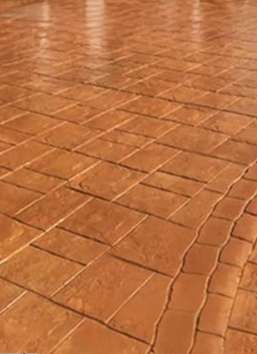
Pattern-imprinted concrete – seal damage risk
These surfaces demand patience and restraint. Going in too aggressively almost always makes things worse.
A slower approach with wider spray angles and chemical assistance usually produces far better outcomes.
🧠 Managing Expectations (Yours and Everyone Else’s)
Pressure washing is powerful — but it’s not magic.
Some stains are permanent. Some surfaces are damaged beneath the dirt. Learning to recognise this early avoids frustration.
Examples:
-
Rust stains that have penetrated deeply
-
Oil that has soaked into porous stone
-
UV-faded blocks that won’t regain colour
-
Cracked concrete that looks worse once clean
Understanding what can’t be fixed is just as important as knowing what can. It saves time, stress, and unrealistic expectations.
🧭 Why Planning Jobs Backwards Works Better
One of the best habits I picked up was planning from the end of the job backwards.
Instead of asking:
“How do I clean this?”
Ask:
“What condition does this need to be left in?”
That changes everything.
You start thinking about:
-
Drying time
-
Post-clean treatments
-
Protection and sealing
-
Foot traffic afterwards
-
Weather over the next 24–48 hours
It leads to cleaner results, longer-lasting finishes, and fewer regrets once the water’s gone.
Tags: Patio cleaning, Driveway cleaning, pressure washing, Roof Cleaning, Exterior cleaning, gutter cleaning, window cleaning
 Artificial and Sports Surfaces
 Awnings / Canopies / Gazebos
 Block Paving
 Brickwork
 Composite Surfaces
 Decking / Timber
 Granite
 Imprinted Concrete
 Internal Masonry
 Limestone
 Marble
 Metal Cladding
 Polished or Honed Stone
 Porcelain
 Render
 Resin Bond
 Road and Rail Signs
 Roof Tiles / Slates
 Sandstone
 Slate
Slate Solar Panels and Glass
 Stone Sills and Pier Caps
 Tarmac and Asphalt
 Gutters & UPVC
 Acid Damage
 Biofilm
 Bitumen
 Blood
Blood Carbon
 Concrete / Grout / Mortar
 Copper Oxide
 Efflorescence
 Egg
Egg Failed Sealer
 Fire Damage
 Fuel / Oil
 Graffiti
 Grease / Fat / Cooking Oil
 Lawn Fertiliser
 Lead Carbonate
 Lead Oxide
 Paint Splashes
 Rust
Rust Tar & Glue
 Tannin Removers
 Traffic Film Removers
 Trapped Moisture / Sealer Repairs
 Urine Neutralisers