
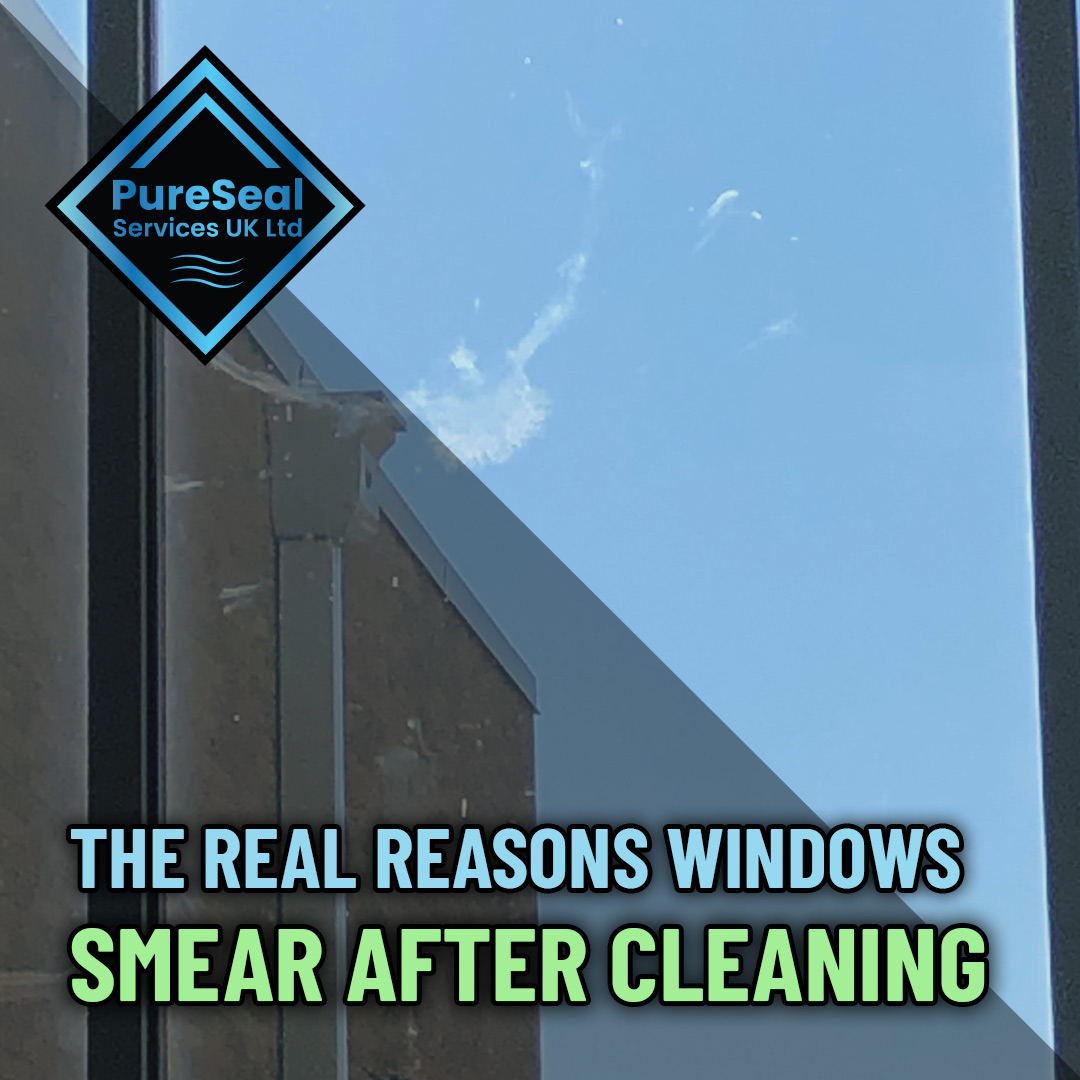
The Real Reasons Windows Smear After Cleaning
Why Are My Windows So Smeared After Cleaning?
Window cleaning should leave glass crystal clear, but many people end up with smears, streaks, haziness, or a cloudy surface that looks worse than before they started. Whether you’ve cleaned the inside, the outside, or both, smears often appear due to issues with technique, water quality, cloth choice, sunlight, residue, or even the window surface itself.
This in-depth guide explains why smears appear, what causes them, and what you can do about it, with tables summarising common problems, their symptoms, and solutions.
1. Understanding What Window Smears Actually Are
Smears appear as streaky or cloudy marks on glass. They are typically caused by:
-
Residual detergent left behind
-
Dirty or greasy water being spread across the surface
-
Microfibres or lint being deposited
-
Hard water minerals drying on the glass
-
Oils or silicone transferring from cloths or surrounding materials
-
Glass that is degraded or porous
-
Environmental contaminants like pollen or traffic film
Smears often show up most clearly when the sun shines directly on the pane.
2. Most Common Causes of Smears
Below is a table summarising the most frequent culprits.
Table 1: Common Causes of Smeared Windows
| Cause | What It Looks Like | Why It Happens | Main Fix |
|---|---|---|---|
| Too much cleaning solution | Drag marks, cloudy finish | Excess soap leaves residue | Use less soap and rinse thoroughly |
| Dirty water | Patchy streaks | Dirt circulates instead of being removed | Change the water more often |
| Poor cloth choice | Lint, swirls | Non-microfibre cloths shed fibres | Use clean, high-quality microfibres |
| Hard water | Spots and streaks after drying | Mineral deposits (“water spots”) | Use filtered or distilled water |
| Sunlight drying the window too fast | Hard edges of streaks | Solution dries before wiping | Clean when windows are cool/shaded |
| Residue from previous cleaners | Greasy smears | Old products create films | Deep clean with vinegar or alcohol |
| Worn rubber on squeegee | Lines or missed patches | Rubber no longer makes full contact | Replace rubber blade |
| Environmental film (traffic or sea salt) | Haze or foggy patches | Sticky contaminants smear around | Pre-wash with warm soapy water |
3. Using Too Much Cleaning Solution
Many people assume more soap = cleaner windows, but in reality, too much detergent is the number one cause of smears. Excess product leaves behind a film when wiped or dried.
Typical mistake:
-
A bucket of water with several squirts of washing-up liquid
-
A premixed spray used too heavily
Excess soap creates a slippery layer that’s difficult to remove fully. When it dries, streaks appear.
Solution
-
Use minimal solution (a few drops in a bucket is enough)
-
Rinse thoroughly if using a bucket
-
Buff the glass with a dry microfibre
Approximate Cost of Common Cleaning Mixes (UK)
(No brands named, just average UK pricing)
| Cleaning Method | Approximate Cost | Notes |
|---|---|---|
| Homemade vinegar mix | £0.50–£1 per bottle | Cheap, effective for smear removal |
| Traditional bucket with washing-up liquid | £0.05–£0.20 per bucket | Only a few drops needed |
| Glass cleaner spray | £1–£4 per bottle | Overuse leads to residue |
4. Dirty Water and Contaminated Cloths
Even if the window-cleaning solution is correct, smears may appear because:
-
The water becomes dirty halfway through cleaning
-
The cloth has old wax, silicon, or detergent trapped in fibres
-
Microfibres were washed with fabric softener
-
Cloths were used in the kitchen and contain oils
Why This Matters
Dirty cloths redistribute grime rather than removing it. Oil and silicone are especially difficult to clean off glass and often create rainbow-like smears.
Fix
-
Use freshly washed microfibres without fabric softener
-
Rinse cloths multiple times during cleaning
-
Change the bucket water frequently
5. Hard Water and Mineral Deposits
If you live in a hard-water region (much of southern England), tap water contains high mineral content. When this water dries, it leaves behind:
-
Spots
-
Chalky streaks
-
Cloudy patches
-
White marks
These are not smears caused by poor technique but mineral residue.
Why It Happens
-
Hard water dries faster, especially in sun
-
Minerals crystallise and cling to the glass
-
Can be extremely stubborn
Fixes
-
Use filtered, purified, or distilled water
-
Wipe and dry quickly
-
Avoid cleaning in strong sunlight
6. Window Still Hot from Sunlight
If the sun is shining directly on the glass, the cleaning solution evaporates too fast. This causes:
-
Harsh streak lines
-
Swirl marks
-
Dry patches that trap soap
Ideal Cleaning Conditions
-
Cloudy days
-
Early morning
-
Late evening
-
Shaded windows
7. Residue From Previous Cleaners
If your windows were cleaned previously with:
-
Glass polishes
-
Silicone-based cleaners
-
Greasy sprays
-
Furniture polish accidentally oversprayed
-
Car or boat wax near conservatory glass
—these can leave a persistent film. When you try to clean over it, the new solution smears the old residue around the surface.
How to Remove Old Residue
Use a deep-cleaning method such as:
| Deep Cleaning Method | Best For | Notes |
|---|---|---|
| Vinegar + water (50/50) | General residue | Cheap and effective |
| Isopropyl alcohol (small amount) | Stubborn grease and silicone | Use sparingly and ventilate area |
| Warm water + tiny amount of washing-up liquid | Traffic film and oily residues | Rinse afterwards |
8. Using the Wrong Cloths or Tools
Cloths have a massive impact on whether smears appear. Some materials leave fibres, while others absorb solution unevenly.
Worst Cloth Choices
-
Kitchen roll (leaves lint)
-
Old T-shirts (cotton leaves fibres)
-
Cloths washed with fabric softener
-
Bathroom towels
-
Paper towels
Why High-Quality Microfibres Matter
Microfibre cloths:
-
Pick up dirt rather than spreading it
-
Leave no lint
-
Absorb cleaning solution evenly
-
Buff the glass to a clear finish
Squeegee Issues
A squeegee is effective only if the rubber blade is in good condition. A worn blade causes:
-
Lines
-
Missed patches
-
Uneven clearing
9. Environmental Factors: Pollen, Traffic Film, Sea Salt
Outdoor contaminants often cause smeared windows because they behave like glue when mixed with water.
Traffic Film
Found in towns, cities, and near main roads. Contains:
-
Fine oils
-
Soot
-
Exhaust particles
When wiped, these smear instead of lifting.
Pollen
In spring, pollen coats windows in a sticky powder that easily smears.
Coastal Salt
Salt spray near the sea crystallises on windows and can create streaks.
Fix
Pre-wash with:
-
Warm water
-
A tiny bit of mild detergent
-
A soft sponge
Then clean normally.
10. Condensation, Damp Cloths, and Humidity
If the inside of your window is damp from condensation, smearing is almost guaranteed. Condensation mixes with:
-
Soap residue
-
Dust
-
Fingerprints
…and spreads across the glass.
Fix
-
Wipe off condensation with a dry cloth before cleaning
-
Reduce indoor humidity if possible
-
Ensure your final buffing cloth is bone dry
11. Damaged or Degraded Glass
Sometimes, smearing has nothing to do with cleaning at all. Over time, glass can develop:
-
Microscopic scratches
-
Weathering damage
-
Etching from hard water
-
Tiny pitting from sand or salt
When light hits these imperfections, it looks like smears.
How to Tell if the Glass Is Damaged
-
Smears remain exactly in the same place regardless of cleaning
-
Surface feels slightly rough
-
Hard water spots that don’t disappear
-
Cloudy patches that persist
Fix
-
Specialist polishing (if feasible)
-
Prevent further damage by avoiding abrasive pads
-
Use purified water for future cleaning
12. Indoor Factors That Cause Smears
Indoor windows often smear due to:
-
Cooking grease drifting from the kitchen
-
Aerosols and sprays (air freshener, hair spray, polish)
-
Smoke from candles
-
Fingerprints
-
Pets pressing noses against glass
These create oily films that are difficult to remove fully.
How to Prevent Indoor Smears
-
Keep microfibres separate for glass only
-
Wipe frames and seals before the glass
-
Remove grease first with mild washing-up liquid, then polish with glass cleaner
13. Window Frames and Seals Dripping Dirt
Dirty frames often sabotage an otherwise perfect cleaning job. When you wipe the glass, dirt trapped in:
-
Top seals
-
Side channels
-
Bottom frames
…runs down onto your clean window, causing smears.
Fix
-
Clean the frames before the glass
-
Use a separate cloth for frames
-
Run a dry cloth along the top seal to catch drips
14. Incorrect Wiping Technique
Technique matters.
Common Mistakes
-
Wiping in circles (spreads residue)
-
Using one cloth for the whole job
-
Not drying the edges
-
Missing drips at the top
Better Technique
-
Use an S-shaped pattern with a squeegee
-
If using cloths only, wipe vertically inside, horizontally outside to identify which side streaks are on
-
Buff edges thoroughly
15. Why Windows May Look Worse After Cleaning
If your windows look more smeared after cleaning, likely causes include:
Table 2: Why Windows Look Worse After Cleaning
| Problem | Explanation |
|---|---|
| Old dirt loosened but not fully removed | You moved the dirt around instead of lifting it away |
| Soap used excessively | Drying soap film creates streaks |
| Wind or sun dried them too quickly | Leaving dried marks |
| Cloth already had oils | Contaminated cloths smear the surface |
| Glass already etched | Cleaning makes damage more visible |
16. How Much Should You Expect to Spend on Window-Cleaning Supplies?
Prices vary, but here is a rough guide:
Table 3: UK Window-Cleaning Supplies and Typical Costs
| Item | Typical Price Range | Notes |
|---|---|---|
| Microfibre cloths pack | £3–£15 | Better quality lasts longer |
| Squeegee | £5–£20 | Replace rubber regularly |
| Bucket | £1–£8 | Basic item |
| Distilled water (5L) | £1–£3 | Reduces smears |
| Vinegar (white cleaning vinegar) | £0.50–£2 | Great for residue |
| Washing-up liquid | £1–£3 | You only need a small amount |
No professional service recommendation is needed—these are simply common consumer costs.
17. Remedies to Fix Smears on Windows
If your windows are smeared right now, here’s a quick way to fix them depending on the cause.
Table 4: Smear Type and Fastest Fix
| Smear Type | Cause | Fastest Fix |
|---|---|---|
| Cloudy streaks | Too much soap | Buff with dry microfibre |
| Greasy smears | Oils, silicone | Wipe with alcohol or vinegar |
| Water spots | Hard water | Use distilled water + vinegar |
| Lint streaks | Wrong cloth | Replace cloth with microfibre |
| Drying lines | Sunlight | Reclean in shade |
18. How to Prevent Smears in the Future
1. Use minimal detergent
Just a few drops of washing-up liquid per bucket.
2. Clean windows when they are cool
Avoid sunny or windy conditions.
3. Use high-quality microfibre cloths
And wash them without fabric softener.
4. Use clean water
Change the water after every few panes.
5. Pre-clean heavily soiled windows
Especially ones near roads or kitchens.
6. Buff with a dry cloth after cleaning
This removes any remaining moisture.
7. Use purified water if you live in a hard-water area
It dramatically reduces streaks.
19. Final Thoughts: Why Smeared Windows Happen
Smeared windows are usually the result of:
-
Too much detergent
-
Dirty tools
-
Hard water
-
Sunlight drying the cleaner too quickly
-
Residue from previous products
-
Environmental contamination
Most of these issues are easily fixed with better technique and a little understanding of what causes streaks. Once you identify the root cause—whether it’s the water, the cloth, the cleaning product, or the environment—you can enjoy clear, sparkling windows without having to spend much more than a few pounds on simple supplies.
20. The Impact of Window Age on Smearing
Older windows often smear more easily because the glass and surrounding materials degrade over time. As seals weaken, moisture can gather at the edges, mixing with dirt and spreading streaks during cleaning. Painted or wooden frames may also shed microscopic dust or flaking paint, which is wiped onto the glass.
Double-glazed units with ageing seals sometimes develop a misty internal haze that looks like smearing but cannot be wiped away.
If your windows are 15–30 years old, this is more likely to happen.
Fix
-
Clean frames first to prevent debris transfer
-
Use minimal pressure on fragile glass
-
Dry edges carefully to stop moisture running onto the pane
21. Temperature Differences Between Indoors and Outdoors
When the room is warm and the outside air is cold (or vice versa), condensation can form on one side of the glass during cleaning. This moisture dilutes cleaning solution and creates streaks. Winter and early spring are the most common times for this issue.
Why It Matters
The glass cools or warms unevenly, causing water to bead, run, or evaporate too quickly. This results in patchy cleaning and visible smears.
Fix
-
Clean windows when indoor and outdoor temperatures are closer
-
Wipe away condensation before applying any cleaning solution
-
Use less water on cold days
22. Overspray from Household Products
Windows near bathrooms, dressing tables, and fireplaces often become smeared due to airborne residue from sprays such as:
-
Hairspray
-
Cologne and perfume
-
Air fresheners
-
Furniture polish
-
Cleaning sprays used nearby
This residue settles invisibly on glass, and when cleaned, it spreads into greasy streaks.
Fix
-
Degrease with warm water and a tiny amount of washing-up liquid
-
Follow with a normal glass clean
-
Keep cloths used for glass separate from everyday household cleaning cloths
23. The Role of Cloth Dampness
A cloth that is too wet will leave streaks, but a cloth that is too dry will drag dirt rather than lift it. Many people unknowingly use microfibres that are damp from previous rinsing or condensation, creating light smears that are especially visible in sunlight.
Fix
-
Use one slightly damp microfibre for cleaning
-
Use a second, completely dry microfibre for buffing
-
Replace cloths when they become saturated
Tip
Good microfibres cost anywhere from £2 to £5 each, but they last a long time and greatly reduce smears.
24. Invisible Fingerprints and Human Oils
Human skin produces natural oils that easily transfer onto glass from:
-
Opening and closing windows
-
Children touching lower panes
-
Pets’ noses and paws
-
People pointing through the glass
These oils may not look obvious until you start cleaning. Once you wipe over them, they spread across the surface, causing stubborn smears that only appear when the sun hits the glass.
Fix
-
Pre-wipe fingerprints with warm, mildly soapy water
-
Rinse, then polish using your normal method
-
Avoid touching glass during and after cleaning
Tags: window cleaning, Patio cleaning, Driveway cleaning, pressure washing, Roof Cleaning, Exterior cleaning, gutter cleaning
 Artificial and Sports Surfaces
 Awnings / Canopies / Gazebos
 Block Paving
 Brickwork
 Composite Surfaces
 Decking / Timber
 Granite
 Imprinted Concrete
 Internal Masonry
 Limestone
 Marble
 Metal Cladding
 Polished or Honed Stone
 Porcelain
 Render
 Resin Bond
 Road and Rail Signs
 Roof Tiles / Slates
 Sandstone
 Slate
Slate Solar Panels and Glass
 Stone Sills and Pier Caps
 Tarmac and Asphalt
 Gutters & UPVC
 Acid Damage
 Biofilm
 Bitumen
 Blood
Blood Carbon
 Concrete / Grout / Mortar
 Copper Oxide
 Efflorescence
 Egg
Egg Failed Sealer
 Fire Damage
 Fuel / Oil
 Graffiti
 Grease / Fat / Cooking Oil
 Lawn Fertiliser
 Lead Carbonate
 Lead Oxide
 Paint Splashes
 Rust
Rust Tar & Glue
 Tannin Removers
 Traffic Film Removers
 Trapped Moisture / Sealer Repairs
 Urine Neutralisers