
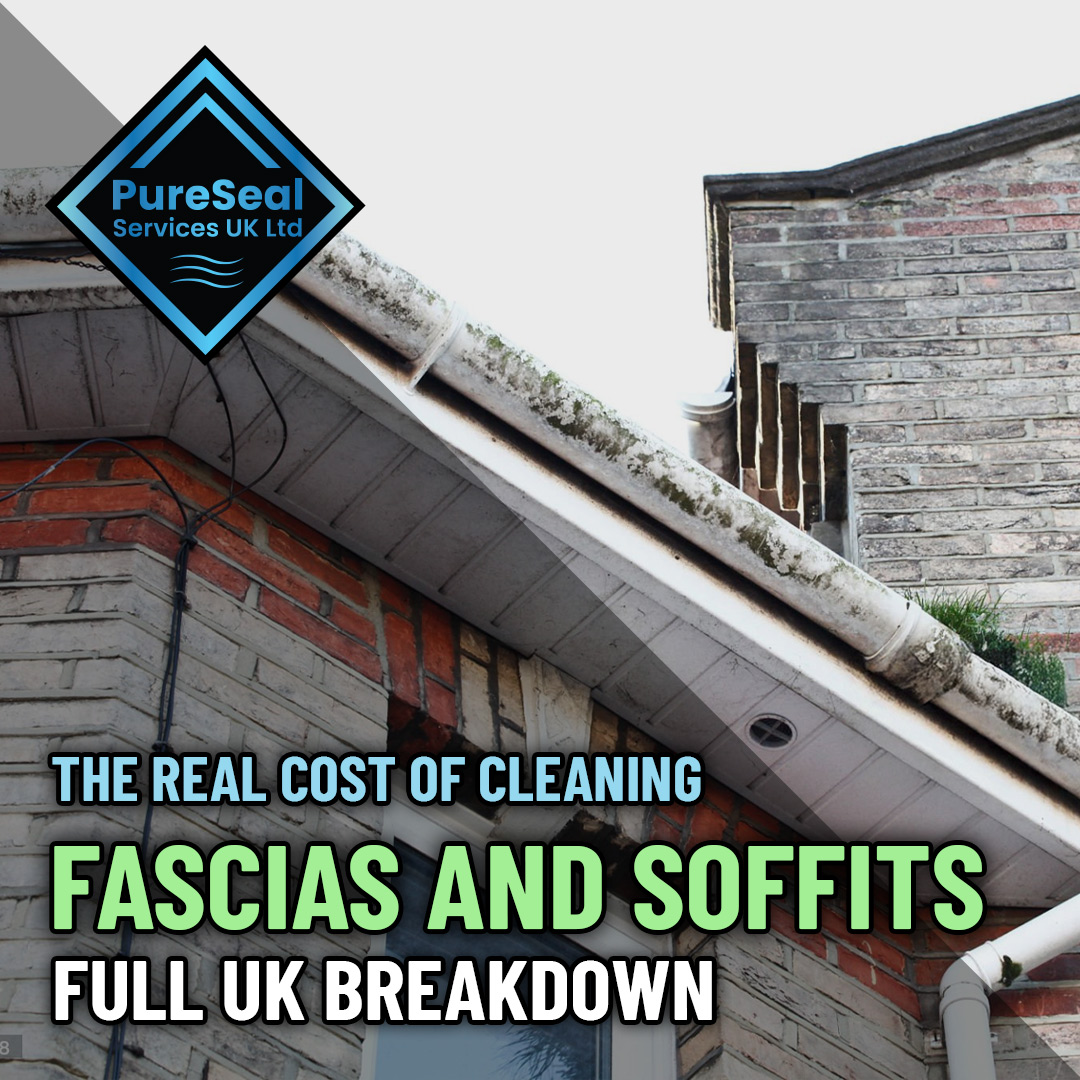
The Real Cost of Cleaning Fascias and Soffits: Full UK Breakdown
How Much Does It Cost to Clean Fascias and Soffits in the UK?
Keeping your fascias and soffits clean is one of those exterior maintenance jobs that can make a massive difference to the look of your home. These parts of your roofline not only protect your property from water damage but also frame your home’s exterior, contributing to its kerb appeal. Yet, they’re often neglected until the grime, mould, or algae become too obvious to ignore.
So, how much does it actually cost to clean fascias and soffits in the UK? The short answer is between £50 and £350, depending on your property type, size, and whether you choose to do it yourself or hire professionals. The long answer involves understanding what affects the price — from access requirements to cleaning methods.
Let’s break it down in detail.
1. What Are Fascias and Soffits?
Before we get into pricing, it’s worth understanding exactly what we’re cleaning.
| Component | Description | Function |
|---|---|---|
| Fascia Board | The long, straight board running along the lower edge of the roof. | Supports the bottom row of roof tiles and holds the guttering. |
| Soffit Board | The underside of the roof eaves, tucked between the wall and fascia. | Provides ventilation to the roof and covers the rafters. |
| Bargeboards | Decorative boards fitted to the gable ends of a roof. | Adds style and shields timbers from weather exposure. |
These boards are often made from uPVC (plastic), timber, or aluminium. uPVC is the most common and lowest maintenance, while timber needs regular painting or sealing.
2. Average Cost to Clean Fascias and Soffits
Cleaning costs vary depending on whether you hire a professional or do it yourself. The following table provides typical UK price ranges for professional fascia and soffit cleaning as of 2025.
| Property Type | Cleaning Method | Average Cost | Time Required |
|---|---|---|---|
| Small bungalow | Manual cleaning (ladder + cloths) | £50 – £90 | 1–2 hours |
| Two-bed semi-detached | Water-fed pole system | £90 – £150 | 2–3 hours |
| Three-bed detached house | Pressure wash or telescopic cleaning | £150 – £250 | 3–4 hours |
| Large detached / multi-storey | Access with scaffolding or cherry picker | £250 – £350+ | 4–6 hours |
These prices are for exterior cleaning only, not painting or replacing the boards.
3. Price Breakdown by Method
Different cleaning methods come with different costs, risks, and results. Here’s what you can expect:
| Method | Description | Pros | Cons | Typical Cost |
|---|---|---|---|---|
| Manual Cleaning (Ladder + Cloths) | Using warm water, detergent, and elbow grease. | Cheapest method; no machinery required. | Time-consuming; safety risk from ladders. | £50 – £120 |
| Water-Fed Pole System | Long telescopic pole with purified water and soft brush head. | No ladders; safe from ground; streak-free finish. | May not remove heavy staining. | £80 – £180 |
| Pressure Washing | High-pressure water jet directed at fascia and soffit. | Quick; removes heavy dirt and moss. | Risk of water ingress or damage if misused. | £100 – £250 |
| Gutter and Fascia Package | Combined cleaning of gutters, fascias, and soffits. | Great value; ensures full roofline clean. | Takes longer; requires full setup. | £150 – £300 |
| Access Equipment (Scaffold/Cherry Picker) | Used for tall or hard-to-reach buildings. | Necessary for safety; reaches high roofs. | Adds significant cost. | +£100 – £150 on top of cleaning price |
4. Factors That Affect Fascia and Soffit Cleaning Costs
Several elements determine how much you’ll pay for the job:
a. Size of Property
Naturally, the larger the home, the more linear metres of fascia and soffit there are to clean. A bungalow might take an hour or two, whereas a large detached house could take half a day.
b. Access Requirements
Access is the biggest cost variable. Homes with high roofs, conservatories, or difficult angles often need extra equipment like scaffolding or a cherry picker. These can add £100–£200 to the total cost.
c. Condition and Dirt Level
Light dust or cobwebs are easy to remove, but algae, black mould, or nicotine staining can require chemical treatment. Expect to pay £30–£50 more if specialist cleaning products are needed.
d. Location
Prices vary slightly by region:
-
London and the South East: Highest average (£150–£300)
-
Midlands and North: Moderate (£100–£200)
-
Scotland, Wales, and rural areas: Lowest average (£80–£150)
e. Material Type
-
uPVC: Easiest and cheapest to clean.
-
Wood: Requires gentle cleaning and sometimes re-painting or sealing.
-
Aluminium: Rare but durable; usually cleaned with mild detergent only.
f. Additional Services
Some homeowners choose to combine fascia cleaning with:
-
Gutter clearing: £40 – £80
-
Window cleaning: £30 – £60
-
Cladding wash-down: £50 – £120
Bundling these services usually saves money overall.
5. Typical Cost Examples
Below are realistic examples of what you might pay for different scenarios in the UK:
| Scenario | Details | Total Estimated Cost |
|---|---|---|
| Small bungalow with easy access | Manual clean of white uPVC fascias and soffits | £70 |
| Two-storey semi in Kent | Water-fed pole clean with gutter emptying | £130 |
| Large detached in Surrey | Pressure wash + cherry picker access | £320 |
| Wooden fascia boards requiring gentle wash | Ladder access + hand wash | £150 |
| Full package (fascias, soffits, gutters, windows) | For average 3-bed detached | £220 – £250 |
6. DIY vs Professional Cleaning
You might be tempted to do it yourself to save money — and in some cases, that’s a reasonable idea. Let’s weigh the pros and cons.
| Aspect | DIY Cleaning | Professional Cleaning |
|---|---|---|
| Cost | £20 – £50 (for cleaning products and equipment) | £80 – £350 (depending on home size) |
| Safety | Ladder risks; potential falls | Trained, insured, and equipped for height work |
| Quality | Depends on effort and tools | Consistent, streak-free finish |
| Time | 2–5 hours depending on experience | 1–3 hours typically |
| Longevity | May need more frequent cleaning | Lasts longer; often includes protective treatments |
DIY Equipment Costs
| Item | Average Cost |
|---|---|
| Extendable ladder | £70 – £150 |
| Bucket and soft brush | £10 – £20 |
| Mild detergent or uPVC cleaner | £10 – £15 |
| Hose or low-pressure washer | £50 – £120 |
| Protective gloves and goggles | £10 – £15 |
So while DIY might only cost £30–£50 per clean, you’ll spend more initially on gear. For tall properties, professional help is strongly advised for safety reasons.
7. How Often Should You Clean Fascias and Soffits?
Most professionals recommend cleaning twice per year, ideally:
-
Spring: To remove winter grime and mildew.
-
Autumn: To clear debris and prevent staining before winter.
If your home is shaded by trees or near main roads (where grime builds faster), quarterly cleaning may be worthwhile.
Regular maintenance extends the lifespan of your uPVC or timber boards and keeps them looking bright white, avoiding that grey or green tinge caused by algae growth.
8. What’s Included in a Professional Fascia & Soffit Clean?
A reputable cleaning service will usually provide:
| Step | Description |
|---|---|
| 1. Inspection | Checking condition, identifying damage or leaks. |
| 2. Gutter Clearing (if included) | Removing leaves and moss that overflow onto fascias. |
| 3. Pre-Rinse | Wetting surfaces to loosen dirt. |
| 4. Cleaning Solution Application | Using eco-friendly detergent or uPVC cleaner. |
| 5. Scrubbing / Brushing | Manual or pole-based agitation to remove grime. |
| 6. Rinse and Polish | Purified water rinse to prevent streaks. |
| 7. Final Check | Ensuring all sections are clean and intact. |
Some cleaners also apply a protective wax coating or hydrophobic treatment to repel dirt for longer — adding around £20–£40 to the cost.
9. Fascia and Soffit Cleaning Costs by UK Region
| Region | Average Range | Typical Midpoint |
|---|---|---|
| London | £150 – £350 | £250 |
| South East (Kent, Sussex, Surrey) | £120 – £280 | £200 |
| Midlands | £100 – £220 | £160 |
| North West & North East | £90 – £200 | £145 |
| Scotland | £80 – £180 | £130 |
| Wales & South West | £80 – £160 | £120 |
London’s higher rates mainly reflect labour costs and access challenges with older or taller buildings.
10. Cost Comparison: Cleaning vs Replacement
If your fascias and soffits are in poor shape, you might wonder whether cleaning is worth it or if you should replace them entirely. Here’s a rough cost comparison:
| Service | Average Cost (3-bed house) | Lifespan / Benefit |
|---|---|---|
| Professional Clean | £150 – £250 | Restores appearance; lasts 6–12 months |
| uPVC Repainting | £300 – £600 | Lasts 2–3 years before re-coating |
| Full Replacement (uPVC) | £1,500 – £2,500 | 20–30 years lifespan |
| Timber Replacement | £2,000 – £3,000+ | Requires ongoing maintenance |
Clearly, cleaning is the most cost-effective way to keep your roofline looking smart, provided the boards are structurally sound.
11. How to Tell When Cleaning Is Needed
You should consider cleaning your fascias and soffits if you notice any of the following:
-
Green or black algae streaks
-
Mould or mildew spots
-
Dull, faded, or yellowed plastic
-
Overflowing gutters
-
Cobwebs or insect nests under eaves
-
Peeling paint (for timber fascias)
Neglecting cleaning can lead to water ingress, wood rot, or blocked ventilation, especially in older properties.
12. Cost of Additional or Related Services
Sometimes it makes sense to tackle several exterior maintenance tasks at once. Here’s what you might expect to pay for add-ons:
| Service | Description | Typical Additional Cost |
|---|---|---|
| Gutter clearing | Removes leaves and moss buildup. | £40 – £80 |
| Gutter repair / alignment | Fixes leaks or sagging sections. | £60 – £120 |
| Conservatory roof clean | Often paired with fascia cleaning. | £70 – £150 |
| Cladding wash-down | Restores external wall panels. | £50 – £120 |
| Window cleaning (full house) | Usually discounted if done together. | £30 – £60 |
| Driveway / patio cleaning | Adds kerb appeal to whole property. | £100 – £200 |
Bundling services usually saves 10–20% compared to booking separately.
13. How Long Does the Cleaning Take?
The duration depends on property size and access. Typical times are:
| Property Type | Cleaning Duration |
|---|---|
| Small bungalow | 1–2 hours |
| Two-storey semi | 2–3 hours |
| Three-bed detached | 3–4 hours |
| Large detached / complex access | 4–6 hours |
If scaffolding is required, setup and removal can add an extra day to the process.
14. Environmental and Safety Considerations
Professional cleaners usually use biodegradable detergents and purified water to reduce environmental impact. Always check that they:
-
Are insured for working at height.
-
Use soft brushes, not abrasive pads.
-
Avoid strong bleach unless absolutely necessary (as it can discolour uPVC).
15. Seasonal Pricing Trends
Like many home maintenance tasks, fascia and soffit cleaning can fluctuate slightly in price through the year.
| Season | Demand | Typical Pricing Trend |
|---|---|---|
| Spring (Mar–May) | High (post-winter grime) | +10% |
| Summer (Jun–Aug) | Steady | Baseline prices |
| Autumn (Sep–Nov) | High (before winter) | +5–10% |
| Winter (Dec–Feb) | Low (cold weather delays) | −5% |
Booking during quieter months (winter or mid-summer) may help you secure a small discount.
16. Tips for Reducing Cleaning Costs
-
Bundle services: Combine fascia cleaning with gutter or window cleaning.
-
Regular maintenance: Frequent light cleaning is cheaper than deep cleans after years of neglect.
-
Keep access clear: Move bins, vehicles, and garden furniture so cleaners can work efficiently.
-
Ask for multi-property discounts: If you and your neighbours book together, many contractors reduce the rate per house.
-
Opt for a maintenance plan: Some companies offer bi-annual cleans at a discounted subscription price (e.g., £120 per year for two visits).
17. Example Cost Calculator (Estimate)
Here’s an example of how costs might add up for a typical UK semi-detached home:
| Item | Cost |
|---|---|
| Fascia & soffit cleaning (water-fed pole) | £120 |
| Gutter clearing | £50 |
| Windows cleaned | £40 |
| Total (standard service) | £210 |
| Optional: Protective coating | +£30 |
| Optional: Minor gutter repair | +£60 |
| Total with extras | £300 |
This gives a good sense of how your total bill might range between £150 and £300, depending on chosen extras.
18. Long-Term Maintenance Advice
To keep costs down over time:
-
Wipe fascias occasionally with soapy water between professional cleans.
-
Keep gutters clear to prevent dirty overflow streaks.
-
Inspect soffit vents annually to ensure they’re not blocked.
-
Avoid using coloured or abrasive cleaners that can damage the surface finish.
A well-maintained uPVC fascia can look almost new for 25 years or more, whereas neglected ones may need replacing far sooner.
19. Summary of Costs
| Property Type | Typical Cleaning Cost | With Extras (Gutters, Windows) |
|---|---|---|
| Bungalow | £50 – £90 | £100 – £150 |
| Terraced | £80 – £120 | £150 – £200 |
| Semi-Detached | £100 – £180 | £180 – £250 |
| Detached | £150 – £250 | £250 – £350 |
| Large / Multi-storey | £250 – £350+ | £350 – £450+ |
20. Final Thoughts
Cleaning your fascias and soffits might not be the most glamorous household task, but it’s one of the simplest ways to transform the look of your property and protect it from weather damage.
A typical UK homeowner can expect to pay around £150 to £250 for a full fascia and soffit clean, including gutters. DIY options are cheaper but come with safety risks and less durable results.
Regular maintenance — ideally twice a year — helps preserve your roofline, reduces the risk of costly replacements, and keeps your home looking sharp from the street.
When budgeting, remember that:
-
Access and property size are the biggest price drivers.
-
Combining services saves money in the long run.
-
uPVC is easiest to clean and maintain.
Ultimately, keeping your fascias and soffits clean is an investment in your home’s longevity and kerb appeal, not just its appearance.
21. Does Cleaning Fascias and Soffits Increase Property Value?
While cleaning alone won’t directly increase your property’s market value, it significantly improves kerb appeal — which can influence buyers’ first impressions. A clean roofline makes a home look well-cared-for, signalling to potential buyers that the property has been properly maintained.
If you’re selling, it’s a low-cost way to make your home stand out. Spending around £150–£200 on a professional clean could make a home appear several thousand pounds more appealing compared to one with stained or mouldy fascias.
22. Common Mistakes to Avoid When Cleaning
Homeowners often make errors that lead to damage or streaking. The most common mistakes include:
-
Using abrasive pads that scratch uPVC surfaces.
-
Applying bleach directly without dilution, causing yellowing.
-
Spraying high-pressure water upwards, which can force water under tiles or into soffit vents.
-
Neglecting safety equipment, especially when using ladders.
The safest approach is to use a soft-bristle brush, mild detergent, and avoid cleaning on windy or rainy days.
23. Signs You Might Need More Than a Clean
Sometimes cleaning reveals deeper issues. Be alert for:
-
Cracks or splits in fascia boards (sign of weather damage).
-
Peeling paint or bubbling timber fascia (moisture trapped beneath).
-
Loose soffit vents or rattling boards in strong wind.
-
Persistent black streaks even after cleaning (UV degradation).
If you notice any of these, it might be time to get a repairs estimate before proceeding with further cleaning.
24. Eco-Friendly Cleaning Options
Eco-conscious homeowners often prefer biodegradable and non-toxic cleaning agents. Many professionals now offer pure water cleaning, which uses no detergents at all. This method relies on deionised water that evaporates without leaving mineral spots.
For DIY cleaning, simple solutions like white vinegar diluted with warm water can remove light algae and grime naturally. Avoid harsh chemicals that may harm garden plants or run into drains.
25. Why Regular Cleaning Saves Money Long-Term
Neglecting fascia and soffit cleaning may seem harmless, but over time, dirt and algae trap moisture that can rot wooden boards or cause uPVC to degrade faster. Gutters can overflow, leading to damp patches on walls or ceilings.
By contrast, spending around £150 twice a year can prevent thousands in structural repairs later. Think of cleaning as preventative maintenance rather than a cosmetic expense — much like servicing your boiler or painting exterior walls.
Tags: Driveway cleaning, pressure washing, Roof Cleaning, Exterior cleaning, gutter cleaning, window cleaning, Patio cleaning
 Artificial and Sports Surfaces
 Awnings / Canopies / Gazebos
 Block Paving
 Brickwork
 Composite Surfaces
 Decking / Timber
 Granite
 Imprinted Concrete
 Internal Masonry
 Limestone
 Marble
 Metal Cladding
 Polished or Honed Stone
 Porcelain
 Render
 Resin Bond
 Road and Rail Signs
 Roof Tiles / Slates
 Sandstone
 Slate
Slate Solar Panels and Glass
 Stone Sills and Pier Caps
 Tarmac and Asphalt
 Gutters & UPVC
 Acid Damage
 Biofilm
 Bitumen
 Blood
Blood Carbon
 Concrete / Grout / Mortar
 Copper Oxide
 Efflorescence
 Egg
Egg Failed Sealer
 Fire Damage
 Fuel / Oil
 Graffiti
 Grease / Fat / Cooking Oil
 Lawn Fertiliser
 Lead Carbonate
 Lead Oxide
 Paint Splashes
 Rust
Rust Tar & Glue
 Tannin Removers
 Traffic Film Removers
 Trapped Moisture / Sealer Repairs
 Urine Neutralisers