

The Biggest Pressure Washing Quoting Mistakes That Cost You Jobs
Pressure Washing Bidding Mistakes to Avoid 🚿💷
Expert guidance for pressure washing businesses in the UK
Pressure washing is a highly competitive service in the UK, with demand from both residential and commercial clients. Whether you’re pitching for driveway cleaning, graffiti removal, patio restoration, or commercial façade work, getting your bid right can mean the difference between winning a job and losing money. Unfortunately, many businesses — especially new entrants — make avoidable mistakes that undermine their credibility, profitability, and long-term success.
This comprehensive guide explores key bidding mistakes to avoid and provides practical tools — including tables, examples, and strategies — to help you create winning bids that are both professional and profitable.
1. Failing to Understand the Client’s Needs 🧠📋
One of the biggest pressure washing bidding mistakes is not taking the time to truly understand what the client wants.
Why This Happens
-
Rushing to prepare a quote without a site visit.
-
Misinterpreting client emails or messages.
-
Assuming all pressure washing jobs are the same.
Consequences
-
Undershooting labour and material costs.
-
Proposing inappropriate solutions.
-
Damaging client trust.
How to Avoid It
Always ask detailed questions and, where possible, book a site visit. Confirm surface types, access issues, expected results, timelines, and budget constraints.
📌 Tip: Create a checklist to use during every initial consultation.
2. Underestimating Labour Costs ⏱️💷
Labour is one of your biggest costs — and one that’s very easy to underestimate.
Key Considerations
-
Time required for surface preparation.
-
Cleaning time per square metre.
-
Additional crew needs.
-
Breaks, travel time, and set-up/pack-down.
Example Calculation
| Task | Estimated Time | Cost Per Hour | Total £ |
|---|---|---|---|
| Site setup | 0.5 hr | £30 | £15 |
| Surface cleaning (200 m²) | 4 hrs | £30 | £120 |
| Rinse & final inspection | 0.5 hr | £30 | £15 |
| Travel time | 1 hr | £30 | £30 |
| Total Labour Cost | £180 |
Never use blanket hourly rates without accounting for actual time on site — especially traffic, parking difficulties, or client delays.
3. Ignoring Material & Chemical Costs 🧴📦
Pressure washing involves chemicals, cleaning solutions, surface protectants, and potentially specialist products depending on stains or contaminants.
Not budgeting these properly is a common error.
Typical Materials to Price
-
Cleaning detergents (alkaline, acidic, biodegradable options).
-
Milorganite or surface protectants (e.g., sealers).
-
Water delivery or waste water capture systems.
-
PPE (gloves, goggles, boots).
Material Cost Table Example
| Item | Use | Quantity | Unit Cost | Total £ |
|---|---|---|---|---|
| Heavy-duty detergent | Oil & grime | 5 L | £12.50 | £62.50 |
| Surface sealer | Post-clean protectant | 10 L | £18.00 | £180.00 |
| PPE (per job) | Safety | N/A | £10 | £10 |
| Waste water tank | Rental | 1 day | £45.00 | £45 |
| Total Materials | £297.50 |
👉 For specialist cleaning products, consider solutions such as those available at https://puresealservices.co.uk/. They sell a variety of cleansers, sealants, and detergents tailored for pressure washing and surface care.
4. Mispricing Equipment Wear & Tear 🔧📉
Pressure washers, hoses, nozzles, and attachments require maintenance. High-pressure equipment is expensive to replace, and failing to factor this into your bid erodes profit.
Ways to Account for Wear & Tear
-
Allocate a percentage of equipment cost per job.
-
Set aside a small equipment fund monthly.
-
Increase rates for heavy-use services (e.g., commercial concrete cleaning).
Example Allocation
| Equipment | Purchase Cost | Expected Lifespan (months) | Monthly Allocation | Per Job Allocation (10 jobs/mo) |
|---|---|---|---|---|
| Pressure washer | £1,500 | 36 | £41.67 | £4.17 |
| Hose & fittings | £300 | 24 | £12.50 | £1.25 |
| Nozzles & tips | £150 | 12 | £12.50 | £1.25 |
| Total | £66.67 | £6.67 |
Even small allocations add up and protect your business.
5. Not Including Travel & Logistics Costs 🚗🛣️
In a UK context, travel costs can be significant, especially if servicing clients across counties or rural areas.
Consider These Costs
-
Fuel (£ per mile/km).
-
Vehicle wear & tear.
-
Congestion charges or tolls.
-
Parking fees.
Travel Pricing Strategies
| Approach | Pros | Cons |
|---|---|---|
| Flat travel fee | Simple | May undercharge for long distances |
| Distance banding | Fairer | Slightly complex |
| Per mile charge | Accurate | Clients may push back |
Example:
Travel charge = 0.75p per mile (round trip 60 miles) = £45
Include travel in your quoted total or list it as a separate line item.
6. Overlooking Weather & Seasonal Variability 🌦️❄️
The UK weather is notoriously unpredictable. Wet or cold conditions can slow work down or require rescheduling.
Common Mistakes
-
Bidding closely without considering delays.
-
No contingency for rain-accelerated dilution of cleaners.
Practical Tips
✔ Build in buffer time.
✔ State in your quote that adverse weather may lead to additional charges or date changes.
✔ Consider seasonal pricing: winter months often involve fewer jobs but slower drying and more prep.
7. Failing to Account for Waste Water Compliance & Disposal 🚱📜
In the UK, controlling water pollution is a legal requirement. Letting contaminated water enter drains or watercourses can breach environmental regulations.
Key Considerations
-
Capturing waste water.
-
Using containment systems.
-
Proper disposal at approved facilities.
Cost Implications
Budget for:
-
Waste water collection systems.
-
Permit fees (if required).
-
Disposal tank rentals or tipping charges.
Failing to price these correctly is a serious professional error.
8. Providing Vague or Unprofessional Quotes 📄❌
Your quote is often the first impression for potential clients. Unclear or sloppy quotes give the impression you don’t value professionalism.
What to Avoid
-
Handwritten or casual estimates.
-
No breakdown of costs.
-
No terms and conditions.
What to Include
-
Your business branding.
-
Clear description of services.
-
Itemised cost breakdown.
-
Terms like payment schedule, cancellation policy, and validity period.
Sample Quote Breakdown Table
| Item | Description | Cost £ |
|---|---|---|
| Surface cleaning | Concrete patio (150 m²) | £225 |
| Materials & chemicals | Including detergents from Pure Seal | £65 |
| Labour | 3 hours @ £30 | £90 |
| Travel | 40 miles @ 0.75p | £30 |
| Waste water disposal | Containment & tipping | £35 |
| Total | £445 |
Clarity builds trust — and dramatically improves conversion rates.
9. Ignoring Market Rates & Competition 📊💡
While you should never underprice just to “win work”, ignoring local market rates can price you out or undercut your worth.
What to Research
-
Average rates for similar services in your region.
-
Commercial vs residential pricing.
-
Seasonal fluctuations.
Benchmarking Table Example
| Job Type | Typical UK Rate | Your Proposed Rate | Notes |
|---|---|---|---|
| Driveway cleaning (per m²) | £1.50–£2.50 | £2.00 | Mid-market |
| Patio cleaning (per m²) | £2.00–£3.50 | £2.80 | Quality focus |
| Commercial façade | £3.00–£5.00 | £4.50 | Heavy duty |
Use market data as a guide, but always align with your actual costs and value proposition.
10. Under-estimating Risk & Safety Costs ⚠️🛡️
Pressure washing can be hazardous. Failing to account for risk mitigation — including insurance, PPE, and safety planning — is a major bidding mistake.
Safety Elements to Price
-
Public liability insurance.
-
PPE for you and staff.
-
Job-specific risk assessments.
-
Traffic management (if required).
-
First aid provisions.
🧰 Safety Planning Checklist
-
Site risk assessment completed?
-
PPE provided for all staff?
-
Insurance coverage confirmed?
-
Public protection measures in place?
-
Client safety briefing given?
Safety isn’t optional — and neither is pricing it properly.
11. Forgetting Payment Terms & Cash Flow Planning 💰📆
Winning a job is great — getting paid on time is essential.
Common Mistakes
-
No deposit requested.
-
Net 30 or longer terms without risk assessment.
-
No late payment fees.
Suggested Payment Terms
| Term | Recommendation |
|---|---|
| Deposit | 30–50% before work starts |
| Remaining balance | On completion or within 7 days |
| Late payment fee | 5% after due date |
Clear terms protect your cash flow and reduce disputes.
12. Bidding Without a Follow-Up Strategy 📞📧
A quote shouldn’t be a one-and-done communication. Most clients need a little persuasion.
Follow-Up Workflow
-
Send quote with personalised message.
-
Follow up after 24–48 hours.
-
Address questions promptly.
-
Send reminder before quote expiry.
Consistency and professionalism differentiate you from competitors who never follow up.
13. Ignoring Customer Experience & Presentation 🌟🙌
People hire people — and trust businesses that look professional.
Presentation Matters
-
Branded quote documents.
-
Friendly, clear communication.
-
On-time consultations.
-
Thank you notes post-job.
Experience shapes referrals and repeat business.
14. Bidding Too Low — A “Race to the Bottom” Trap 🐌⚠️
Competing solely on price often leads to thin margins and exhausted teams.
Why It’s a Mistake
-
You devalue your services.
-
Clients may judge quality by price.
-
You increase pressure to cut corners.
Instead, differentiate on quality, reliability, and value — not just price.
15. Forgetting to Build Profit Into Every Bid 📈💼
At the end of the day, your business must be profitable.
Profit Margin Calculation
| Cost Component | £ |
|---|---|
| Labour | £180 |
| Materials | £297.50 |
| Travel | £30 |
| Waste disposal | £35 |
| Overheads (10%) | £54.25 |
| Total Cost | £596.75 |
| Desired profit (20%) | £119.35 |
| Final Quote | £716.10 |
Without profit, even a full schedule won’t sustain your business.
16. Not Updating Bids Regularly 🔄🗓️
Costs change. Fuel increases, supply prices fluctuate, and staffing costs rise.
Update Checklist
✔ Review materials cost monthly
✔ Adjust labour rates annually
✔ Revisit travel pricing quarterly
✔ Update equipment allocations yearly
Regular updates keep your bids accurate and profitable.
17. Overlooking Terms & Conditions Legalities 📜⚖️
A solid quote isn’t just numbers — it’s legal protection.
Important Clauses
-
Scope of work.
-
Cancellation policy.
-
Client responsibilities (e.g., access, parking).
-
Liability limits.
-
Warranty or guarantee terms.
A well-written set of terms prevents misunderstandings and disputes.
18. Bidding Without Differentiation 🏆✨
If every quote looks like everyone else’s, why should a client choose you?
Add Value With
-
Guarantees (e.g., satisfaction or re-cleaning).
-
Premium cleaning products from sources like https://puresealservices.co.uk/.
-
Clear before/after photo documentation.
-
Service bundles (e.g., cleaning + protection).
Stand out — don’t blend in.
19. Ignoring Feedback from Lost Bids 📣📊
Each lost bid is an opportunity to improve.
Ask Clients
-
Why wasn’t your quote chosen?
-
Was anything unclear?
-
Were prices too high or expectations misaligned?
Document feedback and refine your bidding process.
20. Not Using Technology to Streamline Bidding 🧑💻📲
Manual quoting is slow and error-prone.
Useful Tools
-
Digital quote templates.
-
CRM systems for follow-ups.
-
Price calculators.
-
Mobile apps for on-site measurements.
Tech reduces errors and improves professionalism.
Conclusion 🏁
Bidding for pressure washing work is both an art and a science. Skilled bidders combine accurate cost estimation, professional presentation, and excellent communication to secure profitable contracts. Avoiding common mistakes — from underpricing to ignoring legal terms — will strengthen your reputation and help your business thrive.
Remember, a bid isn’t just a price — it’s a promise of value, quality, and professionalism. Craft yours with care, diligence, and thoughtful pricing, and your business will grow sustainably in the competitive UK market. 🚀💼
21. Not Separating Residential and Commercial Pricing 🏠🏢
One of the biggest strategic errors in pressure washing bidding is treating domestic and commercial jobs as though they should be priced the same way. They absolutely should not.
Residential jobs usually involve:
-
Smaller surface areas
-
Simpler access
-
Shorter timeframes
-
Lower insurance exposure
Commercial jobs, on the other hand, bring:
-
Larger square metreage
-
Higher foot traffic and safety risks
-
Out-of-hours working requirements
-
More paperwork and compliance
If you charge domestic-style rates for commercial properties, you are quietly destroying your profit margins.
Residential vs Commercial Pricing Comparison
| Factor | Residential Job | Commercial Job |
|---|---|---|
| Average size | 30–150 m² | 300–5,000 m² |
| Insurance exposure | Low | High |
| Equipment wear | Moderate | Heavy |
| Payment speed | Immediate | 30–60 days |
| Risk level | Low | High |
Commercial work must always carry a premium to account for risk, paperwork, delayed payment, and equipment strain.
22. Forgetting to Price in Admin Time 🧾⏳
Many pressure washing businesses calculate the cost of cleaning — but forget the cost of running the job.
Every quote includes hidden labour:
-
Emails and phone calls
-
Writing the quote
-
Booking the job
-
Sending invoices
-
Chasing payment
-
Filing paperwork
This time is real work and must be priced into every job.
Admin Cost Example (Per Job)
| Task | Time | Hourly Value | Cost |
|---|---|---|---|
| Initial enquiry | 10 mins | £30 | £5 |
| Site visit | 30 mins | £30 | £15 |
| Quote writing | 15 mins | £30 | £7.50 |
| Invoicing & admin | 20 mins | £30 | £10 |
| Total admin cost | £37.50 |
If you do not add this into your pricing, you are effectively working unpaid every time you quote.
23. Failing to Explain Why Your Price Is What It Is 💬💷
Many clients will say, “You’re more expensive than someone else.”
That does not mean you are overpriced — it means you have not justified your value.
When clients understand what they are paying for, price becomes less important.
What Clients Actually Pay For
-
Professional-grade equipment
-
Commercial-strength detergents and sealers
-
Safe waste water handling
-
Trained and insured technicians
-
Reliable scheduling
-
Guaranteed results
Adding even a short explanation to your quote about why your service costs what it does dramatically improves acceptance.
People rarely object to paying more — they object to not knowing why.
24. Not Accounting for Difficult Surfaces 🧱🧪
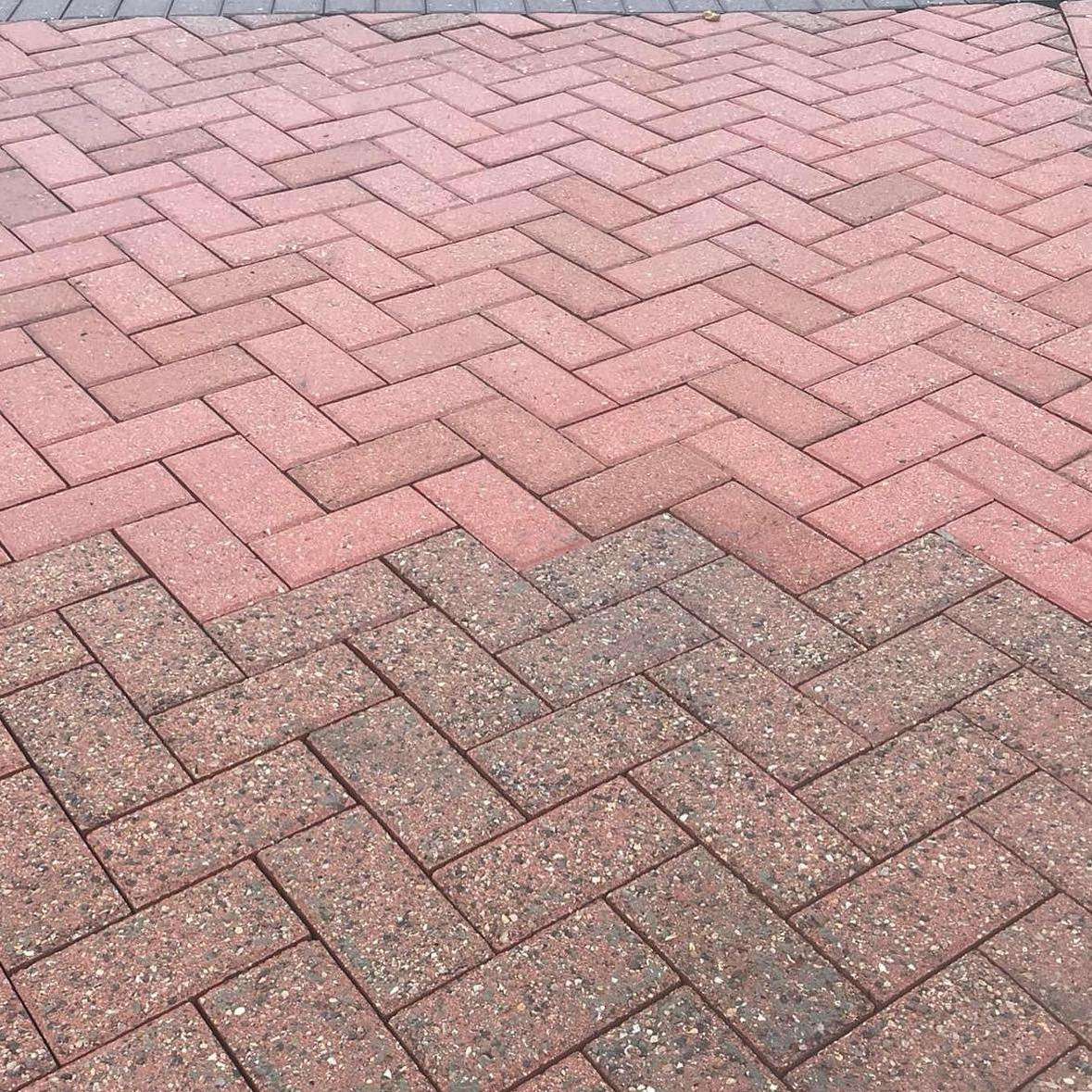
Not all surfaces are created equal. A block-paved driveway covered in black algae is far more difficult than a lightly soiled concrete slab — yet many bids treat them the same.
Surfaces that require higher pricing:
-
Block paving
-
Natural stone
-
Rendered walls
-
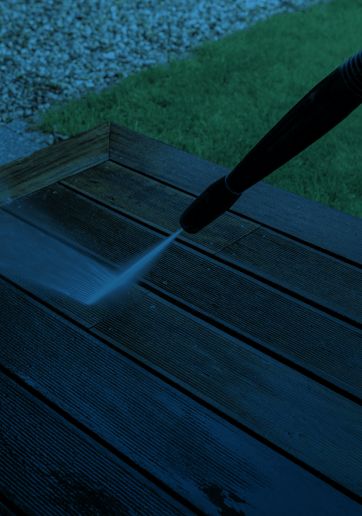
Wooden decking
-
Oil-stained concrete
-
Lichen and heavy algae growth
These surfaces require:
-
More chemicals
-
Slower cleaning
-
Lower pressure
-
More rinsing
-
Higher skill
Surface Difficulty Pricing Guide
| Surface Type | Difficulty Level | Price Adjustment |
|---|---|---|
| Smooth concrete | Low | Standard rate |
| Block paving | Medium | +20% |
| Natural stone | High | +30–40% |
| Wood decking | High | +30% |
| Oil-stained concrete | Very high | +40–50% |
If you do not charge more for harder surfaces, you are subsidising difficult work with easy jobs — and that never ends well.
25. Not Charging for Urgent or Short-Notice Jobs 🚨📆
Clients often want work done immediately. That urgency has value — and it should be priced.
Short-notice jobs disrupt:
-
Your schedule
-
Your fuel planning
-
Your staff availability
-
Other booked clients
If a customer wants you to prioritise them, they should expect to pay for it.
Urgency Pricing Structure
| Booking Notice | Price Adjustment |
|---|---|
| 7+ days | Standard |
| 3–6 days | +10% |
| 1–2 days | +20% |
| Same day | +30–50% |
This not only increases profit but discourages unrealistic expectations.
Urgency equals premium service — and premium service should command a premium price.
Tags: gutter cleaning, window cleaning, Patio cleaning, Driveway cleaning, pressure washing, Roof Cleaning, Exterior cleaning
 Artificial and Sports Surfaces
 Awnings / Canopies / Gazebos
 Block Paving
 Brickwork
 Composite Surfaces
 Decking / Timber
 Granite
 Imprinted Concrete
 Internal Masonry
 Limestone
 Marble
 Metal Cladding
 Polished or Honed Stone
 Porcelain
 Render
 Resin Bond
 Road and Rail Signs
 Roof Tiles / Slates
 Sandstone
 Slate
Slate Solar Panels and Glass
 Stone Sills and Pier Caps
 Tarmac and Asphalt
 Gutters & UPVC
 Acid Damage
 Biofilm
 Bitumen
 Blood
Blood Carbon
 Concrete / Grout / Mortar
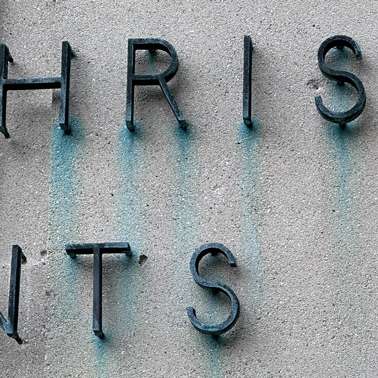 Copper Oxide
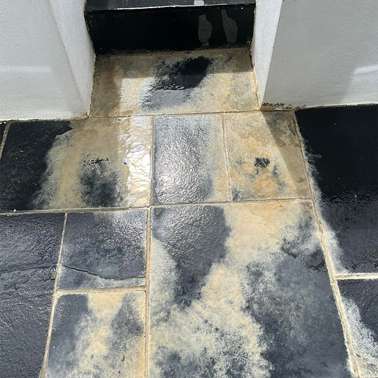 Efflorescence
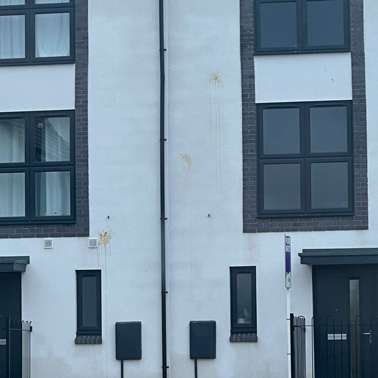 Egg
Egg Failed Sealer
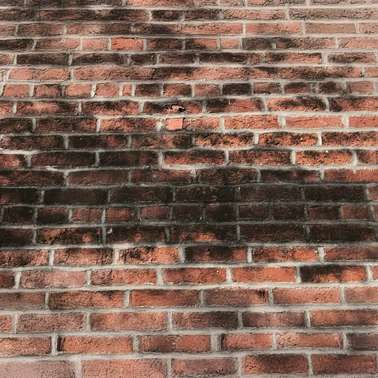 Fire Damage
 Fuel / Oil
 Graffiti
 Grease / Fat / Cooking Oil
 Lawn Fertiliser
 Lead Carbonate
 Lead Oxide
 Paint Splashes
 Rust
Rust Tar & Glue
 Tannin Removers
 Traffic Film Removers
 Trapped Moisture / Sealer Repairs
 Urine Neutralisers