How to Scale a Pressure Washing Business Faster: Growth Strategies That Work
Running a successful pressure washing business is one thing. Scaling it into a highly profitable company that consistently wins larger contracts, employs multiple teams and generates predictable revenue is another challenge entirely.
Many pressure washing businesses reach a point where growth begins to slow. The owner becomes trapped completing surveys, quoting jobs, carrying out the work, managing enquiries and dealing with administration. While turnover may continue increasing, profits often remain relatively flat because the business relies entirely on the owner’s time.
The businesses that scale successfully build systems instead of simply working longer hours.
At
Pure Seal Services we understand what it takes to build an exterior cleaning business capable of delivering premium services while maintaining exceptionally high standards. Rather than competing on price, successful companies focus on reputation, efficiency and delivering results customers are happy to pay for.
What Does Scaling Actually Mean?
Scaling isn’t simply increasing turnover.
A business that doubles its revenue but also doubles its costs hasn’t truly grown.
Instead, scaling means increasing revenue faster than operating costs while maintaining quality.
| Small Business |
Scaled Business |
| Owner completes every job |
Multiple trained teams |
| Inconsistent enquiries |
Predictable lead generation |
| Manual paperwork |
Automated systems |
| Competing on price |
Premium pricing |
| Limited service area |
Larger regional coverage |
| Owner works in business |
Owner manages business |
The aim is to create a company that continues growing without relying entirely on one individual.
Build Systems Before Expanding
One of the biggest mistakes new business owners make is employing staff before they have repeatable systems.
If every quote, every job and every customer experience is completed differently, employing additional technicians simply creates more inconsistency.
Document every process.
Examples include:
- Customer enquiry handling
- Quoting procedures
- Equipment loading
- Chemical mixing
- Health and safety checks
- Before and after photographs
- Customer handover
- Invoice procedures
- Follow-up emails
When every employee follows the same process, quality becomes consistent regardless of who completes the work.
Focus on Premium Customers Rather Than Cheap Jobs
Many pressure washing businesses believe growth comes from lowering prices.
The opposite is usually true.
Premium customers typically:
- Expect better service
- Value professionalism
- Are less likely to negotiate
- Recommend businesses more often
- Purchase additional services
- Leave better reviews
Competing solely on price creates a race to the bottom.
Instead, build your brand around:
- Reliability
- Excellent communication
- Professional appearance
- Specialist equipment
- Fully insured work
- Outstanding customer service
Customers buying premium services expect to pay premium prices.
Know Your Numbers
Growing without understanding profitability is extremely risky.
Every business owner should know the cost of completing each job.
Typical expenses include:
| Business Cost |
Example |
| Fuel |
£25–£150 per week |
| Chemicals |
£5–£80 per job |
| Staff wages |
Largest overhead |
| Equipment maintenance |
Annual servicing |
| Vehicle costs |
Finance, tax and insurance |
| Advertising |
Monthly marketing spend |
| Office software |
CRM, accounting, scheduling |
| Insurance |
Public liability and employers’ liability |
Without accurate figures it’s impossible to know whether increased turnover actually means increased profit.
Stop Selling Pressure Washing
Customers rarely buy pressure washing.
They buy:
- Cleaner homes
- Better kerb appeal
- Increased property value
- Safer surfaces
- Pride in their property
- Reduced maintenance
Your marketing should focus on outcomes rather than equipment.
Instead of saying:
“We use commercial pressure washers.”
Say:
“Restore your driveway to look its best while improving safety and enhancing the appearance of your property.”
People buy benefits.
Invest in Better Equipment
Scaling requires equipment that improves productivity.
Cheaper machines often create:
- More downtime
- Lower cleaning performance
- Higher repair costs
- Slower job completion
Premium equipment usually pays for itself through improved efficiency.
Consider investing in:
| Equipment |
Benefit |
| Larger flat surface cleaners |
Faster driveway cleaning |
| Hot water systems |
Improved grease removal |
| High-capacity hose reels |
Reduced setup time |
| Water tanks |
Greater flexibility |
| Professional trailers |
Faster loading |
| Soft washing equipment |
Additional services |
Although initial investment can be significant, completing more work each day quickly improves profitability.
Increase Your Average Job Value
One of the fastest ways to grow isn’t finding more customers.
It’s increasing the value of every existing customer.
For example:
| Original Job |
Additional Services |
| Driveway cleaning |
Patio cleaning |
| Patio cleaning |
Pathway cleaning |
| Roof cleaning |
Gutter clearing |
| Pressure washing |
Sanding and sealing |
| Render cleaning |
Biocide treatment |
Small increases in average invoice value can dramatically increase annual turnover without increasing marketing costs.
Develop Recurring Revenue
Many pressure washing businesses rely entirely on one-off work.
Recurring customers provide stability.
Examples include:
- Commercial property maintenance
- Schools
- Care homes
- Retail parks
- Hotels
- Industrial estates
- Housing associations
- Block management companies
Annual maintenance contracts reduce seasonal fluctuations and create predictable income.
Create Standardised Service Packages
Customers often struggle when presented with endless options.
Instead, create clear packages.
| Package |
Suitable For |
| Essential Clean |
Light surface cleaning |
| Premium Exterior Clean |
Multiple exterior surfaces |
| Complete Property Refresh |
Full exterior cleaning package |
| Annual Maintenance Plan |
Ongoing maintenance |
Standardised packages simplify quoting while increasing customer confidence.
Build a Strong Online Reputation
Reviews have become one of the biggest factors influencing purchasing decisions.
Encourage every satisfied customer to leave feedback.
Best practices include:
- Asking immediately after completion
- Sending follow-up reminders
- Including review links in emails
- Responding professionally to every review
- Sharing testimonials on your website
A business with hundreds of excellent reviews often commands significantly higher prices than competitors with very few.
Improve Your Website
Your website should generate enquiries every day.
Essential features include:
- Mobile-friendly design
- Fast loading speeds
- Clear contact forms
- Before and after galleries
- Customer testimonials
- Frequently asked questions
- Service pages
- Local area pages
Most customers research businesses before making contact.
A professional website helps establish trust before the first conversation even takes place.
Specialise Instead of Offering Everything
Many companies advertise dozens of unrelated services.
Successful businesses often become known for doing a small number of services exceptionally well.
Specialist services may include:
- Driveway cleaning
- Commercial pressure washing
- Render cleaning
- Roof cleaning
- Soft washing
- Patio restoration
- Sealing services
Specialists are generally able to command higher prices because customers perceive greater expertise.
Build Efficient Daily Routes
Travelling wastes valuable time.
Grouping jobs by geographical area allows your team to:
- Reduce fuel costs
- Complete more work each day
- Minimise vehicle wear
- Increase productivity
- Improve scheduling
Even saving thirty minutes of travel each day soon adds up across an entire year.
Invest in Staff Training
Your team represents your business.
Proper training improves:
| Benefit |
Result |
| Consistency |
Higher customer satisfaction |
| Efficiency |
Faster job completion |
| Safety |
Fewer accidents |
| Confidence |
Better customer interaction |
| Quality |
Stronger reputation |
Regular refresher training helps maintain standards as your business grows.
Use Business Software
Manual paperwork becomes increasingly difficult as enquiries increase.
Modern software can automate:
- Scheduling
- Customer records
- Quotes
- Invoices
- Payment reminders
- Job sheets
- Staff calendars
- Customer communications
Automation saves hours every week and reduces administrative errors.
Target Commercial Work
Commercial projects often produce significantly higher invoice values than residential work.
Potential clients include:
| Commercial Sector |
Opportunities |
| Retail |
Forecourts and entrances |
| Schools |
Playgrounds and pathways |
| Healthcare |
External cleaning |
| Industrial sites |
Yard cleaning |
| Property management |
Ongoing maintenance |
| Hospitality |
Hotels and restaurants |
Commercial customers also tend to require repeat maintenance, creating long-term business relationships.
Price for Profit, Not for Volume
One of the biggest barriers to sustainable growth is underpricing.
Winning every quotation rarely means your prices are correct.
Premium businesses understand that higher prices allow them to invest in:
- Better equipment
- Skilled staff
- Training
- Insurance
- Health and safety
- Customer service
- Marketing
- Quality control
Customers looking purely for the cheapest quote are rarely the most profitable or loyal.
Charging appropriately enables your business to deliver a consistently higher standard of service while building a stronger reputation in the long term.
Build a Recognisable Brand
Many pressure washing businesses look almost identical to potential customers. Similar vans, similar logos and similar marketing messages make it difficult to stand out.
Strong branding helps customers remember your business long after they’ve seen your advert or website.
Your branding should be consistent across:
- Website
- Vans and trailers
- Uniforms
- Social media
- Quotations
- Invoices
- Business cards
- Email signatures
Professional branding creates trust before you even arrive at the property.
Customers are often willing to pay more when they perceive a business as established and reliable.
Expand Your Service Area Carefully
Covering a larger geographical area can increase enquiries, but travelling excessive distances can quickly reduce profits.
Rather than accepting work anywhere, expand in stages.
| Stage |
Focus |
| Stage 1 |
Dominate your local town |
| Stage 2 |
Cover neighbouring towns |
| Stage 3 |
Expand across the county |
| Stage 4 |
Develop regional teams |
This approach allows you to build a strong reputation in each area before moving further afield.
Dedicated local service pages on your website can also improve search engine visibility for each town you cover.
Master Time Management
As businesses grow, time becomes your most valuable asset.
Track how your working week is actually spent.
You may discover large amounts of time are lost through:
- Travelling between jobs
- Preparing quotations
- Answering repetitive phone calls
- Ordering supplies
- Chasing payments
- Completing paperwork
Delegating or automating these tasks allows you to spend more time focusing on activities that generate revenue.
Develop Multiple Lead Sources
Relying on a single source of enquiries is risky.
If one marketing channel slows down, your business may experience an immediate drop in work.
A balanced strategy might include:
| Lead Source |
Benefits |
| Website |
Long-term organic enquiries |
| Google Business Profile |
Local visibility |
| Social media |
Brand awareness |
| Customer referrals |
High conversion rates |
| Repeat customers |
Lower acquisition costs |
| Commercial tenders |
Larger contracts |
| Vehicle branding |
Continuous advertising |
The wider your lead generation strategy, the more stable your business becomes.
Encourage Customer Referrals
Happy customers are often your best salespeople.
Create a customer experience that people naturally want to recommend.
Simple actions include:
- Arriving on time
- Excellent communication
- Respecting the customer’s property
- Leaving work areas tidy
- Providing clear aftercare advice
- Following up after the job
Word-of-mouth recommendations often convert into higher-quality customers who already trust your business before requesting a quotation.
Introduce Maintenance Plans
Instead of completing a driveway clean every five years, encourage customers to maintain their property regularly.
Maintenance plans can include scheduled visits for:
- Patio cleaning
- Driveway washing
- Algae treatments
- Gutter clearing
- Soft washing
- Seasonal inspections
This creates predictable revenue while helping customers keep their properties looking their best all year round.
Monitor Key Performance Indicators (KPIs)
Growing businesses make decisions based on data rather than guesswork.
Useful KPIs include:
| KPI |
Why It Matters |
| Average quotation value |
Tracks pricing improvements |
| Conversion rate |
Measures sales performance |
| Average job value |
Indicates upselling success |
| Customer acquisition cost |
Shows marketing efficiency |
| Repeat customer percentage |
Measures loyalty |
| Monthly revenue |
Tracks growth |
| Gross profit margin |
Measures profitability |
| Team productivity |
Identifies efficiency gains |
Reviewing these figures each month allows you to identify trends before they become problems.
Build a Reliable Team
Hiring quickly can create long-term issues.
Instead, recruit people who match your company’s values and commitment to quality.
Look for employees who are:
- Reliable
- Professional
- Safety conscious
- Customer focused
- Willing to learn
- Good communicators
A dependable team allows you to step away from day-to-day operations with confidence.
Standardise Your Quotations
Professional quotations improve conversion rates.
Every quotation should clearly explain:
- What is included
- What is excluded
- Expected timescales
- Health and safety considerations
- Payment terms
- Guarantee information where applicable
Customers appreciate clarity, particularly when comparing several contractors.
A well-presented quotation reinforces the impression of a premium business.
Invest in Customer Service
Excellent customer service often becomes a company’s biggest competitive advantage.
Respond to enquiries promptly.
Keep customers informed if schedules change.
Answer questions professionally.
Small improvements in communication frequently generate more positive reviews than the cleaning work alone.
Remember that customers judge the entire experience, not just the finished result.
Reduce Downtime
Every hour your equipment isn’t working costs money.
Implement preventative maintenance for:
- Pressure washers
- Pumps
- Hoses
- Surface cleaners
- Vehicles
- Trailers
Routine servicing is usually far cheaper than emergency repairs during busy periods.
Keeping spare parts and essential consumables in stock can also reduce delays.
Improve Cash Flow
A profitable business can still experience financial difficulties if cash flow is poorly managed.
Consider:
| Strategy |
Benefit |
| Prompt invoicing |
Faster payment |
| Clear payment terms |
Reduced disputes |
| Deposit requests where appropriate |
Improved cash flow |
| Digital payment options |
Faster transactions |
| Regular financial reviews |
Better planning |
Strong cash flow allows you to invest confidently in equipment, marketing and staff.
Diversify Your Services Carefully
Adding complementary services can increase revenue without dramatically increasing marketing costs.
Examples include:
- Soft washing
- Roof cleaning
- Render cleaning
- Patio sealing
- Driveway sealing
- Commercial exterior cleaning
- Graffiti removal
However, only introduce new services when you can deliver them to the same high standard as your existing work.
Poor quality in one area can damage your overall reputation.
Build Relationships with Commercial Clients
Commercial customers often value reliability more than low prices.
Develop long-term relationships by:
- Delivering work safely
- Meeting agreed deadlines
- Providing detailed risk assessments where required
- Maintaining excellent communication
- Being flexible around operational hours
Satisfied commercial clients frequently recommend contractors to other businesses within their network.
Reinvest in Growth
As profits increase, resist the temptation to withdraw every pound from the business.
Strategic reinvestment often produces significantly greater long-term returns.
Areas worth investing in include:
| Investment |
Potential Return |
| Additional vehicles |
Increased capacity |
| Better equipment |
Improved productivity |
| Marketing |
More enquiries |
| Staff training |
Higher quality |
| Software |
Greater efficiency |
| Branding |
Stronger reputation |
Consistent reinvestment allows sustainable expansion without compromising service quality.
Avoid the Most Common Growth Mistakes
Rapid growth can expose weaknesses within a business.
Common mistakes include:
- Taking on too much work too quickly
- Underpricing to win contracts
- Hiring without proper training
- Neglecting customer service
- Failing to monitor profitability
- Ignoring equipment maintenance
- Expanding before systems are established
- Chasing turnover instead of profit
Recognising these challenges early helps build a stronger, more resilient business.
Create a Business That Works Without You
The ultimate goal of scaling is to create a business that doesn’t depend entirely on the owner being on-site every day.
This requires:
- Documented systems
- Trusted team members
- Strong leadership
- Reliable marketing
- Consistent customer service
- Financial control
- Clear business objectives
When every part of the business operates efficiently, growth becomes far more predictable.
Owners can then focus on strategy, business development and expanding into new markets instead of being involved in every quotation and every job.
Businesses that achieve this level of organisation are often able to command premium prices because customers recognise the professionalism behind every stage of the service. By continually improving systems, investing in people and maintaining exceptionally high standards, long-term sustainable growth becomes far more achievable than simply trying to complete more jobs each week.






 Artificial and Sports Surfaces
 Awnings / Canopies / Gazebos
 Block Paving
 Brickwork
 Composite Surfaces
 Decking / Timber
 Granite
 Imprinted Concrete
 Internal Masonry
 Limestone
 Marble
 Metal Cladding
 Polished or Honed Stone
 Porcelain
 Render
 Resin Bond
 Road and Rail Signs
 Roof Tiles / Slates
 Sandstone
 Slate
Slate Solar Panels and Glass
 Stone Sills and Pier Caps
 Tarmac and Asphalt
 Gutters & UPVC
 Acid Damage
 Biofilm
 Bitumen
 Blood
Blood Carbon
 Concrete / Grout / Mortar
 Copper Oxide
 Efflorescence
 Egg
Egg Failed Sealer
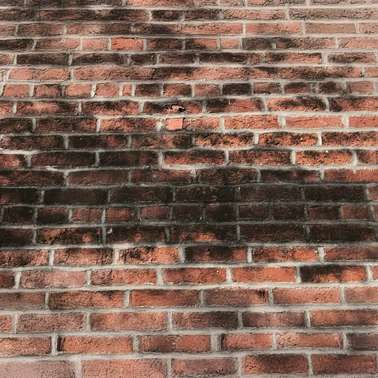 Fire Damage
 Fuel / Oil
 Graffiti
 Grease / Fat / Cooking Oil
 Lawn Fertiliser
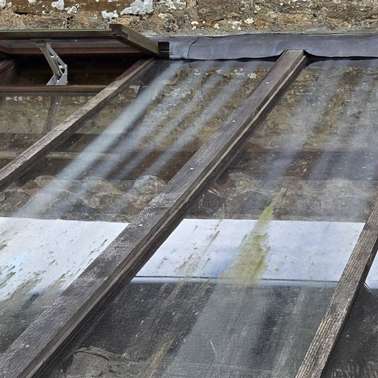 Lead Carbonate
 Lead Oxide
 Paint Splashes
 Rust
Rust Tar & Glue
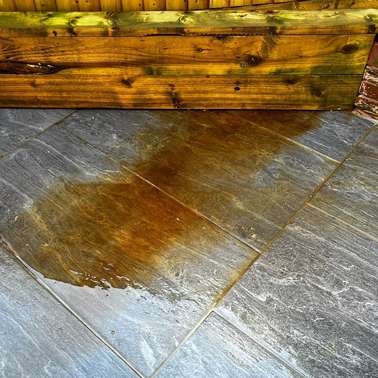 Tannin Removers
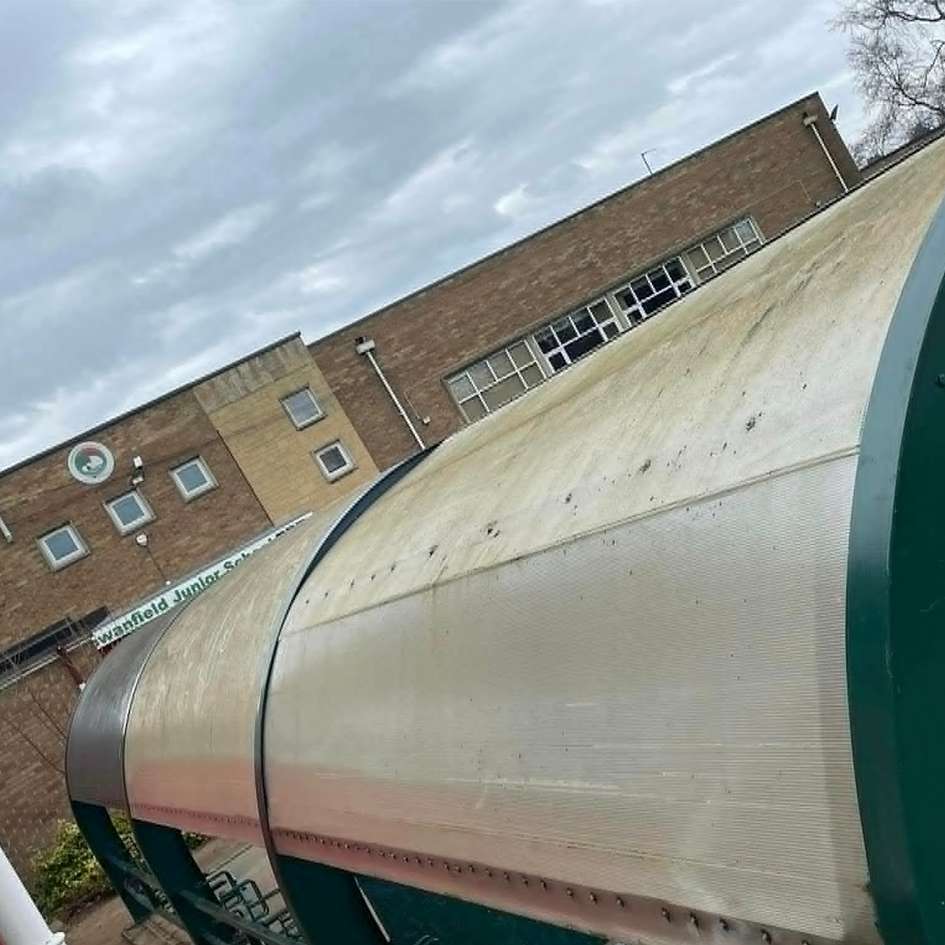 Traffic Film Removers
 Trapped Moisture / Sealer Repairs
 Urine Neutralisers