

A Complete Guide for UK Homeowners – DIY vs Professional Cleaning
Introduction: The Temptation of the Pressure Washer
If you’ve ever watched a pressure washer in action — stripping away years of grime in seconds — you’ll understand why so many homeowners are tempted to do it themselves. It’s oddly satisfying and potentially a lot cheaper than calling someone out.
So the question naturally comes up:
“Can I pressure wash my own house?”
The short answer: Yes, you can — but the more accurate answer is: Yes, if you understand the risks, the right technique, and when to call in a pro.
1. Why People in the UK Choose DIY Pressure Washing
| Benefit | Why It’s Appealing |
|---|---|
| Save Money | Avoid paying for labour and travel costs. |
| Instant Results | No waiting for an appointment. |
| Control Over the Process | You choose the products and pressure level. |
| Satisfaction | It feels good to see the transformation you created. |
Example:
Renting a pressure washer from a UK tool hire shop like HSS or Jewson can cost £40–£60 per day, compared to paying £200–£400 for a professional exterior clean.
2. The Downsides and Dangers of DIY
| Risk | Potential Problem |
|---|---|
| Damage to Surfaces | Stripping paint, denting cladding, or damaging mortar. |
| Water Ingress | Water forced behind walls or into loft spaces. |
| Injury Risk | High-pressure water can cut skin or cause eye injuries. |
| Uneven Results | Inexperience can leave streaks or missed patches. |
| Equipment Misuse | Using the wrong nozzle or pressure can cause costly mistakes. |
💡 Note: The repair bill from a botched DIY job can easily exceed what you’d have paid a professional.
3. What’s Safe to Pressure Wash? (UK Homes)
| Usually Safe | Needs Caution | Avoid Completely |
|---|---|---|
| uPVC cladding | Wooden cladding | Windows & glass |
| Brickwork (good condition) | Painted render | Electrical boxes/meters |
| Concrete driveways & patios | Old mortar | Roof tiles |
| Composite decking | Fibre cement boards | Lead-painted areas |
4. The Kit You’ll Need
-
Pressure washer – Petrol models (2,000–3,000 PSI) for more power, electric models (1,500–2,000 PSI) for lighter jobs.
-
Nozzles:
-
40° (white) – gentle rinse
-
25° (green) – general cleaning
-
Avoid 0° (red) – too aggressive for most surfaces
-
-
Extension lance for reaching higher walls.
-
Biodegradable detergent (mould/algae remover).
-
Safety gear – goggles, gloves, sturdy boots.
-
Ladder (if absolutely necessary — see safety section).
5. How to Pressure Wash a House – Step-by-Step
Step 1: Preparation
-
Shut all windows and doors.
-
Cover outside electrics, plants, and delicate ornaments.
-
Move garden furniture out of the way.
Step 2: Select Pressure & Nozzle
-
For most UK siding/cladding: 1,500–2,000 PSI with a 25° or 40° nozzle.
-
Always start lower and work up.
Step 3: Apply Detergent
-
Use a soap applicator or low-pressure setting.
-
Apply from bottom to top to avoid streaking.
Step 4: Let It Work
-
Leave for 5–10 minutes (don’t let it dry out).
Step 5: Rinse
-
Rinse from top to bottom, keeping the lance 30–45cm from the surface.
6. Safety Tips for UK DIYers
| Tip | Why It’s Important |
|---|---|
| Don’t spray at people or pets | Can cause deep cuts and injuries. |
| Avoid windows | Can crack or break glass. |
| Be careful on ladders | Kickback from the lance can cause falls. |
| Wear goggles | Protects against debris and flying grit. |
| Watch electrics | Water + electrics = serious hazard. |
7. Cost Comparison: DIY vs Professional (UK)
| Expense | DIY – Hire | DIY – Buy | Professional Service |
|---|---|---|---|
| Washer hire/purchase | £40–£60/day | £250–£500 | Included |
| Detergent | £10–£15 | £10–£15 | Included |
| Safety gear | £15–£30 | £15–£30 | Included |
| Time | 4–8 hours | 4–8 hours | 1–3 hours (you relax) |
| Total | £65–£105 | £275–£545 | £200–£400 |
Takeaway: If you clean once a year or less, hiring equipment is cheaper. If you’ll clean multiple times a year, buying may pay off — but only if you’re confident.
8. When to Hire a Professional in the UK
Call a pro if:
-
Your home is two storeys or higher.
-
You have delicate finishes (e.g., cedar, old render).
-
There’s heavy moss, algae, or black spot.
-
You’re not confident with the equipment.
-
Your home has listed building status (special care required).
9. What Pros Do Differently
-
Use soft washing for delicate surfaces — low pressure with specialist detergents.
-
Bring industrial washers with variable pressure.
-
Have telescopic lances to reach high areas safely.
-
Understand UK building materials and how they react to high pressure.
10. Common DIY Errors
| Mistake | Result |
|---|---|
| Too much pressure | Holes in cladding, stripped paint. |
| No detergent | Mould returns faster. |
| Spraying upwards | Forces water behind walls. |
| Working in full sun | Streaking from fast drying. |
11. Eco & Legal Considerations in the UK
-
Use eco-friendly detergents (look for “biodegradable” on the label).
-
Avoid letting dirty water run into storm drains — it can be illegal in some councils.
-
Be mindful of neighbours — overspray can travel.
12. How Often Should You Pressure Wash in the UK?
Depends on:
-
Climate: Coastal or damp areas = yearly.
-
Shade: North-facing walls get algae faster.
-
Pollution: Urban homes may need more frequent cleaning.
Rule of thumb: Every 1–2 years for most UK homes.
13. Pressure Washing Checklist
Before:
-
Inspect walls for damage.
-
Cover plants & electrics.
-
Choose correct nozzle.
During:
-
Keep 30–45cm away from surface.
-
Work in manageable sections.
After:
-
Check for missed areas.
-
Remove covers and tidy up.
14. UK DIY Success Story
A homeowner in Kent rented a £55/day washer, used eco detergent, and cleaned their single-storey bungalow in 5 hours. Total cost: £70. Siding looked brand new.
15. UK DIY Disaster Story
A novice in Manchester used a 0° nozzle on old render. Result: deep gouges, exposed brick, and a £1,200 re-rendering bill.
16. FAQ – UK Version
Q: Can I use a pressure washer on painted render?
A: Only with very low pressure — or you’ll strip it.
Q: Do I need planning permission?
A: No — but be cautious if your home is listed.
Q: Can I use tap water?
A: Yes — most UK washers connect to a garden tap.
17. Verdict
Yes — you can pressure wash your own house in the UK, but:
-
Keep pressure low.
-
Use the right nozzle and detergent.
-
Don’t attempt high or delicate areas yourself.
If in doubt — especially with multi-storey homes — hiring a pro could save you both money and headaches.
18. Decision Table – UK
| Situation | DIY? | Hire Pro? |
|---|---|---|
| Single-storey uPVC cladding | ✅ Yes | Optional |
| Two-storey with render | ❌ No | ✅ Yes |
| Heavy algae/moss | ⚠️ Possibly | ✅ Yes |
| No equipment experience | ❌ No | ✅ Yes |
Final Word:
A pressure washer is a brilliant tool — but in the wrong hands, it can cause thousands of pounds in damage. Respect the power, work methodically, and when in doubt, bring in someone who does it for a living.
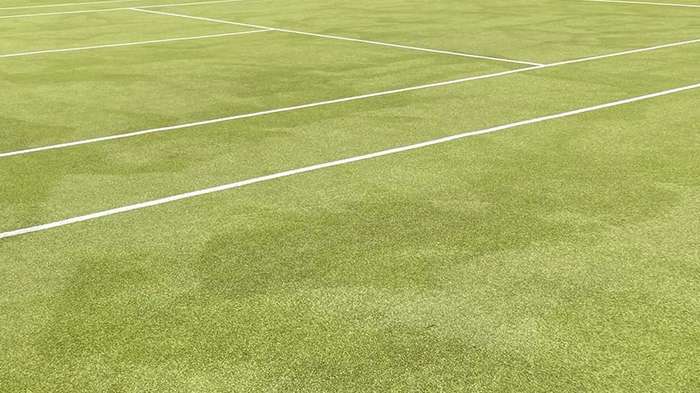 Artificial and Sports Surfaces
 Awnings / Canopies / Gazebos
 Block Paving
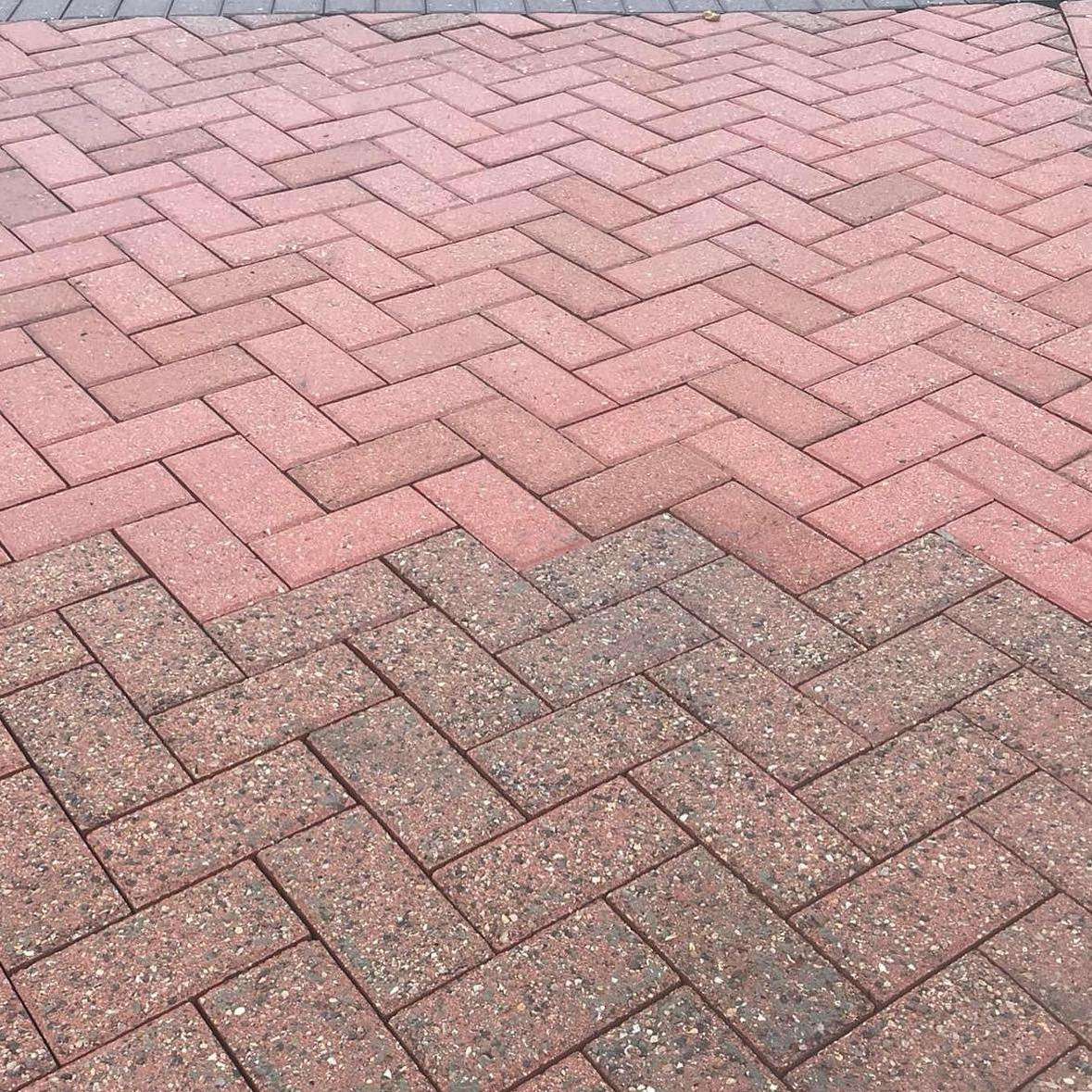 Brickwork
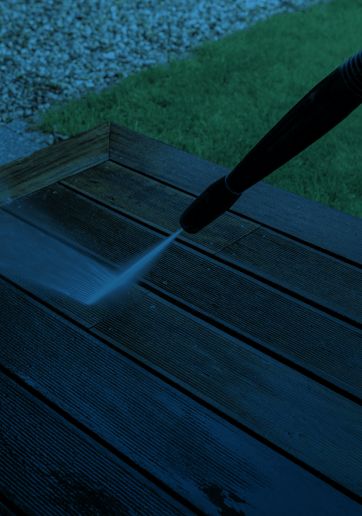 Composite Surfaces
 Decking / Timber
 Granite
 Imprinted Concrete
 Internal Masonry
 Limestone
 Marble
 Metal Cladding
 Polished or Honed Stone
 Porcelain
 Render
 Resin Bond
 Road and Rail Signs
 Roof Tiles / Slates
 Sandstone
 Slate
Slate Solar Panels and Glass
 Stone Sills and Pier Caps
 Tarmac and Asphalt
 Gutters & UPVC
 Acid Damage
 Biofilm
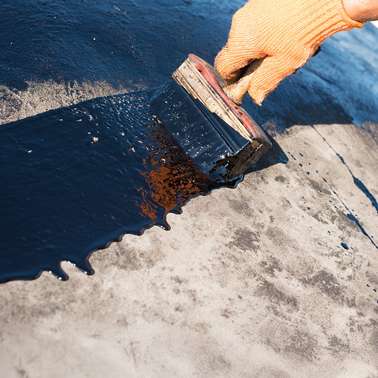 Bitumen
 Blood
Blood Carbon
 Concrete / Grout / Mortar
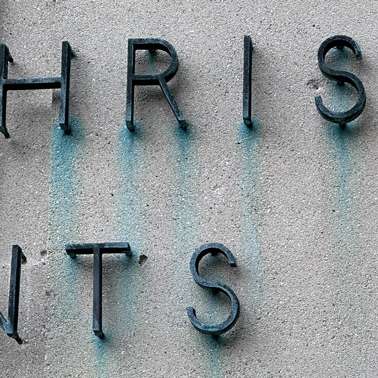 Copper Oxide
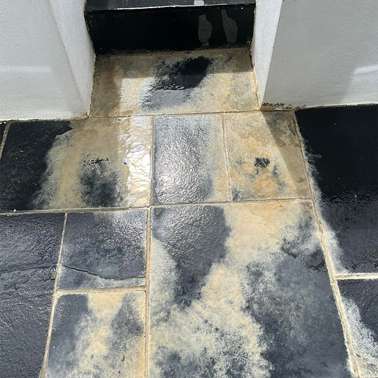 Efflorescence
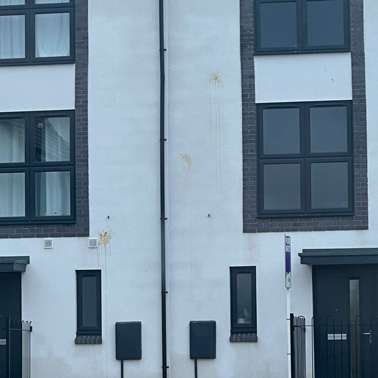 Egg
Egg Failed Sealer
 Fire Damage
 Fuel / Oil
 Graffiti
 Grease / Fat / Cooking Oil
 Lawn Fertiliser
 Lead Carbonate
 Lead Oxide
 Paint Splashes
 Rust
Rust Tar & Glue
 Tannin Removers
 Traffic Film Removers
 Trapped Moisture / Sealer Repairs
 Urine Neutralisers