Posts Tagged ‘Exterior cleaning’

driveway-cleaning-cost-uk

How Much Should Driveway Cleaning Cost in the UK?

t Your driveway is one of the first things people notice about your home. A clean, well-maintained drive not only boosts kerb appeal but also helps extend the life of the surface, whether it’s block paving, tarmac, gravel, or concrete. But when it comes time to hire someone (or even to tackle it yourself), one of the biggest questions is: how much should driveway cleaning cost?

In the UK, driveway cleaning prices vary widely depending on surface type, size, condition, and method of cleaning. To help you budget effectively, this guide breaks down typical costs in pounds sterling (£), explains the different cleaning options, and explores the pros and cons of DIY vs professional services.


Average Driveway Cleaning Costs at a Glance

Here’s a snapshot of typical UK prices for driveway cleaning:

Driveway Size Pressure Washing (Basic) Pressure Washing + Re-Sanding (Block Paving) Pressure Washing + Sealing Specialist Chemical Treatment
Small (20m²) £80 – £120 £120 – £180 £180 – £250 £150 – £220
Medium (40m²) £120 – £200 £180 – £300 £250 – £400 £220 – £350
Large (80m²) £200 – £350 £300 – £500 £400 – £650 £350 – £550

Notes:

  • Prices vary by region (London & South East typically higher).

  • Re-sanding applies mainly to block paving.

  • Sealing extends longevity but is an optional extra.


Factors Affecting the Cost

Several key factors influence how much you’ll pay:

  1. Surface Type

    • Block paving: Most expensive to maintain because joints need kiln-dried sand replaced after washing.

    • Tarmac: Mid-range. Cleaning is simpler, though sealing may be recommended.

    • Concrete: Often cheaper to clean, but staining (oil, rust) may need chemical treatment.

    • Gravel: Cleaning usually involves raking, weed removal, and topping up stones — often charged differently.

  2. Driveway Size

    • Larger driveways = higher total cost but lower cost per m².

    • Professionals often charge £2.50 – £4.50 per m² for cleaning alone.

  3. Condition

    • Light dirt = basic wash.

    • Heavy moss, oil stains, or weed growth = chemical pre-treatments or longer labour, raising costs.

  4. Location

    • London/South East: 15–25% higher than national average.

    • North of England, Wales, Scotland: Usually lower.

  5. Extras

    • Re-sanding (block paving): Adds £1.50 – £2.50 per m².

    • Sealing: Adds £5 – £8 per m².

    • Weed/moss killer application: £20 – £50 supplement.


Cost Breakdown by Cleaning Method

1. Pressure Washing (Most Common)

  • Method: High-pressure water jet to blast dirt, algae, and moss.

  • Cost: £2.50 – £4.50 per m².

  • Typical Total: £120 – £200 for a 40m² drive.

  • Pros: Fast, effective, relatively cheap.

  • Cons: Can erode pointing between blocks or damage tarmac if too powerful.

Drive Size Avg Cost (£) Time Taken
20m² £80 – £120 1–2 hours
40m² £120 – £200 2–3 hours
80m² £200 – £350 3–5 hours

2. Pressure Washing + Re-Sanding (Block Paving)

  • Why needed: Pressure washing removes sand between blocks. Re-sanding keeps blocks stable and prevents weed growth.

  • Cost: Add £1.50 – £2.50 per m² to washing price.

  • Example: Medium 40m² block-paved drive:

    • Washing = £160

    • Re-sanding = £80

    • Total = ~£240


3. Pressure Washing + Sealing

  • Why: Sealer protects surfaces from weeds, algae, and stains, extending time between cleans.

  • Cost: £5 – £8 per m² (sealant is material-heavy and labour-intensive).

  • Example: Medium 40m² block-paved drive:

    • Washing + sanding = £240

    • Sealing = £240

    • Total = ~£480


4. Chemical or Steam Treatments

  • When used: Oil stains, chewing gum, heavy algae, black spot removal.

  • Cost: £3.50 – £7.50 per m² (chemicals and dwell time).

  • Example: Treating oil stains on 30m² concrete driveway: ~£150 – £200.


5. Gravel Driveway Cleaning

  • Different approach: Raking, topping up, weed killing.

  • Cost: £60 – £100 for a small drive (labour + weedkiller). Adding new gravel = £40 – £60 per tonne.


Regional Cost Variations

Region Small Drive (20m²) Medium Drive (40m²) Large Drive (80m²)
London / South East £120 – £180 £200 – £350 £350 – £600
Midlands £90 – £140 £150 – £250 £280 – £450
North of England £80 – £120 £130 – £220 £250 – £400
Scotland / Wales £70 – £110 £120 – £200 £230 – £380

DIY vs Professional Driveway Cleaning

DIY Costs

  • Pressure washer hire: £40 – £60 per day, or £80 – £120 per week.

  • Chemical cleaners: £15 – £40 per bottle (oil, moss, lichen removers).

  • Sand for block paving: £5 – £8 per 25kg bag (usually 4–6 bags for medium driveway).

  • Sealer: £35 – £60 per 5L (covers ~25–30m²).

Example DIY 40m² Block Paving Drive:

  • Hire washer (2 days): £100

  • Chemicals: £25

  • Kiln-dried sand: £30

  • Sealer: £70

  • Total ~£225 (plus 1–2 days labour for you).

Professional Costs

  • Same drive by a contractor: £240 – £480 depending on sealing.

  • Advantage: Expertise, speed, less risk of surface damage.


Hidden & Additional Costs

  1. Minimum Call-Out Charges: Many firms charge a flat minimum of £80 – £100, even for very small drives.

  2. Parking / Access Fees: In cities, lack of access may add costs.

  3. Waste Disposal: Removal of weeds, moss, or old gravel may add £20 – £50.

  4. Repairs: Replacement of damaged blocks, cracked tarmac patches, or re-pointing concrete edging often quoted separately.


Cost Comparisons: Driveway Surfaces

Surface Type Basic Clean (£/m²) With Sealing (£/m²) Notes
Block Paving £2.50 – £4.50 £7 – £10 Needs re-sanding
Tarmac £2 – £3.50 £6 – £8 Sealer refreshes colour
Concrete £2 – £3.50 £6 – £8 Susceptible to oil stains
Gravel £60 – £100 small job N/A Topping up often extra

Is Driveway Sealing Worth the Cost?

  • Pros: Protects against weeds, staining, colour fading. Extends clean look from 1–2 years to 3–5 years.

  • Cons: High upfront cost (£5–£8 per m²). Needs reapplication eventually.

  • Verdict: For block paving and tarmac, sealing is usually a worthwhile long-term investment.


Cost-Saving Tips

  1. Bundle Jobs: Ask about discounts for patios + driveways together.

  2. Regular Maintenance: Light annual clean is cheaper than heavy remedial clean every 4 years.

  3. Do Prep Yourself: Removing cars, pots, and sweeping leaves before the contractor arrives saves them time (sometimes lowering price).

  4. Off-Season Discounts: Spring and summer are busiest; autumn/winter can mean cheaper rates.


Example Case Studies

1st Case: Small Block Paved Drive (20m², North West)

  • Cleaning only: £90

  • With re-sanding: £120

  • With sealing: £250

2nd Case: Medium Tarmac Drive (40m², Midlands)

  • Cleaning only: £160

  • With sealing: £400

3rd Case: Large Concrete Drive (80m², London)

  • Cleaning only: £320

  • With sealing: £640

  • Oil stain treatment extra: £120


Cost Per Square Metre vs Fixed Pricing

Most UK contractors price jobs in one of two ways: per m² or fixed job rates. Understanding the difference can help you compare quotes properly.

Pricing Method Typical Range Pros Cons
Per m² £2.50 – £4.50 Transparent, scales fairly with size May rise if job takes longer than expected
Fixed Job (by size) £80 – £150 minimum Simple, predictable final price Smaller driveways may feel expensive
Package (clean + seal) £400 – £650 (medium) Convenient, all-in-one service Harder to compare line-by-line costs
  • Tip: For small drives, fixed pricing often means you pay proportionally more. For large drives, per m² is usually cheaper.


How Often Should You Pay for Driveway Cleaning?

The frequency of professional cleaning affects your long-term costs.

Driveway Surface Typical Cleaning Cycle With Sealing Notes
Block Paving Every 1–2 years Every 3–4 yrs Sand loss and weeds are main issues
Tarmac Every 2–3 years Every 4–5 yrs Fades in colour without sealant
Concrete Every 2–3 years Every 4–5 yrs Oil stains may force earlier cleans
Gravel Annual tidy N/A Topping up stones every 2–3 years

Long-term budgeting:

  • A £200 clean every 2 years = £100 per year average.

  • A £500 wash + seal lasting 4 years = £125 per year.

  • Sealing can actually be cost-effective if you value longer clean appearance.


Commercial vs Residential Driveway Cleaning Costs

Commercial properties (pubs, shops, car parks, housing developments) often pay more per job, but benefit from economies of scale.

Job Type Avg Price (per m²) Notes
Residential £2.50 – £4.50 Small jobs, higher per-m² rates
Commercial (500m²+) £1.50 – £3.00 Lower per-m² but bigger total invoice
Council / Public £1.20 – £2.50 Tender contracts, bulk cleaning

Example:

  • 40m² residential drive = ~£150 – £200.

  • 500m² pub car park = £800 – £1,500, but only ~£1.60 – £3.00 per m².


Environmental and Eco-Friendly Options

More customers now ask for eco-conscious driveway cleaning. Costs can vary slightly.

Method Cost Impact Pros Cons
Steam Cleaning £4.50 – £6.50 per m² Chemical-free, kills weeds and spores Slightly more expensive
Biodegradable Cleaners +10–15% job cost Safer for pets, gardens, drains May need repeat application
Low-Pressure Soft Wash £3.50 – £5.50 Protects delicate surfaces Slower, less aggressive clean

Example:

  • A 40m² drive: £160 with pressure washing vs £200 with eco steam cleaning.


Questions to Ask Before Hiring a Driveway Cleaner

Knowing the right questions can prevent surprise charges:

  1. What’s included in your price? (washing only, or sanding/sealing too?)

  2. Do you charge by area or flat rate?

  3. Is there a minimum call-out fee?

  4. Are chemicals included in the quote? (important for oil stains)

  5. What guarantee do you give on sealing? (most reputable firms offer 2–3 years)

  6. Do you carry liability insurance? (important if equipment damages your property)

Asking upfront ensures your “£150 clean” doesn’t suddenly become a “£350 bill.”

Conclusion

So, how much should driveway cleaning cost in the UK?

  • Basic pressure washing: £2.50 – £4.50 per m² (£120 – £200 for average 40m² drive).

  • Block paving with sanding: ~£180 – £300 for a medium drive.

  • Adding sealing: £400 – £650 depending on size.

  • Regional variation: London can be 25% higher than the North.

  • DIY vs Pro: DIY may save money but requires time, equipment, and care to avoid damage.

In simple terms:

  • Budget £150 – £250 for a straightforward job.

  • £400 – £600 if you want the “full works” (wash, sand, seal).

With these figures and breakdowns, you can now approach driveway cleaning quotes with confidence, knowing what’s fair, what’s extra, and where you can save.

Continue Reading

right-cleaning-method-for-surfaces

Exterior Cleaning: How to Choose the Right Cleaning Method for Different Surfaces

Cleaning might sound straightforward at first glance: apply a product, scrub a little, rinse, and you’re done. But anyone who has faced streaky windows, scratched wooden furniture, or dulled marble countertops knows that it isn’t quite so simple. The truth is that different surfaces require different approaches, and choosing the wrong cleaning method can do more harm than good. From causing permanent stains or scratches to weakening structural integrity, using the wrong product or tool can shorten the life of a material instead of prolonging it.

The key to effective cleaning is understanding the surface you are working with — its composition, its vulnerabilities, and how it interacts with water, heat, and chemicals. Once you know this, you can match it with the safest and most efficient method. For example, what works beautifully on stainless steel can leave ugly marks on natural stone, and what refreshes hardwood might strip laminate beyond repair.

This guide will walk through the main types of household and commercial surfaces — wood, glass, stone, metals, plastics, fabrics, ceramics, and more. For each, we’ll explore:

  • The surface’s characteristics and common uses.

  • Typical cleaning challenges.

  • The safest and most effective cleaning methods.

  • What to avoid to prevent damage.

By the end, you’ll have a clear framework for choosing the right cleaning method every time, whether you’re freshening up your living room, maintaining a workplace, or caring for delicate finishes in a heritage building.


1. Wood: Natural Beauty with Hidden Sensitivities

Characteristics

Wood is one of the most versatile and beautiful materials in homes. From hardwood floors and furniture to decking and worktops, it’s prized for its warmth and durability. Yet, being organic, wood is highly susceptible to moisture, scratches, and chemical damage. Different finishes (varnish, lacquer, oil, or paint) affect how it should be cleaned.

Cleaning Challenges

  • Absorbs water, leading to swelling or warping.

  • Prone to scratches from abrasive tools.

  • Susceptible to staining from spills.

Correct Cleaning Methods

  • Routine cleaning: Dust with a soft microfiber cloth. For floors, use a vacuum with a soft-bristle attachment.

  • Deeper cleaning: Use a slightly damp cloth with a pH-neutral wood cleaner. Always wring out cloths well to avoid excess water.

  • Polishing and protection: Apply a specialist wood polish or oil periodically depending on the finish.

What to Avoid

  • Harsh chemicals like ammonia or bleach.

  • Soaking or steam cleaning.

  • Abrasive pads that scratch the finish.


2. Glass: Transparency Demands Streak-Free Cleaning

Characteristics

Glass is smooth, non-porous, and relatively resistant to most chemicals. Found in windows, mirrors, tabletops, and shower doors, it shows every smudge, streak, and water mark.

Cleaning Challenges

  • Streaking when not dried properly.

  • Water spots and limescale in bathrooms.

  • Fingerprints on decorative glass.

Correct Cleaning Methods

  • Routine cleaning: Use a vinegar-water solution (50:50) or a commercial glass cleaner. Apply with a spray bottle, wipe with a lint-free cloth, and finish with a squeegee.

  • Hard water stains: Apply white vinegar directly, let sit briefly, then scrub gently with a soft pad.

  • Polishing: For mirrors, buff dry with newspaper or microfiber.

What to Avoid

  • Abrasive scrubbers that scratch.

  • Overuse of soap, which leaves residue.

  • Cleaning in direct sunlight (accelerates streaking).


3. Stone Surfaces: Natural Elegance, Variable Durability

Characteristics

Stone surfaces vary widely: granite, marble, limestone, slate, and sandstone all have different levels of porosity and hardness. Many are used for kitchen countertops, floors, or outdoor paving.

Cleaning Challenges

  • Acid sensitivity (especially marble and limestone).

  • Porosity, leading to staining and water absorption.

  • Rough textures that trap dirt.

Correct Cleaning Methods

  • Daily cleaning: Wipe with warm water and a pH-neutral cleaner.

  • Stain treatment: Blot spills immediately, especially acidic ones like wine or citrus juice.

  • Protection: Seal porous stones annually to prevent staining.

What to Avoid

  • Vinegar, lemon juice, or other acidic cleaners on marble/limestone.

  • Abrasive powders or wire brushes.

  • High-pressure washing on softer stones outdoors.


4. Metals: From Stainless Steel to Brass

Characteristics

Metals are durable but prone to tarnishing, scratching, and sometimes corrosion. Commonly found in appliances, fixtures, cookware, and decorative items.

Cleaning Challenges

  • Stainless steel shows fingerprints and streaks.

  • Brass and copper tarnish easily.

  • Aluminium scratches with abrasives.

Correct Cleaning Methods

  • Stainless steel: Use a dedicated cleaner or a mixture of mild dish soap and water. Wipe along the grain with a microfiber cloth. Finish with a dry buff.

  • Brass and copper: For unlacquered surfaces, clean with lemon juice and baking soda paste or a commercial polish.

  • Aluminium: Mild soap and water; avoid steel wool.

What to Avoid

  • Chlorine bleach on stainless steel (causes corrosion).

  • Harsh abrasives.

  • Soaking items that aren’t fully rust-proof.


5. Plastics: Versatile but Vulnerable

Characteristics

Plastics are everywhere — in furniture, appliances, children’s toys, outdoor gear, and more. While resilient, they can scratch, warp, or degrade with harsh chemicals.

Cleaning Challenges

  • Static charge attracts dust.

  • Prone to scratching.

  • May discolour under strong sunlight or with harsh cleaning.

Correct Cleaning Methods

  • General cleaning: Wipe with a damp cloth and mild dish soap.

  • Outdoor plastics: For garden furniture, hose down and scrub with a soft brush.

  • Stain removal: Baking soda paste for stubborn marks.

What to Avoid

  • Solvent-based cleaners (acetone, turpentine).

  • Abrasive pads.

  • Excessive heat (no boiling water).


6. Ceramics and Tiles: Smooth, Hard, and Hygienic

Characteristics

Ceramics and porcelain tiles are common in kitchens, bathrooms, and flooring. They’re durable, non-porous, and stain-resistant, though grout lines are weaker points.

Cleaning Challenges

  • Soap scum in bathrooms.

  • Dirty grout lines.

  • Hard water deposits.

Correct Cleaning Methods

  • Tile surfaces: Use an all-purpose cleaner or diluted vinegar solution (not on natural stone tiles). Wipe with a mop or cloth.

  • Grout cleaning: Scrub gently with a baking soda paste and a toothbrush. For deeper cleaning, use a grout-specific cleaner.

  • Polishing: Buff with a dry cloth for shine.

What to Avoid

  • Metal scrapers that scratch glazed finishes.

  • Strong acids on coloured grout.


7. Fabrics and Upholstery: Comfort with Care

Characteristics

Upholstery fabrics range from cotton and linen to synthetics, leather, or blends. Each has different tolerance to moisture and cleaning products.

Cleaning Challenges

  • Stains set quickly.

  • Fabrics can shrink or fade.

  • Odours linger if not treated properly.

Correct Cleaning Methods

  • Routine maintenance: Vacuum regularly with upholstery attachment.

  • Spot cleaning: Blot (never rub) stains immediately. Use fabric-specific cleaners.

  • Steam cleaning: Safe for many synthetics, but always patch test first.

  • Leather: Wipe with a damp cloth, condition with leather cream periodically.

What to Avoid

  • Excessive water on natural fabrics.

  • Bleach or harsh detergents.

  • Drying with direct heat (causes shrinkage or cracking).


8. Carpeted Surfaces: Soft but Stain-Prone

Characteristics

Carpets provide comfort and insulation but are magnets for dirt, dust, and stains.

Cleaning Challenges

  • Deep-seated dirt in fibres.

  • Pet odours and hair.

  • Stains from spills.

Correct Cleaning Methods

  • Regular care: Vacuum at least once a week.

  • Stain treatment: Blot immediately, apply mild detergent solution, then rinse.

  • Deep cleaning: Periodic steam or hot-water extraction.

  • Odour control: Sprinkle with bicarbonate of soda, leave, then vacuum.

What to Avoid

  • Scrubbing stains (spreads them).

  • Over-wetting, which encourages mould.


9. Concrete and Outdoor Surfaces

Characteristics

Concrete is tough but porous. Common in driveways, garages, and patios.

Cleaning Challenges

  • Oil stains on driveways.

  • Algae and moss in damp British climates.

  • Cracking when subjected to freeze-thaw cycles.

Correct Cleaning Methods

  • Routine cleaning: Sweep regularly.

  • Deep cleaning: Pressure wash with care.

  • Oil stains: Absorb with cat litter, then scrub with degreaser.

  • Protection: Apply sealant every few years.

What to Avoid

  • Harsh acids (weaken concrete).

  • Leaving stains untreated (they penetrate quickly).


10. Specialist Surfaces (Quick Guide)

  • Laminate flooring: Damp mop with laminate cleaner; avoid soaking.

  • Vinyl: Mild detergent and water; avoid wax polishes.

  • Chrome fixtures: Wipe with soapy water, buff dry; avoid abrasive sponges.

  • Mirrored surfaces: Glass cleaner, soft cloth, no abrasives.

  • Electronics: Wipe with a lightly damp microfiber cloth; avoid spraying directly.


Principles for Choosing the Right Cleaning Method

Beyond specific materials, there are universal principles you can apply:

  1. Identify the material: Don’t assume — what looks like stone may be composite, and what seems like solid wood may be veneer.

  2. Check manufacturer guidance: Always consult care labels or manuals.

  3. Start gentle: Begin with the mildest cleaner and softest cloth; escalate only if needed.

  4. Test small areas: Especially on fabrics, paints, or finishes.

  5. Avoid mixing chemicals: Dangerous reactions (e.g., bleach and ammonia) can occur.

  6. Think about safety: Gloves, ventilation, and eye protection matter as much as the surface itself.


Conclusion

Choosing the right cleaning method isn’t about memorising every possible combination of material and product — it’s about understanding how surfaces behave and applying a few consistent principles. Wood hates excess water; glass loves a streak-free finish; stone despises acids; metals tarnish but polish beautifully. By tailoring your approach, you not only achieve better results but also extend the lifespan of the materials around you.

Every home, office, or public space is a collection of surfaces, each with its own personality. Respect them, and they’ll continue to serve and delight for many years. The next time you pick up a cloth or bottle, pause and ask: what surface am I treating, and what does it need? That single moment of thought can be the difference between gleaming success and costly damage.

Continue Reading

british-climate-exterior-cleaning-checklist

Seasonal exterior cleaning checklist for British climates

Keeping the exterior of your property in good condition is a year-round commitment, and in the British Isles it can feel like a particularly demanding one. With the UK’s famously changeable weather — frequent rainfall, mild but damp winters, bursts of summer heat followed by showers, and autumn winds that scatter leaves everywhere — our homes and gardens are constantly exposed to the elements. Neglecting exterior maintenance not only reduces kerb appeal but can also lead to expensive repairs over time. Moss on roofs, blocked gutters, algae on patios, or cracked rendering are all common issues that can escalate if they are not addressed in a timely fashion.

A structured, seasonal approach is the most efficient way to stay on top of things. Rather than waiting until something breaks or becomes unsightly, a checklist aligned with the seasons allows you to anticipate problems and deal with them in manageable chunks. Each season brings its own set of challenges, and the British climate means no part of the year is entirely free of maintenance tasks. This guide will walk you through the key exterior cleaning and maintenance activities for spring, summer, autumn, and winter, helping you protect your investment and enjoy your outdoor spaces in all conditions.


Spring Checklist: Fresh Starts and Post-Winter Recovery

After months of short days, damp weather, and occasional frosts, spring is the ideal time to give your home a thorough refresh. The rising temperatures and longer daylight hours create the perfect conditions for tackling dirt, moss, and mould that have built up over winter.

1. Clean Gutters and Downpipes

  • Why it matters: Winter winds often blow leaves, twigs, and debris into gutters. Left unchecked, blockages cause rainwater to overflow, potentially damaging fascia boards, roof timbers, and even interior walls.

  • How to do it: Use a sturdy ladder and scoop out debris with a gloved hand or gutter scoop. Flush with a hose to ensure downpipes are clear. Consider installing gutter guards if blockages are recurring.

2. Pressure Wash Patios, Paths, and Driveways

  • British issue: Damp winters encourage slippery algae, moss, and lichen growth on hard surfaces.

  • Action: A pressure washer can restore paving stones, brickwork, or tarmac. Take care not to damage pointing between slabs. After cleaning, applying a sealant can help prevent regrowth and reduce staining from spring pollen.

3. Inspect Roof Tiles and Flashing

  • Winter impact: Storms and frosts may loosen or crack tiles, allowing water ingress.

  • Checklist step: From ground level (or with binoculars), check for slipped tiles, cracked flashing around chimneys, or debris build-up in valleys. Arrange professional repairs promptly.

4. Refresh Garden Furniture and Decking

  • Task: Clean wooden or rattan furniture with soapy water, scrubbing off mould or algae. For decking, use a specialist deck cleaner, then re-oil or stain to protect against UV rays and showers.

  • Tip: Spring is an ideal time for re-treating wood before the summer sun can dry it out.

5. Wash Windows and Frames

  • Why spring? Longer daylight shows up streaks and dirt more clearly.

  • Action: Use a glass cleaner or vinegar solution with a squeegee. Don’t forget frames and sills, which collect winter grime. Wooden frames may need sanding and repainting if paint is peeling.

6. Clean External Walls and Render

  • Problem: North-facing walls often accumulate green algae or black mould.

  • Solution: Soft-wash with a diluted biocide or specialist cleaner. Avoid overly harsh pressure washing on render, which can damage surfaces.

7. Maintain Fences and Garden Structures

  • Checklist: Clean fences, sheds, and pergolas, then treat with wood preservative or paint. Spring is prime time before climbing plants burst into growth.


Summer Checklist: Protection, Prevention, and Enjoyment

Summer in Britain brings warmth, occasional heatwaves, and more time outdoors. With more consistent dry spells, it’s easier to tackle protective maintenance tasks that require surfaces to stay dry for a few days.

1. Treat Wooden Surfaces

  • Why summer? Warmth allows paints, stains, and preservatives to cure properly.

  • Tasks: Sand and re-treat sheds, fences, pergolas, and decking. Use UV-resistant finishes to combat bleaching from the sun.

2. Clean Conservatories and Greenhouses

  • Summer sun factor: Dirty glass reduces light penetration.

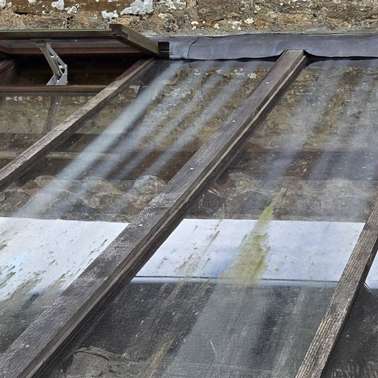
  • Action: Wash roof panels and frames with a telescopic brush and mild detergent. Clear moss from joints and gutters. For greenhouses, a clean reduces pests and boosts plant growth.

3. Tidy Outdoor Living Spaces

  • Patios & BBQ areas: Sweep, wash down, and remove weeds growing between paving. Clean BBQ grills with a wire brush and hot soapy water.

  • Furniture: Wipe cushions and covers, ideally storing them indoors when not in use to avoid summer showers.

4. Window Cleaning and Frame Maintenance

  • Benefit: Cleaner panes let in maximum light during long summer days.

  • Tip: If repainting wooden frames, summer is the best time to ensure coatings dry quickly.

5. Check Roof and Loft Ventilation

  • Reason: Summer is the season when attic spaces get hot and stuffy. Proper ventilation prevents dampness when autumn rain returns.

  • Task: Inspect vents for blockages (birds’ nests, debris) and ensure airflow is unobstructed.

6. Maintain Drains and Driveways

  • Summer storms: Sudden heavy downpours are common in Britain.

  • Action: Clear drain grates of silt and debris. Remove weeds from driveways, treat with weed killer, and sweep regularly.

7. Exterior Paintwork and Masonry

  • Dry conditions: Summer is perfect for repainting or repairing render and masonry paint.

  • Checklist: Wash down surfaces, repair cracks, and apply fresh coatings for weather resistance.

8. Clean Water Butts and Garden Water Features

  • Problem: Warm weather encourages algae blooms in stored water.

  • Action: Empty, scrub, and rinse water butts. Add a water butt treatment tablet to prevent regrowth. Clean fountains and birdbaths, replacing water weekly.


Autumn Checklist: Preparing for Wind, Rain, and Falling Leaves

Autumn in Britain is famous for windstorms, damp mornings, and — of course — mountains of fallen leaves. The key focus at this time of year is preparation for winter and clearing seasonal debris.

1. Gutter and Downpipe Cleaning

  • Why autumn? Falling leaves are the biggest cause of blockages.

  • Action: Clean more than once if trees overhang your home. Ensure downpipes drain freely and brackets are secure.

2. Sweep and Clear Paths, Patios, and Decking

  • Risk: Wet leaves quickly become slippery, creating hazards.

  • Checklist: Rake regularly, sweep hard surfaces, and compost collected leaves. Use a stiff brush or blower for patios and driveways.

3. Roof and Chimney Inspection

  • Pre-winter precaution: Check flashing, tiles, and chimneys before harsh weather sets in.

  • Task: Look for nesting debris or blockages in chimneys (have them swept if used for fires).

4. Treat Decking and Wooden Surfaces Again

  • Reason: Autumn rain soaks timber, leading to rot if untreated.

  • Action: Reapply water-repellent oils or stains. Store or cover garden furniture.

5. Drainage and Water Management

  • British issue: Heavy autumn rains test drainage systems.

  • Checklist: Clear garden drains, add gravel to soggy spots, and ensure water butts are not overflowing. Check soakaways for blockages.

6. Window, Door, and Seal Checks

  • Task: Inspect exterior caulking and weather stripping. Replace cracked or loose seals to keep draughts and moisture out.

  • Tip: Pay attention to north- and west-facing sides, which take the brunt of autumn storms.

7. Exterior Walls and Brickwork

  • Action: Brush off moss, ivy, or climbing plants that may trap moisture against walls. Repair pointing before winter frost can worsen cracks.

8. Garden Clean-Up

  • Checklist: Trim hedges, cut back overgrown plants, and collect debris. Store or cover ornaments, pots, and water features vulnerable to frost.


Winter Checklist: Survival and Minimal Maintenance

Winter in Britain varies from region to region — milder and wetter in the south-west, colder with snow risk in Scotland and the north. Across the country, frost, heavy rain, and limited daylight make it harder to complete major cleaning tasks. The focus should be on safety, damage prevention, and light upkeep.

1. Keep Paths, Steps, and Driveways Safe

  • Checklist: Clear snow promptly (where it falls). Spread grit or sand to prevent icy surfaces. Regularly remove wet leaves, which persist into early winter.

2. Monitor Gutters and Downpipes

  • Action: Even after autumn cleaning, check periodically for ice blockages or new debris. Heavy rainfall in winter makes clear drainage vital.

3. Check Roofs After Storms

  • British issue: Winter storms are increasingly common.

  • Task: After high winds, visually check roofs for dislodged tiles or debris. Prompt repairs prevent water damage.

4. Maintain Outdoor Drains

  • Action: Inspect and clear drains after storms. Prevent water pooling that could freeze and damage surfaces.

5. Protect External Water Sources

  • Checklist: Disconnect and store hoses. Insulate outdoor taps with covers. Empty decorative water features or use pond heaters to prevent ice damage.

6. Clean and Store Garden Furniture

  • Tip: If not already stored, move items into garages or sheds. For large furniture, cover with waterproof, breathable covers.

7. Monitor Exterior Walls, Paint, and Render

  • Winter watch: Look for patches of damp, peeling paint, or frost damage. Promptly patch with temporary fixes until spring allows thorough repairs.

8. Conservatories and Glass Structures

  • Checklist: Keep gutters and roof panels free from snow or debris. Clear condensation build-up inside to reduce mould growth.


General Tips for All Seasons

  • Tools & Equipment: Invest in essentials such as a pressure washer, sturdy ladder, stiff brushes, gutter scoop, and protective gloves. Quality tools save time and effort.

  • Safety First: Always secure ladders, wear appropriate footwear, and consider hiring professionals for roof work or high-risk tasks.

  • Eco-Friendly Cleaning: Where possible, use biodegradable detergents and collect wastewater responsibly. Avoid bleach near lawns or borders.

  • Regularity Over Intensity: A little maintenance each season prevents the need for major, costly interventions.


Why Seasonal Cleaning Matters in the UK

The UK’s maritime climate is unique. High rainfall, humidity, and moderate temperatures mean organic growths like moss, algae, and lichen thrive. Freeze–thaw cycles in winter worsen cracks in masonry. Windstorms test the integrity of roofs and fences. Unlike hotter, drier climates, exterior cleaning in Britain is about managing moisture and preventing long-term water damage. A seasonal approach recognises that conditions change throughout the year — and that preventive care is always cheaper than remedial work.


Conclusion

Exterior maintenance can feel overwhelming, but breaking tasks down into seasonal checklists makes them manageable. Spring is about cleaning and renewal, summer about protection and enhancement, autumn about preparation, and winter about vigilance and safety. By following this cycle, homeowners in the British climate can keep their properties looking good, functioning well, and retaining value year after year.

Your home is constantly at the mercy of the elements. With a bit of planning and a structured approach, you can ensure it weathers every storm — literally — and remains a source of pride and comfort whatever the season.

Continue Reading

professional-exterior-cleaning-uk-homes

Why Professional Exterior Cleaning Matters for UK Homes

Your home is likely your biggest investment — but in the damp, changeable UK climate, it doesn’t always stay looking its best. Rain, moss, algae, pollution, and even nesting birds can leave your home’s exterior looking dirty, tired, and neglected. Many homeowners think of exterior cleaning as a “nice-to-have,” but in reality, professional exterior cleaning is one of the best ways to protect your property’s value, safety, and kerb appeal.

This blog explores why exterior cleaning matters for UK homes, what areas need attention, and why hiring professionals makes a real difference.


1. The UK Climate and Exterior Wear

The UK’s weather is famous for being unpredictable — wet winters, mild summers, and plenty of rainfall throughout the year. These conditions create the perfect environment for moss, algae, mould, and dirt build-up.

Weather Factor Impact on Homes
Rain & Damp Encourages moss, algae, and lichen growth on roofs, driveways, and walls.
Frost & Snow Expands cracks in brickwork, concrete, and paving.
Wind Blows debris and dirt against siding, windows, and gutters.
Urban Pollution Leaves grime and black streaks on render and fascias.
Seagulls & Birds (coastal towns) Cause staining, blocked gutters, and potential health hazards.

👉 Without regular exterior cleaning, these natural factors gradually damage surfaces, making repairs costlier in the long run.


2. Main Areas of a Home That Need Exterior Cleaning

Professional cleaning covers far more than just driveways and patios. A complete service can restore almost every visible part of your property.

Area Problem if Left Dirty Cleaning Method
Roof Moss growth lifts tiles, causes leaks. Soft washing / steam cleaning.
Gutters Blockages cause damp, water ingress. Gutter vacuum / manual clearance.
Driveways & Patios Weeds, oil stains, algae cause slip hazards. Pressure washing / re-sanding.
Walls & Render Pollution stains, green algae patches. Soft washing with biocides.
Windows & Frames Smears, dirt reduce kerb appeal. Pure water pole system cleaning.
Decking & Fences Slippery algae, rotting wood. Pressure washing / protective seal.

3. Benefits of Professional Exterior Cleaning

A. Enhances Kerb Appeal

Your home’s exterior is the first thing people notice. A sparkling driveway, clean gutters, and spotless windows can dramatically improve first impressions.

Scenario Kerb Appeal Impact
Driveway covered in weeds & oil stains Looks neglected, lowers value.
Freshly pressure-washed driveway Looks new, increases attractiveness to buyers.

B. Protects Property Value

Estate agents estimate that well-maintained exteriors can add up to 10% to a property’s value. Professional cleaning helps preserve your investment.

C. Improves Health & Safety

Mould, moss, and algae don’t just look bad — they create slippery, hazardous surfaces. Driveways, decking, and steps can become accident-prone without regular cleaning.

D. Prevents Costly Repairs

Blocked gutters, algae-stained render, or moss-covered roofs may eventually cause structural damage. Regular cleaning avoids bigger repair bills later.

E. Saves Time & Effort

DIY cleaning often means hiring equipment, climbing ladders, and using harsh chemicals. Professionals bring expertise, insurance, and the right tools for the job.


4. Professional vs DIY Exterior Cleaning

Many homeowners wonder whether they should attempt cleaning themselves. While small jobs (like scrubbing a small patio) are manageable, professional cleaning usually delivers far better — and safer — results.

Factor DIY Cleaning Professional Cleaning
Equipment Basic tools, rental pressure washer. Commercial-grade machines, water-fed poles, biocide treatments.
Safety Risk from ladders, slips, chemicals. Trained staff with safety gear & insurance.
Results Patchy cleaning, risk of damage. Even finish, surfaces restored properly.
Time Weekends lost to cleaning. Job completed in a fraction of the time.
Cost Lower upfront, but risk of errors. Higher upfront, but long-term savings.

👉 In short, DIY may be fine for very small tasks, but for roofs, render, or large surfaces, professional cleaning is worth the investment.


5. Common Professional Exterior Cleaning Services in the UK

Service Description Average UK Cost Range
Roof Cleaning Removes moss, applies biocide to stop regrowth. £400 – £900 (depending on size).
Gutter Cleaning Clears debris, checks for leaks. £60 – £150.
Driveway & Patio Cleaning Pressure washing + re-sanding for block paving. £100 – £300.
Render Cleaning Low-pressure wash to remove algae & dirt. £300 – £800.
Window Cleaning Pure water-fed pole system. £15 – £30 per visit.
Decking / Fence Cleaning Restores wood, removes algae, reseals. £80 – £250.

These costs vary depending on location (London and the South East being higher) and property size.


6. Environmental Considerations

A growing number of UK homeowners want eco-friendly cleaning. Professional cleaners often:

  • Use biodegradable detergents instead of harsh chemicals.

  • Employ low-pressure soft washing to reduce water waste.

  • Recycle or safely dispose of wastewater.

Method Eco-Benefit
Soft washing with biocides Uses less water than high-pressure cleaning.
Pure water window cleaning No chemicals, just filtered water.
Steam cleaning Effective against algae without harsh detergents.

👉 Choosing a professional who prioritises sustainability can help protect both your home and the environment.


7. Frequency of Exterior Cleaning for UK Homes

How often should you clean each area?

Area Recommended Frequency
Roof Every 3–5 years.
Gutters Once or twice a year.
Driveways & Patios Once a year (more if shaded/damp).
Render / Walls Every 2–3 years.
Windows Every 4–8 weeks.
Decking / Fences Every 1–2 years.

Regular maintenance prevents long-term build-up, making each clean easier and cheaper.


8. Regional Examples in the UK

Exterior cleaning needs vary depending on where you live:

Region Common Issues
London & South East Pollution staining on render, bird droppings on shopfronts.
South West Coastal homes prone to salt deposits & seagull mess.
Midlands Driveways/patios with moss growth due to damp winters.
North West Heavy rainfall → gutters frequently clogged.
Scotland Algae on render due to damp, shaded environments.

👉 Professionals familiar with your region know which cleaning methods and treatments work best.


9. The Return on Investment

Exterior cleaning is not just cosmetic — it’s financial.

Cleaning Task Cost Benefit
Driveway Cleaning £150 Adds up to £2,000 to home value if selling.
Gutter Cleaning £100 Prevents water damage repairs costing £2,000+.
Roof Cleaning £600 Extends roof life by 10+ years (saving £5,000–£10,000).

Professional cleaning often pays for itself in saved repairs or added property value.


10. Why Hire Professionals Instead of a “Cheap Cleaner”?

It’s tempting to hire the cheapest option, but inexperienced cleaners may:

  • Use too much pressure, damaging render or roof tiles.

  • Fail to treat moss/algae, meaning it returns quickly.

  • Lack insurance, leaving you liable for accidents.

Professional exterior cleaners bring:

  • Public liability insurance.

  • Knowledge of correct cleaning methods for each surface.

  • Access to commercial-grade equipment.

  • Peace of mind.


11. Choosing the Right Exterior Cleaning Company in the UK

When hiring, look for:

  1. Experience & Reviews – Check Google or Trustpilot ratings.

  2. Insurance – Ensure they have public liability cover.

  3. Quoting Process – Transparent, written quotes (not vague verbal estimates).

  4. Specialist Knowledge – Roof, render, or gutter cleaning all require different skills.

  5. Guarantees – Some companies offer warranties on treatments.

Question to Ask Why It Matters
“Are you insured?” Protects you if accidents occur.
“Do you use biocides?” Ensures moss/algae won’t return quickly.
“Can I see reviews?” Confirms reliability and quality of work.

12. Case Study Example

Mr & Mrs Taylor – Birmingham

  • Problem: Block-paved driveway blackened with algae and oil stains, gutters overflowing.

  • Solution: Local professional carried out driveway pressure wash (£180) and gutter clearance (£90).

  • Result: Home looked fresh; gutters flowed freely again. Property valued £3,000 higher by estate agent.

👉 A relatively small spend improved both daily living and resale value.


13. Exterior Cleaning and Home Insurance

Did you know some UK home insurance providers may refuse claims if damage results from neglect?

Examples:

  • Water ingress due to blocked gutters.

  • Roof leaks worsened by moss growth.

Regular exterior cleaning demonstrates homeowner responsibility, potentially avoiding disputes with insurers.


14. Future Trends in Exterior Cleaning (UK)

The industry is evolving with new technology and eco-conscious methods:

  • Drone surveys for roof inspections.

  • Steam cleaning as a chemical-free option.

  • Eco-biocide treatments that are pet-safe.

  • Maintenance plans where homeowners pay monthly for year-round cleaning.


15. Seasonal Exterior Cleaning in the UK

Exterior cleaning needs change depending on the season. A professional plan ensures your home is protected all year round.

Season Key Tasks Why It Matters
Spring Driveway & patio cleaning, gutter check. Prepares outdoor spaces for summer, removes winter moss.
Summer Window cleaning, decking/fence treatment. Keeps glass streak-free in bright sun; protects wood from UV damage.
Autumn Gutter clearing, moss treatment on roofs. Prevents blockages from falling leaves, stops winter water ingress.
Winter Render cleaning, safety checks on paths. Avoids algae turning surfaces slippery during frost.

👉 Professionals can build seasonal maintenance plans, saving you money and effort.


16. Energy Efficiency and Exterior Cleaning

A clean home exterior isn’t just about looks — it can also improve energy efficiency.

  • Clean windows: Let in more natural light, reducing the need for artificial lighting.

  • Moss-free roofs: Allow roof tiles to dry properly, preventing damp insulation.

  • Unblocked gutters: Stop leaks that can weaken walls and reduce insulation efficiency.

Area Cleaned Energy Impact
Windows More sunlight = less electricity use.
Roof Prevents damp insulation that reduces heating efficiency.
Walls/Render Clean surfaces reflect more light and heat evenly.

Professional cleaning indirectly helps keep your energy bills down — an important factor in today’s UK energy climate.


17. How Exterior Cleaning Helps with Selling Your Home

First impressions count when selling a property. Estate agents often recommend exterior cleaning before listing a home.

Cleaned Feature Impact on Buyers
Freshly washed driveway Signals well-maintained home; adds “wow” factor.
Spotless windows Brightens interior during viewings.
Clean roof & gutters Suggests no hidden damp issues.
Algae-free render Prevents concerns about structural damage.

👉 A relatively small investment (£300–£600 for a full exterior spruce-up) can help your home sell faster and often for a higher asking price.


18. The Mental Wellbeing Benefits of a Clean Exterior

A clean home exterior doesn’t just improve property value — it can positively affect your mood and wellbeing.

  • Pride of Ownership: Walking up to a tidy, well-maintained home reduces stress.

  • Community Impact: Clean homes uplift neighbourhood appearance.

  • Outdoor Living: A clean patio or deck encourages families to spend more time outside.

Aspect Benefit
Visual appeal Reduces stress and boosts pride.
Safer surfaces Peace of mind for families with children or elderly relatives.
Neighbour perception Enhances social standing and relationships.

19. Creating a Long-Term Exterior Maintenance Plan

The smartest approach is not to wait until dirt and moss build up — but to schedule regular cleaning.

A 5-year maintenance plan could look like this:

Yearly Task Frequency Average UK Cost
Gutter clearing Twice a year £60–£150 per visit
Window cleaning Every 6–8 weeks £15–£30 per visit
Driveway/patio wash Once a year £100–£300
Roof cleaning & biocide Every 3–5 years £400–£900
Render wash Every 2–3 years £300–£800

👉 By spreading these tasks out, homeowners can budget sensibly while keeping their property in top condition. Many UK cleaning companies now offer subscription or annual service packages, which can save money in the long run.

20. Final Thoughts

Professional exterior cleaning is not just about making your home look nice — it’s about:

  • Protecting your investment.

  • Preventing costly repairs.

  • Improving safety.

  • Enhancing kerb appeal.

In the damp UK climate, dirt, moss, and algae are unavoidable. But with professional help, you can keep your home looking its best and extend the life of its key features.

Continue Reading

how-many-hours-to-pressure-wash-driveway

How Many Hours Does It Take to Pressure Wash a Driveway?

Pressure washing (or jet washing, as it’s often called in the UK) is one of the most effective ways to bring a driveway back to life. Whether you’ve got block paving in Surrey, tarmac in Manchester, or concrete slabs in Glasgow, pressure washing can strip away years of dirt, moss, algae, and oil stains.

But one of the first questions homeowners ask is:

“How long will it take to pressure wash my driveway?”

The answer depends on several factors — driveway size, material, equipment used, water supply, and whether extra treatments are needed.

This guide breaks down the typical cleaning times for different types of driveways in the UK, with real-world examples, tables, and cost implications.


1. Why Cleaning Time Matters

Understanding how long it takes to pressure wash a driveway helps in three ways:

Factor Why It Matters
Planning You’ll know whether it’s a quick afternoon job or an all-day project.
Cost Estimation Many UK jet washing services price by the hour or per square metre.
Expectations Prevents surprises if the job takes longer than assumed.

2. Average Time Ranges for UK Driveways

Here’s a quick overview of typical times based on size:

Driveway Size Approx. Area (m²) Average Cleaning Time
Small (1 car) 15–25 m² 1.5 – 2.5 hours
Medium (2 cars) 30–50 m² 2 – 4 hours
Large (3–4 cars) 60–100 m² 3.5 – 6 hours
Extra Large (Shared / Commercial) 120+ m² 1 full day or more

👉 These estimates include setup, cleaning, and tidying up but may vary depending on driveway material and condition.


3. Key Factors That Affect Cleaning Time

3.1 Driveway Material

Different surfaces react differently to pressure washing:

Driveway Type Ease of Cleaning Average Time Impact Notes
Block Paving Moderate Slower Joints collect moss and weeds; often needs re-sanding afterwards.
Tarmac (Asphalt) Easy Faster Smooth surface, but must use lower pressure to avoid damage.
Concrete Slabs Easy Moderate Durable, but oil stains may require extra treatments.
Resin-Bound Gravel Tricky Slower Requires gentler washing to avoid dislodging stones.
Natural Stone (Yorkstone, Limestone, Granite) Moderate Varies Can take longer if heavily stained with algae.

3.2 Size of Driveway

The larger the driveway, the more time required. Most UK domestic driveways fall between 30–60 m².

3.3 Equipment Used

Equipment Type Efficiency Time Impact
DIY Electric Jet Washer (Kärcher, Nilfisk, etc.) Low–Medium Longest
Professional Petrol Pressure Washer High Faster
Surface Cleaner Attachment Very High Fastest

3.4 Condition of Driveway

  • Light dirt/algae → Quicker, usually just surface wash.

  • Heavy moss, weeds, oil stains → Much slower, requires multiple passes and chemical treatment.

3.5 Extras (After-Clean Tasks)

  • Re-sanding block paving joints → Adds 30–60 minutes.

  • Applying sealant → Adds 2–3 hours (plus drying time).


4. Time Estimates by Driveway Type

Here’s a more detailed breakdown of average times per material for UK homes:

Driveway Type Small (20 m²) Medium (40 m²) Large (80 m²)
Block Paving 2–3 hrs 3–4.5 hrs 5–7 hrs
Tarmac 1.5–2 hrs 2.5–3.5 hrs 4–5 hrs
Concrete Slab 1.5–2.5 hrs 2.5–4 hrs 4.5–6 hrs
Resin-Bound Gravel 2–3.5 hrs 3.5–5 hrs 6–7.5 hrs
Natural Stone 2–3 hrs 3–4.5 hrs 5–6.5 hrs

5. DIY vs Professional Cleaning Times

Method Typical Equipment Average Time (Medium Driveway, 40 m²) Notes
DIY (Home Jet Washer) 110–140 bar, 360–450 L/hr 5–6 hours Affordable but slow, especially without a surface cleaner.
Professional Hire Petrol-powered 200+ bar, 12–15 L/min 2–3 hours Faster, deeper clean, often includes re-sanding/sealing.

Takeaway: If time matters, hiring a professional can halve the duration.


6. Real-World Examples (UK Case Studies)

Case 1: Small Block Paving in Birmingham

  • Size: 25 m²

  • Condition: Moss in joints, light oil stain near garage

  • Equipment: Kärcher K5 electric washer

  • Time Taken: 3 hours (plus 45 mins re-sanding)

Case 2: Medium Tarmac Driveway in Manchester

  • Size: 40 m²

  • Condition: Algae growth, no stains

  • Equipment: Contractor petrol washer + surface cleaner

  • Time Taken: 2.5 hours (no aftercare required)

Case 3: Large Concrete Driveway in Glasgow

  • Size: 85 m²

  • Condition: Heavy moss, black spots, oil patches

  • Equipment: Professional jet washer + chemical pre-treatment

  • Time Taken: 6.5 hours including stain treatment


7. How Weather Affects Time

In the UK, weather plays a role in how long jobs take:

Weather Condition Impact on Cleaning Time
Dry & Mild (Ideal) Standard times
Rainy Slows down, risk of re-growth faster
Cold (Below 5°C) Can’t apply sealant; cleaning slower due to water flow issues
Hot (Rare UK Heatwaves) Surfaces dry quicker, making sealing faster

8. How UK Water Supply Affects Time

Unlike some countries, most UK homes have good mains pressure (2–4 bar). Still, water supply can affect cleaning:

Supply Type Flow Rate Effect
Mains Tap (Typical UK home) 9–12 L/min Adequate for most domestic jobs
Low-Pressure Rural Supply 5–7 L/min May slow down washing
Professional Contractors with Tanks 500–1000 L stored No reliance on home water; faster and consistent

💡 UK Water Cost: Average £2.30 per m³ (1,000 L).

  • A medium driveway uses ~500 L → Cost to homeowner: £1.15.


9. Time vs Cost Relationship

Since many UK companies price based on time, knowing cleaning duration helps predict costs.

Driveway Size Average Time Typical UK Cost Range
Small (20 m²) 2–3 hrs £80 – £120
Medium (40 m²) 2.5–4 hrs £120 – £200
Large (80 m²) 4–6 hrs £180 – £350

10. Tips to Speed Up the Process

  1. Clear the driveway first (cars, bins, pots).

  2. Sweep heavy debris before washing.

  3. Treat weeds/moss a few days before.

  4. Use a surface cleaner instead of a lance nozzle.

  5. Hire professionals if time is more valuable than cost.


11. Comparison with Other Household Chores

For perspective:

Task Average Duration Comparable to Driveway Cleaning?
Mowing medium lawn 1 hour Quicker
Washing car by hand 1.5 hours Similar to small driveway
Cleaning gutters 3 hours Similar to medium driveway
Painting single room 6 hours Similar to large driveway

12. Frequently Asked Questions

Q: Can I pressure wash my driveway in one hour?

  • Only if it’s very small (<15 m²) and lightly soiled.

Q: Does block paving always take longer?

  • Yes, because moss grows in joints and sanding is required afterwards.

Q: Will a DIY Kärcher take all day?

  • For medium driveways, yes — expect 5–6 hours.

Q: Do professionals always work faster?

  • Almost always, because their machines deliver 3–4x more water flow.

Q: What’s the longest it can take?

  • Very large, moss-heavy driveways can take a full day (8–10 hours).


13. Summary Table (UK Driveway Cleaning Times)

Size & Type DIY Time Professional Time
Small Tarmac (20 m²) 2 hrs 1.5 hrs
Medium Block Paving (40 m²) 5 hrs 3 hrs (plus sanding)
Large Concrete (80 m²) 6–7 hrs 4–5 hrs

15. Seasonal Time Differences in the UK

The season can affect not only how dirty a driveway is but also how long it takes to clean:

Season Impact on Time Why
Spring Standard Driveway often mossy after winter, but mild weather speeds up drying.
Summer Quicker Surfaces dry faster; weeds may need more treatment.
Autumn Slower Fallen leaves and damp weather create slippery build-up.
Winter Limited Cold can freeze water lines; sealing usually impossible.

Takeaway: The best seasons in the UK for jet washing are spring and summer, when jobs are both quicker and more effective.


16. How Long Do Aftercare Steps Add?

Many UK driveways require additional steps after the initial wash, especially block paving.

Aftercare Task Extra Time Needed Notes
Sweeping up debris 15–20 mins Clearing moss, leaves, grit.
Re-sanding block paving 30–60 mins Kiln-dried sand brushed into joints.
Applying weed killer 10–15 mins Prevents regrowth after wash.
Applying sealant 2–3 hours (plus drying) Protects surface but adds significant time.

17. Time Differences: Rural vs Urban UK Homes

Water supply, driveway size, and access can vary between city and countryside.

Location Typical Driveway Type Time Impact
Urban (London, Birmingham, Manchester) Smaller, concrete/tarmac Quicker (2–3 hrs)
Suburban Medium block paving, 2–3 cars Standard (3–4 hrs)
Rural (Villages, Farmhouses) Larger gravel or concrete Longer (5–7 hrs)

In rural homes, limited mains water pressure can also slow things down compared to high-pressure urban supplies.


18. Time Efficiency of Pre-Treatment Methods

Some contractors use pre-treatments to reduce total cleaning time.

Pre-Treatment Time Saved How It Works
Biocide/Algae Remover 30–45 mins Loosens moss/algae so less scrubbing required.
Degreaser for Oil Stains 20–30 mins Reduces need for repeated high-pressure passes.
Weed Killer (1 week before) 30–60 mins Prevents manual weeding during cleaning.

Though they add a little preparation time, these steps shorten the actual washing phase.


19. How Driveway Shape Affects Cleaning Time

Not all driveways are neat rectangles. Shape and layout play a role:

Shape Cleaning Time Impact Example
Straight / Square Fastest Standard suburban drive
Curved Slightly longer Homes with decorative edges
Irregular / Split-Level Longer Country houses with winding drives
Shared Access Longest Terraced houses or flats with combined drives

A shared 100 m² driveway can take a full day, especially if multiple households are involved.


20. Future Outlook for Driveway Cleaning in the UK

The industry is shifting towards faster, more efficient methods:

Trend Effect on Time UK Relevance
High-flow surface cleaners Cuts time by 40–50% Already used by many UK pros
Battery-powered professional washers Consistent power, less setup Emerging in eco-conscious cities
Rainwater harvesting tanks No reliance on mains Gaining interest in rural areas
Self-cleaning sealants Reduces re-wash frequency Becoming popular in London/South East

This means the “average hours” for pressure washing may fall in the next decade as technology improves.

21. Conclusion

So, how many hours does it take to pressure wash a driveway in the UK?

  • Small driveways: 1.5–3 hours

  • Medium driveways: 2.5–4 hours

  • Large driveways: 4–6+ hours

  • Extra large/shared: Full day

DIY with an electric jet washer can double the time, while professional petrol-powered machines and surface cleaners cut the duration significantly.

The key takeaway: expect anywhere from 2–6 hours for most UK driveways, depending on size, material, and equipment.

If you value time, hiring a professional not only delivers faster results but also ensures the driveway is properly treated and restored.

Continue Reading