

Sole Trader vs Limited Company for Pressure Washing Businesses
LLC vs Sole Proprietor for a Pressure Washing Business
Starting a pressure washing business can be exciting and profitable. You’re providing a valuable service — improving the look and condition of properties, driveways, patios, commercial buildings and more. But before you buy equipment, secure clients or pick cleaning products like those from https://puresealservices.co.uk/, one of the most important decisions you’ll make is how to structure your business legally and financially.
In the UK, while the exact terms “LLC” and “Sole Proprietor” are more American, the closest comparisons are:
-
LLC → Limited Company (Ltd)
-
Sole Proprietor → Sole Trader
This article explores each structure in depth, focusing specifically on how each affects a pressure washing business. We’ll look at liability, tax, costs, administration, credibility, flexibility and real-world scenarios.
What Is a Sole Trader?
A Sole Trader is the simplest possible business structure. One person owns and runs the business. You are self-employed.
-
You can trade under your own name or a business name.
-
You keep all profits after tax.
-
You are personally responsible for everything — gains, losses, contracts, debts.
Key Features of a Sole Trader
| Feature | Explanation |
|---|---|
| Legal Identity | Business and owner are the same |
| Tax | Income tax and National Insurance contributions (Class 2 & 4) |
| Formation | Quick, low cost (register with HMRC) |
| Liability | Unlimited – personal assets at risk |
| Bank Account | Not legally required, but recommended |
✔️ Pros
-
Simple to set up
-
Low setup cost
-
Minimal paperwork
-
Full control
❌ Cons
-
Unlimited personal liability
-
Can be harder to raise finance
-
May seem less professional to clients
What Is a Limited Company (Ltd)?
A Limited Company is a separate legal entity. It can be owned by one person or multiple directors/shareholders.
-
The company files accounts with Companies House.
-
Directors must comply with certain rules.
-
The company pays corporation tax on profits.
Key Features of a Limited Company
| Feature | Explanation |
|---|---|
| Legal Identity | Business is separate from owners |
| Tax | Corporation tax on profits, PAYE for salaries |
| Formation | Register at Companies House (£12–£40 approx.) |
| Liability | Limited – personal assets normally protected |
| Reporting | Annual accounts, confirmation statements required |
✔️ Pros
-
Limited liability protection
-
Potential tax planning benefits
-
Seen as more credible by larger clients
-
Easier to raise finance
❌ Cons
-
More administration
-
Costs for accounting/legal compliance
-
Must follow statutory obligations
Liability: The Most Critical Difference
For a pressure washing business, liability should be front-of-mind.
Imagine this: you pressure wash a commercial building, and inadvertently damage glass doors or cause water ingress. Or someone trips on your hoses. Who pays?
Sole Trader
As a sole trader, you are personally liable. That means if a client sues for damages of £10,000, your personal home, savings, car or other assets could be at risk.
Limited Company
With a limited company, the business is its own legal person. In most cases, your personal assets are protected if the company can’t meet its obligations or is sued (assuming no personal guarantees were signed).
👉 Key point: Liability protection is often the main reason pressure washing business owners opt for a limited company structure.
Tax Comparison
Taxes are different for sole traders vs limited companies.
Sole Trader Tax
As a sole trader you:
-
Pay income tax on profits (after allowable expenses).
-
Pay National Insurance:
-
Class 2 (fixed weekly rate)
-
Class 4 (percentage of profits)
-
💡 Example: If your net profit is £35,000, you might pay approximately:
-
Personal allowance tax (£0–£12,570 at 0%)
-
Income tax (20% on remaining £22,430)
-
National Insurance (Class 2 & 4)
Total tax might be around £5,000–£7,000 depending on allowances and rates.
Limited Company Tax
Your company:
-
Pays Corporation Tax (currently 19%–25% depending on profit band).
-
You can take a salary (deductible for company tax), plus dividends.
💡 Example: Company profit of £35,000:
-
Corporation tax: 19% → £6,650
-
You pay personal tax only when drawing salary/dividends.
The combination of salary + dividends can often be more tax efficient than straight income tax.
The key advantages are:
✔ Flexibility in how you draw profits
✔ Potential overall tax savings
✔ Ability to retain profits in company for growth
Administration & Compliance
Sole Trader Admin
-
Register as self-employed with HMRC.
-
Submit an annual Self Assessment tax return.
-
Keep good records.
-
No requirement to file accounts publicly.
Admin effort = Low
Limited Company Admin
-
Register with Companies House.
-
File annual accounts and a confirmation statement.
-
Maintain statutory records.
-
Manage payroll if paying yourself a salary.
-
Potentially hire an accountant.
Admin effort = Higher
📌 Most limited company owners use an accountant — a sensible move for compliance but it’s an additional cost.
Credibility & Client Perception
Pressure washing is competitive. Some clients — especially commercial contracts, local authorities, housing associations and property managers — prefer dealing with a limited company. It can signal:
-
Professionalism
-
Stability
-
Insurance confidence
While sole traders can absolutely win business (and many do), limited companies often have an edge on bigger contracts.
Costs (Setup & Ongoing)
Sole Trader Costs
| Expense | Typical Range |
|---|---|
| HMRC registration | Free |
| Business bank account | £0–£10/month |
| Insurance | £300–£1,000+ annually |
| Accountant for Self Assessment | £150–£500/year |
Limited Company Costs
| Expense | Typical Range |
|---|---|
| Companies House setup | £12–£40 |
| Accountant (tax + accounts) | £600–£2,000+ yearly |
| Payroll software / PAYE | £50–£200/year |
| Insurance | £300–£1,000+ annually |
| Business bank account | £0–£15/month |
📌 Insurance is essential for both structures — particularly public liability and employers’ liability (if you hire people).
How Profits Can Work in Practice
Here’s a simplified comparison with hypothetical numbers.
Business revenue: £60,000
Expenses (equipment, fuel, cleaning solutions, insurance, travel): £20,000
Profit: £40,000
Sole Trader
| Item | Amount |
|---|---|
| Profit | £40,000 |
| Taxable after personal allowance | £27,430 |
| Income tax (20%) | £5,486 |
| National Insurance (approx) | £3,500 |
| Net to owner | ~£31,000 |
Limited Company
| Item | Amount |
|---|---|
| Profit before tax | £40,000 |
| Corporation tax (19%) | £7,600 |
| Net profit | £32,400 |
| Salary to director | £12,570 (personal allowance, no tax) |
| Dividends on remaining | £19,830 |
| Dividend tax (basic rate) | ~£996 |
| Net to owner | ~£31,404 |
💡 Note: These figures are illustrative. Depending on circumstances, the limited company owner can often retain profits in the company, invest in growth or plan taxes more efficiently.
Pension & Benefits
Sole Trader
You’re on your own for pensions and benefits. Your contributions are voluntary and personal.
Limited Company
You can contribute to a company pension scheme as an employer and employee. This can be tax-efficient and help with long-term planning.
Insurance Considerations
Whichever structure you choose, insurance matters.
Pressure washing risks include:
-
Property damage
-
Injury to third parties
-
Environmental issues (runoff, water drainage)
-
Employee injuries
Recommended Insurance Types
| Insurance | Why You Need It |
|---|---|
| Public Liability | Protection against claims from clients/public |
| Employers’ Liability | If you have staff |
| Professional Indemnity | If you give advice |
| Equipment Insurance | For your pressure washers, trailers, accessories |
💡 Limited companies sometimes secure lower premiums due to perceived professionalism, but quotes depend on many factors.
Financing & Growth
If you want to grow your pressure washing business — buying more vehicles, hiring teams, securing large contracts — being a limited company can make bank or investor finance easier.
Many lenders and investors prefer dealing with a registered company rather than a sole trader.
Hiring Employees
As a Sole Trader
You employ people, but you as the individual are responsible. Payroll and auto-enrolment pensions must be handled.
As a Limited Company
The company employs people, and liability remains with the company entity. This can make insurance and payroll cleaner legally.
Changing Structure Later
You can start as a sole trader and later form a limited company. Many UK business owners do this:
-
Start simple
-
Test the market
-
Once profitable or scaling, incorporate
When you switch, it’s vital to:
-
Transfer assets carefully
-
Open a new company bank account
-
Register the company for taxes
-
Update contracts, clients, insurances
Most accountants specialise in this transition.
Pros & Cons Summary
Sole Trader
Pros
-
Quick start
-
Lower cost
-
Full control
-
Less paperwork
Cons
-
Unlimited personal liability
-
Can appear less professional
-
Harder to raise finance
-
Less tax planning flexibility
Limited Company
Pros
-
Limited liability protection
-
Potential tax efficiency
-
Better perception for big clients
-
Easier to raise funds
Cons
-
More admin
-
Higher accounting costs
-
Must comply with statutory obligations
Practical Questions Pressure Washing Owners Ask
“Which structure helps me win more commercial contracts?”
➡️ Limited company is often preferred by commercial clients and procurement teams.
“What if I just work weekends and keep it simple?”
➡️ Many people start as sole traders to keep overheads low and test the business model.
“Can a sole trader grow into a limited company?”
➡️ Yes — and that’s common. Starting as a sole trader doesn’t lock you in forever.
“Does having a limited company make me pay more tax?”
➡️ Not necessarily. It often allows you to plan more tax efficiently, though it requires careful accounting.
Checklist: What You Need for a Pressure Washing Business
Here’s a quick checklist regardless of structure:
✔ Business bank account
✔ Public liability insurance
✔ Equipment (pressure washer(s), hoses, surface cleaners)
✔ Cleaning products and sealants (for example from https://puresealservices.co.uk/)
✔ Risk assessments and method statements
✔ Pricing strategy
✔ Marketing plan (website, social media, flyers)
✔ Record-keeping system
✔ Contracts and terms of service
Example: First Year Costs
| Item | Sole Trader | Limited Company |
|---|---|---|
| Business setup | £0 | £30 |
| Insurance | £500 | £500 |
| Accountant | £300 | £1,000 |
| Equipment | £2,000 | £2,000 |
| Marketing | £500 | £500 |
| Total Year 1 | ~£3,300 | ~£4,030 |
This example shows that Year 1 costs are relatively close, but the limited company carries higher administration costs.
Realistic Revenue Scenarios
Let’s look at three scenarios based on pressure washing hours and average rates.
| Scenario | Hours/Week | Rate/Hour | Weeks/Year | Revenue |
|---|---|---|---|---|
| Part-time | 15 | £40 | 40 | £24,000 |
| Full-time | 30 | £40 | 48 | £57,600 |
| Premium | 40 | £50 | 48 | £96,000 |
Pressure washing can quickly scale. The business structure you choose affects how you retain and tax these profits.
Final Thoughts
Choosing between operating as a sole trader or a limited company for a pressure washing business is a foundational decision that impacts your tax, liability, credibility, finances and growth trajectory. Sole traders enjoy simplicity, while limited companies offer protection and planning flexibility.
Every business and owner is unique. Many start as sole traders and later incorporate when the business grows. Whatever path you choose, make sure you:
-
Understand your responsibilities
-
Seek professional advice if unsure
-
Keep accurate records
Cash Flow Management and Financial Visibility 💷
Cash flow is one of the most overlooked areas when starting a pressure washing business, yet it often determines whether the business survives its first few years. The structure you choose can affect how clearly you see your finances and how easily you can manage them.
Sole traders often find cash flow simpler to track at the beginning, as income flows directly into personal or business accounts and expenses are deducted against total profits. However, this simplicity can sometimes blur the line between personal spending and business money, making it harder to understand true profitability.
Limited companies typically require stricter separation of finances. While this involves more discipline, it can improve financial visibility. Knowing exactly how much money belongs to the business versus the director personally helps with budgeting, planning equipment upgrades, and preparing for quieter seasonal periods.
For pressure washing businesses that experience fluctuating demand, clearer cash flow tracking can make a noticeable difference in long-term stability.
Branding, Trust, and Customer Confidence 🚿
Pressure washing is a service built heavily on trust. Clients are allowing you to work on valuable assets such as homes, driveways, commercial premises, and public-facing areas. Your business structure can subtly influence how trustworthy and established you appear.
Sole traders often build trust through personal relationships, local reputation, and word-of-mouth. Customers like knowing exactly who they are dealing with, and this personal touch can be a major advantage, particularly in residential work.
A limited company, however, can enhance trust in different ways. For larger or commercial clients, seeing “Ltd” on paperwork, quotes, and invoices can create confidence that the business is structured, insured, and operating at a professional level. This can be particularly useful when tendering for repeat contracts or dealing with property managers and commercial estates.
Both approaches can work well, but the perception they create may influence the type of clients you attract.
Equipment Investment and Asset Ownership
Pressure washing businesses rely heavily on equipment, and how that equipment is owned and accounted for differs depending on your structure.
As a sole trader, equipment is typically owned personally. While this makes purchasing straightforward, it also means that if the business faces financial difficulty, those assets may still be tied to personal finances.
In a limited company, equipment is owned by the company itself. This can offer clearer accounting treatment, easier depreciation planning, and better separation between business and personal assets. It can also be helpful when upgrading machines, selling old equipment, or reinvesting profits back into the business.
As your operation grows and equipment costs rise, the way assets are handled can start to play a bigger role in financial planning and risk management.
Risk, Regulation, and Peace of Mind
Pressure washing involves physical work, machinery, chemicals, water pressure, and public spaces. Risk is unavoidable, but how that risk affects you personally depends on your business structure.
Sole traders shoulder all responsibility directly. While insurance helps mitigate risk, any gaps in cover or unexpected issues can still lead to personal financial exposure. For some business owners, this risk is manageable; for others, it creates ongoing stress.
Limited companies can provide an added layer of reassurance. Knowing that the business is legally separate can offer peace of mind when taking on larger or more complex jobs. This confidence can sometimes encourage business owners to pursue higher-value work or expand their services.
Peace of mind is not a line item on a balance sheet, but it often influences decision-making more than expected.
Long-Term Vision and Exit Planning
Even at the early stages, it’s worth considering where you want your pressure washing business to go. Whether your goal is a steady one-person operation or a business that can be sold or passed on, structure matters.
Sole trader businesses are closely tied to the individual. This can make them harder to sell or transfer, as the goodwill is often based on personal reputation rather than a standalone entity.
Limited companies are generally easier to sell, restructure, or bring partners into. Shares can be transferred, directors can change, and the business can continue operating beyond the involvement of its original owner. For those thinking long-term, this flexibility can be appealing.
Your structure doesn’t lock you into one path forever, but aligning it with your long-term vision can make future transitions smoother.
Tags: Patio cleaning, Driveway cleaning, pressure washing, Roof Cleaning, Exterior cleaning, gutter cleaning, window cleaning
 Artificial and Sports Surfaces
 Awnings / Canopies / Gazebos
 Block Paving
 Brickwork
 Composite Surfaces
 Decking / Timber
 Granite
 Imprinted Concrete
 Internal Masonry
 Limestone
 Marble
 Metal Cladding
 Polished or Honed Stone
 Porcelain
 Render
 Resin Bond
 Road and Rail Signs
 Roof Tiles / Slates
 Sandstone
 Slate
Slate Solar Panels and Glass
 Stone Sills and Pier Caps
 Tarmac and Asphalt
 Gutters & UPVC
 Acid Damage
 Biofilm
 Bitumen
 Blood
Blood Carbon
 Concrete / Grout / Mortar
 Copper Oxide
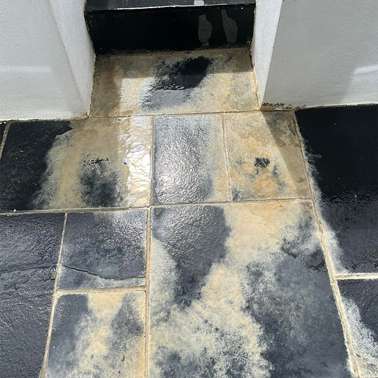 Efflorescence
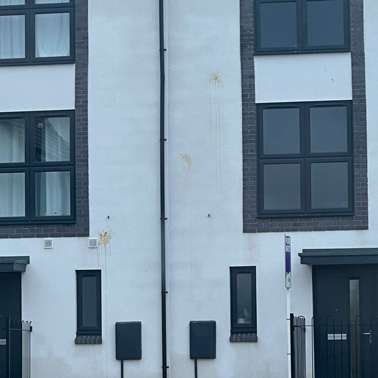 Egg
Egg Failed Sealer
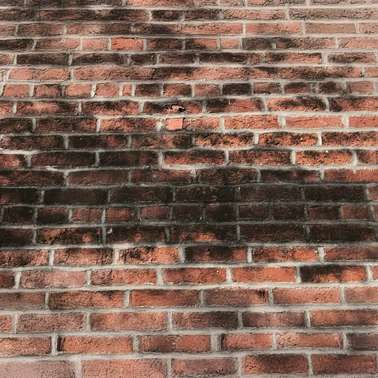 Fire Damage
 Fuel / Oil
 Graffiti
 Grease / Fat / Cooking Oil
 Lawn Fertiliser
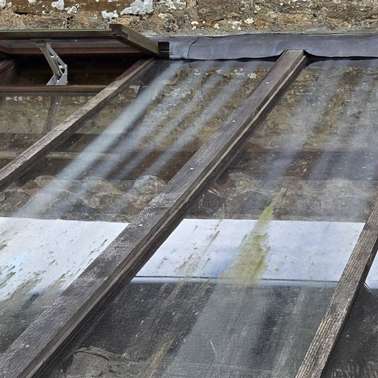 Lead Carbonate
 Lead Oxide
 Paint Splashes
 Rust
Rust Tar & Glue
 Tannin Removers
 Traffic Film Removers
 Trapped Moisture / Sealer Repairs
 Urine Neutralisers