Pressure washing looks straightforward from the outside, but in practice it involves high-pressure water, chemical exposure, electrical risk, and slip hazards all at once. The equipment used to carry out the job safely is just as important as the machine itself. Without the right protection and setup, even routine cleaning can become dangerous very quickly.
At Pureseal Services, safety equipment is treated as a core part of every job, not an optional extra. Proper protection reduces risk, improves control, and ensures consistent professional standards across all types of cleaning work.
Understanding Pressure Washing Risks
Why Safety Equipment Matters
Pressure washers can operate at extremely high forces. Even standard commercial machines can cause injury or property damage if handled incorrectly.
Key risks include:
High-pressure injection injuries
Chemical exposure from detergents and treatments
Slips and falls on wet surfaces
Electrical hazards from water contact
Flying debris and surface material dislodgement
Eye and skin injuries
These risks increase significantly in commercial environments where machines are used for extended periods.
Risk Levels by Job Type
Job Type
Risk Level
Main Hazards
Domestic patio cleaning
Low–Medium
Slips, mild spray exposure
Driveway cleaning
Medium
Debris, recoil, surface damage
Roof cleaning
High
Falls, chemical exposure
Commercial site cleaning
High
Electrical, heavy debris
Industrial cleaning
Very High
Chemicals, high pressure, machinery
Understanding risk level helps determine what safety equipment is required before work begins.
Personal Protective Equipment (PPE) Checklist
Head Protection
Head protection is often overlooked in pressure washing, but it plays a critical role in preventing injury from falling debris or accidental contact with equipment.
Common options include:
Safety helmets for industrial environments
Bump caps for low-clearance areas
Waterproof head protection for wet conditions
Eye and Face Protection
High-pressure water can dislodge dirt, stone fragments, and organic matter at speed. Eye protection is essential on every job.
Type of Protection
Use Case
Protection Level
Safety goggles
General cleaning
Basic impact protection
Full face shield
Heavy-duty cleaning
High impact + splash protection
Anti-fog goggles
Long duration work
Comfort + visibility
Eye protection is particularly important when working on aged paving or heavily contaminated surfaces.
Hand Protection
Hands are constantly exposed to pressure, vibration, chemicals, and wet conditions.
Glove Type
Best Use
Key Benefit
Latex-coated gloves
Light cleaning
Dexterity and grip
Nitrile gloves
Chemical handling
Chemical resistance
Heavy-duty waterproof gloves
Industrial cleaning
Full protection
Anti-vibration gloves
Long sessions
Reduced fatigue
Professional operators often rotate glove types depending on the task being performed.
Foot Protection
Slip hazards are one of the most common risks in pressure washing. Wet surfaces combined with algae, moss, or cleaning agents create unstable footing.
Proper footwear should include:
Steel toe caps for impact protection
Slip-resistant soles
Waterproof construction
Ankle support for uneven ground
Footwear Type
Best Environment
Benefit
Safety boots
General use
All-round protection
Waterproof boots
Wet conditions
Moisture resistance
Grip-enhanced boots
Slippery surfaces
Reduced slip risk
Body Protection
The body is exposed to water pressure, chemicals, and environmental conditions during cleaning.
Common protective options include:
Waterproof jackets
Heavy-duty overalls
Chemical-resistant suits
Hi-visibility clothing for roadside work
Clothing Type
Purpose
Typical Use
Waterproof jacket
Wet protection
General cleaning
Chemical suit
Chemical exposure
Soft washing
Hi-vis gear
Visibility
Public areas
At a professional level, layered protection is often used depending on the job type.
Respiratory Protection
When Breathing Protection Is Required
Respiratory protection becomes necessary when working with:
Cleaning chemicals
Mold and algae removal
Dust from dry surfaces
Enclosed or poorly ventilated spaces
Without protection, airborne particles and vapours can cause irritation or longer-term health issues.
Types of Respiratory Equipment
Equipment Type
Protection Level
Application
Disposable mask
Low
Light dust exposure
Half-face respirator
Medium
Chemical spraying
Full-face respirator
High
Industrial cleaning
For chemical-heavy work, full-face systems provide both respiratory and eye protection.
Hearing Protection
Noise Exposure in Pressure Washing
Commercial pressure washers, especially petrol or diesel units, can generate significant noise levels over long periods.
Prolonged exposure can lead to hearing fatigue or long-term damage.
Types of Hearing Protection
Type
Noise Reduction
Use Case
Ear plugs
Basic
Short-duration tasks
Ear defenders
High
Continuous machine use
Helmet-mounted defenders
High
Industrial environments
Proper hearing protection is especially important when multiple machines are running simultaneously.
Equipment Safety Checks Before Use
Machine Inspection Checklist
Before starting any pressure washing job, equipment should be inspected thoroughly.
Component
Check Required
Risk if Ignored
Hose
Cracks or leaks
Burst or injury
Trigger gun
Smooth operation
Loss of control
Nozzle
Blockages
Pressure irregularity
Pump
Oil levels
Mechanical failure
Electrical cables
Damage or wear
Electric shock risk
Skipping these checks increases the chance of equipment failure during operation.
Hose Safety Management
Hoses operate under high pressure and must be handled correctly.
Best practices include:
Avoiding sharp bends
Keeping hoses clear of foot traffic
Inspecting for weak points
Using correct pressure rating
Risk
Cause
Prevention
Burst hose
Wear or overload
Regular inspection
Trip hazard
Poor layout
Proper routing
Pressure drop
Kinks
Correct handling
Site Safety Setup
Preparing the Work Area
Before cleaning begins, the surrounding environment must be made safe.
This includes:
Clearing loose objects
Marking wet zones
Identifying electrical hazards
Securing access points
Protecting nearby property
Public Safety Measures
For commercial or roadside work, additional precautions are needed.
Measure
Purpose
Barrier tape
Restrict access
Warning signs
Inform public
Cones
Mark wet areas
Spotter assistance
Traffic awareness
These steps reduce the risk of accidental entry into hazardous zones.
Chemical Safety Equipment
Handling Cleaning Agents
Many pressure washing jobs require chemical pre-treatment. These substances can be hazardous if not handled correctly.
Common risks include:
Skin irritation
Eye damage
Respiratory irritation
Surface corrosion
Chemical Protection Checklist
Equipment
Function
Chemical-resistant gloves
Prevent skin exposure
Safety goggles
Protect eyes from splashes
Respirator
Prevent inhalation
Chemical suit
Full-body protection
Correct storage and mixing procedures are equally important as wearing PPE.
Electrical Safety Equipment
Risks in Wet Environments
Water and electricity create a high-risk combination. Especially when joing jobs like cleaning electrical shower equipment or oven cleaning Colchester. Commercial pressure washing often involves:
Extension leads
Outdoor sockets
Electric machines
Wet ground conditions
Electrical Safety Measures
Equipment
Purpose
RCD protection device
Prevent electric shock
Waterproof connectors
Prevent water ingress
Heavy-duty cables
Reduce wear damage
Elevated plug connections
Avoid standing water contact
All electrical equipment must be checked before every use.
Fall and Slip Prevention Equipment
Surface Hazards
Wet surfaces are inherently slippery, especially when algae or cleaning agents are present.
Safety Measures
Equipment
Use
Anti-slip footwear
Maintain grip
Safety harness (roof work)
Prevent falls
Stabilising ladders
Safe elevation access
Knee pads
Ground-level protection
Roof and elevated cleaning require significantly higher safety standards.
Lighting and Visibility Equipment
Low-Light Working Conditions
Some commercial cleaning jobs take place early in the morning, late in the evening, or in shaded environments.
Visibility Equipment
Equipment
Purpose
Portable work lights
Improve visibility
Head torches
Hands-free lighting
Hi-vis clothing
Worker visibility
Reflective markers
Site safety
Proper lighting reduces mistakes and improves precision.
Transport and Equipment Handling Safety
Moving Commercial Equipment
Pressure washing systems can be heavy and awkward to move, especially larger commercial units.
Handling Equipment Safely
Equipment
Purpose
Wheeled frames
Reduce lifting strain
Load straps
Secure transport
Lift handles
Controlled movement
Anti-slip mats
Prevent shifting during transport
Correct handling reduces the risk of injury during loading and unloading.
Storage Safety Equipment
Safe Storage Practices
Equipment must be stored properly between jobs to maintain safety and performance.
Storage Checklist
Item
Requirement
Hoses
Drained and coiled
Nozzles
Stored dry and clean
Chemicals
Locked storage
Machines
Covered and secured
Poor storage can lead to equipment failure or accidental exposure.
Emergency Safety Equipment
Preparedness on Site
Even with precautions, emergencies can still occur. Having the correct equipment available is essential.
Emergency Kit Checklist
Item
Purpose
First aid kit
Treat minor injuries
Eye wash station
Chemical exposure response
Fire extinguisher
Electrical or fuel fires
Emergency contact list
Rapid response coordination
Professional operators ensure emergency equipment is always accessible, not stored away in vehicles or out of reach.
Professional Safety Standards
Structured Safety Approach
At a professional level, safety is not a single checklist but a structured system covering:
Personal protection
Equipment inspection
Site preparation
Chemical handling
Emergency readiness
Why Safety Standards Matter in Commercial Work
Higher standards are essential because:
Jobs involve higher pressure systems
Work areas are more complex
Public exposure is often involved
Equipment is used for longer durations
At Pureseal Services, safety procedures are integrated into every stage of the job, ensuring controlled operation and consistent results across all environments.
Advanced On-Site Safety Procedures
Having the right safety equipment is only part of the picture. The way it is used on-site, and how routines are structured around it, has a major impact on reducing risk. In commercial pressure washing, most incidents happen not because equipment is missing, but because procedures are rushed or skipped under time pressure.
A proper safety system is built around consistency, not improvisation.
Job Start Safety Routine
Before any water is turned on, a structured start-up routine should always be followed.
Step
Action
Reason
1
Site walk-through
Identify hazards early
2
Equipment check
Prevent mechanical failure
3
PPE inspection
Ensure full protection
4
Area isolation
Keep public clear
5
Hose layout
Avoid trip hazards
This routine reduces the chance of unexpected hazards once work begins.
Safe Pressure Testing
Before applying full pressure to a surface, equipment should be tested in a controlled way.
Best practice includes:
Testing nozzle output on a safe surface
Gradually increasing pressure
Checking hose stability under load
Confirming trigger response is smooth
This prevents sudden recoil or uncontrolled spray direction, especially with turbo nozzles.
Controlled Work Zones
Dividing the work area into controlled zones helps maintain safety and efficiency.
Zone Type
Purpose
Active cleaning zone
Direct work area
Buffer zone
Prevents slip hazards spreading
Dry zone
Safe access and storage area
This structure is particularly important on large commercial sites where multiple operators may be working at once.
Managing Weather-Related Risks
Weather has a significant impact on safety during pressure washing. Conditions can change surface grip, visibility, and equipment performance.
Proper ladder setup is essential before any cleaning begins.
Harness and Fall Arrest Systems
For higher-risk work, harness systems are mandatory.
These include:
Full-body harness
Anchor points
Shock-absorbing lanyards
Secure attachment systems
Harness systems are not optional in professional roof cleaning environments where fall risk is present.
Equipment Fatigue and Operator Safety
Physical Strain in Pressure Washing
Commercial pressure washing involves repetitive motion, vibration, and prolonged equipment handling.
Common issues include:
Wrist strain from trigger use
Shoulder fatigue from lance handling
Back strain from hose movement
Hand vibration exposure
Reducing Physical Fatigue
Method
Benefit
Adjustable lances
Improved posture
Anti-vibration gloves
Reduced hand strain
Rotating tasks
Lower fatigue levels
Scheduled breaks
Improved focus
Fatigue management is a major part of long-duration commercial cleaning work.
Public Interaction Safety
Managing Public Access
Many pressure washing jobs take place in public-facing environments such as:
Shopping areas
Residential streets
Commercial forecourts
Public Safety Controls
Control Method
Purpose
Barriers
Restrict entry
Clear signage
Inform public
Staff positioning
Direct movement
Controlled zones
Separate work areas
Maintaining clear boundaries prevents accidental exposure to high-pressure spray zones.
Communication with Clients and Public
Clear communication reduces confusion and improves safety compliance.
Best practice includes:
Explaining work zones before starting
Highlighting wet areas clearly
Advising on restricted access times
Updating on progress when needed
Equipment Maintenance and Safety Link
Why Maintenance Impacts Safety
Poorly maintained equipment is one of the biggest hidden safety risks in pressure washing.
Common failures include:
Hose bursts
Trigger malfunction
Pressure inconsistencies
Pump overheating
Preventative Maintenance Checklist
Component
Action
Pump
Regular oil changes
Hose
Pressure testing
Nozzles
Cleaning and replacement
Seals
Inspection for wear
Well-maintained equipment is significantly safer to operate and more predictable under pressure.
Emergency Response Procedures in Practice
Immediate Response Protocol
If an incident occurs on-site, response time is critical.
Standard procedure includes:
Stopping all machine activity immediately
Isolating power sources
Assessing injury or hazard level
Applying first aid if required
Contacting emergency support if needed
Injury Types and Response Actions
Incident Type
Response
High-pressure injury
Immediate medical attention
Chemical exposure
Eye wash or skin rinse
Slip/fall injury
Stabilise and assess movement
Electrical shock risk
Isolate power source
Having clear procedures in place reduces confusion during high-stress situations.
Integrating Safety Into Daily Workflow
Safety as Part of Operations
In professional environments, safety is not treated as a separate task. It is integrated into every stage of the job.
This includes:
Equipment selection
Site setup
Cleaning process
Final inspection
Consistency Over Speed
One of the key differences in professional-grade cleaning operations is the focus on consistency rather than rushing.
Taking time to:
Set up barriers properly
Check PPE thoroughly
Inspect equipment carefully
reduces risk and improves overall job quality.
At Pureseal Services, this structured approach is applied across all projects to maintain controlled working conditions, reduce risk exposure, and ensure a consistently safe working environment regardless of site complexity or scale.
Final Conclusion
Pressure washing safety is built on preparation, discipline, and using the right equipment in the right way. The checklist approach matters because it removes guesswork and ensures every part of the job has been considered before work begins.
PPE protects the operator, but it only works properly when it is worn correctly and matched to the task. Gloves, eye protection, footwear, and respiratory equipment each play a specific role, and none of them are optional in higher-risk environments. When you combine that with proper machine checks, safe hose management, and controlled site setup, the risk level drops significantly.
The environment also plays a bigger role than many expect. Weather conditions, public access, electrical exposure, and surface type all change how safe a job is from one moment to the next. That is why safety procedures need to be flexible, not static, and why they should be checked continuously throughout the work rather than only at the start.
On commercial sites, consistency is what keeps operations safe. Structured routines, clear zones, and proper communication help prevent avoidable mistakes, especially when multiple risks overlap. Equipment maintenance and emergency readiness add another layer of protection, ensuring that if something does go wrong, it can be managed quickly and effectively.
At a professional level, safety is not treated as a separate part of the job. It is built into every stage of the process, from planning through to completion. That level of control is what supports reliable, high-standard work across demanding environments, and it is the approach followed by Pureseal Services on every project.

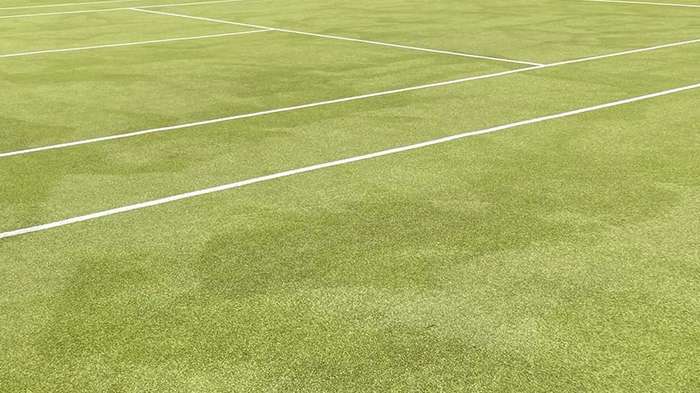 Artificial and Sports Surfaces
 Awnings / Canopies / Gazebos
 Block Paving
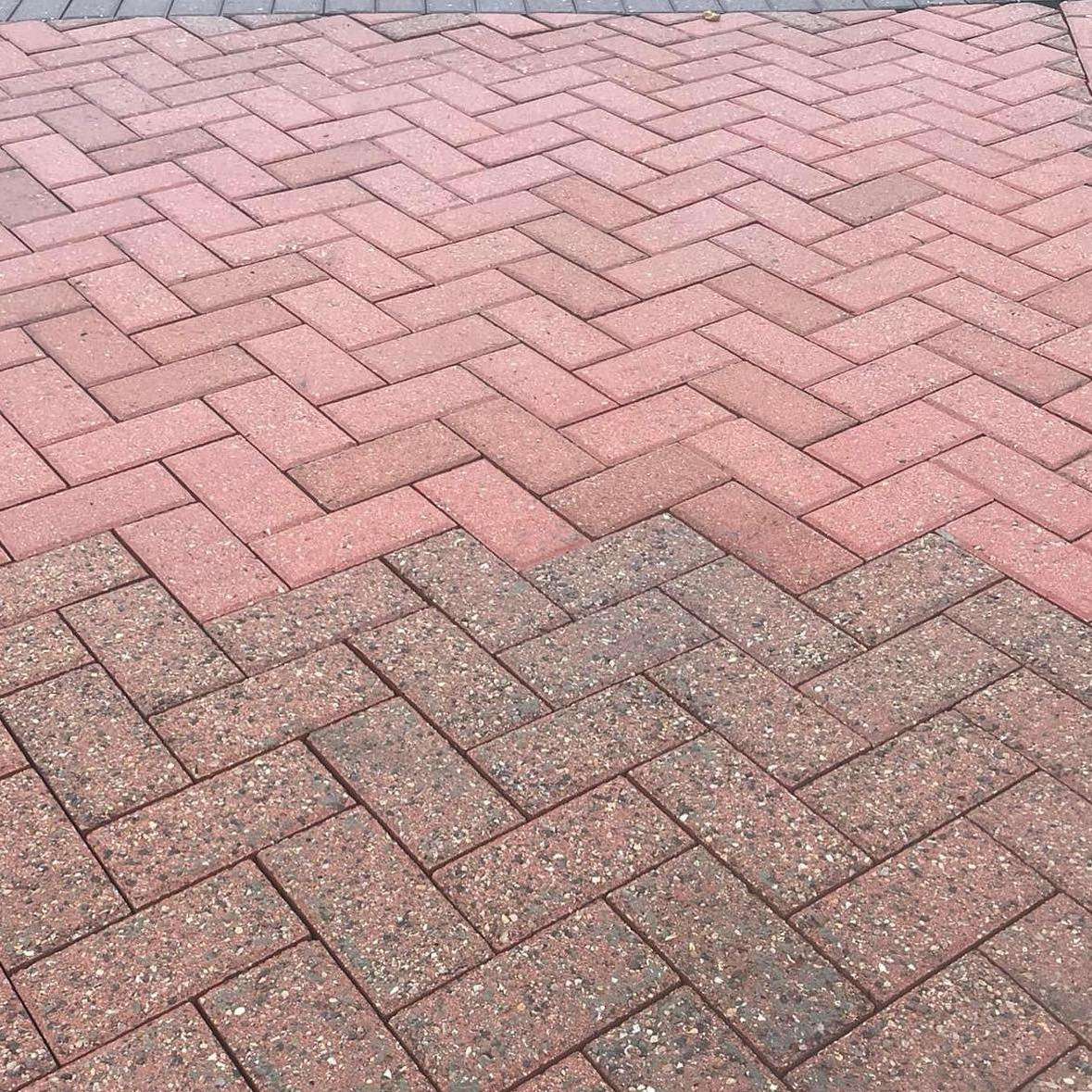 Brickwork
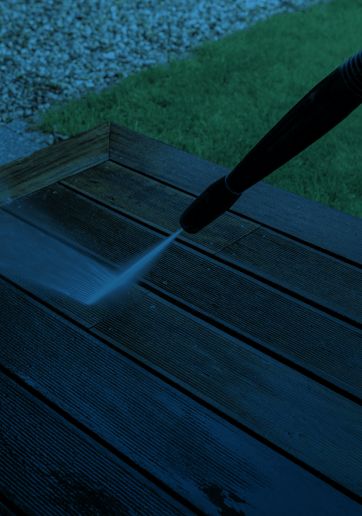 Composite Surfaces
 Decking / Timber
 Granite
 Imprinted Concrete
 Internal Masonry
 Limestone
 Marble
 Metal Cladding
 Polished or Honed Stone
 Porcelain
 Render
 Resin Bond
 Road and Rail Signs
 Roof Tiles / Slates
 Sandstone
 Slate
Slate Solar Panels and Glass
 Stone Sills and Pier Caps
 Tarmac and Asphalt
 Gutters & UPVC
 Acid Damage
 Biofilm
 Bitumen
 Blood
Blood Carbon
 Concrete / Grout / Mortar
 Copper Oxide
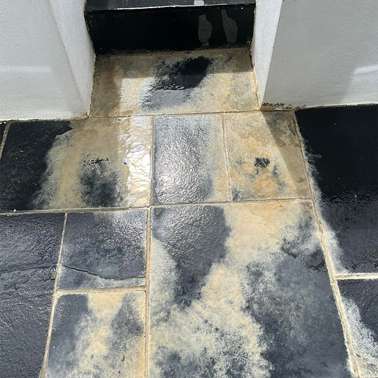 Efflorescence
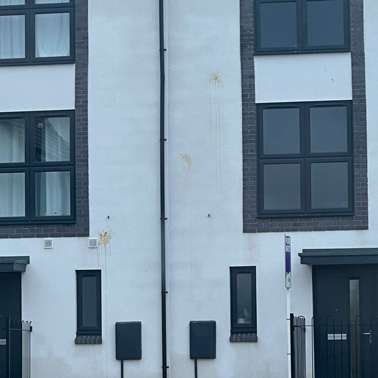 Egg
Egg Failed Sealer
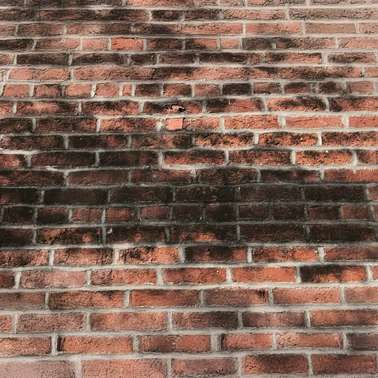 Fire Damage
 Fuel / Oil
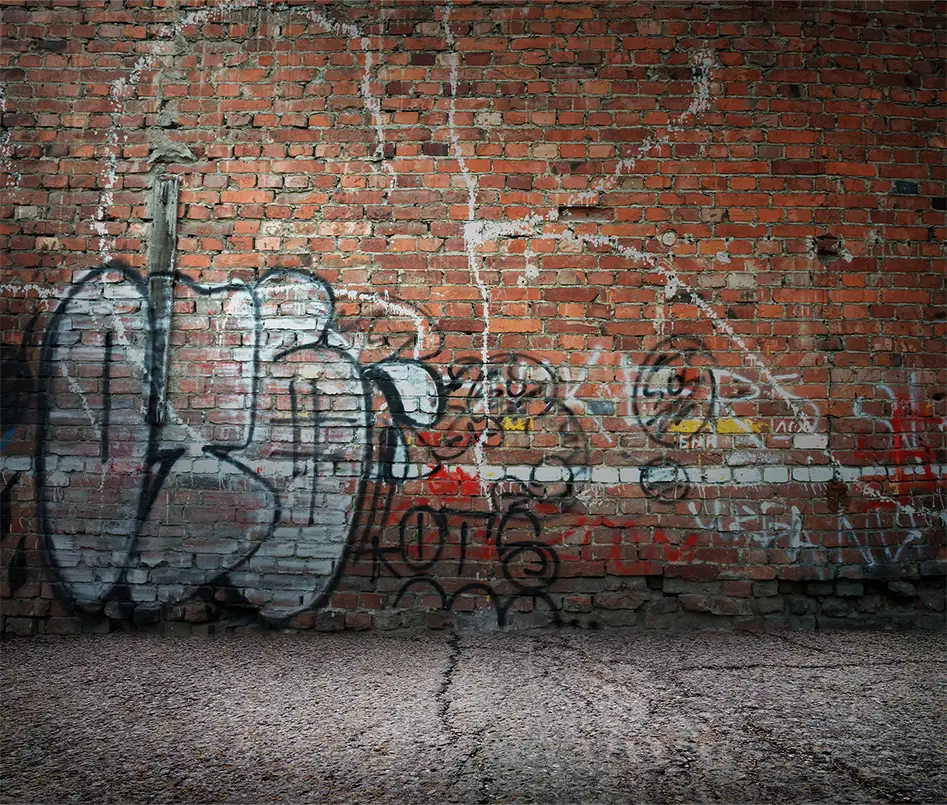 Graffiti
 Grease / Fat / Cooking Oil
 Lawn Fertiliser
 Lead Carbonate
 Lead Oxide
 Paint Splashes
 Rust
Rust Tar & Glue
 Tannin Removers
 Traffic Film Removers
 Trapped Moisture / Sealer Repairs
 Urine Neutralisers