

Pressure Washing Done Properly: Beyond Just Water Pressure
Why Pressure Washing Is More Than Just Water Pressure 🚿
When most people think of pressure washing, the first thing that comes to mind is simply “high-pressure water.” In reality, pressure washing is a multi-faceted cleaning system that combines science, mechanics, chemistry, and skill — not just brute force from a hose.
At its core, pressure washing uses a machine to deliver water at high velocity. But if that were all it did, anyone could spray a surface and expect perfect results. Instead, pressure washing is an art and a science — and understanding that difference is what separates effective cleaning from surface damage or inefficient results.
We’re going to explore this topic from every angle: how pressure washing works, what factors influence its effectiveness, why it’s more than “just water pressure,” and how professional products and approaches (like those you can find at https://puresealservices.co.uk/) elevate the process.
What Is Pressure Washing, Really?
Pressure washing — also called power washing — is a method of cleaning using pressurised water to remove dirt, stains, mould, algae, and other deposits from surfaces. The machine forces water through a narrow nozzle at high speed. The result is a focused, powerful stream capable of blasting away unwanted material that regular cleaning methods leave behind.
However, water pressure alone doesn’t clean everything effectively — especially when surfaces are porous, textured, or heavily soiled. That’s why pressure washing often incorporates temperature control, cleaning agents, nozzle choice, and operator expertise.
The Five Key Components of Effective Pressure Washing
Let’s break down what goes into real, effective pressure washing:
| Component | What It Does | Why It Matters |
|---|---|---|
| Water Pressure | Force of water leaving the nozzle | Higher pressure removes tougher grime, but misuse can damage surfaces |
| Water Temperature | Cold vs. hot water choice | Heat improves cleaning power, dissolves oils & greases |
| Cleaning Agents | Chemicals/solutions designed to break down dirt & stains | Enhances effectiveness beyond what water pressure can do |
| Nozzle & Technique | The right spray pattern for the surface | Prevents damage and improves cleaning efficiency |
| Operator Skill | Knowledge of surfaces, settings, safety | Ensures best results with minimal risk of damage |
🔍 As you can see, water pressure is only one piece of the puzzle. A skilled operator using the right mix of temperature, detergents, and technique can achieve far more effective, lasting results than brute force alone.
Water Pressure — Why It’s Necessary But Not Sufficient
Water pressure is usually measured in PSI (pounds per square inch) or BAR (in the UK, BAR is common). Higher pressure means more force directed at the surface.
Here’s a simple table showing common settings and what they’re generally used for:
| PSI / BAR Range | Typical Use Case | Surfaces |
|---|---|---|
| 1000–1500 PSI | Light cleaning | Vehicles, outdoor furniture |
| 1500–2500 PSI | Medium cleaning | Patios, decking, brick walls |
| 2500–4000+ PSI | Heavy cleaning | Concrete driveways, industrial surfaces |
💡 If it were only about pressure, the highest setting would always be best — but that’s not true! Too much pressure can erode surfaces, remove paint, or etch stone. This is why trained professionals rarely rely on pressure alone.
The Role of Temperature
One of the biggest misconceptions about pressure washing is that cold water is always fine. In many cases, hot water or steam cleaning dramatically enhances results — especially for greasy stains or oil residues.
| Water Temperature | Best For | Notes |
|---|---|---|
| Cold | Light dirt, routine exterior cleaning | Safe on many surfaces but less effective on tough stains |
| Warm | General grime, algae | Improves cleaning without risking heat damage |
| Hot/Steam | Oil, grease, heavy industrial soiling | Breaks down bonds more effectively and sanitises as well |
🔥 Hot water pressure washing is often the difference between cleaned and deeply cleaned.
Cleaning Agents: The Chemical Advantage
Water pressure and temperature are powerful, but they’re often combined with specialist cleaning products to target specific problems:
-
Algae & moss removers for patios and roofs
-
Degreasers for driveways and garage floors
-
Paint and stain removers for renovation prep
-
Rust stain solutions for metal or concrete
These products work by breaking the bond between the soil and the surface — something water pressure alone can struggle with. Many of these cleaning agents are available at specialist suppliers like https://puresealservices.co.uk/, designed for professional and DIY pressure washing applications.
🧴 Using the right product can reduce cleaning time, improve results dramatically, and extend the lifespan of the surface being cleaned.
The Importance of Technique
Even with great equipment and products, the operator’s technique plays a huge role in the outcome. Technique includes:
-
Correct nozzle choice (0°, 25°, rotary/nozzle selection)
-
Distance from surface
-
Spray angle
-
Section sequencing
-
Understanding surface type and tolerance
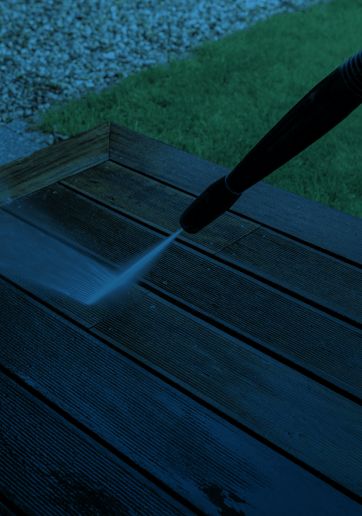
For example, when cleaning a delicate decking board, a wide spray at medium pressure will clean without gouging. Conversely, a stubborn concrete driveway stain might need a narrow, high-pressure setting combined with a degreaser.
This is why many homeowners choose professional services (or professional-grade products) — because they bridge the gap between brute force and smart application.
Applications Beyond “Cleaning”
Pressure washing isn’t just about removing dirt. It has broad applications that demonstrate how it’s about solutions, not just force:
Surface Preparation
Before painting, sealing, or resurfacing, pressure washing is used to:
-
Remove old paint
-
Eliminate loose debris
-
Prepare the surface for priming
Without proper surface preparation, coatings can fail prematurely, peeling or blistering within months.
Sanitisation
In commercial or food preparation areas, sanitising surfaces is critical. High pressure plus heat and specialised detergents can reduce microbial contaminants, not just visible dirt.
Moss and Algae Control
Moss and algae can degrade surfaces visually and structurally. Pressure washing combined with appropriate treatments prevents regrowth and protects investments like patios and roofs.
Costs: Pressure Washing Is an Investment
Many people underestimate the value pressure washing brings because they think it’s only water. When you factor in equipment, chemicals, labour, and expertise, it’s clearer why even DIY pressure washing carries a cost — and why professional products and services represent good value.
Here’s a rough table of typical price ranges (illustrative and UK-based):
| Task Type | DIY Cost (£) | Professional/Products (£) |
|---|---|---|
| Pathway cleaning (small) | £15–£40 (machine hire) | £60–£120 (product + time) |
| Driveway (medium) | £30–£80 | £120–£250 |
| Decking (wood) | £40–£90 | £150–£300+ |
| Full house exterior | £60–£150 | £250–£500+ |
💷 These ranges include machine hire, cleaning solutions, and time, but not replacement or repairs from incorrect use.
Pressure washing saves money in the long term by avoiding costly surface repairs or replacements due to neglect. It also enhances curb appeal, which can add significant value if you ever sell your property.
Safety First: Why Skilled Use Matters
High-pressure water might seem harmless, but it can be dangerous if misused:
⚠️ Injury risk – Skin can be cut by high-pressure streams.
⚠️ Surface damage – Too much pressure can strip wood, etch concrete, damage brickwork, and harm sealants.
⚠️ Environmental concerns – Runoff chemicals must be managed responsibly.
Professional operators know how to balance pressure with surface sensitivity. They also understand how and when to apply detergents without overuse.
A Closer Look: Water Pressure vs. Cleaning Performance
Let’s break this down into a simplified performance comparison between pressure alone and pressure + heat + detergents:
| Factor Involved | Pressure Alone | Pressure + Heat + Detergent |
|---|---|---|
| Removes loose dirt | ✅ | ✅ |
| Removes heavy oil stains | ❌ | ✅ |
| Breaks organic bonds (mould/algae) | ❌ | ✅ |
| Prepares surface for sealing/paint | ⚠️ (surface damage risk) | ✅ (safe & effective) |
| Sanitises surface | ❌ | ⚠️ (Heat + sanitiser only) |
This table makes it clear that water pressure on its own cannot address many common cleaning challenges, especially where biological growth, grease, and ingrained dirt are involved.
Custom Solutions: Matching Product to Problem
Every surface and stain type demands a tailored solution. Generic cleaning rarely delivers best results. That’s why cleaning supplies designed for pressure washing — the kind you’ll find on https://puresealservices.co.uk/ — are formulated with specific applications in mind. For example:
Surface-Specific Products
🧽 Patio & Driveway Degreasers – Target oil and petrol stains
🪵 Deck Cleaners – Gentle yet effective on timber
🧼 Mould & Algae Removers – Break bonds for easier removal
🔧 Rust Treatments – Remove iron stains without surface harm
These products often contain surfactants, emulsifiers, or biocides that help lift the soil from the surface, making it much easier for the water to wash it away.
The Environmental Side of Pressure Washing
Pressure washing is more sustainable than many traditional cleaning methods when done properly:
🌍 Uses less water overall than garden hoses or buckets.
🌱 Reduces need for harmful scrubbing chemicals.
💧 Heat + detergent combos can cut down repeated washing cycles.
That said, responsible use is essential. Professionals and informed DIYers ensure wastewater doesn’t enter drains untreated and that cleaning agents are appropriate for the environment.
Summary: Beyond Just Water
Pressure washing blends mechanics, chemistry, heat, and skill. It’s a system, not just a gadget. When we appreciate that:
-
Pressure alone is limited
-
Temperature enhances cleaning dramatically
-
Products make the difference on tough grime
-
Technique protects surfaces
-
Safety and environmental impact matter
…it becomes clear that pressure washing is much more than simply turning on a high-pressure stream.
If you want to explore professional pressure washing products that help you solve a range of cleaning problems, check out https://puresealservices.co.uk/ for tools and solutions that bring out the best in your cleaning tasks. 🧼💦
Understanding Surface Porosity and Absorption 🧱
One major reason pressure washing is more than raw force is surface porosity. Many materials commonly cleaned with pressure washers — such as concrete, sandstone, brick, and block paving — are porous. This means dirt, moisture, algae, and oils don’t just sit on the surface; they soak in.
When pressure alone is used on a porous surface, it may remove the top layer of grime while leaving contaminants deeper within the material. This often leads to:
-
Rapid regrowth of algae or moss
-
Persistent staining that “bleeds back”
-
Uneven colouring after drying
By combining pressure with suitable cleaning products and dwell time, contaminants are drawn out of the pores rather than driven further in. This is why pre-treatment and post-treatment are critical steps in proper pressure washing — and why results achieved using water alone rarely last.
Dwell Time: Letting Chemistry Do the Hard Work ⏱️
A commonly overlooked factor in pressure washing is dwell time — the period where a cleaning solution is left on the surface before rinsing.
Rather than relying on extreme pressure, professionals often:
-
Apply a cleaning solution
-
Allow it to dwell for several minutes
-
Rinse using moderate pressure
This approach allows the chemistry to break down dirt, oils, organic growth, and staining at a molecular level. The pressure washer then becomes a rinsing and extraction tool, not a battering ram.
Dwell time reduces:
-
Physical wear on surfaces
-
Risk of etching or stripping
-
Overall water usage
Ironically, the best pressure washing jobs often involve less pressure, not more.
Why Incorrect Pressure Washing Causes Damage ⚠️
When pressure washing is misunderstood, damage is usually the result. Too much force applied incorrectly can cause long-term issues that are far more expensive than the original cleaning would have been.
Common forms of damage include:
| Surface Type | Typical Damage from Excess Pressure |
|---|---|
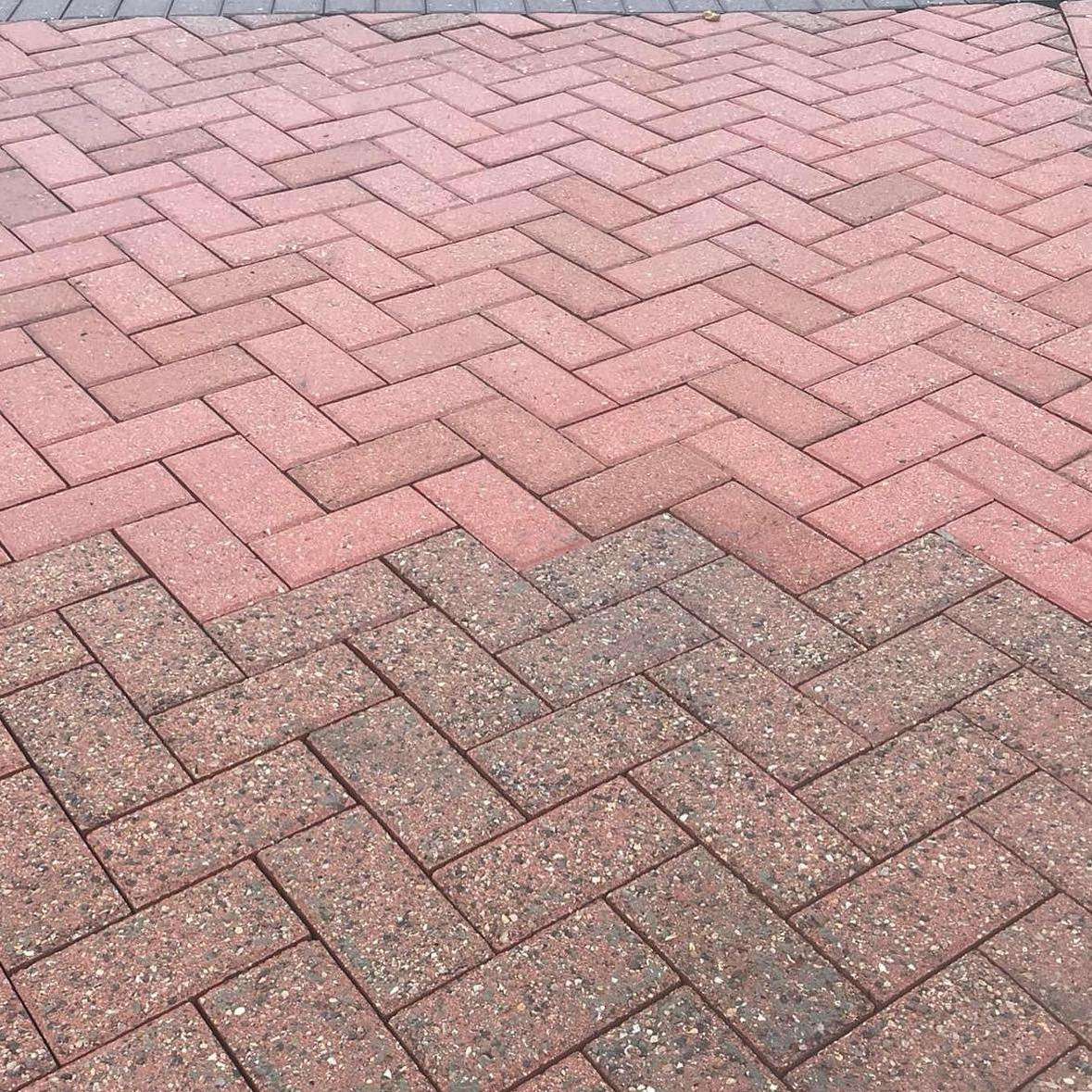
| Block paving | Jointing sand blown out |
| Tarmac | Surface pitting and softening |
| Brickwork | Mortar erosion |
| Render | Water ingress behind coatings |
| Timber decking | Furring and splintering |
These issues don’t always appear immediately. In many cases, damage becomes visible months later as water penetration leads to cracking, movement, or staining. This reinforces the idea that pressure washing is about control and understanding, not maximum output.
The Difference Between Cleaning and Restoration 🔄
Another reason pressure washing is more than water pressure is its role in restoration, not just cleaning.
Cleaning removes surface dirt. Restoration aims to:
-
Revive original colour
-
Remove deep staining
-
Prepare surfaces for sealing or protection
For example, restoring a driveway often involves:
-
Pre-treatment to break down oils
-
Controlled pressure washing
-
Targeted stain removal
-
Optional sealing preparation
Without this layered approach, the surface may look cleaner temporarily but remains structurally and visually compromised. True restoration requires planning, product choice, and restraint — not just force.
Seasonal Considerations in Pressure Washing 🍂❄️🌸☀️
Pressure washing effectiveness changes depending on the season. Temperature, moisture levels, and organic growth cycles all affect outcomes.
Seasonal impacts include:
-
Spring: High algae growth due to moisture
-
Summer: Faster drying, better chemical performance
-
Autumn: Leaf staining and tannins
-
Winter: Limited chemical activation and freezing risks
Using pressure alone in colder months often leads to poor results because organic growth becomes dormant and harder to remove. In these cases, specialist products and adjusted techniques are essential to achieve lasting cleanliness without excessive force.
Pressure Washing as Preventative Maintenance 🛠️
Pressure washing isn’t just reactive — it’s preventative. Regular, properly executed cleaning prevents long-term deterioration of surfaces.
Preventative benefits include:
-
Slowing moss and algae root penetration
-
Preventing oil stains from setting permanently
-
Reducing moisture retention
-
Extending surface lifespan
For example, a driveway that receives regular, low-impact pressure washing with appropriate treatments can last years longer than one left untreated. This makes pressure washing a maintenance strategy, not a cosmetic quick fix.
Equipment Quality vs Technique Quality
High-end pressure washers often get the credit, but technique usually matters more than machine size.
Two operators using the same machine can achieve completely different results based on:
-
Nozzle selection
-
Distance control
-
Cleaning sequence
-
Product knowledge
A modest machine paired with good technique and the right cleaning solutions can outperform a powerful unit used incorrectly. This is why professional-grade consumables and treatments — such as those available from https://puresealservices.co.uk/ — play such a critical role in real-world results.
Longevity of Results: Why Some Cleanings Last Longer ⏳
One of the clearest signs that pressure washing is more than water pressure is how long the results last.
Quick, pressure-only cleans often look impressive for a few weeks, then fade as:
-
Algae regrows
-
Stains reappear
-
Moisture remains trapped
By contrast, cleans that combine pressure with proper chemical treatment often last months or even years longer. The difference lies in neutralising the root cause of contamination, not just removing what’s visible.
Longer-lasting results mean:
-
Fewer cleans required
-
Lower long-term costs (£)
-
Better surface protection
-
Improved appearance over time
Tags: Patio cleaning, Driveway cleaning, pressure washing, Roof Cleaning, Exterior cleaning, gutter cleaning, window cleaning
 Artificial and Sports Surfaces
 Awnings / Canopies / Gazebos
 Block Paving
 Brickwork
 Composite Surfaces
 Decking / Timber
 Granite
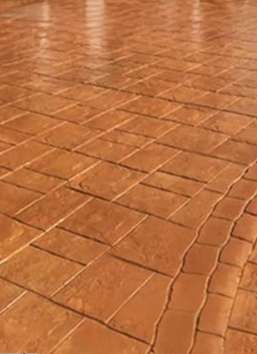 Imprinted Concrete
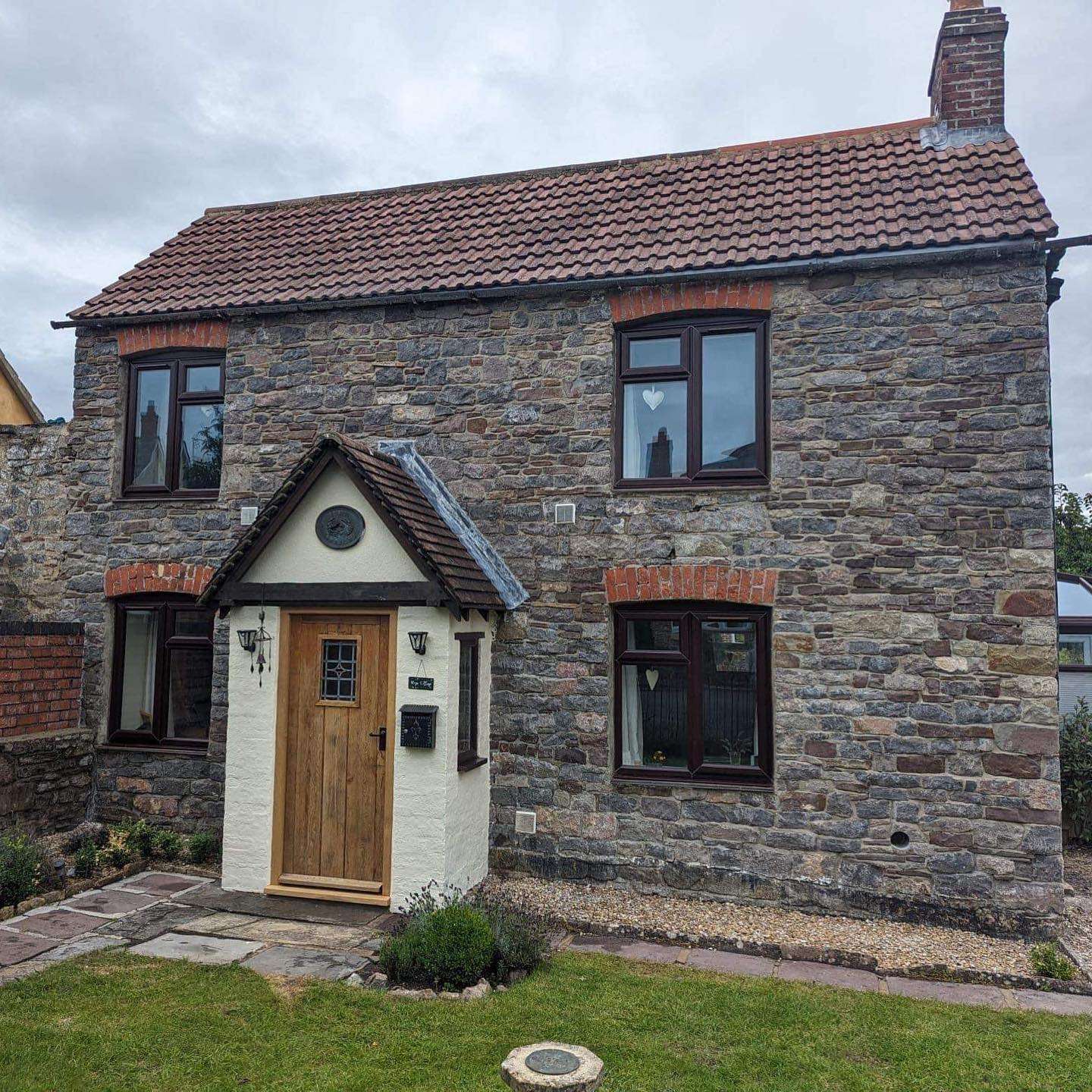 Internal Masonry
 Limestone
 Marble
 Metal Cladding
 Polished or Honed Stone
 Porcelain
 Render
 Resin Bond
 Road and Rail Signs
 Roof Tiles / Slates
 Sandstone
 Slate
Slate Solar Panels and Glass
 Stone Sills and Pier Caps
 Tarmac and Asphalt
 Gutters & UPVC
 Acid Damage
 Biofilm
 Bitumen
 Blood
Blood Carbon
 Concrete / Grout / Mortar
 Copper Oxide
 Efflorescence
 Egg
Egg Failed Sealer
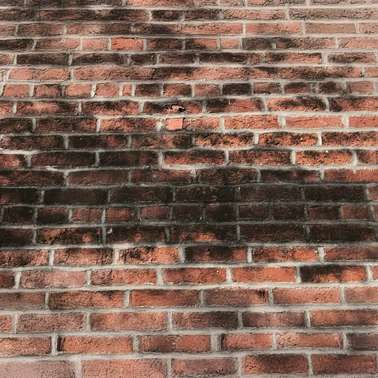 Fire Damage
 Fuel / Oil
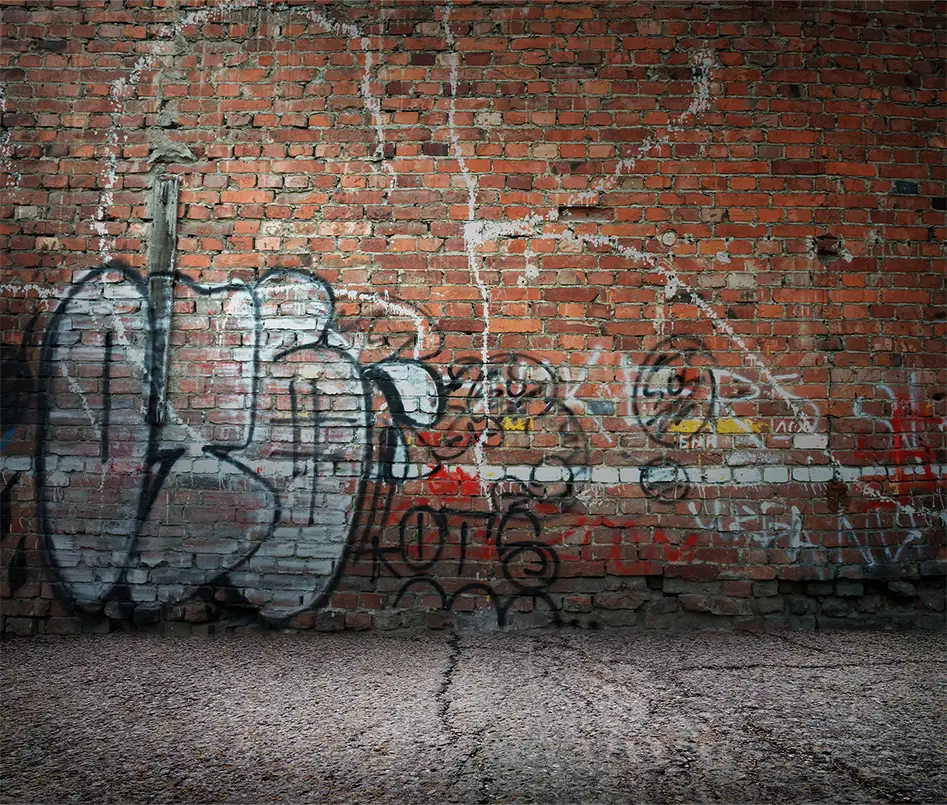 Graffiti
 Grease / Fat / Cooking Oil
 Lawn Fertiliser
 Lead Carbonate
 Lead Oxide
 Paint Splashes
 Rust
Rust Tar & Glue
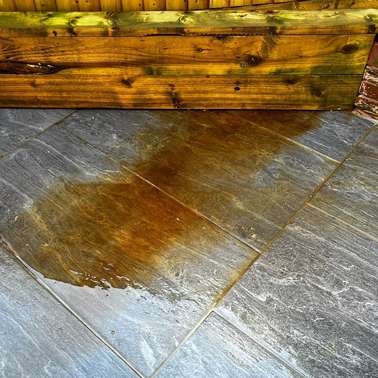 Tannin Removers
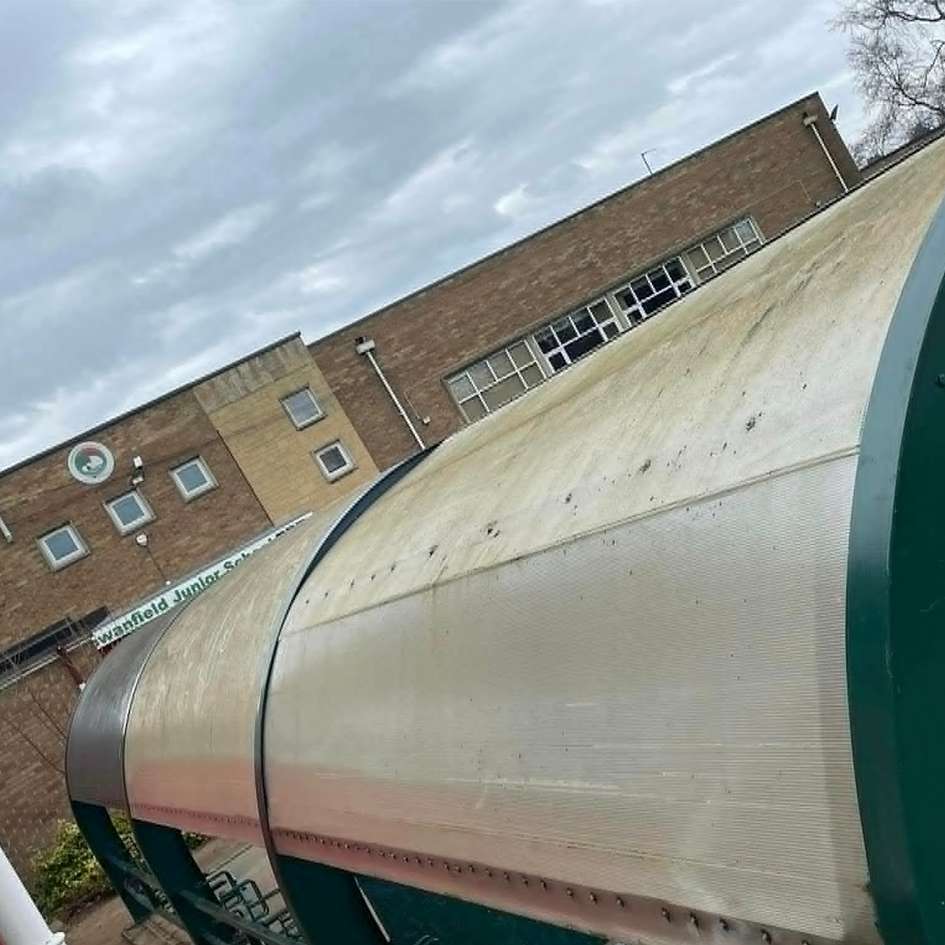 Traffic Film Removers
 Trapped Moisture / Sealer Repairs
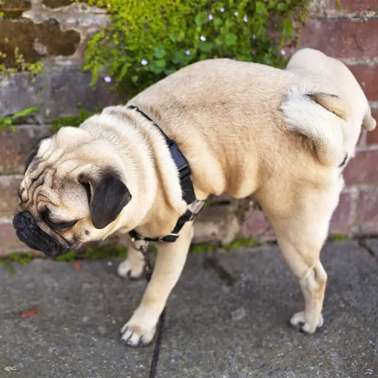 Urine Neutralisers