
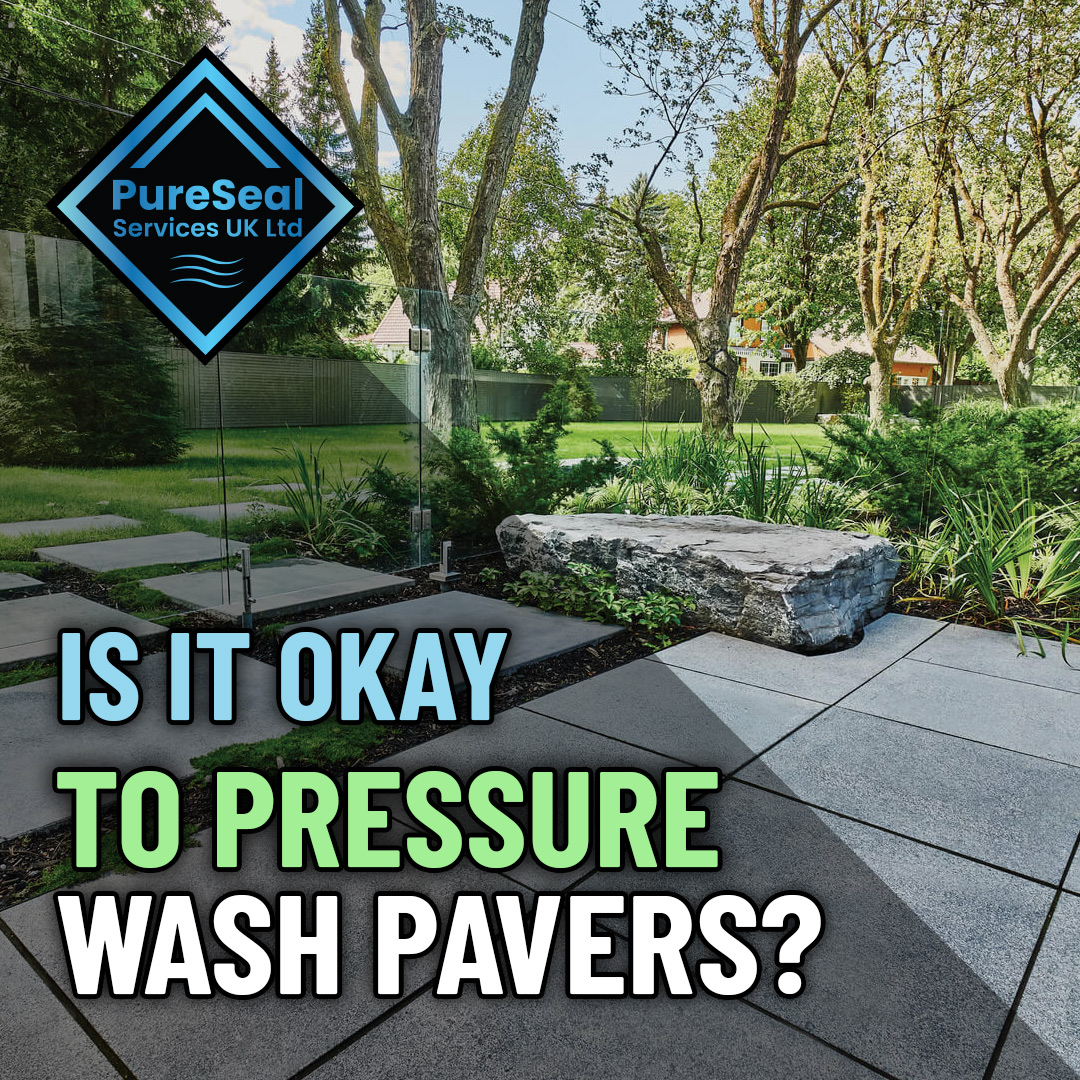
Is It Okay to Pressure Wash Pavers?
Introduction
Pavers — whether used for patios, driveways, or garden paths — are a central feature of many UK homes. Over time, however, they inevitably gather moss, algae, weeds, black spot, oil stains, and general dirt. A patio or driveway that once looked pristine can quickly appear tired and uninviting.
Pressure washing (also called jet washing) is often seen as the go-to solution. A high-powered water jet can transform a dirty surface in minutes, blasting away years of grime. But is it really okay to pressure wash pavers?
The short answer is: yes, but with caution. While pressure washing is effective, it comes with potential risks — especially if the wrong equipment or technique is used. Done correctly, it restores pavers beautifully; done poorly, it can damage the surface, erode joints, and shorten the lifespan of your paving.
This essay explores the advantages, disadvantages, proper techniques, alternatives, costs, and long-term maintenance involved in pressure washing pavers.
What Are Pavers?
Pavers (or paving blocks/slabs) come in different materials, each of which reacts differently to pressure washing:
| Paver Type | Common Use | Properties | Pressure Washing Suitability |
|---|---|---|---|
| Concrete block paving | Driveways, patios | Durable but porous; sanded joints | Good, but joints vulnerable |
| Clay brick pavers | Driveways, paths | Hard, colourfast, but brittle | Good, but avoid high pressure |
| Natural stone (sandstone, limestone, granite, slate) | Patios, gardens | Varying density and porosity | Care needed; softer stones risk damage |
| Porcelain pavers | Modern patios | Non-porous, dense | Can withstand, but little benefit |
| Pressed concrete slabs | Budget patios | Strong but plain | Suitable, but prone to surface wear |
Why Pressure Wash Pavers?
Benefits
-
Restores Appearance
-
Removes dirt, moss, algae, weeds, oil stains, and black spots.
-
Brings colour back to faded surfaces.
-
-
Improves Safety
-
Eliminates slippery algae and moss, reducing fall risk.
-
-
Prepares Surface
-
Ideal before applying sealers or jointing sand.
-
-
Cost-effective
-
Buying a pressure washer (£150–£300) is far cheaper than replacing a patio (£2,000+).
-
Risks
-
Joint Erosion
-
Pressure washing can blast out jointing sand between block paving.
-
-
Surface Damage
-
Too high pressure can chip stone, strip surface coatings, or expose aggregates.
-
-
Water Ingress
-
Driving water deep into porous stone can cause frost damage in winter.
-
-
Uneven Cleaning
-
Poor technique may leave striping or patchy areas.
-
-
Biological Regrowth
-
If no biocide is used after cleaning, algae quickly return.
-
Is Pressure Washing Safe for Different Pavers?
| Paver Material | Safe to Pressure Wash? | Cautions |
|---|---|---|
| Concrete blocks | Yes | Replace jointing sand afterwards |
| Brick pavers | Yes | Use moderate pressure, avoid chipping edges |
| Sandstone/limestone | Yes, with care | Use low pressure; avoid acid cleaners afterwards |
| Granite/slate | Yes | Very durable; use surface cleaner for even finish |
| Porcelain | Yes | Won’t absorb water; dirt comes off easily |
| Pressed concrete slabs | Yes | Avoid maximum pressure to prevent surface wear |
Best Practices for Pressure Washing Pavers
1. Use the Right Pressure
-
Domestic washers typically range 110–160 bar.
-
130 bar is enough for most patios.
-
Higher pressures risk damage, especially on soft stone.
2. Correct Nozzle and Attachment
-
Use a rotary surface cleaner attachment rather than a single jet.
-
Provides even cleaning and protects joints.
-
Nozzle too close → stripes and etching.
3. Distance and Angle
-
Keep nozzle 20–30 cm above the surface.
-
Hold at a slight angle, not perpendicular.
4. Work Methodically
-
Clean in overlapping passes.
-
Avoid focusing on one spot for too long.
5. Aftercare
-
Replace jointing sand for block paving.
-
Apply sealer to protect surface and reduce regrowth.
Costs of Pressure Washing
DIY Pressure Washing
| Item | Cost (UK) |
|---|---|
| Pressure washer purchase | £100–£400 |
| Surface cleaner attachment | £40–£80 |
| Biocidal patio cleaner (5 L) | £15–£25 |
| Kiln-dried sand (25 kg bag) | £6–£8 |
| Water/electric use (per wash) | £1–£3 |
Annual cost: minimal after initial purchase.
Professional Pressure Washing
-
Typical charge: £3–£5 per m².
-
A 40 m² patio costs £120–£200.
-
Often includes re-sanding joints and applying sealer.
Alternatives to Pressure Washing
| Method | Description | Pros | Cons | Cost |
|---|---|---|---|---|
| Scrubbing + detergent | Manual cleaning with stiff brush and patio cleaner | Cheap, safe | Labour intensive | £10–£20 |
| Biocidal “spray & leave” | Chemical cleaner kills moss/algae over days/weeks | Easy, low effort | Slow results, limited stain removal | £15–£25 |
| Steam cleaning | Uses hot water/steam to lift dirt | Kills weeds, eco-friendly | Requires specialist kit | £5–£7 per m² (pro) |
| Sandblasting | High-power abrasive cleaning | Very effective | Expensive, can damage surfaces | £15–£20 per m² |
Pressure washing strikes the balance between cost, effort, and effectiveness.
Maintenance After Pressure Washing
Pressure washing alone is temporary. For lasting results:
-
Re-sand joints (block paving)
-
Sweep kiln-dried sand into gaps.
-
Costs ~£7 per bag; one bag covers 4–5 m².
-
-
Apply sealer
-
Matt or wet-look sealers cost £25–£45 per 5 L.
-
Extend cleanliness for 2–3 years.
-
-
Biocidal treatment
-
Apply annually to prevent algae regrowth.
-
~£15–£20 per treatment.
-
Pros and Cons of Pressure Washing Pavers
| Pros | Cons |
|---|---|
| Restores “like new” look instantly | Can damage joints/surfaces |
| Removes moss, algae, weeds | Biological regrowth without follow-up |
| Improves safety (non-slip) | Time-consuming on large areas |
| Cost-effective vs replacement | High water usage |
| Prepares surface for sealing | Requires careful technique |
Environmental Considerations
-
Water usage: Jet washing can use 300–400 litres per hour.
-
Runoff: Polluted water may carry dirt, moss, or chemicals into drains.
-
Noise: Pressure washers are loud; be mindful of neighbours.
-
Eco-friendly cleaners: Opt for biodegradable detergents when needed.
Annual Care Schedule
| Season | Task |
|---|---|
| Spring | Main jet wash; remove moss/algae from winter |
| Summer | Optional maintenance clean; re-sand joints |
| Autumn | Sweep leaves; apply biocide if needed |
| Winter | Avoid jet washing in frost; spot clean manually |
Case Study: A 35 m² Driveway in Leeds
-
Initial state: Block paving with moss in joints and oil stains.
-
DIY process:
-
Applied biocidal cleaner (£18).
-
Pressure washed with 140 bar washer.
-
Re-sanded joints with 6 bags kiln-dried sand (£42).
-
Applied wet-look sealer (£40).
-
Total cost: £100 (excluding washer purchase).
Result: Driveway looked new, with reduced weed growth for 2 years.
Expert Advice
-
Once a year is enough for most patios.
-
Avoid using maximum pressure — technique is more important than brute force.
-
Combine jet washing with sealing for long-lasting results.
-
For fragile or heritage paving, consider professional cleaning instead of DIY.
Conclusion
So, is it okay to pressure wash pavers?
Yes — if done correctly. Pressure washing is one of the most effective ways to restore pavers, making them look bright and clean. However, care must be taken to avoid damage: use moderate pressure, the correct attachments, and re-sand or seal afterwards.
For most UK homeowners:
-
Jet wash once a year in spring.
-
Use 130 bar pressure with a rotary surface cleaner.
-
Always re-sand joints and seal if possible.
-
Consider professional services for large or delicate areas.
When used responsibly, pressure washing is not only safe but one of the best tools for keeping patios and driveways looking fresh — saving thousands of pounds compared to replacement.
Tags: Patio cleaning, Driveway cleaning, pressure washing, Roof Cleaning, Exterior cleaning, gutter cleaning, window cleaning
 Artificial and Sports Surfaces
 Awnings / Canopies / Gazebos
 Block Paving
 Brickwork
 Composite Surfaces
 Decking / Timber
 Granite
 Imprinted Concrete
 Internal Masonry
 Limestone
 Marble
 Metal Cladding
 Polished or Honed Stone
 Porcelain
 Render
 Resin Bond
 Road and Rail Signs
 Roof Tiles / Slates
 Sandstone
 Slate
Slate Solar Panels and Glass
 Stone Sills and Pier Caps
 Tarmac and Asphalt
 Gutters & UPVC
 Acid Damage
 Biofilm
 Bitumen
 Blood
Blood Carbon
 Concrete / Grout / Mortar
 Copper Oxide
 Efflorescence
 Egg
Egg Failed Sealer
 Fire Damage
 Fuel / Oil
 Graffiti
 Grease / Fat / Cooking Oil
 Lawn Fertiliser
 Lead Carbonate
 Lead Oxide
 Paint Splashes
 Rust
Rust Tar & Glue
 Tannin Removers
 Traffic Film Removers
 Trapped Moisture / Sealer Repairs
 Urine Neutralisers