Oil stains on driveways are one of the most common and frustrating types of surface contamination for homeowners in the UK. Whether caused by vehicle leaks, accidental spills during maintenance, or small drips over time, oil quickly penetrates porous surfaces and becomes increasingly difficult to remove the longer it is left untreated.
Driveways are particularly vulnerable because most UK homes use concrete, block paving, tarmac or resin-bound surfaces. These materials are designed for durability, but they are also slightly porous, which allows oil to soak in and bond with the surface.
Once this happens, simple washing is rarely enough.
Why Oil Stains Are So Difficult to Remove
Oil behaves differently from water-based dirt. Instead of sitting on the surface, it penetrates deeply and binds with the material.
Key reasons oil stains persist
Oil is hydrophobic, so it repels water-based cleaning alone
It penetrates porous materials quickly
It binds with dust and debris, creating a darker stain
It spreads horizontally beneath the surface
Heat from tyres can drive oil deeper into the driveway
How quickly oil penetrates different surfaces
Surface Type
Absorption Speed
Stain Severity Over Time
Tarmac
Very fast
High within hours
Concrete
Fast
High within 1–2 days
Block paving
Moderate
Medium but spreads between joints
Resin-bound
Slow
Lower but still visible if untreated
The longer oil is left, the more it bonds with the surface structure, making removal significantly harder.
Types of Oil Stains Found on Driveways
Not all oil stains are the same. The type of oil affects how it should be treated.
Common oil types
Oil Type
Source
Difficulty to Remove
Engine oil
Vehicle leaks
High
Diesel
Spills during refuelling
Medium–High
Petrol
Small spills
Medium
Hydraulic oil
Machinery leaks
High
Cooking oil
Outdoor spills
Medium
Engine oil is typically the most stubborn due to its thickness and chemical composition.
First Response: What to Do Immediately After a Spill
The first few minutes after an oil spill are critical. Quick action can significantly reduce staining severity.
Immediate steps to take
Prevent further spread by blocking the area if possible
Blot excess oil using absorbent material
Avoid rubbing, which pushes oil deeper
Apply absorbent granules if available
Leave to soak before any water-based cleaning
Common absorbent materials
Material
Effectiveness
Cat litter
High
Sawdust
Medium
Sand
Medium
Commercial absorbent granules
Very high
Early intervention can reduce long-term staining by up to 70 percent in some cases.
Cleaning Methods for Oil Stain Removal
There are several methods used to remove oil stains depending on severity and surface type.
Overview of methods
Method
Best Use Case
Effectiveness
Absorbent treatment
Fresh spills
High
Detergent washing
Light staining
Medium
Degreasing chemicals
Moderate stains
High
Hot water pressure cleaning
Heavy staining
Medium–High
Steam treatment
Embedded oil
High
Surface restoration
Severe long-term stains
Very high
Each method becomes progressively more intensive depending on how long the stain has been present.
Degreasing Chemicals and How They Work
Degreasers are one of the most effective tools for oil stain removal. They break down the molecular structure of oil, allowing it to be lifted from the surface.
How degreasers function
Break down oil into smaller particles
Separate oil from porous surfaces
Allow emulsification with water
Lift contaminants to the surface for removal
Application process
Apply degreaser evenly over stain
Allow dwell time for chemical reaction
Light agitation with brush if needed
Rinse using controlled water pressure
Repeat for stubborn stains if required
Hot Water Pressure Cleaning for Oil Stains
Hot water pressure washing is more effective than cold water because heat helps break down oil molecules.
Why heat improves cleaning
Softens hardened oil deposits
Reduces surface tension of oil
Improves effectiveness of detergents
Speeds up emulsification process
Typical temperature ranges used
Method
Water Temperature
Effectiveness
Cold water washing
Ambient
Low–Medium
Warm water washing
40–60°C
Medium
Hot water pressure washing
70–90°C
High
However, excessive pressure must still be avoided, especially on block paving and resin-bound surfaces.
Surface-Specific Cleaning Methods
Different driveway materials require different approaches to avoid damage.
Concrete driveways
Concrete is highly porous and absorbs oil quickly.
Best treated with strong degreasers
Hot water pressure washing recommended
Multiple treatments often required
Block paving
Block paving presents a unique challenge because oil can settle into joints.
Issue
Treatment
Joint staining
Deep chemical soak
Surface staining
Degreaser + brushing
Old stains
Repeated treatment cycles
Care must be taken not to dislodge jointing sand during cleaning.
Tarmac driveways
Tarmac is highly absorbent and can darken permanently if oil is not treated quickly.
Immediate absorbent treatment is essential
Chemical degreasing required for older stains
Over-cleaning can damage binder structure
Resin-bound driveways
Resin-bound surfaces are less porous but still vulnerable.
Avoid high pressure cleaning
Use gentle degreasers
Spot treatment recommended
Rinse carefully to avoid surface disruption
Deep Stain Removal for Long-Standing Oil Marks
Older oil stains that have been present for months or years require more intensive treatment.
Stages of deep removal
Heavy degreaser application
Extended dwell period
Mechanical agitation if safe
Hot water rinse
Repeat cycles if necessary
Optional surface restoration treatment
Expected results by stain age
Stain Age
Expected Outcome
Less than 1 week
Near complete removal
1–4 weeks
High improvement
1–6 months
Moderate improvement
6+ months
Partial removal with shadowing
1+ years
Permanent staining likely
Common Mistakes When Cleaning Oil Stains
Many homeowners unintentionally make stains worse by using incorrect methods.
Frequent errors
Using only water without degreaser
Scrubbing aggressively on dry oil
Applying bleach (which is ineffective on oil)
Using excessive pressure on soft surfaces
Leaving treatment too long without rinsing
These mistakes often spread the stain or push it deeper into the surface.
Professional Oil Stain Removal Services
Severe or long-standing oil stains often require professional treatment to achieve noticeable improvement.
Professional cleaning involves:
Industrial-grade degreasers
Controlled hot water systems
Surface-specific treatment plans
Multi-stage cleaning cycles
Optional sealing after treatment
Pureseal Services typically operate at the higher end of the market, offering detailed restoration-level cleaning rather than quick surface washing. This reflects the use of specialist equipment, extended treatment time and more precise chemical application methods.
Typical professional pricing in the UK
Service Level
Description
Estimated Cost
Light stain removal
Fresh or minor oil marks
£200–£400
Moderate restoration
Multi-spot treatment
£400–£800
Heavy stain recovery
Deep embedded oil removal
£700–£1,500+
Pricing varies depending on driveway size, material type and stain severity.
Preventing Future Oil Stains
Prevention is often more cost-effective than removal.
Preventative measures
Regular vehicle maintenance to prevent leaks
Using drip trays during car servicing
Applying driveway sealant
Prompt cleaning of spills
Avoiding long-term parking on untreated surfaces
Driveway Sealing for Protection
Sealing creates a protective barrier that reduces oil penetration.
Benefits of sealing
Benefit
Effect
Water resistance
Slows oil absorption
Easier cleaning
Stains remain on surface
Improved appearance
Enhances colour and finish
Long-term protection
Reduces maintenance needs
Types of sealers
Penetrating sealers
Film-forming sealers
Resin-specific protective coatings
Sealing is especially recommended after professional cleaning.
Environmental Considerations During Oil Removal
Oil removal must be carried out responsibly to avoid environmental contamination.
Good practices
Prevent runoff entering drains
Use absorbent materials for containment
Dispose of contaminated waste properly
Avoid excessive chemical use
Use controlled rinsing methods
Professional services typically manage runoff carefully to ensure compliance with environmental standards.
Signs That Oil Has Permanently Damaged a Driveway
In some cases, oil staining cannot be fully removed.
Indicators of permanent staining
Dark shadowing remains after treatment
Surface texture has changed
Oil has penetrated deep into material
Repeated cleaning shows diminishing returns
In these situations, full restoration may be required rather than standard cleaning.
Oil stain management is most effective when approached as part of ongoing driveway care rather than a reactive process. Once oil penetrates deeply into porous materials, removal becomes progressively more difficult, so early intervention and preventative maintenance are key to maintaining appearance and surface integrity.
Regular inspections, prompt spill response and the application of protective sealants all contribute to reducing the impact of future staining. For properties with frequent vehicle use or heavier traffic, professional cleaning support can help maintain a consistent finish and prevent long-term deterioration.
Pureseal Services typically focus on this type of structured maintenance approach, using specialist cleaning systems and controlled application methods designed to restore driveways while also improving resistance to future oil absorption.
Advanced Oil Stain Breakdown Techniques
Once standard degreasing and pressure cleaning methods have been used, some oil stains still leave behind shadowing or faint discolouration. This is especially common on older concrete or tarmac where oil has been sitting for long periods and has already bonded with the surface structure.
At this stage, the focus shifts from simple removal to chemical breakdown and surface recovery.
Oxidation-assisted cleaning
Oxidation treatments help break down the darker residue that remains after the bulk of the oil has been removed.
How it works:
Targets remaining carbon-based staining
Breaks down dark pigment left in pores
Lightens shadowing over time rather than instantly
This is particularly useful for older engine oil stains where full removal is not immediately possible.
Enzyme-based degreasers
Enzyme cleaners are a more advanced solution used for deep organic breakdown.
Feature
Benefit
Biological action
Breaks oil down at molecular level
Slow release
Continues working after application
Surface safe
Low risk to most driveway materials
Deep penetration
Reaches oil embedded in pores
These are often used when chemical degreasers alone are not achieving full results.
Poultice extraction method
For severe stains, a poultice system is sometimes used.
This involves:
Applying a thick absorbent paste over the stain
Sealing it to the surface for extended dwell time
Allowing it to draw oil out of the material
Removing and repeating if necessary
It is one of the most effective methods for long-standing oil contamination but requires time and precision.
Heat-Assisted Restoration Cleaning
Heat plays a major role in advanced oil removal, especially for hardened or weathered stains.
Why heat improves oil extraction
Softens thickened oil deposits
Reduces adhesion to porous surfaces
Enhances chemical reaction speed
Helps release embedded residue
Combined hot water + chemical method
Stage
Process
1
Apply degreaser to stain
2
Allow controlled dwell time
3
Apply hot water rinse
4
Agitate if required
5
Repeat if shadowing remains
This combination is often used in professional-grade driveway restoration systems.
Oil Stain Behaviour in Different UK Weather Conditions
Weather has a significant influence on both how oil stains form and how they are treated.
Cold weather conditions
In colder temperatures:
Oil becomes thicker and less mobile
Penetration slows but residue hardens
Cleaning chemicals work more slowly
Heat-assisted methods become more important
Warm weather conditions
In warmer temperatures:
Oil spreads more quickly into porous surfaces
Cleaning chemicals activate faster
Dwell time must be carefully controlled
Risk of evaporation before full reaction increases
Wet conditions
Condition
Impact on Cleaning
Light rain
Dilutes chemicals, reduces effectiveness
Heavy rain
Washes away treatment entirely
Damp surfaces
Improves chemical penetration slightly
Standing water
Prevents proper adhesion of treatments
Professional cleaning schedules are often adjusted around weather windows to maximise effectiveness.
Driveway Material Restoration After Oil Removal
Once oil has been removed, some surfaces require additional restoration to return them to a uniform appearance.
Surface reinstatement techniques
Re-sanding block paving joints
Colour enhancement treatments for faded areas
Surface retexturing on concrete
Tarmac rejuvenation coatings
These steps help blend treated areas with surrounding surfaces.
Tarmac rejuvenation process
Tarmac is particularly prone to permanent dark staining.
Step
Purpose
Cleaning
Remove surface contamination
Degreasing
Break down oil residue
Repair treatment
Restore binder flexibility
Seal coating
Improve uniform appearance
This process can significantly improve older, patchy driveways.
Preventing Oil Penetration at the Surface Level
One of the most effective strategies is stopping oil from entering the surface in the first place.
Surface sealing options
Sealer Type
Best For
Protection Level
Penetrating sealers
Concrete & block paving
Medium
Film-forming sealers
Decorative surfaces
High
Resin-enhancing sealers
Resin-bound driveways
Medium–High
Sealants create a barrier that slows absorption, giving more time to clean spills before they stain.
Oil stains behave differently depending on usage intensity.
Residential driveways
Usually isolated incidents
Smaller stain areas
Easier to manage with early treatment
Lower overall contamination levels
Commercial or high-traffic areas
Factor
Impact
Frequent vehicle movement
Repeated oil exposure
Heavy machinery use
Larger spills
Delayed cleaning response
Deeper penetration
Larger surface area
More complex treatment
Commercial surfaces often require scheduled maintenance rather than reactive cleaning.
Health and Safety Considerations
Oil removal involves chemicals and potentially slippery surfaces, so safety is important during treatment.
Key risks
Slipping on wet treated areas
Skin contact with degreasers
Fume exposure from concentrated cleaners
Improper disposal of oil-contaminated waste
Safe working practices
Wearing protective gloves and footwear
Using controlled chemical dilution
Keeping children and pets away during treatment
Ensuring proper ventilation in enclosed areas
Containing runoff water safely
Professional services typically manage these risks as part of the process.
Environmental Responsibility in Oil Removal
Oil is a pollutant, so its removal must be handled carefully to avoid environmental damage.
Environmental risks
Contaminated runoff entering drains
Soil contamination from untreated spills
Chemical overuse affecting surrounding vegetation
Improper disposal of absorbent materials
Responsible practices
Using absorbent materials for initial containment
Preventing wash water entering storm drains
Applying chemicals in controlled quantities
Collecting contaminated residues for proper disposal
Pureseal Services typically operate with controlled application systems designed to minimise environmental impact while maintaining effective cleaning performance.
Long-Term Driveway Maintenance Planning
Oil stain management becomes far easier when incorporated into regular driveway maintenance.
Preventative maintenance schedule
Timeframe
Action
Weekly
Visual inspection for leaks or stains
Monthly
Light surface cleaning
After spills
Immediate absorbent treatment
Every 12–24 months
Deep professional clean
Every 3–5 years
Sealing and protection renewal
This structured approach prevents oil from becoming a long-term problem.
Indicators That Professional Intervention Is Needed
Not all oil stains can be effectively treated with household methods.
Signs professional cleaning is required
Stains have been present for more than 6 months
Previous cleaning attempts have failed
Large or repeated oil contamination areas
Surface discolouration has become permanent-looking
Oil has spread beneath surface layers
In these cases, professional restoration techniques become more effective and often more cost-efficient in the long term.
Professional Restoration Approach
Professional driveway restoration is not just about cleaning, but about reversing surface damage where possible.
Services such as those provided by Pureseal Services typically include:
Multi-stage degreasing systems
Hot water extraction equipment
Targeted stain breakdown treatments
Surface blending and restoration techniques
Optional sealing for long-term protection
These services sit at the premium end of the market, often reflecting the complexity of restoring heavily stained or long-neglected surfaces. Depending on driveway size and severity, full restoration work can range from £500 for smaller areas to £2,000+ for large or heavily contaminated surfaces requiring multiple treatment cycles.
Cost vs Outcome Considerations
Oil stain removal can be approached in different ways depending on expectations and budget.
Cost comparison over time
Approach
Initial Cost
Longevity of Result
Overall Value
DIY cleaning
Low
Short-term
Low
Basic professional clean
Medium
Medium
Moderate
Full restoration service
Higher
Long-term
High
Higher-end treatments often deliver better long-term value because they reduce the likelihood of repeat staining and surface deterioration.
Final Operational Perspective
Oil stain removal from driveways is rarely a single-step process. It is a layered treatment approach that combines immediate absorption control, chemical breakdown, heat-assisted cleaning and sometimes surface restoration. The complexity increases significantly with stain age, surface type and environmental exposure.
The most effective outcomes come from early intervention, correct material-specific treatment and consistent maintenance. Once oil has fully penetrated a driveway surface, removal becomes progressively more difficult, which is why structured cleaning strategies and protective measures play such an important role in long-term driveway care.
Final Conclusion
Removing oil stains from driveways is rarely a quick fix, especially once the stain has had time to soak into porous materials like concrete, block paving or tarmac. The key difference between a light surface mark and a long-term stubborn stain is time. The longer oil is left untreated, the deeper it bonds with the surface and the more complex the removal process becomes.
In most cases, success comes down to using the right method for the right stage of staining. Fresh spills respond well to absorbent materials and immediate treatment, while older stains require a combination of degreasers, heat, dwell time and sometimes multiple cleaning cycles. There is no single product or technique that works for every situation, which is why a layered approach is often needed.
Surface type also plays a major role. Block paving allows for more targeted treatment between joints, while tarmac is more vulnerable to permanent darkening if oil is not dealt with quickly. Concrete sits somewhere in between but can still hold deep staining that requires intensive restoration methods. Resin-bound surfaces are more resistant, but not immune, especially if contamination is left untreated.
Where DIY methods reach their limit, professional intervention becomes the more reliable option. Advanced cleaning systems, controlled hot water extraction and specialist degreasing treatments can achieve a much deeper level of stain removal than standard domestic equipment. Services such as Pureseal Services typically work at the higher end of the market, focusing on full surface restoration rather than surface-level improvement, which is particularly important for older or heavily stained driveways.
Prevention remains just as important as removal. Regular maintenance, quick response to leaks, and protective sealing can dramatically reduce the likelihood of permanent staining. A sealed surface gives more time to react to spills and reduces the rate at which oil is absorbed, making future cleaning far easier and more effective.
Ultimately, oil stain management is about combining fast action, correct treatment methods and ongoing surface protection. When these elements work together, driveways stay cleaner for longer, require less intensive restoration work, and maintain a more consistent appearance over time.

 Artificial and Sports Surfaces
 Awnings / Canopies / Gazebos
 Block Paving
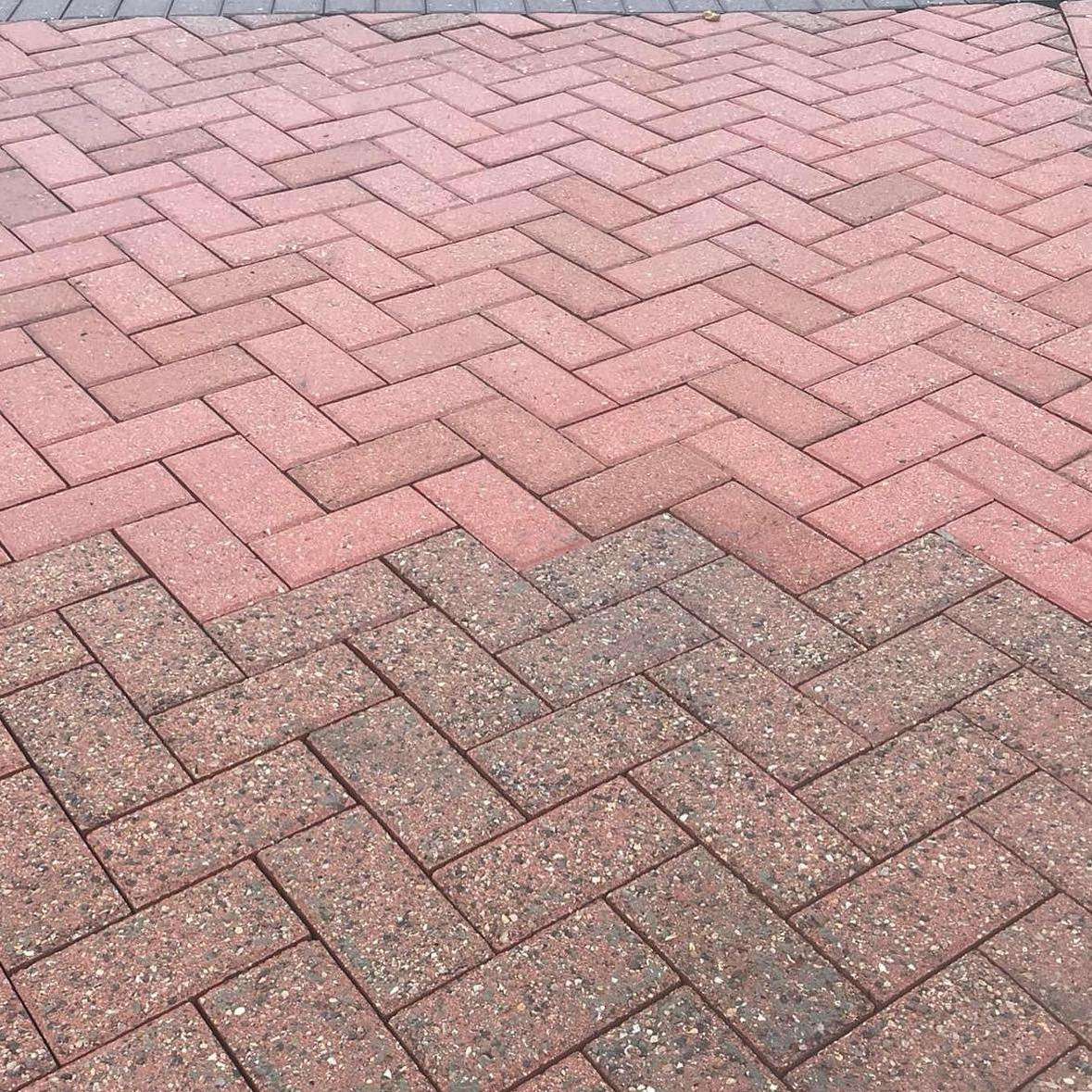 Brickwork
 Composite Surfaces
 Decking / Timber
 Granite
 Imprinted Concrete
 Internal Masonry
 Limestone
 Marble
 Metal Cladding
 Polished or Honed Stone
 Porcelain
 Render
 Resin Bond
 Road and Rail Signs
 Roof Tiles / Slates
 Sandstone
 Slate
Slate Solar Panels and Glass
 Stone Sills and Pier Caps
 Tarmac and Asphalt
 Gutters & UPVC
 Acid Damage
 Biofilm
 Bitumen
 Blood
Blood Carbon
 Concrete / Grout / Mortar
 Copper Oxide
 Efflorescence
 Egg
Egg Failed Sealer
 Fire Damage
 Fuel / Oil
 Graffiti
 Grease / Fat / Cooking Oil
 Lawn Fertiliser
 Lead Carbonate
 Lead Oxide
 Paint Splashes
 Rust
Rust Tar & Glue
 Tannin Removers
 Traffic Film Removers
 Trapped Moisture / Sealer Repairs
 Urine Neutralisers