A conservatory can completely change how a home feels. It brings in light, creates extra living space and connects the house with the garden. The problem is that because it is mostly glass, it also shows dirt, streaks, algae and water marks very easily. Cleaning it safely is not just about appearance either. Done incorrectly, it can lead to cracked panels, leaks, scratched glass or even personal injury.
This guide breaks down how to clean a conservatory safely, properly and without cutting corners. It covers tools, techniques, safety risks, different materials and what professionals typically do when handling more delicate structures.
Understanding What You Are Cleaning
Before any cleaning begins, it helps to understand what a conservatory is made of. Not all conservatories are the same, and using the wrong method on the wrong surface can cause long term damage.
Common conservatory materials
Component
Material types
Key risks
Roof panels
Glass or polycarbonate
Cracking, scratching, heat damage
Frames
uPVC, aluminium, timber
Discolouration, water ingress, paint damage
Seals
Rubber or silicone
Perishing, loosening, leaks
Guttering
Plastic or metal
Blockages, overflow, staining
Windows
Double glazed glass
Seal failure, scratching
Each part needs slightly different care. A one-method-fits-all approach is where most mistakes happen.
Safety First: What People Often Get Wrong
Cleaning a conservatory looks simple from the ground. In reality, it often involves height, fragile surfaces and awkward angles. Many of the common issues happen because safety is overlooked.
Key risks during conservatory cleaning
Working at height on ladders
Slipping on wet surfaces
Using incorrect cleaning chemicals
Applying too much pressure on glass or seals
Walking on unsupported roof panels
Electrical risks from outdoor sockets or lighting
A lot of homeowners underestimate how easy it is to damage panels or fall while reaching awkward roof sections. Even a small slip can lead to expensive repairs.
Basic safety equipment checklist
Item
Purpose
Stable ladder with stabiliser feet
Prevents slipping on hard ground
Non-slip shoes
Improves grip on wet patios or decking
Safety gloves
Protects hands from chemicals and sharp edges
Safety glasses
Prevents splashes from cleaning solutions
Extension pole tools
Reduces need to climb or stretch
Hose with adjustable nozzle
Controls water pressure
Working from the ground where possible is always the safest option.
Cleaning Methods for Conservatories
There is more than one way to clean a conservatory, and the right method depends on condition, height, access and material type.
Method comparison table
Method
Best for
Pros
Cons
Hand washing
Light dirt, regular maintenance
Precise, safe for seals
Time consuming
Hose rinse
Dust and pollen
Quick, low risk
Limited cleaning power
Soft brush system
Frames and glass panels
Gentle but effective
Needs extension equipment
Pure water system
Full exterior cleaning
No streaks, chemical free
Higher setup cost
Professional deep clean
Heavy staining, algae build-up
Thorough and safe
More expensive
Most homeowners combine two or more methods depending on access.
Cleaning Conservatory Roof Safely
The roof is usually the hardest part to clean and also the most dangerous. Whether it is glass or polycarbonate, it collects moss, bird droppings, algae and general dirt faster than other areas.
Step-by-step safe roof cleaning approach
Start from the ground where possible
Rinse loose debris using a hose
Apply a conservatory-safe cleaning solution
Allow it to soak briefly without drying
Use a soft brush on an extension pole
Rinse thoroughly from top to bottom
Check seals and joints for debris build-up
Avoid walking directly on the roof unless the structure is specifically designed for it and professionally supported. Even then, it is risky without proper training.
Important roof cleaning tips
Never use high-pressure washers on roof panels
Avoid abrasive pads or stiff brushes
Do not clean in direct sunlight as streaking increases
Always rinse from top down to avoid re-soiling
Cleaning Conservatory Glass Properly
Glass may seem straightforward, but it is one of the easiest surfaces to get wrong. Smears, streaks and water marks are usually caused by incorrect technique or cleaning in poor conditions.
Recommended approach for glass cleaning
Use warm water mixed with a mild detergent
Apply using a microfibre cloth or soft sponge
Work in sections rather than trying to do everything at once
Use a squeegee for a streak-free finish
Dry edges and corners with a clean cloth
Common mistakes with conservatory glass
Mistake
Result
Using newspaper
Ink stains and streaks
Cleaning in direct sun
Rapid drying and marks
Harsh chemicals
Damage to seals and frames
Dirty cloths
Scratches and smearing
Clean glass is not just about appearance. It also helps maintain natural light levels inside the conservatory.
Cleaning uPVC and Aluminium Frames
Frames collect dirt, algae and traffic pollution over time. If left too long, they can become discoloured or stained.
Safe cleaning process for frames
Rinse frames with clean water
Apply mild cleaning solution
Use a soft brush for corners and joints
Wipe down with microfibre cloth
Rinse thoroughly
Dry where possible to prevent water marks
Frame maintenance differences
Frame type
Care requirements
uPVC
Needs gentle cleaning, avoid abrasives
Aluminium
Resistant but can show water marks
Timber
Requires specialist treatment and sealing
Timber frames are particularly sensitive and should not be over-wet during cleaning.
Gutter and Drainage Cleaning
Blocked gutters are one of the most common causes of conservatory leaks. Water overflow can damage seals, stain frames and cause damp issues.
Signs gutters need cleaning
Water spilling over edges
Plants growing in gutters
Visible debris or moss
Damp patches near frame joints
Safe gutter cleaning approach
Remove loose debris by hand where accessible
Flush system with hose
Check downpipes for blockages
Ensure water flows freely after cleaning
Neglecting gutters often leads to much more expensive repairs later on.
Cleaning Solutions and Chemicals
Choosing the right cleaning solution is important. Strong chemicals can damage seals, fade finishes or cause long-term wear.
Common cleaning solutions comparison
Solution type
Safety level
Effectiveness
Notes
Warm soapy water
High
Moderate
Best for regular cleaning
Vinegar mix
Medium
Good on limescale
Can affect seals if overused
Specialist conservatory cleaner
High
High
Designed for all materials
Bleach-based products
Low
High
Risk of damage, not recommended
Most safe cleaning is done using mild solutions rather than aggressive chemicals.
Tools Used for Safe Conservatory Cleaning
Using the right equipment makes a significant difference in both safety and results.
Essential cleaning tools
Tool
Use
Extension pole brush
Roof and high panels
Microfibre cloths
Glass and frames
Squeegee
Streak-free glass finish
Soft sponge
General washing
Hose with adjustable pressure
Rinsing surfaces
Bucket with mild solution
Controlled cleaning
Investing in proper tools reduces the need for risky climbing or stretching.
Cleaning Frequency and Maintenance Planning
Regular maintenance is far safer and more cost effective than occasional deep cleaning.
Suggested cleaning schedule
Task
Frequency
Glass wash
Every 1–3 months
Frame wipe down
Every 3–6 months
Roof clean
2–4 times per year
Gutter check
Twice per year
Full deep clean
Once per year
Homes near trees, busy roads or coastal areas may require more frequent cleaning.
Professional Conservatory Cleaning
There are times when professional cleaning is the safer and more effective option. Large conservatories, high roofs or heavy staining often require specialist equipment.
What professional cleaning typically includes
Full exterior wash of roof and panels
Deep cleaning of frames and seals
Gutter clearing and flushing
Stain and algae treatment
Final polish for streak-free finish
Professional services also reduce the risk of damage caused by incorrect DIY methods.
Pureseal Services operate at a premium level in this area, focusing on careful, detail-driven conservatory cleaning rather than quick surface washing. Their approach is more thorough, which reflects in the level of finish and long-term protection.
Typical Costs of Conservatory Cleaning in the UK
Pricing varies depending on size, condition and access. Conservatories that are difficult to reach or heavily soiled take longer and require more equipment.
Price guide table
Service type
Typical cost range
Notes
Basic exterior wash
£120 – £220
Light dirt, easy access
Full conservatory clean
£180 – £350
Roof, glass and frames
Deep clean with algae treatment
£250 – £450
Heavy staining or neglect
Gutter cleaning add-on
£60 – £120
Depends on access
Premium professional service
£300 – £600+
Larger or complex structures
Premium services such as those offered by Pureseal Services sit towards the higher end of this range, reflecting more detailed cleaning methods, better equipment and longer-lasting results.
Common Mistakes to Avoid
Even with good intentions, conservatory cleaning can go wrong quite easily.
Frequent errors
Using high-pressure washers on fragile surfaces
Cleaning in strong sunlight causing streaks
Ignoring gutters and drainage
Overusing chemical cleaners
Using ladders without stabilisation
Scrubbing seals too aggressively
Most damage seen in conservatories comes from incorrect cleaning rather than natural wear.
Seasonal Cleaning Considerations
Different seasons affect how and when you should clean a conservatory.
Seasonal impact table
Season
Main issue
Recommended action
Spring
Pollen and dust
Light wash and rinse
Summer
Water spots and sun streaks
Regular glass cleaning
Autumn
Leaves and gutter blockage
Full gutter clearance
Winter
Frost and algae growth
Gentle cleaning and inspection
Planning around seasonal changes helps prevent long-term build-up.
Final Practical Notes on Safe Cleaning
Safe conservatory cleaning is about patience, correct tools and understanding the materials you are working with. Most problems happen when cleaning is rushed or the wrong method is used for the surface type. Keeping a steady routine, using gentle solutions and avoiding unnecessary pressure on glass or seals makes a significant difference to both appearance and lifespan.
Professional support becomes especially useful when access is difficult, staining is heavy or safety becomes a concern during roof cleaning or gutter work.
Advanced Cleaning Techniques for Conservatories
Once the basics are covered, the difference between a standard clean and a high-quality finish usually comes down to technique. This is where more advanced methods come in, especially for larger conservatories or those that haven’t been cleaned properly in a long time.
Water-fed pole systems
One of the safest and most effective modern approaches is the water-fed pole system. This uses purified water delivered through a long extendable pole with a soft brush head.
The key advantage is simple: cleaning is done entirely from the ground.
How it works
Water is filtered to remove minerals and impurities
It travels through a hose into a long pole
A soft brush applies water to the surface
Dirt is loosened and rinsed away
The pure water dries without streaks
Why purified water matters
Regular tap water contains minerals like calcium and magnesium. When it dries on glass, it leaves marks. Purified water avoids this completely, which is why it is often used in professional cleaning systems.
Benefits of this method
Benefit
Why it matters
No ladders needed
Reduces fall risk significantly
Streak-free finish
No drying marks left behind
Safer for seals
No harsh chemicals required
Better reach
Ideal for high conservatory roofs
Faster cleaning
Covers large areas efficiently
Pureseal Services often use this approach for larger or more complex conservatories because it balances safety with a consistently high standard of finish.
Dealing with Algae, Mould and Organic Build-Up
One of the most common long-term issues with conservatories is biological growth. This includes algae, mould, moss and lichen, particularly on shaded roofs and north-facing panels.
Why it develops
Constant moisture exposure
Poor drainage around frames
Overhanging trees blocking sunlight
Lack of regular cleaning
Organic debris collecting in corners
Treatment process for organic growth
Organic build-up requires more than just washing. It needs a controlled treatment approach.
Step-by-step treatment method
Dry brush loose growth where safe
Apply a biodegradable cleaning solution
Allow dwell time so the solution breaks down organisms
Gently agitate with a soft brush
Rinse thoroughly with clean water
Repeat if staining remains
Important safety note
Aggressive scrubbing or high-pressure water can damage seals and force moisture into frame joints. This often leads to long-term leaks rather than solving the problem.
Risk comparison table
Method
Effectiveness
Risk level
Suitability
Soft chemical treatment
High
Low
Best overall option
Pressure washing
High
High
Not recommended for conservatories
Manual scraping
Medium
Medium
Only for small isolated areas
For stubborn growth, professional treatment is usually more effective because it removes the root cause rather than just the surface layer.
Conservatory Restoration vs Standard Cleaning
Not all conservatory cleaning jobs are equal. Some require restoration rather than maintenance cleaning. Understanding the difference helps set realistic expectations.
What is standard cleaning?
This is routine maintenance work. It includes:
Washing glass panels
Cleaning frames
Clearing gutters
Light stain removal
General rinse and polish
What is restoration cleaning?
Restoration is more intensive. It is needed when:
Frames are heavily discoloured
Glass has long-term staining
Algae has embedded into surfaces
Gutters have been neglected for years
Seal areas are heavily soiled
Comparison table
Feature
Standard clean
Restoration clean
Time required
Short
Extended
Equipment used
Basic to moderate
Specialist tools
Chemical use
Minimal
Controlled, targeted
Result
Fresh appearance
Near original condition
Cost level
Lower
Higher, premium service
Restoration work often takes longer and requires a more careful approach, particularly when dealing with older conservatories where materials may be more fragile.
Pureseal Services tend to focus on restoration-level detail when needed, which means the process is slower but far more thorough, especially for heavily neglected structures.
Environmental Factors That Affect Cleaning
Conservatories are exposed to the environment all year round, so location plays a major role in how quickly they get dirty.
Key environmental influences
Nearby trees dropping sap and leaves
Coastal salt exposure
Urban pollution and traffic film
Heavy rainfall areas increasing algae growth
Shade reducing natural drying
Environmental impact breakdown
Environment type
Common issue
Cleaning frequency needed
Urban city areas
Traffic film and soot
Every 2–3 months
Rural areas
Moss and algae
Every 3–4 months
Coastal regions
Salt deposits
Monthly rinsing recommended
Tree-covered gardens
Leaves and sap
Frequent gutter clearing
Homes in shaded gardens tend to require the most frequent maintenance due to slower drying times, which encourages organic growth.
Equipment Breakdown for Safe Conservatory Cleaning
Using the right equipment is not just about efficiency, it directly affects safety and surface protection.
Professional-grade equipment list
Equipment
Purpose
Why it matters
Telescopic water-fed poles
High reach cleaning
Reduces need for ladders
Soft nylon brushes
Surface cleaning
Prevents scratching
Purified water systems
Streak-free finish
No mineral residue
Gutter vacuum systems
Debris removal
Cleaner and safer than manual removal
Low-pressure rinse systems
Final wash-down
Protects seals and joints
What should be avoided
Metal scrapers
High-pressure jet washers
Hard-bristle brushes
Abrasive powders
Strong solvent-based cleaners
These tools can cause irreversible damage, particularly to uPVC frames and rubber seals.
DIY Cleaning vs Professional Cleaning
Many homeowners attempt conservatory cleaning themselves, but the difference in outcome compared to professional work is often significant.
DIY approach
Advantages:
Lower upfront cost
Can be done at any time
Suitable for light maintenance
Disadvantages:
Higher safety risk
Limited equipment reach
More chance of streaking
Difficulty removing stubborn stains
Professional approach
Advantages:
Safer working methods
Better equipment access
More consistent finish
Ability to treat long-term staining
Reduced risk of damage
Disadvantages:
Higher cost
Requires booking and scheduling
Cost vs outcome comparison
Approach
Typical cost
Result quality
Risk level
DIY cleaning
£20–£80 (materials)
Variable
Medium to high
Professional cleaning
£180–£600+
Consistently high
Low
Pureseal Services operate towards the premium end of the market, focusing on detailed cleaning that goes beyond surface-level results, particularly where long-term maintenance is required.
Insurance and Liability Considerations
Something that is often overlooked is the risk of personal injury or property damage during conservatory cleaning.
Common insurance issues
Ladder-related falls
Broken glass panels
Water damage from incorrect cleaning
Electrical hazards near outdoor fittings
Damage caused by high-pressure equipment
Why insurance matters
If a conservatory is damaged during DIY cleaning, home insurance may not always cover it if negligence is involved. This is particularly relevant when incorrect equipment is used on fragile structures.
Professional services typically carry full liability insurance, which provides protection in case of accidental damage during cleaning work.
Long-Term Maintenance Planning
A conservatory is easier and safer to maintain when cleaning is done regularly rather than waiting for visible build-up.
Recommended maintenance plan
Interval
Task
Reason
Monthly
Light rinse of glass
Prevents staining
Quarterly
Frame and seal clean
Stops build-up
Biannually
Gutter clearance
Prevents leaks
Annually
Full deep clean
Restores appearance
Consistency is more important than intensity. Light, regular cleaning reduces the need for heavy restoration work later.
Common Hidden Problem Areas
Even when a conservatory looks clean, there are areas that often get missed.
Frequently overlooked zones
Rubber seal edges
Corner joints on frames
Under gutter brackets
Roof panel overlaps
Drainage exit points
Window hinge areas
Why these matter
Dirt build-up in these areas can lead to:
Slow leaks
Frame discolouration
Blocked drainage
Increased algae growth
Seal deterioration over time
Professional cleaning tends to focus heavily on these details, which is why results often last longer compared to standard DIY cleaning.
Seasonal Deep Clean Considerations
Some times of year are better suited for deeper cleaning than others.
Ideal cleaning windows
Spring: Removes winter grime and prepares for warmer months
Early autumn: Clears summer build-up before leaf fall
Mild dry days: Best for streak-free drying
Avoid cleaning during:
Frosty conditions
Heavy rain
Extreme heat and direct sunlight
These conditions can affect both safety and finish quality.
Final Operational Insight
Conservatory cleaning is not a single-task job. It combines surface cleaning, structural awareness, safety management and environmental understanding. The difference between a quick wash and a properly maintained conservatory often comes down to technique, equipment choice and consistency of care over time.
Quick Conservatory Cleaning Reference Guide
This section brings everything together into a simple, usable format for regular maintenance and safe cleaning.
Safe cleaning checklist
Task
What to do
What to avoid
Roof cleaning
Use soft brush and extension pole
Walking on panels or using pressure washers
Glass cleaning
Use soapy water and squeegee
Harsh chemicals or abrasive cloths
Frame cleaning
Wipe with mild solution and cloth
Scouring pads or solvent cleaners
Gutter clearing
Remove debris and flush with water
Ignoring blockages or forcing tools
Drying
Allow natural drying or microfibre wipe
Leaving heavy water spots in sun
Common warning signs to watch for
Issue
What it usually means
Water marks inside frame joints
Possible seal failure
Constant streaking on glass
Hard water residue or poor cleaning method
Green staining on roof
Algae build-up developing
Overflowing gutters
Blockage or poor drainage
Condensation between panes
Failed double glazing unit
Safe maintenance rhythm
Light clean every few weeks keeps build-up under control
Seasonal deep cleaning prevents long-term staining
Gutters should never be left more than six months without checking
Roof panels benefit from gentle, regular rinsing rather than heavy cleaning sessions
Professional cleaning note
When conservatories become heavily stained, difficult to access, or show signs of algae and seal issues, it is usually safer and more effective to use a professional service. High-end providers such as Pureseal Services typically use purified water systems, controlled low-impact cleaning methods and detailed finishing processes that reduce risk to delicate seals and glazing while delivering a more consistent result.

 Artificial and Sports Surfaces
 Awnings / Canopies / Gazebos
 Block Paving
 Brickwork
 Composite Surfaces
 Decking / Timber
 Granite
 Imprinted Concrete
 Internal Masonry
 Limestone
 Marble
 Metal Cladding
 Polished or Honed Stone
 Porcelain
 Render
 Resin Bond
 Road and Rail Signs
 Roof Tiles / Slates
 Sandstone
 Slate
Slate Solar Panels and Glass
 Stone Sills and Pier Caps
 Tarmac and Asphalt
 Gutters & UPVC
 Acid Damage
 Biofilm
 Bitumen
 Blood
Blood Carbon
 Concrete / Grout / Mortar
 Copper Oxide
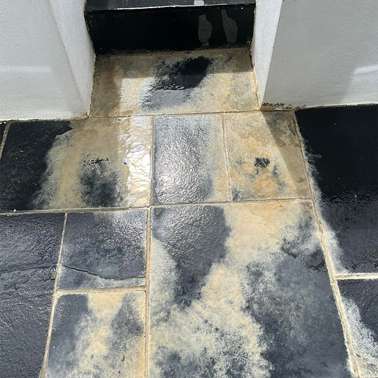 Efflorescence
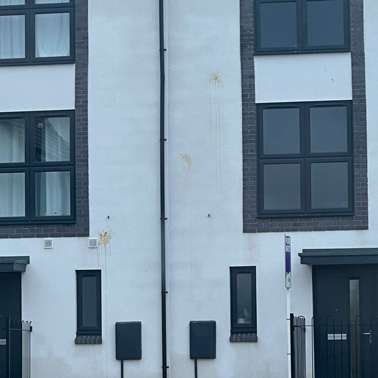 Egg
Egg Failed Sealer
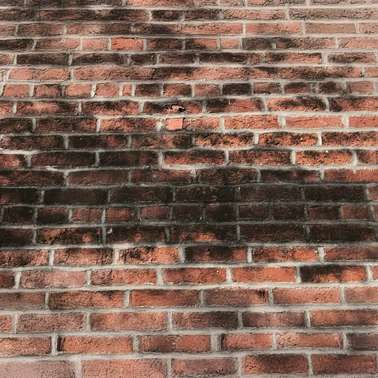 Fire Damage
 Fuel / Oil
 Graffiti
 Grease / Fat / Cooking Oil
 Lawn Fertiliser
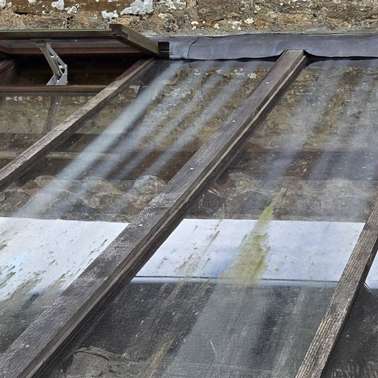 Lead Carbonate
 Lead Oxide
 Paint Splashes
 Rust
Rust Tar & Glue
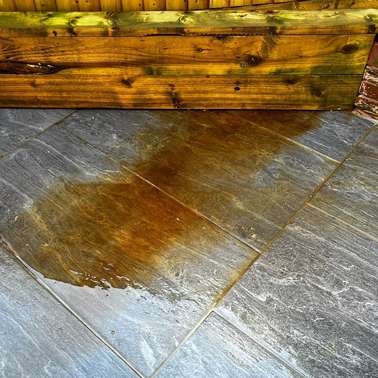 Tannin Removers
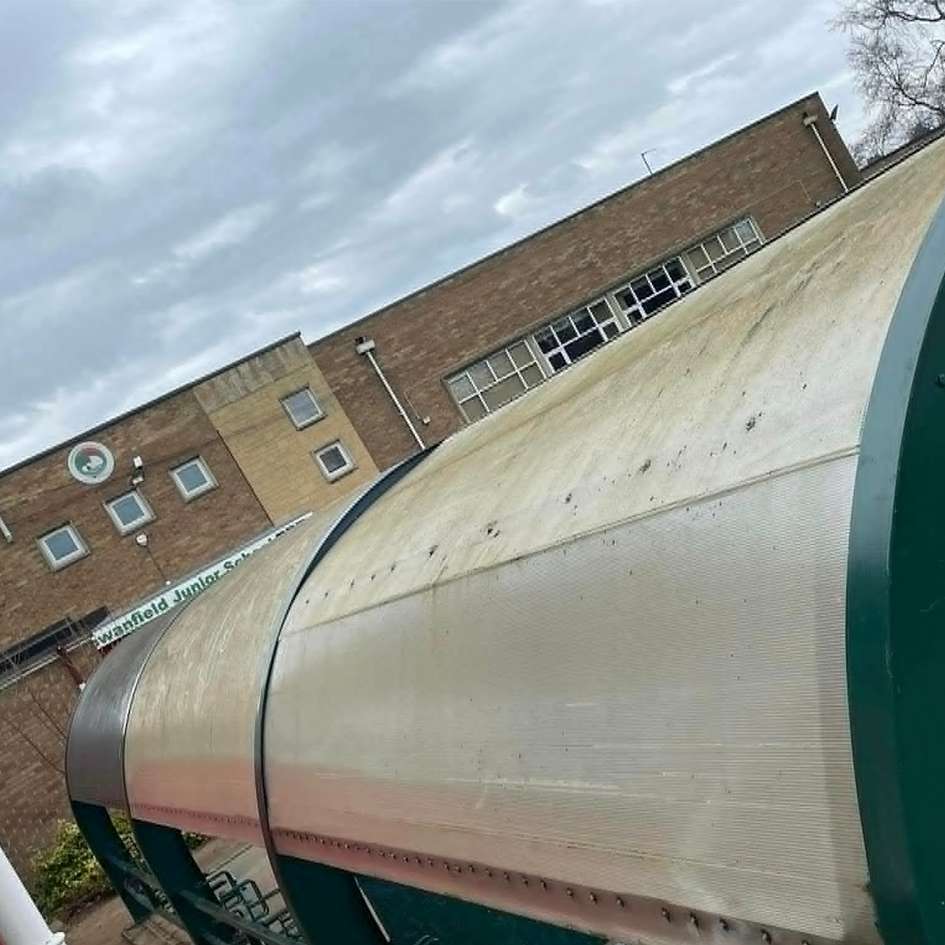 Traffic Film Removers
 Trapped Moisture / Sealer Repairs
 Urine Neutralisers